Stem Cell Wellness
Discover the role of stem cell wellness in promoting longevity and anti-aging, examining its mechanisms, evidence, practical applications, and safety.

Explore how stem cell wellness can contribute to longevity and anti-aging efforts, including its mechanisms, evidence, practical applications, and safety considerations.
What It Is
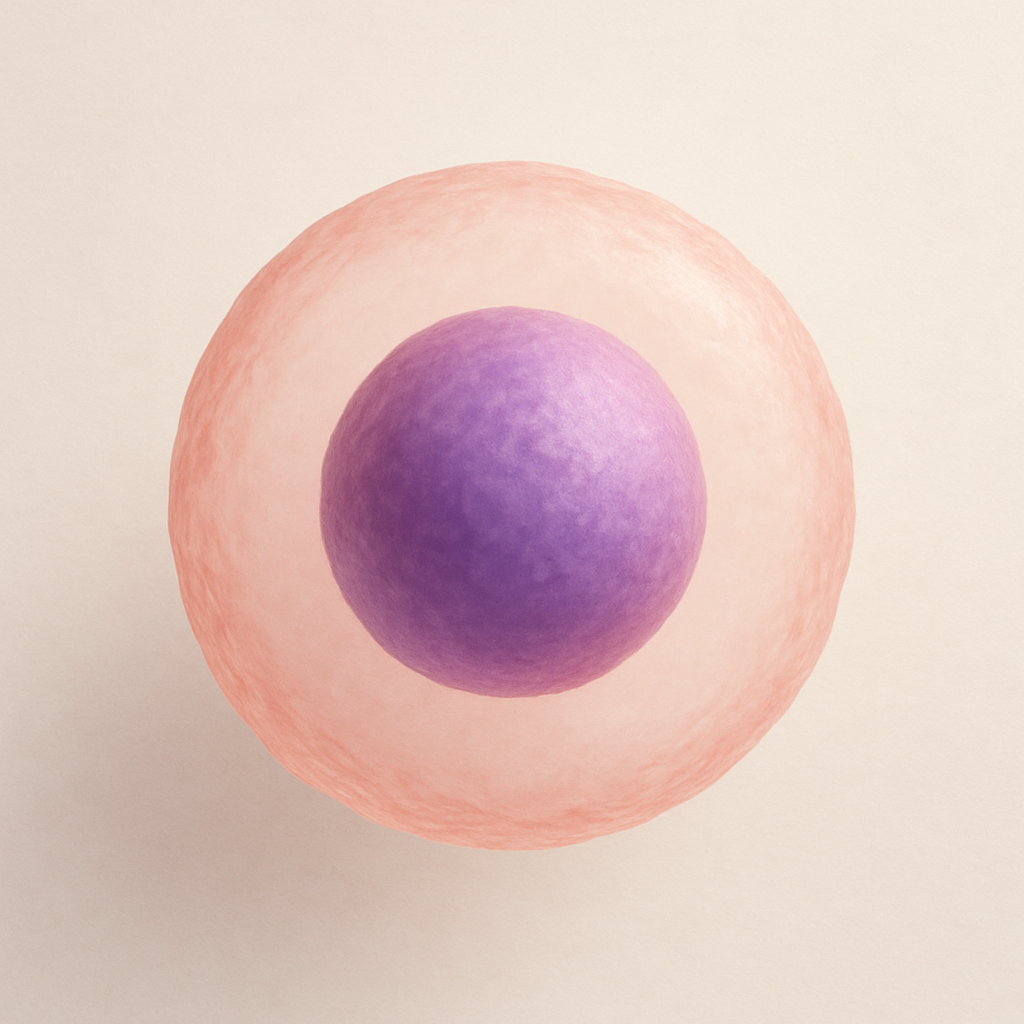
Stem cell wellness refers to the utilization of stem cells to enhance health, promote longevity, and combat signs of aging. Stem cells are unique cells capable of self-renewal and differentiation into various cell types, playing a crucial role in the body's ability to repair and regenerate tissues. In the context of wellness, stem cell therapies aim to harness these properties to rejuvenate aging tissues, improve function, and potentially extend lifespan.
This emerging field combines principles of regenerative medicine and holistic health to support overall well-being. By focusing on the regenerative capabilities of stem cells, practitioners aim to mitigate age-related decline and promote vitality, making stem cell wellness an exciting avenue in the longevity and anti-aging landscape.
Mechanism / How It Works
The primary mechanism behind stem cell wellness is the ability of stem cells to differentiate into various specialized cell types, facilitating tissue repair and regeneration. When introduced into the body, these cells can migrate to damaged tissues, proliferate, and promote healing processes. They release signaling molecules that encourage the body's own stem cells to activate and repair damaged areas.
Additionally, stem cells can modulate the immune response and reduce inflammation, which is a critical factor in many age-related diseases. By enhancing the body’s repair mechanisms and reducing chronic inflammation, stem cell therapies aim to foster a healthier state of being, potentially leading to improved longevity.
Evidence Summary
The evidence surrounding stem cell wellness is a mix of preliminary findings and clinical studies, with a range of outcomes reported. Some studies suggest that stem cell therapies can improve specific conditions, such as degenerative joint diseases and certain neurological disorders, showcasing their potential for enhancing quality of life.
However, the field is still in its infancy, and many claims about the anti-aging benefits of stem cells remain unverified. While some clinical trials show promise, others yield conflicting results, emphasizing the need for more rigorous and comprehensive research. The long-term safety and efficacy of stem cell therapies are still under investigation, and a cautious approach is advised.
Practical Application
Incorporating stem cell wellness into a daily routine typically involves consulting with healthcare professionals specializing in regenerative medicine. Potential protocols may include stem cell injections, dietary adjustments, and lifestyle changes aimed at supporting overall health and wellness.
Common pitfalls include unrealistic expectations regarding the outcomes of stem cell therapies and neglecting other essential aspects of health, such as nutrition and exercise. It is crucial to approach stem cell therapies as part of a broader health strategy rather than a standalone solution.
Relevant Biomarkers & Tracking
Tracking biomarkers is essential for assessing the effectiveness of stem cell wellness interventions. Relevant biomarkers may include:
- Inflammatory markers (e.g., C-reactive protein)
- Stem cell counts in the bloodstream
- Cellular senescence markers
- Tissue regeneration indicators (e.g., collagen levels)
- Overall health metrics (e.g., blood pressure, cholesterol levels)
Regular monitoring can provide insights into how well the body is responding to therapies and inform necessary adjustments.
Body Systems Supported
Stem cell wellness has the potential to support several body systems, including:
- Musculoskeletal system: Enhancing the repair of joints and cartilage.
- Nervous system: Supporting recovery from neurological diseases.
- Immune system: Modulating immune responses and reducing inflammation.
- Cardiovascular system: Promoting heart health and tissue regeneration.
These systems are integral to overall health and longevity, making stem cell therapies an appealing option for many seeking anti-aging solutions.
Common Goals
Individuals pursuing stem cell wellness often have common goals, which may include:
- Reducing the signs of aging (e.g., wrinkles, decreased mobility)
- Improving energy levels and vitality
- Enhancing recovery from injuries or surgeries
- Supporting overall health and longevity
These goals reflect a desire for a higher quality of life as one ages, making stem cell wellness an attractive consideration.
Safety, Contraindications & Edge Cases
While stem cell therapies are generally considered safe, they are not without risks. Potential side effects may include infection, immune reactions, and the possibility of tumor formation. Contraindications can include certain autoimmune disorders, pregnancy, and specific types of cancer.
It is essential to have a thorough evaluation by qualified healthcare professionals to determine individual suitability for stem cell interventions, especially for those with underlying health conditions.
Pairs Well With
Stem cell wellness can be complemented by various natural and holistic practices, including:
- Nutritional supplements (e.g., antioxidants, omega-3 fatty acids)
- Mind-body practices (e.g., yoga, meditation)
- Physical activity (e.g., resistance training, aerobic exercise)
- Other regenerative therapies (e.g., platelet-rich plasma therapy)
These combinations can enhance the overall effectiveness of stem cell wellness strategies and contribute to a more holistic approach to health and longevity.
FAQs (5)
What types of stem cells are used in wellness therapies?
Commonly used stem cells include mesenchymal stem cells and hematopoietic stem cells, sourced from bone marrow, adipose tissue, and umbilical cord blood.
Are stem cell therapies commonly available?
Many stem cell therapies are not commonly available for anti-aging purposes, and patients should exercise caution and consult with qualified professionals.
How long does it take to see results from stem cell therapies?
Results can vary widely depending on the individual and the specific condition being treated, with some noticing improvements within weeks and others requiring months.
Can stem cell wellness therapies be combined with other treatments?
Yes, many people integrate stem cell therapies with other holistic health approaches, but this should be done under medical supervision.
What should I look for in a stem cell wellness clinic?
Look for clinics with qualified medical staff, transparent practices, and a focus on evidence-based treatments.
Frequently asked
What types of stem cells are used in wellness therapies?
Commonly used stem cells include mesenchymal stem cells and hematopoietic stem cells, sourced from bone marrow, adipose tissue, and umbilical cord blood.
Are stem cell therapies FDA approved?
Many stem cell therapies are not FDA approved for anti-aging purposes, and patients should exercise caution and consult with qualified professionals.
How long does it take to see results from stem cell therapies?
Results can vary widely depending on the individual and the specific condition being treated, with some noticing improvements within weeks and others requiring months.
Can stem cell wellness therapies be combined with other treatments?
Yes, many people integrate stem cell therapies with other holistic health approaches, but this should be done under medical supervision.
What should I look for in a stem cell wellness clinic?
Look for clinics with qualified medical staff, transparent practices, and a focus on evidence-based treatments.