Recovery Science
This page delves into recovery science as a critical component of longevity and anti-aging, outlining its mechanisms, evidence, practical applications, and safety considerations.

Explore the science of recovery within the realm of longevity and anti-aging, focusing on mechanisms, evidence, practical applications, and more.
What It Is
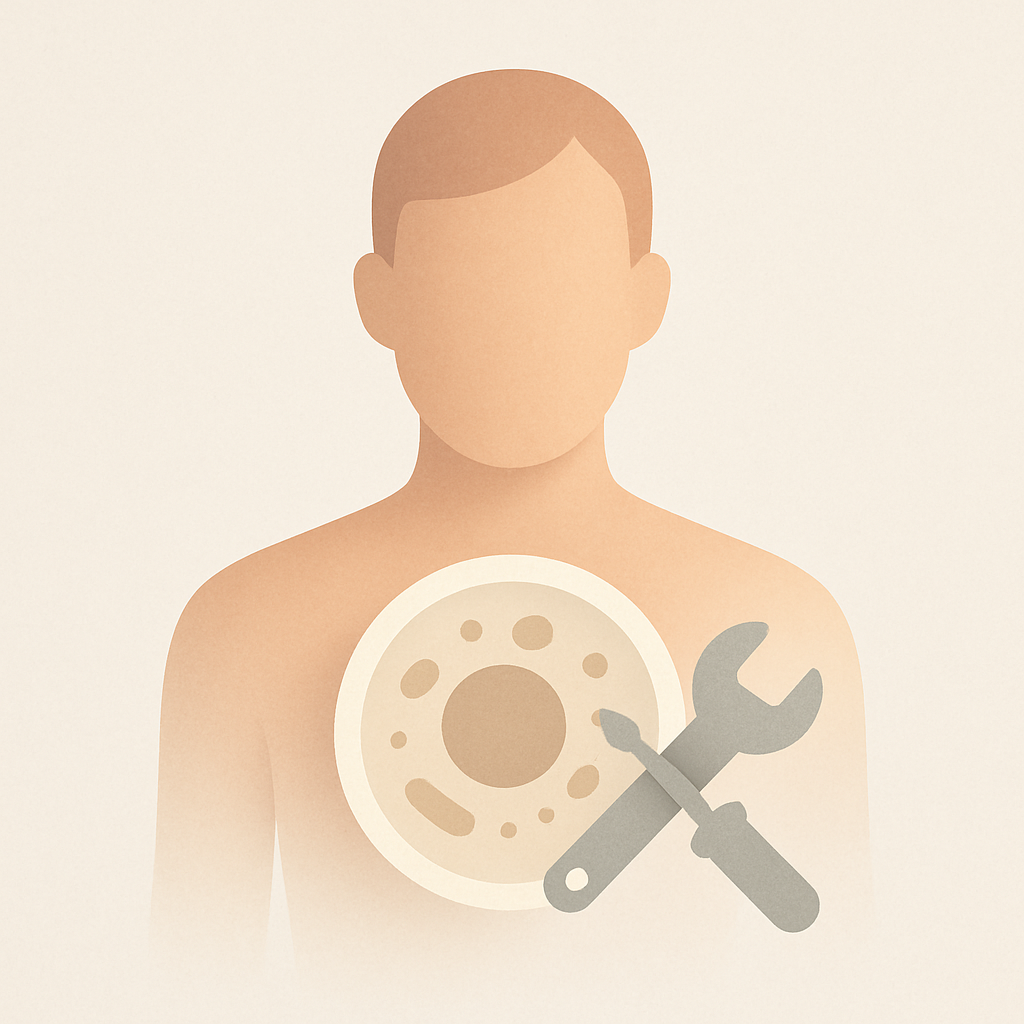
Recovery science is the study of processes and methodologies aimed at restoring physical, mental, and emotional health after exertion or stress. It encompasses a range of techniques designed to facilitate healing, enhance performance, and promote overall well-being. This field integrates insights from exercise physiology, nutrition, psychology, and even sleep science to provide a comprehensive approach to recovery.
At its core, recovery science seeks to understand the impact of various recovery strategies on the body’s ability to regenerate, adapt, and thrive. By optimizing recovery, individuals can improve their longevity and reduce the risk of age-related diseases, thereby enhancing their quality of life as they age.
Mechanism / How It Works
The mechanisms behind recovery science are multifaceted and can be categorized into physiological, psychological, and nutritional components. Physiologically, recovery involves processes such as muscle repair, inflammation reduction, and hormonal balance. Techniques like active recovery, hydration, and targeted nutrition help to facilitate these processes.
Psychologically, recovery strategies may incorporate relaxation techniques, mindfulness, and cognitive behavioral approaches to reduce stress and enhance mental resilience. Nutritional recovery emphasizes the importance of macronutrients and micronutrients to fuel the body’s repair processes and restore energy levels.
Evidence Summary
The evidence surrounding recovery science is a mix of promising findings and areas requiring further investigation. Preliminary studies suggest that specific recovery modalities, such as active recovery and adequate sleep, can significantly enhance athletic performance and overall health. However, clinical studies present a more nuanced picture, with varying results depending on the population studied and the specific recovery methods employed.
While some modalities, like cryotherapy and compression therapy, show conflicting results in their efficacy, others, such as hydration and proper nutrition, are consistently supported by research. It is essential to approach recovery science with a critical eye, recognizing that while numerous strategies exist, their effectiveness can differ from person to person.
Practical Application
Integrating recovery science into daily life involves establishing protocols that cater to individual needs and lifestyles. Key strategies include:
- Active Recovery: Engage in low-intensity exercises such as walking or yoga to promote blood flow and healing.
- Nutrition: Focus on balanced meals rich in proteins, carbohydrates, and healthy fats to support recovery.
- Hydration: Ensure adequate fluid intake before, during, and after exercise.
- Sleep Hygiene: Prioritize quality sleep by maintaining a consistent sleep schedule and creating a restful environment.
Common pitfalls include neglecting hydration, overlooking the importance of rest, and failing to listen to the body’s signals. It is vital to recognize the signs of overtraining or inadequate recovery to adjust protocols accordingly.
Relevant Biomarkers & Tracking
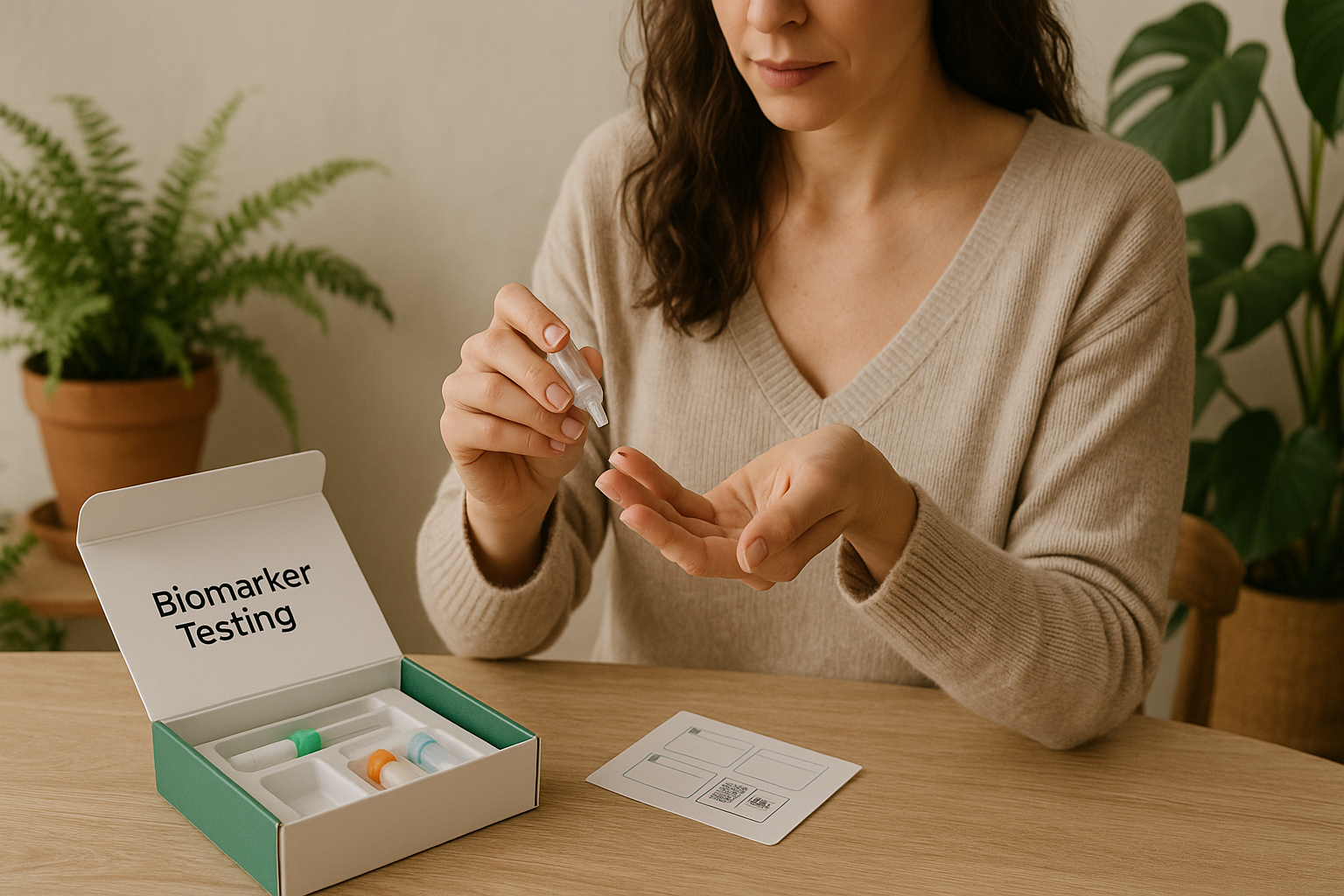
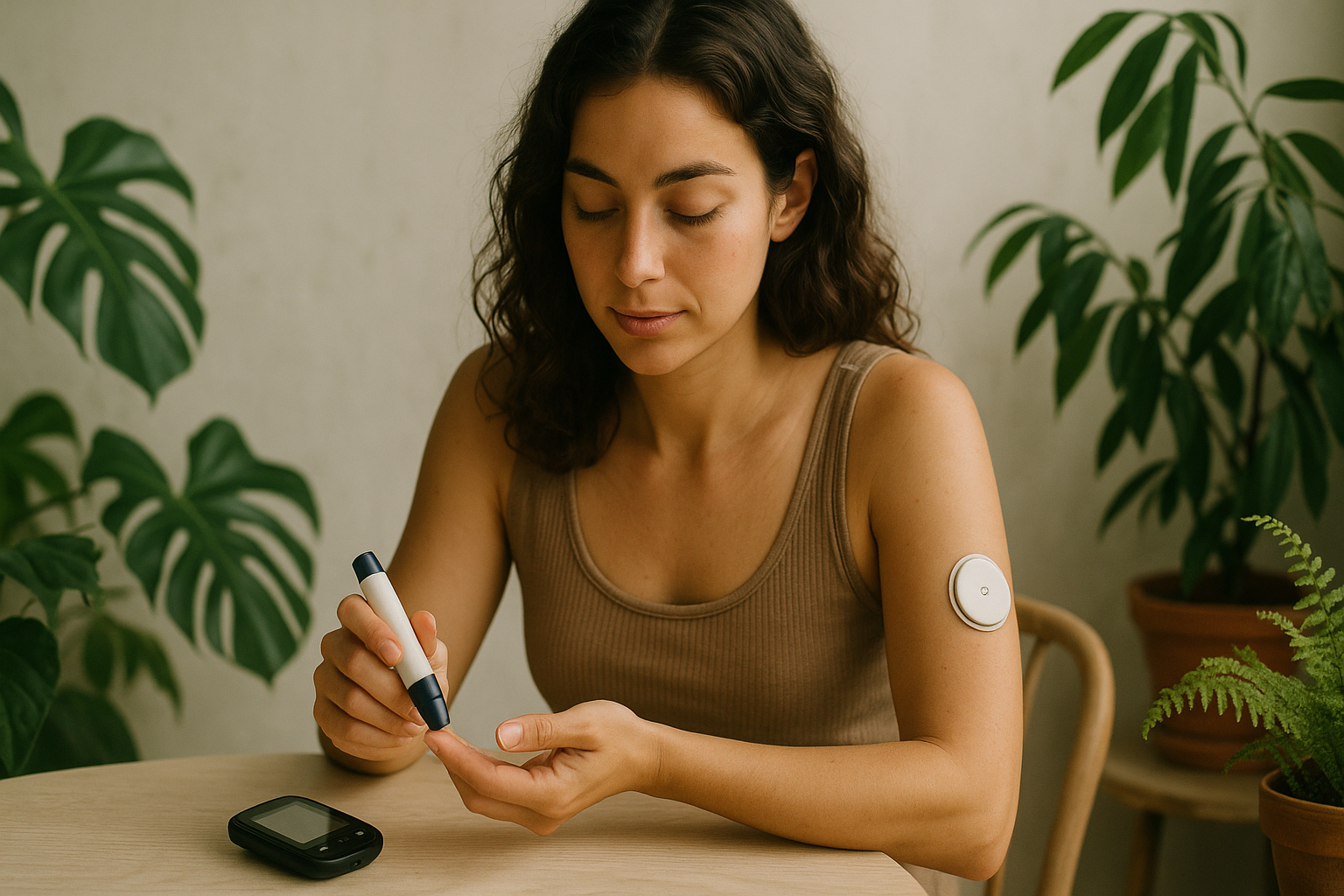
Monitoring specific biomarkers can provide insights into recovery status and overall health. Relevant biomarkers include:
- Heart Rate Variability (HRV): A measure of autonomic nervous system function that can indicate recovery status.
- Cortisol Levels: Elevated cortisol can signal chronic stress, affecting recovery.
- Inflammation Markers: Such as C-reactive protein (CRP), which may indicate the body’s inflammatory state.
- Sleep Quality Metrics: Tracking sleep duration and quality can help assess recovery effectiveness.
Body Systems Supported
Recovery science supports various body systems, including:
- Musculoskeletal System: Enhances muscle repair and reduces injury risk.
- Nervous System: Helps restore balance and resilience against stress.
- Endocrine System: Supports hormonal balance necessary for recovery and growth.
- Immune System: Aids in reducing inflammation and enhancing overall health.
Common Goals
Individuals pursuing recovery science typically aim for the following goals:
- Improved athletic performance and endurance.
- Enhanced mental clarity and emotional well-being.
- Reduced risk of injury and overtraining.
- Increased longevity and overall health.
Safety, Contraindications & Edge Cases
While many recovery strategies are safe for the general population, certain individuals may require caution. Contraindications may include:
- Pre-existing medical conditions, such as cardiovascular issues or chronic pain disorders.
- Pregnancy, where certain recovery modalities may not be advisable.
- Recent surgeries or injuries that require specific rehabilitation protocols.
It is always recommended to consult with a healthcare professional before starting new recovery practices, especially for individuals with health concerns.
Pairs Well With
Recovery science aligns well with various ancient and natural wellness practices, including:
- Traditional Chinese Medicine: Emphasizes balance and holistic approaches to health and recovery.
- Ayurveda: Offers dietary and lifestyle recommendations that support recovery and longevity.
- Mindfulness and Meditation: Techniques that enhance mental recovery and resilience.
FAQs (5)
- What is the best recovery method? The best recovery method varies by individual, but a combination of proper nutrition, hydration, sleep, and active recovery is generally effective.
- How long should I rest between workouts? Rest periods can vary depending on workout intensity, but generally, 24-48 hours is recommended for muscle recovery.
- Can mental recovery techniques improve physical recovery? Yes, practices like mindfulness and meditation can reduce stress and enhance overall recovery outcomes.
- Is it safe to use cryotherapy? Cryotherapy is generally safe for most individuals, but consult a healthcare provider if you have specific health concerns.
- How do I know if I'm overtraining? Signs of overtraining may include persistent fatigue, decreased performance, irritability, and increased injuries. Listening to your body is crucial.
Frequently asked
What is the best recovery method?
The best recovery method varies by individual, but a combination of proper nutrition, hydration, sleep, and active recovery is generally effective.
How long should I rest between workouts?
Rest periods can vary depending on workout intensity, but generally, 24-48 hours is recommended for muscle recovery.
Can mental recovery techniques improve physical recovery?
Yes, practices like mindfulness and meditation can reduce stress and enhance overall recovery outcomes.
Is it safe to use cryotherapy?
Cryotherapy is generally safe for most individuals, but consult a healthcare provider if you have specific health concerns.
How do I know if I'm overtraining?
Signs of overtraining may include persistent fatigue, decreased performance, irritability, and increased injuries. Listening to your body is crucial.