Athletic Aging
Discover how to embrace athletic aging with evidence-based strategies for longevity and vitality in later years.
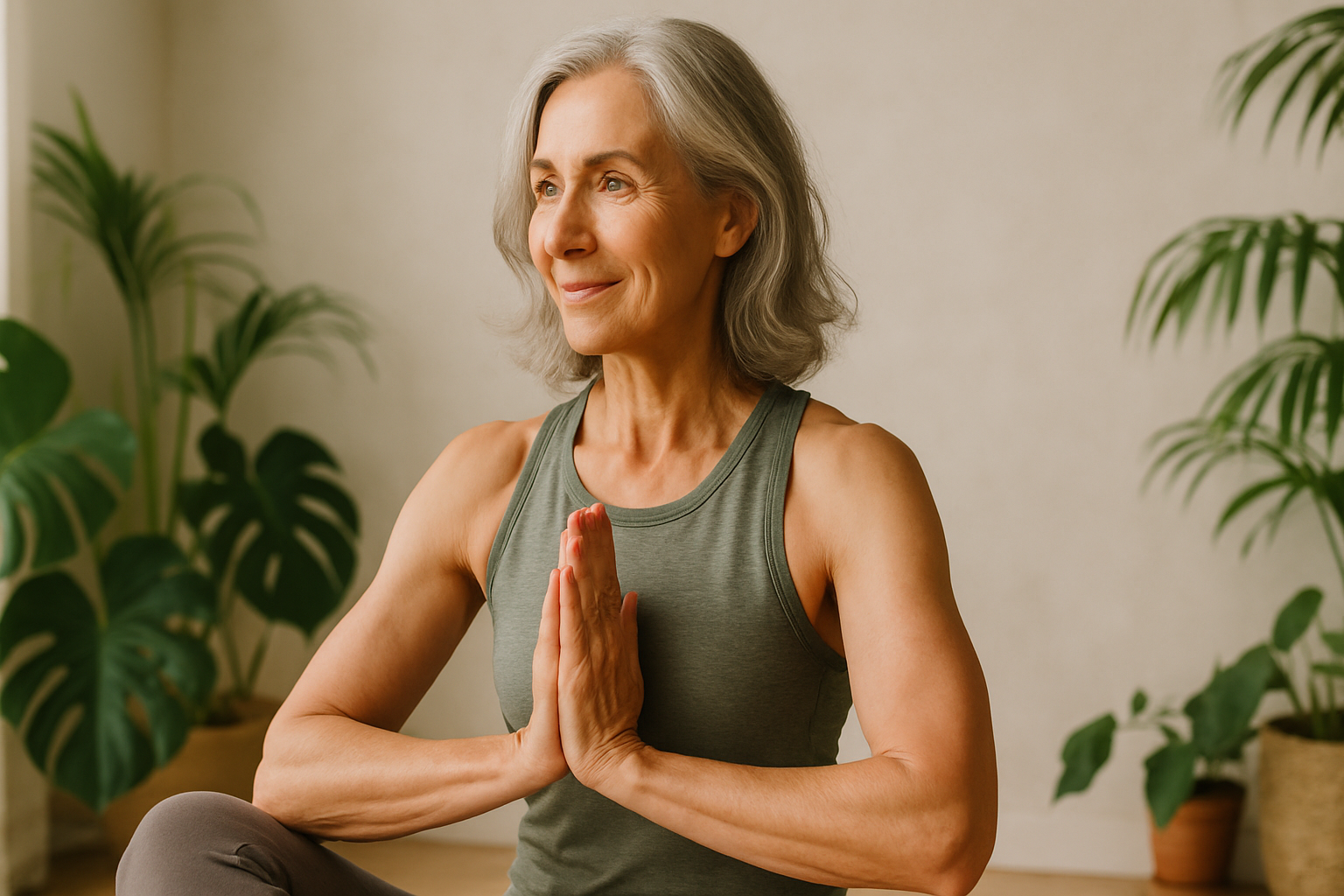
Explore the intersection of athletic performance and aging, focusing on strategies to maintain physical capabilities and overall wellness as we grow older.
What It Is
Athletic aging refers to the phenomenon where individuals maintain their physical performance and fitness levels as they grow older. Unlike the traditional view of aging, which often emphasizes decline, athletic aging focuses on the possibility of sustaining and even enhancing physical capabilities through deliberate training, nutrition, and lifestyle choices. This concept is supported by the understanding that the human body can adapt and improve with the right stimulus, regardless of age.
This approach encourages older adults to engage in regular physical activities that challenge their strength, endurance, flexibility, and balance. Athletic aging recognizes that many individuals can perform at high levels well into their later years, provided they adopt appropriate practices to mitigate the effects of aging on the body.
Mechanism / How It Works
The mechanisms underlying athletic aging involve a combination of physiological adaptations, lifestyle choices, and psychological factors. Regular physical activity influences muscle mass, bone density, cardiovascular health, and metabolic function, all of which are crucial for maintaining physical performance. Key adaptations include:
- Muscle Preservation: Resistance training helps to counteract sarcopenia, the age-related loss of muscle mass, by promoting muscle hypertrophy and strength.
- Cardiovascular Health: Aerobic exercises enhance heart and lung function, improving overall endurance and stamina.
- Flexibility and Balance: Activities such as yoga and tai chi improve joint mobility and balance, reducing the risk of falls and injuries.
Additionally, psychological factors such as motivation, mindset, and social support play a significant role in sustaining an active lifestyle as one ages. The belief that one can continue to perform athletically is crucial for engaging in and maintaining an active lifestyle.
Evidence Summary
The evidence surrounding athletic aging is a mix of preliminary studies, clinical trials, and some conflicting findings. Research indicates that:
- Older adults who engage in regular physical activity report better overall health, enhanced quality of life, and improved longevity.
- Some studies suggest that high-intensity training can lead to improvements in aerobic capacity and muscle strength, even in very old populations.
- However, there are conflicting results regarding the optimal type and intensity of exercise for older adults, highlighting the need for personalized approaches.
While the positive effects of exercise on aging are well-documented, more research is needed to understand the long-term impacts of specific training regimens and how individual factors, such as genetics and pre-existing health conditions, influence outcomes.
Practical Application
To integrate the principles of athletic aging into daily life, individuals can adopt the following protocols:
- Exercise Variety: Incorporate a mix of cardiovascular, strength, flexibility, and balance training to address different aspects of fitness.
- Progressive Overload: Gradually increase the intensity and volume of workouts to continue challenging the body as it adapts.
- Nutrition: Focus on a balanced diet rich in protein, healthy fats, and micronutrients to support recovery and muscle maintenance.
- Rest and Recovery: Prioritize adequate rest and recovery to prevent injuries and allow the body to adapt.
Common pitfalls to avoid include overtraining, neglecting proper nutrition, and succumbing to inactivity due to age-related beliefs. Staying informed and connected with a supportive community can help mitigate these challenges.
Relevant Biomarkers & Tracking
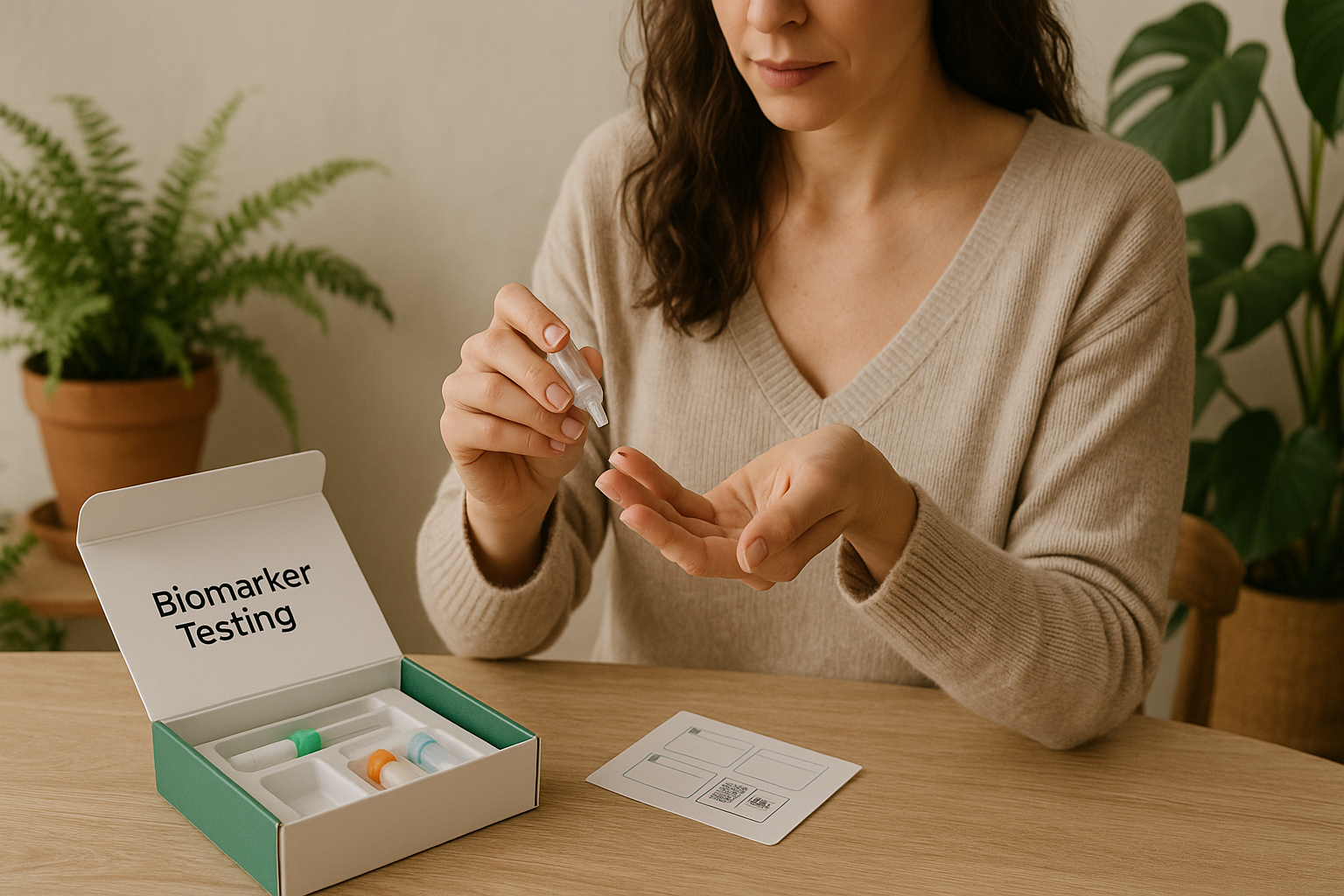
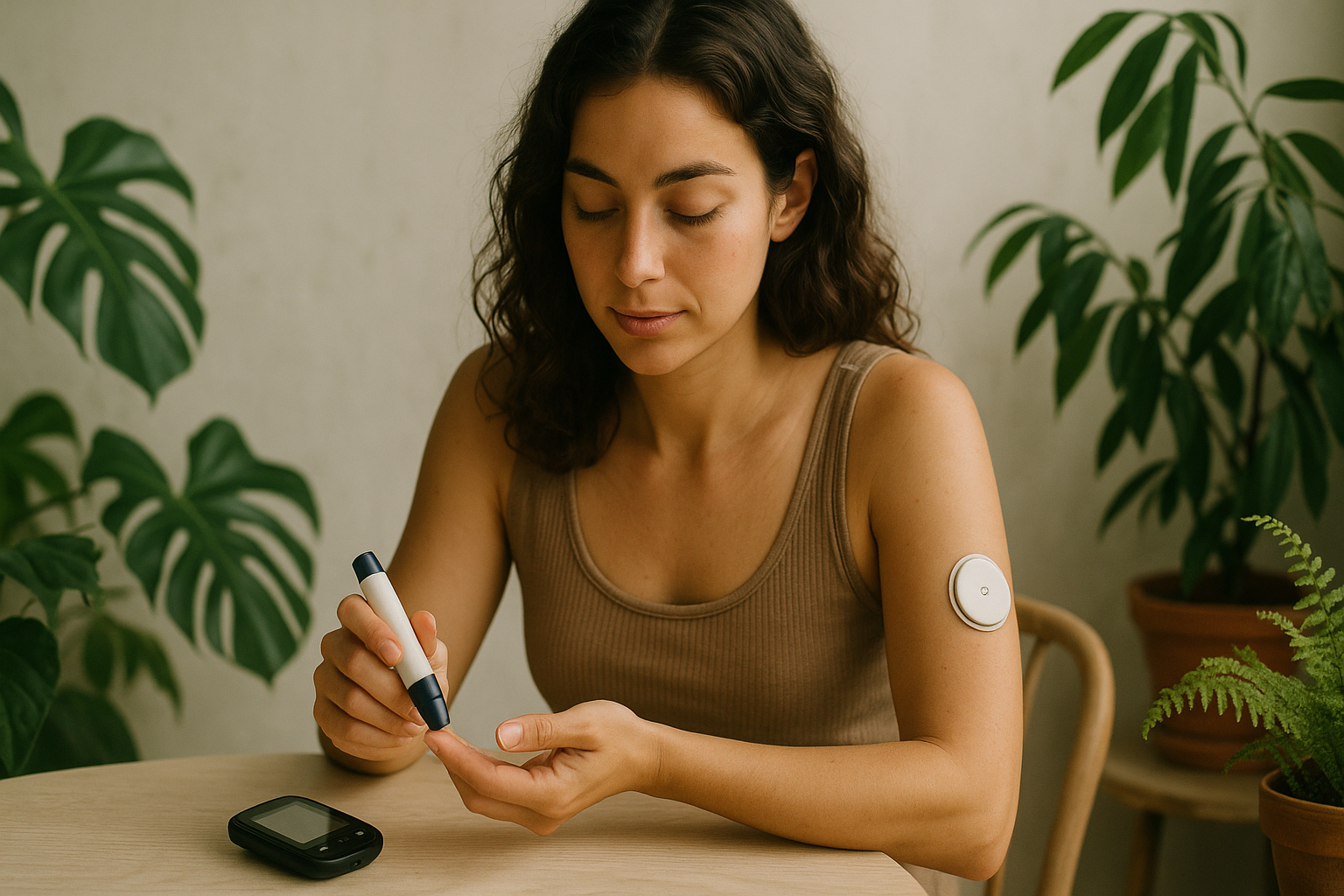
Monitoring specific biomarkers can provide insights into one’s athletic aging journey. Relevant biomarkers include:
- Muscle Mass: Measured through techniques like DEXA scans or bioelectrical impedance analysis.
- Cardiovascular Fitness: Assessed through VO2 max testing or heart rate variability.
- Bone Density: Evaluated via bone density scans to monitor skeletal health.
- Inflammatory Markers: Blood tests can measure levels of inflammation, which may impact recovery and overall health.
Regularly tracking these biomarkers can help individuals tailor their fitness regimens and make informed decisions about their health as they age.
Body Systems Supported
Athletic aging supports various body systems, including:
- Musculoskeletal System: Regular exercise strengthens bones and muscles, reducing the risk of osteoporosis and fractures.
- Cardiovascular System: Aerobic activity improves heart health and circulation, lowering the risk of heart disease.
- Nervous System: Exercise enhances cognitive function and may help stave off age-related cognitive decline.
- Endocrine System: Physical activity supports hormonal balance, including insulin sensitivity and stress hormone regulation.
Common Goals
Individuals pursuing athletic aging often share common goals such as:
- Maintaining or improving physical fitness levels.
- Enhancing mobility and reducing the risk of falls.
- Improving overall health and longevity.
- Maximizing quality of life through active engagement in sports or recreational activities.
Safety, Contraindications & Edge Cases
While athletic aging promotes health and vitality, certain safety considerations and contraindications must be acknowledged:
- Individuals with pre-existing health conditions should consult healthcare professionals before starting new exercise regimens.
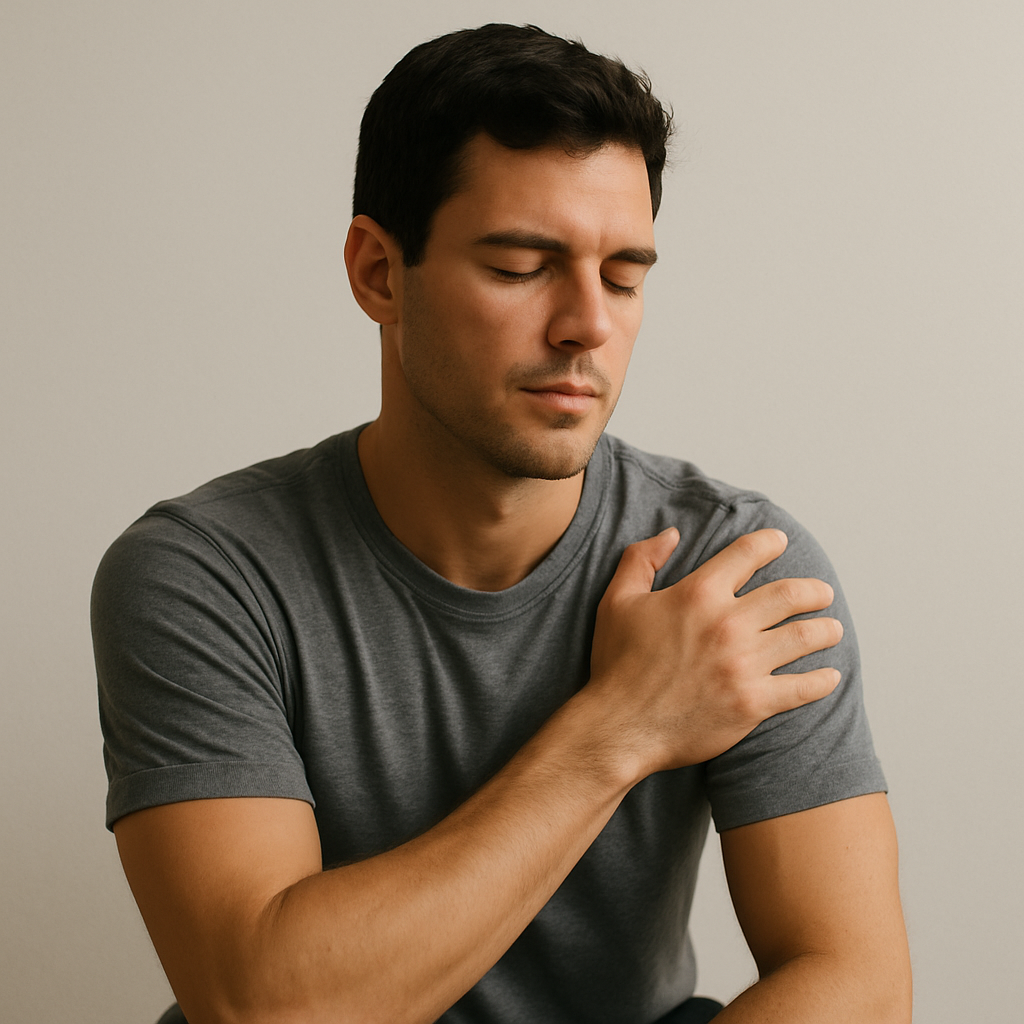
- Those with joint issues or a history of injuries may need tailored programs to prevent exacerbating their conditions.
- Age-related physiological changes, such as decreased recovery ability, necessitate careful monitoring of exercise intensity and volume.
Being aware of these factors can help individuals pursue athletic aging safely and effectively.
Pairs Well With
Athletic aging can be complemented by various ancient or natural practices that enhance overall wellness:
- Mindfulness Practices: Techniques such as meditation and deep breathing can support mental resilience.
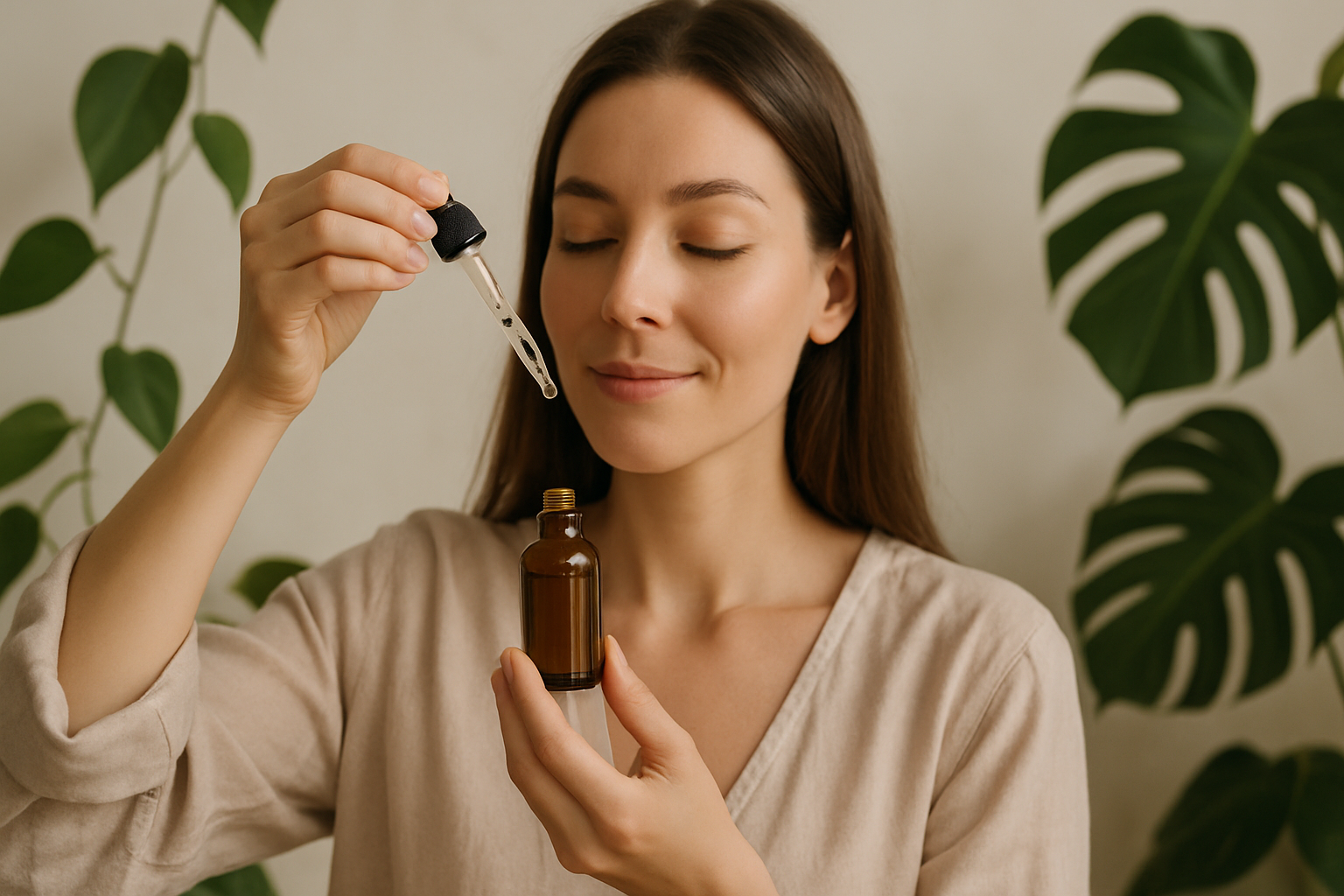
- Herbal Supplements: Certain herbs may promote recovery and reduce inflammation.
- Nutrition Focused on Whole Foods: Emphasizing whole, nutrient-rich foods can synergize with physical activity for optimal health.
FAQs (5)
- Q: Can I start athletic training at any age?
A: Yes, individuals can start athletic training at any age, but it's essential to tailor the program to one's fitness level and health status. - Q: How often should older adults exercise?
A: The general recommendation is at least 150 minutes of moderate-intensity aerobic activity per week, combined with strength training at least twice a week. - Q: What type of exercise is best for aging athletes?
A: A combination of aerobic, strength, flexibility, and balance exercises is best for maintaining overall fitness as one ages. - Q: Are there any risks associated with athletic aging?
A: While exercise is beneficial, risks include injury and overtraining, particularly if appropriate precautions are not taken. - Q: How can I track my progress in athletic aging?
A: Tracking metrics such as muscle mass, cardiovascular fitness, and overall health biomarkers can provide insights into progress.
Frequently asked
Can I start athletic training at any age?
Yes, individuals can start athletic training at any age, but it's essential to tailor the program to one's fitness level and health status.
How often should older adults exercise?
The general recommendation is at least 150 minutes of moderate-intensity aerobic activity per week, combined with strength training at least twice a week.
What type of exercise is best for aging athletes?
A combination of aerobic, strength, flexibility, and balance exercises is best for maintaining overall fitness as one ages.
Are there any risks associated with athletic aging?
While exercise is beneficial, risks include injury and overtraining, particularly if appropriate precautions are not taken.
How can I track my progress in athletic aging?
Tracking metrics such as muscle mass, cardiovascular fitness, and overall health biomarkers can provide insights into progress.