Healthy Aging
Discover effective strategies for healthy aging through evidence-based practices that support longevity and overall wellness.
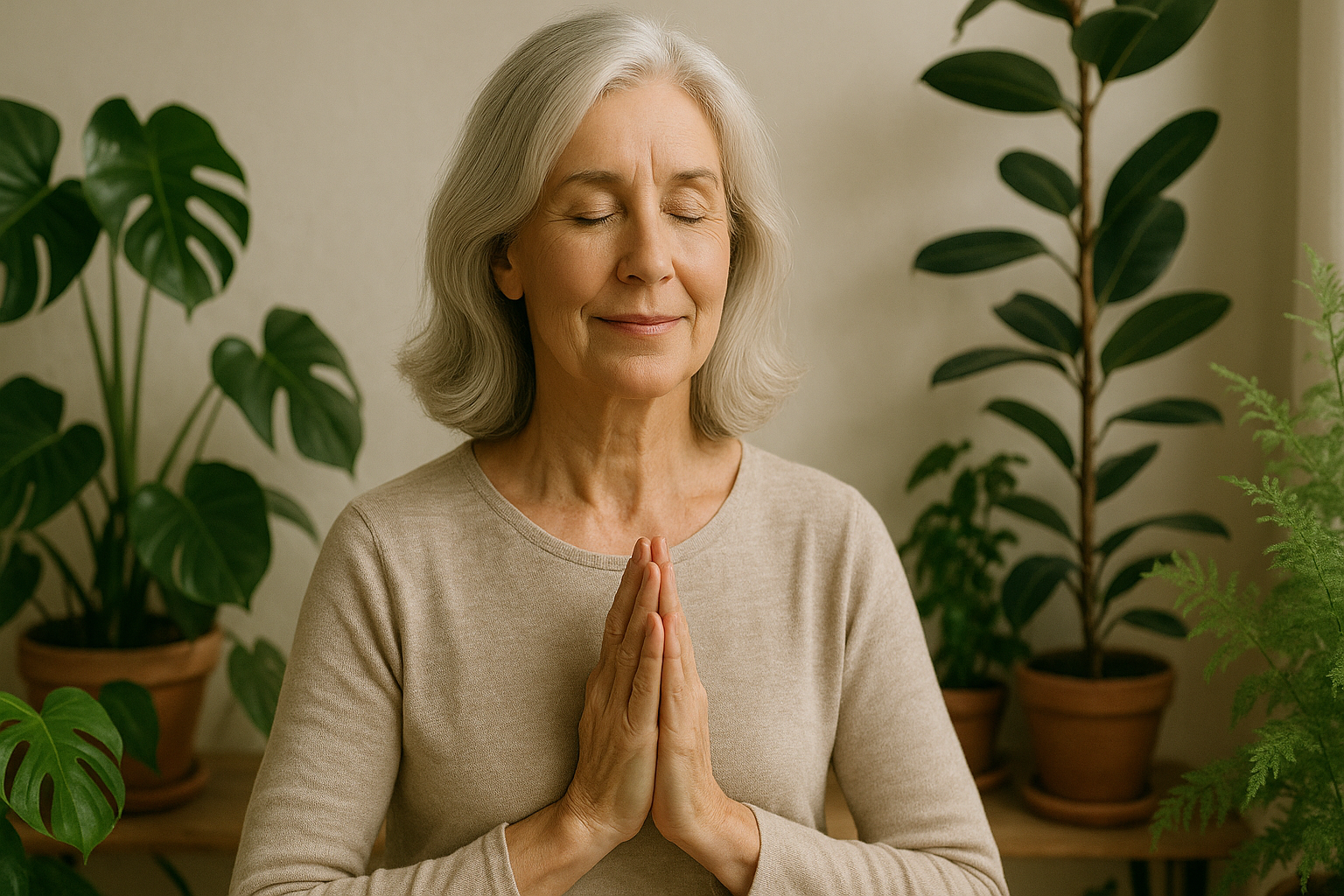
Explore the principles of healthy aging and how modern wellness practices can support longevity. This guide covers mechanisms, evidence, practical applications, and safety considerations for maintaining health as we age.
What It Is
Healthy aging refers to the process of developing and maintaining the functional ability that enables well-being in older age. It encompasses more than just physical health; it includes mental and emotional well-being, social engagement, and the ability to adapt to age-related changes. The concept emphasizes the importance of proactive measures that individuals can take to enhance their health as they grow older.
In recent years, the focus on healthy aging has gained momentum, acknowledging that aging is not merely a decline but an opportunity for growth and fulfillment. It encourages individuals to adopt lifestyle choices that promote physical activity, balanced nutrition, mental engagement, and social connections, all of which contribute to a higher quality of life.
Mechanism / How It Works
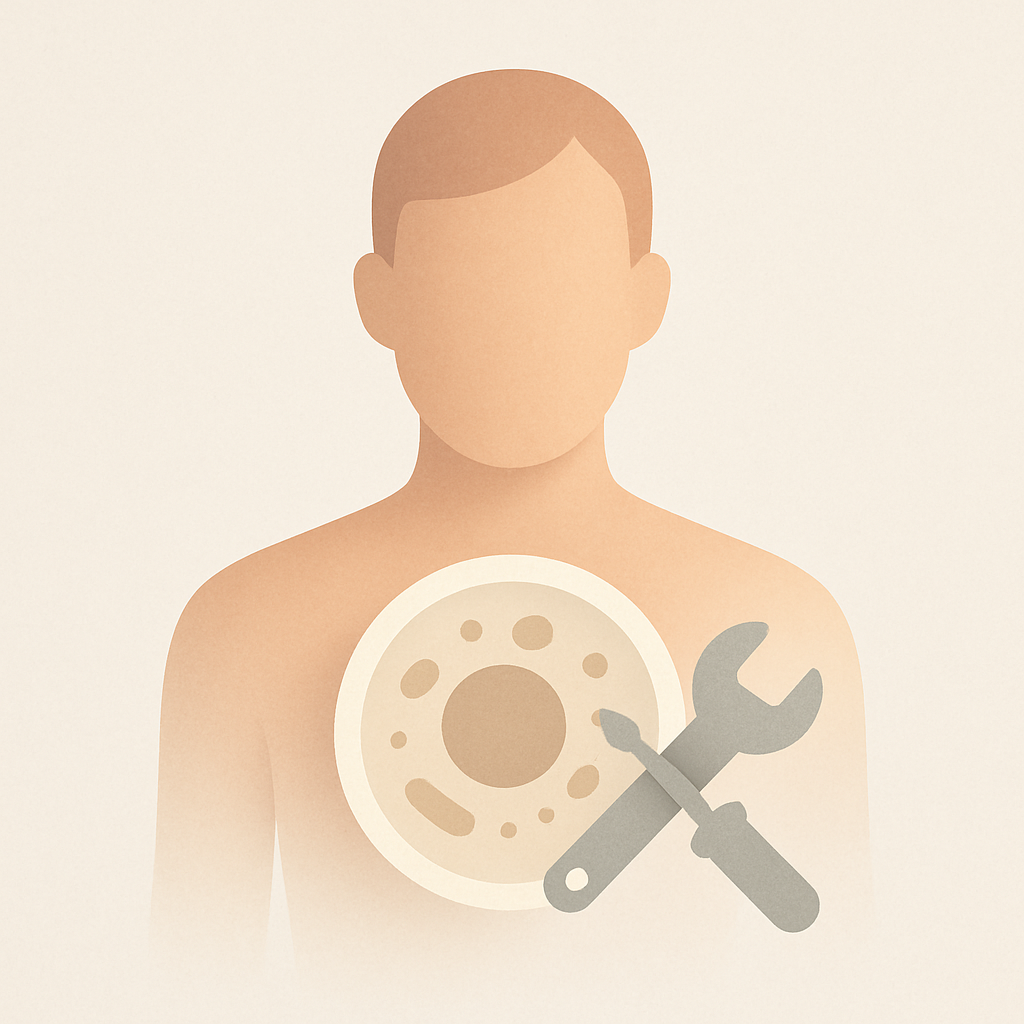
Healthy aging works through a variety of biological and lifestyle mechanisms that interconnect to improve overall well-being. At the cellular level, processes such as reducing oxidative stress, inflammation, and cellular senescence are crucial. These factors can influence how we age and how our bodies maintain function over time.
Engaging in regular physical activity has been shown to enhance cardiovascular health, improve muscle mass, and support metabolic function, all of which are vital for longevity. Additionally, a balanced diet rich in antioxidants and nutrients can combat oxidative stress and inflammation, promoting cellular repair and regeneration. Mental health and cognitive engagement through lifelong learning and social interactions also play significant roles in maintaining cognitive function and emotional resilience as one ages.
Evidence Summary
The evidence surrounding healthy aging is a blend of preliminary studies and clinical trials, presenting both promising findings and areas needing further research. For instance, numerous studies support the benefits of physical activity, demonstrating its positive impact on mobility, mental health, and the prevention of chronic diseases.
On the other hand, while some dietary approaches like the Mediterranean diet show strong associations with better health outcomes in older adults, conflicting evidence exists regarding specific supplements and their effectiveness. More research is needed to clarify the roles of various nutrients and lifestyle practices in promoting healthy aging.
Practical Application
To integrate healthy aging practices into daily life, individuals can adopt several protocols:
- Engage in regular physical activity, including strength training and aerobic exercises.
- Consume a nutrient-dense diet rich in fruits, vegetables, whole grains, lean proteins, and healthy fats.
- Prioritize mental health through mindfulness practices, hobbies, and social connections.
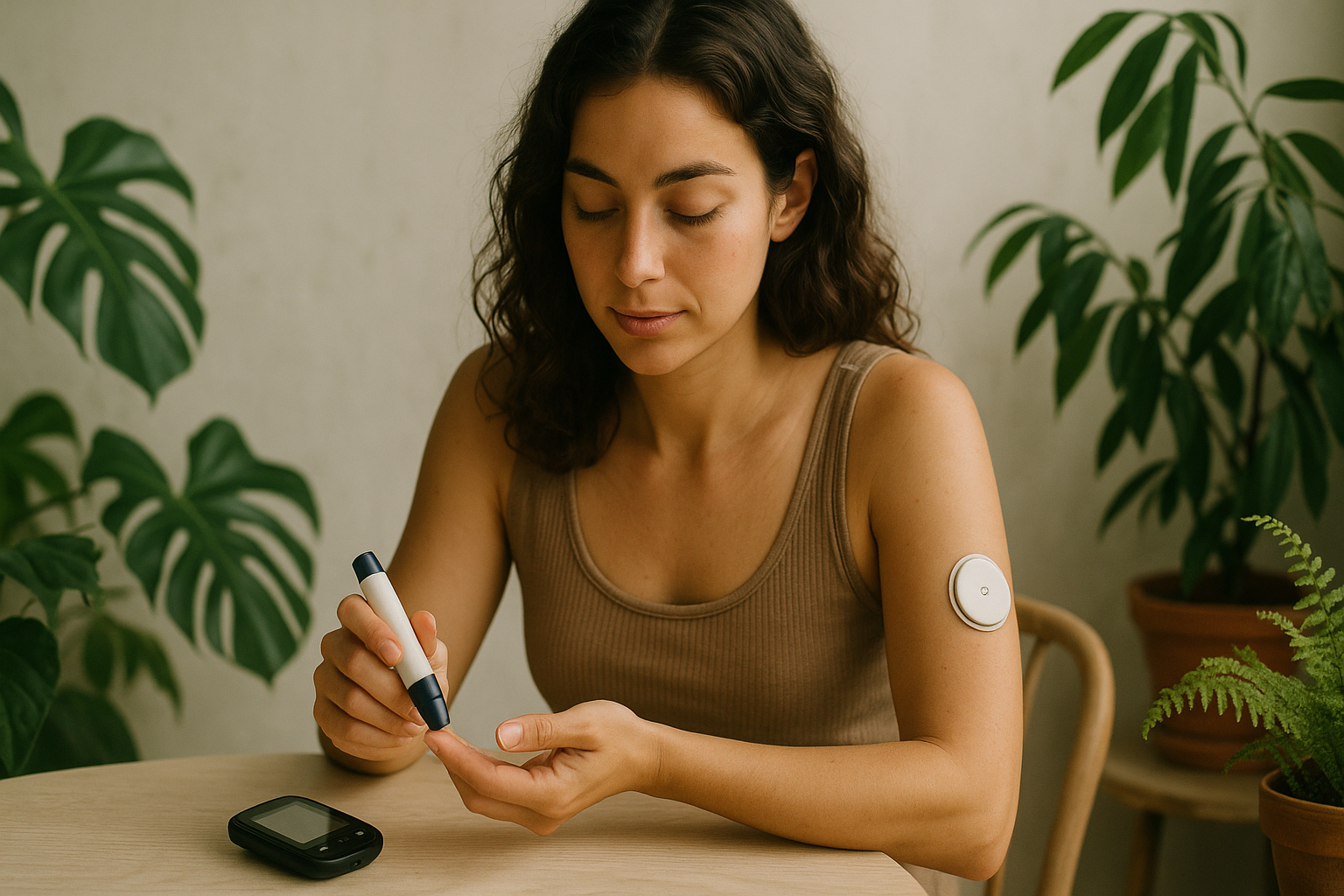
- Regularly monitor health indicators such as blood pressure, cholesterol levels, and body weight.
Common pitfalls include neglecting mental health, relying too heavily on supplements without dietary changes, and failing to stay physically active. Recognizing these challenges can help individuals remain proactive in their approach to aging.
Relevant Biomarkers & Tracking
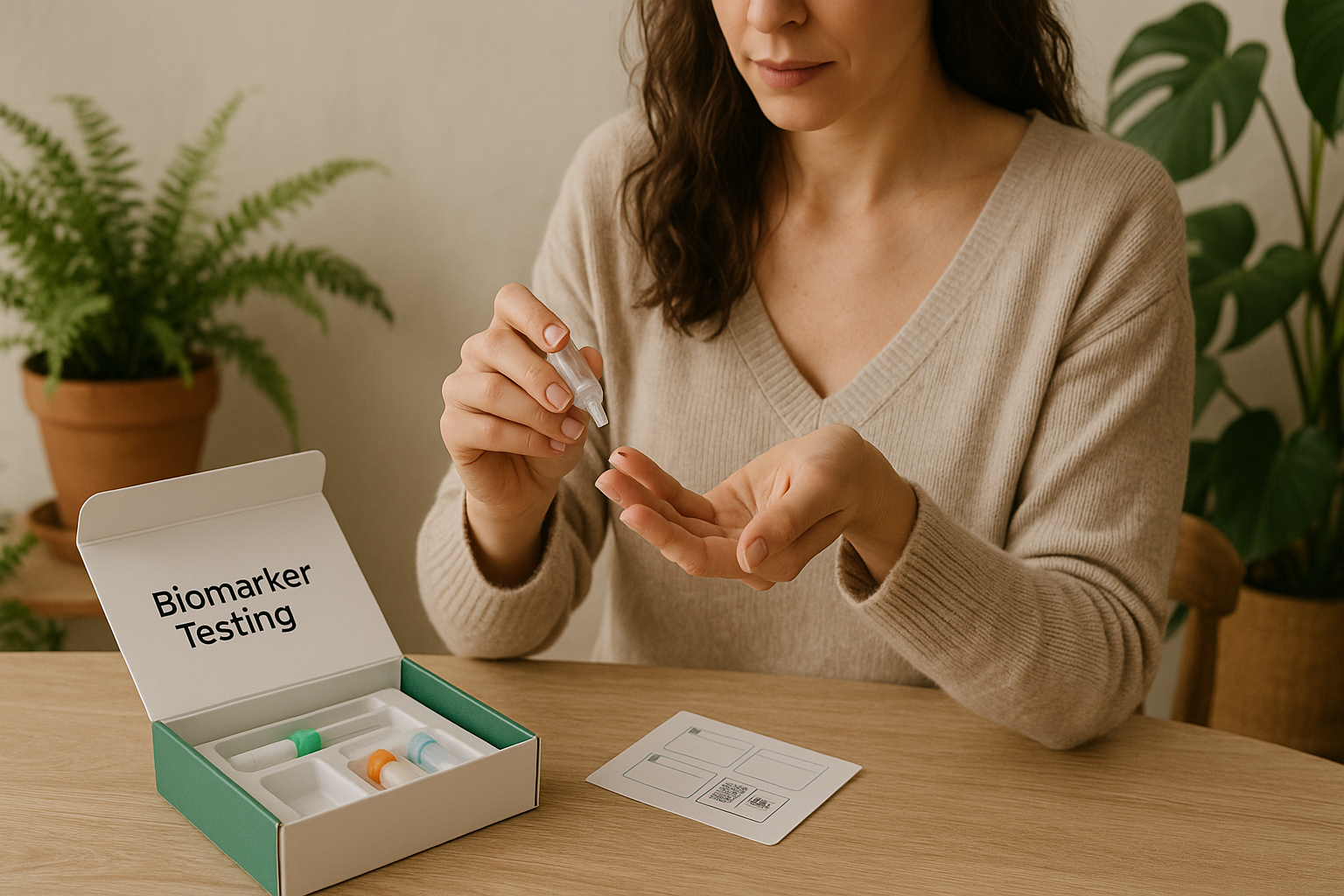
Monitoring specific biomarkers can provide insights into an individual's aging process and overall health. Key biomarkers include:
- Inflammatory markers such as C-reactive protein (CRP).
- Hormonal levels including cortisol and growth hormone.
- Metabolic indicators like glucose and lipid profiles.
- Mitochondrial function and oxidative stress markers.
Regular health screenings and check-ups can help track these biomarkers, enabling timely interventions if necessary.
Body Systems Supported
Healthy aging supports multiple body systems, including:
- Musculoskeletal system: Maintaining strength and flexibility can prevent falls and fractures.
- Cardiovascular system: Regular activity and a healthy diet support heart health.
- Nervous system: Cognitive engagement and social connections enhance brain health.
- Immune system: Nutrition and exercise can bolster immune function, reducing the risk of infections.
Common Goals
Individuals pursuing healthy aging often aim for several common goals:
- Enhancing physical fitness and mobility.
- Maintaining cognitive function and mental clarity.
- Promoting emotional well-being and resilience.
- Fostering strong social connections and community engagement.
Safety, Contraindications & Edge Cases
While most practices for healthy aging are safe, certain considerations should be made:
- Individuals with chronic health conditions should consult healthcare providers before starting new exercise or dietary regimes.
- Overexertion during physical activity can lead to injuries; gradual increases in intensity are recommended.
- Cognitive health strategies, such as certain mental exercises, may not be suitable for everyone, particularly those with specific cognitive impairments.
Pairs Well With
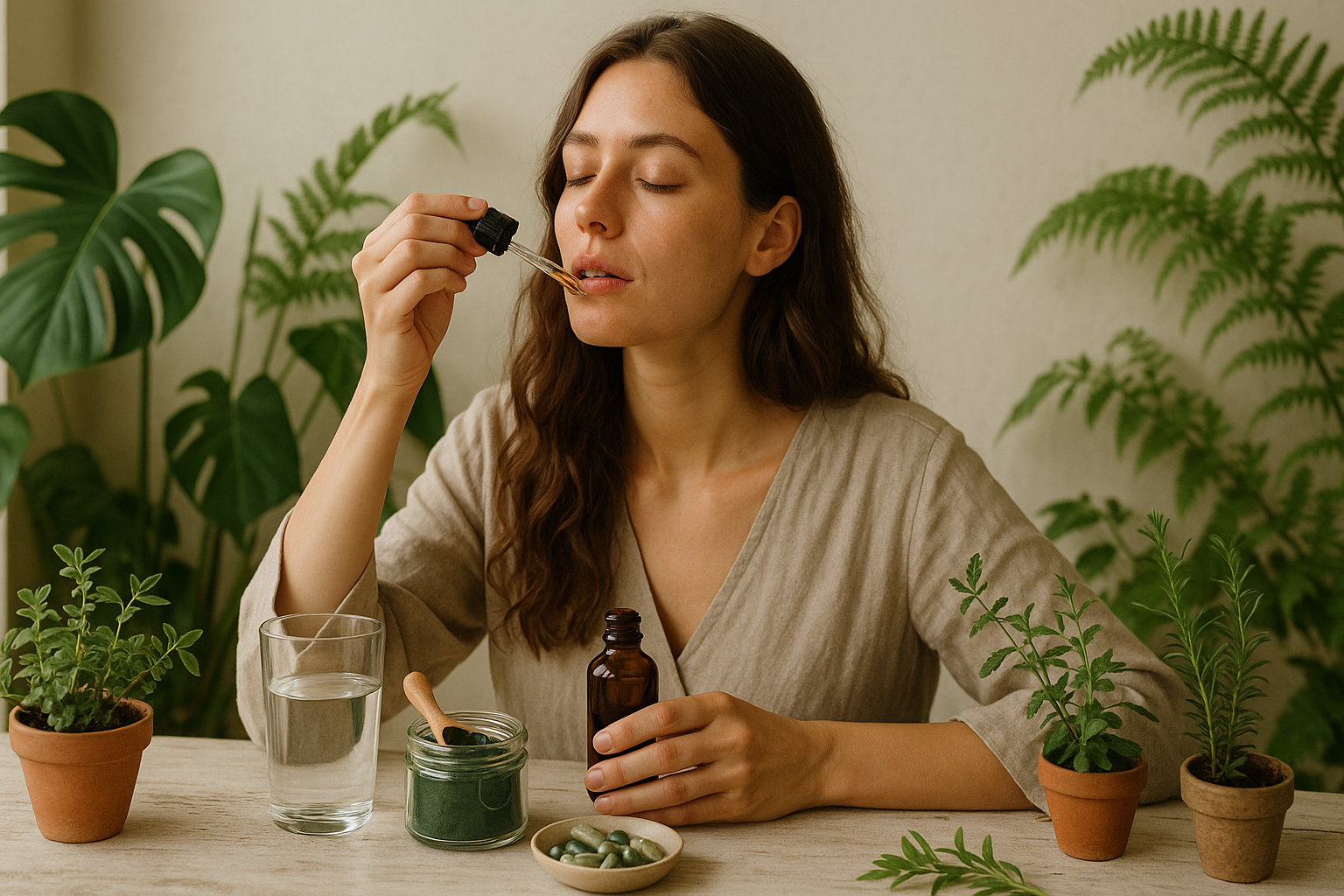
Healthy aging practices can be complemented by ancient or natural counterparts, such as:
- Ayurveda: Emphasizes balance and holistic health approaches tailored to individual needs.
- Traditional Chinese Medicine: Focuses on maintaining harmony within the body, using herbs and acupuncture.
- Mindfulness and meditation: Proven to enhance mental health and stress management.
FAQs (5)
What is the most effective way to promote healthy aging?
Engaging in regular physical activity, maintaining a balanced diet, and prioritizing mental health are key strategies.
Are supplements necessary for healthy aging?
While some supplements may benefit certain individuals, a focus on a nutrient-rich diet is generally more effective for healthy aging.
How can I track my progress in healthy aging?
Monitoring biomarkers, health indicators, and maintaining regular health check-ups can help track your aging progress.
Is it ever too late to start healthy aging practices?
No, it is never too late to adopt healthier practices, and even small changes can have a significant impact.
How important are social connections for healthy aging?
Social connections are crucial for emotional and mental well-being, contributing significantly to overall health as we age.
Frequently asked
What is the most effective way to promote healthy aging?
Engaging in regular physical activity, maintaining a balanced diet, and prioritizing mental health are key strategies.
Are supplements necessary for healthy aging?
While some supplements may benefit certain individuals, a focus on a nutrient-rich diet is generally more effective for healthy aging.
How can I track my progress in healthy aging?
Monitoring biomarkers, health indicators, and maintaining regular health check-ups can help track your aging progress.
Is it ever too late to start healthy aging practices?
No, it is never too late to adopt healthier practices, and even small changes can have a significant impact.
How important are social connections for healthy aging?
Social connections are crucial for emotional and mental well-being, contributing significantly to overall health as we age.