Cellular Repair
Discover the science and practical applications of cellular repair for longevity and anti-aging.

Explore the mechanisms and practical applications of cellular repair in promoting longevity and anti-aging. Learn about the evidence behind this emerging field and how to integrate cellular repair strategies into daily life.
What It Is
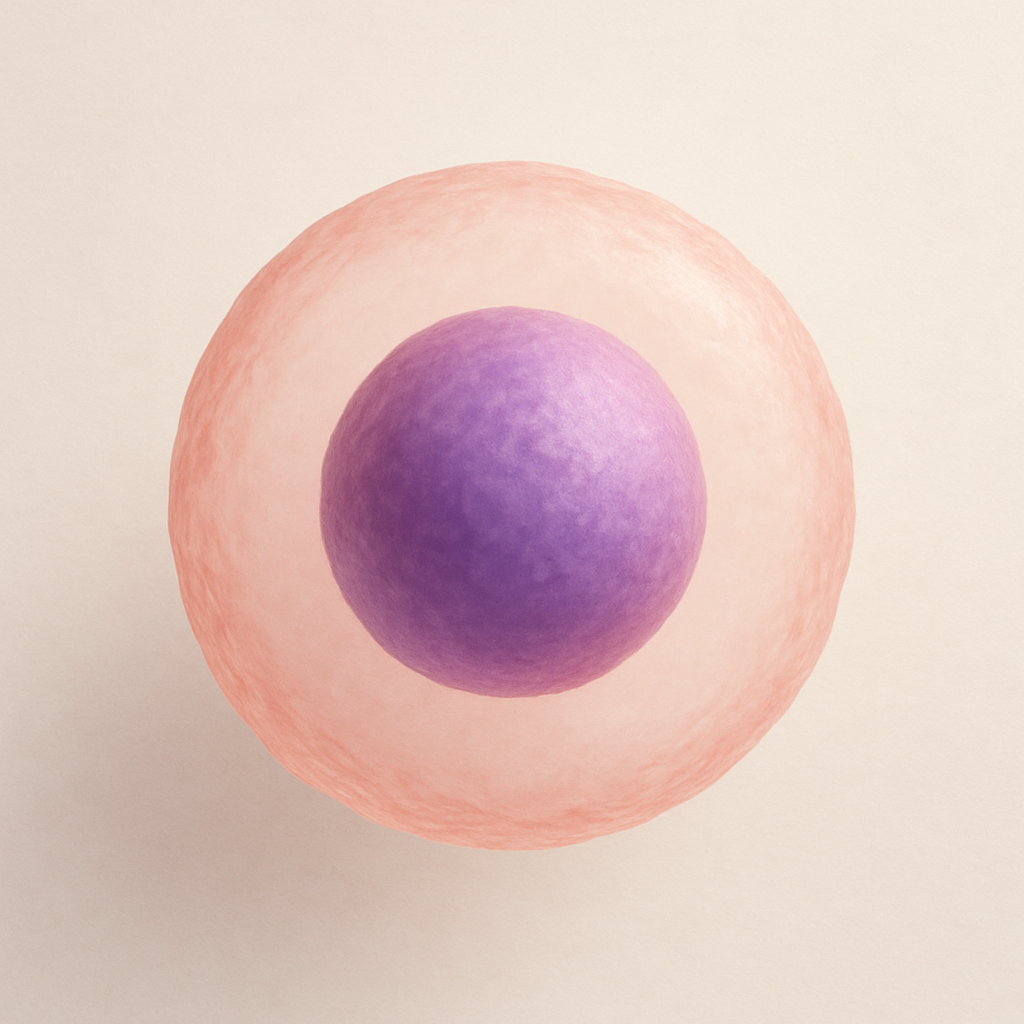
Cellular repair refers to the processes that cells undergo to fix damage and maintain their functionality. As we age, cellular damage accumulates due to various factors such as environmental stressors, oxidative stress, and metabolic processes. This damage can impair cellular function and contribute to the aging process, making effective cellular repair a critical focus in the field of longevity and anti-aging.
At its core, cellular repair encompasses a range of biological mechanisms including DNA repair, protein maintenance, and the removal of dysfunctional cellular components. By enhancing the body’s natural ability to repair cells, it may be possible to slow down the aging process, improve healthspan, and enhance overall wellness.
Mechanism / How It Works
The mechanisms of cellular repair involve several key processes. DNA repair pathways, such as base excision repair and nucleotide excision repair, are crucial for correcting genetic damage. Proteins like sirtuins and p53 play significant roles in regulating these pathways and maintaining cellular integrity.
Additionally, cellular repair involves autophagy, a process where cells degrade and recycle damaged organelles and proteins. This helps to clear out dysfunctional components and make way for healthy cellular function. Nutrients like antioxidants and certain compounds, such as resveratrol, can also support these repair processes by mitigating oxidative stress and promoting cellular health.
Evidence Summary
The evidence surrounding cellular repair is varied and still evolving. Preliminary studies have shown promising results in animal models, indicating that enhanced cellular repair mechanisms can lead to increased lifespan and improved health markers. For example, research has demonstrated that promoting autophagy through caloric restriction or specific compounds can mitigate age-related decline in various organisms.
However, clinical evidence in humans is more limited and often conflicting. While some studies suggest that interventions aimed at enhancing cellular repair can lead to improved outcomes, others have not shown significant benefits. Further research is necessary to fully understand the effectiveness of these interventions in human populations and to identify the most beneficial strategies.
Practical Application
To integrate cellular repair strategies into daily life, consider the following protocols:
- Nutrient-Rich Diet: Focus on a diet rich in antioxidants, vitamins, and minerals that support cellular health, such as leafy greens, berries, nuts, and seeds.
- Regular Exercise: Incorporate physical activity into your routine, as exercise has been shown to enhance autophagy and support cellular repair processes.
- Intermittent Fasting: Explore intermittent fasting protocols, which may stimulate cellular repair mechanisms through autophagy activation.
- Stress Management: Practice mindfulness and stress-reduction techniques to minimize oxidative stress on cells.
Common pitfalls include neglecting the importance of sleep, which is crucial for cellular repair, and relying solely on supplements without a balanced diet and lifestyle. It is essential to adopt a holistic approach to cellular health.
Relevant Biomarkers & Tracking
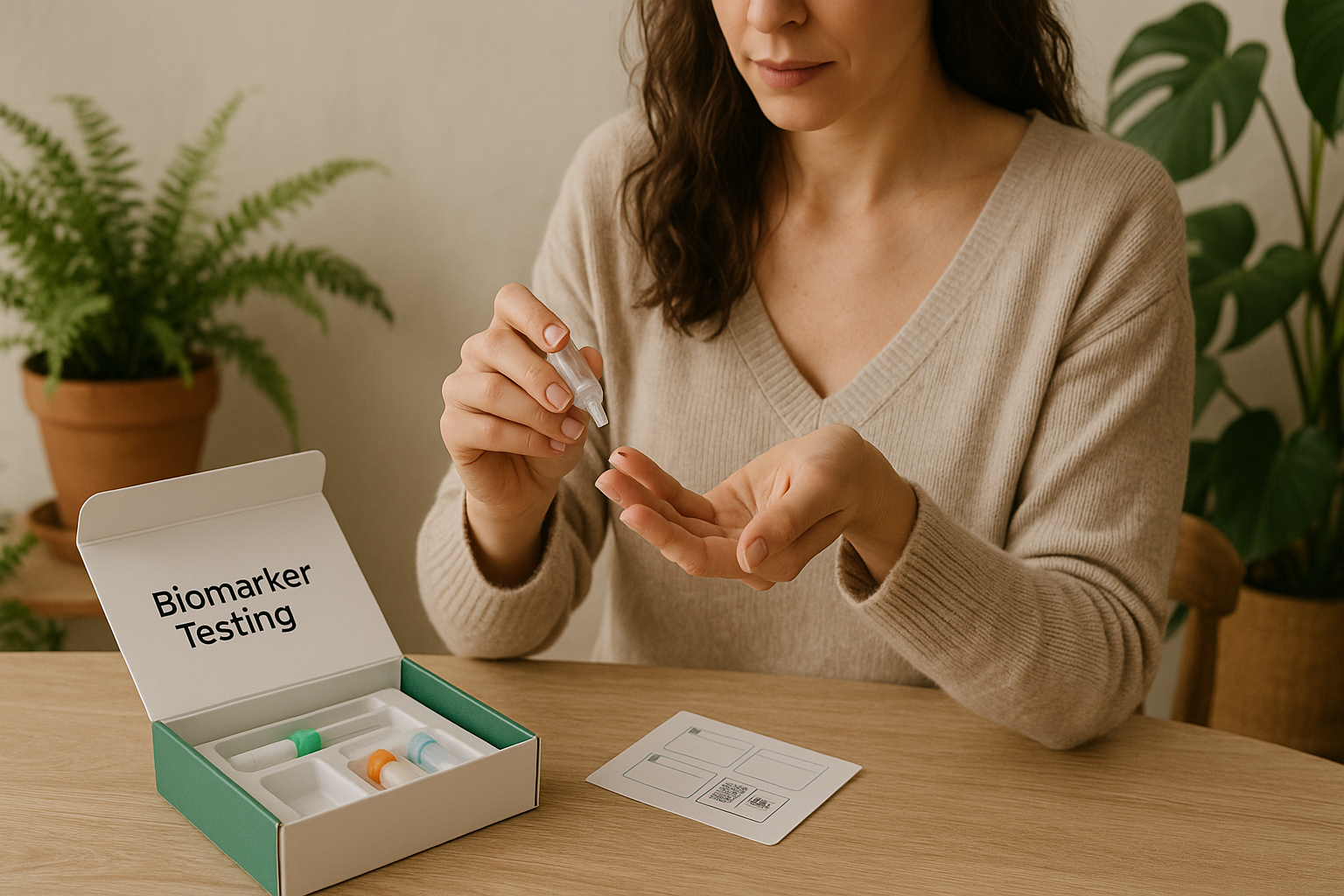
Tracking biomarkers associated with cellular repair can provide insights into your overall health. Some relevant biomarkers include:
- Telomere Length: Shortening telomeres are associated with cellular aging and may reflect the effectiveness of repair mechanisms.
- Inflammatory Markers: Chronic inflammation can hinder cellular repair; monitoring markers like C-reactive protein (CRP) can be beneficial.
- Oxidative Stress Levels: Measuring levels of oxidative stress can help assess cellular damage and repair capacity.
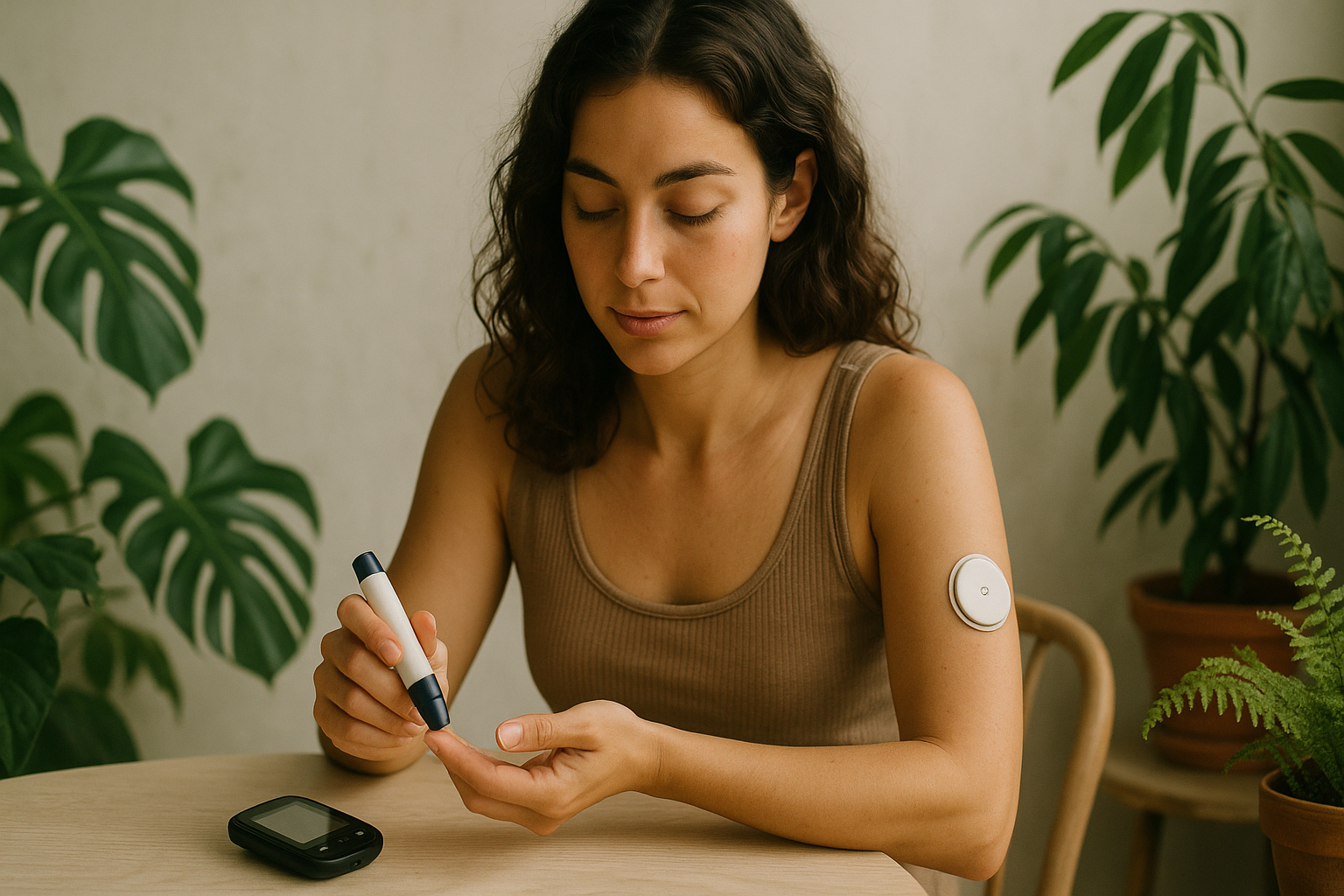
Regular check-ups and comprehensive blood tests can aid in tracking these biomarkers over time.
Body Systems Supported
Cellular repair supports multiple body systems, including:
- Immune System: Enhanced cellular repair can improve immune function and resilience against infections.
- Nervous System: Repair processes can aid in maintaining neuronal health and reducing cognitive decline.
- Musculoskeletal System: Cellular repair mechanisms are vital for muscle regeneration and joint health.
Common Goals
Individuals interested in cellular repair typically pursue goals such as:
- Enhancing longevity and healthspan.
- Reducing the risk of age-related diseases.
- Improving physical and cognitive performance.
- Promoting overall vitality and wellness.
Safety, Contraindications & Edge Cases
While enhancing cellular repair is generally considered beneficial, certain precautions should be taken:
- Individuals with underlying health conditions should consult healthcare professionals before starting new dietary or exercise regimens.
- Excessive caloric restriction or extreme fasting may lead to nutrient deficiencies and should be approached with caution.
- Some supplements can interact with medications, so it is vital to discuss any new supplements with a healthcare provider.
Pairs Well With
Cellular repair strategies can be complemented by ancient or natural counterparts, including:
- Ayurvedic Practices: Incorporating herbs and therapies that promote balance and cellular health.
- Traditional Chinese Medicine: Utilizing acupuncture and herbal remedies to support overall wellness and repair processes.
- Mind-Body Techniques: Practices such as yoga and meditation which can reduce stress and enhance cellular repair.
FAQs (5)
Here are some frequently asked questions regarding cellular repair:
- What are the best foods for cellular repair? A diet rich in antioxidants, healthy fats, and vitamins, such as fruits, vegetables, nuts, and fish, supports cellular repair.
- How does exercise affect cellular repair? Regular exercise promotes autophagy and enhances overall cellular function, aiding in repair processes.
- Can supplements enhance cellular repair? Certain supplements, such as antioxidants and resveratrol, may support cellular repair, but should be taken with caution and in conjunction with a balanced diet.
- Is intermittent fasting effective for cellular repair? Yes, intermittent fasting can stimulate autophagy, promoting cellular repair and longevity.
- How can I track my cellular health? Monitoring biomarkers like telomere length, inflammatory markers, and oxidative stress levels can provide insights into your cellular health.
Frequently asked
What are the best foods for cellular repair?
A diet rich in antioxidants, healthy fats, and vitamins, such as fruits, vegetables, nuts, and fish, supports cellular repair.
How does exercise affect cellular repair?
Regular exercise promotes autophagy and enhances overall cellular function, aiding in repair processes.
Can supplements enhance cellular repair?
Certain supplements, such as antioxidants and resveratrol, may support cellular repair, but should be taken with caution and in conjunction with a balanced diet.
Is intermittent fasting effective for cellular repair?
Yes, intermittent fasting can stimulate autophagy, promoting cellular repair and longevity.
How can I track my cellular health?
Monitoring biomarkers like telomere length, inflammatory markers, and oxidative stress levels can provide insights into your cellular health.