Testosterone Support
A comprehensive overview of testosterone support in hormone optimization, including mechanisms, evidence, applications, and safety considerations.
Explore the nuances of testosterone support within hormone optimization, detailing mechanisms, evidence, applications, and safety.
What It Is
Testosterone support refers to strategies and interventions aimed at optimizing testosterone levels in the body. Testosterone is a vital hormone primarily produced in the testes in men and in smaller amounts in the ovaries and adrenal glands in women. It plays a crucial role in various bodily functions, including muscle mass, bone density, fat distribution, and libido. Due to factors such as aging, stress, and environmental influences, testosterone levels can decline, leading to various health issues.
In the context of modern wellness, testosterone support encompasses lifestyle changes, nutritional interventions, and supplementation aimed at maintaining or enhancing testosterone levels. This is particularly critical for those experiencing symptoms of low testosterone, such as fatigue, decreased muscle strength, or reduced sexual desire.
Mechanism / How It Works
The mechanisms behind testosterone support involve understanding how testosterone is produced, regulated, and utilized in the body. Testosterone synthesis begins with cholesterol, which is converted into pregnenolone and then transformed into testosterone through a series of enzymatic reactions. This process is influenced by various factors, including age, diet, exercise, and overall health.
Testosterone functions by binding to androgen receptors located in various tissues, which triggers a cascade of biological responses. These responses include increased protein synthesis, enhanced red blood cell production, and improved mood and cognitive function. Therefore, strategies aimed at boosting testosterone levels may focus on optimizing these pathways, whether through lifestyle modifications or supplementation.
Evidence Summary
The evidence surrounding testosterone support is varied and continues to evolve. Preliminary studies suggest that lifestyle changes such as increased physical activity, weight loss, and improved nutrition can positively influence testosterone levels. Clinical trials have shown that testosterone replacement therapy can benefit men with clinically low testosterone, improving symptoms like fatigue and reduced libido.
However, the research often presents conflicting findings, particularly concerning the long-term effects of testosterone supplementation, its impact on cardiovascular health, and potential risks such as prostate cancer. As a result, while there is support for testosterone optimization in specific cases, more comprehensive studies are needed to establish clear guidelines and recommendations.
Practical Application
In practice, testosterone support can be approached through various protocols and daily integrations. Common strategies include:
- Regular exercise, particularly resistance training and high-intensity interval training (HIIT).
- A balanced diet rich in healthy fats, proteins, and micronutrients such as zinc and vitamin D.
- Stress management techniques, including mindfulness, meditation, and adequate sleep.
- Consultation with healthcare professionals for potential supplementation, such as DHEA or herbal remedies like fenugreek or ashwagandha.
Common pitfalls to avoid include relying solely on supplements without addressing lifestyle factors, neglecting mental health, and failing to monitor testosterone levels regularly.
Relevant Biomarkers & Tracking
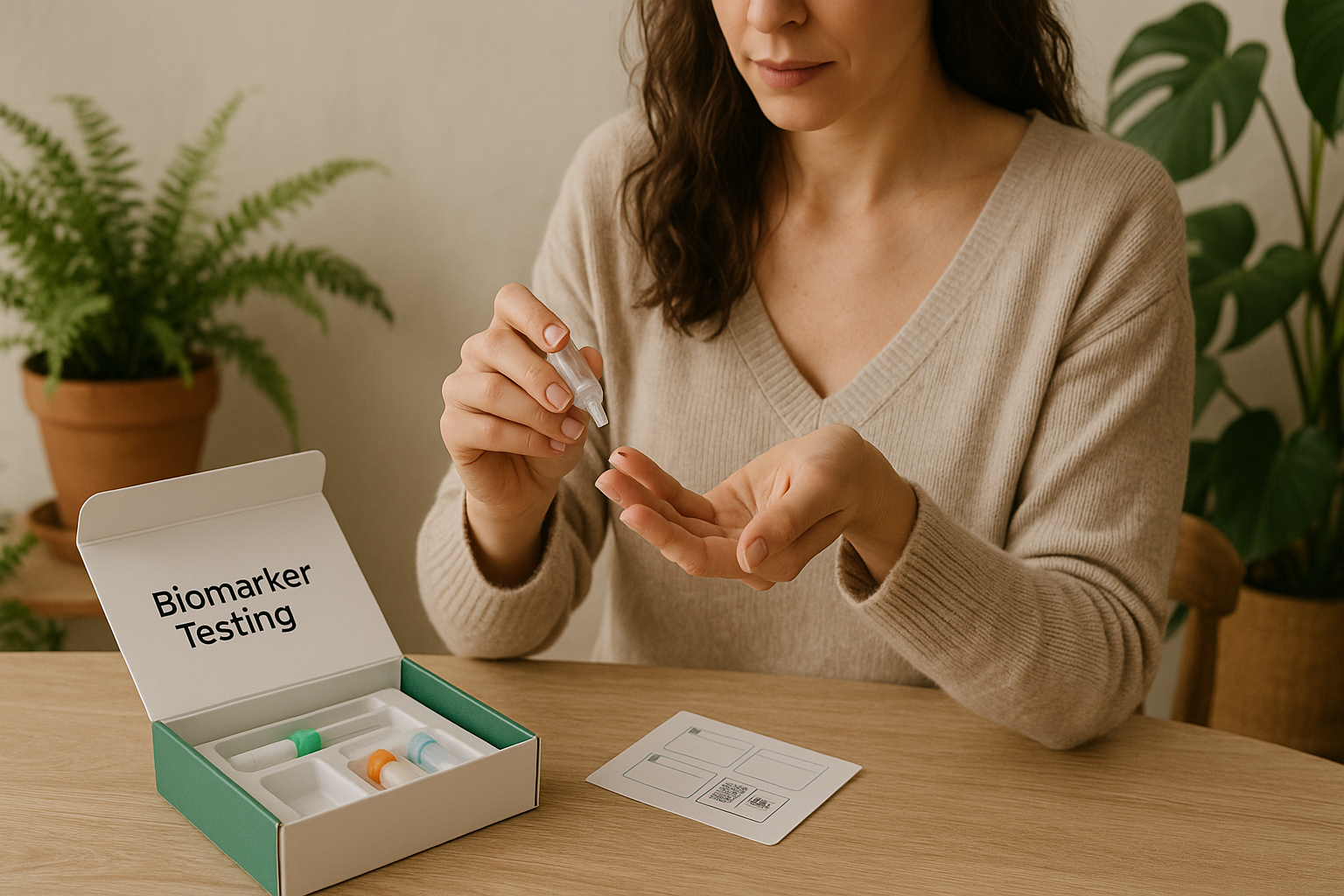
To effectively support testosterone levels, it is essential to track relevant biomarkers. Key indicators include:
- Total testosterone levels
- Free testosterone levels
- Luteinizing hormone (LH) and Follicle-stimulating hormone (FSH) levels
- SHBG (Sex Hormone Binding Globulin)
- Estradiol levels
Regular testing can provide insights into hormonal balance and the effectiveness of support strategies, allowing for adjustments as needed.
Body Systems Supported
Testosterone support plays a role in several body systems, including:
- Musculoskeletal system: Promotes muscle growth and strength.
- Cardiovascular system: Influences heart health and blood circulation.
- Nervous system: Affects mood, cognition, and overall mental well-being.
- Reproductive system: Essential for sexual function and libido.
Common Goals
Individuals seeking testosterone support often have common goals, such as:
- Increasing energy levels and reducing fatigue.
- Enhancing muscle mass and strength.
- Improving sexual function and libido.
- Boosting mood and cognitive function.
- Promoting overall vitality and well-being.
Safety, Contraindications & Edge Cases
While testosterone support can be beneficial, it is essential to consider safety and contraindications. Some potential risks include:
- Over-supplementation leading to elevated testosterone levels, which can result in adverse effects.
- Individuals with a history of prostate cancer should approach testosterone therapy with caution.
- Those with cardiovascular issues may also need to be careful, as the relationship between testosterone and heart health is complex.
Consultation with a healthcare professional is crucial before starting any testosterone support regimen to ensure safety and appropriateness.
Pairs Well With
Testosterone support can be effectively complemented by various ancient or natural counterparts, including:
- Herbal adaptogens, such as ashwagandha or rhodiola, which may help alleviate stress and support hormonal balance.
- Traditional practices like yoga or tai chi, which promote overall wellness and stress reduction.
- Nutritional approaches from ancient diets, focusing on whole foods and healthy fats that support hormonal health.
FAQs (5)
- What are the common symptoms of low testosterone? Symptoms may include fatigue, reduced libido, depression, and decreased muscle mass.
- Can lifestyle changes really boost testosterone levels? Yes, regular exercise, a healthy diet, and stress management can positively influence testosterone levels.
- Is testosterone replacement therapy safe? It can be safe when prescribed and monitored by a healthcare professional, but it carries potential risks that should be discussed.
- How often should testosterone levels be tested? Testing frequency can vary based on individual circumstances, but generally, it is recommended to monitor levels at least annually.
- Are there natural supplements that can support testosterone? Some natural supplements, such as DHEA, fenugreek, and zinc, may support testosterone levels, but consult a healthcare provider before use.
Frequently asked
What are the common symptoms of low testosterone?
Symptoms may include fatigue, reduced libido, depression, and decreased muscle mass.
Can lifestyle changes really boost testosterone levels?
Yes, regular exercise, a healthy diet, and stress management can positively influence testosterone levels.
Is testosterone replacement therapy safe?
It can be safe when prescribed and monitored by a healthcare professional, but it carries potential risks that should be discussed.
How often should testosterone levels be tested?
Testing frequency can vary based on individual circumstances, but generally, it is recommended to monitor levels at least annually.
Are there natural supplements that can support testosterone?
Some natural supplements, such as DHEA, fenugreek, and zinc, may support testosterone levels, but consult a healthcare provider before use.