Recovery Hormones
Dive into the world of recovery hormones within hormone optimization, understanding their functions, mechanisms, and practical applications.

Explore the role of recovery hormones in hormone optimization, their mechanisms, applications, and safety considerations.
What It Is
Recovery hormones are a specific group of hormones that play a crucial role in the body’s healing and recovery processes. These hormones are involved in tissue repair, muscle recovery, and the overall restoration of homeostasis following physical or emotional stress. Major recovery hormones include cortisol, growth hormone, and testosterone, which are pivotal in regulating the body’s response to injury and stress.
In a holistic sense, recovery hormones contribute to the balance and restoration of various bodily functions, facilitating not just physical recovery but also emotional and mental well-being. Understanding how these hormones operate can help individuals optimize their health and enhance recovery, particularly after strenuous activities or in the face of chronic stressors.
Mechanism / How It Works
The mechanisms by which recovery hormones operate are complex and interrelated. For instance, cortisol, often referred to as the stress hormone, is released in response to stress and plays a vital role in regulating metabolism and immune response. It helps mobilize energy stores to support recovery processes.
Growth hormone, on the other hand, is primarily responsible for stimulating tissue growth and repair. It promotes protein synthesis and the regeneration of muscle tissue, making it essential for recovery after physical exertion. Testosterone also contributes to muscle recovery and repair, enhancing strength and endurance.
Evidence Summary
Research on recovery hormones shows a mixed bag of results. Some studies indicate that optimal levels of growth hormone and testosterone can significantly enhance recovery from exercise and injury. For example, increased growth hormone levels have been linked to improved muscle recovery and reduced soreness.
However, the evidence is not universally conclusive. Some clinical trials have produced conflicting results regarding the effectiveness of exogenous hormone therapies. More research is needed to fully understand the long-term impacts of manipulating these hormones for recovery purposes. It is crucial to approach recovery hormone optimization with caution and informed understanding.
Practical Application
Incorporating recovery hormones into a wellness routine involves several approaches. First, lifestyle factors such as nutrition, sleep, and stress management can significantly influence hormone levels. Consuming a balanced diet rich in protein, healthy fats, and micronutrients supports hormone production.
Protocols may include regular exercise tailored to individual recovery needs, mindfulness practices to reduce stress, and ensuring adequate sleep, which is critical for hormone regulation. Common pitfalls include overtraining and poor dietary choices, which can lead to hormonal imbalances and hinder recovery efforts.
Relevant Biomarkers & Tracking
Monitoring hormone levels can provide valuable insights into recovery status. Relevant biomarkers include:
- Cortisol levels
- Growth hormone levels
- Testosterone levels
- Insulin-like growth factor 1 (IGF-1)
- Thyroid hormones
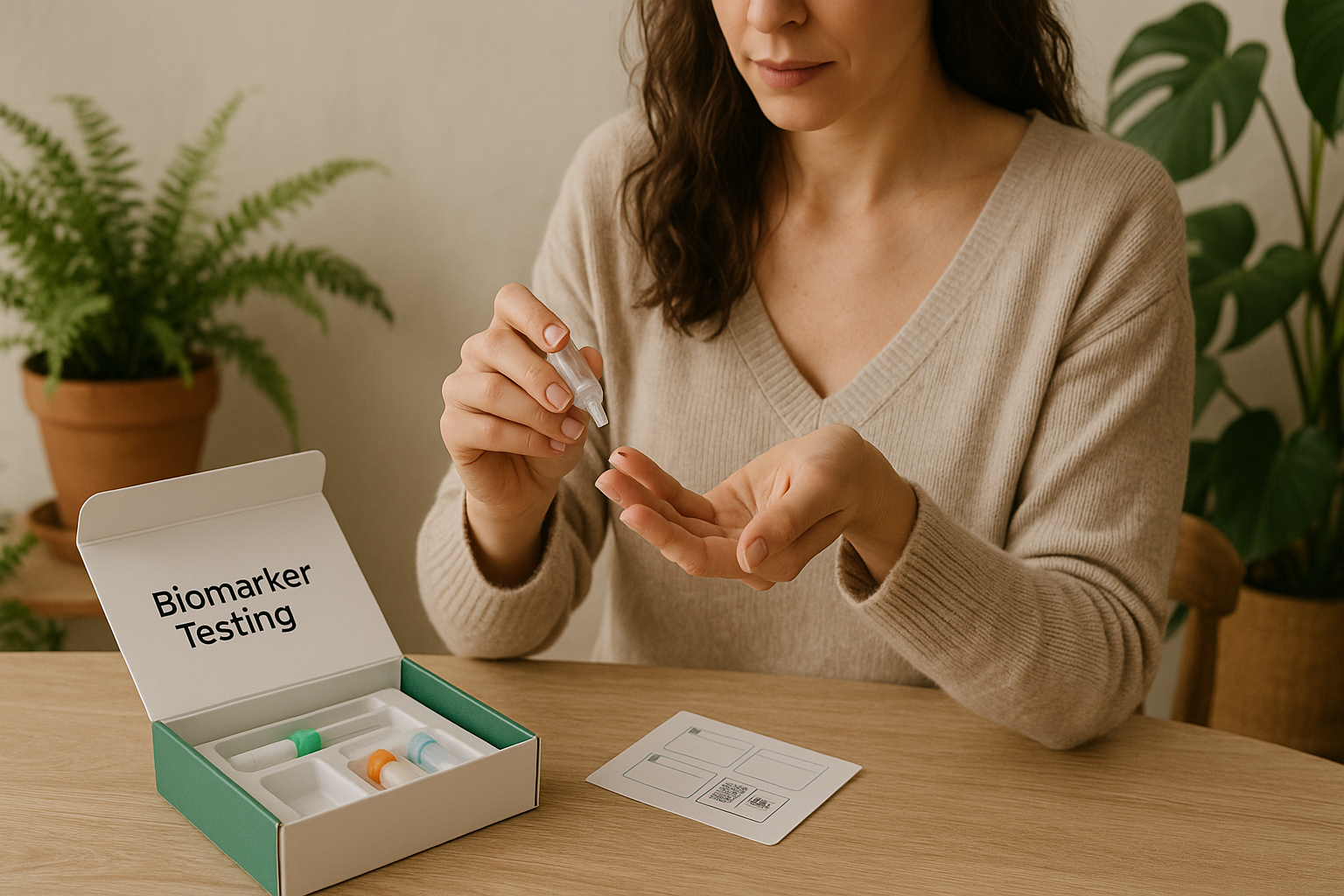
These biomarkers can be tracked through various methodologies, including blood tests and saliva tests, allowing individuals to adjust their recovery strategies based on hormonal feedback.
Body Systems Supported
Recovery hormones support various body systems, including:
- Muscular system: Promotes muscle repair and growth.
- Endocrine system: Regulates hormone production and balance.
- Immune system: Aids in recovery from illness and injury.
- Nervous system: Influences mood and mental recovery.
Common Goals
Individuals seeking to optimize recovery hormones often aim for:
- Improved muscle recovery and reduced soreness.
- Enhanced athletic performance and endurance.
- Better stress management and emotional balance.
- Overall health improvement and longevity.
Safety, Contraindications & Edge Cases
While optimizing recovery hormones can be beneficial, it is essential to consider safety and potential contraindications. Overuse of hormone therapies can lead to significant health risks, such as hormonal imbalances, metabolic issues, and increased risk of chronic diseases.
Individuals with specific health conditions (e.g., hormone-sensitive cancers or endocrine disorders) should consult healthcare professionals before pursuing hormone optimization strategies. It is also vital to monitor hormone levels regularly to avoid adverse effects.
Pairs Well With
Recovery hormones can be effectively paired with various natural and ancient practices, such as:
- Adaptogenic herbs (e.g., ashwagandha, rhodiola) that support stress management.
- Mindfulness and meditation practices that enhance emotional resilience.
- Nutrition strategies that emphasize whole foods and anti-inflammatory diets.
FAQs (5)
- What are the main recovery hormones?
The main recovery hormones include cortisol, growth hormone, and testosterone.
- How can I naturally boost my recovery hormones?
Natural ways to boost recovery hormones include proper nutrition, adequate sleep, stress management, and regular exercise.
- Are there any risks associated with hormone optimization?
Yes, there are risks, including hormonal imbalances and potential health issues, so it is essential to consult healthcare professionals.
- How often should I monitor my hormone levels?
It depends on individual health goals and conditions; consult a healthcare provider for personalized advice.
- Can recovery hormones help with emotional well-being?
Yes, recovery hormones play a role in emotional regulation and overall mental health.
Frequently asked
What are the main recovery hormones?
The main recovery hormones include cortisol, growth hormone, and testosterone.
How can I naturally boost my recovery hormones?
Natural ways to boost recovery hormones include proper nutrition, adequate sleep, stress management, and regular exercise.
Are there any risks associated with hormone optimization?
Yes, there are risks, including hormonal imbalances and potential health issues, so it is essential to consult healthcare professionals.
How often should I monitor my hormone levels?
It depends on individual health goals and conditions; consult a healthcare provider for personalized advice.
Can recovery hormones help with emotional well-being?
Yes, recovery hormones play a role in emotional regulation and overall mental health.