Women's Hormones
A comprehensive guide to women's hormones, covering their functions, mechanisms, and practical applications in hormone optimization.

Explore the complexities of women's hormones within the context of hormone optimization, focusing on their mechanisms, practical applications, and safety considerations.
What It Is
Women's hormones are a complex network of biochemical messengers that play a crucial role in regulating various physiological processes in the body. These hormones, primarily estrogen, progesterone, and testosterone, contribute to reproductive health, menstrual cycles, mood regulation, and overall well-being. Understanding these hormones is essential for recognizing how they influence women's health across different life stages.
As women age, hormonal fluctuations are common, particularly during puberty, menstruation, pregnancy, and menopause. These fluctuations can lead to various symptoms and health issues, emphasizing the importance of hormone optimization for maintaining balance and health. Addressing hormonal imbalances through lifestyle changes, diet, and, when necessary, medical interventions can significantly improve quality of life.
Mechanism / How It Works
The endocrine system orchestrates the production and release of hormones, influencing a wide array of bodily functions. In women, hormones are primarily produced in the ovaries, adrenal glands, and fat tissues. They enter the bloodstream and act on target organs and tissues, where they bind to specific receptors to elicit responses.
For example, estrogen is vital for regulating the menstrual cycle and supporting reproductive health. It promotes the thickening of the uterine lining, prepares the body for potential pregnancy, and supports bone density. Progesterone, released after ovulation, helps maintain the uterine lining. Testosterone, although often associated with men, is also crucial for women, impacting muscle mass, mood, and libido.
Evidence Summary
The research surrounding women's hormones is extensive but complex. Evidence indicates that hormonal imbalances can lead to conditions like polycystic ovary syndrome (PCOS), endometriosis, and menopause-related symptoms such as hot flashes and mood swings. Some studies suggest that hormone replacement therapy (HRT) can alleviate symptoms of menopause and improve quality of life for some women. However, the evidence is mixed, and risks associated with HRT, such as increased chances of certain cancers and cardiovascular diseases, must be considered.
Moreover, lifestyle factors, including diet, exercise, and stress management, have shown promise in influencing hormone levels and alleviating symptoms. However, more rigorous clinical studies are needed to establish definitive protocols and outcomes, as individual responses can vary widely.
Practical Application
Implementing hormone optimization strategies requires a holistic approach. Here are some practical applications:
- Nutrition: A balanced diet rich in whole foods, healthy fats, and lean proteins can support hormonal health. Foods rich in phytoestrogens, such as flaxseeds and soy products, may help balance estrogen levels.
- Exercise: Regular physical activity can reduce stress and improve insulin sensitivity, which is crucial for hormone regulation. Strength training and aerobic exercises are beneficial.
- Stress Management: Practices such as yoga, meditation, and mindfulness can help lower cortisol levels, which can disrupt hormonal balance.
- Sleep Hygiene: Quality sleep is vital for hormone production and regulation. Aim for 7-9 hours of restorative sleep each night.
Common pitfalls include neglecting the importance of individualized approaches and relying solely on supplements or medications without considering lifestyle factors.
Relevant Biomarkers & Tracking
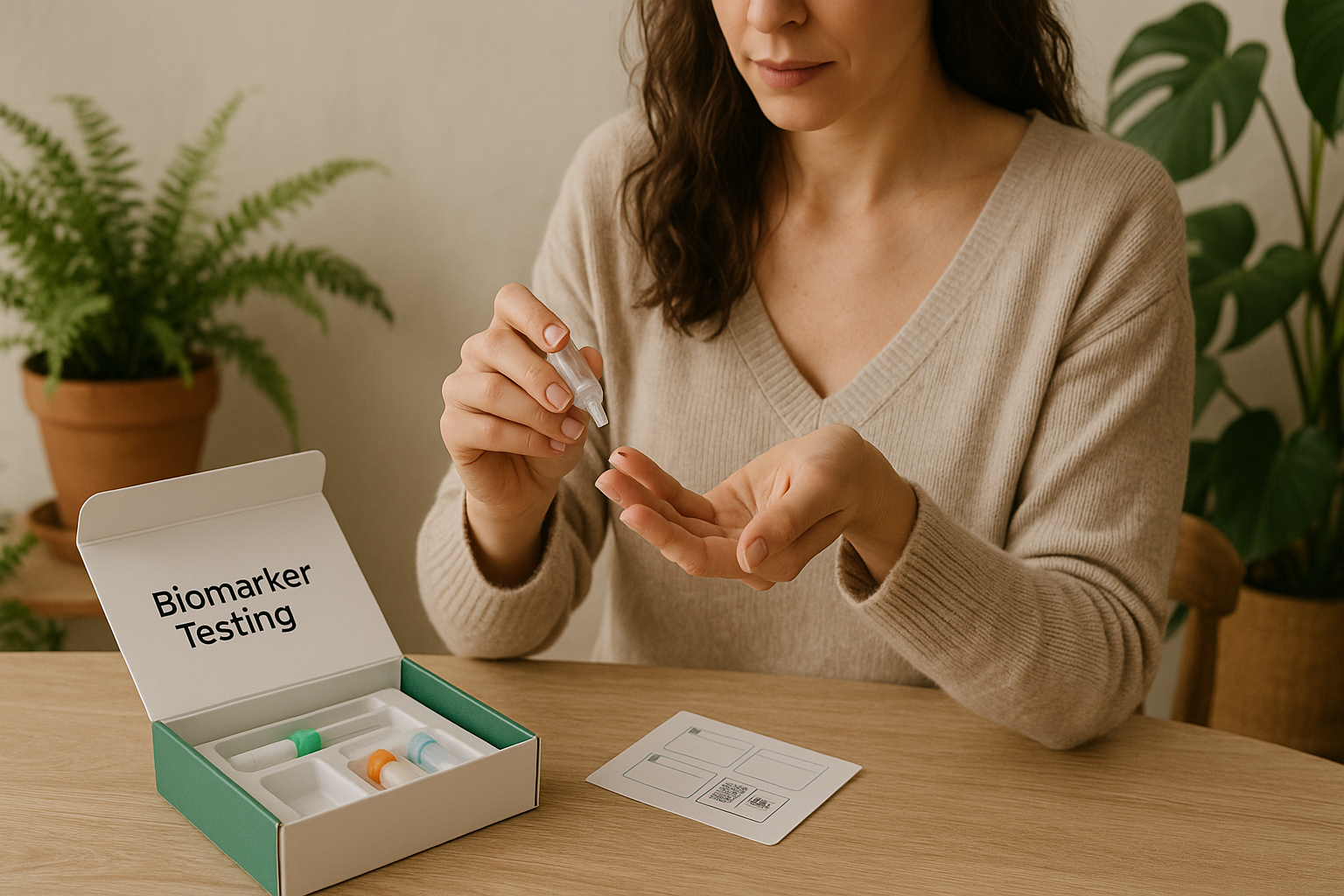
Tracking hormone levels can provide insight into individual health status. Key biomarkers to monitor include:
- Estrogen Levels: Measured through blood tests, important for assessing reproductive health and menopause status.
- Progesterone Levels: Typically measured in the luteal phase of the menstrual cycle to assess ovulation and fertility.
- Testosterone Levels: Important for evaluating libido, energy levels, and muscle mass.
- Cortisol Levels: Can indicate stress levels and adrenal function.
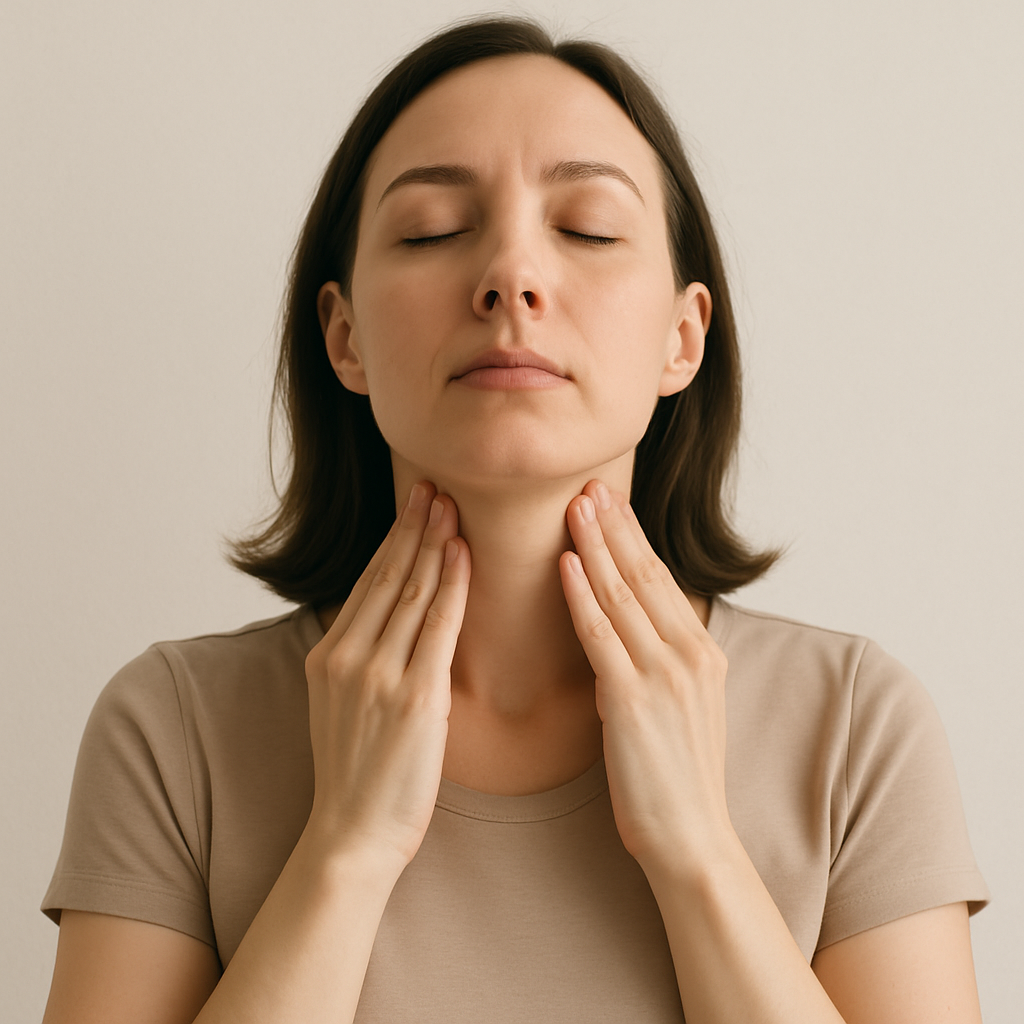
- Thyroid Hormones: Thyroid function plays a significant role in overall hormonal health and metabolism.
Body Systems Supported
Women's hormones support multiple body systems, including:
- Reproductive System: Critical for menstrual health, fertility, and pregnancy.
- Endocrine System: Interconnected with other hormonal pathways, influencing overall hormonal balance.
- Musculoskeletal System: Hormones like estrogen support bone density and muscle mass.
- Nervous System: Hormones impact mood regulation and cognitive function.
Common Goals
Women may seek hormone optimization for various reasons, including:
- Relief from menstrual symptoms and PMS.
- Improved fertility and reproductive health.
- Management of menopausal symptoms.
- Enhanced mood and cognitive function.
- Support for metabolic and cardiovascular health.
Safety, Contraindications & Edge Cases
While many women benefit from hormone optimization, it is not without risks. Some contraindications include:
- History of hormone-sensitive cancers (e.g., breast or uterine cancer).
- Uncontrolled cardiovascular disease.
- Severe liver disease.
It's essential to consult healthcare providers before beginning any hormonal therapies or significant lifestyle changes. Individual assessments are crucial, as hormonal needs can vary greatly from one person to another.
Pairs Well With
Women's hormone optimization can be complemented by various ancient and natural approaches, including:
- Herbal Remedies: Adaptogens like ashwagandha and rhodiola may support hormonal balance.
- Traditional Chinese Medicine: Acupuncture and herbal treatments can help regulate menstrual cycles and alleviate menopausal symptoms.
- Aromatherapy: Essential oils like clary sage and lavender can promote relaxation and hormonal balance.
FAQs (5)
- What are the main hormones affecting women's health?
Estrogen, progesterone, and testosterone are the primary hormones affecting women's health, influencing various bodily functions. - How can I naturally balance my hormones?
Maintaining a balanced diet, exercising regularly, managing stress, and ensuring quality sleep can help optimize hormone levels naturally. - What symptoms indicate hormonal imbalance?
Symptoms may include irregular periods, mood swings, weight gain, fatigue, and changes in libido. - Are there risks associated with hormone replacement therapy?
Yes, HRT can have risks, including increased chances of certain cancers and cardiovascular issues. Consulting with a healthcare provider is essential. - How often should I have my hormone levels checked?
The frequency of testing can vary based on individual health conditions and concerns, but regular monitoring may be beneficial for women experiencing significant symptoms.
Frequently asked
What are the main hormones affecting women's health?
Estrogen, progesterone, and testosterone are the primary hormones affecting women's health, influencing various bodily functions.
How can I naturally balance my hormones?
Maintaining a balanced diet, exercising regularly, managing stress, and ensuring quality sleep can help optimize hormone levels naturally.
What symptoms indicate hormonal imbalance?
Symptoms may include irregular periods, mood swings, weight gain, fatigue, and changes in libido.
Are there risks associated with hormone replacement therapy?
Yes, HRT can have risks, including increased chances of certain cancers and cardiovascular issues. Consulting with a healthcare provider is essential.
How often should I have my hormone levels checked?
The frequency of testing can vary based on individual health conditions and concerns, but regular monitoring may be beneficial for women experiencing significant symptoms.