Hormone Testing
Learn about hormone testing in the context of hormone optimization, including its mechanisms, evidence, practical applications, and safety considerations.
Explore the importance of hormone testing in optimizing hormonal health, its mechanisms, evidence summary, practical applications, relevant biomarkers, supported body systems, common goals, safety considerations, complementary approaches, and frequently asked questions.
What It Is
Hormone testing is a diagnostic process that evaluates the levels of various hormones in the body to assess hormonal health and balance. Hormones play a crucial role in numerous bodily functions, including metabolism, mood regulation, reproductive health, and overall well-being. By measuring hormone levels, healthcare providers can identify imbalances that may contribute to a range of symptoms and health issues.
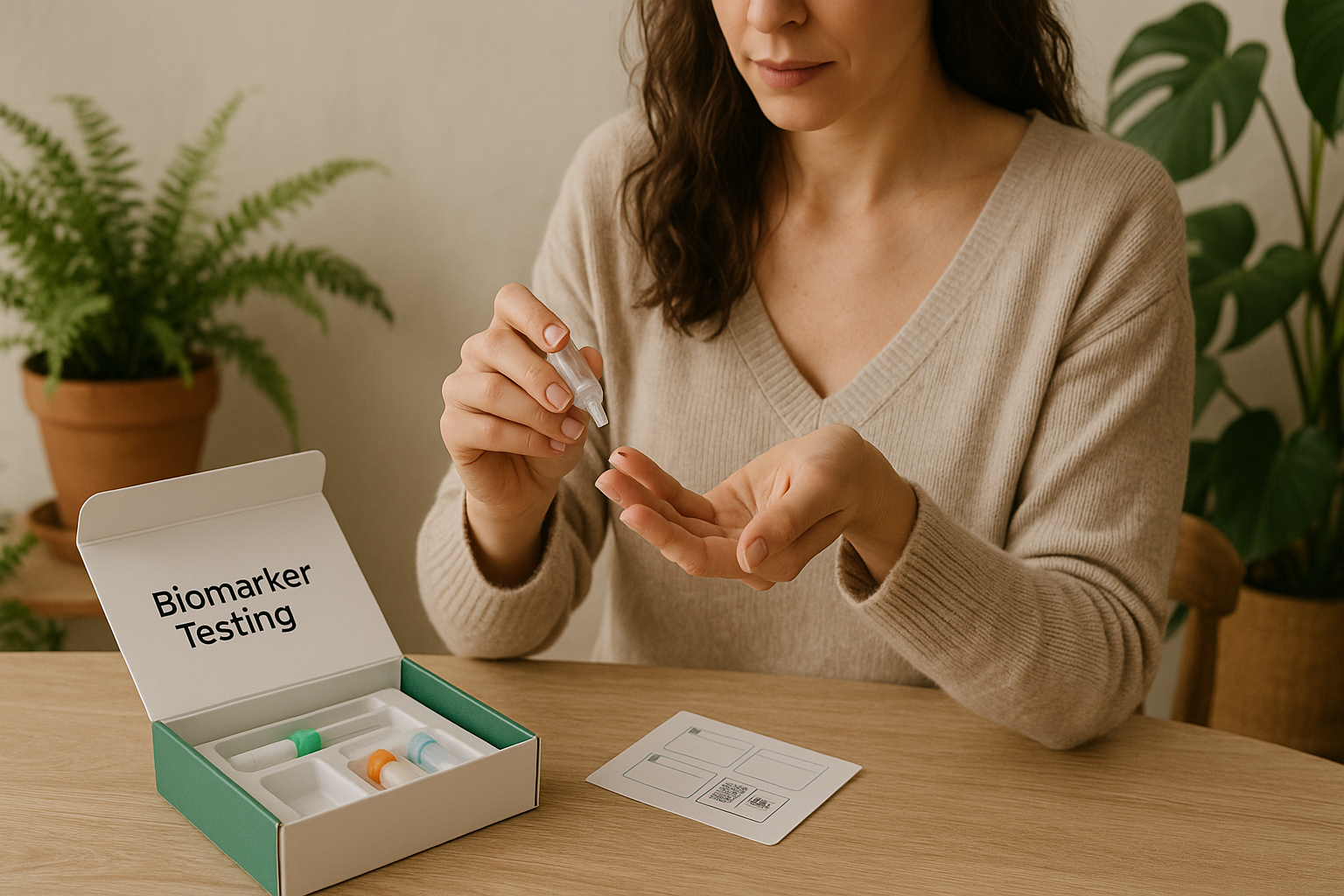
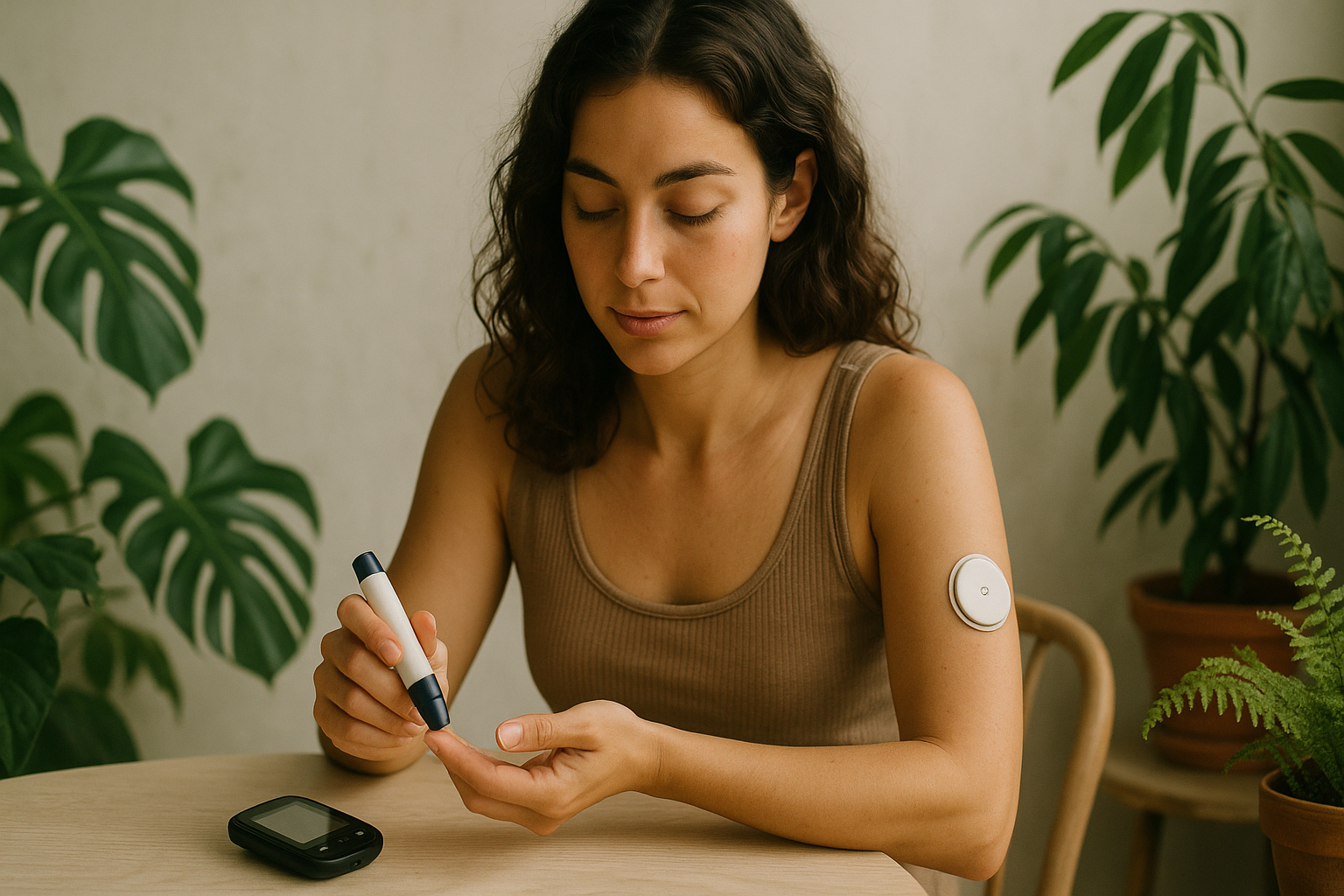
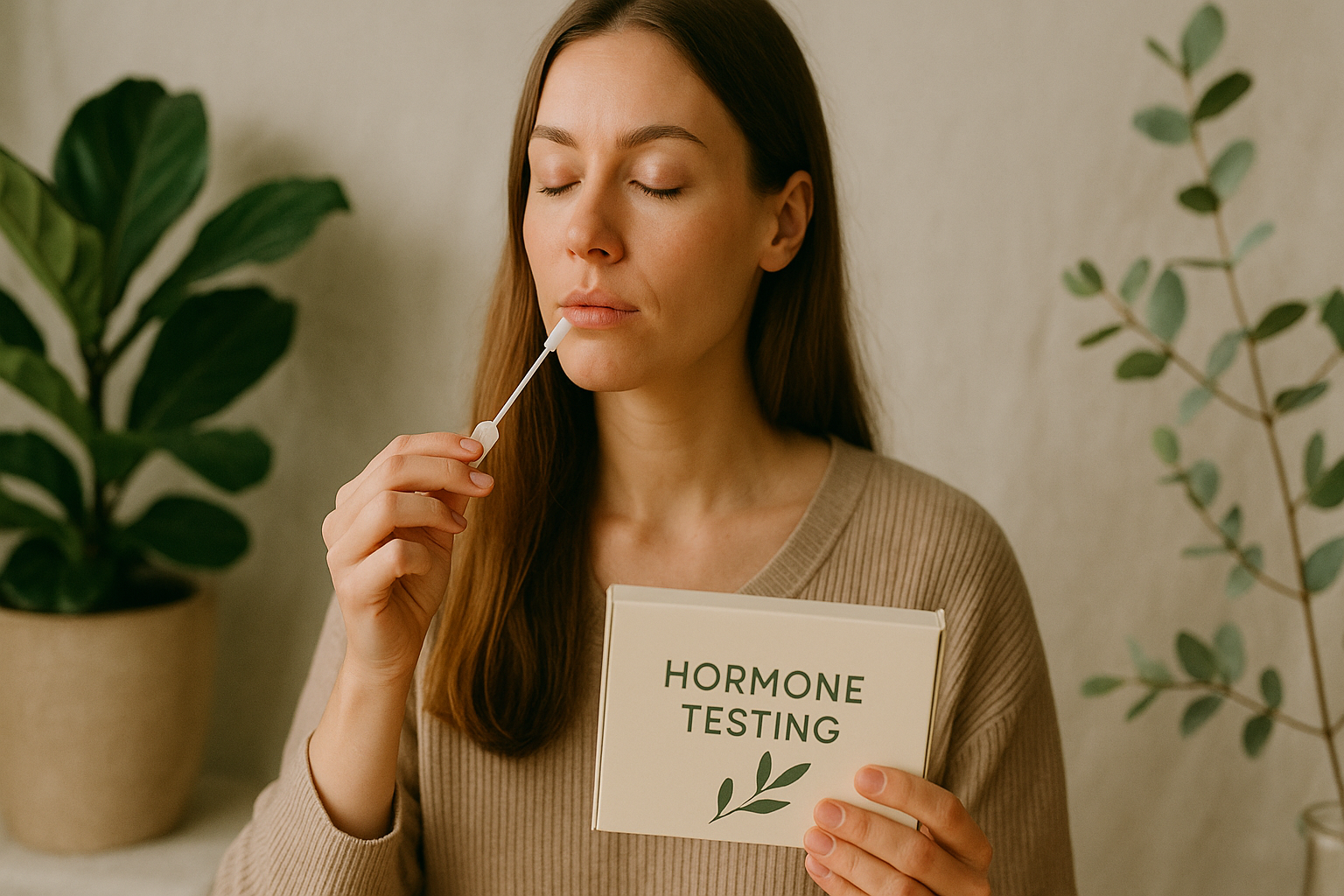
Testing can be done through various methods, including blood tests, saliva tests, and urine tests. Each method has its strengths and limitations, with blood tests being the most common for assessing systemic hormone levels. Hormone testing is essential for individuals seeking to optimize their hormonal health, as it provides valuable insights into their unique hormonal landscape.
Mechanism / How It Works
The mechanism of hormone testing involves the collection and analysis of biological samples to measure hormone concentrations. Hormones are chemical messengers produced by glands in the endocrine system, and their levels can fluctuate based on various factors such as age, sex, stress, diet, and activity level.
Once a sample is collected, laboratory analysis is performed to quantify hormone levels. This information can help identify abnormalities or imbalances. For instance, low testosterone levels in men may indicate a need for further investigation into potential underlying causes, while elevated cortisol levels could suggest chronic stress. The results guide healthcare professionals in tailoring interventions aimed at restoring hormonal balance.
Evidence Summary
The evidence surrounding hormone testing is a mix of established knowledge and ongoing research. Hormone testing has been shown to be effective for diagnosing conditions such as hypothyroidism, adrenal insufficiency, and polycystic ovary syndrome (PCOS). However, there is still debate regarding the optimal timing and method of testing for certain hormones.
While some studies support the efficacy of hormone replacement therapies based on testing results, others present conflicting findings about the long-term benefits and risks. It is important to acknowledge that more research is needed to fully understand the implications of hormone testing across different populations and conditions. Therefore, hormone testing should be approached with caution and interpreted in the context of comprehensive clinical evaluations.
Practical Application
- Consult a healthcare professional to determine the appropriate type of hormone test based on symptoms and health history.
- Schedule tests at optimal times; for example, cortisol levels are best assessed in the morning, while certain sex hormones may be tested at specific points in the menstrual cycle.
- Use test results to inform lifestyle changes, such as diet, exercise, and stress management.
Common pitfalls include misinterpreting results without professional guidance, neglecting to consider the influence of lifestyle factors, and failing to follow up with additional testing or treatment if necessary.
Relevant Biomarkers & Tracking
Several key biomarkers are commonly assessed during hormone testing, including:
- Estradiol
- Testosterone
- Progesterone
- Cortisol
- Thyroid hormones (T3, T4, and TSH)
- Insulin
Tracking these biomarkers over time can provide insights into hormonal trends and help adjust lifestyle or treatment protocols as needed. Regular testing can be particularly beneficial for individuals undergoing hormone therapies or those experiencing significant life changes that may impact hormonal balance.
Body Systems Supported
Hormone testing supports various body systems, including:
- Endocrine System: Hormones regulate numerous functions and maintain homeostasis.
- Reproductive System: Hormonal balance is crucial for fertility and reproductive health.
- Metabolic System: Hormones influence metabolism, weight regulation, and energy levels.
- Nervous System: Hormones affect mood, cognition, and overall mental health.
Common Goals
Individuals pursuing hormone testing often have specific goals, such as:
- Identifying and addressing hormonal imbalances.
- Improving energy levels and mood.
- Enhancing fertility and reproductive health.
- Managing symptoms related to menopause or andropause.
- Supporting weight management and metabolic health.
Safety, Contraindications & Edge Cases
While hormone testing is generally safe, there are some considerations to keep in mind:
- Individuals with certain medical conditions should consult their healthcare provider before undergoing hormone testing.
- Some tests require specific preparation, such as fasting or timing related to menstrual cycles.
- Results should be interpreted by qualified professionals to avoid misdiagnosis or unnecessary anxiety.
Edge cases include individuals with complex endocrine disorders or those on hormone therapies, where additional evaluation may be warranted.
Pairs Well With
Hormone testing can be complemented by various ancient and natural counterparts, enhancing overall wellness:
- Aromatherapy: Essential oils can support hormonal balance and emotional well-being.
- Herbal Medicine: Adaptogenic herbs like ashwagandha or maca may support endocrine function.
- Nutrition: A diet rich in whole foods, healthy fats, and antioxidants can positively impact hormonal health.
FAQs (5)
- What is the best time to get hormone tested?
It depends on the hormone being tested. For example, cortisol is often tested in the morning, while female hormones may be tested at specific points in the menstrual cycle. - How often should I test my hormones?
The frequency of testing varies based on individual circumstances, but many people benefit from annual testing or more frequent assessments if undergoing treatment. - Can I test my hormones at home?
Some at-home testing kits are available, but consulting a healthcare professional for comprehensive testing and interpretation is recommended. - What should I do if my hormone levels are abnormal?
Consult a healthcare provider for a thorough evaluation and personalized treatment plan. - Are there any risks associated with hormone testing?
Hormone testing is generally safe, but there may be minor risks involved with sample collection, such as bruising or discomfort.
Frequently asked
What is the best time to get hormone tested?
It depends on the hormone being tested. For example, cortisol is often tested in the morning, while female hormones may be tested at specific points in the menstrual cycle.
How often should I test my hormones?
The frequency of testing varies based on individual circumstances, but many people benefit from annual testing or more frequent assessments if undergoing treatment.
Can I test my hormones at home?
Some at-home testing kits are available, but consulting a healthcare professional for comprehensive testing and interpretation is recommended.
What should I do if my hormone levels are abnormal?
Consult a healthcare provider for a thorough evaluation and personalized treatment plan.
Are there any risks associated with hormone testing?
Hormone testing is generally safe, but there may be minor risks involved with sample collection, such as bruising or discomfort.