Endocrine Health
A comprehensive guide to endocrine health, its mechanisms, clinical evidence, practical applications, and safety considerations in hormone optimization.

Explore the significance of endocrine health within the context of hormone optimization, highlighting its mechanisms, evidence, applications, and safety considerations.
What It Is
Endocrine health refers to the optimal functioning of the body's hormone-producing glands. These glands include the pituitary, thyroid, adrenal glands, pancreas, ovaries, and testes, which secrete hormones that regulate various bodily functions such as metabolism, growth, mood, and reproductive health. Maintaining balance in these hormones is crucial for overall well-being and can significantly impact physical and mental health.
Hormones are chemical messengers that travel through the bloodstream to tissues and organs, influencing numerous physiological processes. An imbalance in hormone levels can lead to various health issues, including fatigue, weight gain, mood disorders, and reproductive challenges. Hence, understanding and optimizing endocrine health is key to achieving hormonal balance and supporting overall wellness.
Mechanism / How It Works
The endocrine system operates through feedback loops and interactions between various glands and hormones. When hormone levels in the bloodstream reach a certain threshold, they signal the glands to either increase or decrease their hormone production. This dynamic system ensures that the body maintains homeostasis, or internal balance.
For example, the hypothalamus in the brain regulates the pituitary gland, which in turn controls other glands such as the thyroid and adrenal glands. When the body needs energy, the hypothalamus prompts the release of thyroid hormones to increase metabolism. Conversely, if there is excess energy, hormone production is downregulated. This intricate communication network is essential for responding to changes in the environment, stress levels, and overall health.
Evidence Summary
Research on endocrine health highlights both promising findings and areas that require further investigation. Preliminary studies suggest that lifestyle factors, such as diet, exercise, and stress management, play significant roles in maintaining hormonal balance. For instance, a balanced diet rich in whole foods can enhance thyroid function, while regular physical activity positively influences insulin sensitivity.
Clinical studies have shown that hormone replacement therapies can benefit individuals with hormonal deficiencies, such as testosterone in men or estrogen in women, improving quality of life and reducing symptoms associated with hormonal imbalances. However, conflicting evidence exists regarding the long-term effects of hormone therapies, necessitating careful consideration and personalized approaches.
Practical Application
To support endocrine health, individuals can implement several practical strategies:
- Balanced Diet: Focus on nutrient-dense foods that support hormonal balance, such as healthy fats, lean proteins, and a variety of fruits and vegetables.
- Regular Exercise: Engage in both aerobic and strength training exercises to boost metabolism and improve hormone regulation.
- Stress Management: Incorporate stress-reducing practices such as mindfulness, yoga, or deep-breathing exercises to lower cortisol levels.
- Regular Monitoring: Track symptoms and consult healthcare professionals for hormone level testing when necessary.
Common pitfalls include neglecting the role of sleep, as poor quality sleep can disrupt hormone production. Furthermore, individuals may overlook the importance of individualized approaches, assuming that one-size-fits-all solutions will work for everyone.
Relevant Biomarkers & Tracking
Monitoring specific biomarkers can provide insights into endocrine health. Key hormones to track include:
- Thyroid hormones (TSH, T3, T4)
- Insulin
- Cortisol
- Sex hormones (estrogen, progesterone, testosterone)
- Growth hormone
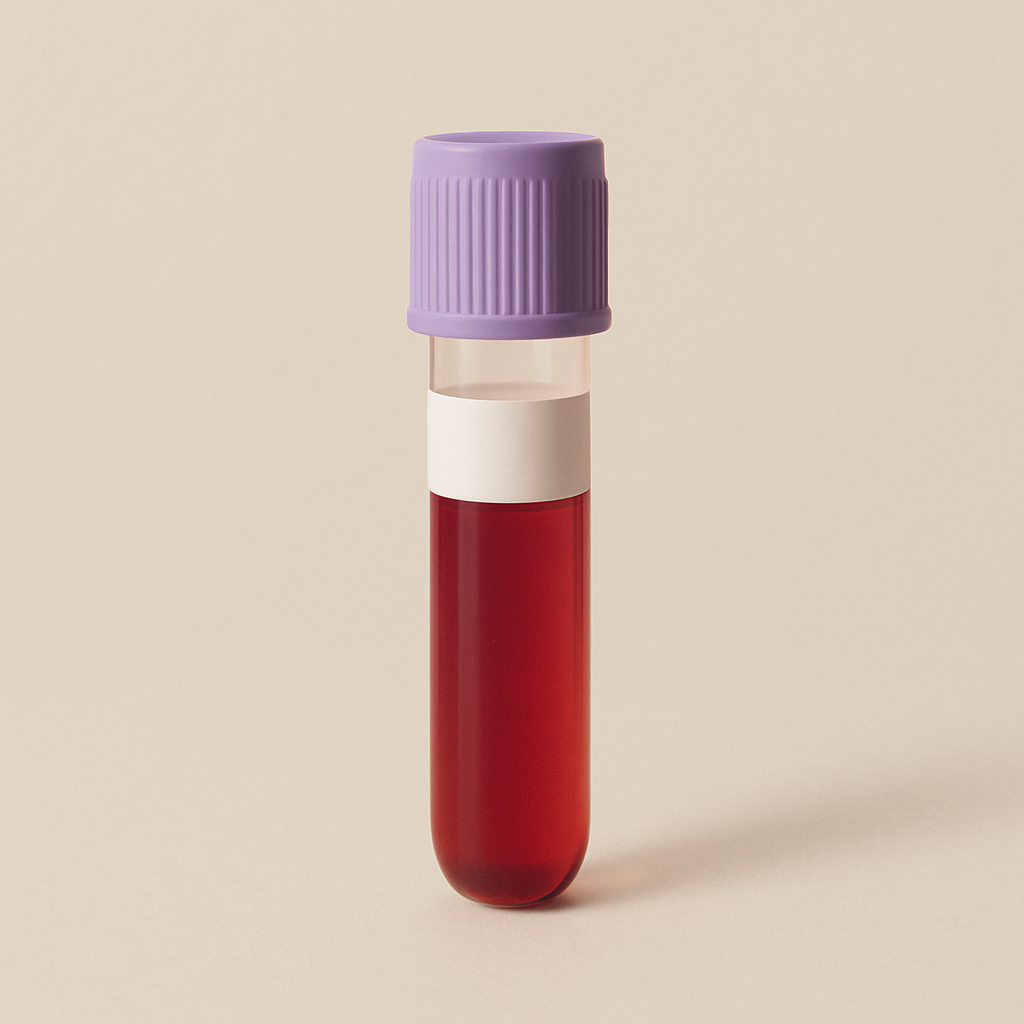
Regular blood tests can help assess these hormone levels, guiding individuals and healthcare providers in making informed decisions regarding lifestyle changes or therapeutic interventions.
Body Systems Supported
The endocrine system plays a vital role in regulating several body systems, including:
- Metabolic System: Hormones like insulin and thyroid hormones regulate metabolism and energy balance.
- Reproductive System: Sex hormones control reproductive functions and sexual health.
- Nervous System: Hormones such as cortisol and adrenaline are crucial in managing the body's response to stress.
- Immune System: Hormones influence immune responses and overall health.
Common Goals
Individuals seeking to optimize their endocrine health often aim for the following goals:
- Achieving hormonal balance for improved mood and energy levels.
- Enhancing metabolic function to support weight management.
- Improving reproductive health and addressing fertility issues.
- Reducing the impact of stress on hormonal health.
Safety, Contraindications & Edge Cases
While optimizing endocrine health is beneficial, certain safety considerations must be addressed. Hormonal therapies can have side effects and may not be suitable for everyone. Individuals with specific medical conditions, such as hormone-sensitive cancers or certain cardiovascular issues, should approach hormone therapies with caution and under professional guidance.
Additionally, supplements and alternative treatments should be used judiciously, as they can interact with medications or exacerbate existing health conditions. Always consult a healthcare provider before starting any new treatment or therapy.
Pairs Well With
Endocrine health can be supported by integrating practices from both modern and ancient wellness approaches, including:
- Adaptogenic Herbs: Herbs like ashwagandha and rhodiola may help balance stress hormones.
- Traditional Chinese Medicine: Practices such as acupuncture can support hormonal balance.
- Nutritional Therapy: Incorporating whole foods and specific nutrients known to support hormone health.
FAQs (5)
- What are the signs of hormonal imbalance?
Common signs include fatigue, weight gain, mood swings, irregular periods, and sleep disturbances. - How can I check my hormone levels?
Consult a healthcare professional for blood tests to assess key hormone levels. - Are there natural ways to balance hormones?
Yes, lifestyle changes such as diet, exercise, and stress management can help achieve hormonal balance. - What role does stress play in hormonal health?
Chronic stress can lead to elevated cortisol levels, disrupting the balance of other hormones. - Can hormonal therapy be harmful?
Hormonal therapies can have side effects and should be approached with caution, particularly for individuals with certain medical conditions.
Frequently asked
What are the signs of hormonal imbalance?
Common signs include fatigue, weight gain, mood swings, irregular periods, and sleep disturbances.
How can I check my hormone levels?
Consult a healthcare professional for blood tests to assess key hormone levels.
Are there natural ways to balance hormones?
Yes, lifestyle changes such as diet, exercise, and stress management can help achieve hormonal balance.
What role does stress play in hormonal health?
Chronic stress can lead to elevated cortisol levels, disrupting the balance of other hormones.
Can hormonal therapy be harmful?
Hormonal therapies can have side effects and should be approached with caution, particularly for individuals with certain medical conditions.