Mood Hormones
Delve into the science of mood hormones, their impact on emotional well-being, and strategies for optimization.

Explore the intricate relationship between mood and hormones, including their mechanisms, clinical evidence, practical applications, and tracking methods. Learn how to optimize mood hormones for better emotional health.
What It Is
Mood hormones refer to a group of hormones that play a crucial role in regulating our emotional states and mental well-being. These hormones include serotonin, dopamine, cortisol, and oxytocin, among others. Each of these hormones affects mood in unique ways, influencing feelings of happiness, anxiety, and overall emotional balance.
Understanding mood hormones is essential for recognizing how hormonal fluctuations can lead to changes in mood and behavior. For instance, serotonin is often called the "feel-good" hormone because it contributes to feelings of happiness and relaxation. In contrast, cortisol, known as the stress hormone, can lead to anxiety and irritability when present in excess. By learning about these hormones, individuals can take proactive steps toward optimizing their mental health.
Mechanism / How It Works
The mechanisms by which mood hormones influence emotional states involve complex biochemical processes within the brain and body. Hormones like serotonin and dopamine are neurotransmitters that transmit signals between nerve cells. They play critical roles in regulating mood, motivation, and pleasure.
Serotonin, for example, is synthesized in the brain from the amino acid tryptophan and is primarily responsible for feelings of well-being and happiness. Dopamine, on the other hand, is linked to the brain's reward system, promoting feelings of pleasure and satisfaction when we engage in enjoyable activities. Cortisol is produced in response to stress and prepares the body for a fight-or-flight response, but chronic elevation can negatively affect mood and mental health.
Evidence Summary
The scientific evidence supporting the role of mood hormones in emotional well-being is substantial yet complex. Numerous studies have demonstrated the correlation between serotonin levels and mood disorders such as depression. Antidepressants that target serotonin levels, such as selective serotonin reuptake inhibitors (SSRIs), have been shown to be effective in treating these conditions.
However, the relationship between hormones and mood is not entirely straightforward. For example, while elevated cortisol levels are associated with stress and anxiety, some studies suggest that cortisol may also have protective effects in certain situations. This conflicting evidence highlights the need for further research to fully understand these dynamics and how to effectively optimize mood hormones.
Practical Application
Optimizing mood hormones involves various strategies that can be integrated into daily life. These may include dietary adjustments, exercise, mindfulness practices, and ensuring adequate sleep. For example, foods rich in tryptophan, such as turkey and nuts, can support serotonin production. Regular physical activity has also been shown to boost dopamine levels, enhancing mood and motivation.
Common pitfalls include relying solely on supplements or medications without addressing lifestyle factors. It is essential to adopt a holistic approach that considers emotional and physical health as interconnected. Consulting with a healthcare professional can provide personalized guidance on protocols for hormone optimization.
Relevant Biomarkers & Tracking
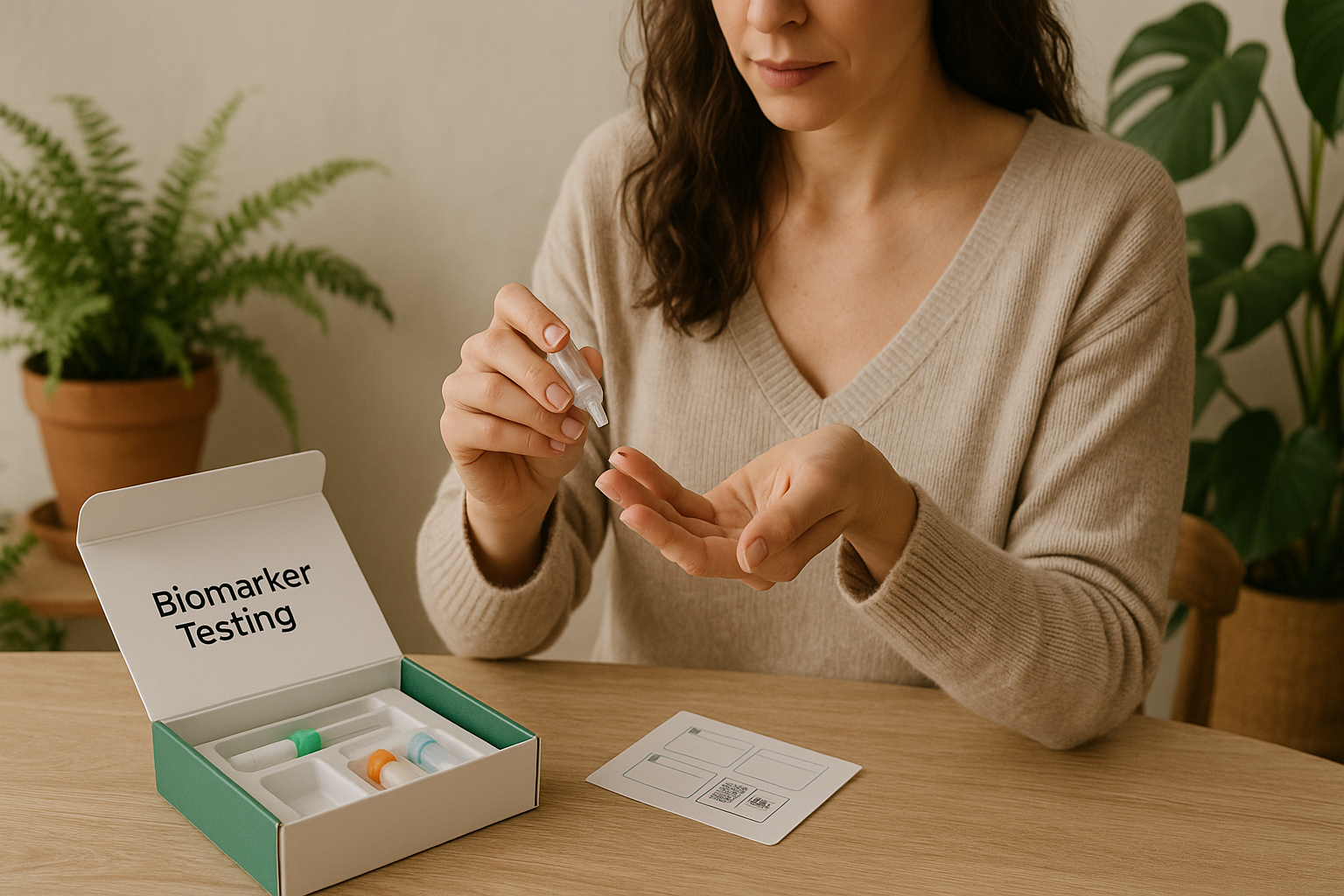
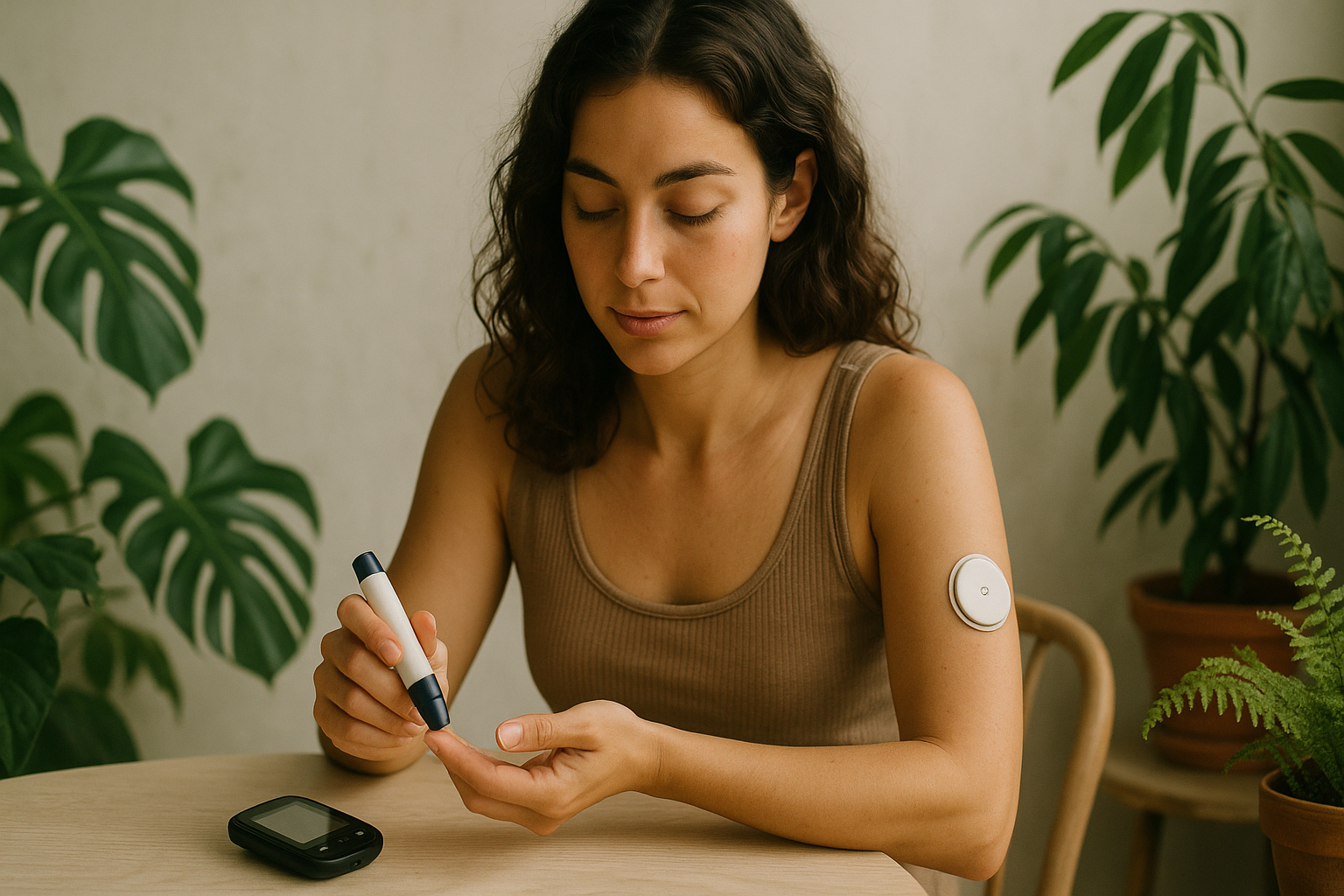
Tracking mood hormone levels can provide insights into emotional well-being. Common biomarkers include:
- Serotonin levels (often assessed indirectly through mood assessments)
- Dopamine metabolites
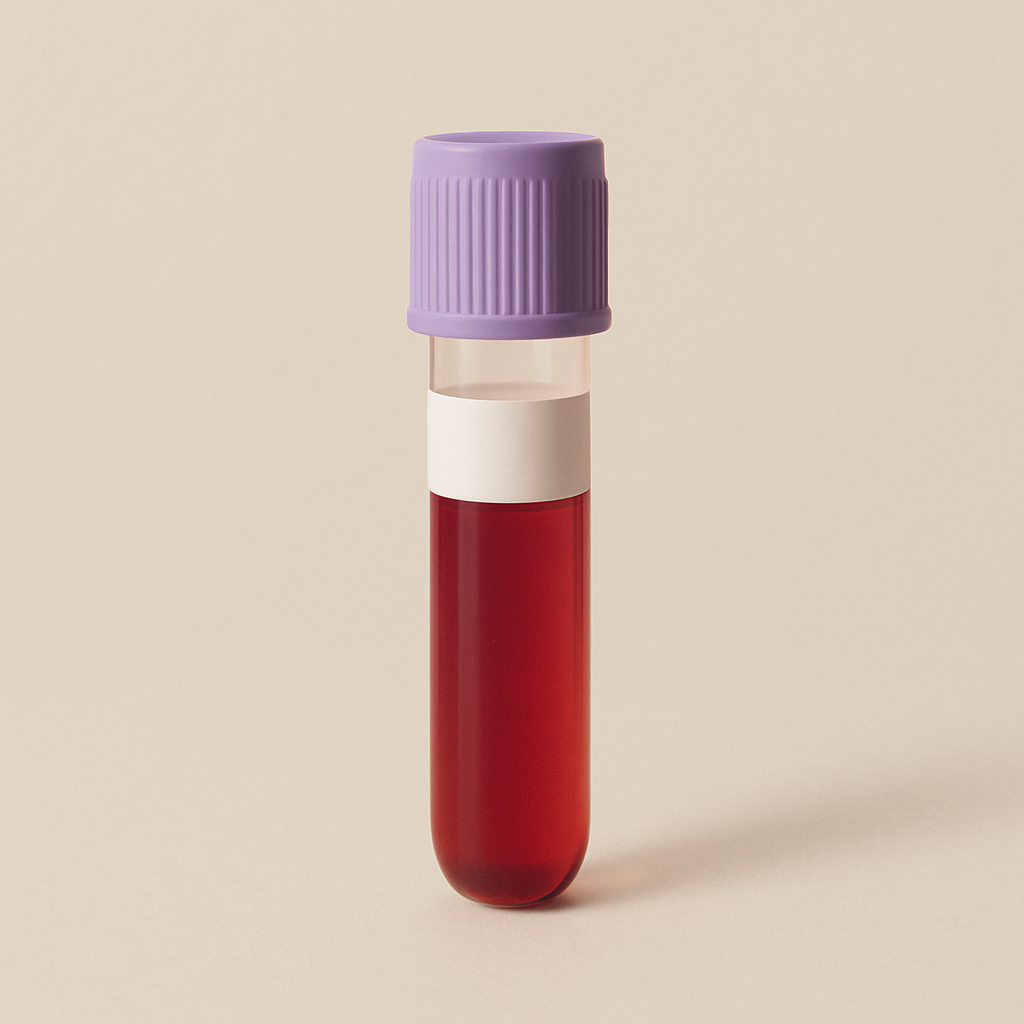
- Cortisol levels (measured through blood, saliva, or urine tests)
- Oxytocin levels (which can be measured through blood tests)
Employing self-assessment tools, such as mood journals, can help individuals monitor their emotional states in relation to lifestyle changes or interventions.
Body Systems Supported
Mood hormones influence multiple body systems, including:
- The nervous system, particularly the brain's limbic system, which governs emotions
- The endocrine system, which regulates hormone production and balance
- The digestive system, as gut health is linked to serotonin production
- The immune system, as stress and mood can affect immune responses
Understanding these interconnected systems can enhance overall health and well-being.
Common Goals
Individuals often seek to optimize mood hormones to achieve specific goals, such as:
- Reducing symptoms of anxiety and depression
- Improving overall mood and emotional resilience
- Enhancing motivation and focus
- Promoting healthier relationships through improved emotional regulation
Setting clear goals can guide the process of hormone optimization and help measure progress.
Safety, Contraindications & Edge Cases
While many strategies for optimizing mood hormones are safe, certain considerations should be kept in mind:
- Supplements should be used cautiously, as they can interact with medications.
- Individuals with specific health conditions (e.g., hormonal disorders) should consult a healthcare professional before making significant changes.
- Excessive cortisol management techniques, like drastic lifestyle changes, can lead to stress if not implemented gradually.
Awareness of these factors can help individuals navigate their hormone optimization journey safely.
Pairs Well With
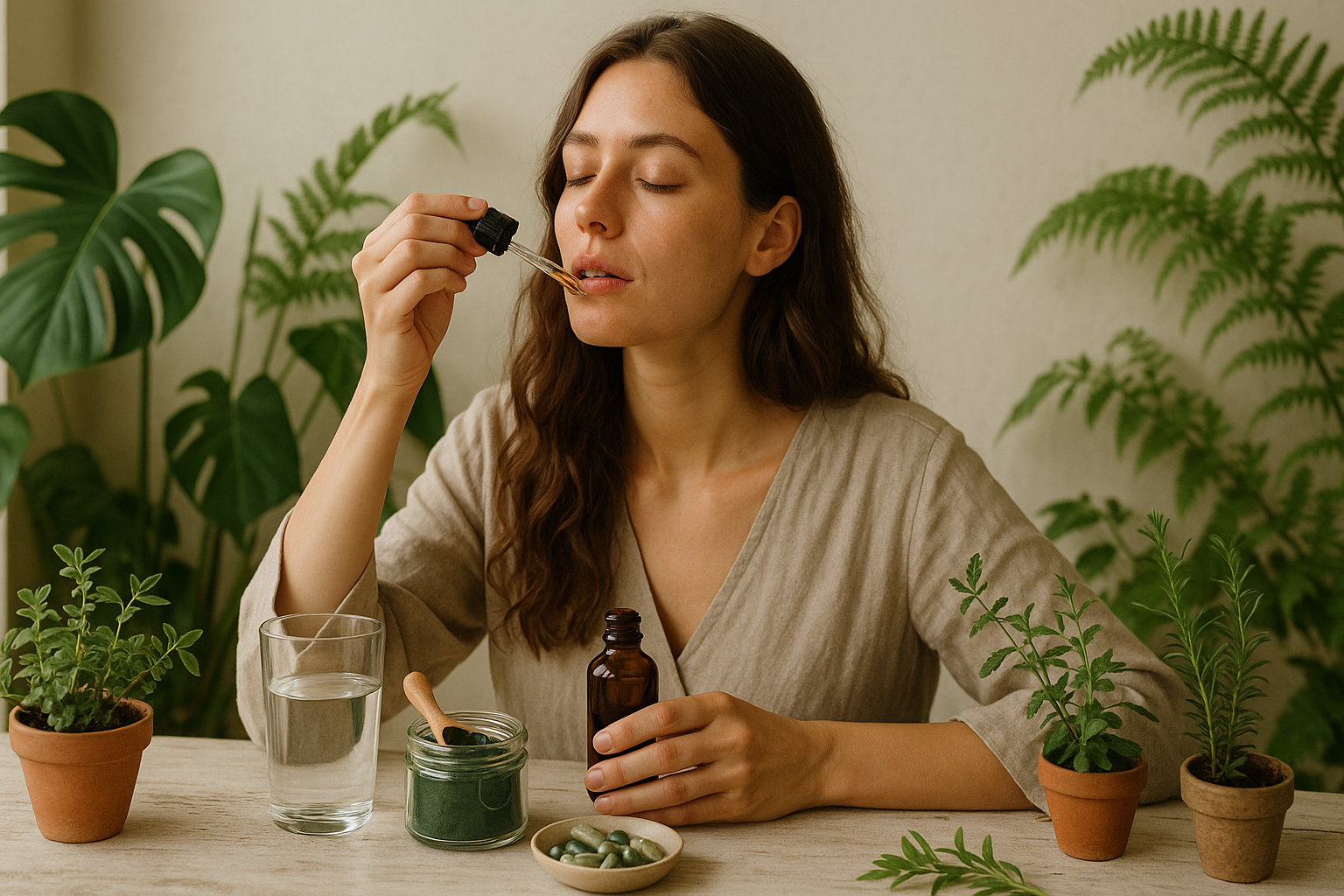
Mood hormones can be complemented by practices and natural remedies that align with ancient wellness philosophies:
- Mindfulness meditation, which can reduce stress and enhance emotional regulation
- Aromatherapy with essential oils such as lavender, known for its calming effects
- Adaptogens like ashwagandha and rhodiola, which may help balance cortisol levels
- Traditional practices like yoga, which can enhance mood and reduce stress
Integrating these approaches can provide a holistic pathway to emotional wellness.
FAQs (5)
- What are the main hormones that affect mood? The primary hormones include serotonin, dopamine, cortisol, and oxytocin.
- How can I naturally boost my mood hormones? You can boost mood hormones through a balanced diet, regular exercise, adequate sleep, and mindfulness practices.
- Are there risks associated with hormone supplements? Yes, hormone supplements can have side effects and may interact with other medications, so it is essential to consult a healthcare professional.
- Can mood hormones change with age? Yes, hormonal levels can fluctuate with age, influencing mood and emotional health.
- How can I track my mood hormone levels? Mood hormone levels can be tracked through blood tests, urine tests, and self-assessment tools like mood journals.
Frequently asked
What are the main hormones that affect mood?
The primary hormones include serotonin, dopamine, cortisol, and oxytocin.
How can I naturally boost my mood hormones?
You can boost mood hormones through a balanced diet, regular exercise, adequate sleep, and mindfulness practices.
Are there risks associated with hormone supplements?
Yes, hormone supplements can have side effects and may interact with other medications, so it is essential to consult a healthcare professional.
Can mood hormones change with age?
Yes, hormonal levels can fluctuate with age, influencing mood and emotional health.
How can I track my mood hormone levels?
Mood hormone levels can be tracked through blood tests, urine tests, and self-assessment tools like mood journals.