Thyroid Optimization
Thyroid optimization is essential for hormonal balance and overall wellness. This guide delves into its mechanisms, benefits, practical applications, and safety considerations.

Explore the intricate world of thyroid optimization within the broader category of hormone optimization. Understand its mechanisms, evidence-based applications, and practical integration into daily life while considering safety and common goals.
What It Is
Thyroid optimization refers to the process of enhancing the functioning of the thyroid gland, which plays a crucial role in regulating metabolism, energy levels, and overall hormonal balance. The thyroid produces hormones such as thyroxine (T4) and triiodothyronine (T3), which are vital for nearly every physiological process in the body. When thyroid function is compromised, it can lead to a myriad of health issues, including fatigue, weight gain, mood disorders, and cardiovascular problems.
Optimizing thyroid function involves not just addressing low hormone levels but also ensuring that the body effectively utilizes these hormones. This can include lifestyle adjustments, dietary changes, and potentially the use of supplements or medications. Understanding the thyroid's role in the endocrine system is essential for anyone interested in achieving hormonal balance and overall wellness.
Mechanism / How It Works
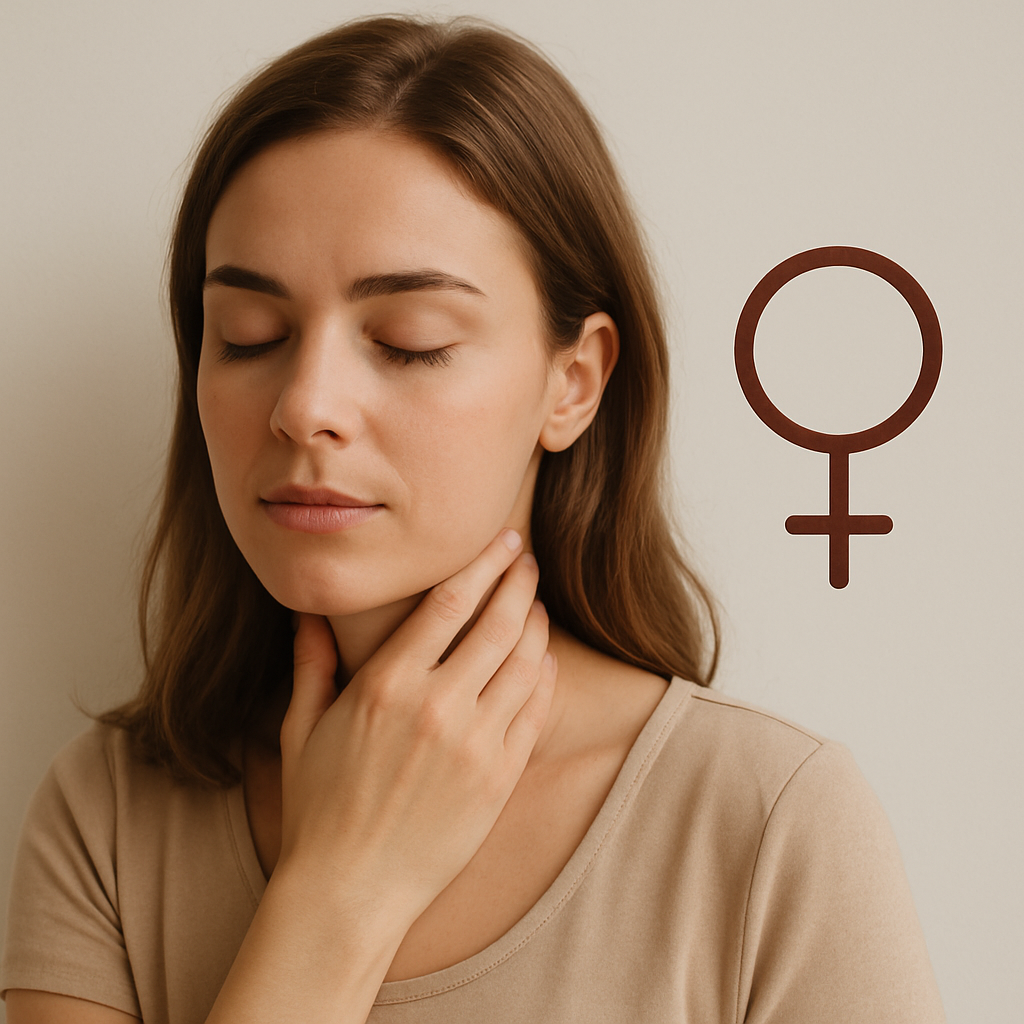
The thyroid gland, located in the neck, produces hormones that regulate metabolism, heart rate, and body temperature. These hormones influence how the body uses energy and can affect virtually every organ system. The production of thyroid hormones is controlled by the pituitary gland, which releases thyroid-stimulating hormone (TSH) to stimulate the thyroid.
When optimizing thyroid function, it is important to consider factors such as iodine levels, selenium, and the presence of autoimmune conditions like Hashimoto's thyroiditis. Proper nutrition and lifestyle choices can enhance the conversion of T4 to the more active T3 hormone, which is crucial for metabolic processes.
Evidence Summary
The current research on thyroid optimization presents a mixed picture. Preliminary studies suggest that optimizing thyroid hormone levels can lead to improvements in mood, energy, weight management, and overall well-being. However, clinical evidence is still emerging, and some studies show conflicting results regarding the effectiveness of supplementation or medication for individuals with subclinical hypothyroidism.
It is essential to approach thyroid optimization with caution and to base decisions on comprehensive testing and individual symptoms rather than solely on hormone levels. Much remains unknown about the long-term effects of thyroid optimization strategies, and more research is needed to establish standardized protocols.
Practical Application
To integrate thyroid optimization into daily life, consider the following protocols:
- Nutrition: Consume a diet rich in iodine (found in seaweed, fish, and dairy), selenium (found in Brazil nuts and fish), and zinc (found in meat and legumes).
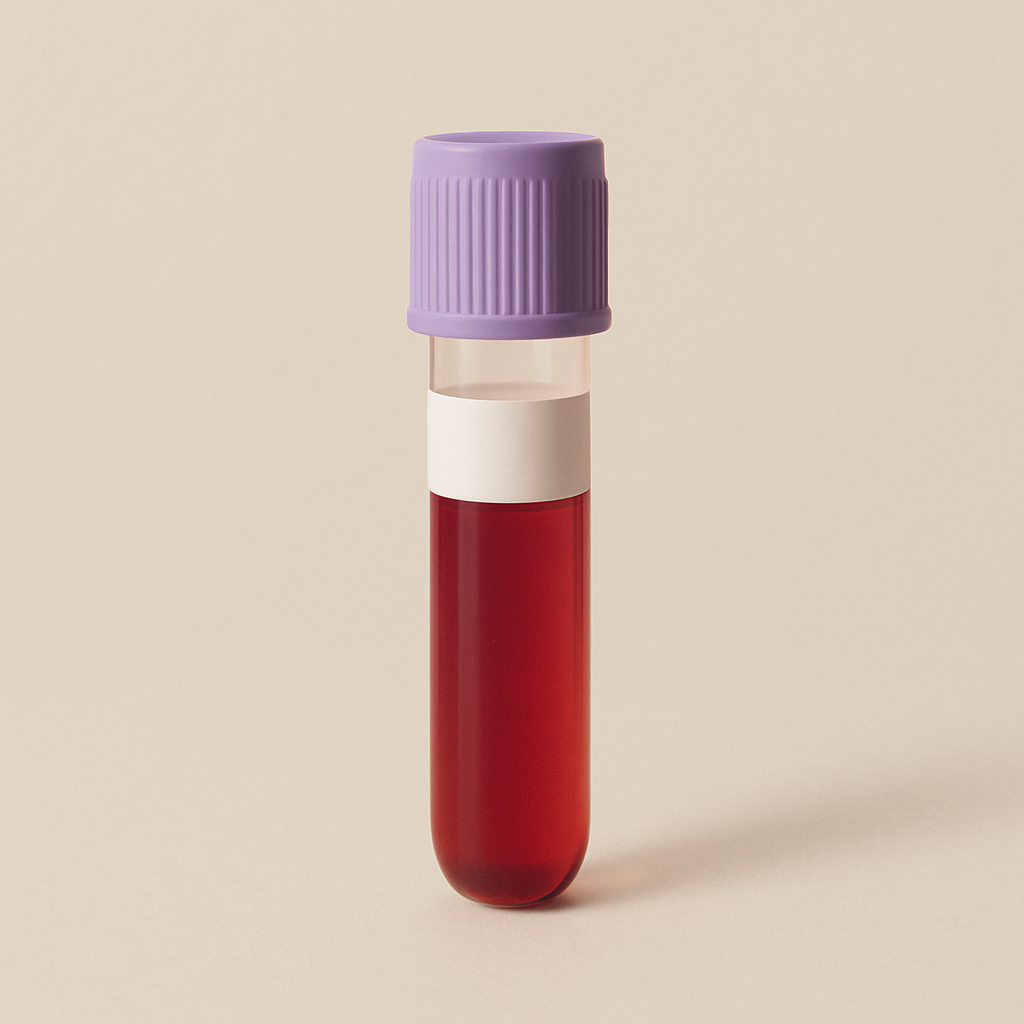
- Regular Testing: Monitor thyroid hormone levels through blood tests, including TSH, T3, and T4, as well as antibodies if autoimmune conditions are suspected.
- Stress Management: Engage in stress-reducing practices such as yoga, meditation, or deep breathing to support overall hormonal balance.
- Sleep Hygiene: Prioritize quality sleep to support thyroid function and hormonal regulation.
Common pitfalls include neglecting the influence of stress and diet on thyroid health, relying solely on supplements without lifestyle changes, and failing to consult healthcare professionals for personalized guidance.
Relevant Biomarkers & Tracking
Key biomarkers for tracking thyroid health include:
- Thyroid-stimulating hormone (TSH)
- Free T4 (thyroxine)
- Free T3 (triiodothyronine)
- Thyroid antibodies (anti-TPO and anti-TG)
Regular monitoring of these biomarkers can provide insights into thyroid function and help guide optimization strategies.
Body Systems Supported
Thyroid optimization supports various body systems, including:
- Metabolic System: Regulates energy expenditure and weight management.
- Nervous System: Influences mood, cognitive function, and overall mental health.
- Cardiovascular System: Affects heart rate and cholesterol levels.
- Digestive System: Plays a role in digestion and nutrient absorption.
Common Goals
Individuals seeking thyroid optimization often have common goals such as:
- Increased energy levels
- Improved mood and mental clarity
- Weight management
- Enhanced metabolic function
- Better sleep quality
Safety, Contraindications & Edge Cases
While optimizing thyroid function can have numerous benefits, certain precautions should be taken:
- Autoimmune Conditions: Individuals with autoimmune thyroid disorders should work closely with healthcare providers to tailor treatment plans.
- Medication Interactions: Be aware of potential interactions with thyroid medications and other prescriptions.
- Excess Iodine: Overconsumption of iodine can lead to thyroid dysfunction, so moderation is key.
Consulting with a healthcare professional is critical to ensure safety and effectiveness in thyroid optimization.
Pairs Well With
Thyroid optimization can complement various ancient and natural therapies, such as:
- Adaptogenic herbs like ashwagandha and rhodiola, which support stress management.
- Traditional practices such as Ayurveda and Traditional Chinese Medicine that focus on holistic approaches to health.
- Nutritional therapies that emphasize whole foods and balanced diets.
FAQs (5)
- What symptoms indicate thyroid issues?
Common symptoms include fatigue, weight changes, mood swings, and difficulty concentrating. - How often should I get my thyroid levels checked?
It is generally recommended to check thyroid levels annually or as advised by a healthcare provider, especially if you have symptoms or risk factors. - Can diet really affect my thyroid function?
Yes, certain nutrients are vital for thyroid hormone production and metabolism, making diet an important factor in thyroid health. - What should I do if I suspect I have a thyroid problem?
Consult a healthcare professional for testing and personalized advice based on your symptoms and health history. - Are there natural supplements for thyroid optimization?
Some people find benefit from supplements like iodine, selenium, and adaptogenic herbs, but it's essential to consult with a healthcare provider first.
Frequently asked
What symptoms indicate thyroid issues?
Common symptoms include fatigue, weight changes, mood swings, and difficulty concentrating.
How often should I get my thyroid levels checked?
It is generally recommended to check thyroid levels annually or as advised by a healthcare provider, especially if you have symptoms or risk factors.
Can diet really affect my thyroid function?
Yes, certain nutrients are vital for thyroid hormone production and metabolism, making diet an important factor in thyroid health.
What should I do if I suspect I have a thyroid problem?
Consult a healthcare professional for testing and personalized advice based on your symptoms and health history.
Are there natural supplements for thyroid optimization?
Some people find benefit from supplements like iodine, selenium, and adaptogenic herbs, but it's essential to consult with a healthcare provider first.