Hormonal Nutrition
Explore the essentials of hormonal nutrition, including its mechanisms, evidence, practical applications, and safety considerations for hormone optimization.

Hormonal nutrition focuses on aligning dietary choices with hormonal health, aiming to optimize hormone levels and their functions in the body. This approach is rooted in understanding how food impacts hormonal balance and overall wellness.
What It Is
Hormonal nutrition is a dietary approach that emphasizes the relationship between food intake and hormone regulation in the body. It seeks to optimize hormone levels through targeted nutritional choices, thereby promoting overall health and well-being. By understanding how various foods affect hormone production and function, individuals can make informed dietary decisions that support their hormonal health.
This approach considers the unique needs of different hormones, including insulin, estrogen, testosterone, and cortisol, and aims to create a balanced environment conducive to hormone optimization. The objective is to not only address existing hormonal imbalances but also to prevent potential issues by fostering a healthy relationship with food.
Mechanism / How It Works
The mechanism of hormonal nutrition is grounded in the interaction between the foods we consume and the hormonal processes within our bodies. Different food groups can influence hormone production and sensitivity, impacting everything from metabolism to mood.
For instance, carbohydrates can impact insulin levels, while healthy fats are crucial for the production of sex hormones. Protein intake is also vital for hormone synthesis and regulation. Additionally, micronutrients such as vitamins and minerals play essential roles in hormone function. By focusing on whole, nutrient-dense foods, hormonal nutrition aims to stabilize blood sugar levels, reduce inflammation, and support endocrine function.
Evidence Summary
Research on hormonal nutrition is still emerging, with various studies indicating that specific dietary patterns can influence hormone levels and overall health. Preliminary findings suggest that diets rich in whole foods, such as fruits, vegetables, lean proteins, and healthy fats, can positively impact hormone balance.
However, clinical evidence remains mixed. While some studies show promising results in the management of conditions like polycystic ovary syndrome (PCOS) or metabolic syndrome through dietary interventions, others highlight the need for more rigorous research to establish definitive links between specific foods and hormonal health. Conflicting evidence exists regarding the impact of certain diets, such as ketogenic or intermittent fasting, on hormone levels, indicating that personalization is key.
Practical Application
To effectively integrate hormonal nutrition into daily life, individuals can adopt several practical protocols. These include:
- Prioritizing whole, unprocessed foods that are rich in nutrients.
- Balancing macronutrients in meals to promote stable blood sugar and hormone levels.
- Incorporating healthy fats, such as avocados, nuts, and olive oil, to support hormone production.
- Staying hydrated and limiting caffeine and alcohol intake, which can disrupt hormonal balance.
- Monitoring portion sizes and eating mindfully to avoid overeating.
Common pitfalls to avoid include relying heavily on processed foods, neglecting meal timing, and overlooking the importance of regular physical activity, which can also influence hormonal health.
Relevant Biomarkers & Tracking
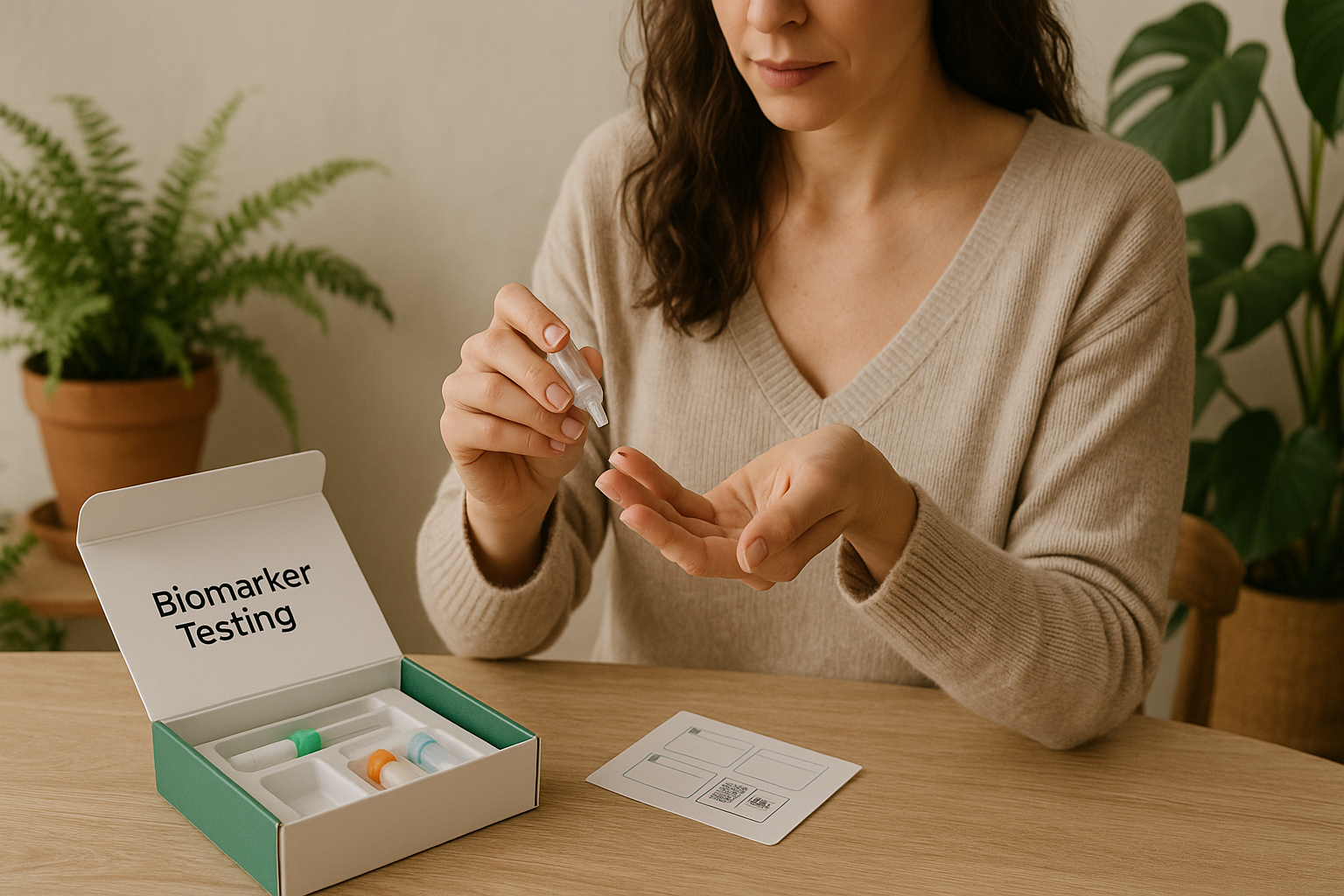
Monitoring specific biomarkers can provide insight into hormonal health and the effectiveness of dietary interventions. Relevant biomarkers include:
- Insulin levels
- Testosterone and estrogen levels
- Cortisol levels
- Thyroid hormone levels (T3, T4, TSH)
- Blood glucose levels
Tracking these biomarkers through regular blood tests can help individuals assess their hormonal status and adjust their dietary strategies accordingly.
Body Systems Supported
Hormonal nutrition primarily supports the endocrine system, which is responsible for hormone production and regulation. Additionally, it can indirectly benefit other body systems, including:
- The metabolic system, by improving insulin sensitivity and glucose metabolism.
- The reproductive system, through balanced hormone levels that support fertility and menstrual regularity.
- The nervous system, as hormones like cortisol and serotonin play roles in mood regulation and stress response.
Common Goals
Individuals may pursue hormonal nutrition with various goals in mind, including:
- Weight management and fat loss
- Improving energy levels and reducing fatigue
- Balancing menstrual cycles and enhancing fertility
- Managing symptoms of hormonal disorders, such as PCOS or menopause
- Reducing stress and improving mood
Safety, Contraindications & Edge Cases
While hormonal nutrition is generally safe for most individuals, some contraindications and edge cases may arise. It is essential to consider:
- Existing medical conditions, such as diabetes or thyroid disorders, which may require specialized dietary approaches.
- Potential interactions with medications, particularly those affecting hormone levels.
- Individualized needs, as dietary changes may not yield the same results for everyone.
Consulting with a healthcare provider or a nutrition specialist is advisable before making significant dietary changes, especially for those with underlying health issues or specific hormonal imbalances.
Pairs Well With
Hormonal nutrition complements various ancient and natural wellness practices, enhancing its efficacy. These may include:
- Herbal Remedies: Incorporating herbs like Maca and Ashwagandha, known for their hormone-supportive properties.
- Mindfulness Practices: Engaging in yoga or meditation to reduce stress, which can positively impact hormone levels.
- Physical Activity: Regular exercise, particularly strength training and aerobic workouts, to support metabolic health and hormone balance.
FAQs (5)
- What foods should I prioritize for hormonal health? Focus on whole foods, including fruits, vegetables, lean proteins, healthy fats, and whole grains.
- Can hormonal nutrition help with weight loss? Yes, balancing hormones can support weight management by improving metabolism and reducing cravings.
- Are there any risks associated with hormonal nutrition? While generally safe, individuals should consider existing health conditions and consult with a healthcare provider.
- How long before I see results from hormonal nutrition? Results can vary; some individuals may notice changes within weeks, while others may take longer to see significant improvements.
- Can I combine hormonal nutrition with other dietary plans? Yes, but it’s essential to customize your approach to ensure it aligns with your specific hormonal needs and health goals.
Frequently asked
What foods should I prioritize for hormonal health?
Focus on whole foods, including fruits, vegetables, lean proteins, healthy fats, and whole grains.
Can hormonal nutrition help with weight loss?
Yes, balancing hormones can support weight management by improving metabolism and reducing cravings.
Are there any risks associated with hormonal nutrition?
While generally safe, individuals should consider existing health conditions and consult with a healthcare provider.
How long before I see results from hormonal nutrition?
Results can vary; some individuals may notice changes within weeks, while others may take longer to see significant improvements.
Can I combine hormonal nutrition with other dietary plans?
Yes, but it’s essential to customize your approach to ensure it aligns with your specific hormonal needs and health goals.