Spiritual Ceremonies
Discover the significance of Spiritual Ceremonies in Amazonian Medicine, their historical roots, and modern applications.
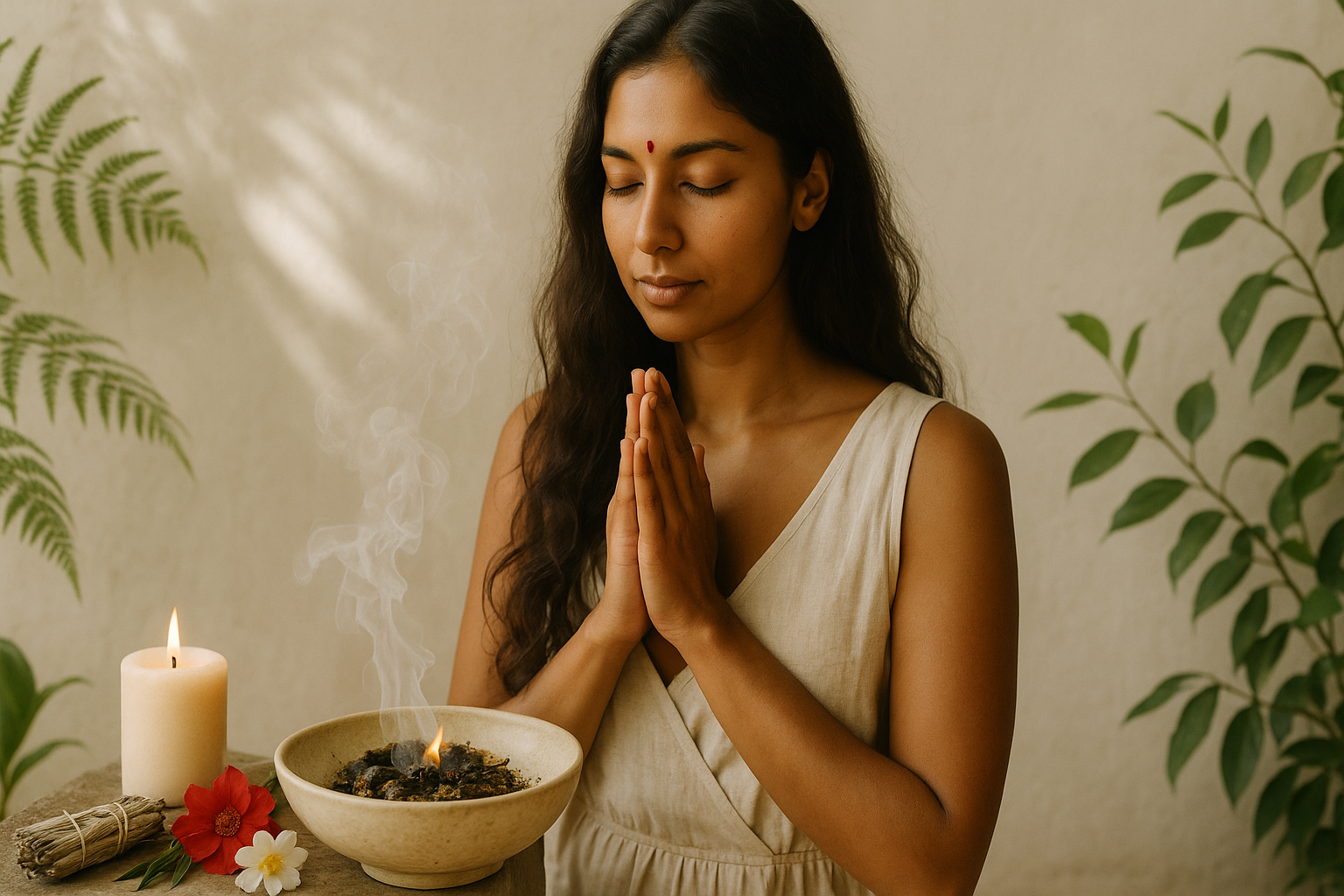
Explore the sacred practice of Spiritual Ceremonies within Amazonian Medicine, a tradition steeped in ancient wisdom and cultural significance.
What It Is
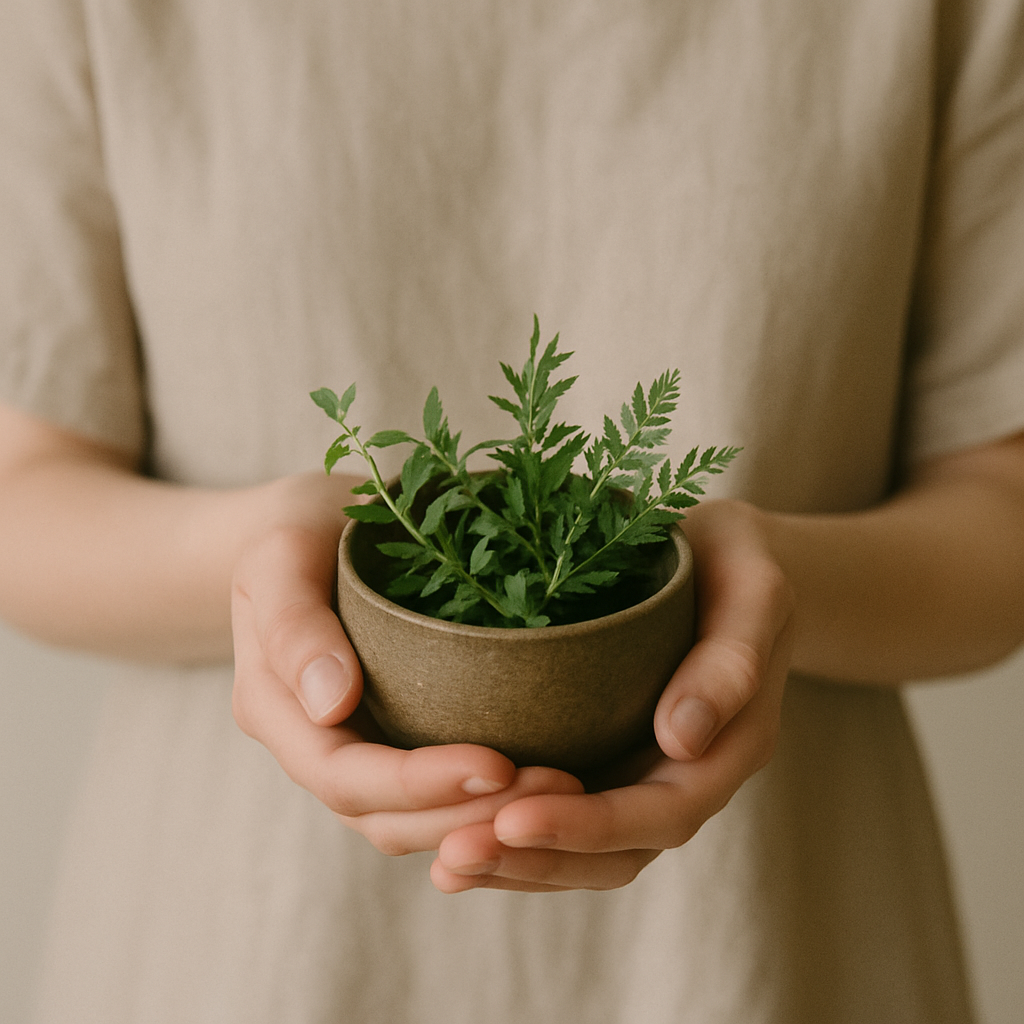
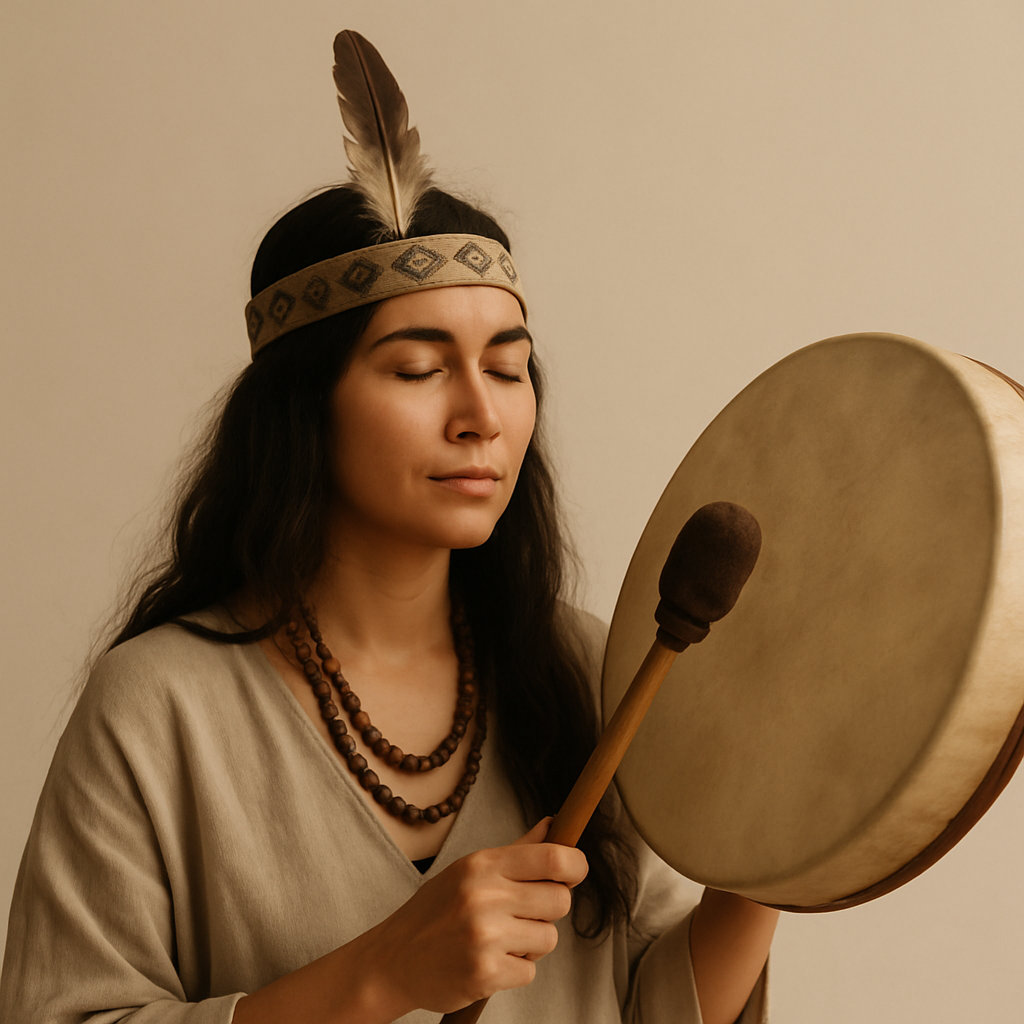
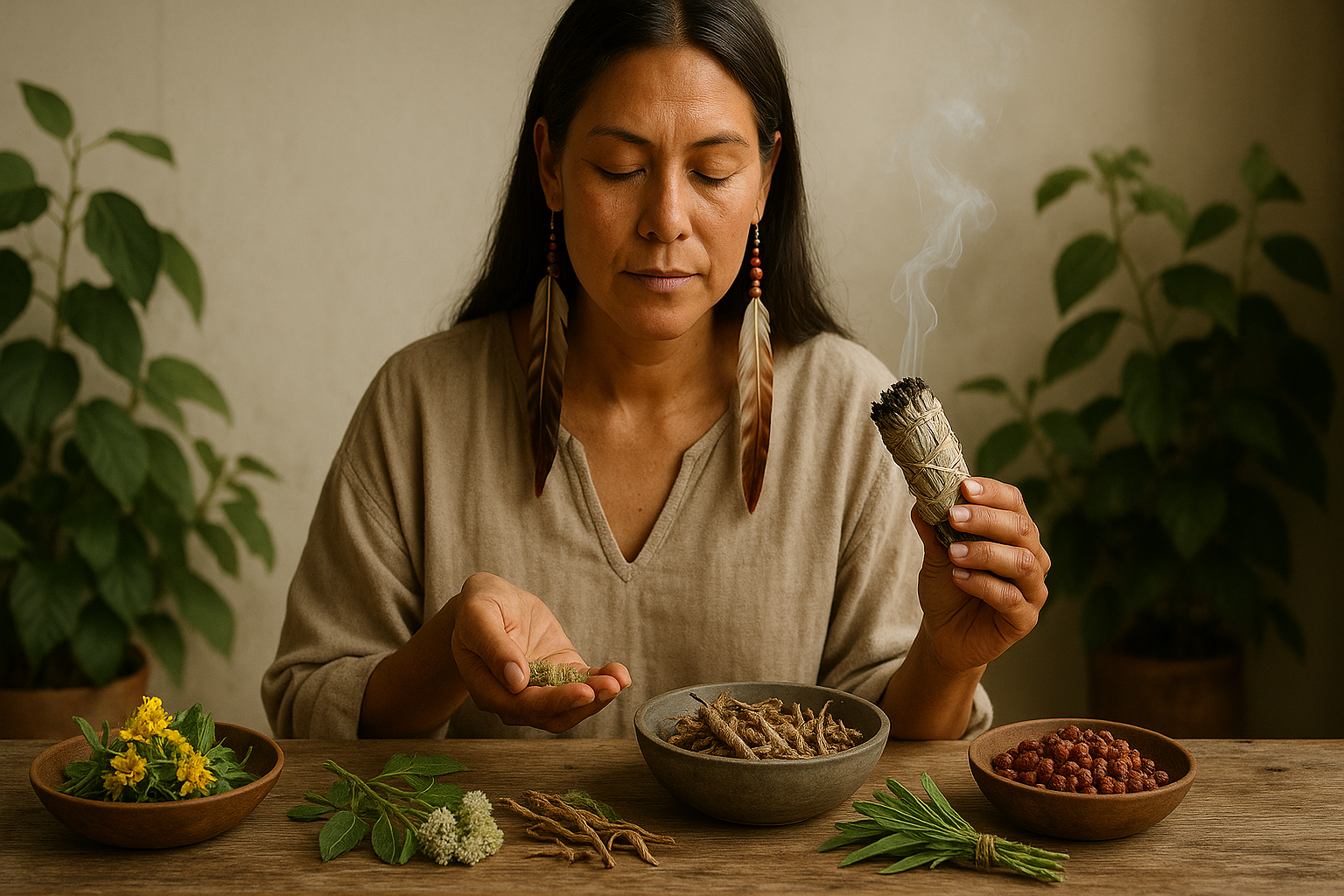
Spiritual ceremonies within Amazonian medicine represent a profound intersection of culture, spirituality, and healing. These rituals often involve the use of sacred plants, such as ayahuasca, and are designed to facilitate deep introspection, connection with nature, and communion with the spirit world. Participants typically engage in these ceremonies with the guidance of an experienced shaman or practitioner, aiming to invoke healing, clarity, and transformation.
These ceremonies are not merely rituals; they are intricate and meaningful experiences that can span several hours, culminating in a heightened state of consciousness. Through the use of chants, music, and specific ceremonial practices, participants are encouraged to explore their inner landscapes, confront challenges, and seek guidance from spiritual entities.
Historical Context Within Amazonian Medicine
The practice of spiritual ceremonies has deep roots in the traditions of various indigenous groups across the Amazon basin. These rituals are believed to have emerged thousands of years ago, developed by indigenous shamans who sought to harness the power of nature for healing and spiritual growth. The ceremonies were integral to communal life, serving not only as a means of individual healing but also as a way to strengthen communal bonds and cultural identity.
Throughout history, these practices have been passed down through generations, often blending with various cultural influences. Despite external challenges, such as colonization and modernization, the spiritual ceremonies have remained a cornerstone of Amazonian medicine, preserving ancient wisdom and practices that continue to resonate with contemporary seekers.
How It's Practiced
The practice of spiritual ceremonies involves a series of steps designed to create a sacred space and facilitate transformative experiences. Here’s a general outline of what participants might expect:
- Preparation: Participants often undergo a period of dietary and lifestyle adjustments prior to the ceremony, aimed at cleansing the body and mind.
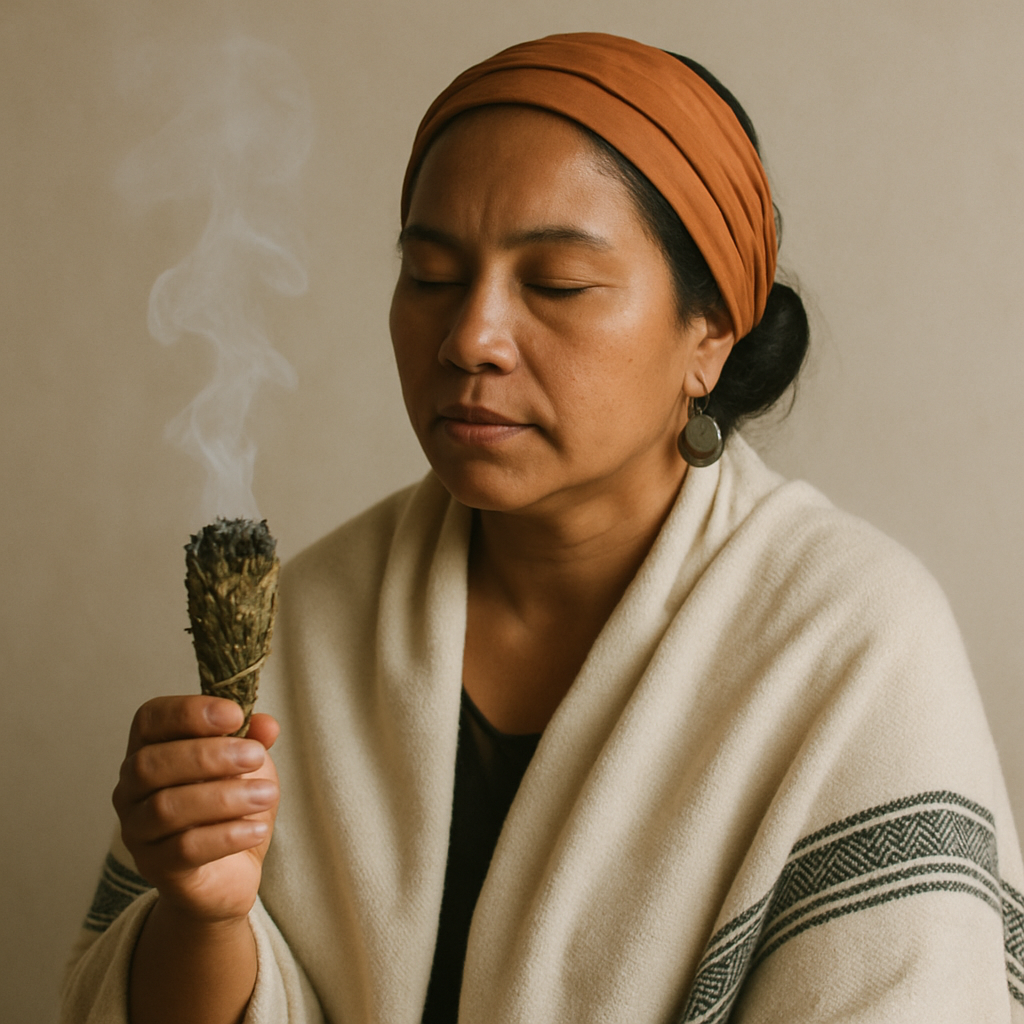
- Setting the Space: The ceremony typically takes place in a natural setting or a specially prepared space, adorned with symbolic items.
- Invocation: The shaman begins the ceremony by invoking the spirits, often through chants and prayers, creating a connection with the spiritual realm.
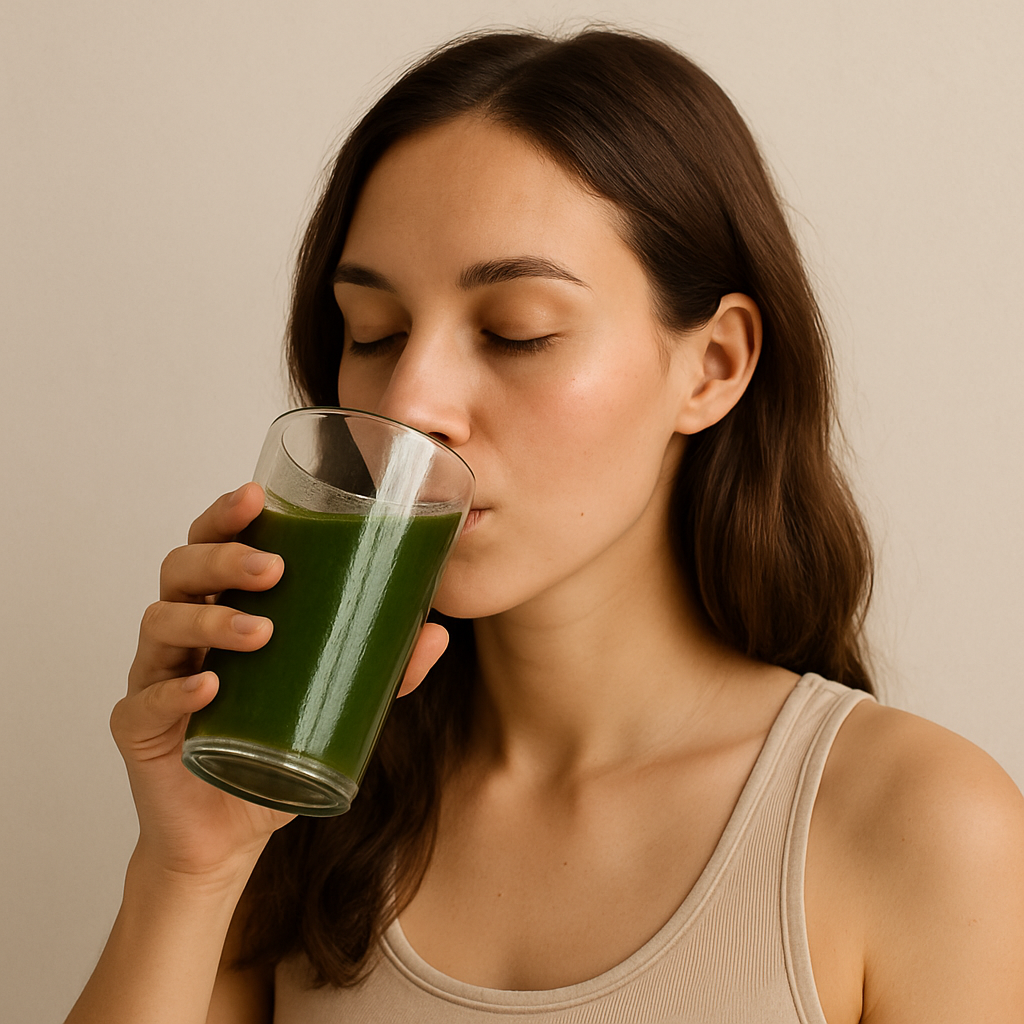
- Consumption of Sacred Plants: Participants may consume ayahuasca or other sacred plants, which are believed to facilitate spiritual journeys.
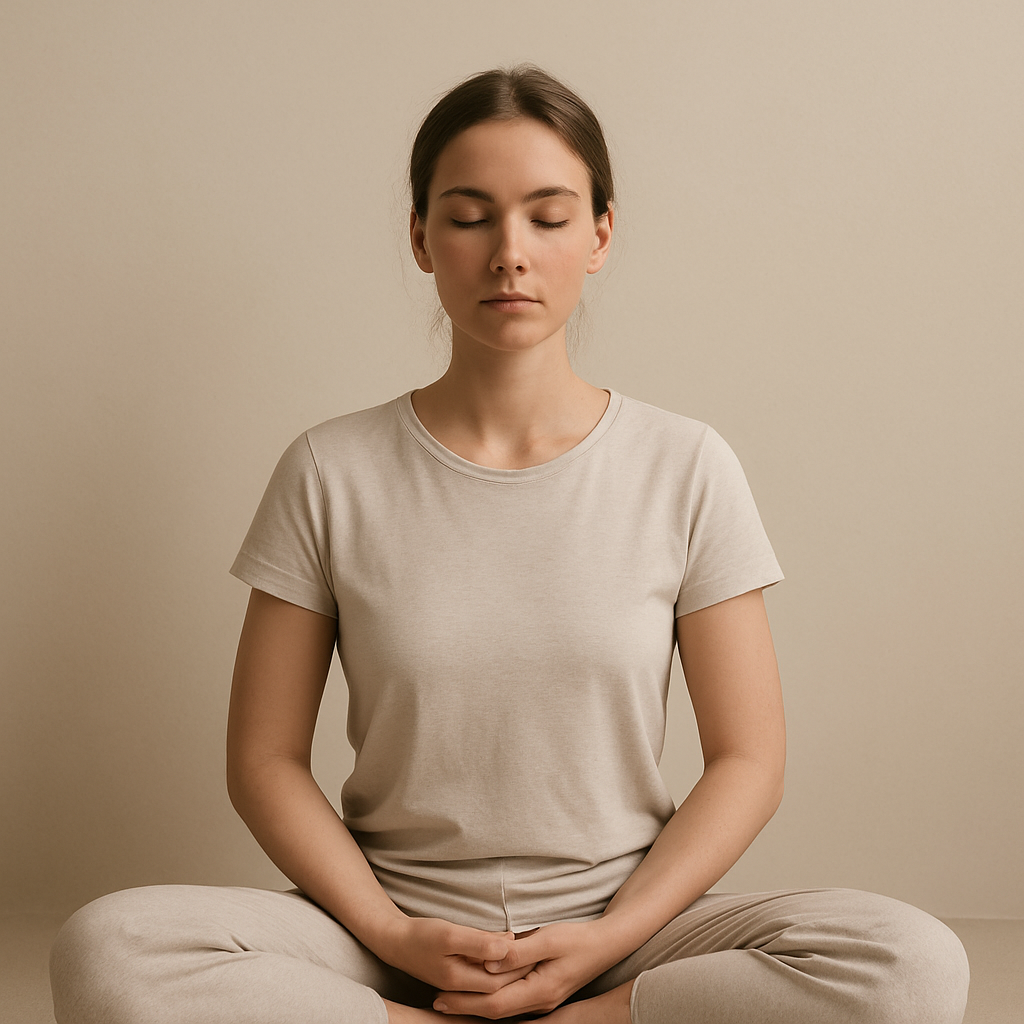
- Journeying: Participants enter a deep meditative state, where they may experience visions, emotional releases, or profound insights.
- Integration: After the ceremony, there is often a period for sharing experiences and guidance on how to integrate these insights into daily life.
What It Is Traditionally Explored For
Spiritual ceremonies are traditionally used for a variety of purposes, often reflecting the holistic approach of Amazonian medicine. Common goals include:
- Emotional healing and trauma release
- Spiritual awakening and personal growth
- Connection with nature and the universe
- Seeking guidance or clarity in life decisions
- Enhancing creativity and self-expression
While experiences and outcomes can vary widely, participants often report a sense of renewal, deeper self-awareness, and a stronger connection to their life’s purpose.
What Modern Research Suggests
In recent years, there has been an increasing interest in studying the effects of spiritual ceremonies, particularly those involving ayahuasca. Preliminary research suggests that participants may experience significant psychological benefits, including reductions in symptoms of anxiety, depression, and post-traumatic stress disorder (PTSD). Studies have indicated that the experiences during these ceremonies can lead to lasting changes in perspective and emotional well-being.
However, it is crucial to approach this research with caution. Many studies are still in early stages, and while the findings are promising, they do not replace traditional practices or commonly explored outcomes. Further rigorous clinical trials are needed to better understand the efficacy and safety of these ceremonies within the broader context of mental health and wellness.
Safety, Contraindications & Who Should Skip
While spiritual ceremonies can be transformative, they are not suitable for everyone. Individuals with certain medical conditions, particularly those related to mental health, should exercise caution. Contraindications include:
- Severe psychiatric disorders (e.g., schizophrenia, bipolar disorder)
- Cardiovascular issues
- Medications that may interact negatively with ayahuasca (e.g., antidepressants)
- Pregnancy or breastfeeding
It is advisable for individuals to consult with a healthcare professional before participating in any spiritual ceremony, especially if they have pre-existing health concerns.
Pairs Well With (within Amazonian Medicine and across pillars)
Spiritual ceremonies can complement various other practices within Amazonian medicine, as well as broader holistic modalities, including:
- Plant medicine ceremonies (e.g., San Pedro, other psychoactive plants)
- Traditional healing practices (e.g., herbal remedies)
- Shamanic healing techniques
- Mindfulness and meditation practices
- Breathwork and sound healing
How to Find a Qualified Practitioner
Finding a qualified practitioner for spiritual ceremonies is crucial for a safe and meaningful experience. Here are some tips:
- Research practitioners thoroughly; look for those with extensive experience and positive reviews.
- Seek recommendations from trusted sources or communities.
- Inquire about the practitioner’s training and background in traditional Amazonian medicine.
- Ensure they follow safety protocols and provide a supportive environment.
- Trust your intuition; choose a practitioner with whom you feel comfortable and safe.
FAQs
- What should I expect during a spiritual ceremony? Participants can expect a deeply introspective experience, often involving the consumption of a sacred plant and guided exploration of their inner landscapes.
- Is it safe to participate in these ceremonies? While many find them beneficial, individuals with certain health concerns should consult a healthcare professional before participating.
- How can I prepare for a ceremony? Preparation may involve dietary restrictions, meditation, and setting intentions for the experience.
- What if I have a bad experience? Bad experiences, sometimes referred to as "bad trips," are not uncommon. Qualified practitioners often provide support during and after the ceremony to help process these experiences.
- Can I participate in these ceremonies if I'm not indigenous? While spiritual ceremonies can be open to all, it is essential to approach them with respect for the culture and traditions involved.
Frequently asked
What should I expect during a spiritual ceremony?
Participants can expect a deeply introspective experience, often involving the consumption of a sacred plant and guided exploration of their inner landscapes.
Is it safe to participate in these ceremonies?
While many find them beneficial, individuals with certain health concerns should consult a healthcare professional before participating.
How can I prepare for a ceremony?
Preparation may involve dietary restrictions, meditation, and setting intentions for the experience.
What if I have a bad experience?
Bad experiences, sometimes referred to as "bad trips," are not uncommon. Qualified practitioners often provide support during and after the ceremony to help process these experiences.
Can I participate in these ceremonies if I'm not indigenous?
While spiritual ceremonies can be open to all, it is essential to approach them with respect for the culture and traditions involved.