Sacred Plants
Discover the ancient wisdom behind Sacred Plants in Amazonian Medicine, including its practices and modern implications.
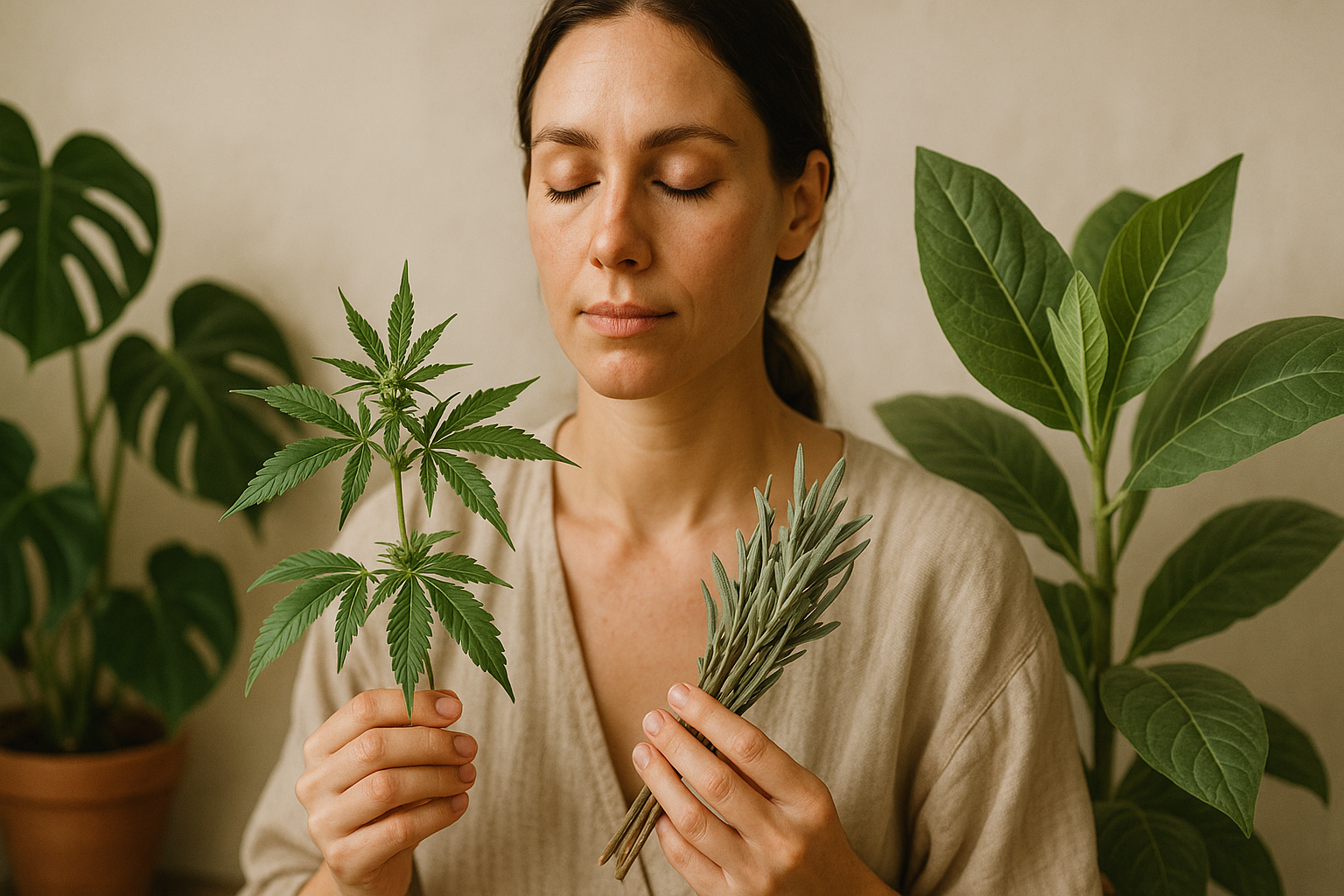
Explore the rich tradition of Sacred Plants within Amazonian Medicine, delving into its historical roots, practices, and modern perspectives.
What It Is
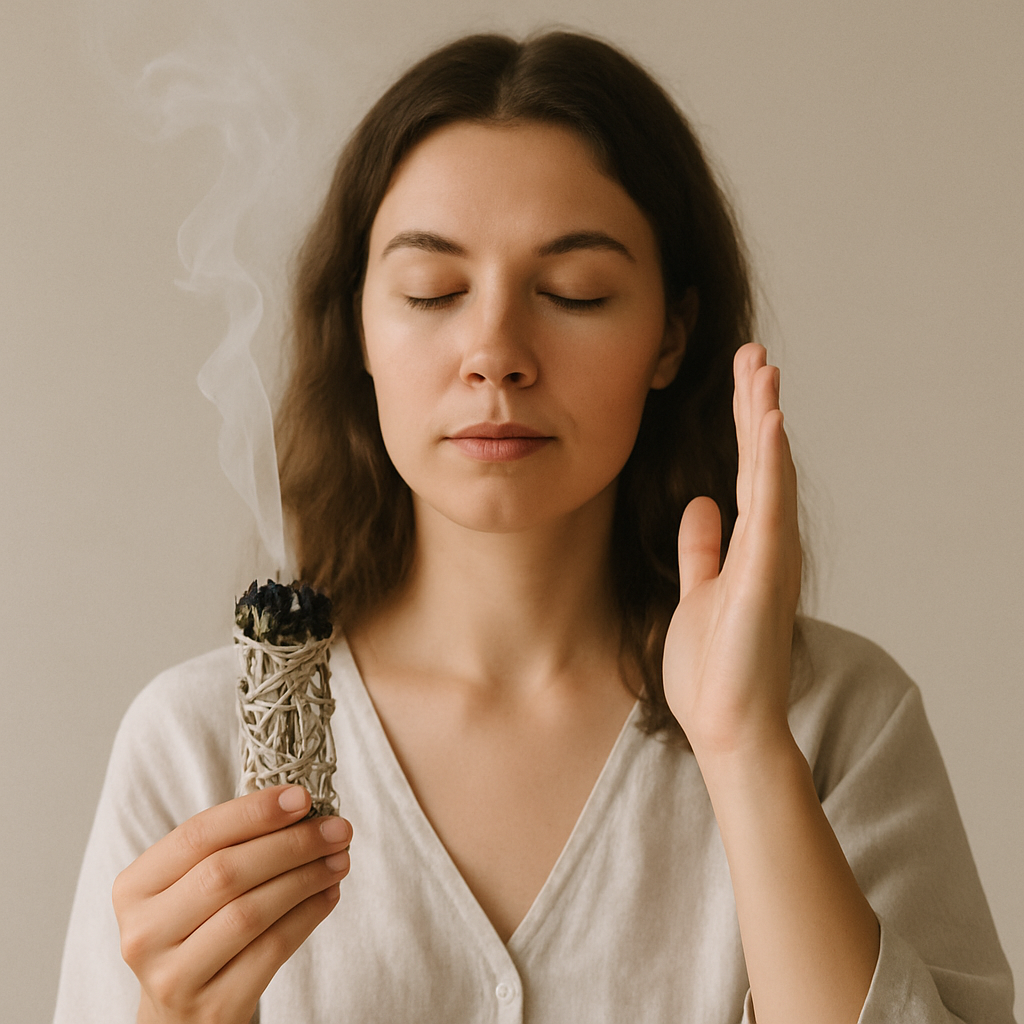
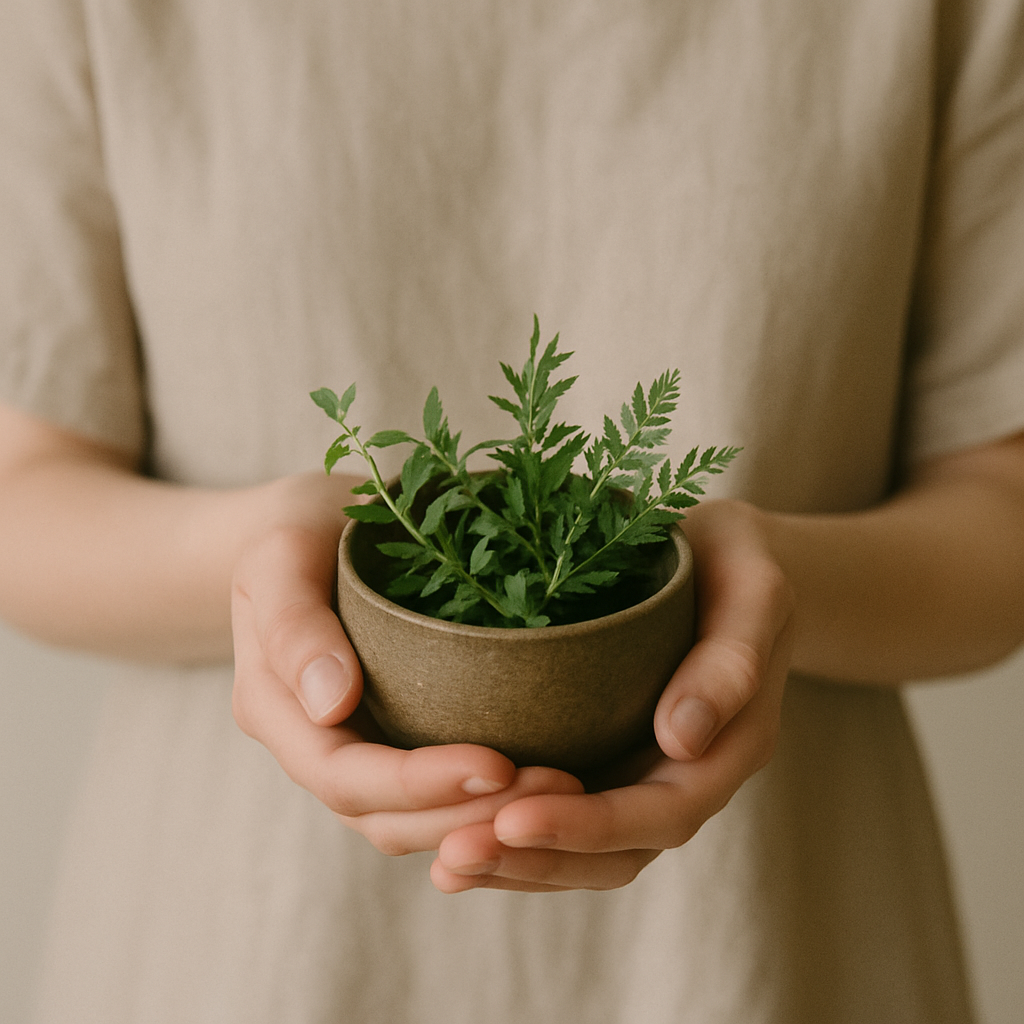
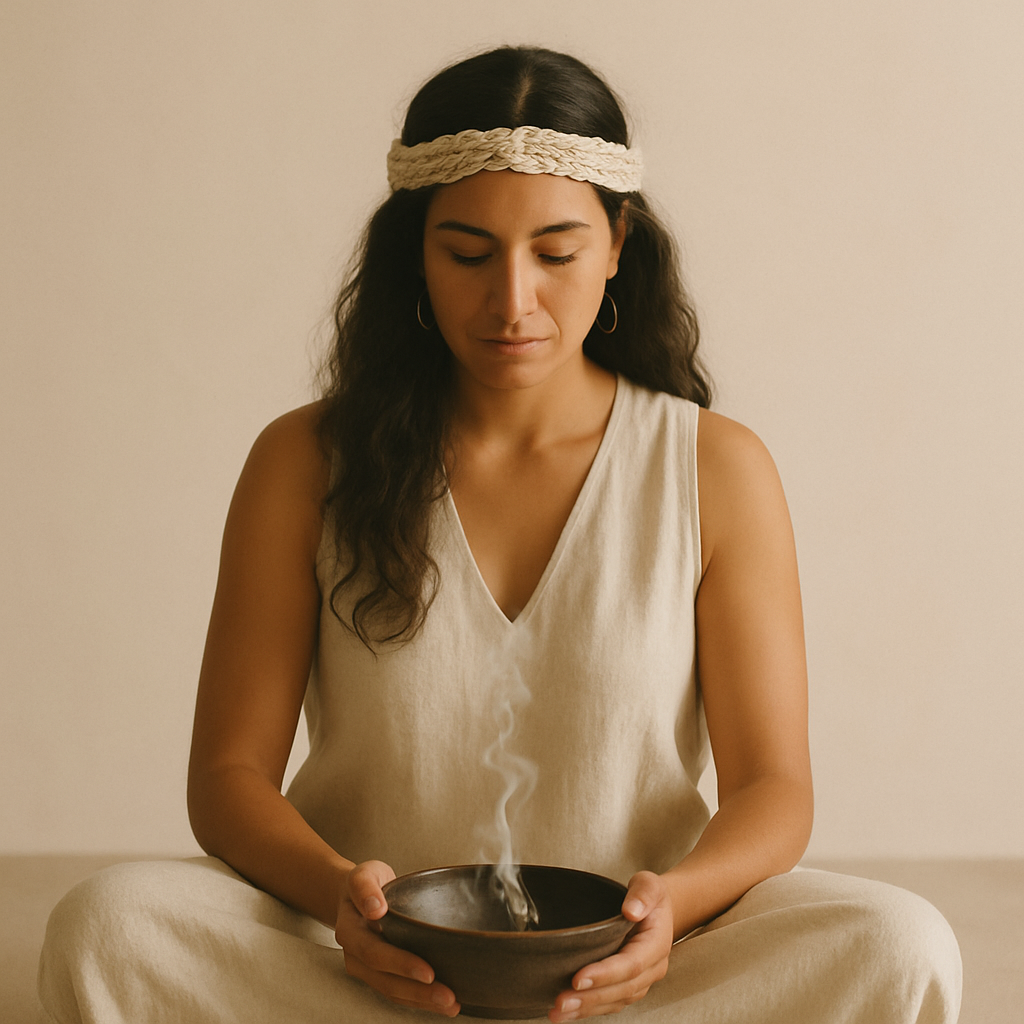
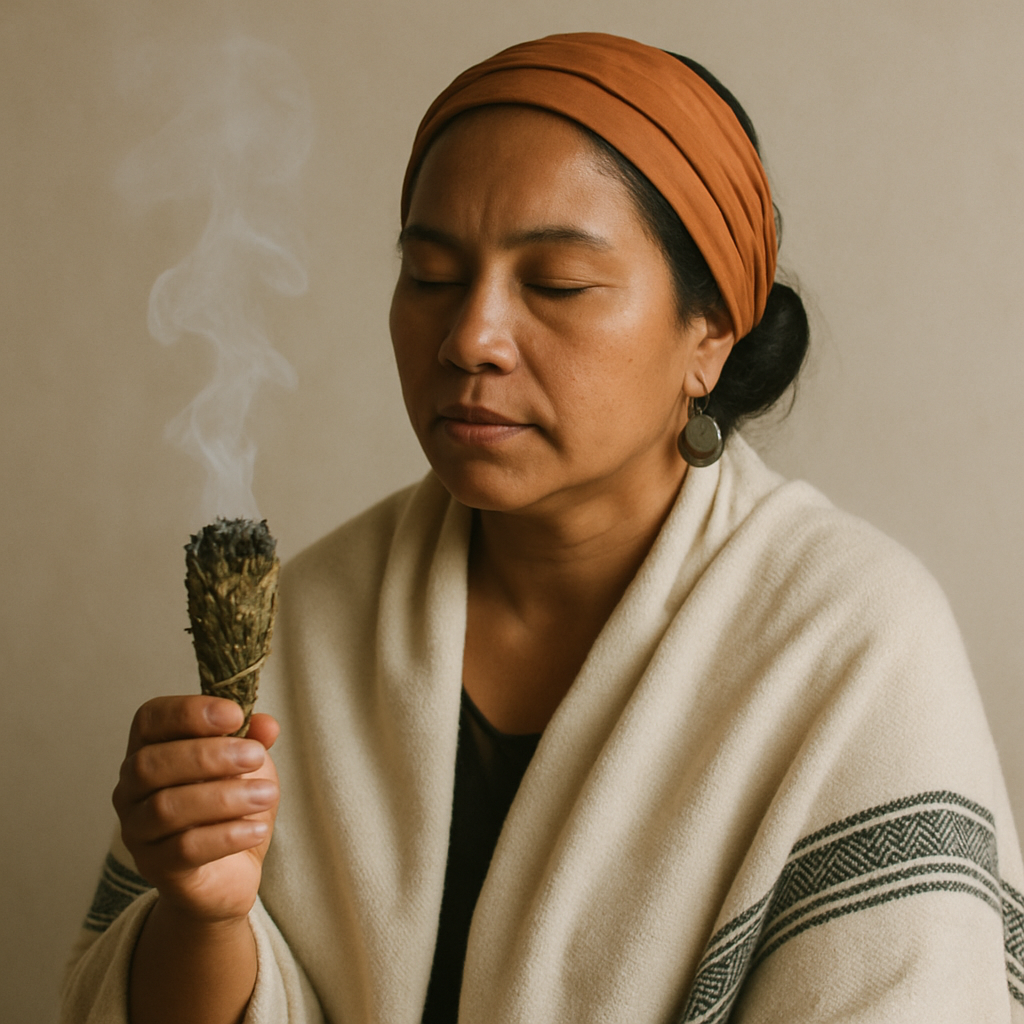
Sacred Plants, within the context of Amazonian Medicine, refer to a variety of botanical species that are revered for their spiritual, healing, and transformative properties. These plants are often utilized in traditional ceremonies and rituals, guided by skilled practitioners known as shamans or curanderos. The use of these plants is deeply intertwined with the cultural and spiritual beliefs of indigenous Amazonian tribes, who view them as sacred tools for connecting with the spirit world and enhancing one’s understanding of self and the universe.
The primary sacred plants include Ayahuasca, a potent brew made from the Banisteriopsis caapi vine and other ingredients, and various other plants like San Pedro and tobacco. Each of these plants offers unique properties and experiences, often leading to profound insights, emotional healing, and altered states of consciousness. The practice of using sacred plants is not merely about the physical effects; it encompasses a holistic journey of mind, body, and spirit.
Historical Context Within Amazonian Medicine
Sacred Plants have been an integral part of Amazonian Medicine for thousands of years, with their use documented in various indigenous cultures across the Amazon basin. This tradition emerged as a means of spiritual healing and connection to the divine, developed by indigenous peoples who discovered the potent effects of these plants through generations of observation and practice. The knowledge surrounding these plants has been passed down orally, creating a rich tapestry of stories, rituals, and spiritual guidance.
As Amazonian tribes developed their unique practices, they incorporated sacred plants into their shamanic rituals, which aimed to may support individuals, strengthen community bonds, and connect with ancestral spirits. The role of the shaman in this context is pivotal; they serve as mediators between the physical and spiritual realms, facilitating the healing and transformative experiences that sacred plants can provide.
How It's Practiced
The practice of using Sacred Plants typically involves several key elements, often facilitated by a seasoned practitioner. Here is a general overview of the process:
- Preparation: Participants may undergo a period of physical and mental preparation, including dietary restrictions and setting intentions for the experience.
- Ceremony Setting: Rituals are often conducted in a ceremonial space, designed to create a sacred environment. This may include the use of music, chanting, and other ceremonial objects.
- Consumption: The sacred plant, typically in the form of a brew or tea, is consumed under the guidance of the practitioner.
- Journeying: Participants enter an altered state of consciousness, often experiencing visions, emotional releases, and profound insights.
- Integration: After the experience, integration sessions may be held to help participants process and understand their experiences.
What It Is Traditionally Explored For
Sacred Plants are traditionally explored for a variety of purposes, often related to spiritual and emotional healing. Common goals include:
- Facilitating deep personal insights and self-discovery.
- Addressing trauma and emotional blockages.
- Enhancing spiritual connection and understanding.
- Promoting physical healing and well-being.
- Fostering community cohesion and connection.
What Modern Research Suggests
In recent years, there has been a growing interest in the therapeutic potential of Sacred Plants, particularly Ayahuasca. Preliminary studies indicate that these substances may have significant psychological benefits, including the alleviation of symptoms related to depression, anxiety, and PTSD. Research has begun to document the ways in which these experiences can lead to lasting positive changes in mental health and well-being.
However, it is crucial to approach these findings with caution. Much of the research is still in its early stages, and while some results are promising, they do not universally apply to all individuals. The complexity of the experiences associated with Sacred Plants and the individual variability in response highlight the need for further studies to fully understand their implications.
Safety, Contraindications & Who Should Skip
While many individuals may find benefits in the use of Sacred Plants, certain safety considerations and contraindications must be acknowledged:
- Individuals with a history of severe mental health issues, such as schizophrenia or bipolar disorder, should approach with caution or avoid use altogether.
- Pregnant or nursing women are often advised to refrain from using sacred plants due to potential risks.
- Those taking specific medications, particularly antidepressants or blood thinners, may face dangerous interactions and should consult health professionals before participating.
Pairs Well With (within Amazonian Medicine and across pillars)
Sacred Plants can be complemented by various other modalities and practices within Amazonian Medicine and beyond. Some related modalities include:
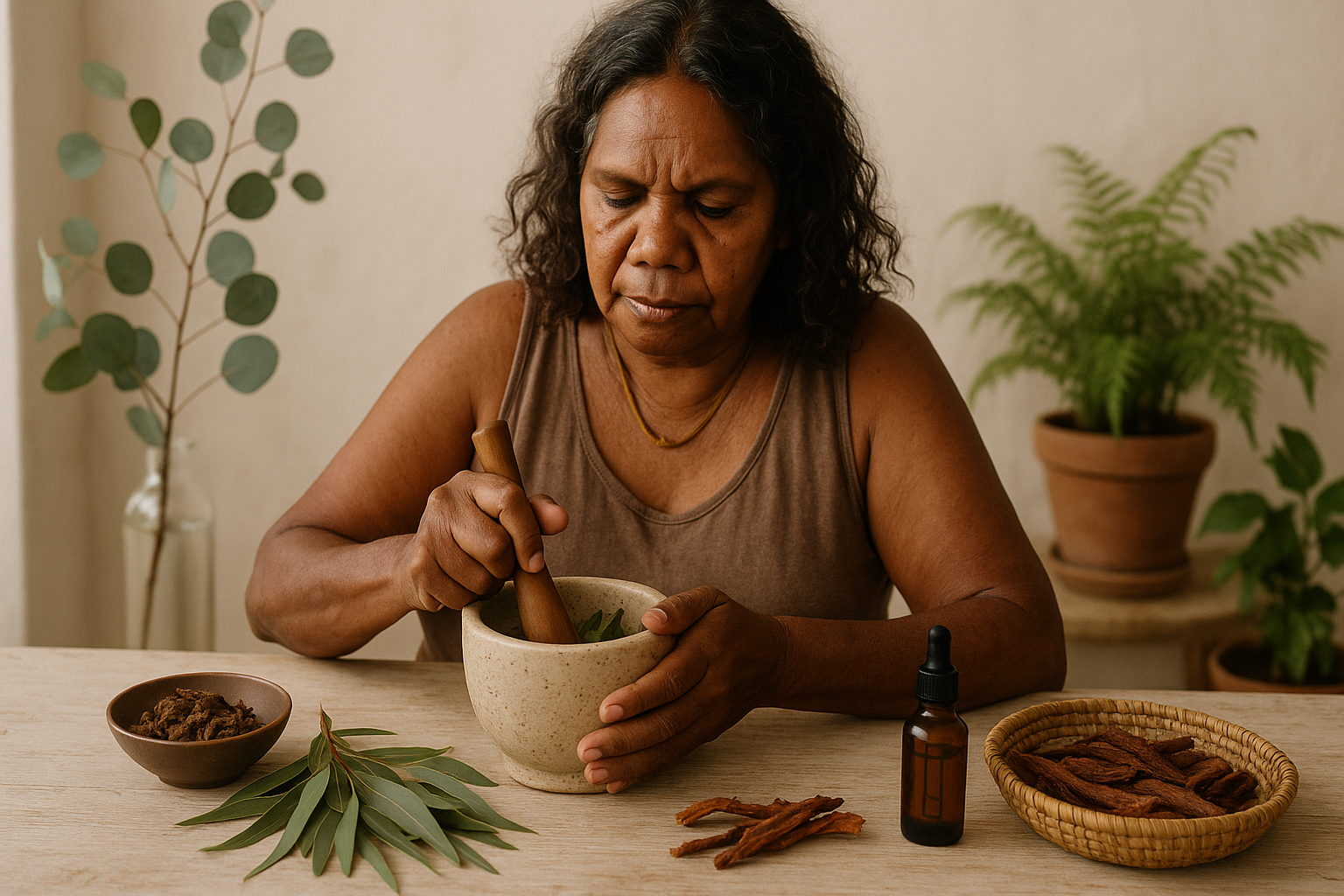
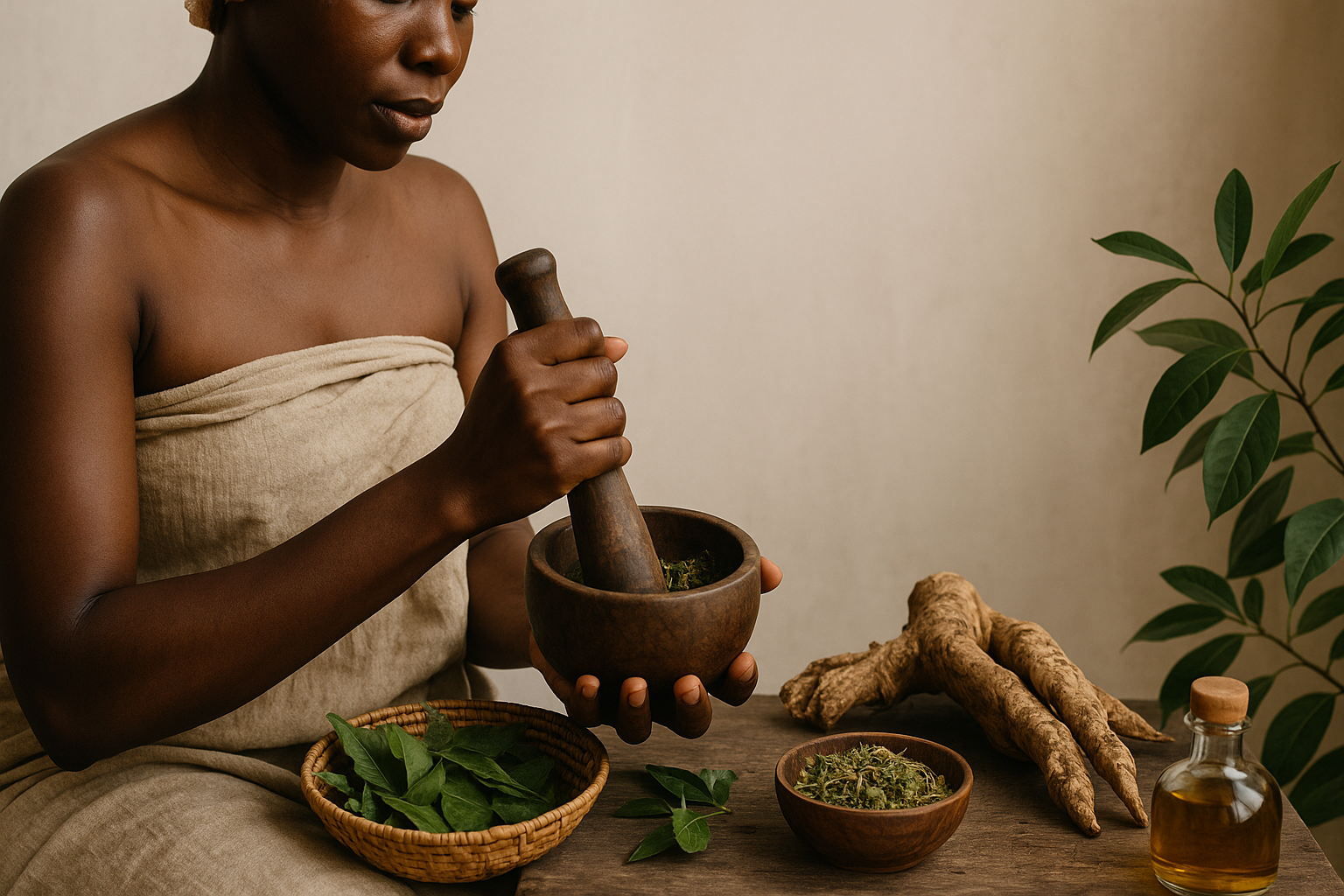
- Traditional Herbalism: Utilizing local herbs for physical healing.
- Sound Healing: Employing music and chants to enhance the ceremonial experience.
- Meditation and Breathwork: Practices that support inner exploration and integration.
How to Find a Qualified Practitioner
Finding a qualified practitioner for Sacred Plants requires careful consideration. Here are some tips to guide your search:
- Seek recommendations from trusted sources or communities experienced in Amazonian Medicine.
- Research the practitioner’s background, including their training, experience, and lineage.
- Arrange an initial consultation to discuss your goals, ask questions, and ensure a good fit.
- Evaluate the safety and ethics of the ceremonial space, ensuring it promotes a respectful and supportive atmosphere.
FAQs (5)
- What are Sacred Plants? Sacred Plants are botanical species used in traditional Amazonian ceremonies for healing and spiritual exploration.
- Is it safe to use Sacred Plants? While many experience benefits, there are safety considerations, and individuals with certain health conditions should be cautious.
- What can I expect during a ceremony? Participants often experience altered states of consciousness, emotional releases, and deep insights.
- How do I prepare for a Sacred Plant experience? Preparation may include dietary restrictions and setting personal intentions prior to the ceremony.
- Are there benefits documented by modern research? Preliminary studies suggest potential psychological benefits, but more research is needed to fully understand their effects.
Frequently asked
What are Sacred Plants?
Sacred Plants are botanical species used in traditional Amazonian ceremonies for healing and spiritual exploration.
Is it safe to use Sacred Plants?
While many experience benefits, there are safety considerations, and individuals with certain health conditions should be cautious.
What can I expect during a ceremony?
Participants often experience altered states of consciousness, emotional releases, and deep insights.
How do I prepare for a Sacred Plant experience?
Preparation may include dietary restrictions and setting personal intentions prior to the ceremony.
Are there benefits documented by modern research?
Preliminary studies suggest potential psychological benefits, but more research is needed to fully understand their effects.