Ceremonial Healing
Discover the transformative practice of Ceremonial Healing in Amazonian Medicine, its historical roots, and its significance in holistic health.
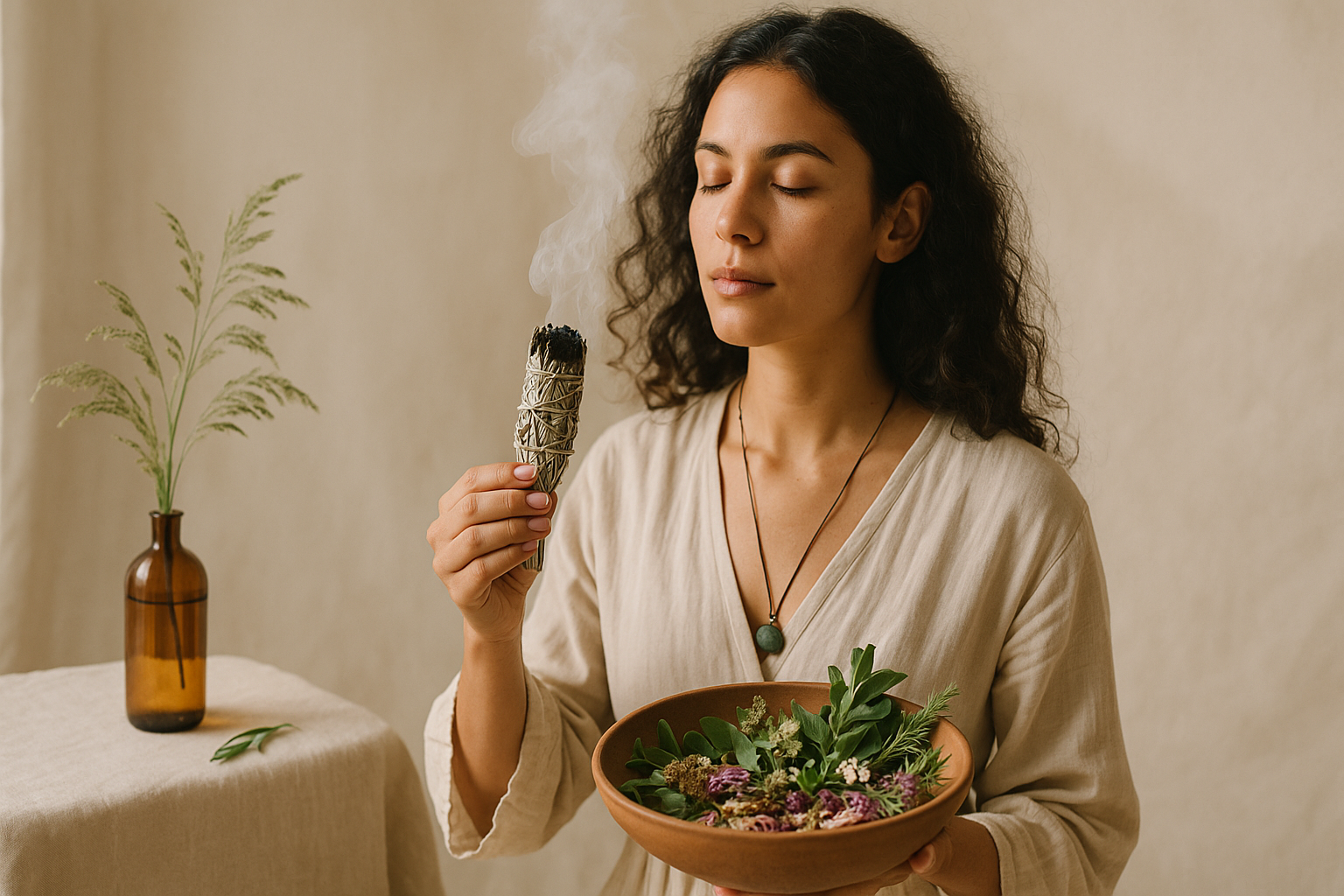
Explore Ceremonial Healing within Amazonian Medicine, a profound practice rooted in ancient wisdom, aimed at fostering spiritual and physical well-being through traditional rituals and natural elements.
What It Is
Ceremonial Healing is a sacred practice found within Amazonian Medicine that utilizes rituals, natural elements, and the guidance of experienced practitioners to promote holistic healing. This modality integrates spiritual, psychological, and physical dimensions, aiming to restore balance and harmony within individuals. Central to this practice is the use of plant medicines, which are often administered in a ceremonial context, allowing individuals to engage deeply with their inner selves and the surrounding environment.
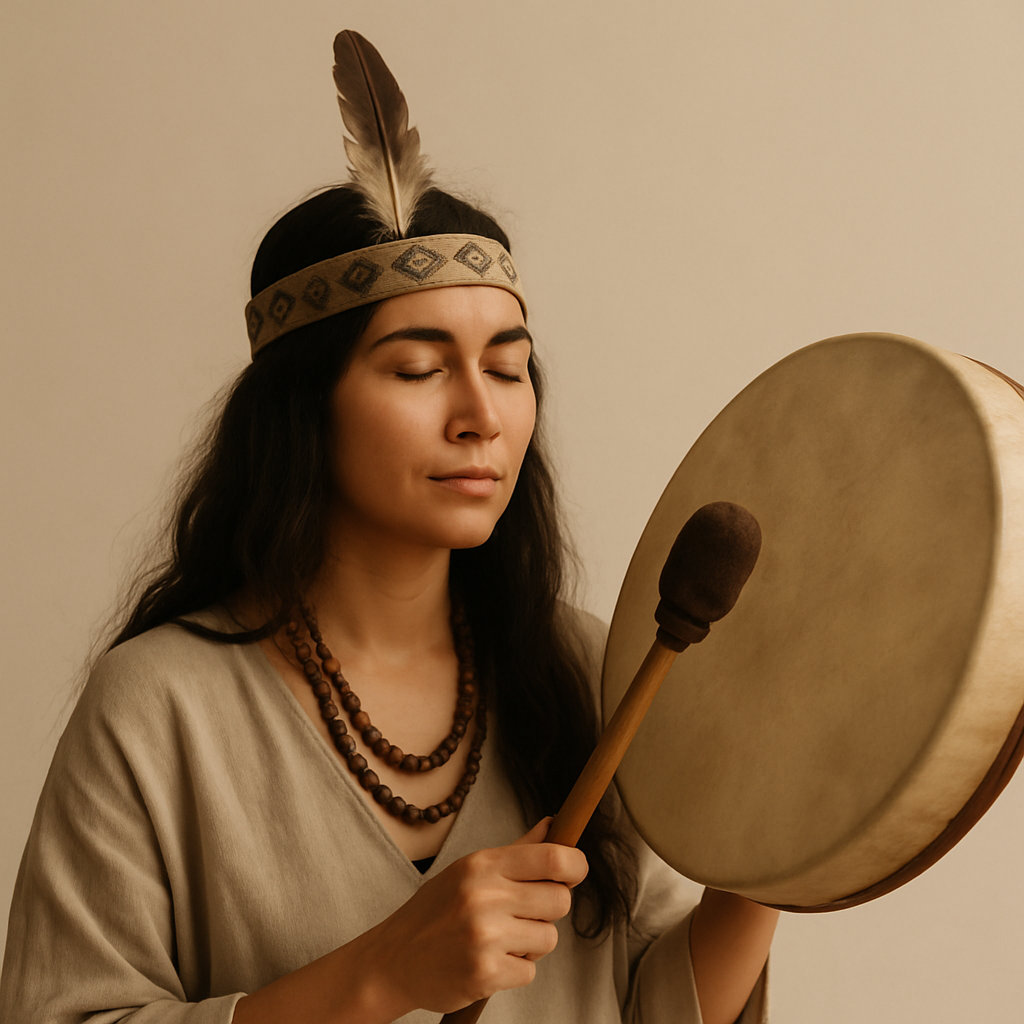
During these healing ceremonies, participants often enter altered states of consciousness to facilitate self-discovery and healing. This journey is typically supported by traditional songs, chants, and the presence of a healer, or shaman, who guides individuals through the experience. The healing process is seen not only as a means of addressing physical ailments but also as a way to connect with ancestral wisdom and the spiritual realm.
Historical Context Within Amazonian Medicine
The roots of Ceremonial Healing can be traced back thousands of years within the indigenous cultures of the Amazon rainforest. Various tribes developed unique practices centered around the use of local plant medicines, which were believed to possess spiritual and healing properties. These traditions were passed down through generations, evolving into the more structured ceremonial practices observed today.
Key figures in the development of Ceremonial Healing include shamans and healers who have dedicated their lives to understanding the intricacies of the natural world and the human spirit. They play a crucial role in facilitating healing ceremonies, drawing upon a rich tapestry of knowledge that encompasses botany, spirituality, and community dynamics. The practice has gained attention in recent years as more people seek holistic approaches to health, further embedding it within the broader context of Amazonian Medicine.
How It's Practiced
Ceremonial Healing typically unfolds in a communal setting, where participants gather for a shared experience guided by a practitioner. The process generally includes the following steps:
- Preparation: Participants may undergo a period of dietary and lifestyle changes leading up to the ceremony to enhance their receptivity.
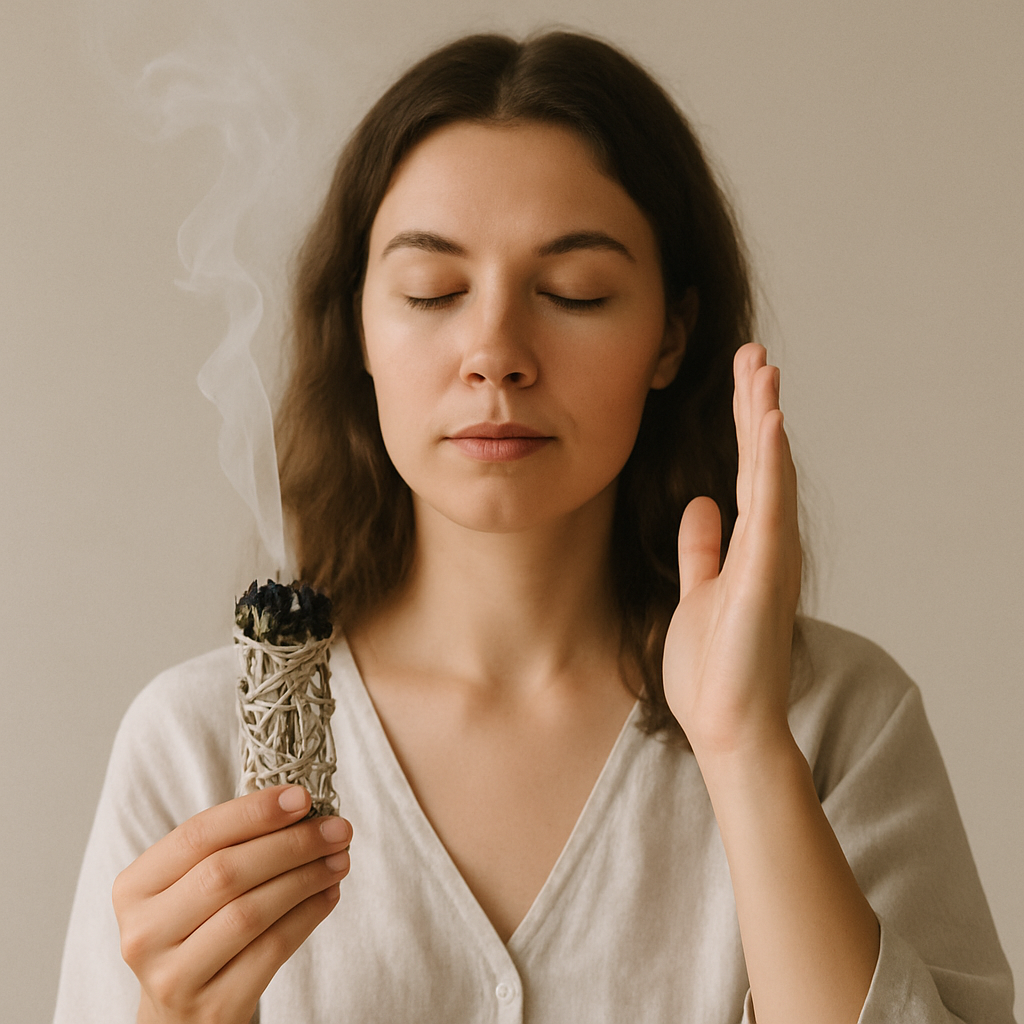
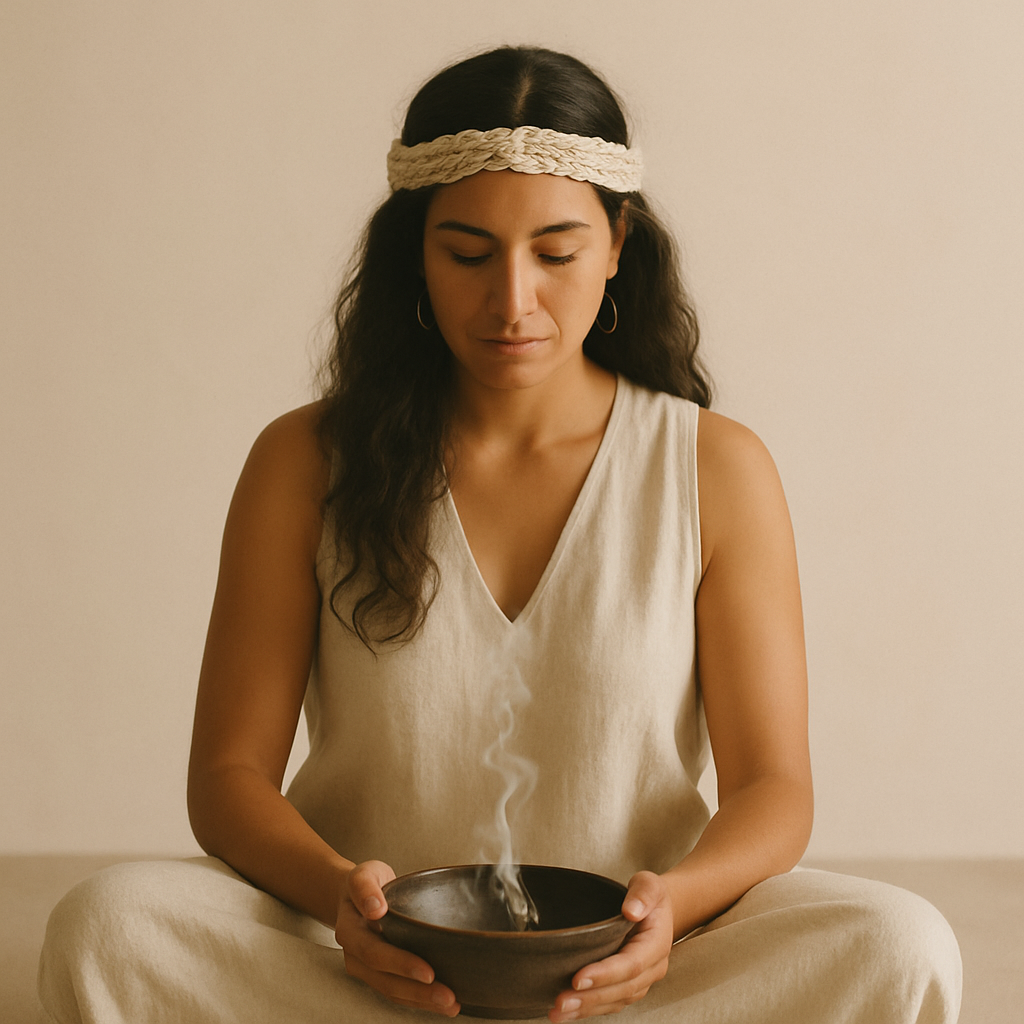
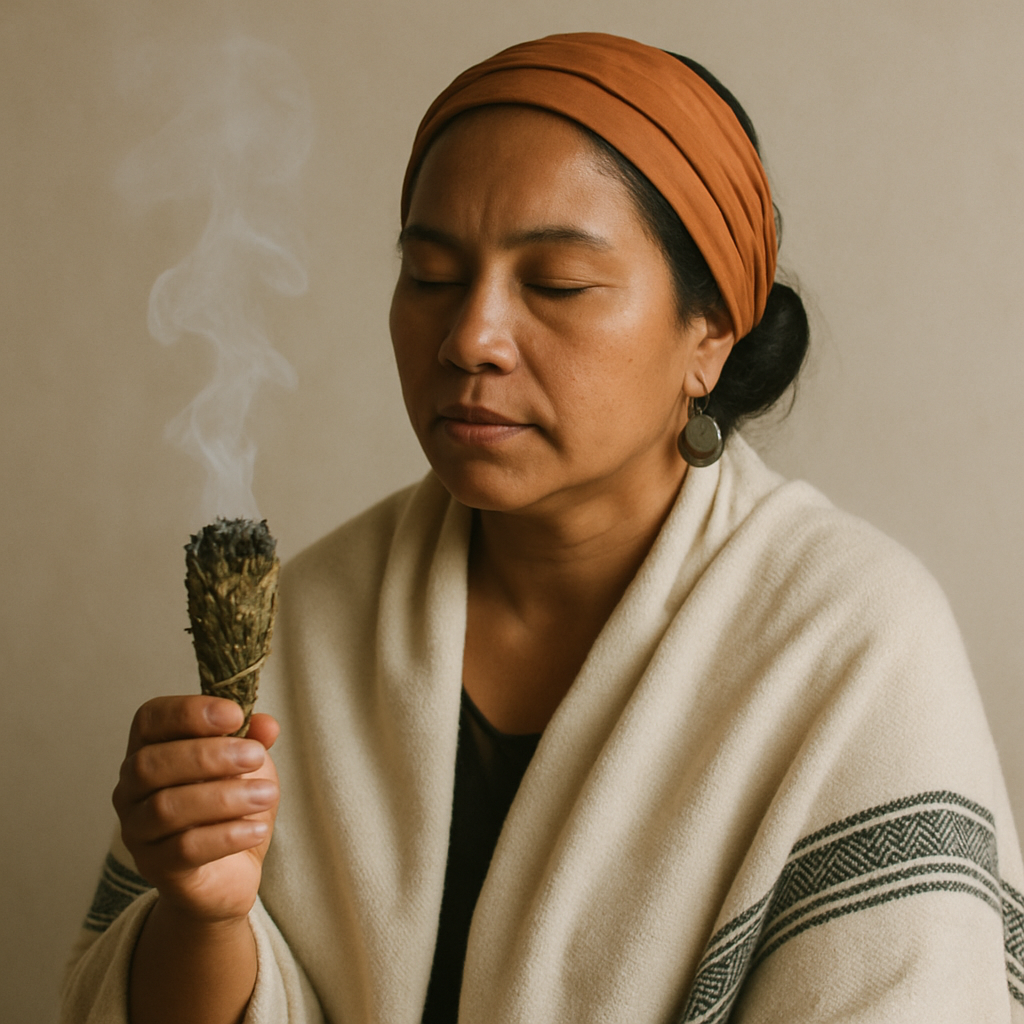
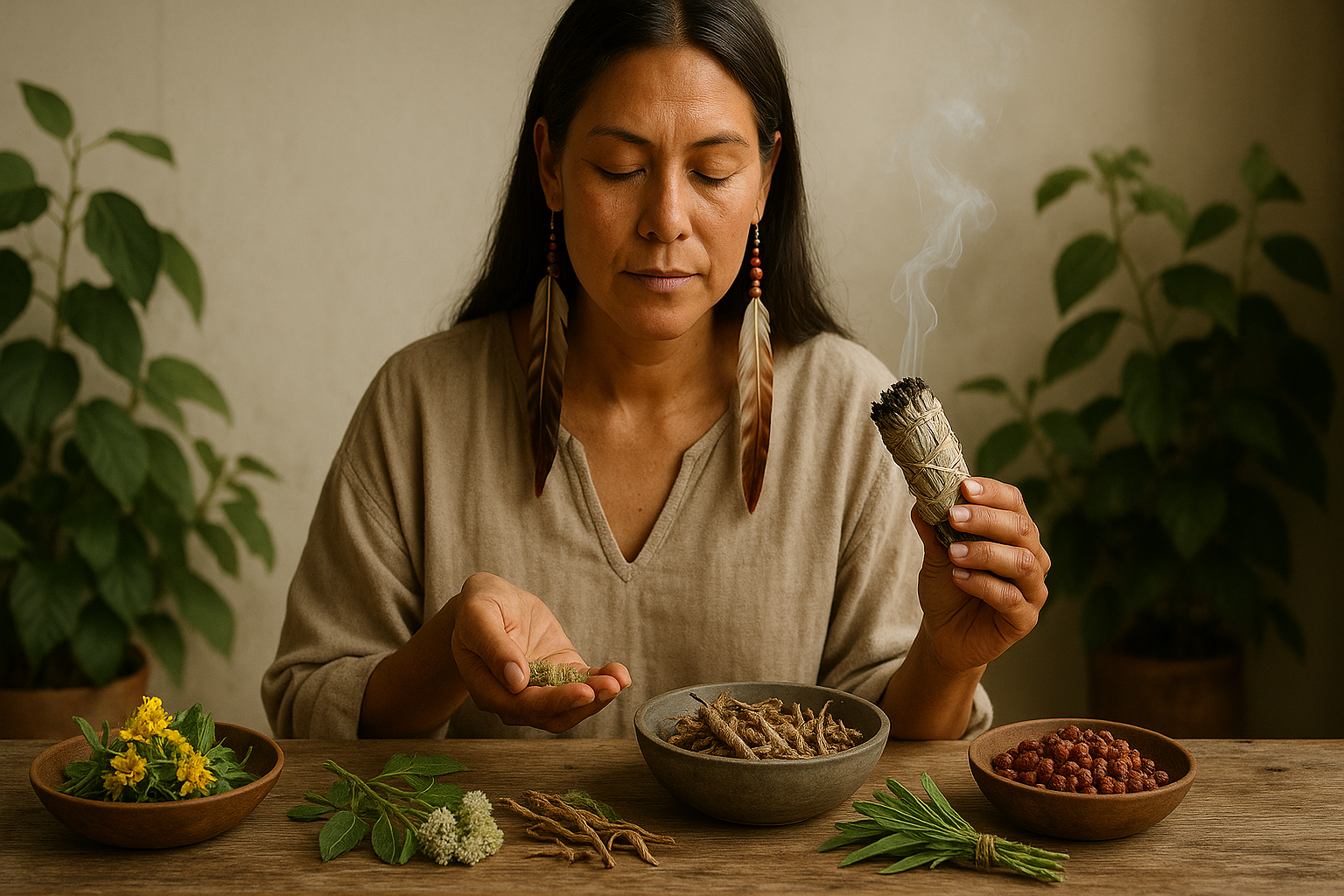
- Setting the Space: The healer prepares the ceremonial space, often using sacred items, cleansing rituals, and traditional music.
- Plant Medicine Administration: Natural plant medicines, such as ayahuasca, are administered in a carefully measured manner to facilitate the healing journey.
- Guidance and Support: Throughout the ceremony, the healer provides support through songs, prayers, and guidance for navigating the experience.
- Integration: After the ceremony, participants may engage in discussions to process their experiences and insights.
What It Is Traditionally Explored For
Ceremonial Healing is traditionally used for a variety of purposes, including:
- Emotional healing and trauma resolution
- Spiritual awakening and self-discovery
- Physical ailments and chronic health issues
- Enhancing creativity and personal growth
- Building connections with community and nature
While individual experiences may vary, many participants report profound insights and transformative experiences that contribute to their overall well-being.
What Modern Research Suggests
However, it is essential to approach this research with caution, as the studies are often limited in scope and may not encompass the broader experiential and spiritual aspects of ceremonial practices. More extensive research is needed to fully understand the implications and potential benefits of Ceremonial Healing within the context of both traditional and modern medicine.
Safety, Contraindications & Who Should Skip
While many find Ceremonial Healing beneficial, it may not be suitable for everyone. Individuals with certain medical conditions or mental health concerns should approach this practice with caution. Contraindications may include:
- Severe mental health issues, such as psychosis or bipolar disorder
- Heart conditions or cardiovascular issues
- Pregnancy or breastfeeding
- Use of certain medications, particularly antidepressants or other psychoactive drugs
It is advisable for individuals to consult with a qualified healthcare professional before participating in any ceremonial practices.
Pairs Well With (within Amazonian Medicine and across pillars)
Ceremonial Healing can complement various other practices and ingredients within Amazonian Medicine, including:
- Traditional Herbal Medicine
- Sound Healing and Music Therapy
- Shamanic Journeying
- Ritual Cleansing and Purification
- Community Healing Circles
How to Find a Qualified Practitioner
Finding a qualified practitioner of Ceremonial Healing is essential for a safe and effective experience. Here are some steps to guide your search:
- Research local communities and organizations that focus on Amazonian Medicine.
- Seek recommendations from trusted sources who have experienced Ceremonial Healing.
- Verify the practitioner’s credentials, training, and experience in conducting ceremonies.
- Attend introductory sessions or workshops to get a feel for the practitioner's approach and philosophy.
- Ensure the practitioner prioritizes safety and provides a supportive environment for participants.
FAQs
- What is the role of a shaman in Ceremonial Healing? A shaman guides participants through their healing journey, providing support, wisdom, and facilitating the use of plant medicines.
- How long do ceremonies typically last? Ceremonies can vary in length but often last several hours, sometimes extending overnight.
- Is Ceremonial Healing safe? While many find it beneficial, it may not be suitable for everyone. Consultation with a healthcare professional is recommended.
- Can I participate in Ceremonial Healing if I am on medication? It is crucial to consult with a healthcare professional and the practitioner to discuss potential interactions.
- What should I expect during a ceremony? Participants can expect a guided experience involving plant medicine, music, and personal reflections, often leading to profound insights.
Frequently asked
What is the role of a shaman in Ceremonial Healing?
A shaman guides participants through their healing journey, providing support, wisdom, and facilitating the use of plant medicines.
How long do ceremonies typically last?
Ceremonies can vary in length but often last several hours, sometimes extending overnight.
Is Ceremonial Healing safe?
While many find it beneficial, it may not be suitable for everyone. Consultation with a healthcare professional is recommended.
Can I participate in Ceremonial Healing if I am on medication?
It is crucial to consult with a healthcare professional and the practitioner to discuss potential interactions.
What should I expect during a ceremony?
Participants can expect a guided experience involving plant medicine, music, and personal reflections, often leading to profound insights.