Emotional Healing
Discover Emotional Healing in Amazonian Medicine, its practices, historical significance, and modern insights.
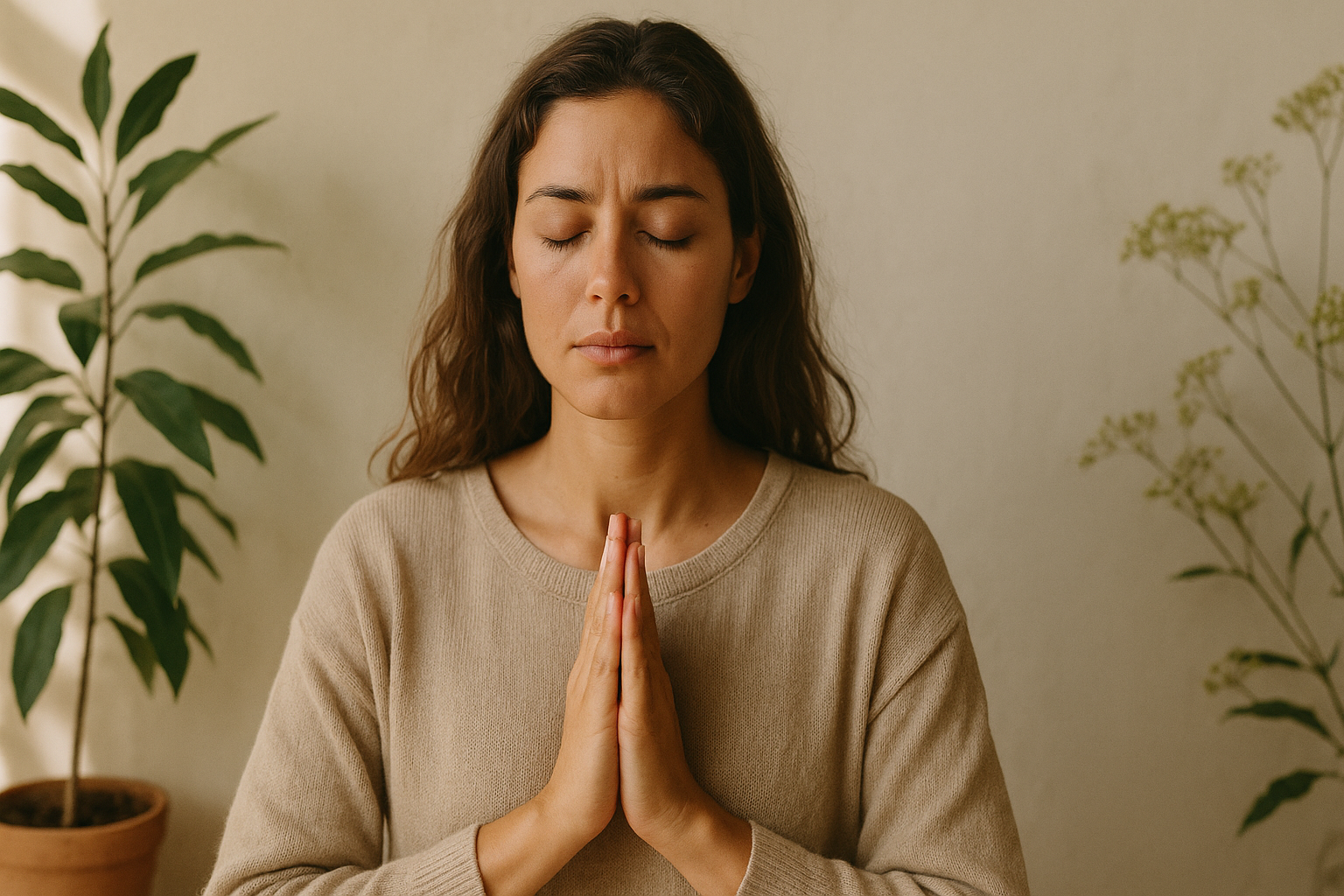
Explore the ancient practice of Emotional Healing within Amazonian Medicine, its historical context, methods, and modern research insights. Understand its traditional uses, safety considerations, and how to find qualified practitioners.
What It Is
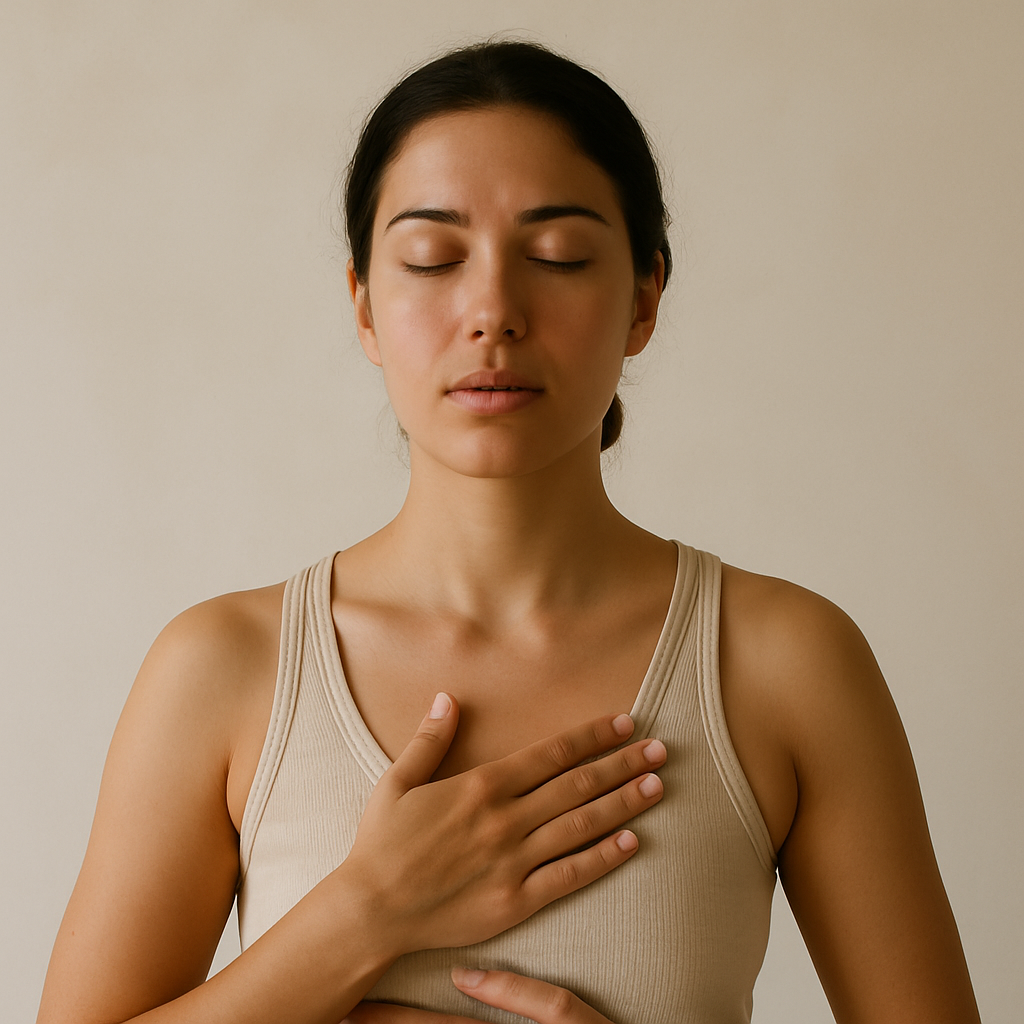
Emotional Healing is a holistic practice rooted in the traditions of Amazonian Medicine, focusing on the restoration of emotional balance and well-being. This modality seeks to address emotional blockages and traumas that may have accumulated over time, often through the use of plant medicines, rituals, and guided meditative practices. The belief is that unresolved emotional issues can manifest physically and spiritually, and by engaging in healing processes, individuals can achieve a more harmonious state of being.
At its core, Emotional Healing encourages self-awareness and introspection, allowing individuals to explore their feelings and experiences in a safe and supportive environment. Practitioners guide participants through various techniques that promote emotional release and healing, helping them reconnect with their inner selves and cultivate resilience.
Historical Context Within Amazonian Medicine
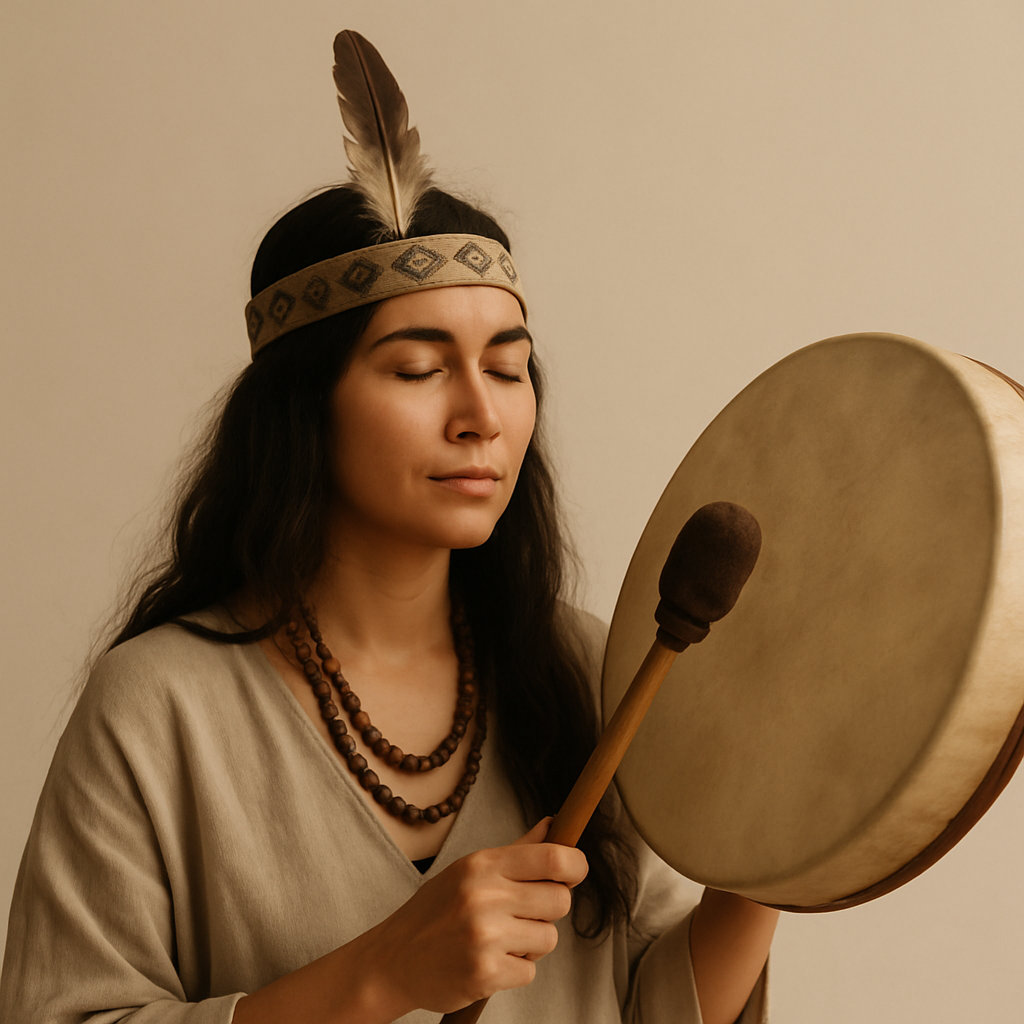
The roots of Emotional Healing in Amazonian Medicine can be traced back to the indigenous tribes of the Amazon rainforest, who have utilized the natural environment and its resources for thousands of years. These communities developed deep spiritual and medicinal practices that are intertwined with their understanding of emotional and physical health. Shamanic traditions played a crucial role in the development of Emotional Healing, as shamans served as mediators between the spiritual and physical worlds, using their knowledge of plants and rituals to facilitate healing.
As these practices were passed down through generations, they evolved into a more structured approach, incorporating various plant medicines, such as ayahuasca, which are believed to aid in emotional and spiritual healing. This lineage of knowledge has been preserved and adapted, gaining recognition beyond the Amazon as people seek alternative methods for emotional wellness.
How It's Practiced
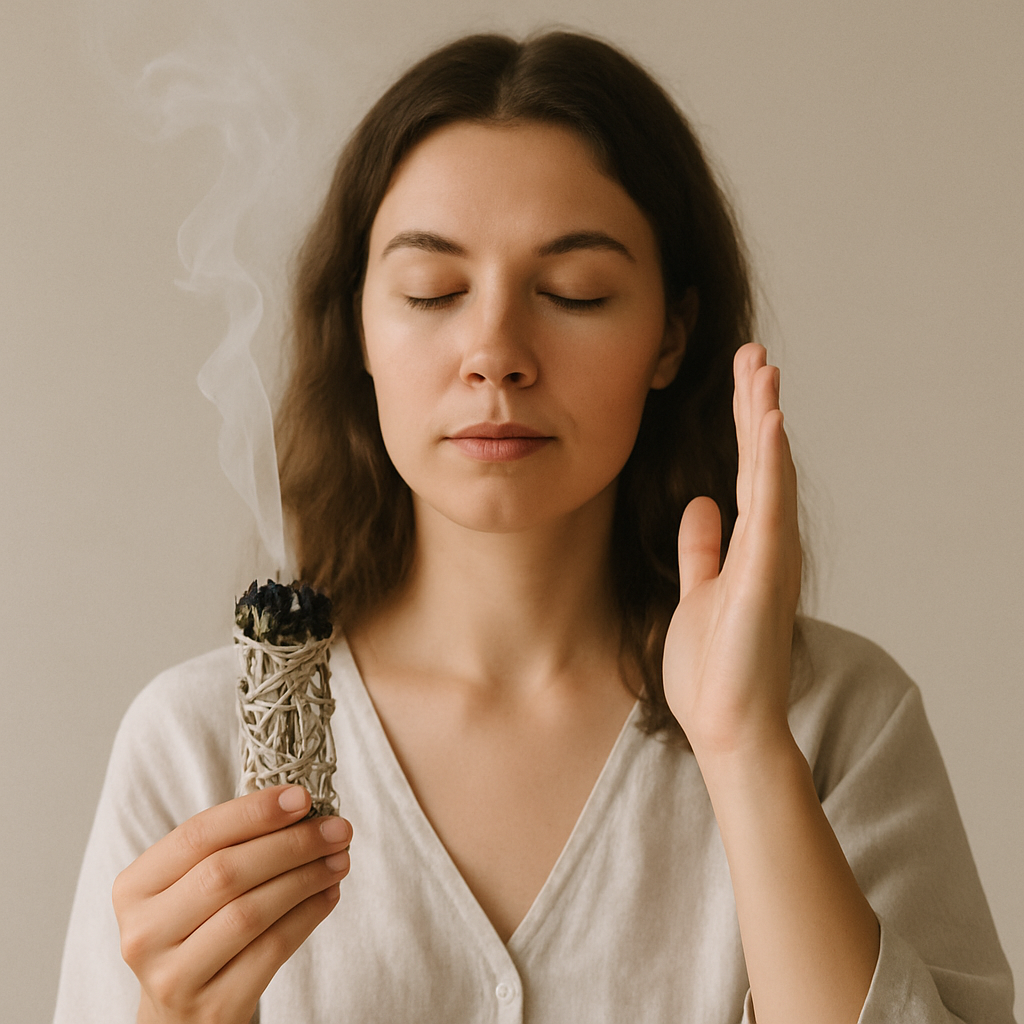
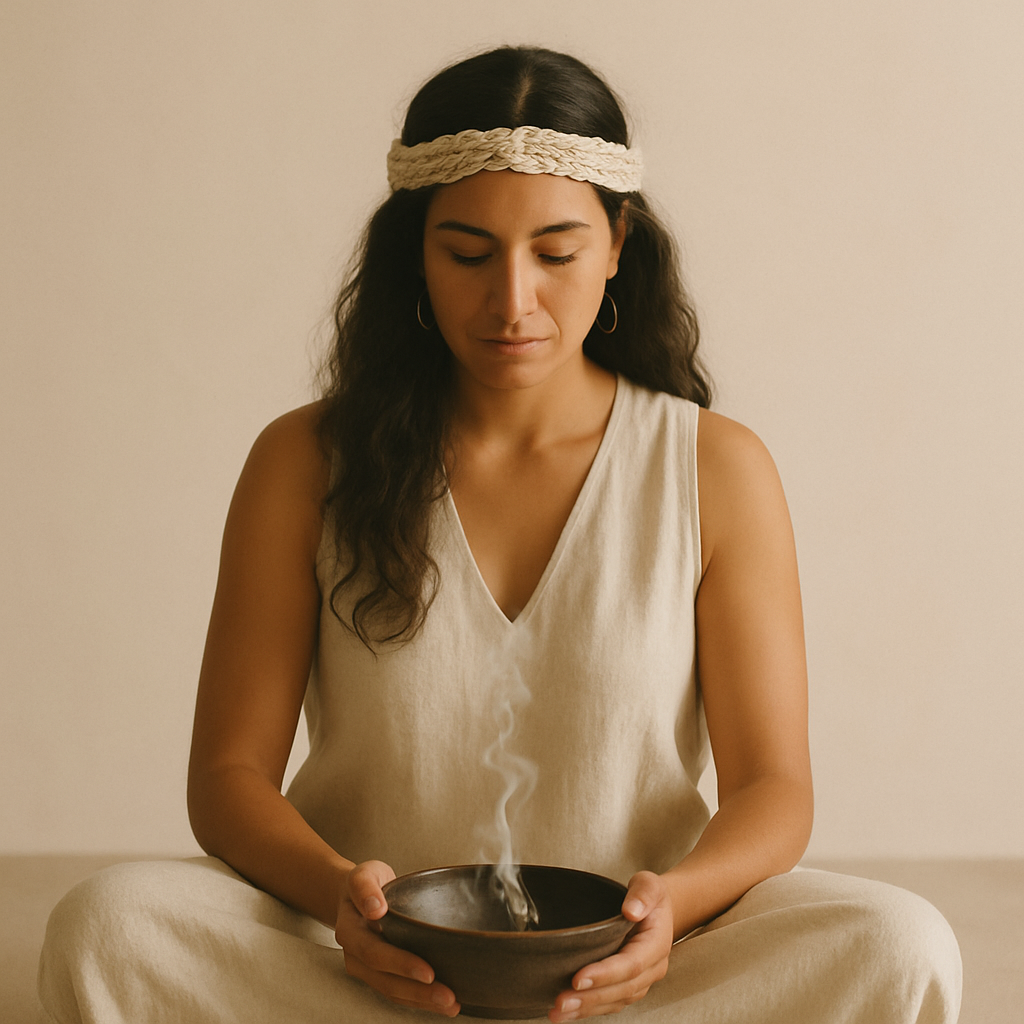
Practitioners of Emotional Healing typically create a safe and sacred space for individuals seeking healing. The process often involves several key steps:
- Initial Consultation: Discussing personal experiences, emotional struggles, and goals for healing.
- Preparation: Engaging in rituals or practices to prepare the mind and body for the healing journey.
- Plant Medicine Ceremony: Participating in ceremonies involving plant medicines, which may include ayahuasca, under the guidance of a trained shaman or facilitator.
- Integration: After the experience, practitioners help individuals process their emotions and insights gained during the ceremony.
- Follow-Up Support: Ongoing support may be offered to facilitate continued healing and personal growth.
What It Is Traditionally Explored For
Emotional Healing is traditionally explored for a variety of emotional and psychological challenges. While individual experiences may vary, this practice is often sought for:
- Trauma and grief processing
- Anxiety and depression
- Relationship issues
- Self-esteem and self-worth concerns
- Spiritual disconnection and existential crises
Participants often aim to achieve a greater sense of emotional balance, clarity, and connection with themselves and others through these healing practices.
What Modern Research Suggests
Recent studies on the effects of plant medicines used in Emotional Healing, such as ayahuasca, have shown promising results concerning emotional and psychological well-being. Preliminary research indicates that these substances can lead to significant reductions in symptoms of anxiety and depression, as well as improvements in overall life satisfaction. Researchers suggest that the introspective nature of the experiences facilitated by these medicines may help individuals process unresolved emotions and trauma.
While more rigorous clinical trials are needed to fully understand the mechanisms and long-term effects of Emotional Healing practices, initial findings support the idea that these ancient traditions may offer valuable tools for emotional healing in the modern world. However, it is essential to approach this area of study with caution and respect for the cultural contexts from which these practices originate.
Safety, Contraindications & Who Should Skip
While Emotional Healing can be beneficial for many, it may not be suitable for everyone. Individuals with certain medical or psychological conditions should exercise caution or seek alternative therapies. Contraindications may include:
- Severe mental health disorders, such as schizophrenia or bipolar disorder
- Heart conditions or other serious medical issues
- Pregnancy or breastfeeding
- Current use of certain medications, particularly antidepressants or medications that affect serotonin levels
It is crucial to consult with a qualified healthcare provider before engaging in Emotional Healing practices, especially if there are underlying health concerns.
Pairs Well With (within Amazonian Medicine and across pillars)
Emotional Healing can complement various other practices and modalities within Amazonian Medicine and beyond, including:
- Shamanic Healing
- Plant Medicine Integration Therapy
- Breathwork
- Sound Healing
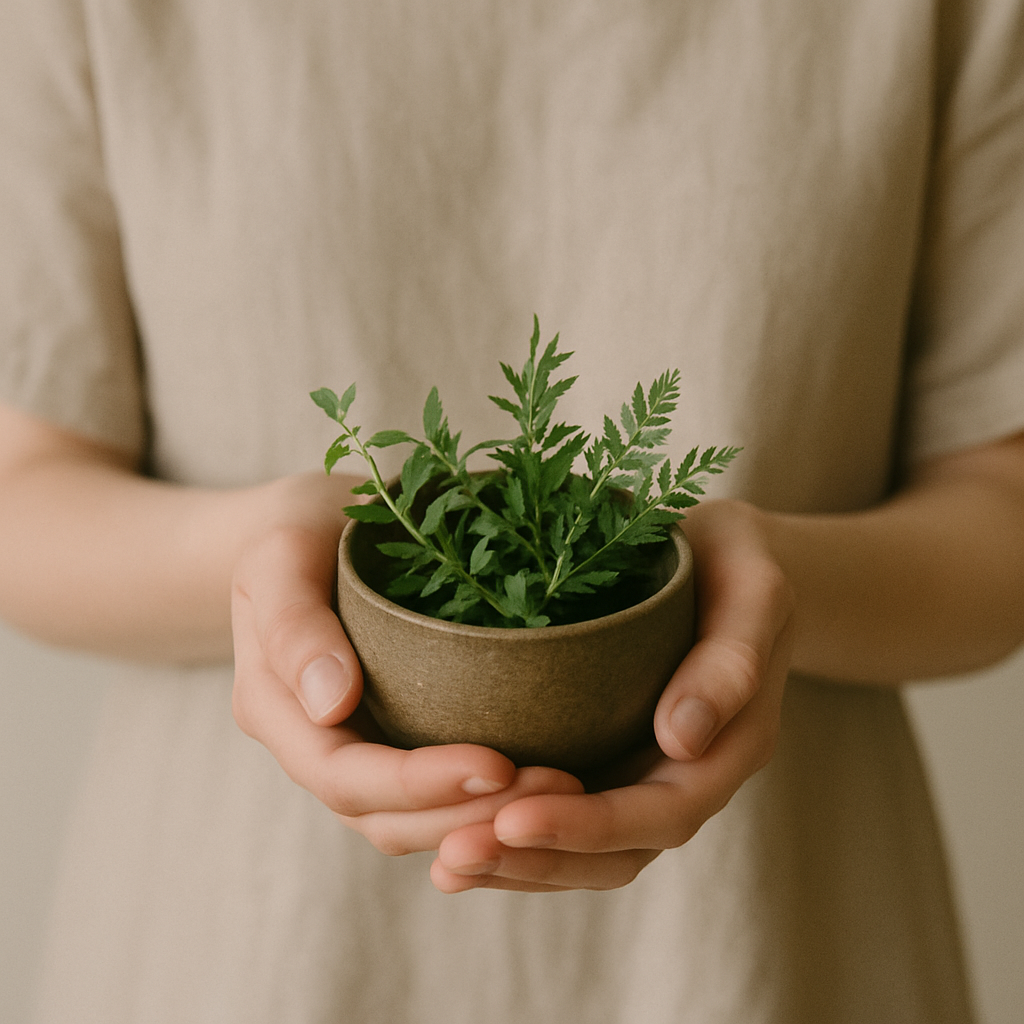
- Traditional Herbal Remedies
How to Find a Qualified Practitioner
Finding a qualified practitioner for Emotional Healing involves careful consideration and research. Here are some steps to guide your search:
- Seek recommendations from trusted sources or communities familiar with Amazonian Medicine.
- Research practitioners’ backgrounds, including their training, experience, and ethical practices.
- Look for practitioners who prioritize safety and create a supportive environment for healing.
- Consider attending introductory workshops or informational sessions to gauge the practitioner’s approach.
- Trust your intuition when selecting a practitioner; a good rapport is essential for effective healing.
FAQs
- What is the role of plant medicine in Emotional Healing? Plant medicine is often used to facilitate deep emotional exploration and healing, helping individuals to access and process their emotions.
- How many sessions are typically needed? The number of sessions varies depending on individual needs, but many find benefits after just one or a few experiences.
- Is Emotional Healing safe for everyone? No, it may not be suitable for individuals with certain mental health conditions or serious medical issues. Consult a healthcare provider before participation.
- Can Emotional Healing help with chronic stress? Many participants report reductions in stress and anxiety levels after engaging in Emotional Healing practices.
- What should I expect during a ceremony? Expect a supportive environment where you may experience emotional release, introspection, and guidance from the practitioner.
Frequently asked
What is the role of plant medicine in Emotional Healing?
Plant medicine is often used to facilitate deep emotional exploration and healing, helping individuals to access and process their emotions.
How many sessions are typically needed?
The number of sessions varies depending on individual needs, but many find benefits after just one or a few experiences.
Is Emotional Healing safe for everyone?
No, it may not be suitable for individuals with certain mental health conditions or serious medical issues. Consult a healthcare provider before participation.
Can Emotional Healing help with chronic stress?
Many participants report reductions in stress and anxiety levels after engaging in Emotional Healing practices.
What should I expect during a ceremony?
Expect a supportive environment where you may experience emotional release, introspection, and guidance from the practitioner.