Plant Medicine
Discover the ancient wisdom of Plant Medicine in Amazonian Medicine, its practices, historical context, and safety considerations.
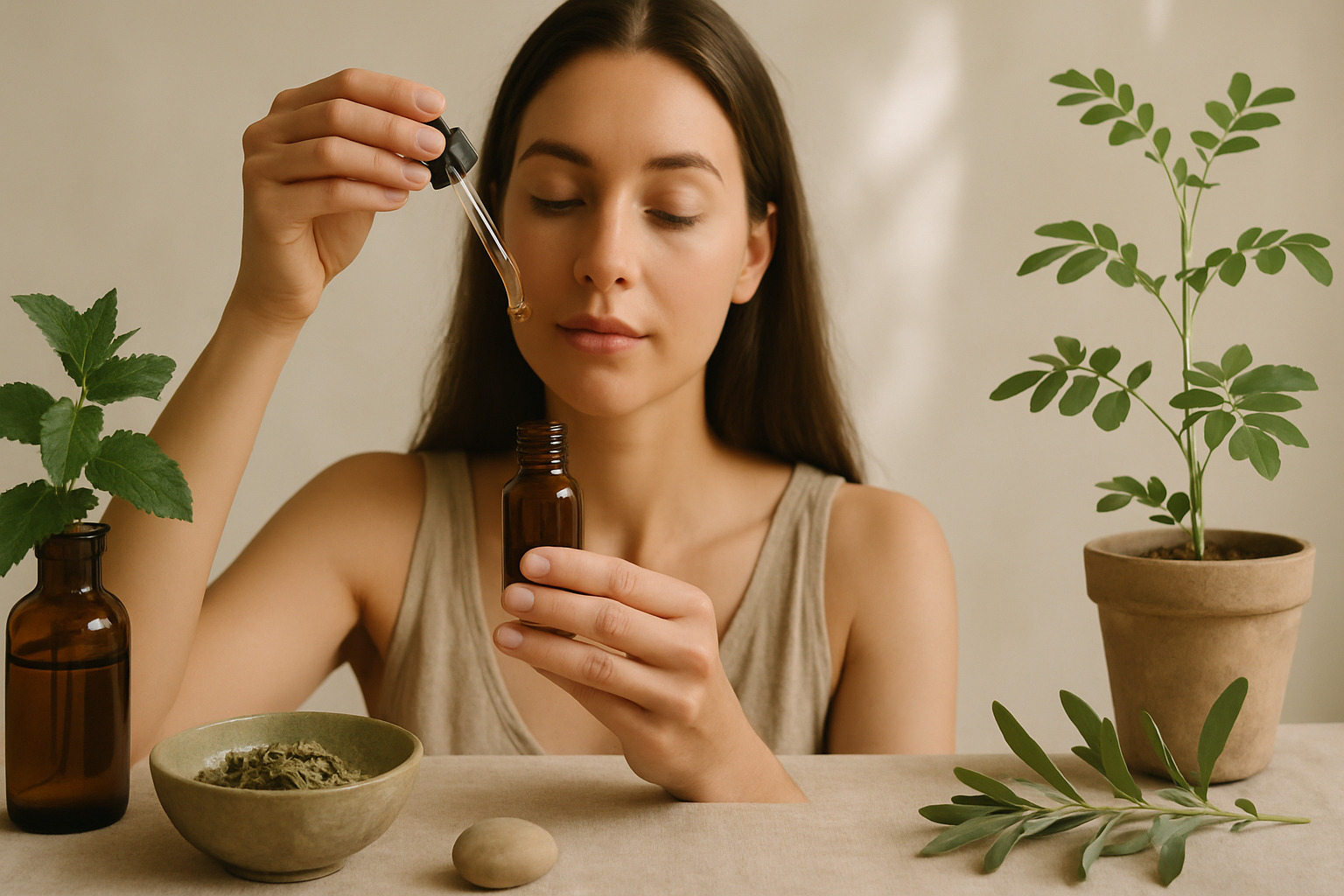
Explore the ancient practice of Plant Medicine within Amazonian Medicine, its historical roots, traditional applications, modern research insights, and guidance for safe use.
What It Is
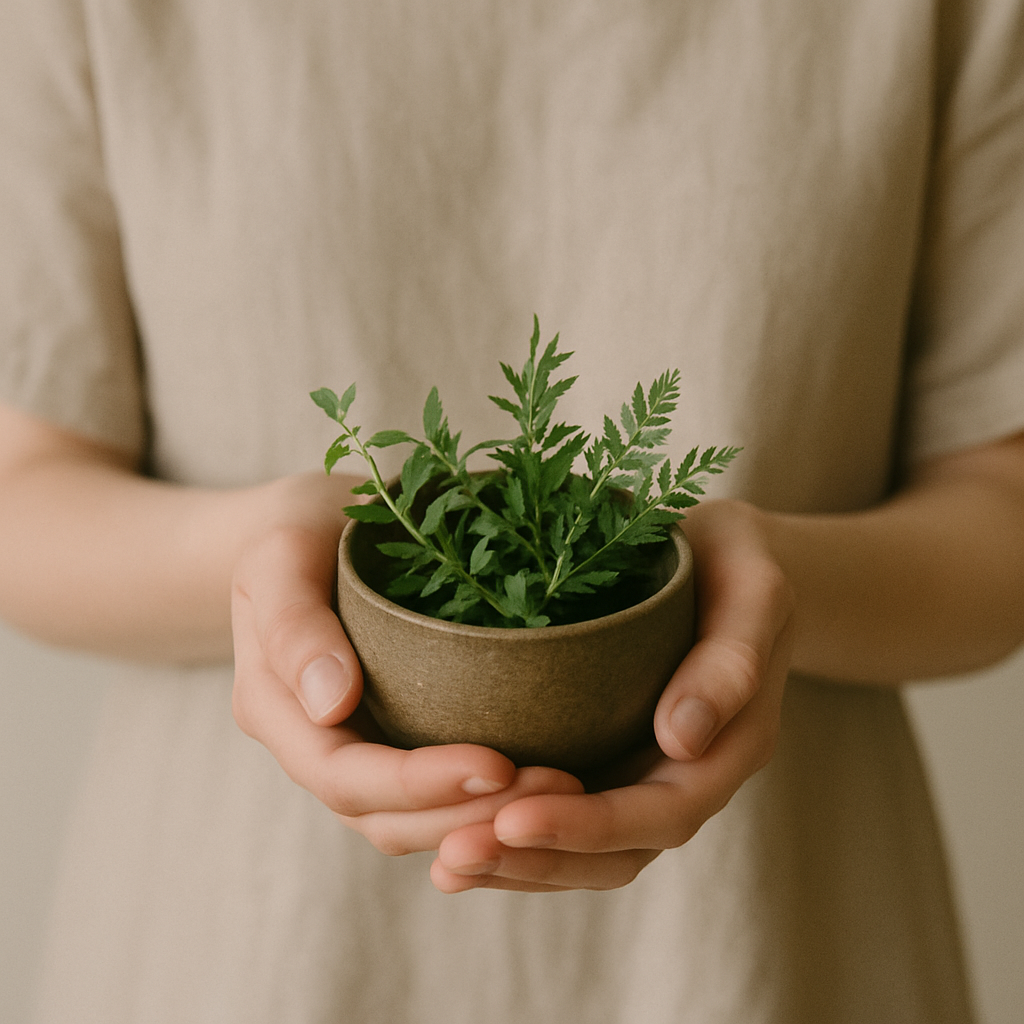
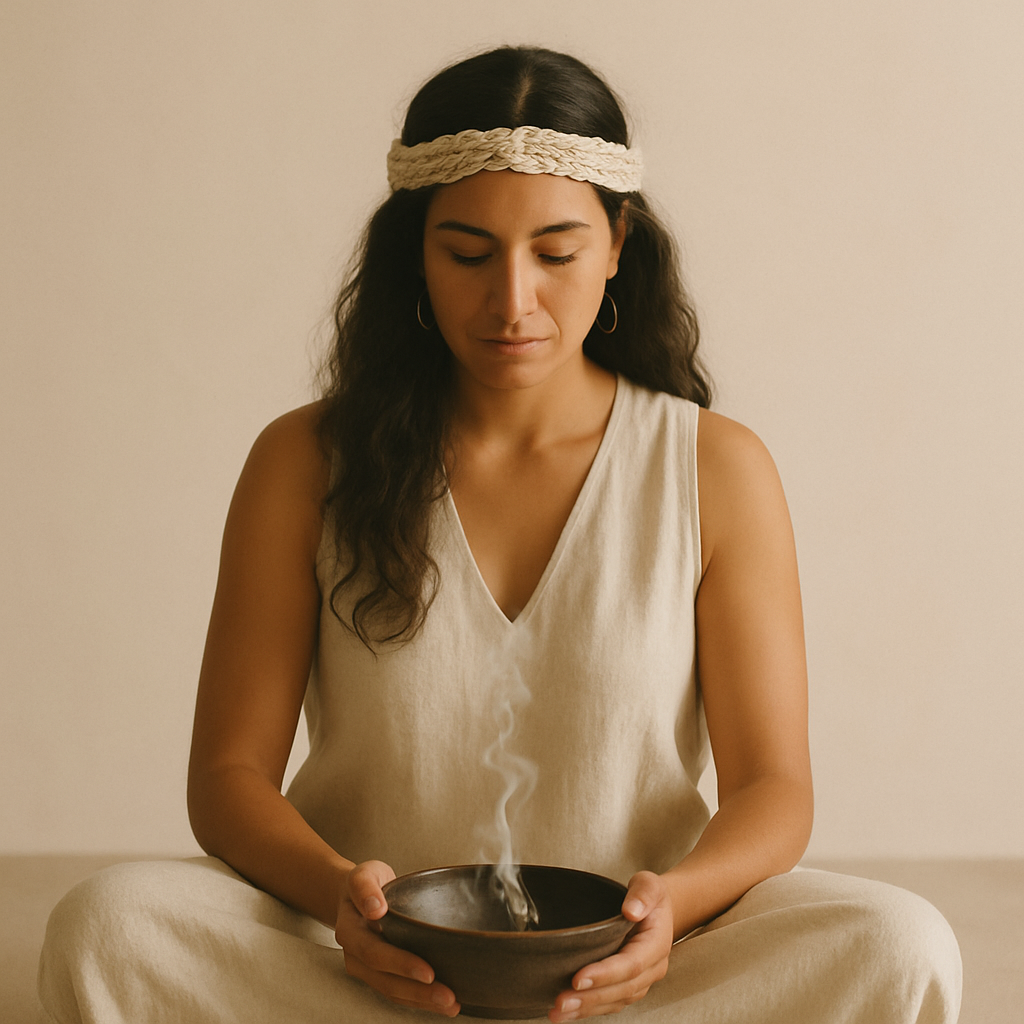
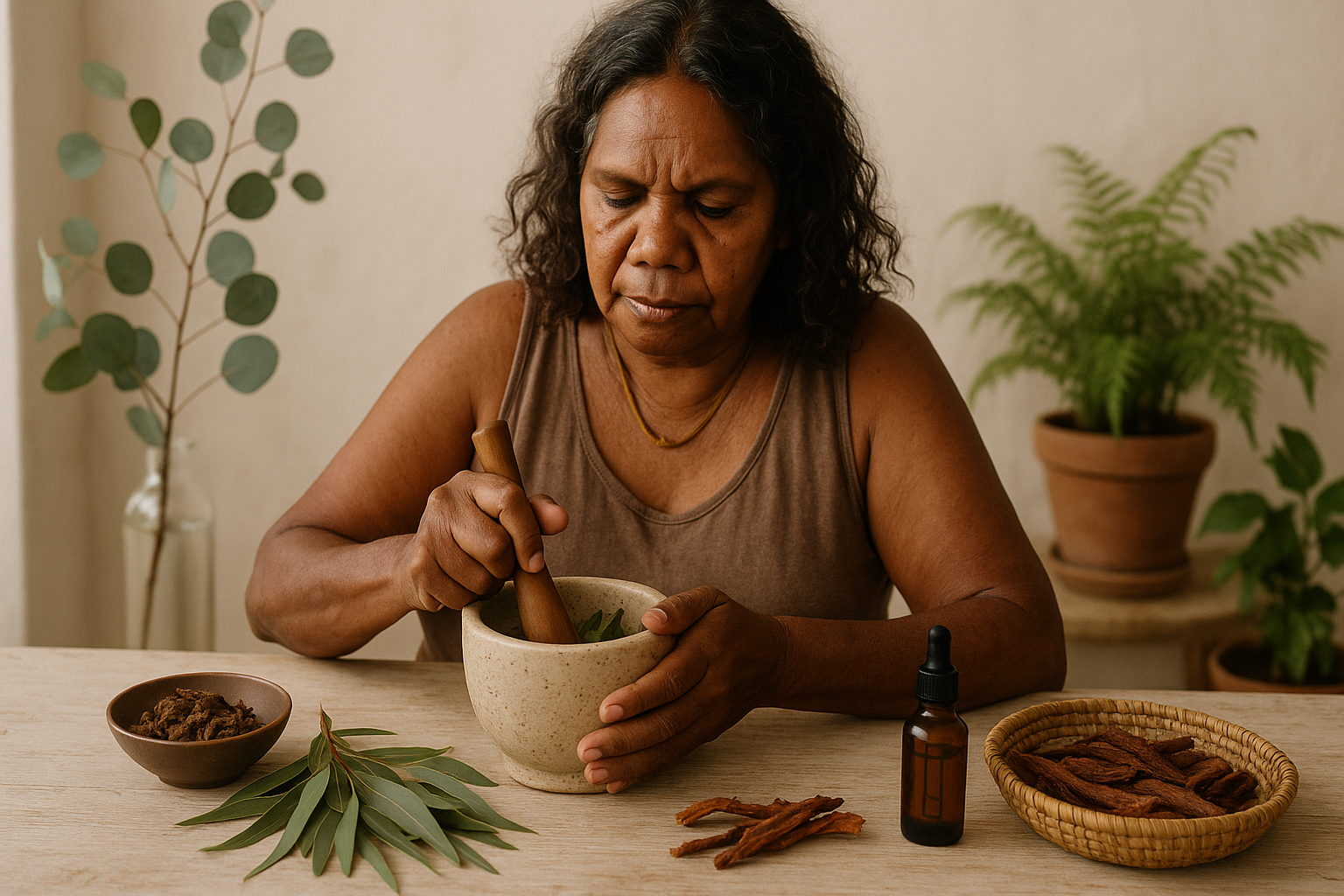
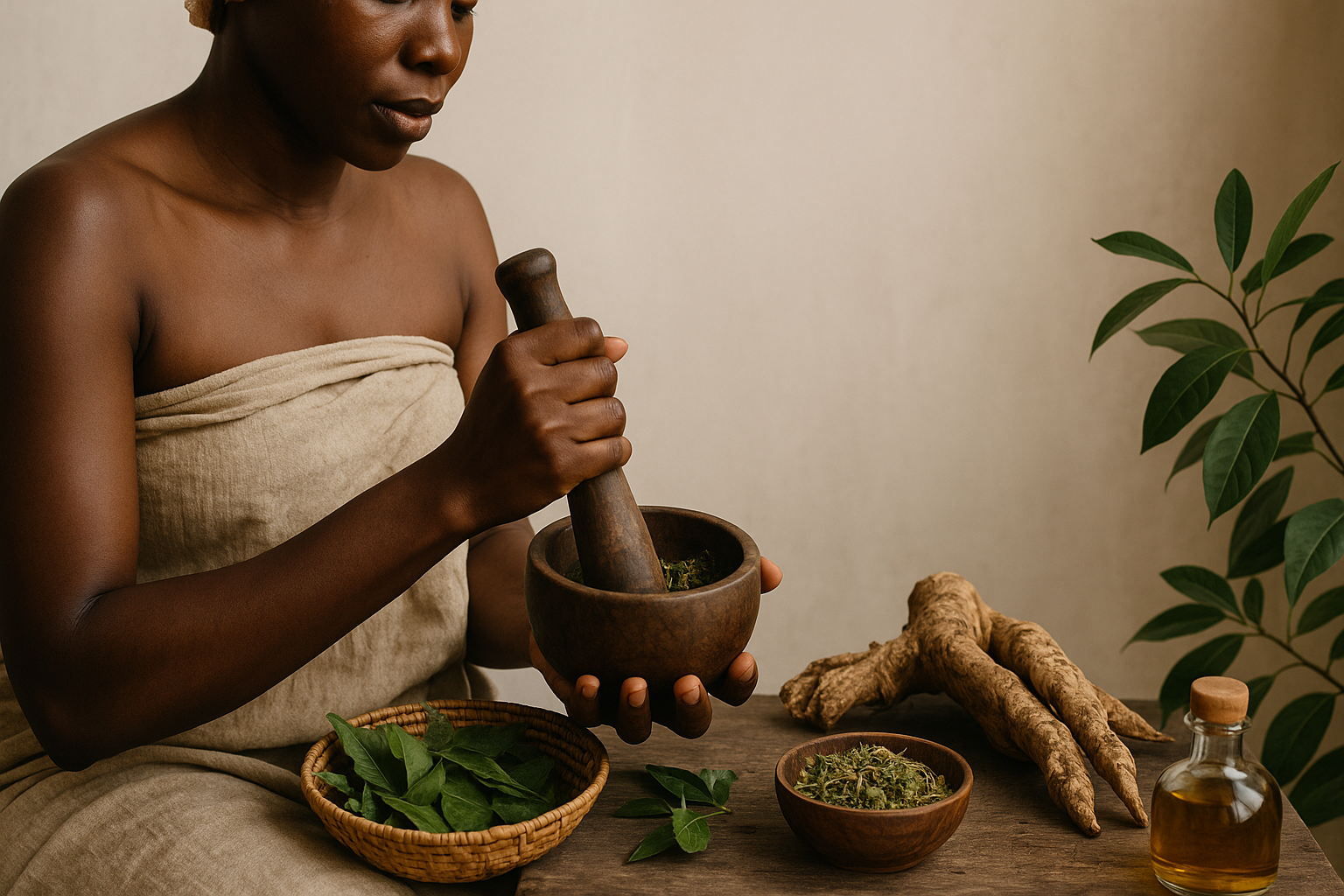
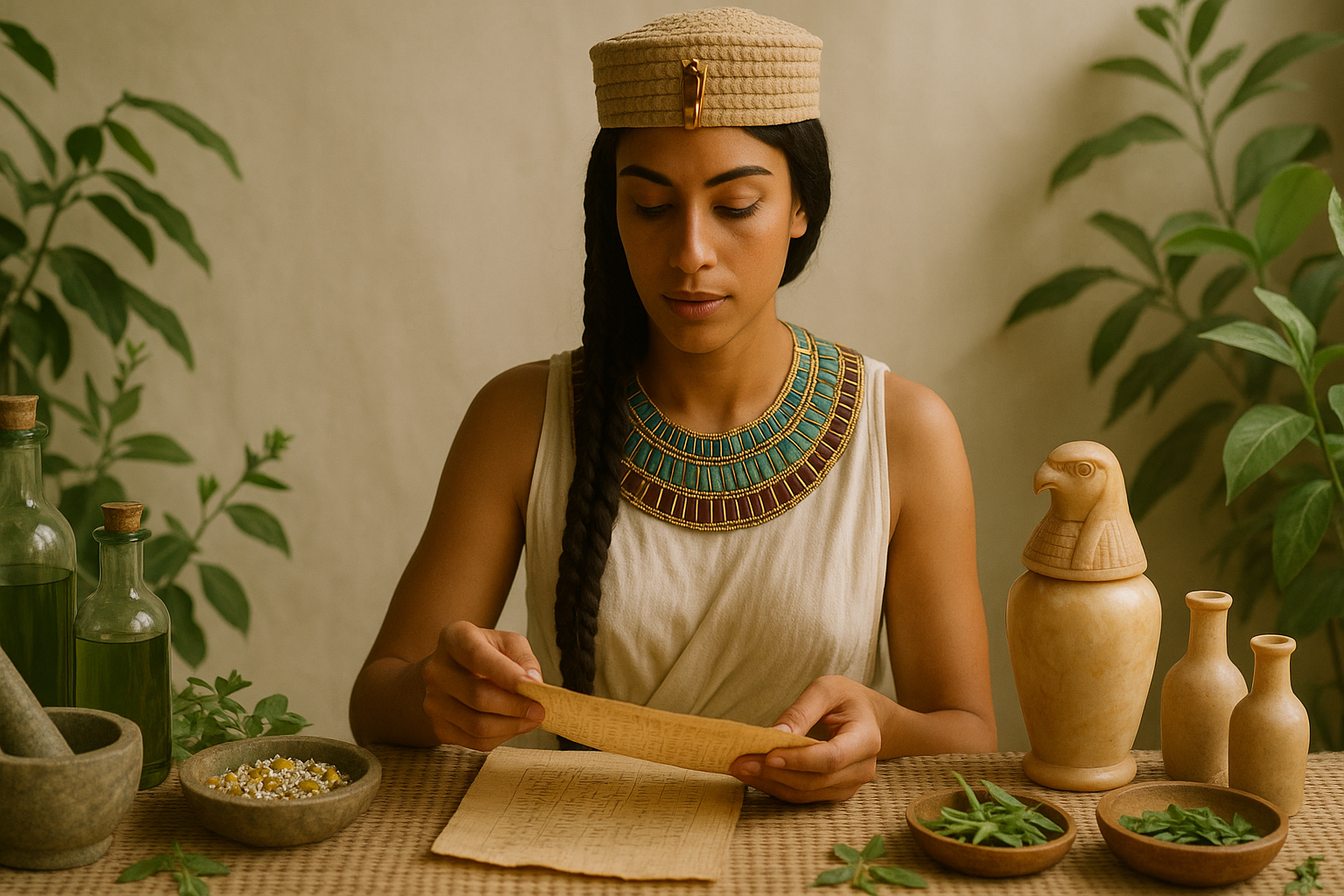
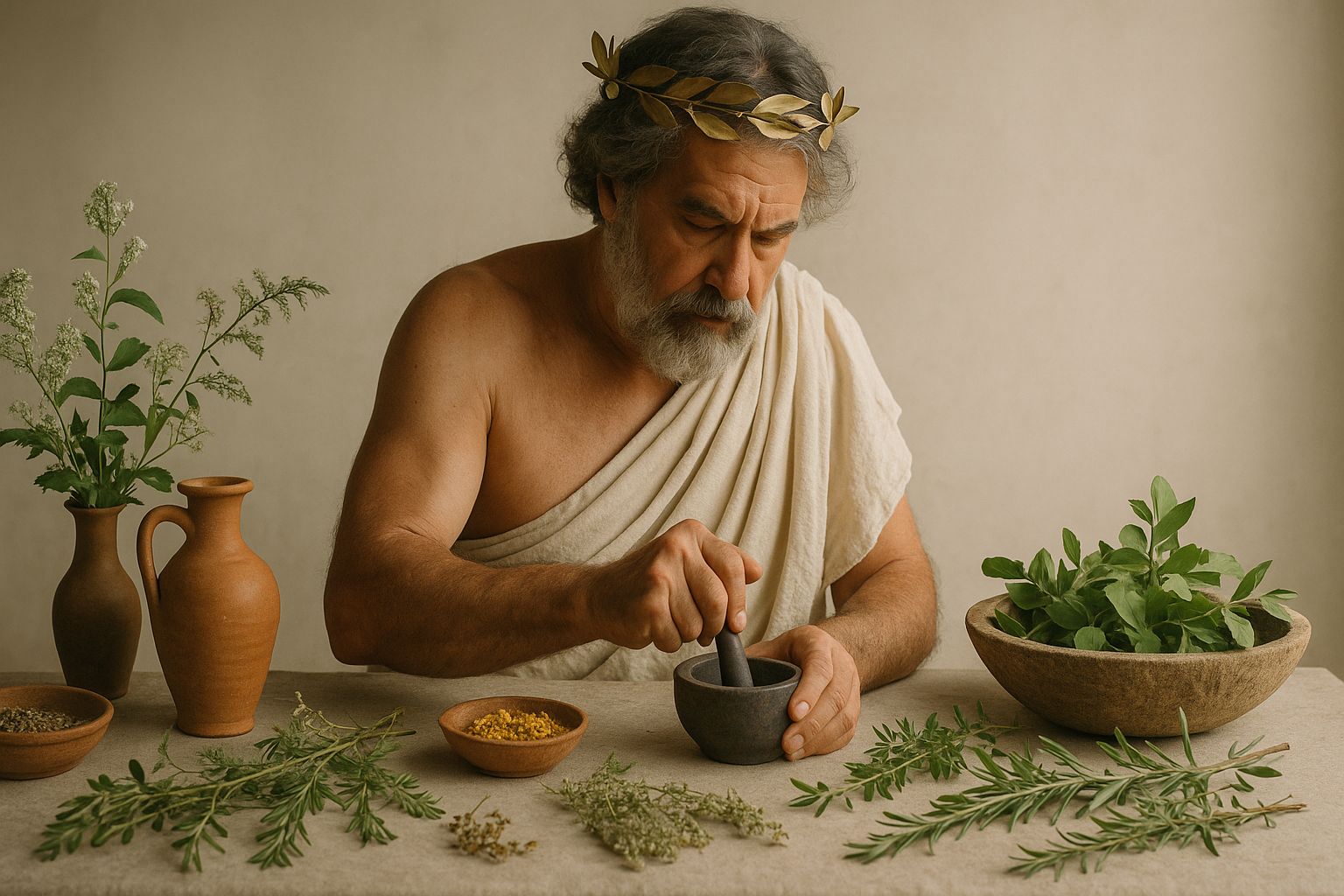
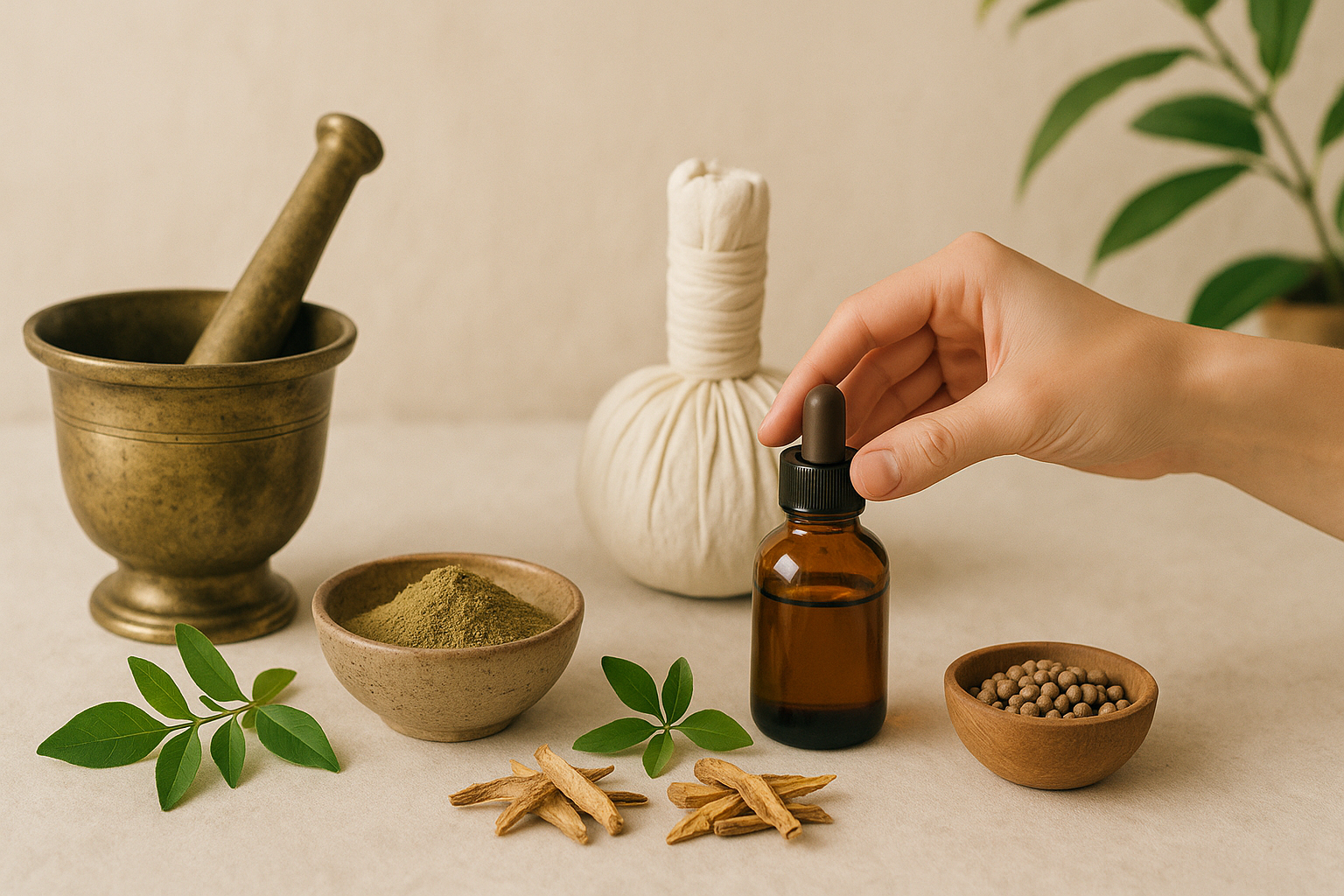
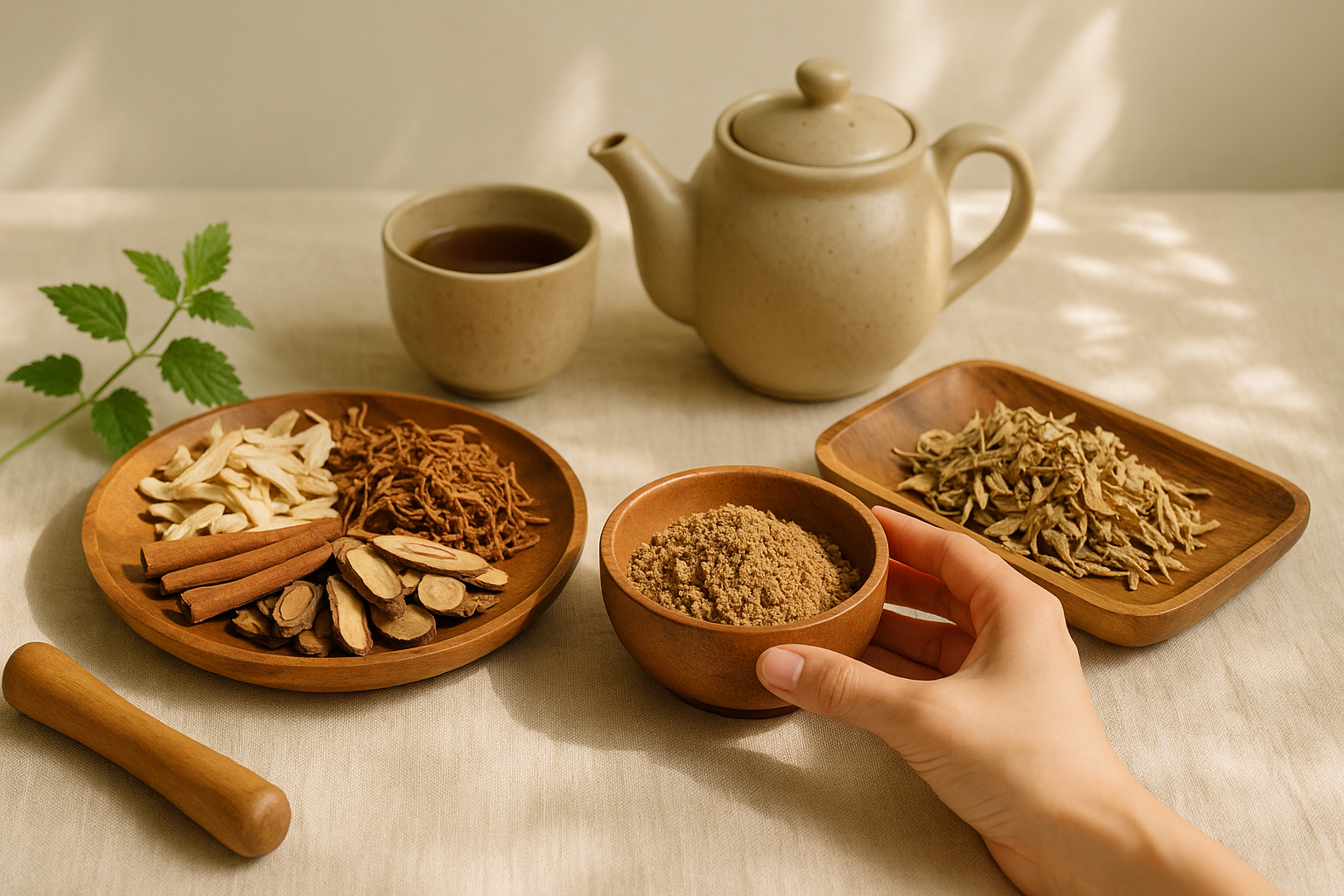
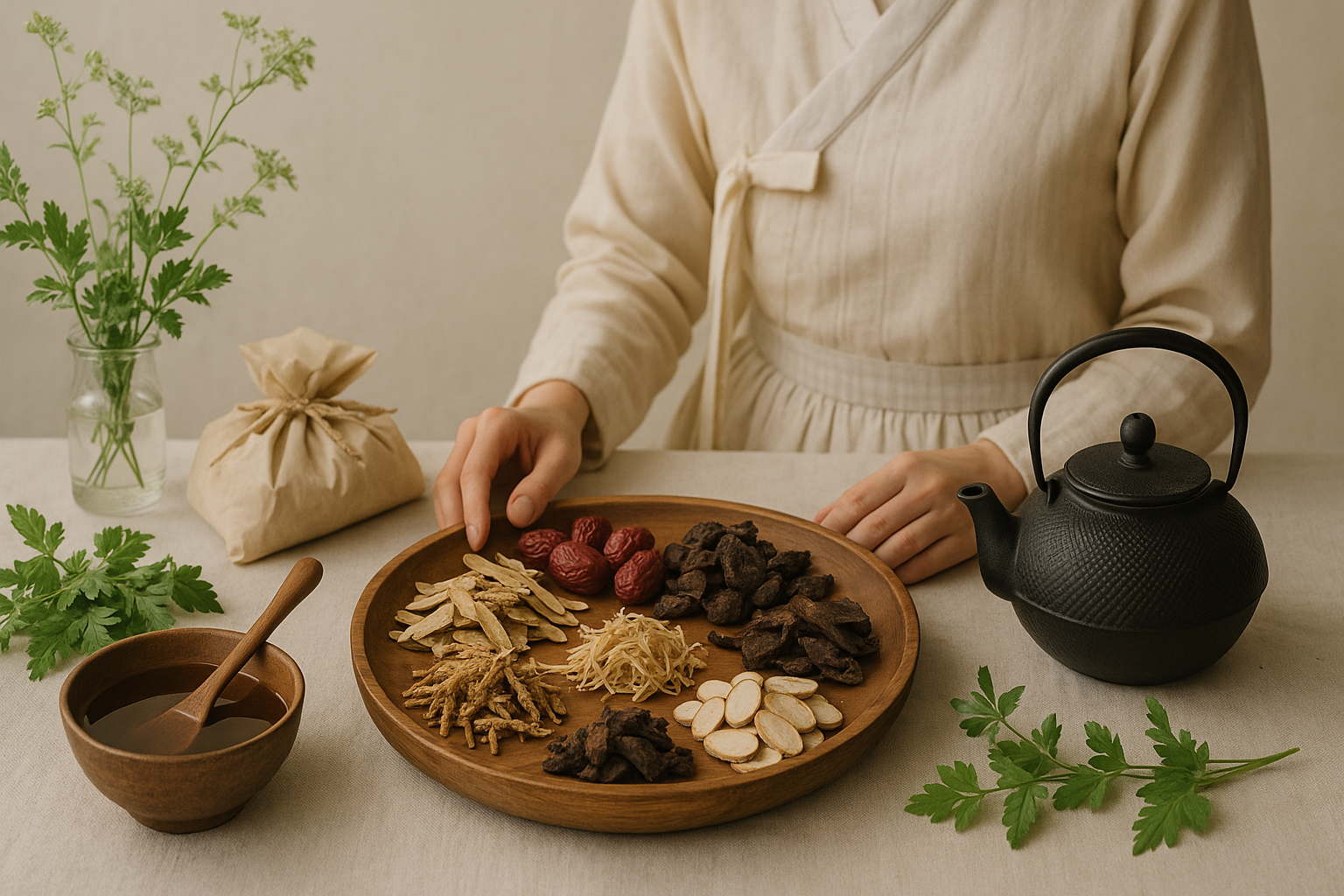
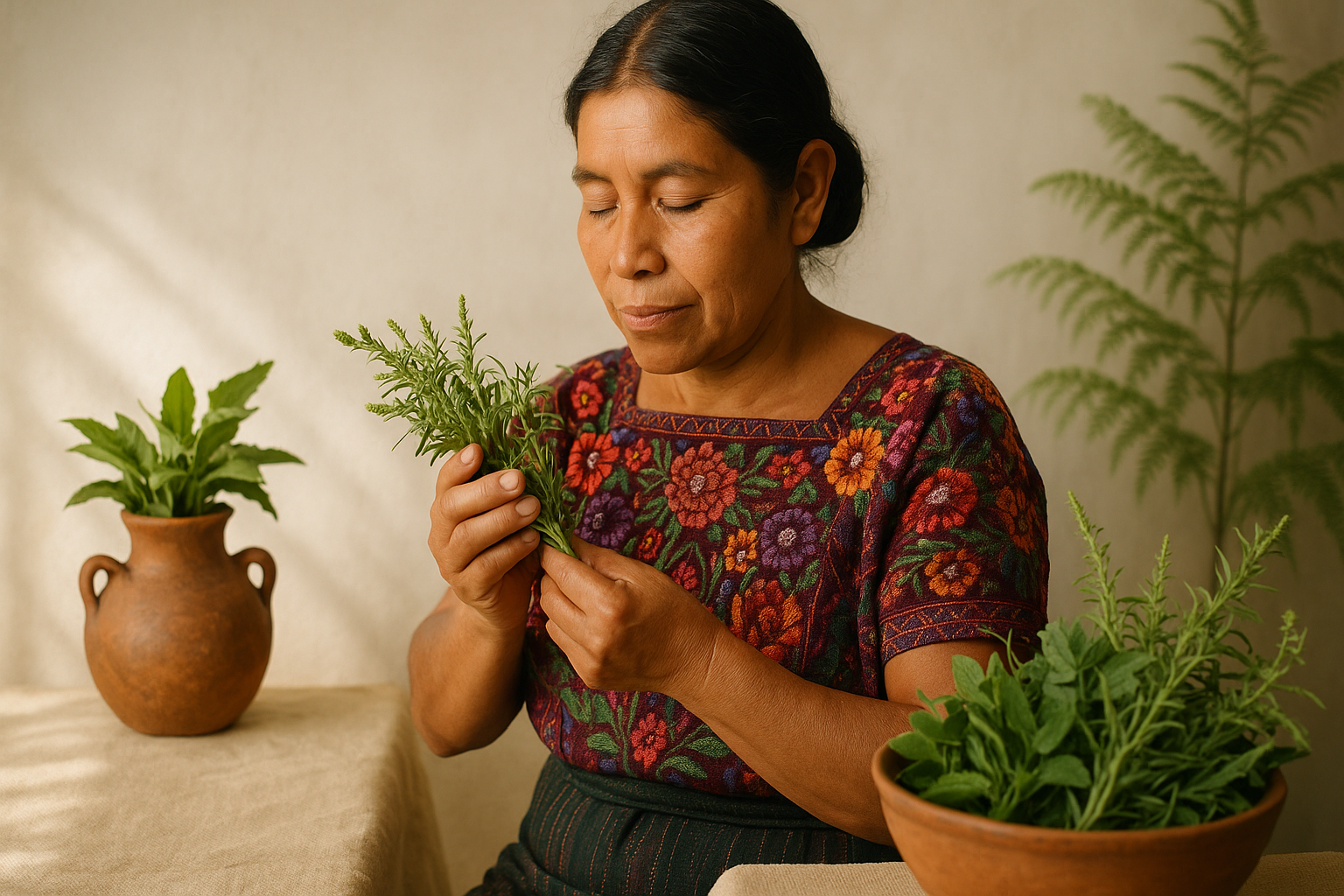
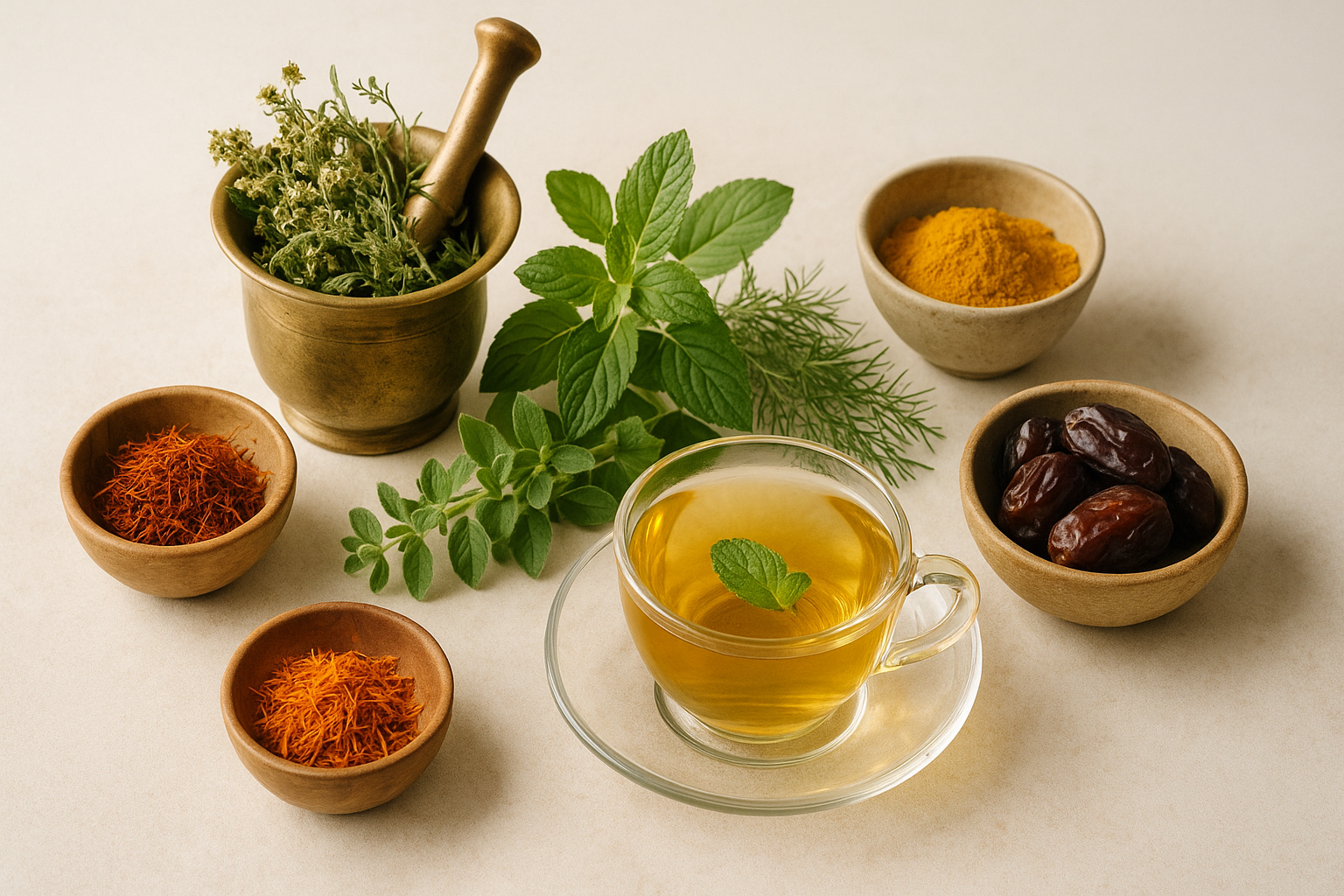
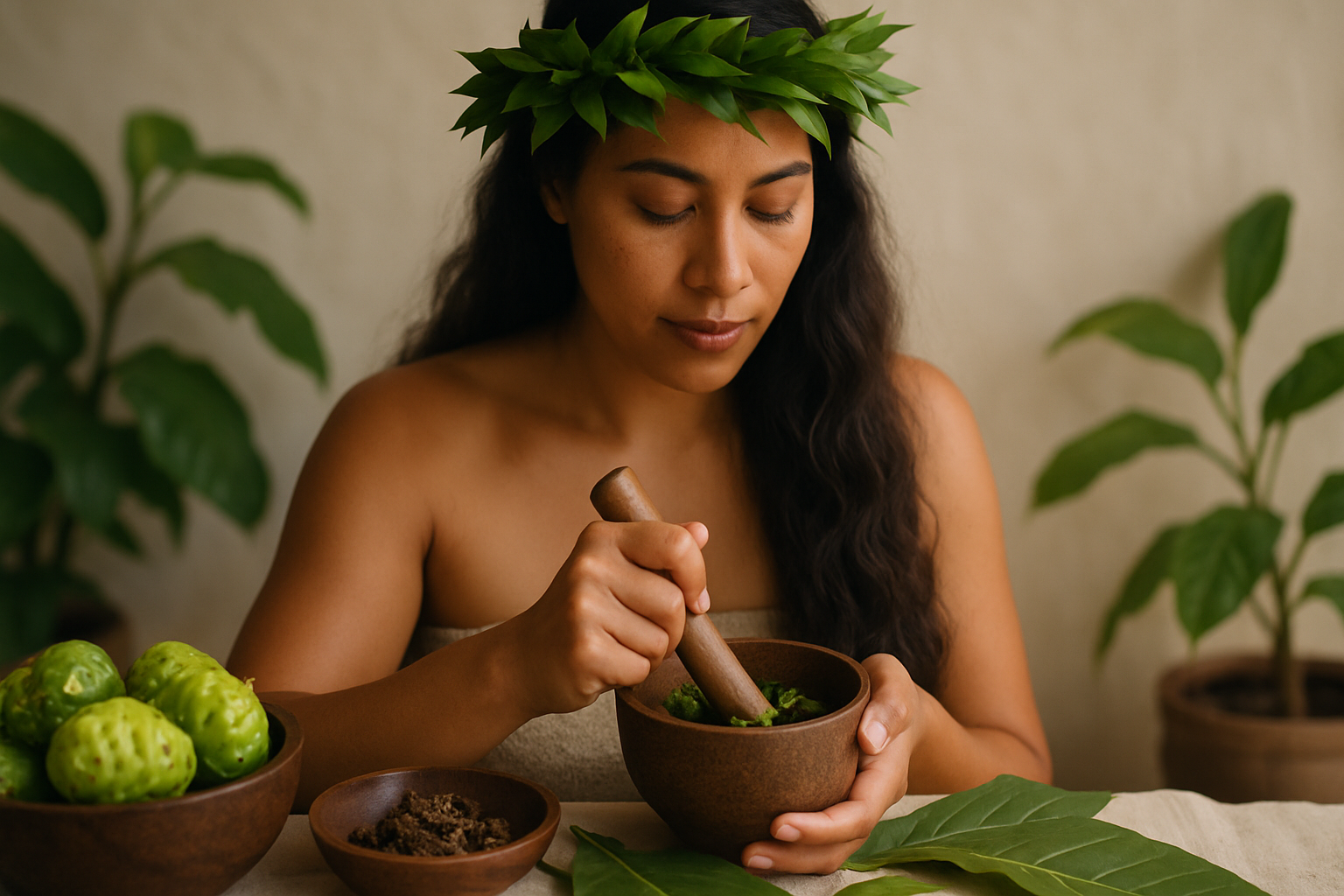
Plant Medicine, often referred to as herbal medicine, is a holistic healing approach that utilizes the properties of various plants and natural substances to promote health and well-being. Within the context of Amazonian Medicine, it encompasses a range of traditional practices that leverage the unique flora of the Amazon rainforest. This ancient modality is based on the understanding that plants possess intrinsic healing qualities that can support physical, emotional, and spiritual health.
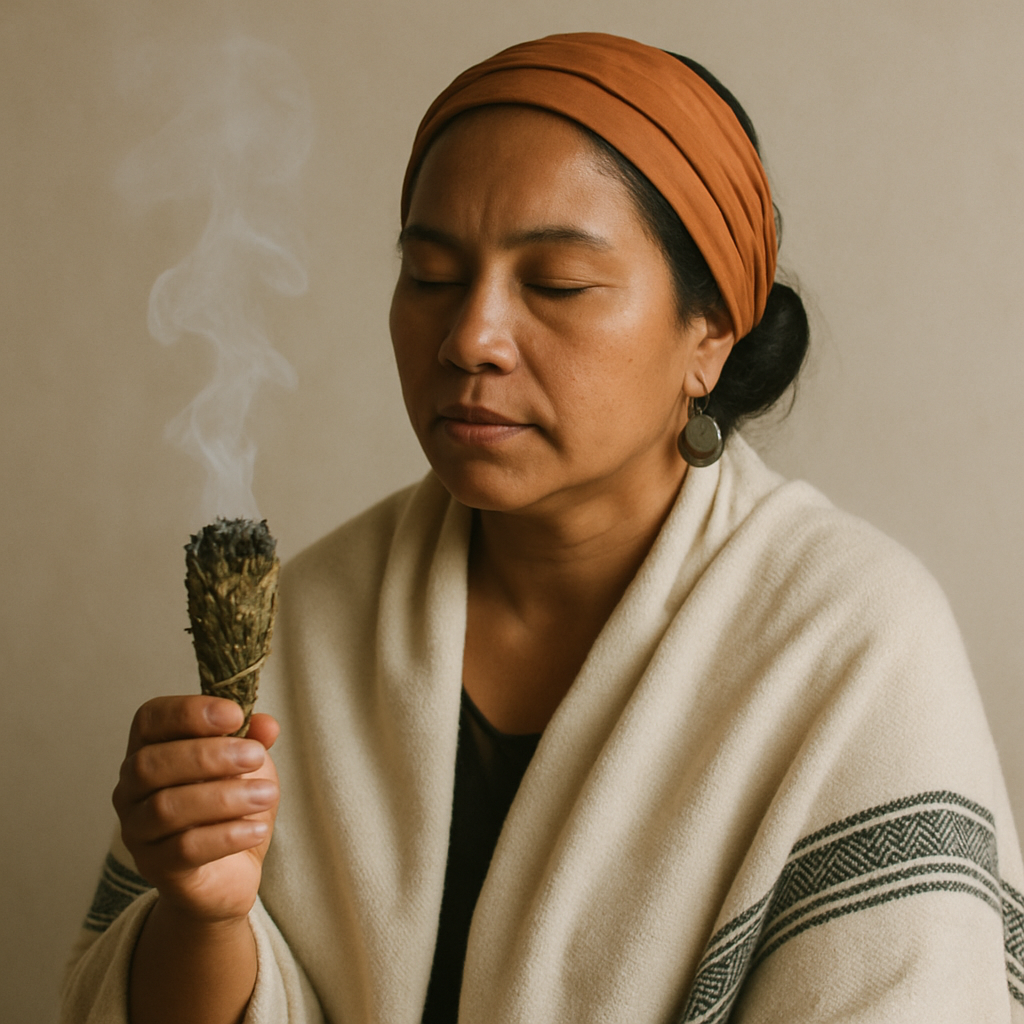
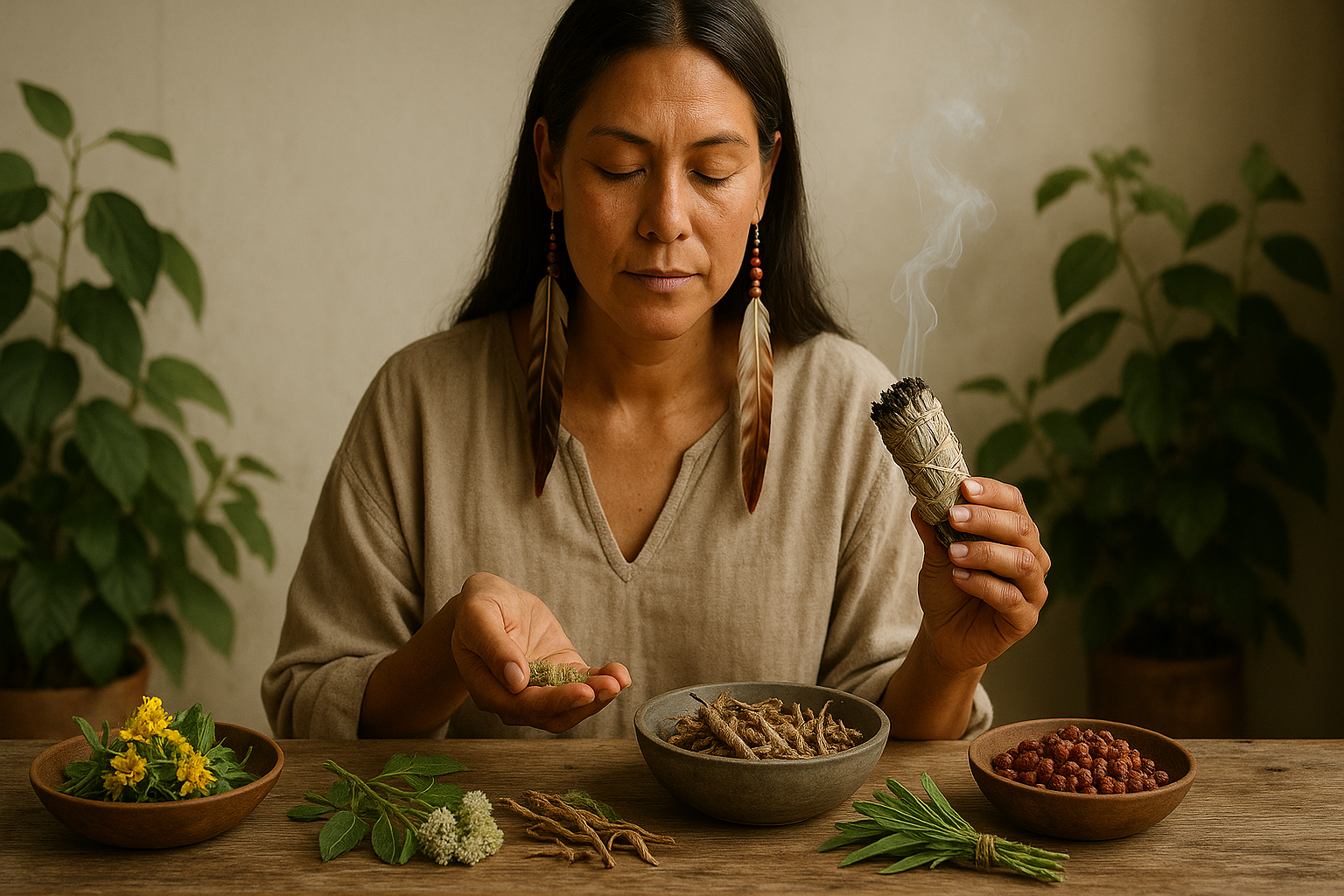
Practitioners of Plant Medicine believe that each plant has its own spirit or energy, which can interact with the human body to facilitate healing. This interaction is often enhanced through rituals, ceremonies, and guided experiences led by knowledgeable shamans or healers who have trained in these ancient traditions.
Historical Context Within Amazonian Medicine
The roots of Plant Medicine in Amazonian Medicine can be traced back thousands of years, with indigenous cultures developing extensive knowledge of local plants and their medicinal properties. These practices were cultivated by various tribes who lived in harmony with the rainforest, relying on its resources for survival and healing.
Shamanic traditions played a crucial role in the development of Plant Medicine. Shamans, regarded as spiritual leaders and healers, would conduct ceremonies to connect with plant spirits and uncover their healing potential. Over generations, this wisdom has been passed down, preserving the intricate knowledge of plant properties and their applications in various healing practices.
How It's Practiced
The practice of Plant Medicine typically involves several steps, often facilitated by a qualified practitioner. Here is a general overview of the process:
- Consultation: The practitioner engages in a dialogue with the individual to understand their health concerns, physical symptoms, and emotional state.
- Preparation: Based on the consultation, the practitioner selects specific plants or herbal remedies tailored to the individual’s needs.
- Rituals: The healing process often includes rituals, which may involve chanting, meditation, or other spiritual practices to enhance the connection with the plant medicine.
- Administration: The chosen plant medicine may be ingested, brewed as a tea, or used in other forms, depending on the tradition and the specific plants involved.
- Integration: Post-experience integration is important, where the practitioner helps the individual make sense of their experience and apply insights to their daily life.
What It Is Traditionally Explored For
Plant Medicine is traditionally used for a variety of purposes, with the understanding that healing is a multifaceted journey involving body, mind, and spirit. Commonly explored areas include:
- Physical ailments: Addressing issues such as inflammation, pain, and digestive disorders.
- Emotional healing: Supporting mental health by exploring trauma, anxiety, and depression.
- Spiritual development: Facilitating personal growth and self-discovery through deep introspection.
- Addiction treatment: Assisting individuals in overcoming dependencies and fostering resilience.
What Modern Research Suggests
Recent studies have started to shed light on the potential benefits of certain plants traditionally used in Amazonian Medicine. For example, compounds found in plants like ayahuasca and various medicinal herbs have been investigated for their psychoactive properties and their ability to promote psychological well-being. Preliminary findings suggest that these substances may help alleviate symptoms of depression and anxiety, although more rigorous clinical trials are necessary to draw definitive conclusions.
Additionally, research has indicated that many plants used in Amazonian traditions contain bioactive compounds that exhibit anti-inflammatory and antioxidant effects, further supporting their use in holistic health practices. However, it is essential to approach these findings with caution and recognize the need for further study to fully understand the mechanisms and implications of Plant Medicine.
Safety, Contraindications & Who Should Skip
While Plant Medicine can offer benefits, it is crucial to consider safety and contraindications. Some individuals should approach this practice with caution or avoid it altogether:
- Individuals with pre-existing health conditions, particularly those involving the heart, liver, or mental health, should consult a healthcare professional before engaging in Plant Medicine.
- Pregnant or nursing women are advised to avoid certain plant medicines due to potential risks to the fetus or infant.
- Those taking prescription medications should be cautious, as some plant medicines may interact adversely with conventional drugs.
Pairs Well With (within Amazonian Medicine and across pillars)
- Shamanic Healing
- Ayahuasca Ceremonies
- Breathwork Techniques
- Meditation Practices
- Sound Healing
How to Find a Qualified Practitioner
Finding a qualified practitioner of Plant Medicine is essential for a safe and meaningful experience. Here are some tips to consider:
- Research local practitioners and read reviews or testimonials from previous clients.
- Ask about their training, background, and experience in working with Plant Medicine.
- Inquire about their approach and the types of plants they use, ensuring they align with your health goals.
- Trust your intuition; choose someone with whom you feel comfortable and safe.
FAQs
- What types of plants are commonly used in Plant Medicine? Various plants, including herbs and psychoactive substances like ayahuasca, are commonly utilized for their healing properties.
- Is Plant Medicine safe for everyone? No, individuals with certain health conditions or those on specific medications should exercise caution.
- How long does a Plant Medicine session typically last? Sessions can vary in length, often lasting several hours depending on the ritual and plant used.
- Can I combine Plant Medicine with other healing modalities? It is generally advisable to discuss any combinations with a qualified practitioner to ensure safety.
- What should I do after a Plant Medicine session? Integration practices, such as journaling or discussing your experience with the practitioner, are often recommended.
Frequently asked
What types of plants are commonly used in Plant Medicine?
Various plants, including herbs and psychoactive substances like ayahuasca, are commonly utilized for their healing properties.
Is Plant Medicine safe for everyone?
No, individuals with certain health conditions or those on specific medications should exercise caution.
How long does a Plant Medicine session typically last?
Sessions can vary in length, often lasting several hours depending on the ritual and plant used.
Can I combine Plant Medicine with other healing modalities?
It is generally advisable to discuss any combinations with a qualified practitioner to ensure safety.
What should I do after a Plant Medicine session?
Integration practices, such as journaling or discussing your experience with the practitioner, are often recommended.