Meditation
Delve into meditation as a cornerstone of Amazonian Medicine, uncovering its historical context, traditional uses, and modern insights.
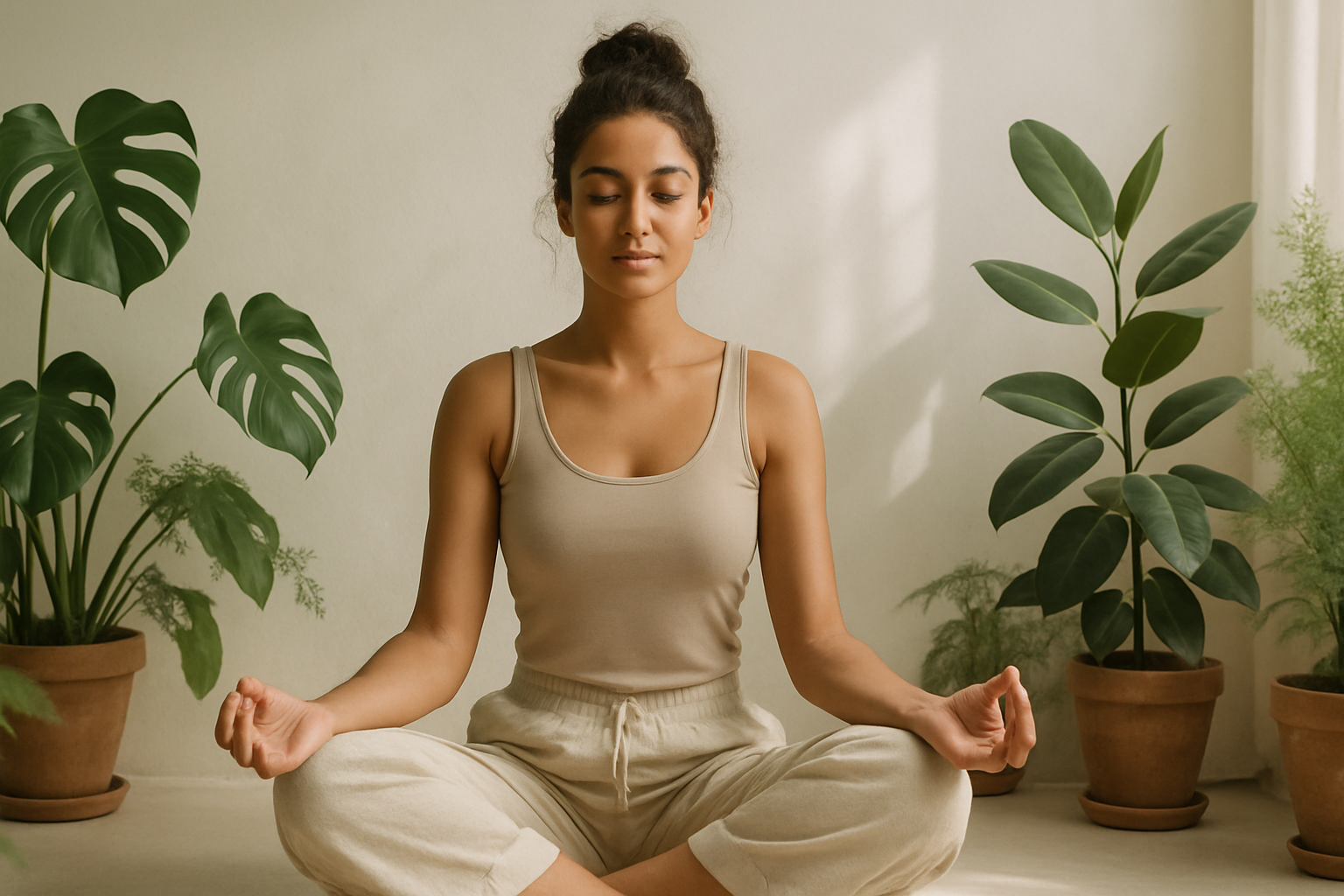
Explore the transformative practice of meditation within the realm of Amazonian Medicine, a tradition steeped in ancient wisdom. Discover its historical roots, methods, and potential benefits while considering safety and finding qualified practitioners.
What It Is
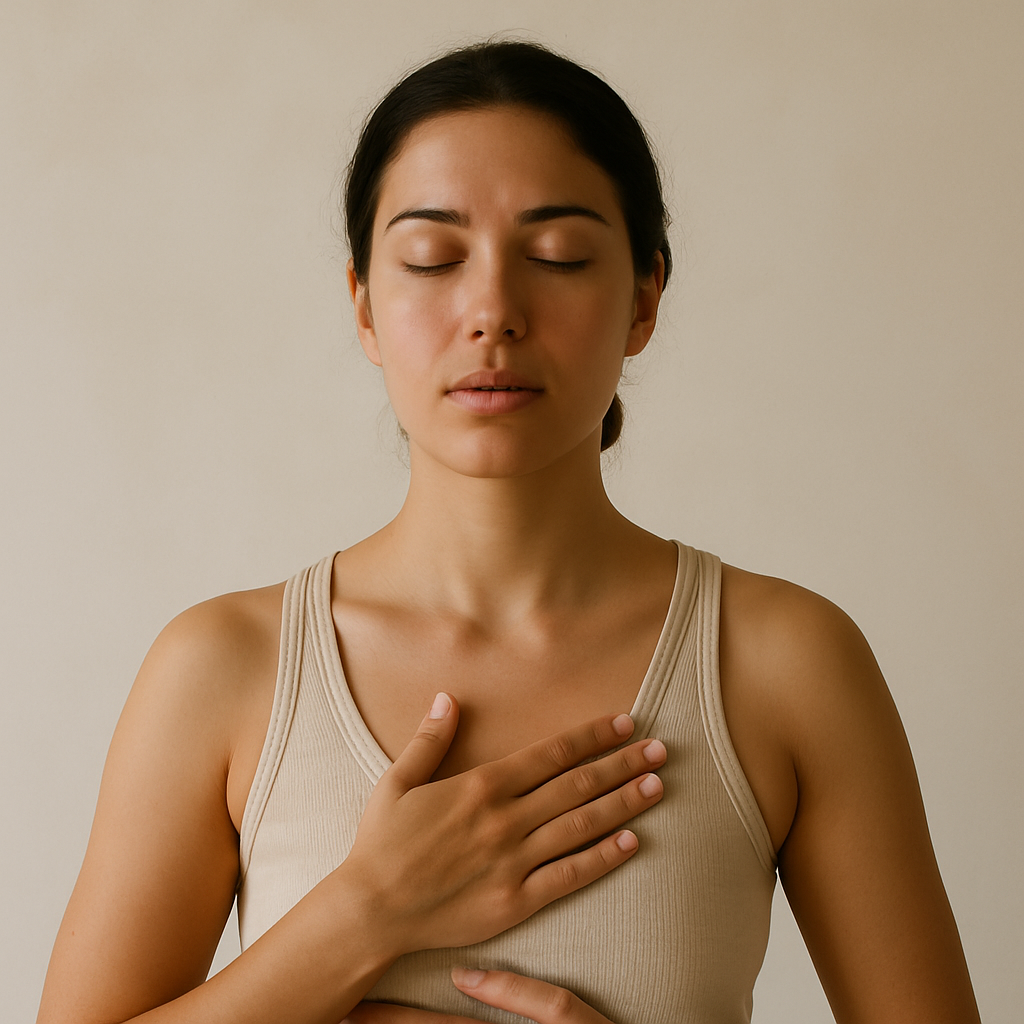
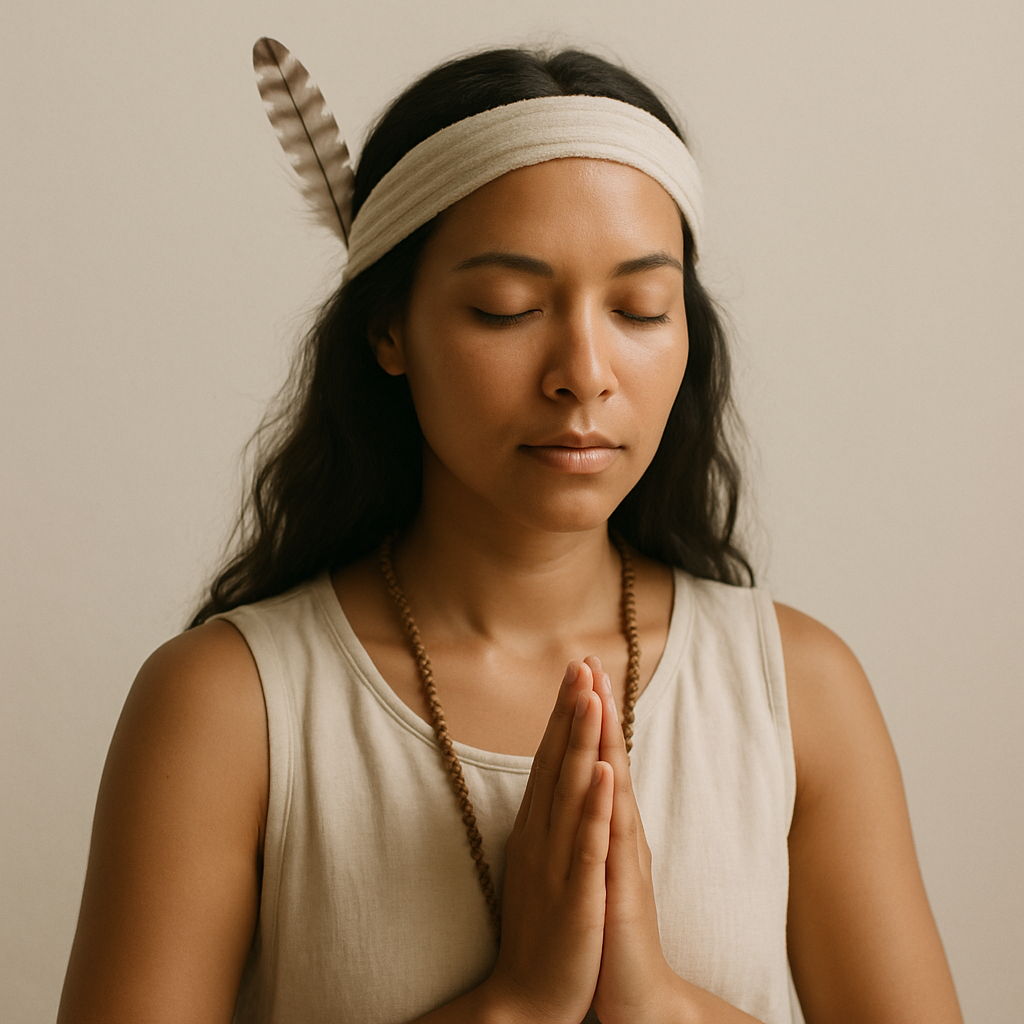
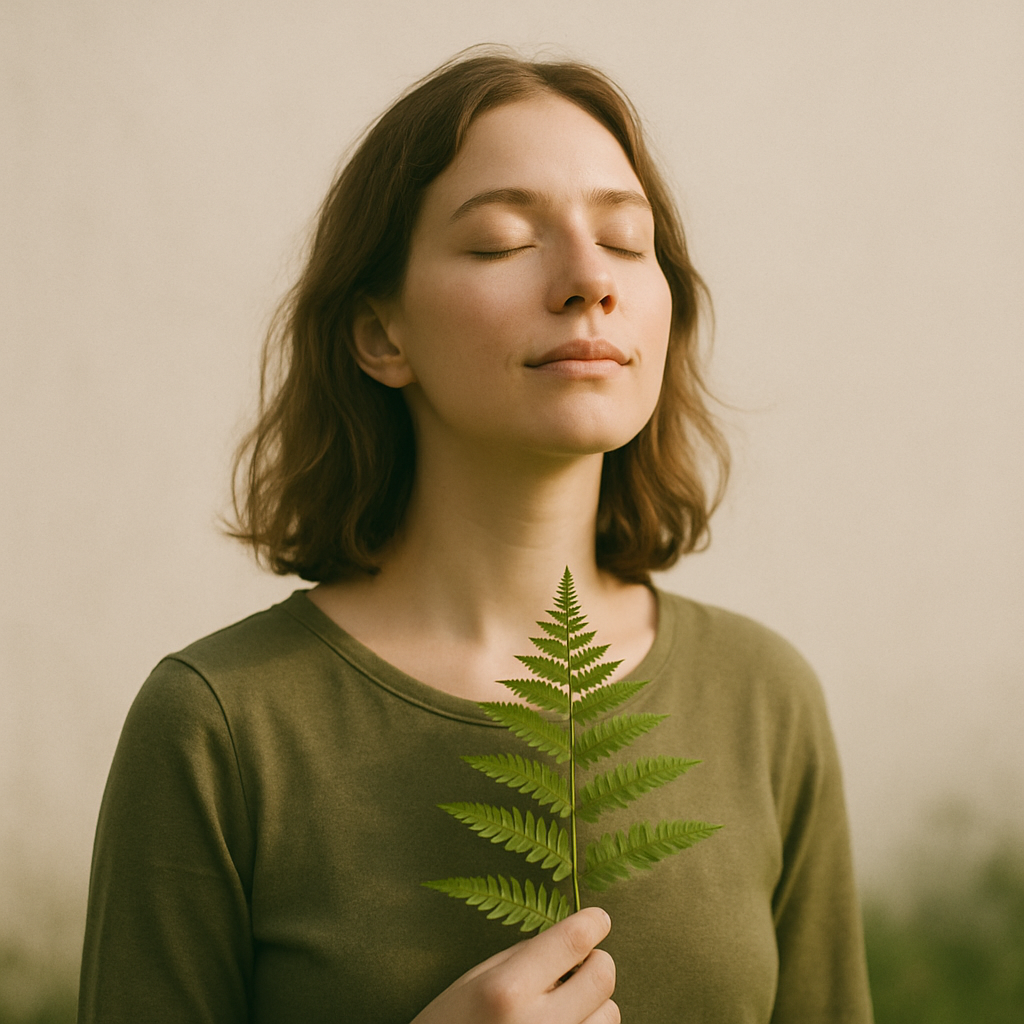
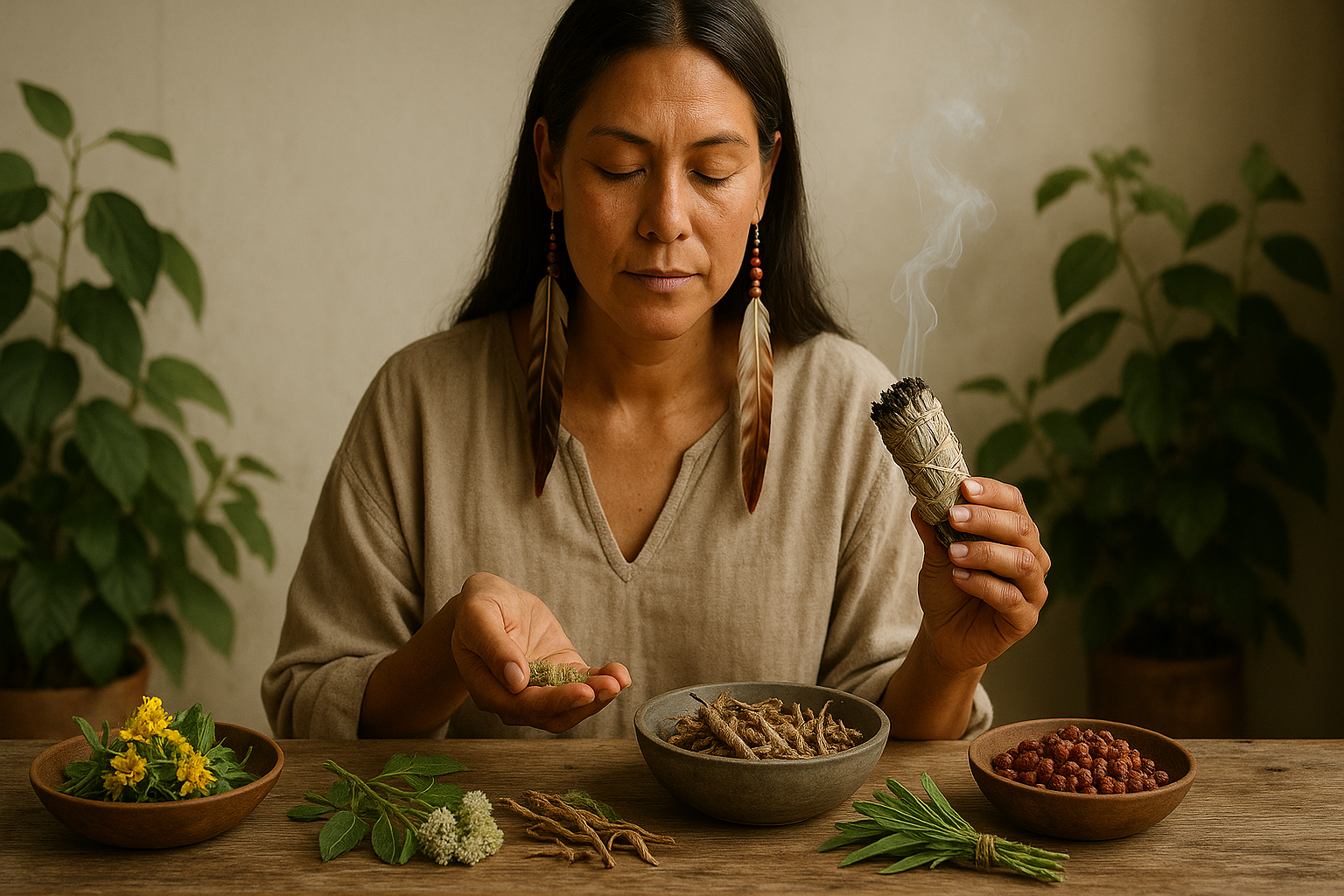
Meditation, within the context of Amazonian Medicine, is a spiritual and mental practice aimed at fostering a deep connection with oneself and the surrounding environment. It involves techniques that promote relaxation, focus, and awareness, often serving as a means to access altered states of consciousness. This practice is not merely about quieting the mind; it is a profound journey into self-discovery and healing.
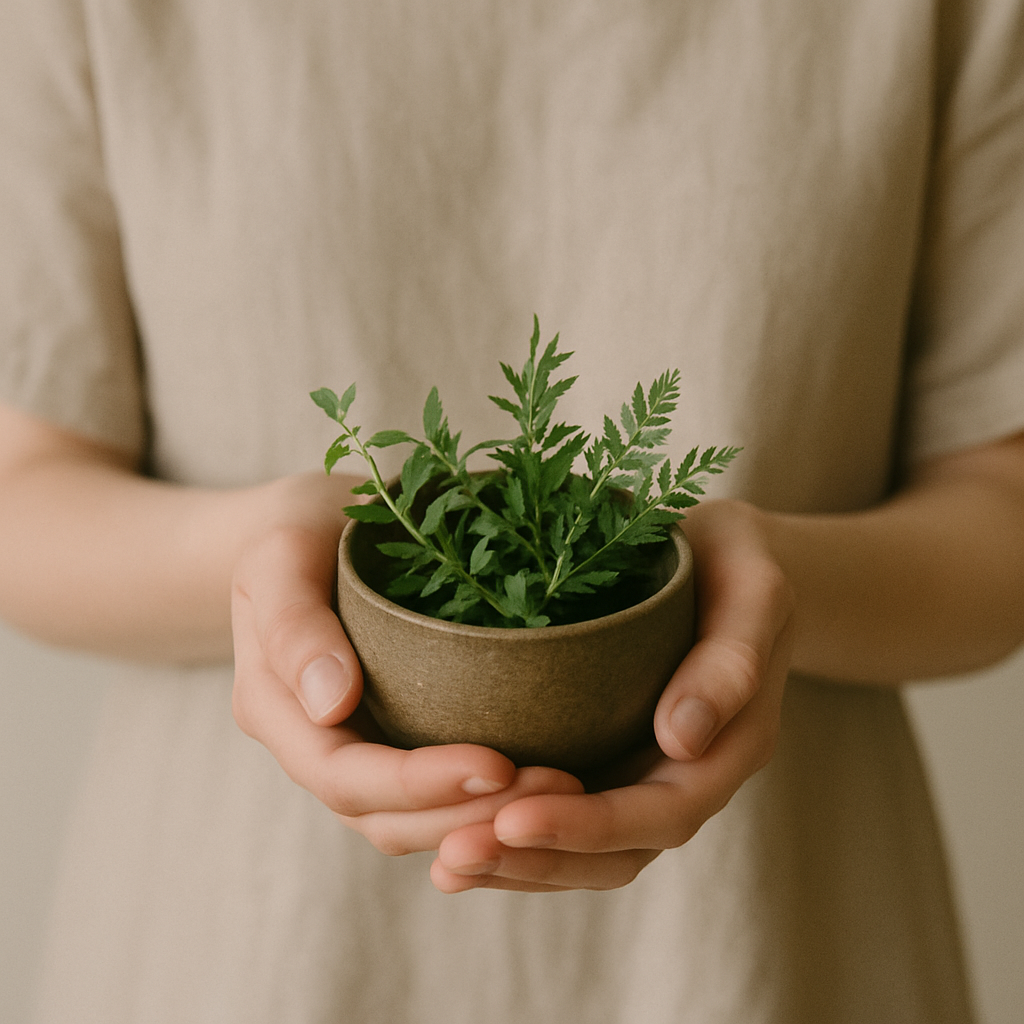
The essence of meditation in Amazonian Medicine lies in its integration with the natural world and the use of indigenous knowledge. Practitioners often incorporate elements such as breathwork, visualization, and chanting, aiming to harmonize the spirit with nature's rhythms. This practice has been passed down through generations, reflecting the wisdom of ancestral healers.
Historical Context Within Amazonian Medicine
The roots of meditation in Amazonian Medicine can be traced back to ancient indigenous cultures that have inhabited the Amazon rainforest for millennia. These cultures developed a rich tapestry of spiritual practices, with meditation serving as a vital component in their quest for healing and understanding the cosmos.
Shamans and healers were instrumental in cultivating these meditation techniques, using them not only for personal insight but also as a means to connect with the spiritual realm. Over time, these practices became intertwined with the use of plant medicines, such as ayahuasca, enhancing the meditative experience and facilitating deeper connections to the universe.
How It's Practiced
Meditation within Amazonian Medicine is often practiced in a communal setting, guided by an experienced practitioner. Here is a general walk-through of the practice:
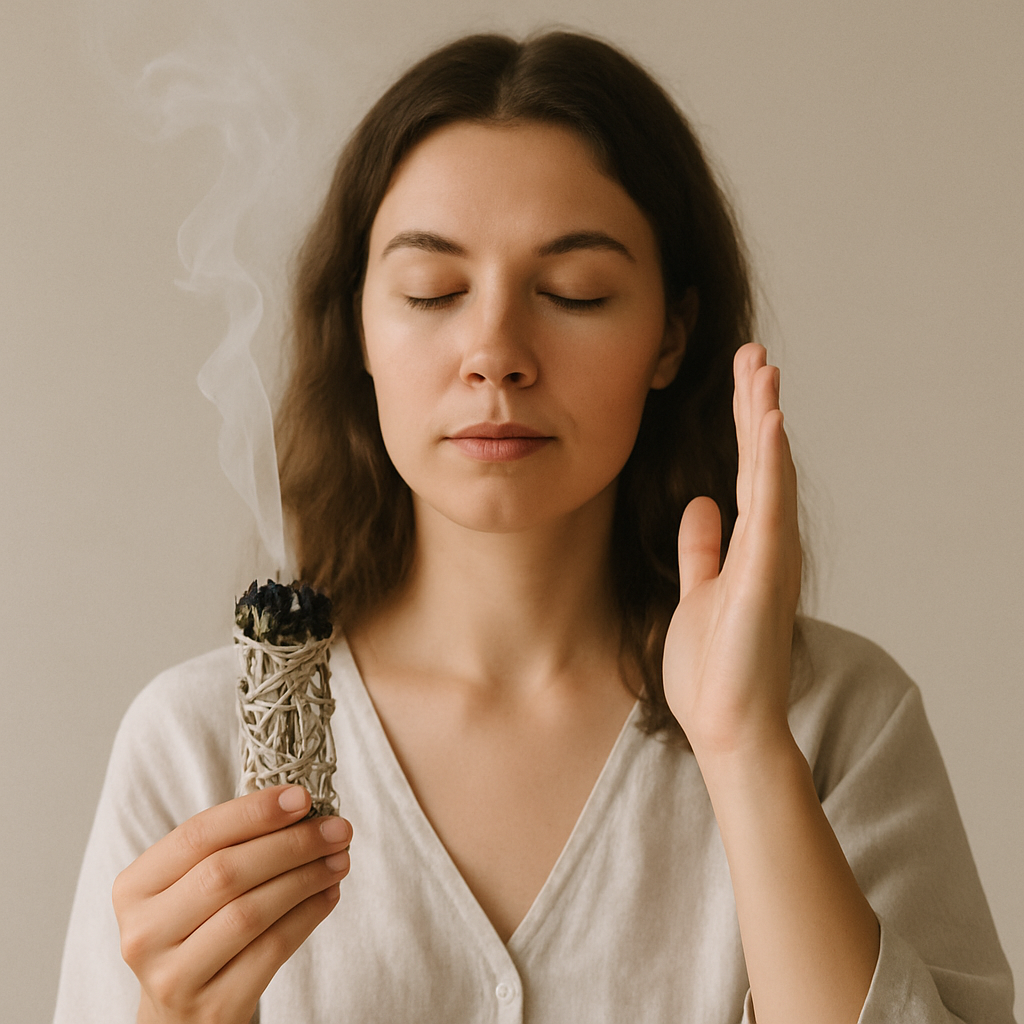
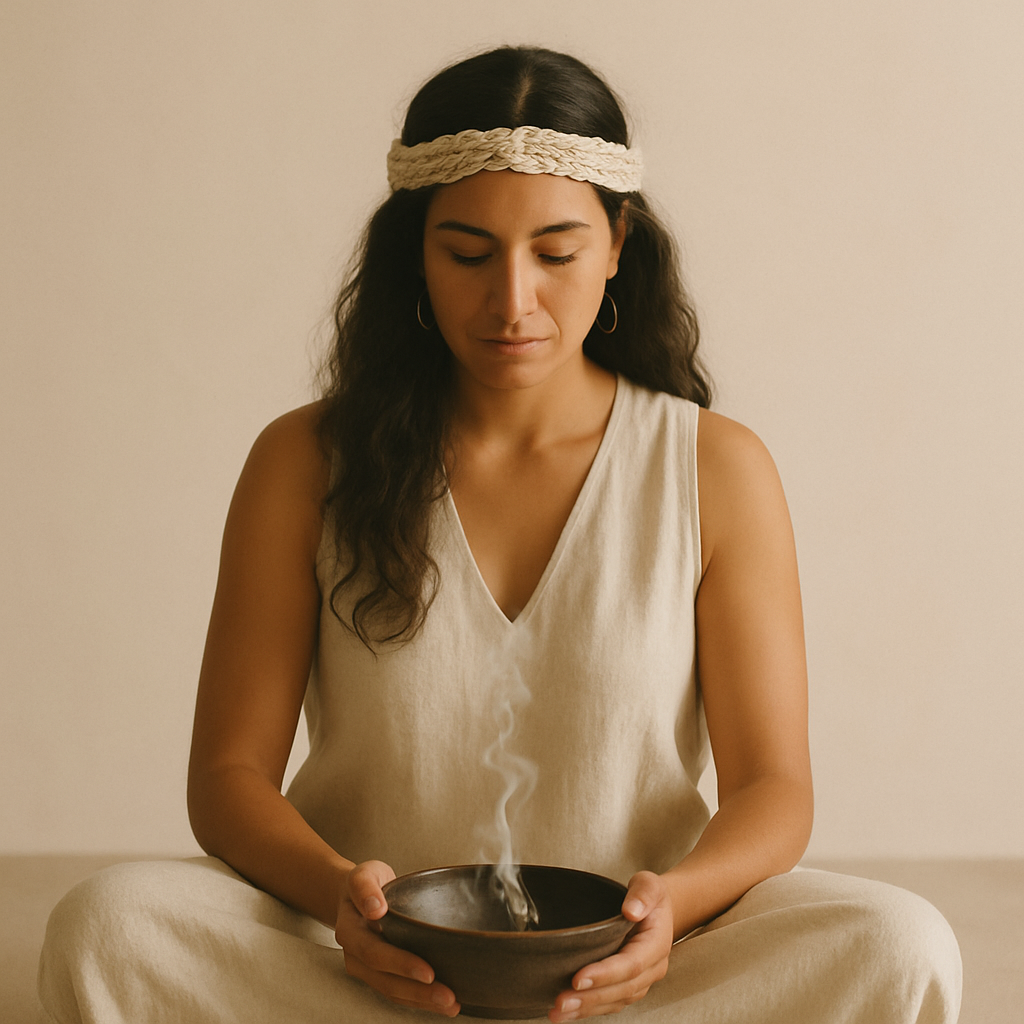
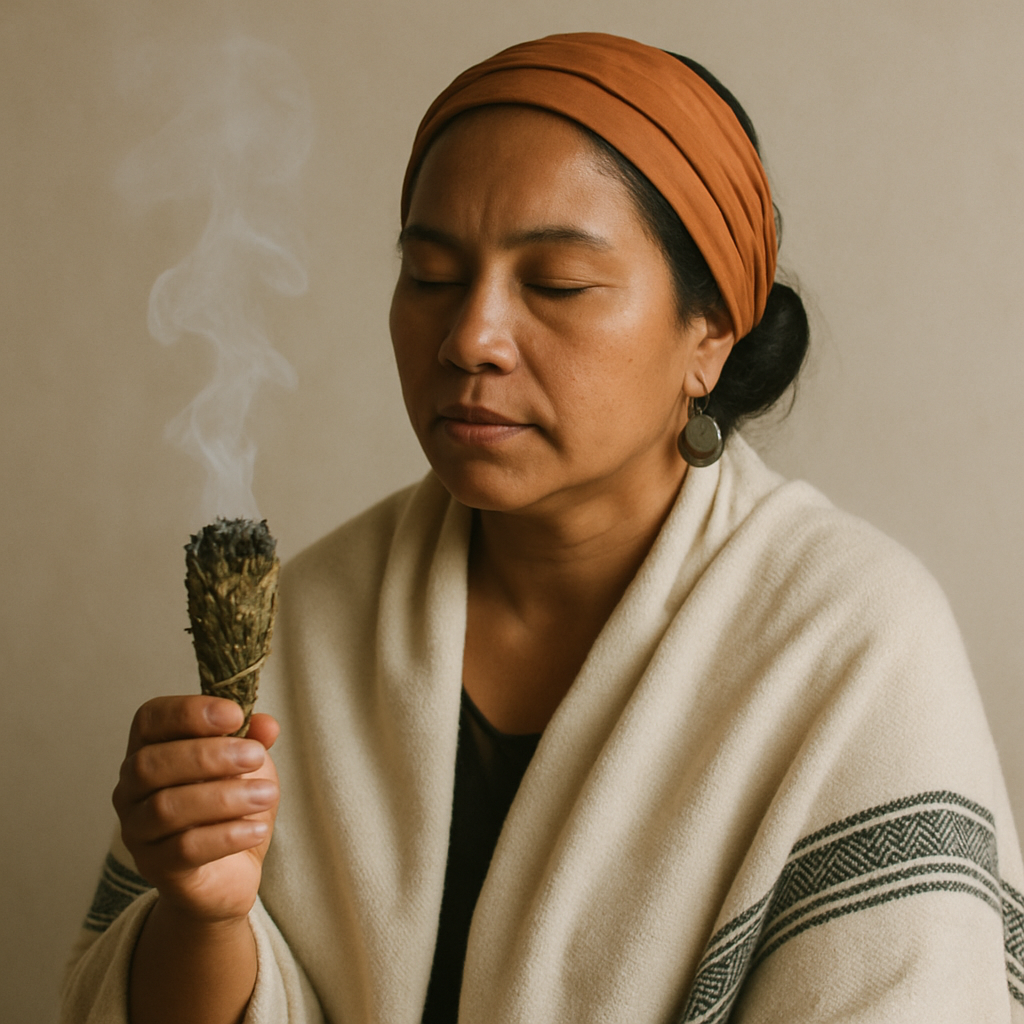
- Setting the Space: Practitioners create a sacred environment, often outdoors, surrounded by natural elements.
- Intention Setting: Participants are encouraged to set personal intentions for their meditation.
- Breathwork: Focused breathing techniques are employed to promote relaxation and prepare the mind.
- Guided Imagery: The practitioner may lead participants through visualizations that connect them with nature and spiritual realms.
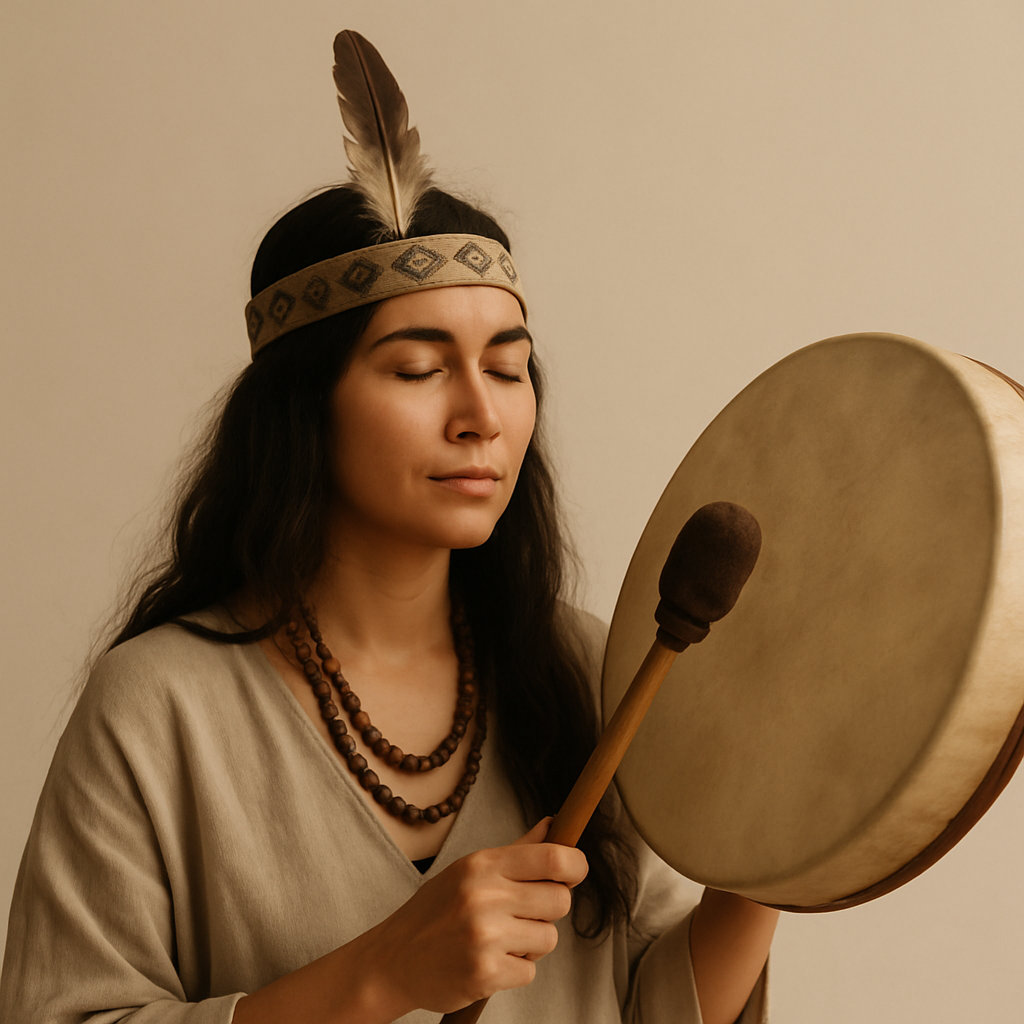
- Sound Healing: Instruments like drums or rattles may be used to enhance the meditative experience.
- Integration: After the session, participants often share their experiences, fostering community and support.
What It Is Traditionally Explored For
Meditation in Amazonian Medicine is traditionally explored for various purposes, including:
- Enhancing spiritual awareness and connection.
- Promoting emotional healing and resilience.
- Facilitating personal transformation and growth.
- Deepening the understanding of one’s place in the natural world.
- Supporting the journey of self-discovery.
What Modern Research Suggests
Moreover, some studies indicate that when combined with plant medicines, meditation may amplify the therapeutic effects experienced during sessions, leading to heightened states of consciousness and deeper insights. However, further clinical research is necessary to fully understand these interactions and their implications for mental health and spiritual practices.
Safety, Contraindications & Who Should Skip
While meditation is generally considered safe for most individuals, there are some considerations to keep in mind:
- Individuals with severe mental health conditions, such as psychosis or uncontrolled anxiety, should consult a healthcare professional before engaging in meditation.
- Those with a history of trauma may find certain meditation practices triggering, and it is advisable to seek guidance from a qualified practitioner.
- Pregnant individuals or those with specific medical conditions should also discuss their intentions with a healthcare provider.
Pairs Well With (within Amazonian Medicine and across pillars)
Meditation pairs well with a variety of practices and ingredients within Amazonian Medicine, including:
- Ayahuasca ceremonies
- Breathwork
- Plant medicines like San Pedro or cacao
- Sound healing sessions
- Shamanic journeying
How to Find a Qualified Practitioner
Finding a qualified practitioner in Amazonian Medicine can be a vital step in ensuring a safe and profound experience. Here are some tips:
- Research local communities and centers that specialize in Amazonian Medicine.
- Seek recommendations from trusted sources or previous participants.
- Look for practitioners with extensive training and experience in meditation and shamanic practices.
- Ensure that the practitioner emphasizes safety, consent, and personal intention.
FAQs
- What is the main goal of meditation in Amazonian Medicine? The main goal is to foster spiritual connection and personal insight while promoting emotional healing.
- Do I need previous experience to participate in meditation sessions? No, meditation can be practiced by individuals of all experience levels.
- How long do meditation sessions typically last? Sessions can vary, usually lasting anywhere from 30 minutes to several hours.
- Can meditation help with physical health issues? Traditionally, it is explored for emotional and spiritual healing, but some studies suggest benefits for physical health as well.
- Is meditation in Amazonian Medicine a solitary practice? While it can be practiced alone, it is often done in group settings to enhance community connection.
Frequently asked
What is the main goal of meditation in Amazonian Medicine?
The main goal is to foster spiritual connection and personal insight while promoting emotional healing.
Do I need previous experience to participate in meditation sessions?
No, meditation can be practiced by individuals of all experience levels.
How long do meditation sessions typically last?
Sessions can vary, usually lasting anywhere from 30 minutes to several hours.
Can meditation help with physical health issues?
Traditionally, it is explored for emotional and spiritual healing, but some studies suggest benefits for physical health as well.
Is meditation in Amazonian Medicine a solitary practice?
While it can be practiced alone, it is often done in group settings to enhance community connection.