Nature Therapy
Nature Therapy in Amazonian Medicine harnesses the healing power of nature to promote emotional and physical well-being. Discover its historical context, traditional applications, and how to find qualified practitioners.
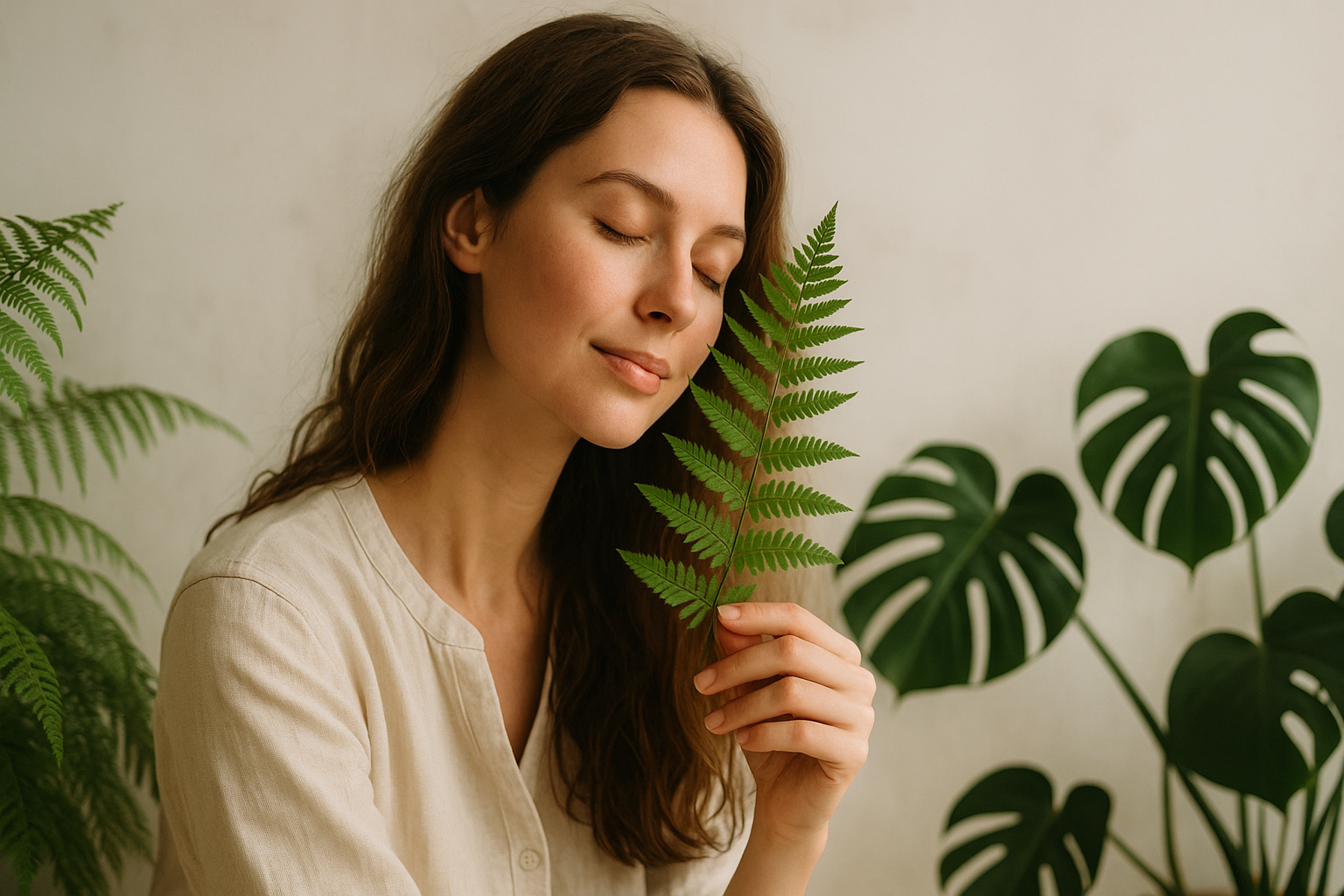
Explore Nature Therapy, an integral part of Amazonian Medicine, which emphasizes the healing properties of nature and its connection to wellness. This practice has rich historical roots and is used for various traditional healing purposes.
What It Is
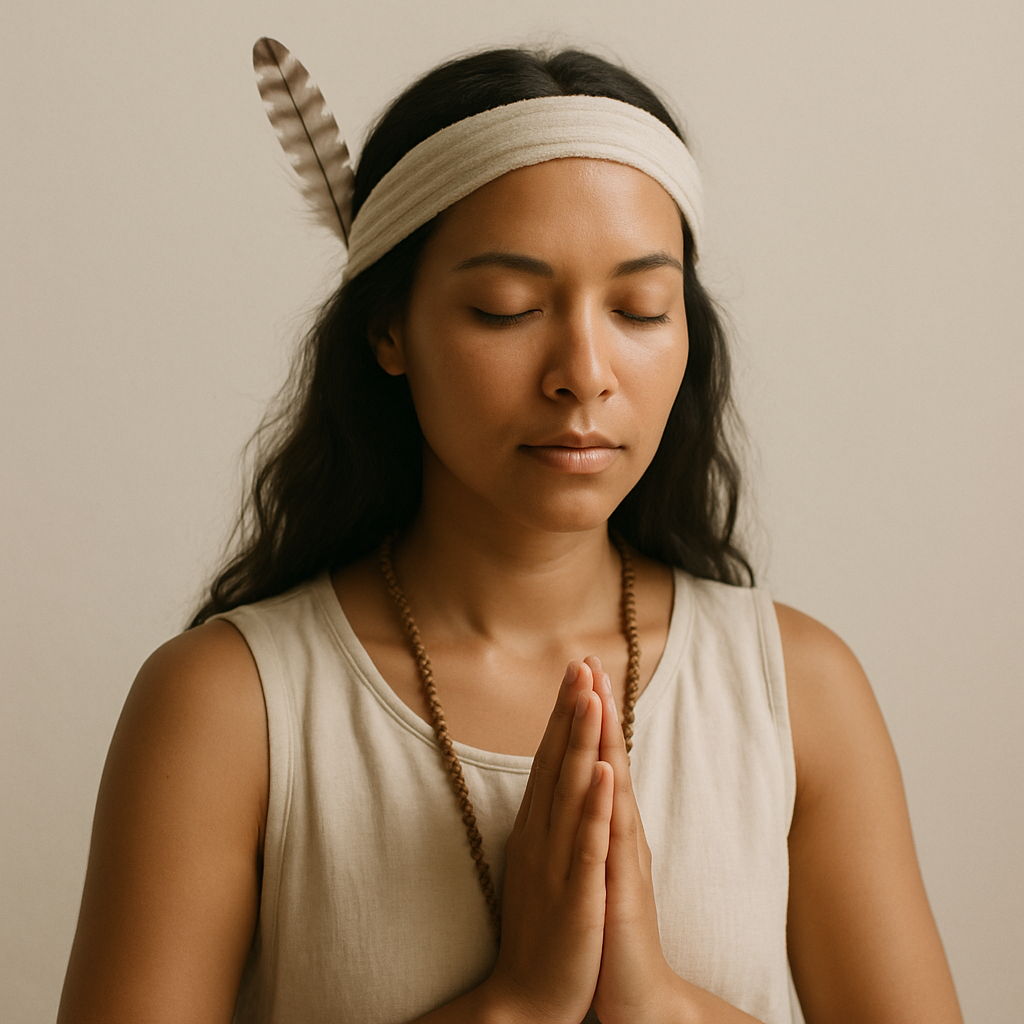
Nature Therapy, within the tradition of Amazonian Medicine, is a holistic healing practice that emphasizes the restorative powers of nature. This modality recognizes the deep connection between humans and the natural world, asserting that immersion in nature can lead to profound emotional and physical healing. Through various techniques, practitioners guide individuals to engage with their environment, fostering a sense of peace, clarity, and rejuvenation.
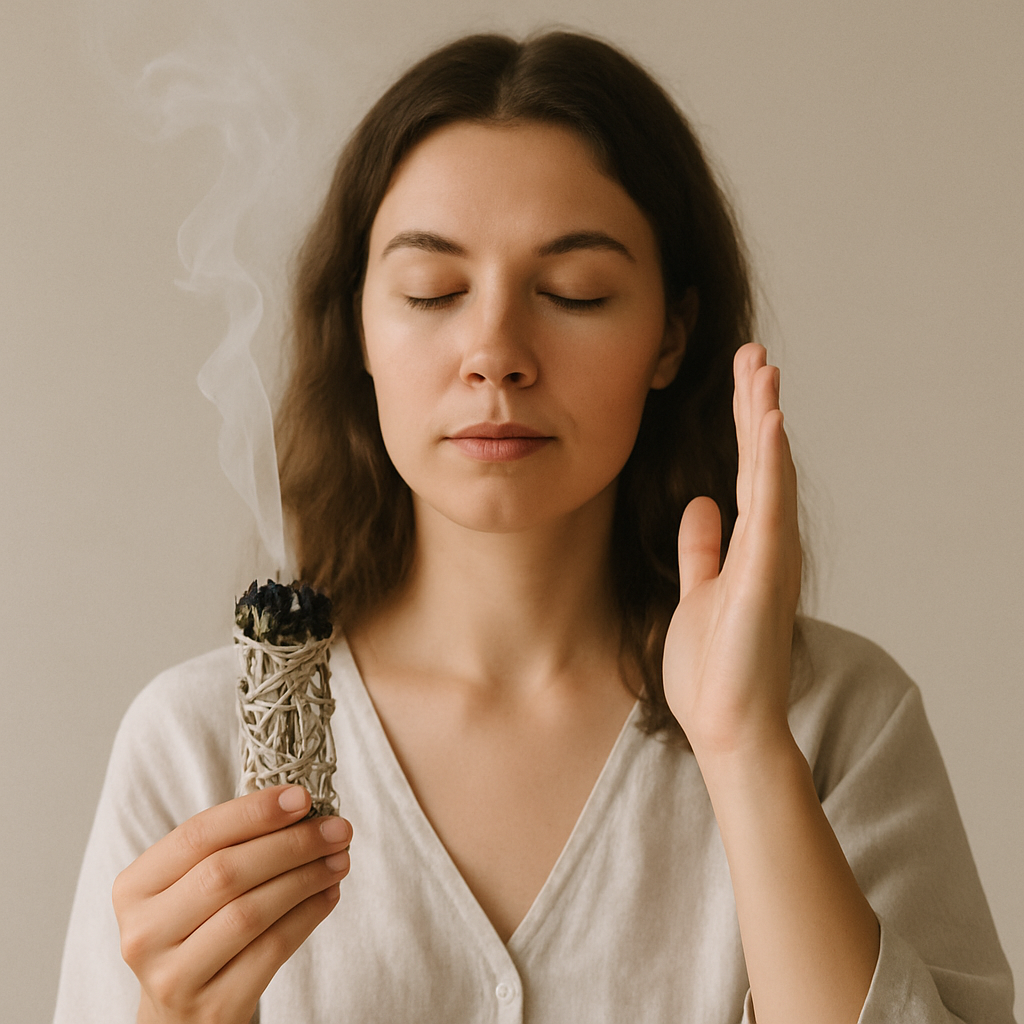
The practice often involves activities such as forest bathing, guided meditations in natural settings, and the use of natural elements in therapeutic rituals. By reconnecting with the earth, individuals may experience a release from stress, enhanced mental clarity, and a greater sense of overall well-being.
Historical Context Within Amazonian Medicine
Nature Therapy has its roots in the rich tapestry of Amazonian Medicine, which has been practiced for millennia by indigenous peoples of the Amazon rainforest. This tradition emerged as a response to the unique environmental challenges and spiritual beliefs of the region. Shamans and healers observed the healing properties of various plants and the serene effects of nature, leading to the development of practices centered around these elements.
Historically, this approach was developed by indigenous tribes who relied on their intimate knowledge of the forest, its flora, and fauna. They integrated these insights into their healing rituals, creating a legacy that acknowledges the spiritual and physical benefits of nature as crucial to holistic health.
How It's Practiced
Practitioners of Nature Therapy often guide individuals through experiences that immerse them in the natural environment. Here are some common practices:
- Forest Bathing: Spending time in a forested area to absorb the sights, sounds, and scents of nature.
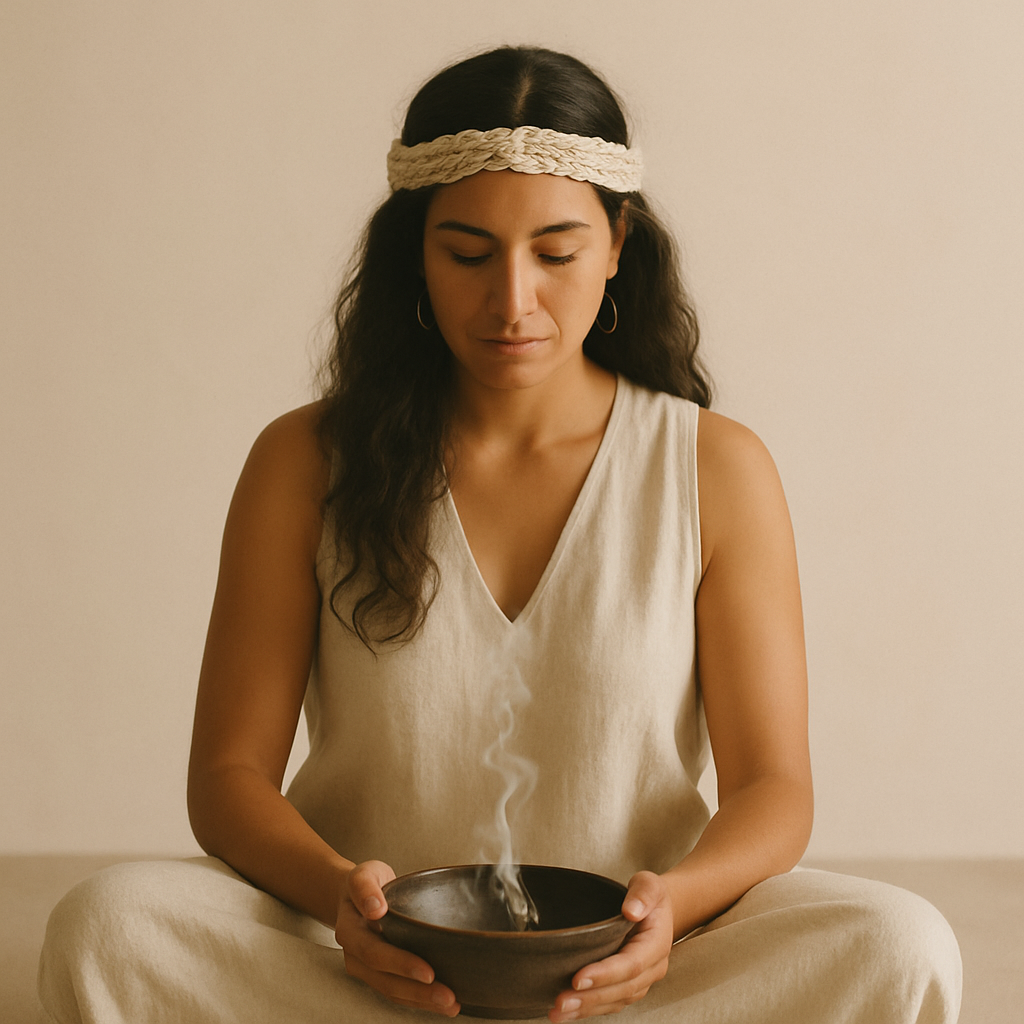
- Guided Meditations: Engaging in meditative practices while surrounded by natural beauty, often led by a trained guide.
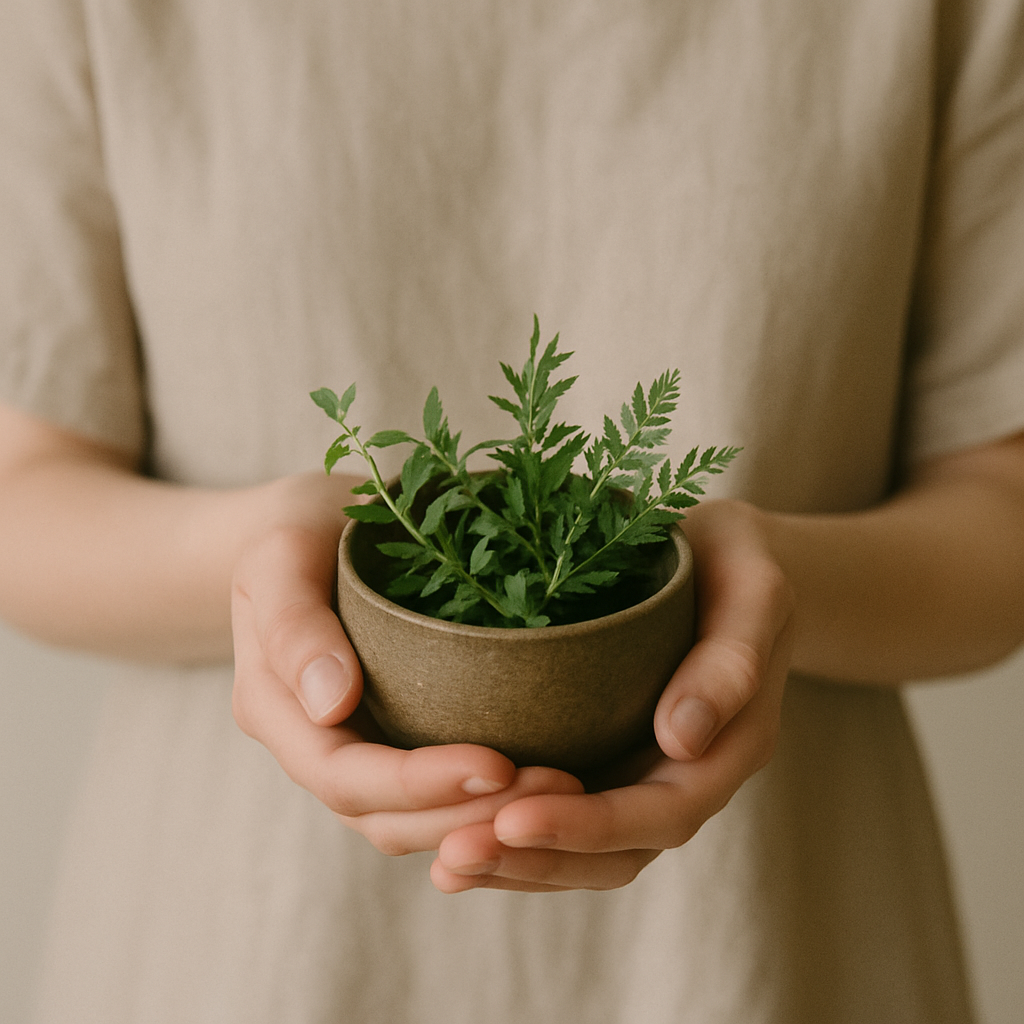
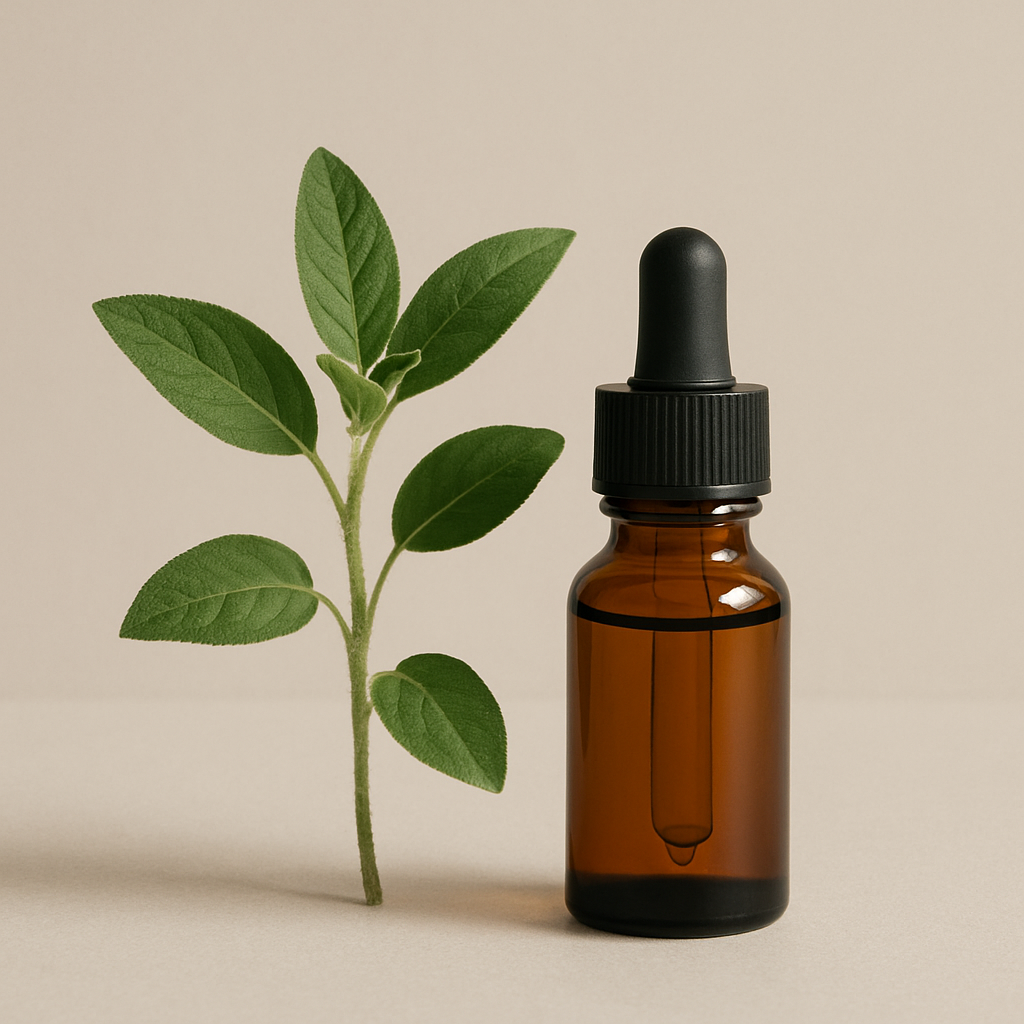
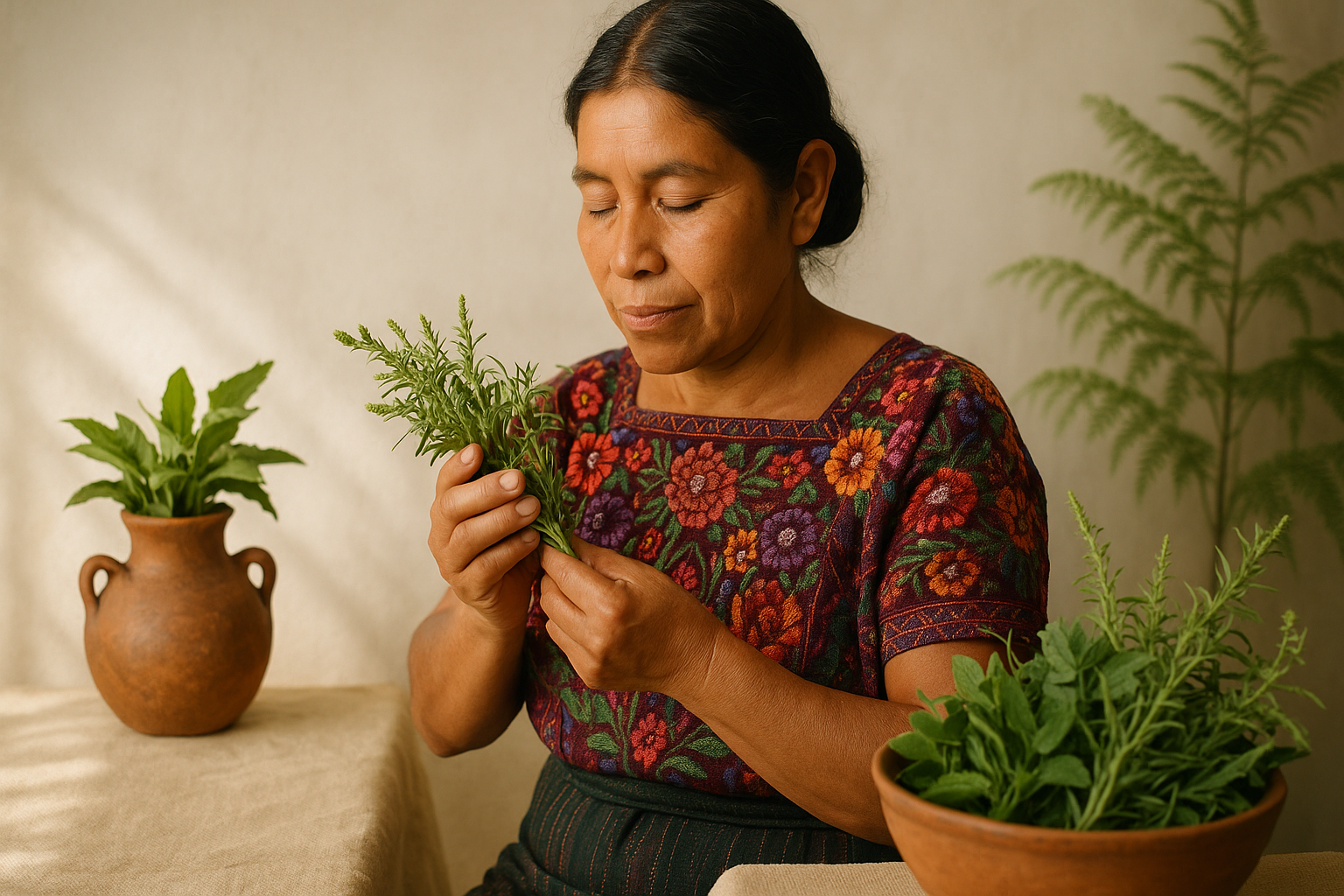
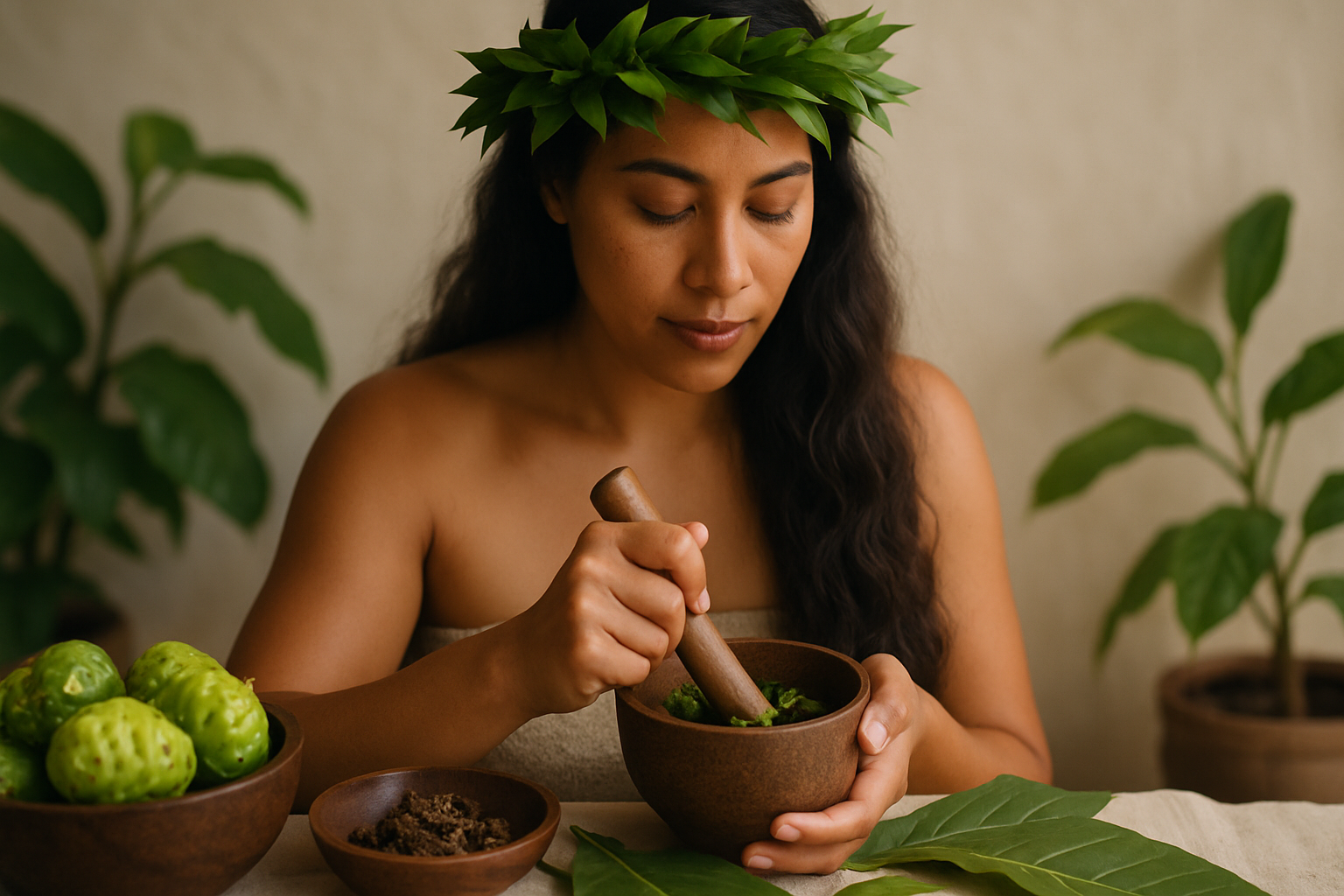
- Plant Interactions: Using specific plants for their healing properties, including the preparation of herbal infusions or poultices.
- Nature Walks: Moving through natural landscapes while focusing on mindfulness and observation of the environment.
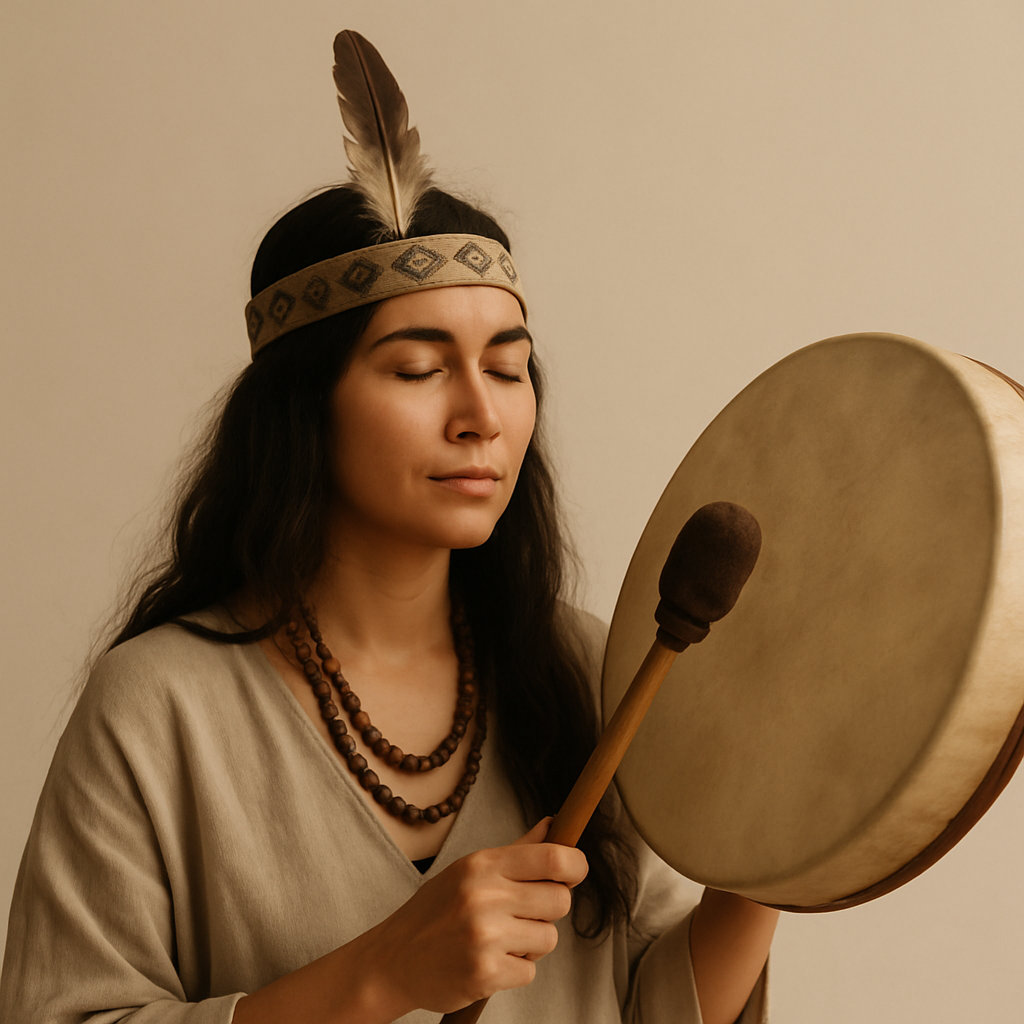
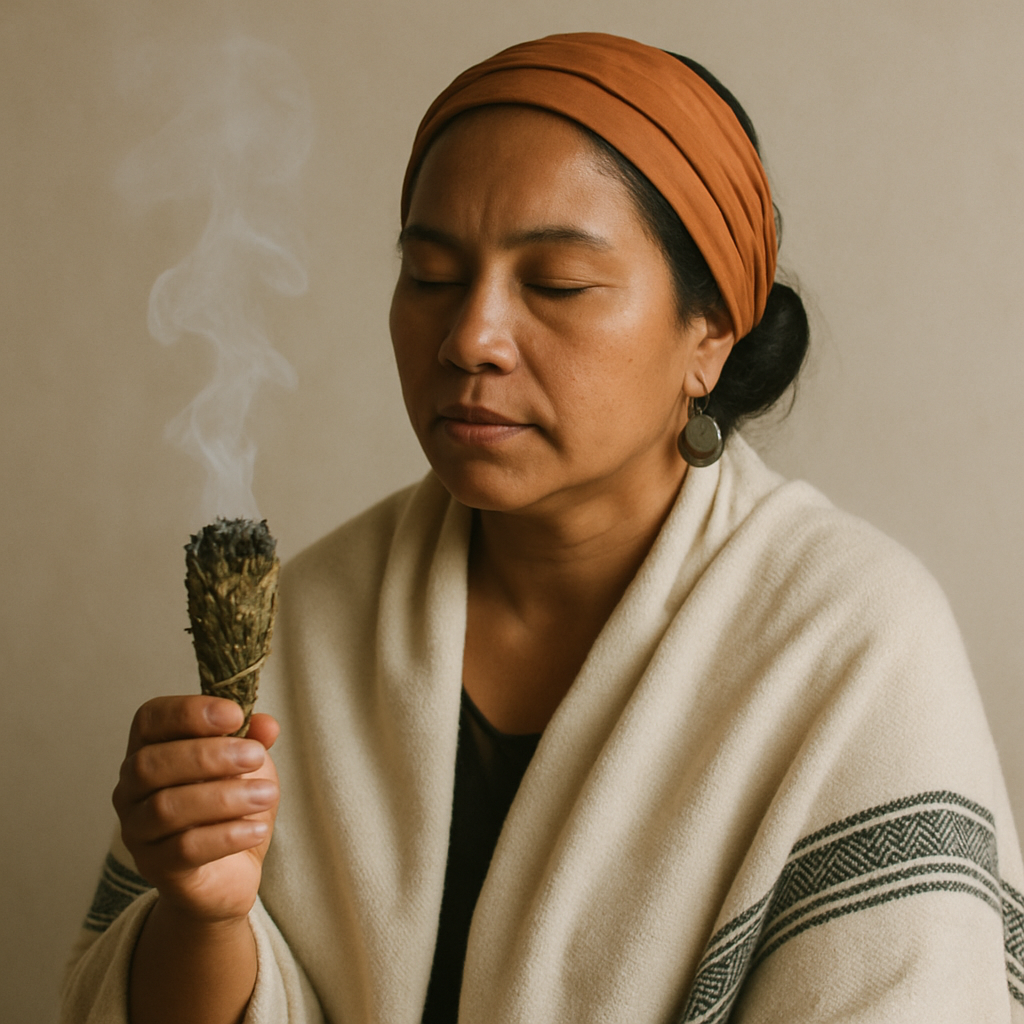
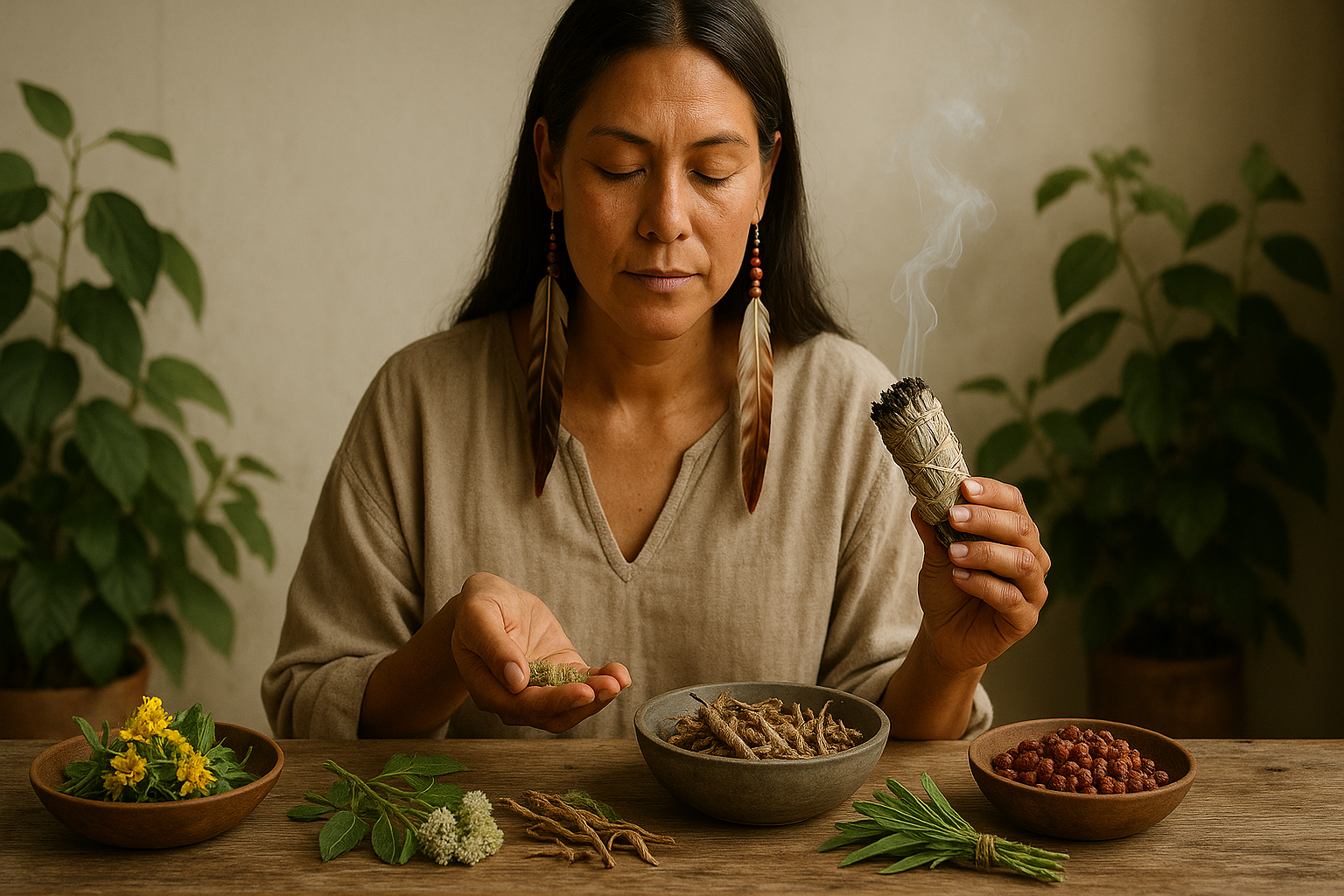
- Rituals: Participating in ceremonies that honor the earth and its elements, fostering a sense of connection and gratitude.
What It Is Traditionally Explored For
Nature Therapy is traditionally explored for various emotional and physical ailments. It is often used to:
- Reduce Stress: Helping individuals to alleviate anxiety and tension through the calming effects of nature.
- Enhance Mood: Aiding in the treatment of depression and promoting feelings of joy and contentment.
- Improve Focus: Assisting individuals in regaining mental clarity and improving concentration.
- Foster Connection: Encouraging a deeper connection to oneself and the environment, promoting overall wellness.
- Support Healing: Complementing other therapeutic practices, including those involving plant medicines.
What Modern Research Suggests
Modern research on Nature Therapy has begun to illuminate its potential benefits. Preliminary studies suggest that spending time in natural environments can significantly reduce cortisol levels, which are associated with stress. Additionally, research indicates that individuals who engage in regular nature-based activities report improved mood and mental health outcomes.
Clinical studies have also started to explore the impact of nature exposure on physical health, highlighting potential benefits such as lower blood pressure and enhanced immune function. While these findings are promising, further research is needed to fully understand the mechanisms behind these effects and to establish standardized practices within the field.
Safety, Contraindications & Who Should Skip
While Nature Therapy is generally considered safe, there are some considerations to keep in mind:
- Individuals with severe allergies to plants or insects should take caution.
- Those with mobility issues may need to adapt practices to ensure safety.
- People with certain mental health conditions should consult a qualified practitioner to determine if this approach is suitable for them.
It is advisable for anyone considering Nature Therapy to discuss their specific health circumstances with a qualified practitioner beforehand.
Pairs Well With (within Amazonian Medicine and across pillars)
Nature Therapy can complement several other practices within Amazonian Medicine and beyond, including:
- Ayahuasca Ceremonies
- Sound Healing
- Herbal Medicine
- Shamanic Healing
- Mindfulness and Meditation Practices
How to Find a Qualified Practitioner
Finding a qualified practitioner for Nature Therapy can involve the following steps:
- Research local practitioners who specialize in Amazonian Medicine.
- Look for reviews or testimonials from previous clients.
- Verify the practitioner's training and background in both Nature Therapy and Amazonian practices.
- Schedule a consultation to discuss your needs and ensure a good fit.
FAQs (5)
- Q: What is the main goal of Nature Therapy?
- A: The main goal is to promote emotional and physical well-being through a deep connection with nature.
- Q: Can Nature Therapy be done alone?
- A: While it can be done alone, working with a qualified practitioner can enhance the experience.
- Q: How often should one practice Nature Therapy?
- A: Frequency can vary; however, regular engagement with nature is beneficial.
- Q: Is Nature Therapy suitable for everyone?
- A: It is generally safe, but individuals with certain allergies or health conditions should consult a practitioner first.
- Q: What should I expect during a Nature Therapy session?
- A: You can expect guided activities that foster connection with nature, including mindfulness practices and possibly group rituals.
Frequently asked
What is the main goal of Nature Therapy?
The main goal is to promote emotional and physical well-being through a deep connection with nature.
Can Nature Therapy be done alone?
While it can be done alone, working with a qualified practitioner can enhance the experience.
How often should one practice Nature Therapy?
Frequency can vary; however, regular engagement with nature is beneficial.
Is Nature Therapy suitable for everyone?
It is generally safe, but individuals with certain allergies or health conditions should consult a practitioner first.
What should I expect during a Nature Therapy session?
You can expect guided activities that foster connection with nature, including mindfulness practices and possibly group rituals.