Shamanic Healing
Delve into the transformative world of Shamanic Healing, a vital aspect of Amazonian Medicine, steeped in ancient wisdom and cultural significance.
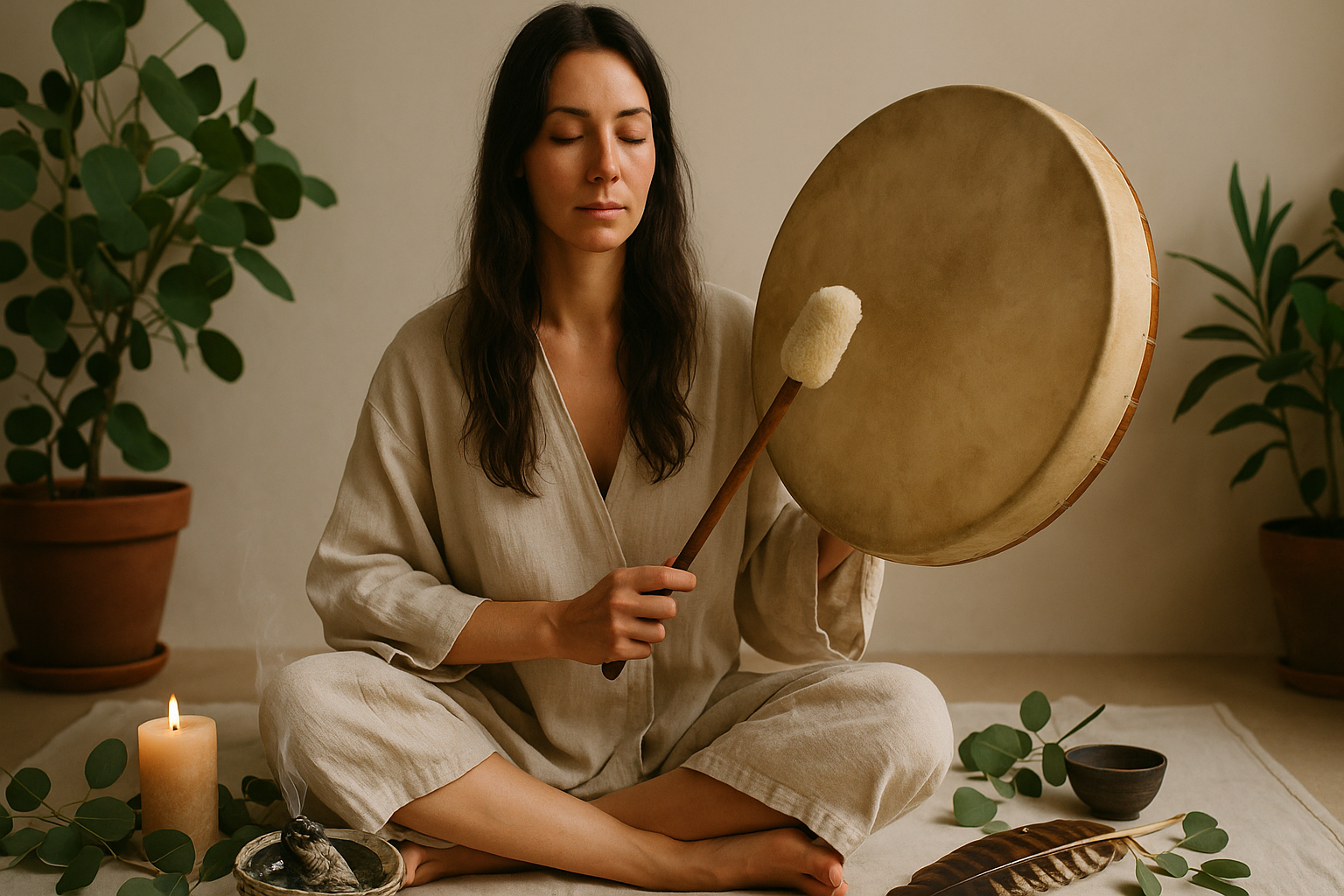
Explore the ancient practice of Shamanic Healing within the Amazonian Medicine tradition. Discover its historical roots, how it is practiced, and its potential benefits.
What It Is
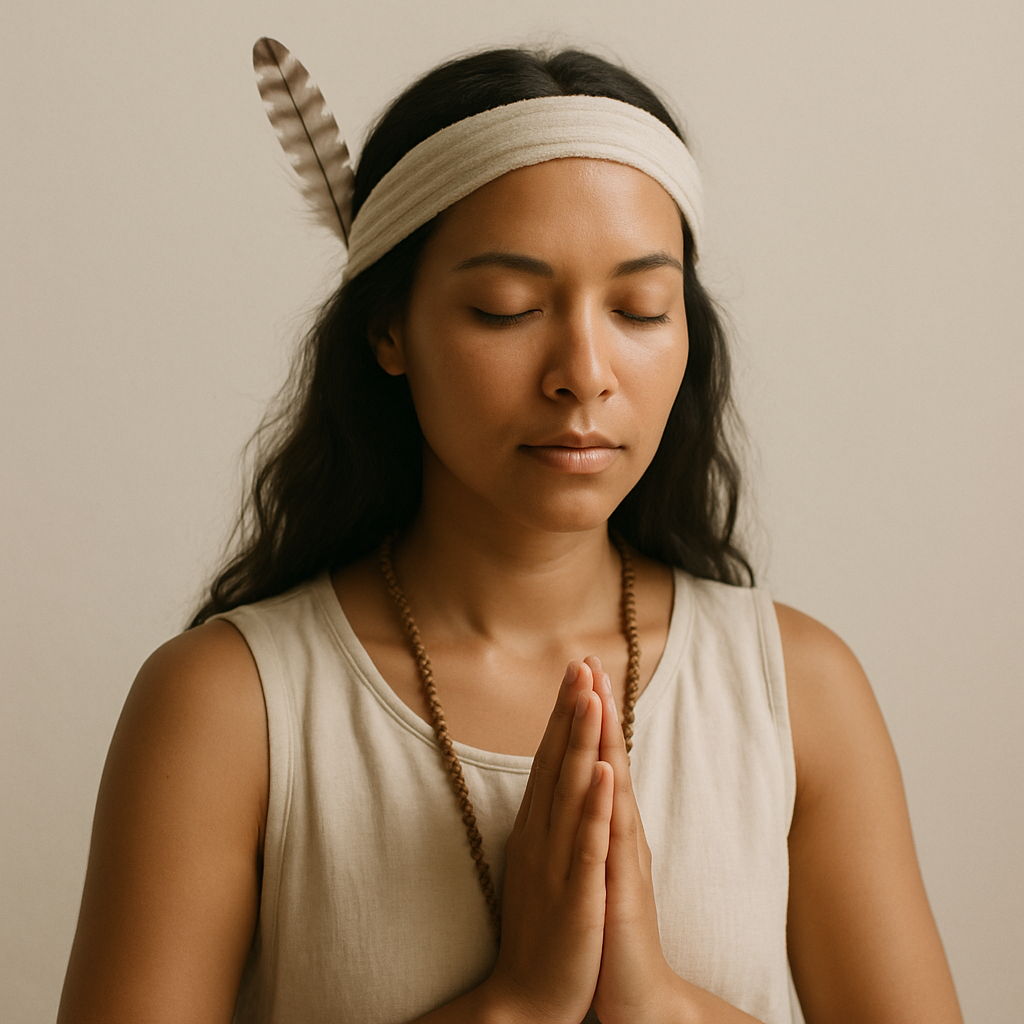
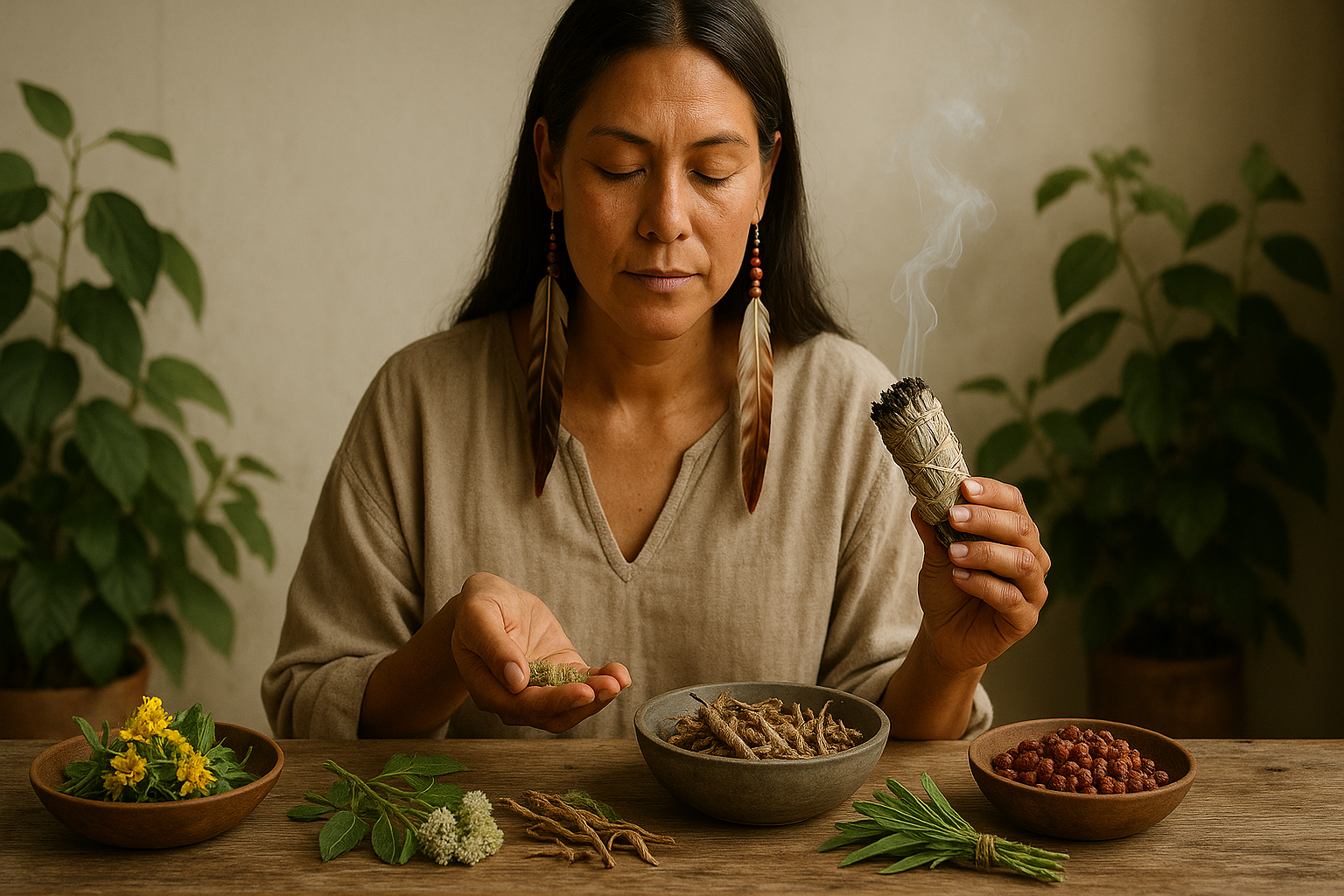
Shamanic Healing is a spiritual practice rooted in the indigenous cultures of the Amazon rainforest, where practitioners, known as shamans, engage in rituals to facilitate healing and personal growth. This form of healing is based on the belief that physical, emotional, and spiritual ailments stem from a disharmony in the individual's relationship with themselves, their community, and the natural world.
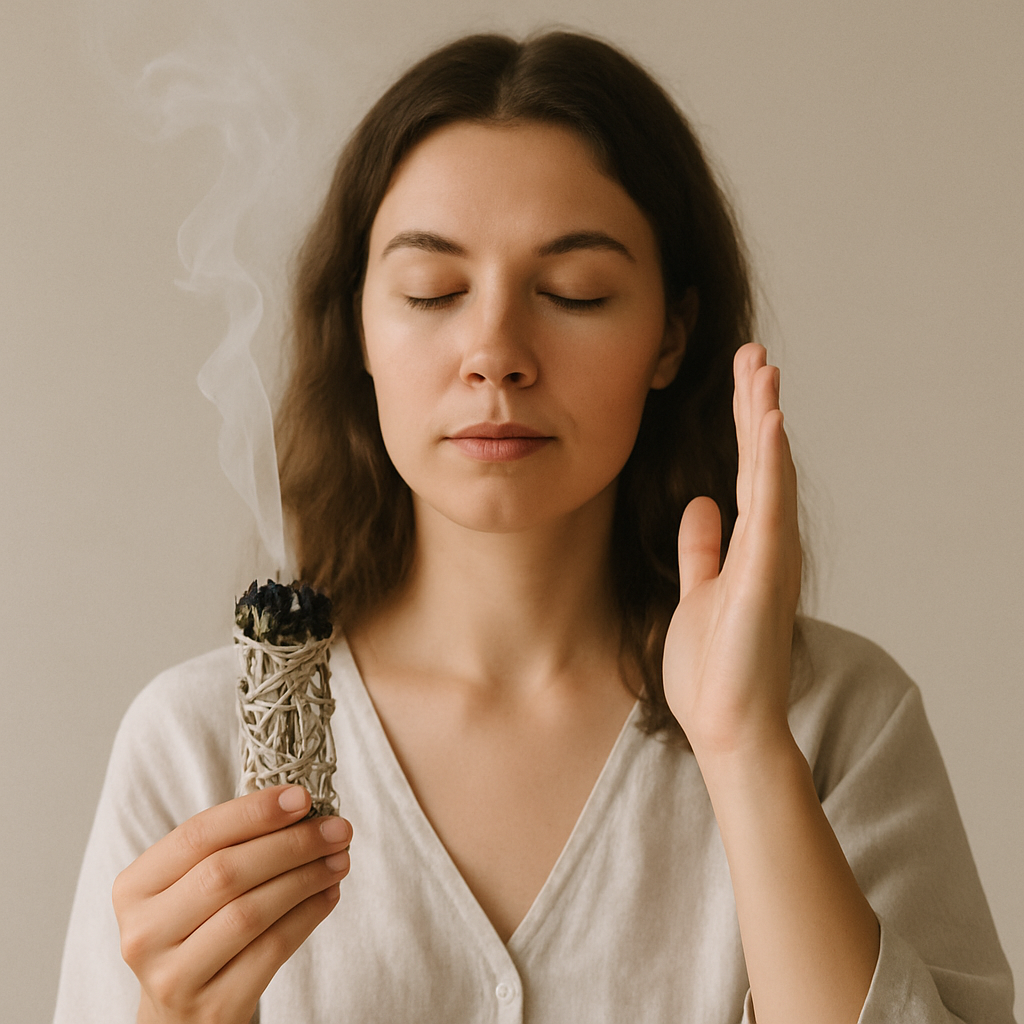
During Shamanic Healing sessions, shamans utilize various techniques, including plant medicine, drumming, chanting, and guided meditation, to access altered states of consciousness. This allows them to connect with spiritual realms, seek guidance, and retrieve lost spiritual energy or insights that may assist individuals in their healing journeys.
Historical Context Within Amazonian Medicine
The practice of Shamanic Healing has deep historical roots within Amazonian Medicine, emerging thousands of years ago as indigenous peoples sought to understand and interact with the spiritual dimensions of life. The shamans, often considered the medicine men and women of their communities, played a crucial role in maintaining the health and well-being of their tribes.
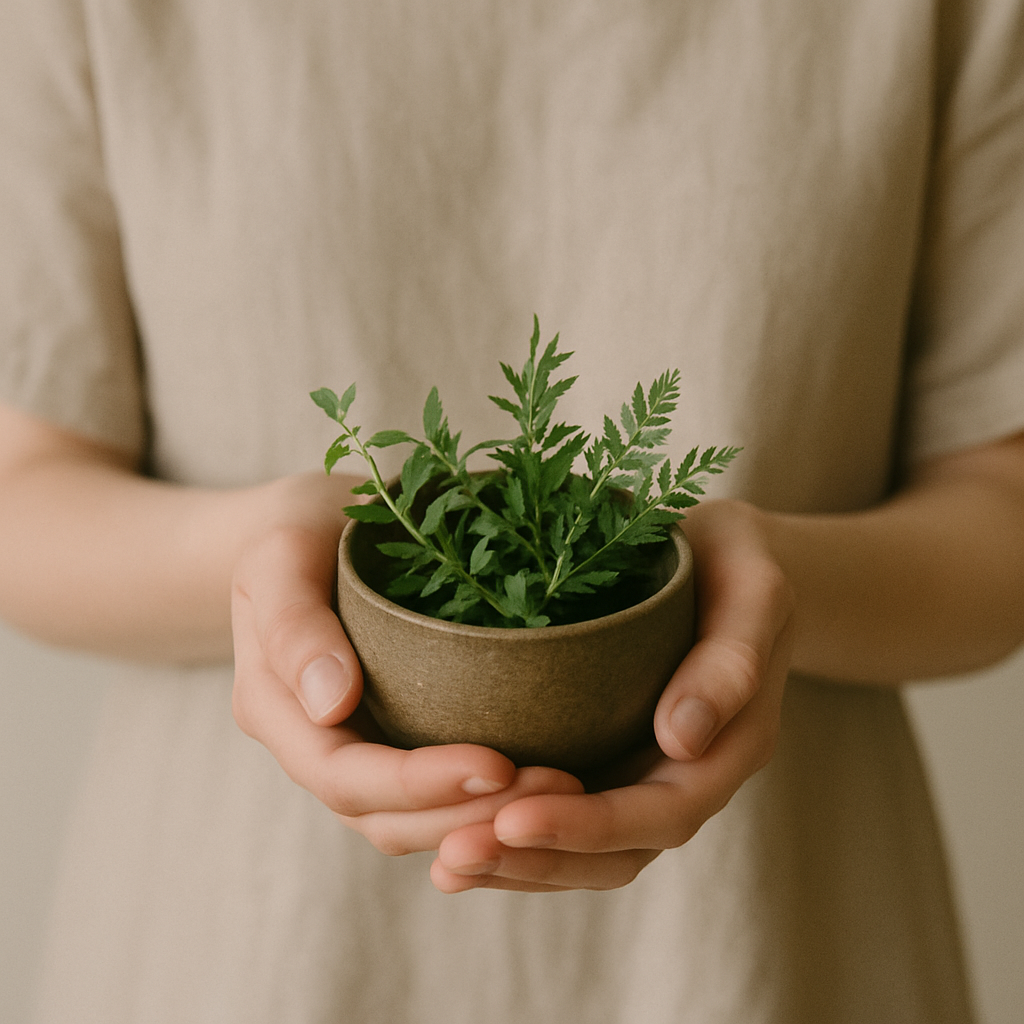
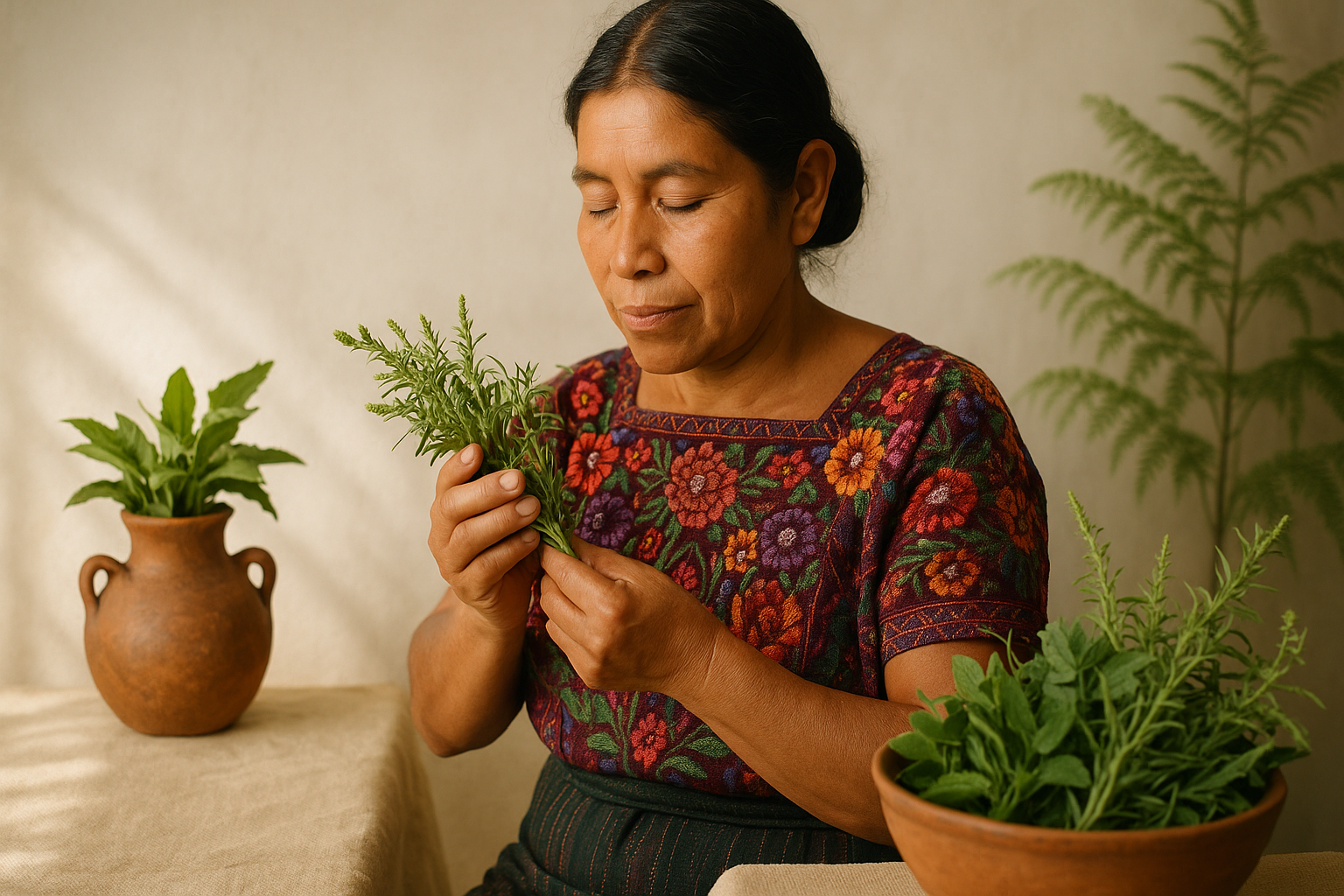
Shamanic practices were developed and refined through generations, incorporating knowledge of local flora, fauna, and spiritual traditions. The shamans’ relationship with the natural environment is fundamental, as they believe that every plant and animal holds unique healing properties, which can be harnessed for the benefit of individuals and communities.
How It's Practiced
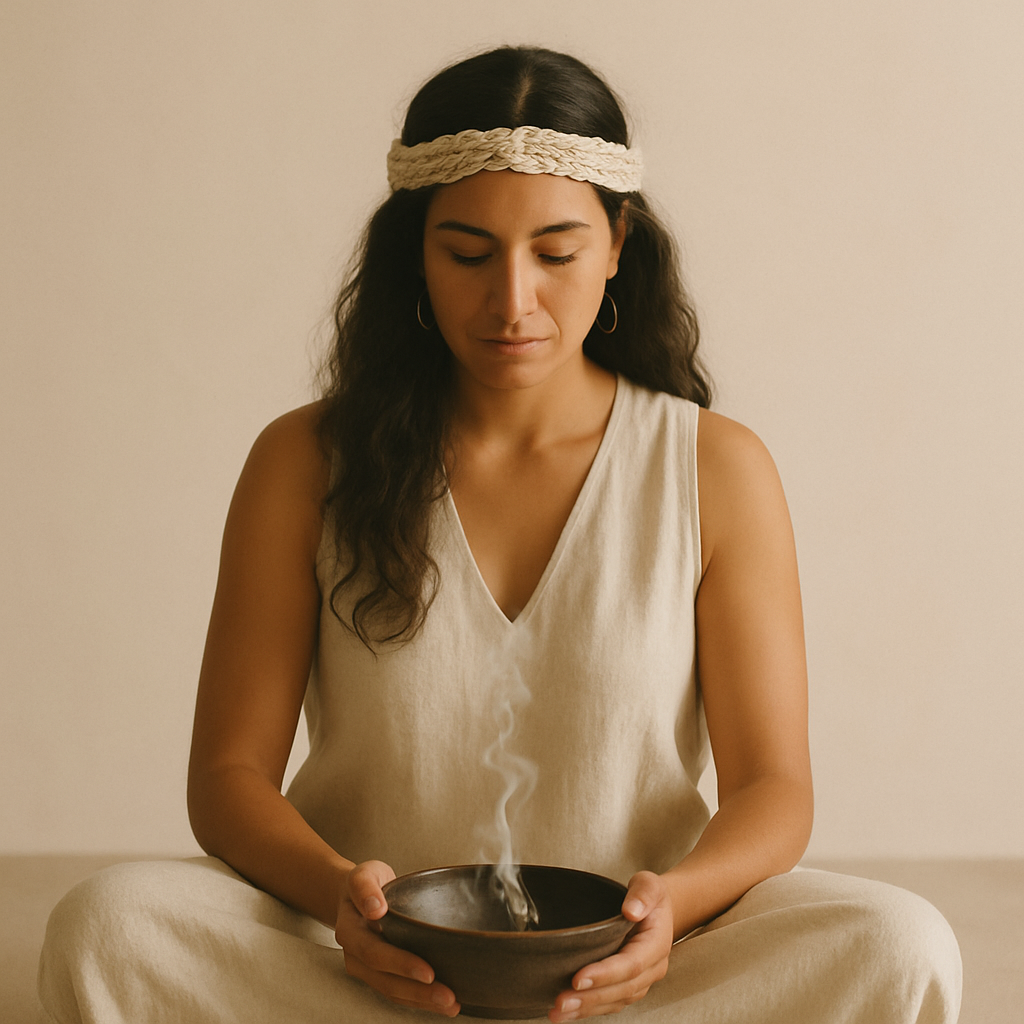
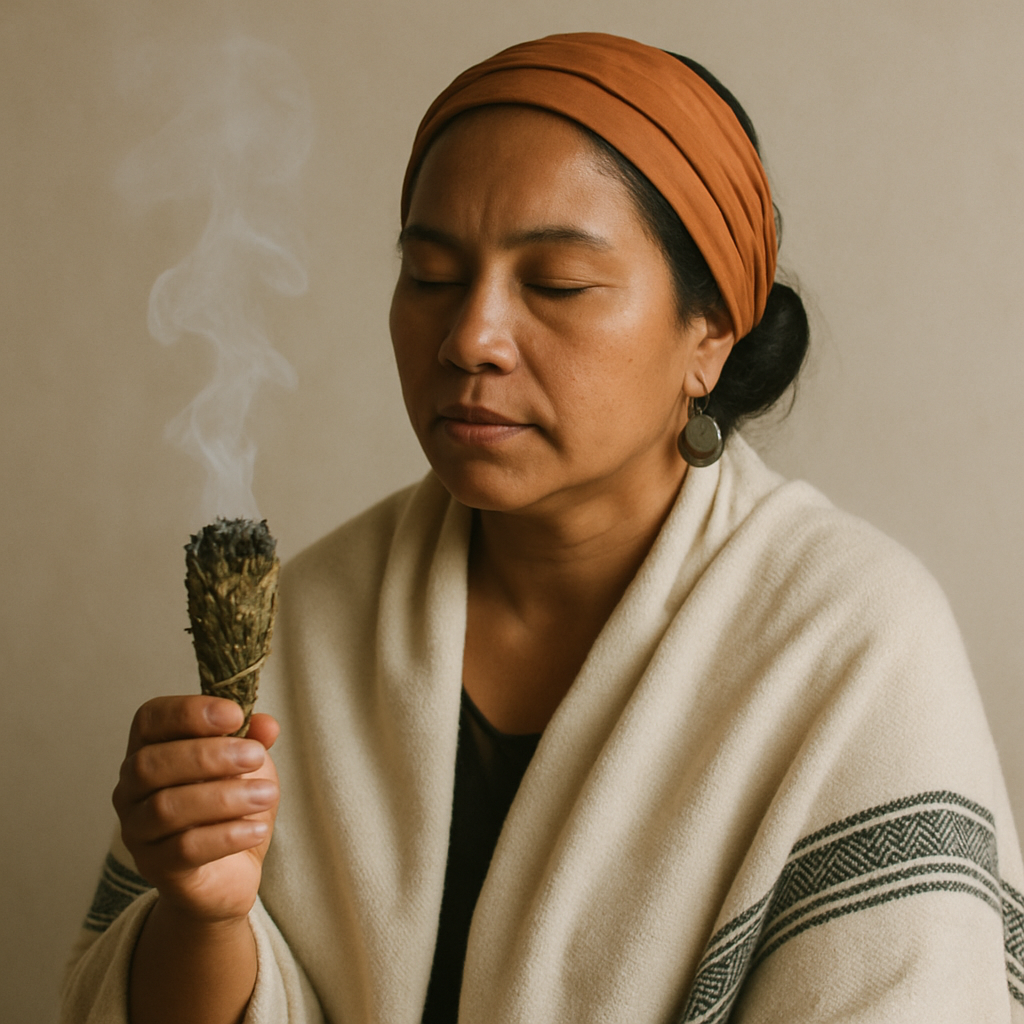
Shamanic Healing is typically practiced in a ceremonial setting, guided by an experienced shaman. The process involves several key steps:
- Preparation: Participants are encouraged to prepare physically and mentally, often through dietary restrictions or meditation.
- Setting Intention: Individuals articulate their personal healing goals or intentions before the ceremony begins.
- Plant Medicine: The shaman may administer traditional plant medicines, such as ayahuasca or other herbal brews, to facilitate a deep journey into consciousness.
- Drumming and Chanting: Rhythmic drumming and chanting are employed to create a sacred space and help participants enter altered states of awareness.
- Journeying: The shaman leads the participants on a spiritual journey, where they may encounter spirit guides or receive insights related to their healing.
- Integration: After the journey, participants reflect on their experiences, often sharing insights with the shaman and others in the circle.
What It Is Traditionally Explored For
Shamanic Healing is traditionally used for a variety of physical, emotional, and spiritual concerns. While individual experiences may vary, common goals include:
- Emotional healing from trauma or grief
- Spiritual awakening and self-discovery
- Physical ailments or chronic health issues
- Restoration of energy and vitality
- Enhancing one's connection to nature and community
What Modern Research Suggests
Contemporary research into Shamanic Healing, particularly the use of plant medicines like ayahuasca, has begun to reveal potential therapeutic benefits. Preliminary studies suggest that such experiences can lead to improved mental health outcomes, including reduced symptoms of depression and anxiety. Researchers highlight the importance of the ceremonial context and the shaman’s role in facilitating these transformative experiences.
While the data are promising, it is vital to approach these findings with caution. Much of the research is still in its infancy, and more rigorous studies are needed to fully understand the mechanisms at play and the long-term effects of Shamanic Healing practices. Additionally, cultural context and the individual’s readiness for such experiences significantly influence outcomes.
Safety, Contraindications & Who Should Skip
While Shamanic Healing can be beneficial for many, it is essential to recognize that it may not be suitable for everyone. Individuals with certain medical or psychological conditions, such as severe heart problems, schizophrenia, or those currently taking specific medications (like antidepressants), should approach this practice with caution or avoid it altogether. It is advisable for individuals to consult with a healthcare provider before participating in any Shamanic Healing ceremonies.
Pairs Well With (within Amazonian Medicine and across pillars)
Shamanic Healing can be complemented by various other modalities within Amazonian Medicine and beyond:
- Ayahuasca ceremonies
- Traditional herbal remedies
- Rituals involving other plant medicines
- Meditation and mindfulness practices
- Energy healing modalities
How to Find a Qualified Practitioner
Finding a qualified shaman or practitioner is a crucial step in engaging with Shamanic Healing. Here are some tips:
- Research practitioners and their backgrounds extensively.
- Seek recommendations from trusted sources or communities.
- Participate in introductory workshops or circles to gauge compatibility.
- Ensure the practitioner follows ethical practices and prioritizes participant safety.
FAQs
- What should I expect during a Shamanic Healing session? Sessions typically involve guided journeys, plant medicine, and integration discussions.
- Is Shamanic Healing a replacement for medical treatment? It is not a substitute for conventional medical care but may complement it.
- How can I prepare for a Shamanic Healing ceremony? Preparation may include dietary changes, meditation, and setting personal intentions.
- Are there any risks associated with Shamanic Healing? Yes, potential risks include psychological distress or adverse reactions to plant medicines.
- What if I have a specific health concern? It is best to consult a healthcare professional before participating in any Shamanic Healing practices.
Frequently asked
What should I expect during a Shamanic Healing session?
Sessions typically involve guided journeys, plant medicine, and integration discussions.
Is Shamanic Healing a replacement for medical treatment?
It is not a substitute for conventional medical care but may complement it.
How can I prepare for a Shamanic Healing ceremony?
Preparation may include dietary changes, meditation, and setting personal intentions.
Are there any risks associated with Shamanic Healing?
Yes, potential risks include psychological distress or adverse reactions to plant medicines.
What if I have a specific health concern?
It is best to consult a healthcare professional before participating in any Shamanic Healing practices.