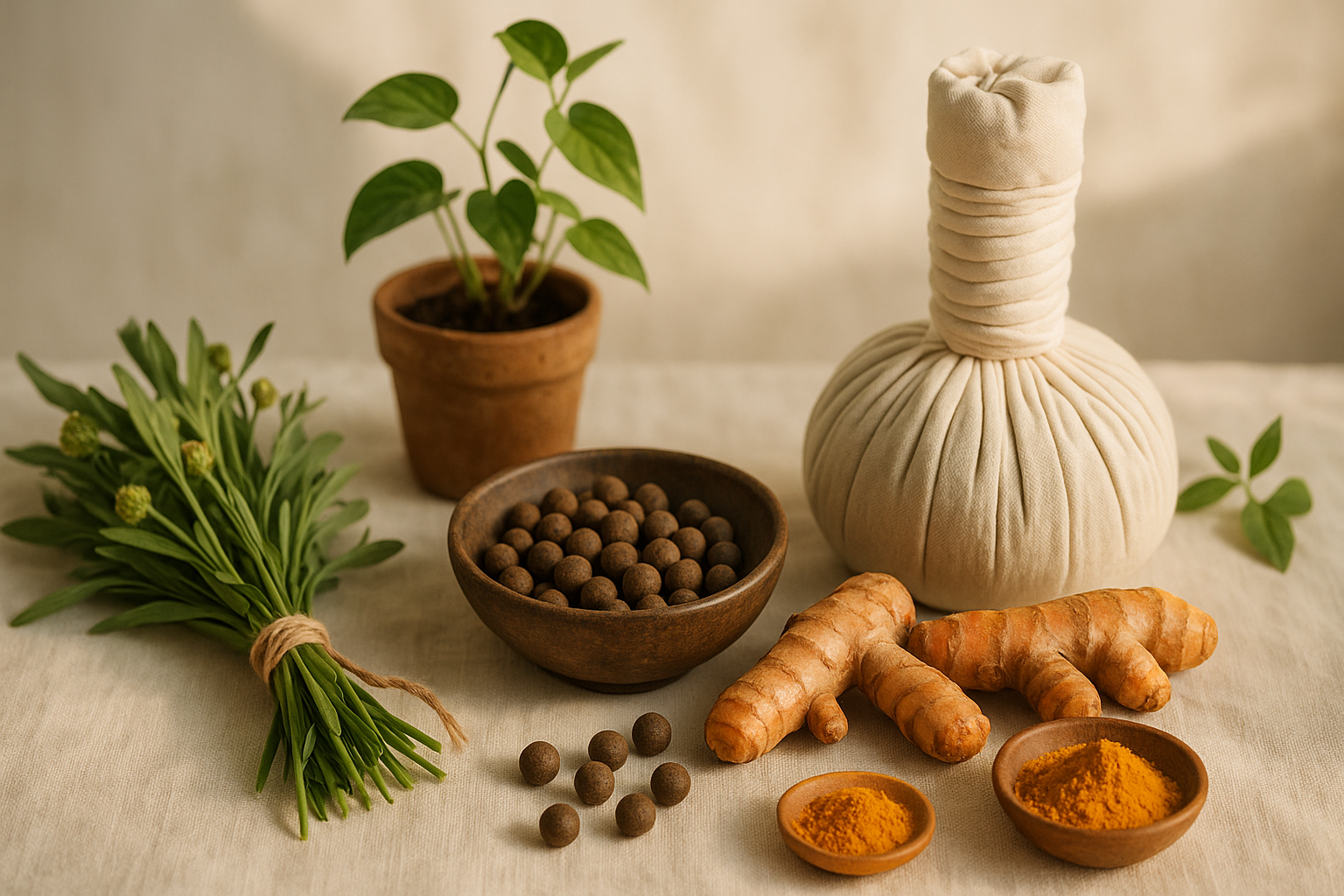
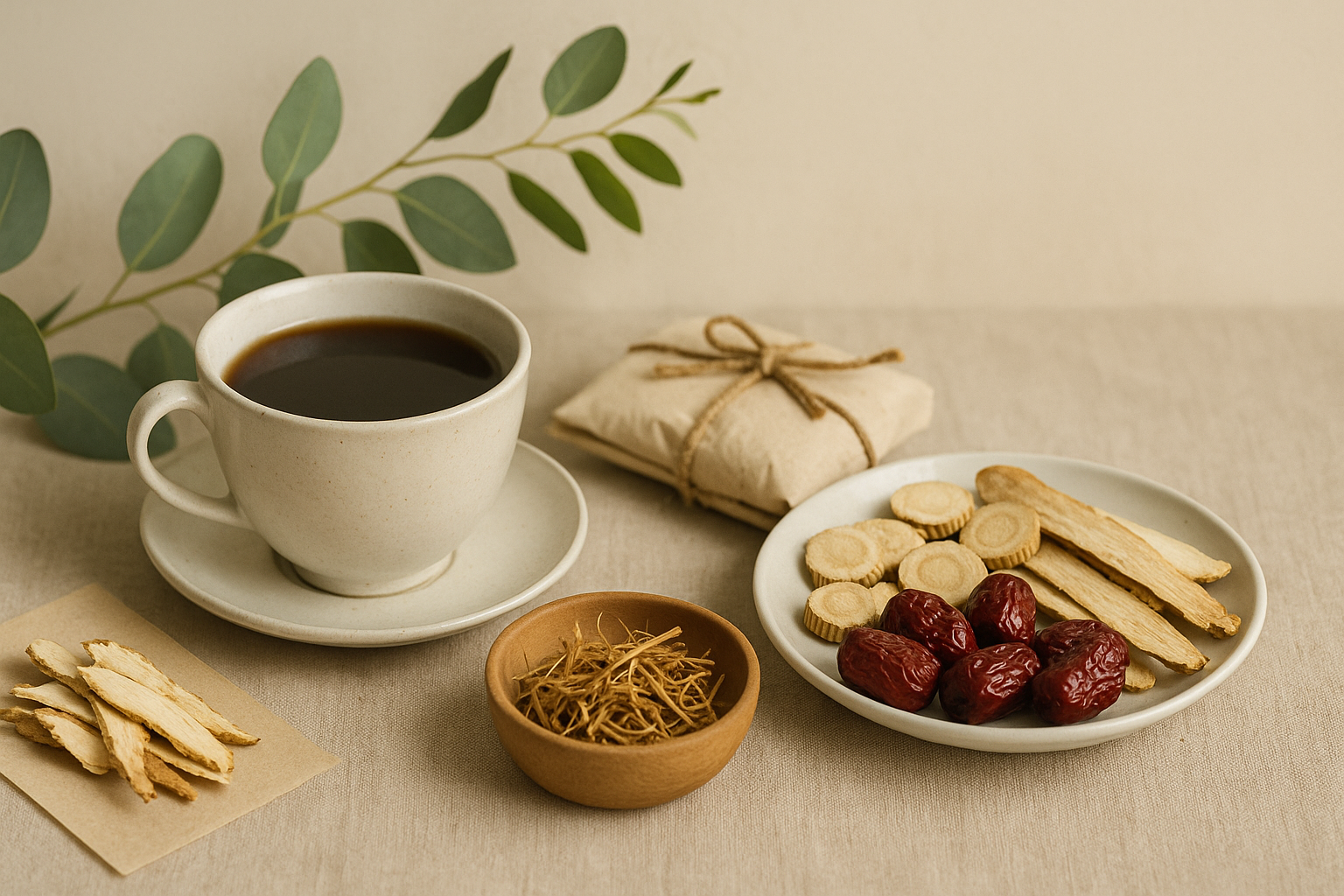
Herbal Rituals
Discover Herbal Rituals in Amazonian Medicine, a tradition rich in ancient wisdom and holistic healing practices.
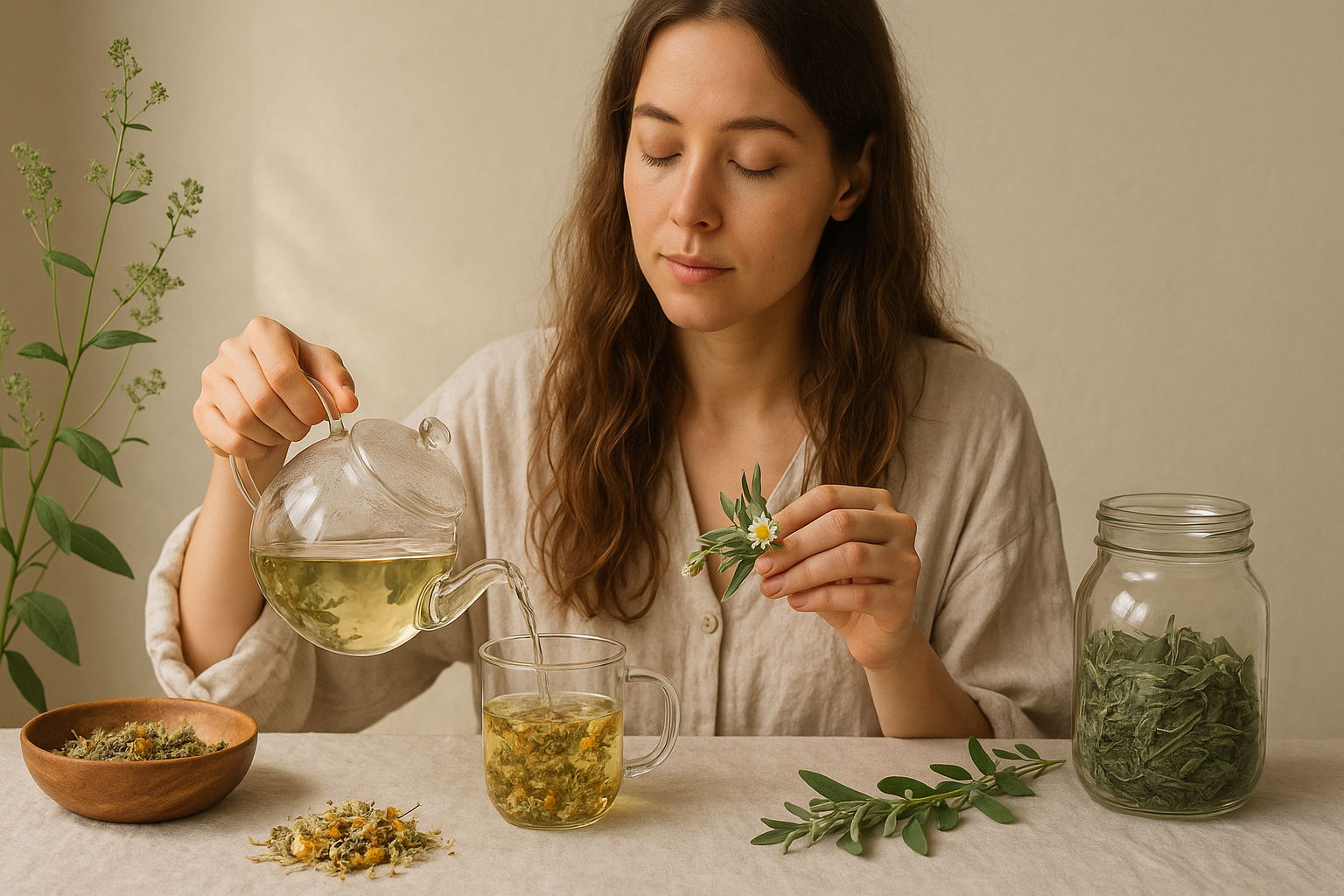
Explore the ancient practice of Herbal Rituals within Amazonian Medicine, delving into its historical context, traditional uses, and modern insights.
What It Is
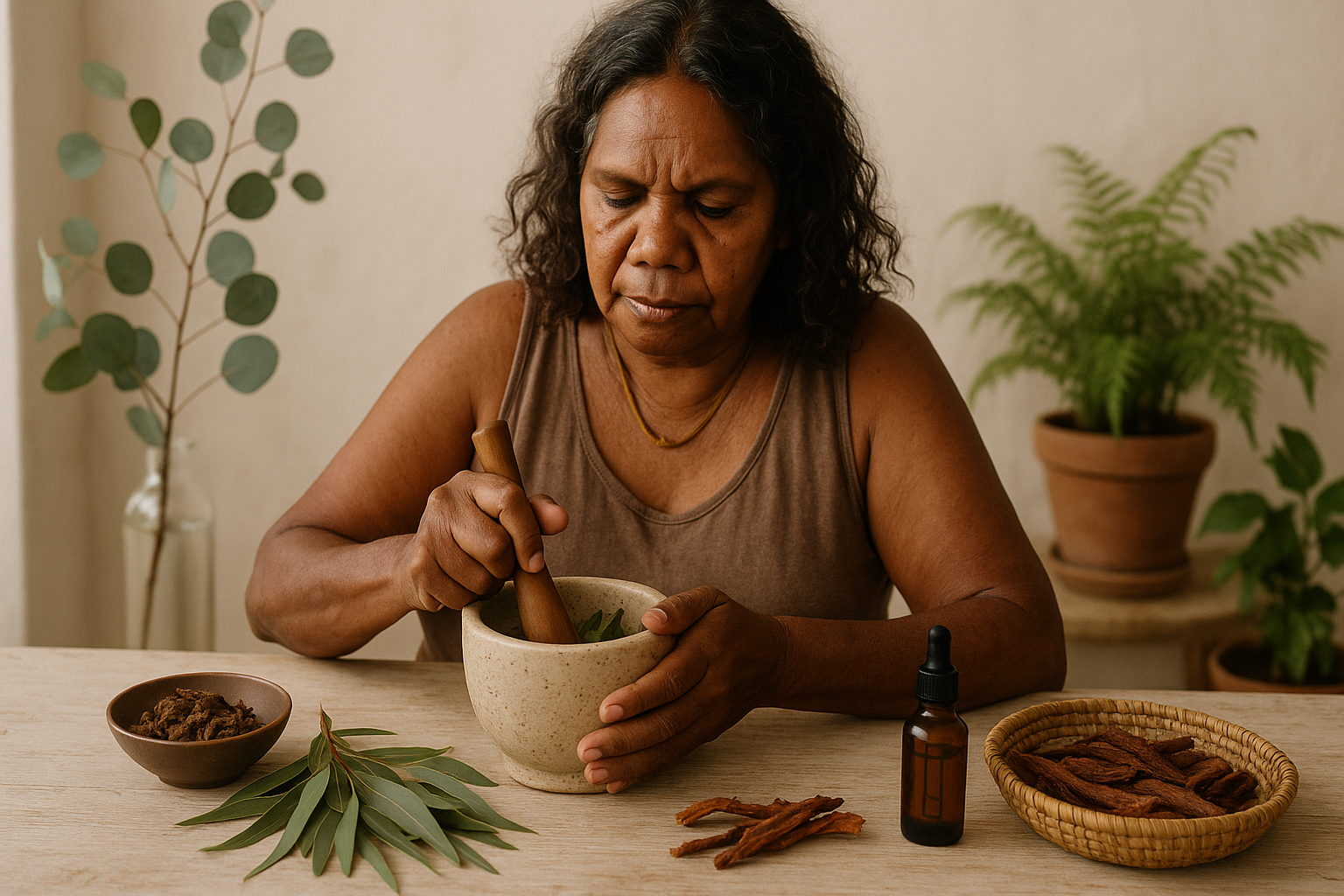
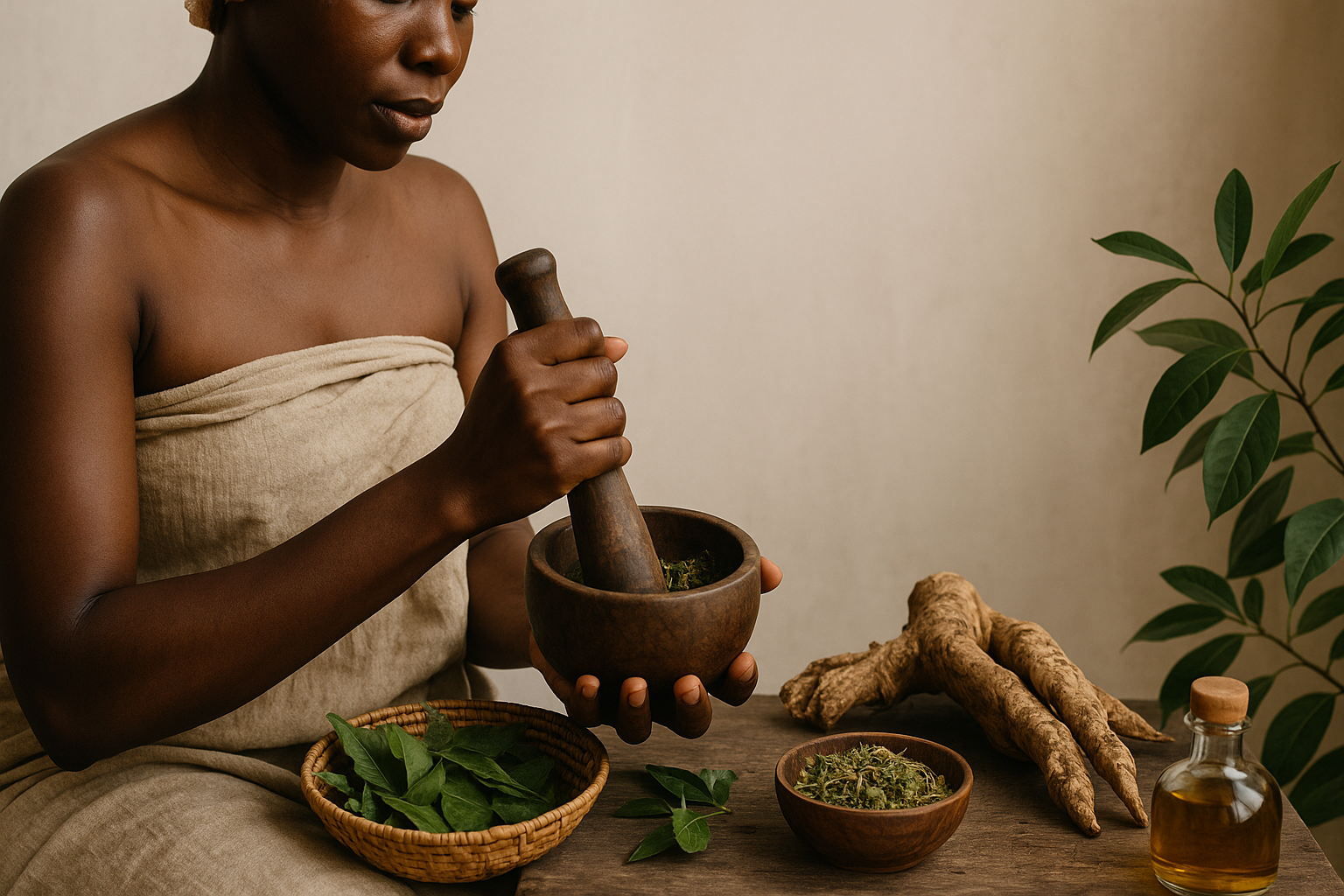
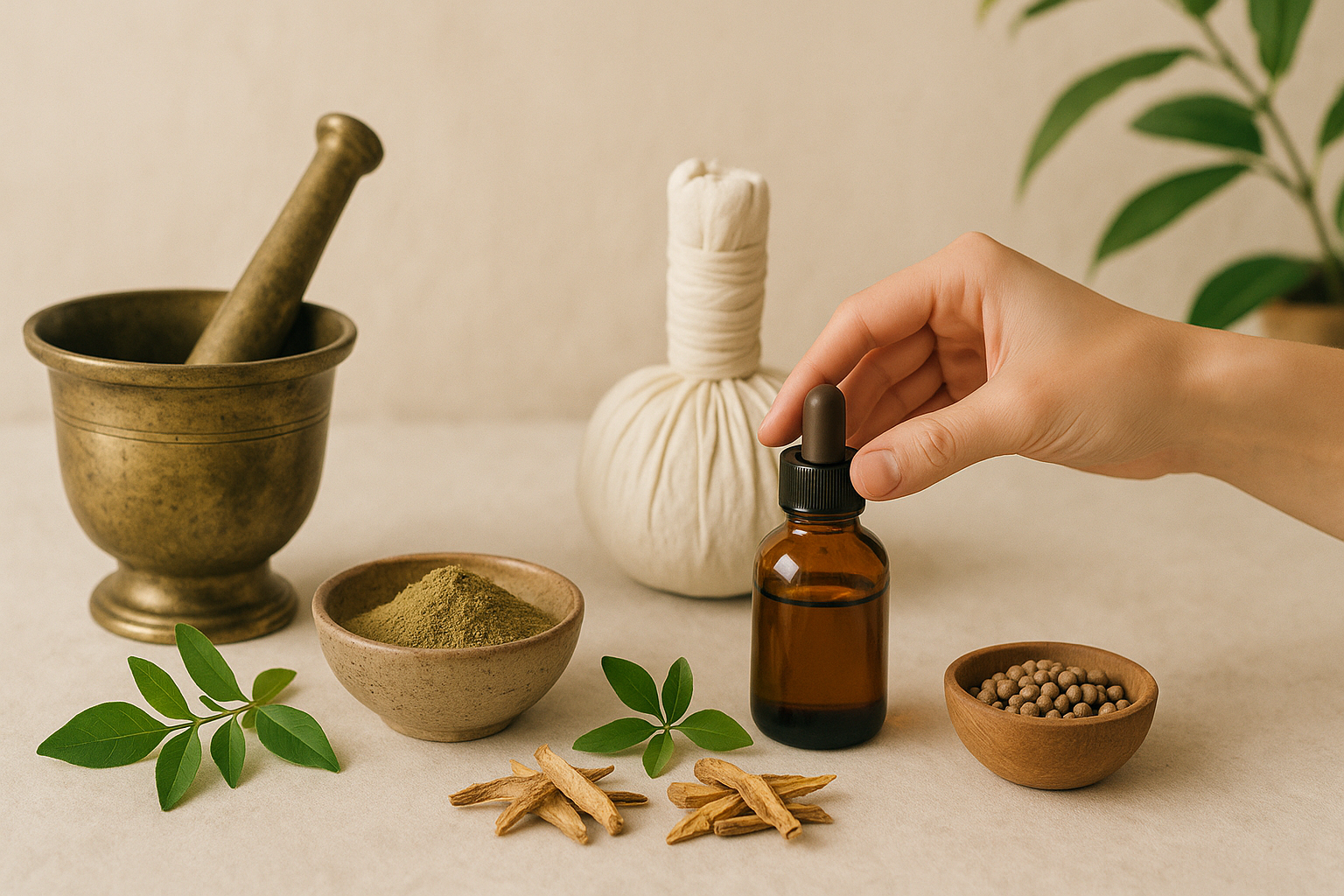
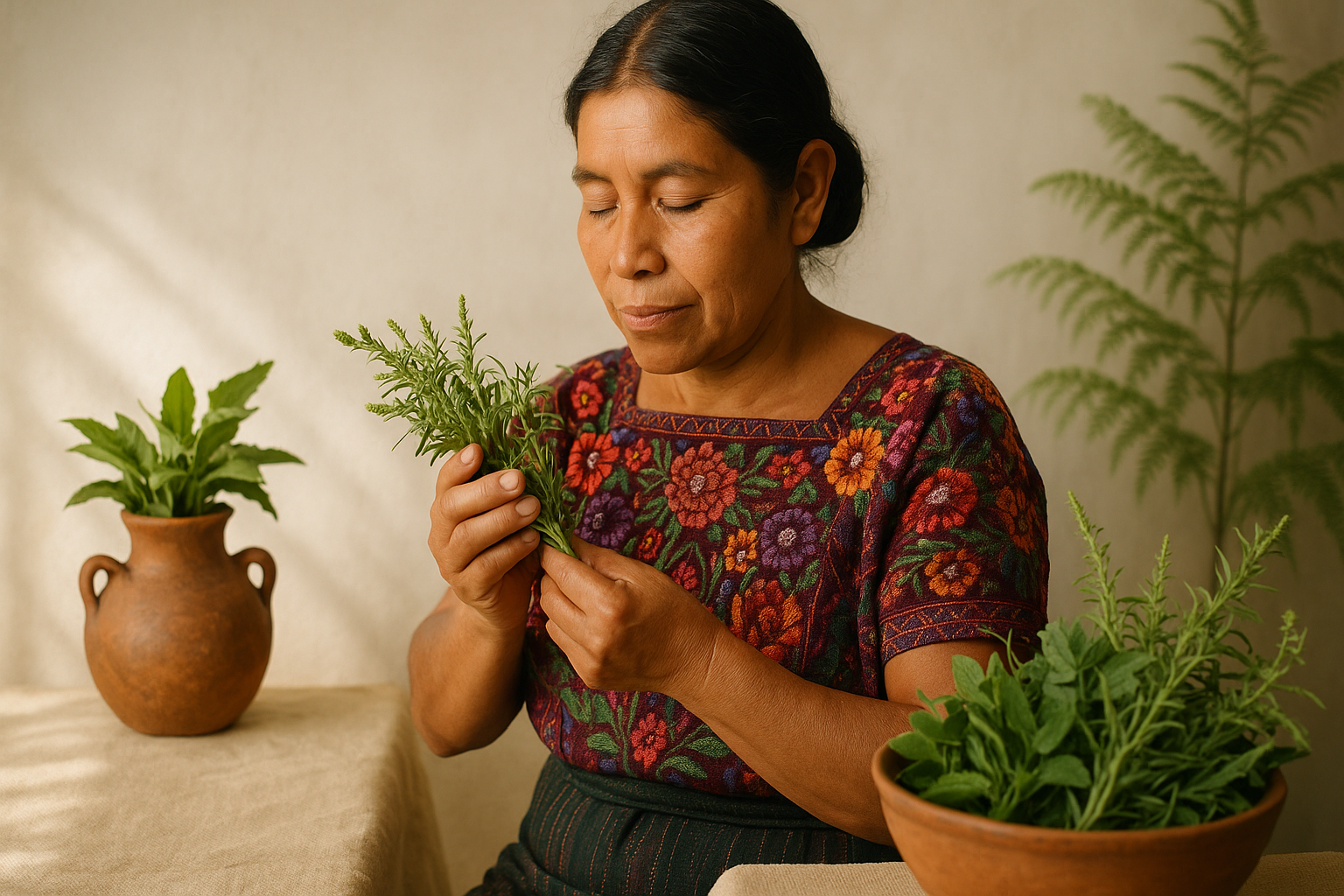
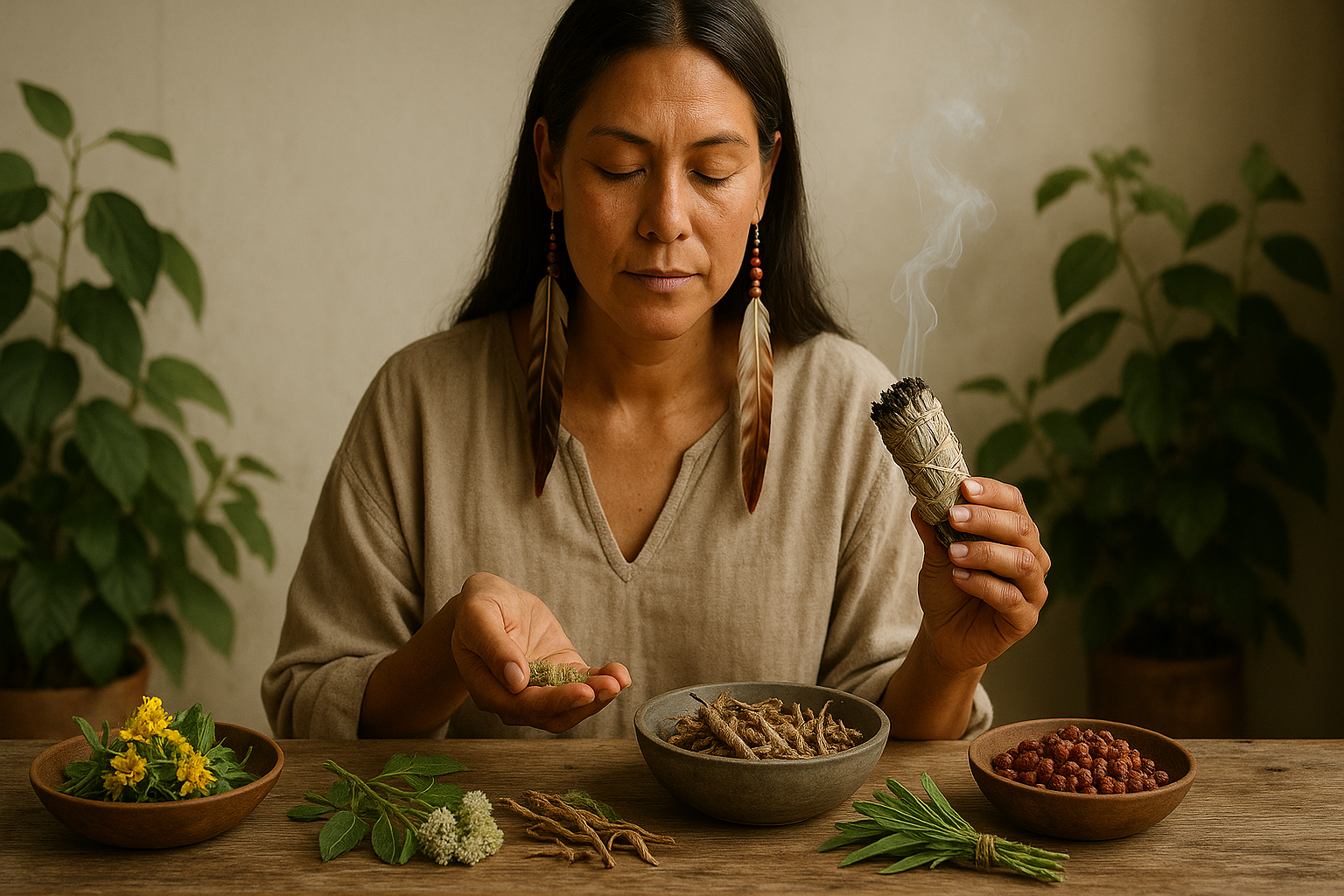
Herbal Rituals are an integral aspect of Amazonian Medicine, encompassing the use of indigenous plants and herbs in sacred practices aimed at promoting spiritual and physical well-being. These rituals often involve the careful selection and preparation of medicinal plants, which are believed to hold potent healing properties. Practitioners engage in these rituals not only for physical ailments but also for emotional and spiritual cleansing, creating a holistic approach to health.
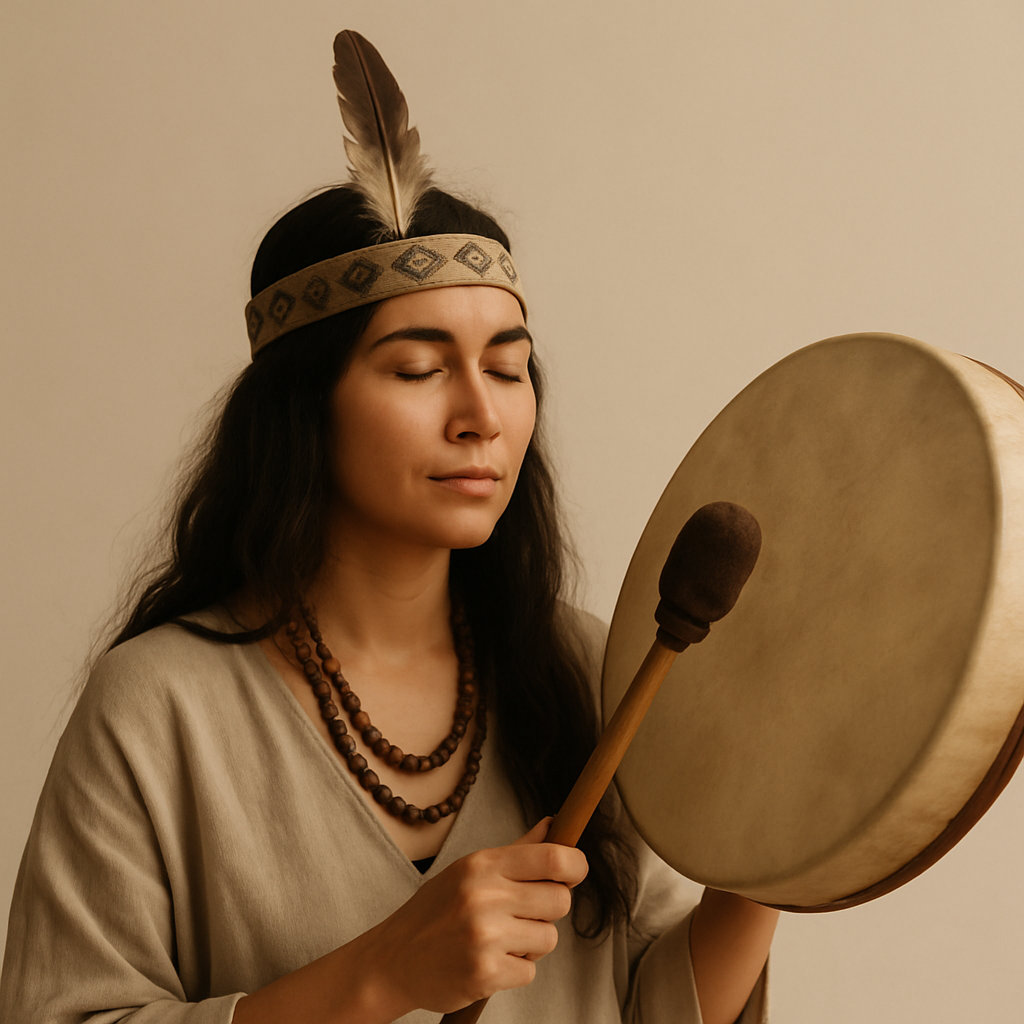
The process of Herbal Rituals typically incorporates elements of spirituality, community, and respect for nature. Participants may engage in ceremonies led by experienced healers or shamans, who guide them through the ritualistic use of herbs. The combination of chanting, music, and the use of sacred plants fosters a deep connection with the natural world and the spiritual realm.
Historical Context Within Amazonian Medicine
Herbal Rituals have been practiced for centuries by indigenous tribes in the Amazon rainforest, forming a cornerstone of their medicinal traditions. These practices emerged as a way for communities to harness the healing properties of local flora, passed down through generations of shamans and herbalists. The rich biodiversity of the Amazon has provided a unique pharmacopoeia, allowing these cultures to develop a profound understanding of plant medicine.
The roots of Herbal Rituals can be traced back to ancient civilizations in the Amazon, where healers, known as ayahuasqueros, played a crucial role in society. They not only treated ailments but also guided spiritual journeys, fostering a connection between individuals and their environment. The oral traditions surrounding these practices have preserved the knowledge of which plants to use and how to prepare them effectively.
How It's Practiced
The practice of Herbal Rituals typically involves several key steps:
- Preparation: The practitioner selects specific herbs based on the intended purpose of the ritual.
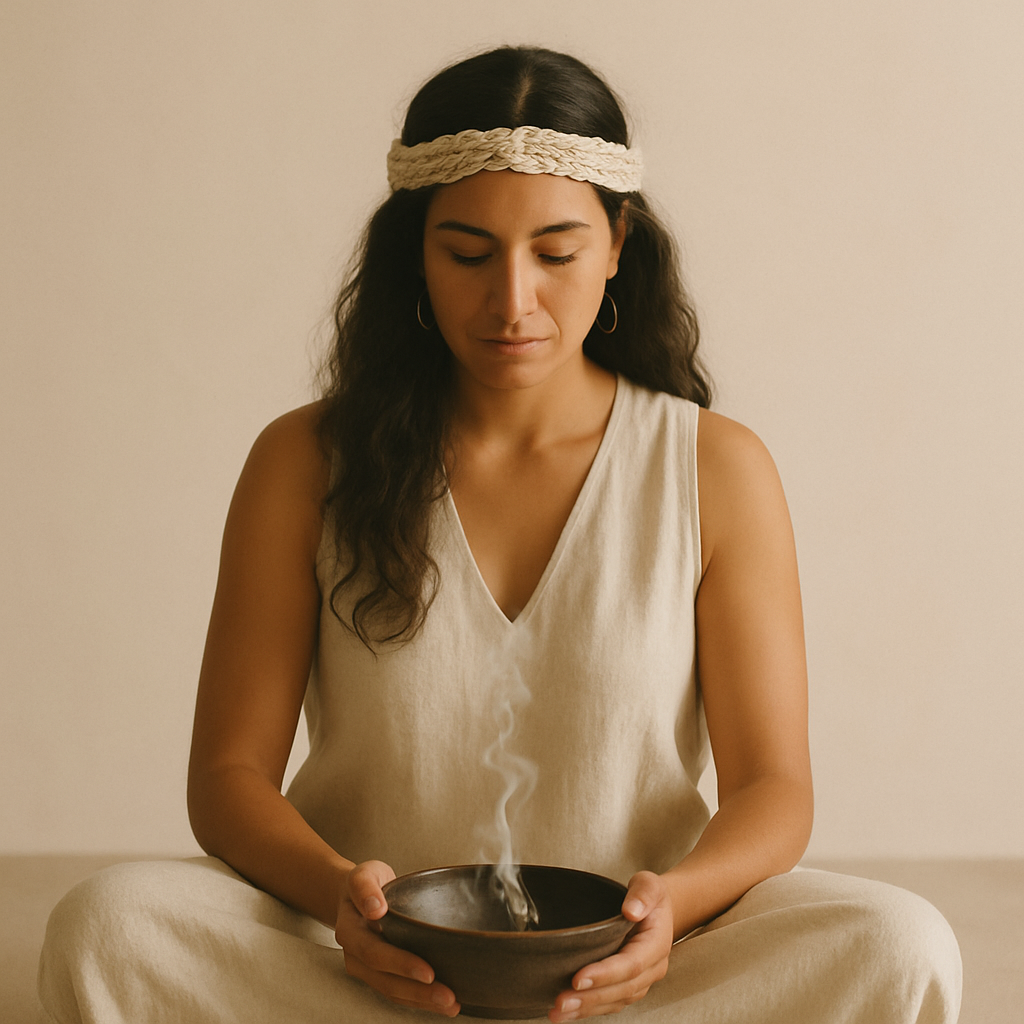
- Setting the Space: A sacred space is created, often adorned with natural elements and symbols significant to the culture.
- Invocation: The ritual begins with prayers or chants to invoke spiritual guidance and protection.
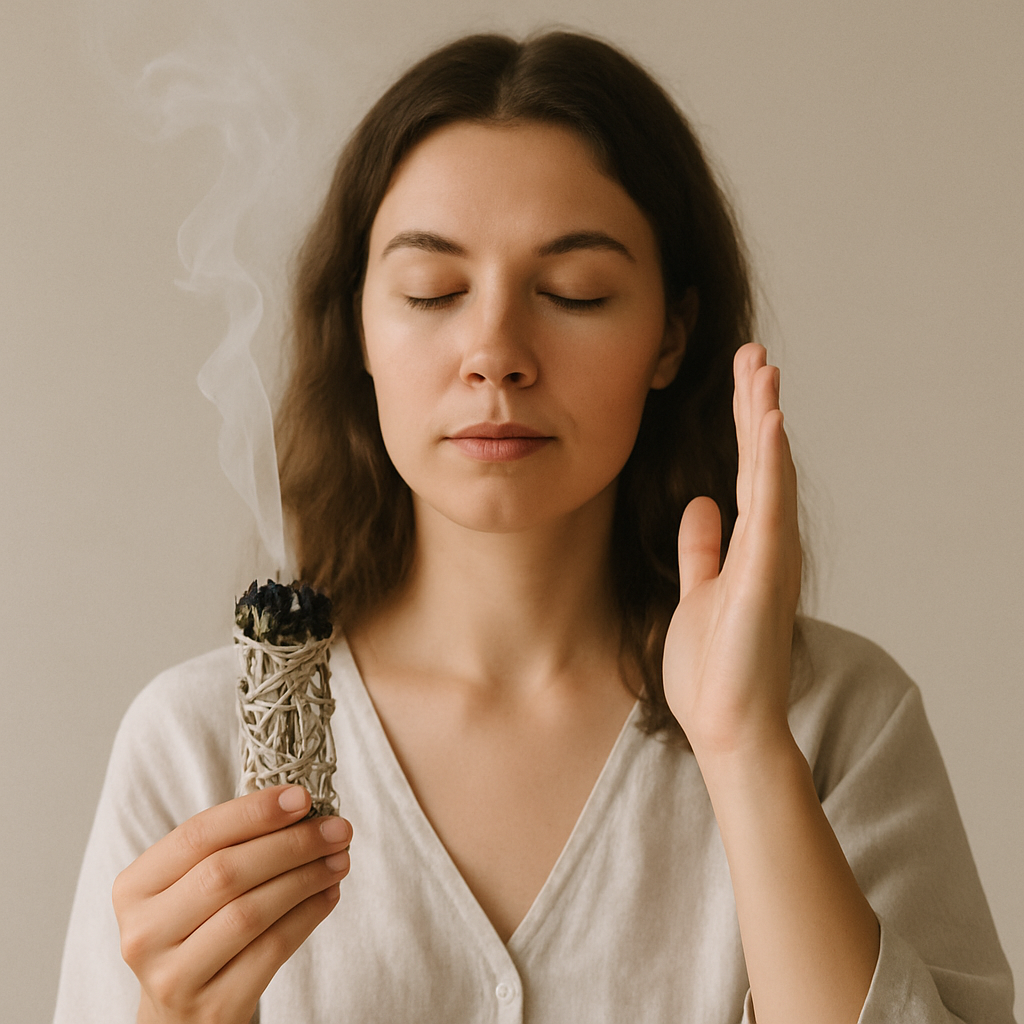
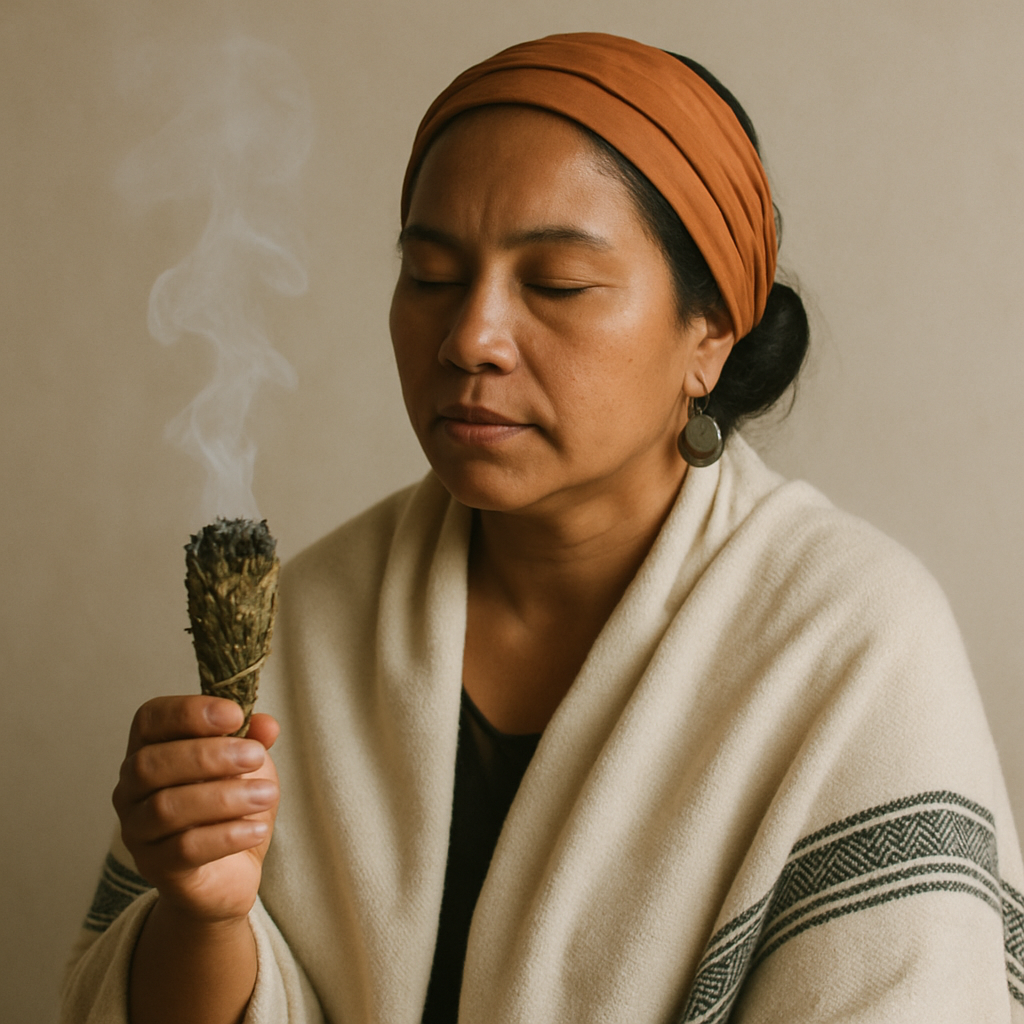
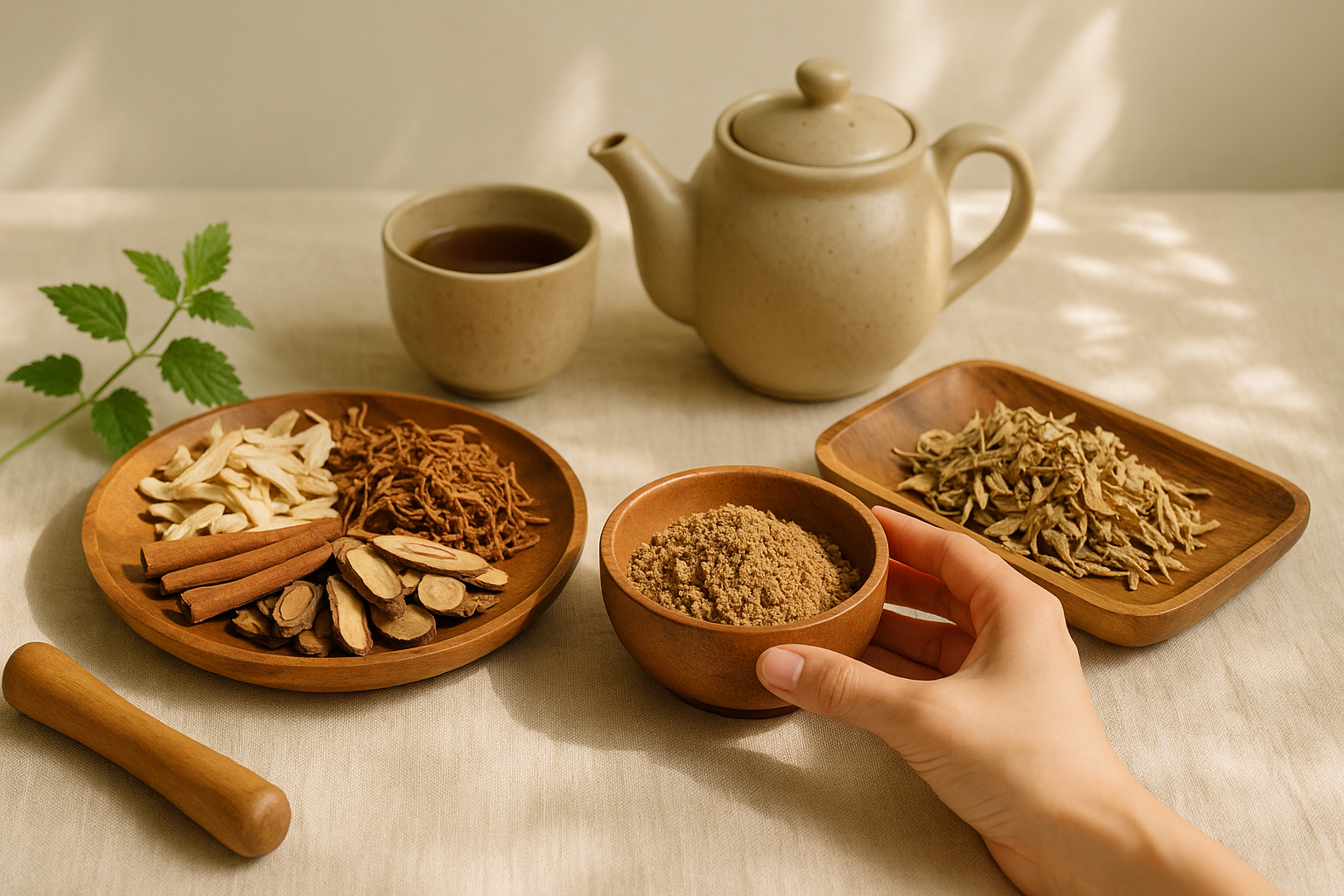
- Application: The herbs may be brewed into teas, infused into oils, or used in smoke form, depending on the ritual.
- Integration: Participants are encouraged to reflect on their experiences, often sharing insights in a communal setting.
This structured approach helps to ensure that the ritual is respectful and effective, aligning the participants' intentions with the natural energies of the plants used.
What It Is Traditionally Explored For
Herbal Rituals are traditionally used for a variety of purposes, reflecting the holistic understanding of health in Amazonian cultures. Commonly explored goals include:
- Physical Healing: Addressing ailments such as infections, inflammation, and chronic pain.
- Emotional Balance: Assisting individuals in processing grief, anxiety, and stress.
- Spiritual Connection: Facilitating deeper connections to oneself, nature, and the spiritual realm.
- Community Bonding: Strengthening social ties through shared experiences and collective healing.
While these uses are deeply rooted in tradition, individuals are encouraged to approach these practices with care and respect for their cultural significance.
What Modern Research Suggests
Modern research into Herbal Rituals within Amazonian Medicine is still in its early stages, yet preliminary studies indicate that certain plants used in these rituals may possess beneficial properties. For instance, some studies have highlighted the anti-inflammatory and analgesic effects of specific Amazonian herbs, suggesting potential applications in contemporary herbal medicine.
Additionally, research has begun to explore the psychological benefits of participating in such rituals, including enhanced emotional well-being and improved coping strategies. However, it is essential to note that more rigorous scientific studies are needed to fully understand the efficacy and safety of these practices. As always, individuals should approach these findings with caution and consult healthcare professionals before engaging in any new health practices.
Safety, Contraindications & Who Should Skip
While Herbal Rituals can offer various benefits, it is crucial to consider safety and contraindications. Individuals with certain health conditions or those taking specific medications should exercise caution. Common considerations include:
- Pregnant or Nursing Women: Some herbs may not be safe during pregnancy or lactation.
- Individuals with Allergies: Allergic reactions to certain plants can occur.
- Those on Medications: Herbal remedies can interact with prescription medications, potentially altering their effectiveness.
- People with Chronic Health Conditions: Consult a healthcare provider before participating in herbal rituals.
It is advisable for individuals to thoroughly research and seek guidance from qualified practitioners to ensure a safe experience.
Pairs Well With (within Amazonian Medicine and across pillars)
Herbal Rituals can complement various practices within Amazonian Medicine, as well as other holistic traditions. Some related modalities and ingredients include:
- Ayahuasca Ceremonies: Often paired with herbal rituals for spiritual exploration.
- Shamanic Healing: Integrating herbal use with spiritual guidance and energy work.
- Sound Healing: Utilizing music and sound alongside herbal rituals to enhance the experience.
- Dietary Practices: Combining herbal use with specific diets to amplify health benefits.
How to Find a Qualified Practitioner
Finding a qualified practitioner for Herbal Rituals involves careful consideration and research. Here are some steps to follow:
- Research: Look for practitioners with formal training in herbal medicine and experience in Amazonian traditions.
- Referrals: Seek recommendations from trusted sources or local holistic health communities.
- Consultation: Schedule a preliminary meeting to discuss your intentions and ensure a good fit.
- Authenticity: Verify the practitioner's background and connection to indigenous practices.
By taking these steps, individuals can find a practitioner who respects the traditions and provides a safe environment for healing.
FAQs (5)
- What are Herbal Rituals? Herbal Rituals are sacred practices that utilize indigenous plants for healing and spiritual connection within Amazonian Medicine.
- Are Herbal Rituals safe? While many people find benefit, safety varies by individual; consulting with healthcare providers is recommended.
- What can I expect during a Herbal Ritual? Participants can expect a structured process involving preparation, invocation, and reflection on their experiences.
- How do I find a qualified practitioner? Research and referrals are essential; consult with practitioners to ensure they are experienced and authentic.
- What conditions are traditionally explored with Herbal Rituals? Common focuses include physical ailments, emotional balance, spiritual connection, and community bonding.
Frequently asked
What are Herbal Rituals?
Herbal Rituals are sacred practices that utilize indigenous plants for healing and spiritual connection within Amazonian Medicine.
Are Herbal Rituals safe?
While many people find benefit, safety varies by individual; consulting with healthcare providers is recommended.
What can I expect during a Herbal Ritual?
Participants can expect a structured process involving preparation, invocation, and reflection on their experiences.
How do I find a qualified practitioner?
Research and referrals are essential; consult with practitioners to ensure they are experienced and authentic.
What conditions are traditionally explored with Herbal Rituals?
Common focuses include physical ailments, emotional balance, spiritual connection, and community bonding.