Preventive Wellness
Explore Preventive Wellness in Ancient Greek Medicine, including its historical context, practices, and connections to modern health.
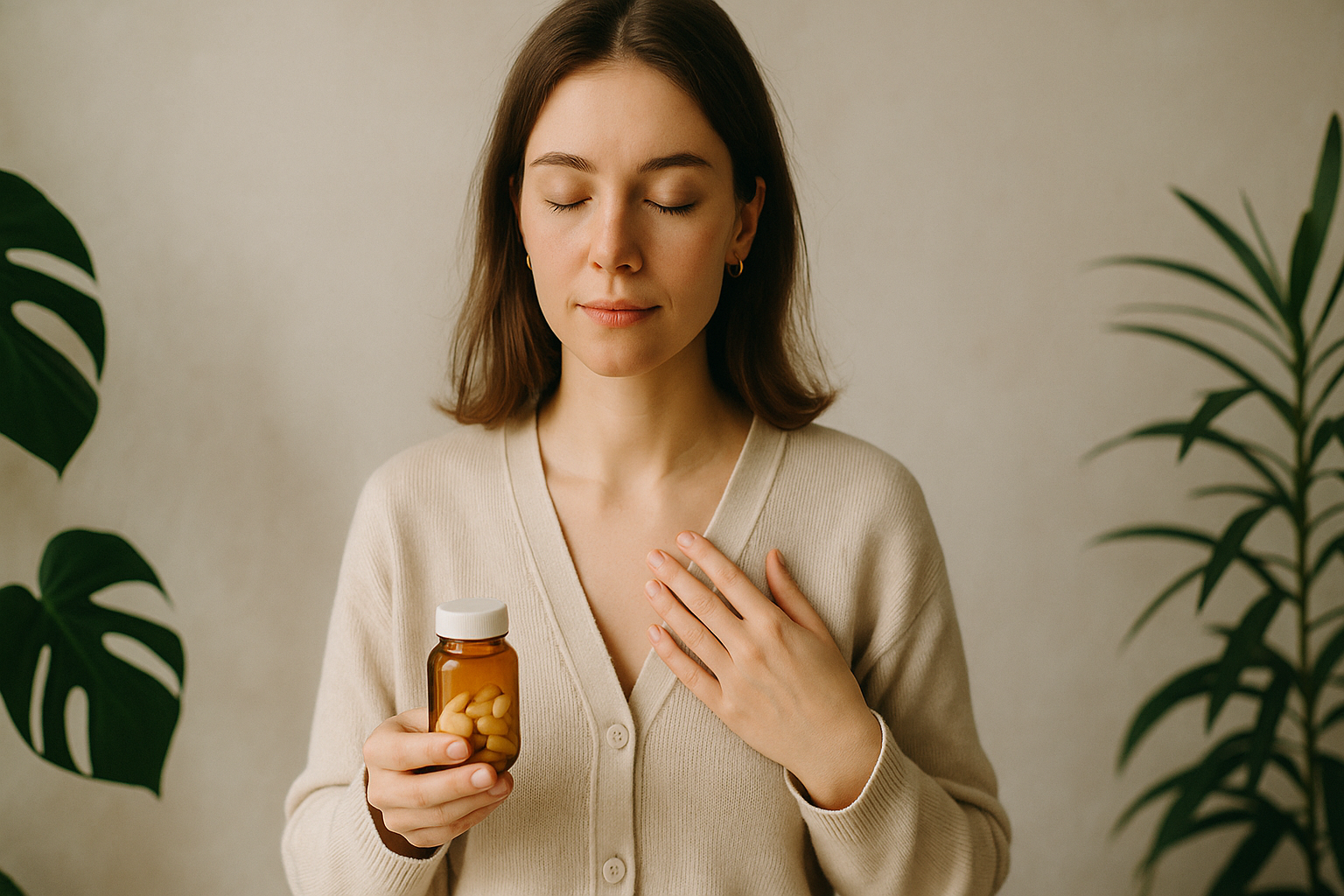
Discover the principles of Preventive Wellness within Ancient Greek Medicine, exploring its historical roots, practical applications, and modern relevance.
What It Is
Preventive Wellness, rooted in the traditions of Ancient Greek Medicine, emphasizes the importance of maintaining health and preventing disease before it manifests. This approach integrates lifestyle choices, dietary habits, and mental well-being as fundamental components of overall health. The practice is based on the belief that a balanced life leads to a harmonious body, mind, and spirit, ultimately reducing the risk of illness.
This modality encourages individuals to recognize early signs of imbalance and to adopt proactive strategies to cultivate wellness. Preventive Wellness encompasses various techniques, including proper nutrition, physical activity, and mindfulness, all aimed at fostering a state of well-being that allows for a resilient and healthy life.
Historical Context Within Ancient Greek Medicine
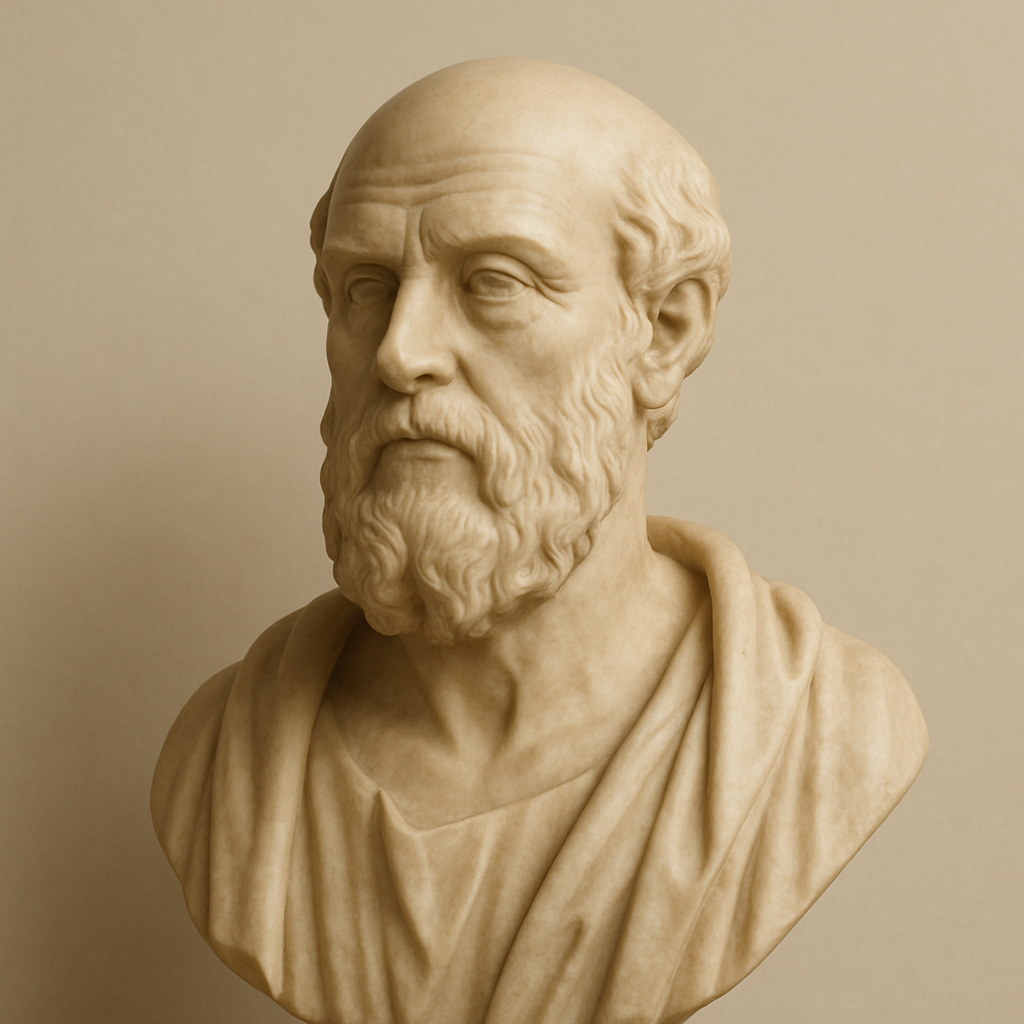
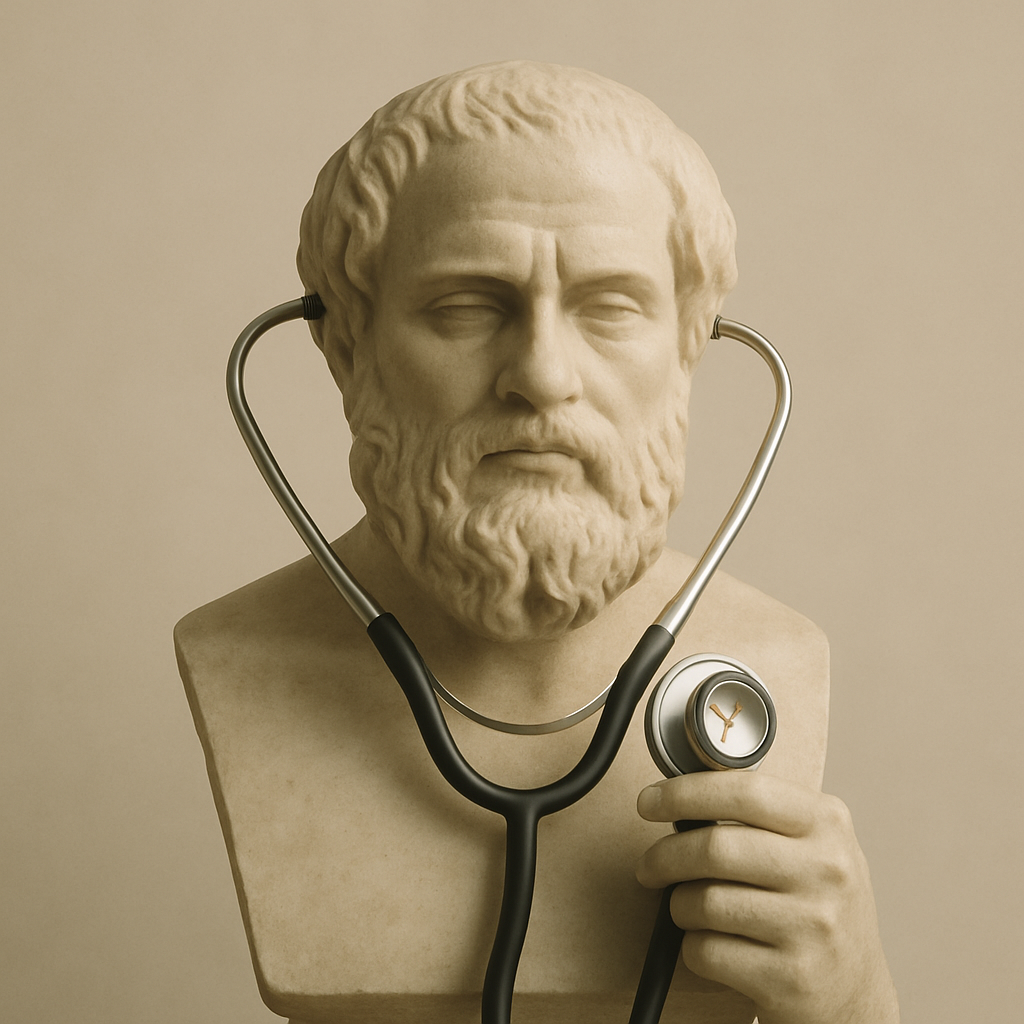
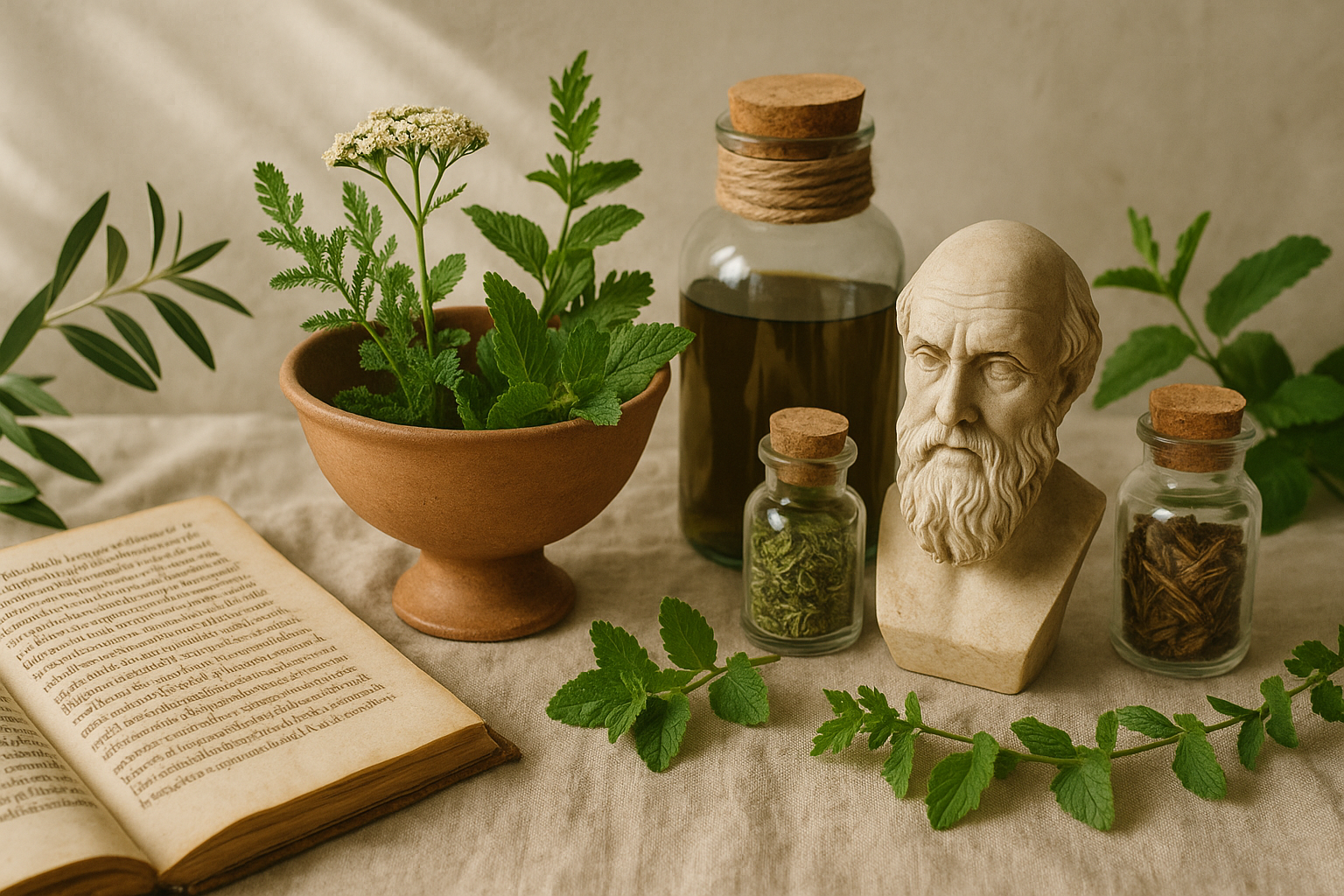
Preventive Wellness emerged in Ancient Greek Medicine during the classical period, significantly influenced by the teachings of Hippocrates, often referred to as the Father of Medicine. Hippocrates emphasized the importance of diet, exercise, and a harmonious lifestyle, advocating for a holistic approach to health that focused on prevention rather than mere treatment of diseases.
This tradition was further developed by Galen, who expanded upon Hippocratic principles, integrating them with his own observations and theories. The emphasis on preventive measures laid the groundwork for later medical practices and continues to influence holistic health approaches today.
How It's Practiced
Practitioners of Preventive Wellness in the Ancient Greek tradition typically follow a systematic approach to assess and guide individuals toward optimal health. The process may include the following steps:
- Initial Consultation: Discussing health history, lifestyle, and personal wellness goals.
- Assessment: Evaluating physical, mental, and emotional health through observation and inquiry.
- Personalized Recommendations: Providing tailored advice on diet, exercise, and stress management.
- Implementation: Assisting individuals in integrating these recommendations into their daily lives.
- Follow-Up: Regular check-ins to monitor progress and adjust strategies as needed.
What It Is Traditionally Explored For
Preventive Wellness is traditionally explored for various health-related goals, including:
- Enhancing overall vitality and energy levels.
- Promoting a balanced diet tailored to individual needs.
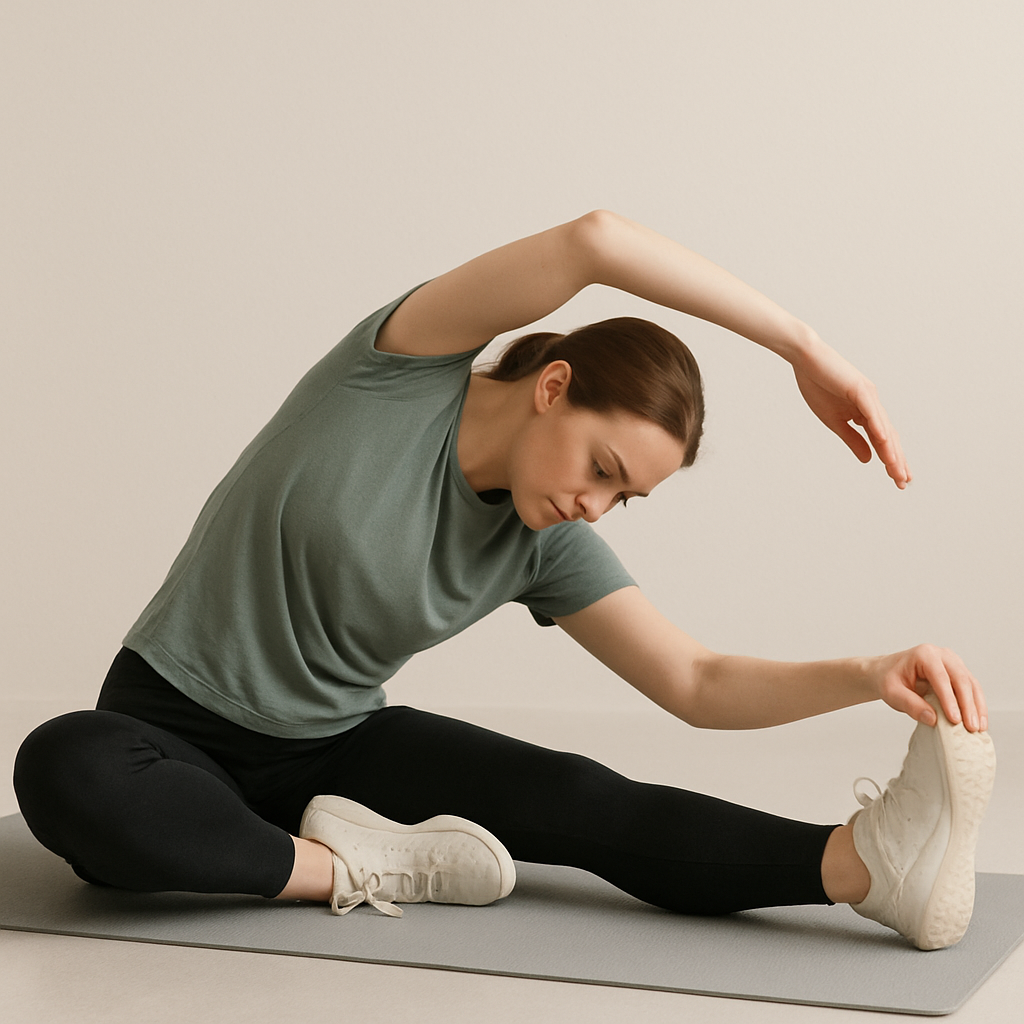
- Encouraging regular physical activity to maintain a healthy body.
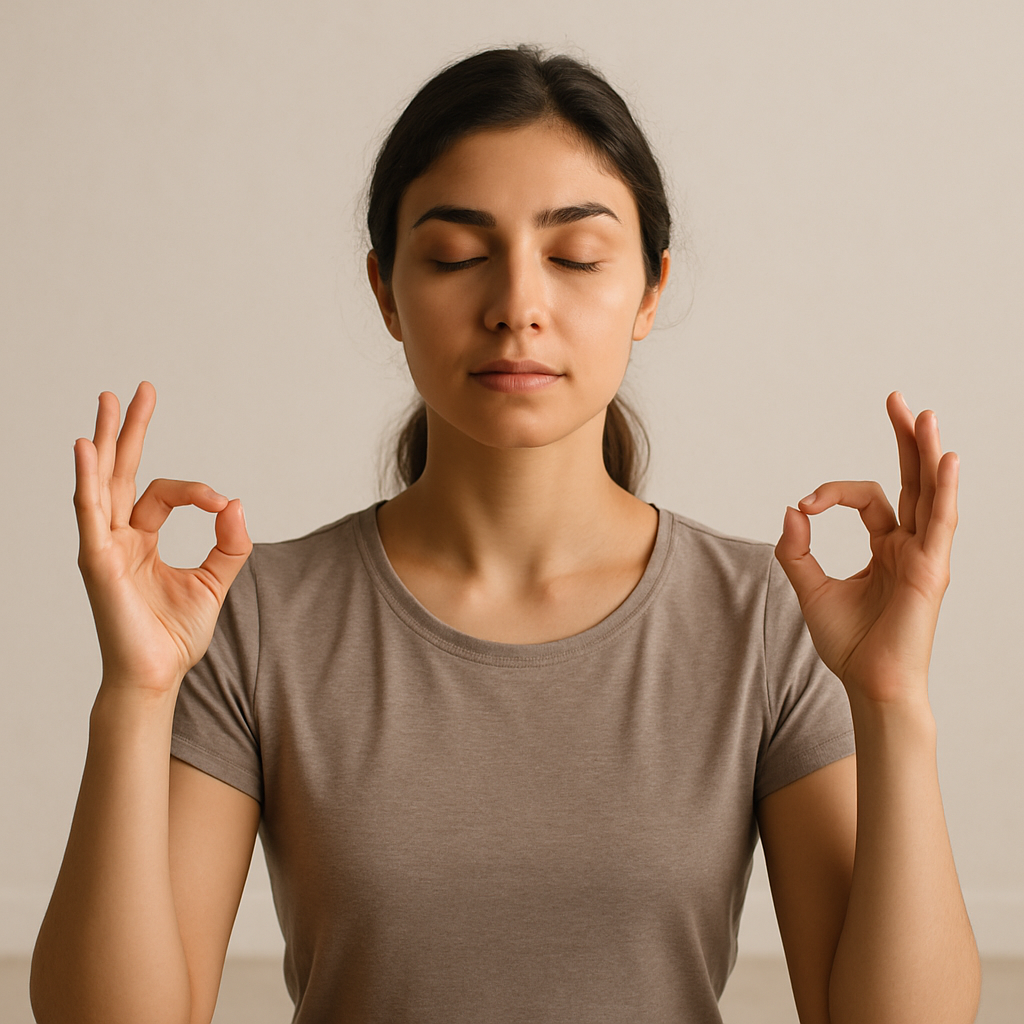
- Supporting mental clarity and emotional stability through mindfulness practices.
- Reducing the risk of chronic illnesses by maintaining a harmonious lifestyle.
What Modern Research Suggests
Modern research has begun to explore the principles of Preventive Wellness, with preliminary studies indicating that lifestyle choices significantly impact health outcomes. Research suggests that regular physical activity, a balanced diet rich in whole foods, and stress management techniques contribute to reducing the risk of chronic diseases such as heart disease and diabetes.
Clinical studies have also highlighted the benefits of holistic practices, including mindfulness and dietary adjustments, in enhancing emotional well-being and overall quality of life. While more research is needed to fully understand the mechanisms, the correlation between preventive strategies and improved health is becoming increasingly evident.
Safety, Contraindications & Who Should Skip
While Preventive Wellness is generally considered safe for most individuals, certain populations should exercise caution or consult a healthcare provider before engaging in specific practices. This includes:
- Individuals with existing health conditions that require medical intervention.
- Pregnant or breastfeeding women, who should consult their healthcare provider on dietary changes.
- Those taking medications that may interact with dietary or lifestyle changes.
Pairs Well With (within Ancient Greek Medicine and across pillars)
Preventive Wellness pairs well with a variety of other modalities and ingredients, including:
- Herbal Medicine for natural remedies.
- Philosophical Counseling to support mental and emotional health.
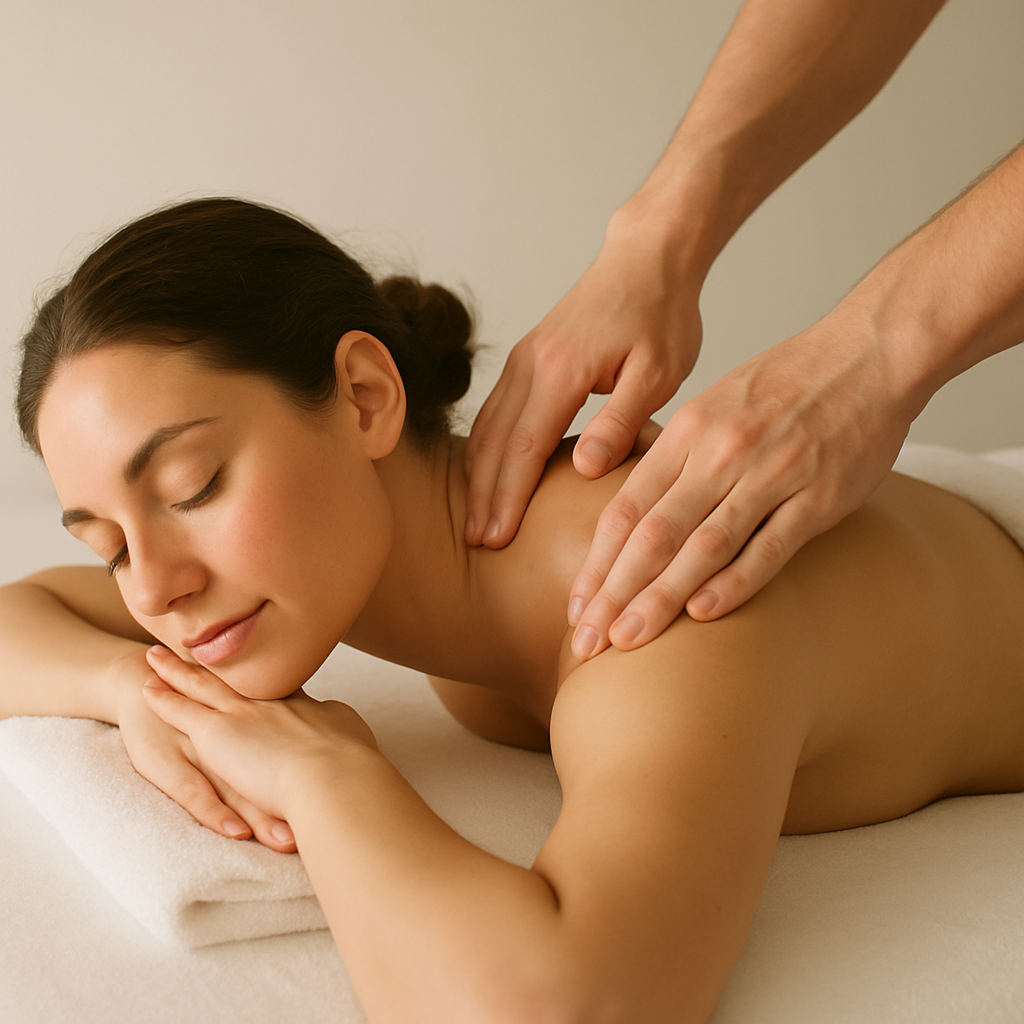
- Massage Therapy to promote physical relaxation and well-being.
- Nutrition Therapy focusing on individualized dietary plans.
How to Find a Qualified Practitioner
To find a qualified practitioner specializing in Preventive Wellness within the context of Ancient Greek Medicine, consider the following steps:
- Seek referrals from local health organizations or wellness centers.
- Check credentials and experience in holistic health practices.
- Look for practitioners who emphasize a personalized approach and have a strong foundation in ancient medical traditions.
- Schedule an initial consultation to discuss your health goals and assess compatibility.
FAQs
- What is Preventive Wellness? Preventive Wellness focuses on maintaining health and preventing disease through lifestyle choices and holistic practices.
- Who developed the principles of Preventive Wellness? Hippocrates and Galen were key figures in the development of these practices in Ancient Greek Medicine.
- What does a typical session involve? A typical session may include consultation, assessment, personalized recommendations, and follow-up support.
- Is Preventive Wellness safe for everyone? While generally safe, individuals with specific health conditions or concerns should consult a healthcare provider.
- How can I find a qualified practitioner? Look for referrals, check credentials, and ensure they have a focus on personalized, holistic approaches.
Frequently asked
What is Preventive Wellness?
Preventive Wellness focuses on maintaining health and preventing disease through lifestyle choices and holistic practices.
Who developed the principles of Preventive Wellness?
Hippocrates and Galen were key figures in the development of these practices in Ancient Greek Medicine.
What does a typical session involve?
A typical session may include consultation, assessment, personalized recommendations, and follow-up support.
Is Preventive Wellness safe for everyone?
While generally safe, individuals with specific health conditions or concerns should consult a healthcare provider.
How can I find a qualified practitioner?
Look for referrals, check credentials, and ensure they have a focus on personalized, holistic approaches.