Holistic Diagnostics
Discover the principles of Holistic Diagnostics in Ancient Greek Medicine, its historical context, and how it can be integrated into modern wellness practices.
Explore Holistic Diagnostics within Ancient Greek Medicine, a practice that emphasizes the interconnectedness of body, mind, and spirit. Learn about its historical roots, modern applications, and how to engage with qualified practitioners.
What It Is
Holistic Diagnostics is a practice rooted in the principles of Ancient Greek Medicine, emphasizing the interconnectedness of the body, mind, and spirit. This approach seeks to understand the individual as a whole, rather than merely focusing on isolated symptoms. Practitioners aim to identify underlying imbalances that may contribute to a person's health issues, utilizing a variety of diagnostic techniques informed by ancient practices.
At its core, Holistic Diagnostics involves assessing physical, emotional, and social factors that can influence well-being. The goal is to create a comprehensive picture of a person's health, allowing for tailored treatment plans that address both the symptoms and the root causes of ailments, promoting long-term healing and wellness.
Historical Context Within Ancient Greek Medicine
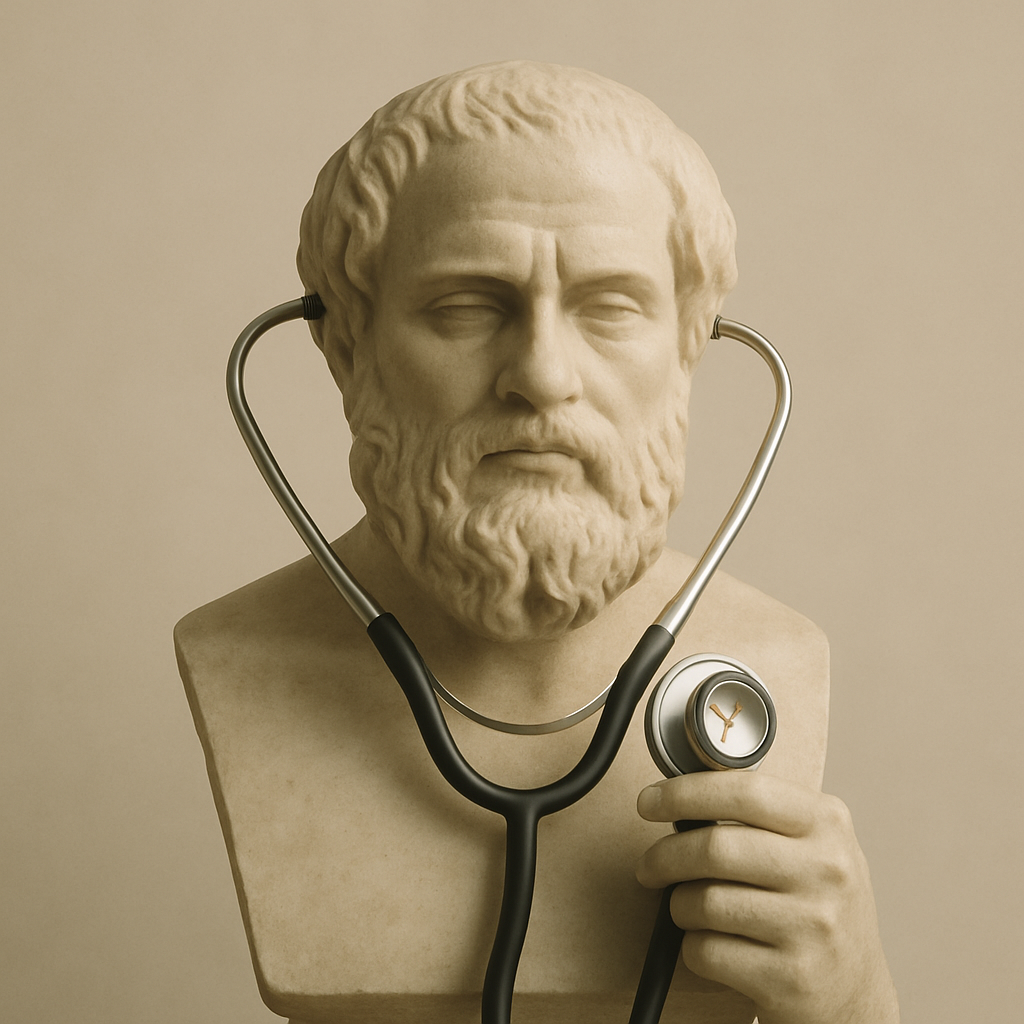
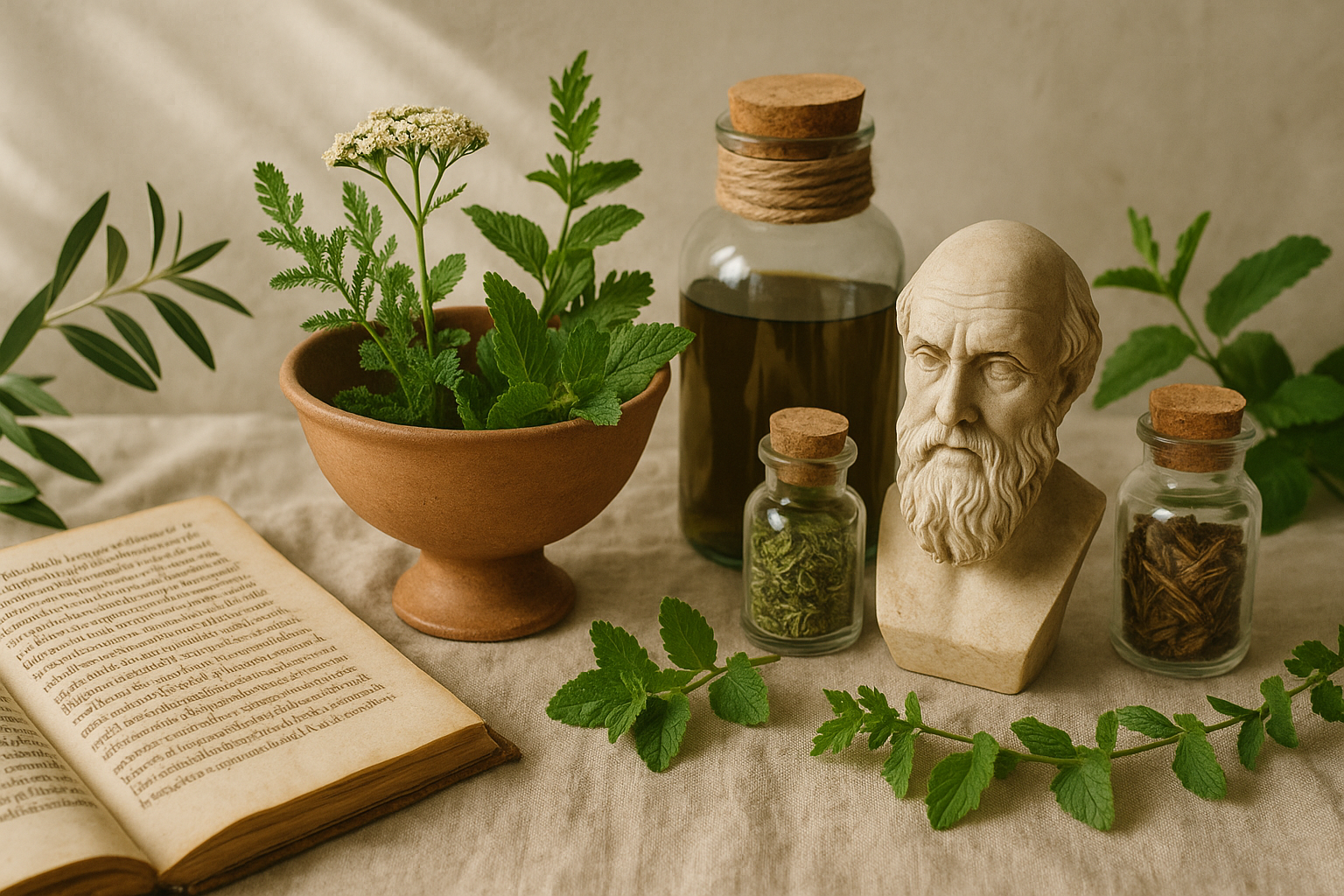
Holistic Diagnostics emerged within the lineage of Ancient Greek Medicine around the time of Hippocrates, who is often regarded as the father of medicine. Hippocrates and his followers recognized the importance of understanding the individual in a broader context, taking into account lifestyle, environment, and emotional state when assessing health. This perspective marked a significant shift from earlier medical practices that often focused solely on physical symptoms.
The practice was further developed by Galen, who expanded on Hippocratic principles and introduced additional diagnostic techniques, such as pulse diagnosis and the examination of bodily fluids. These foundational ideas laid the groundwork for a holistic understanding of health that continues to influence modern alternative medicine.
How It's Practiced
Holistic Diagnostics is practiced through a series of steps that help practitioners gather information about a person's overall health. Here is a plain language walk-through of the process:
- Initial Consultation: The practitioner conducts an in-depth interview to understand the patient's health history, lifestyle, and concerns.
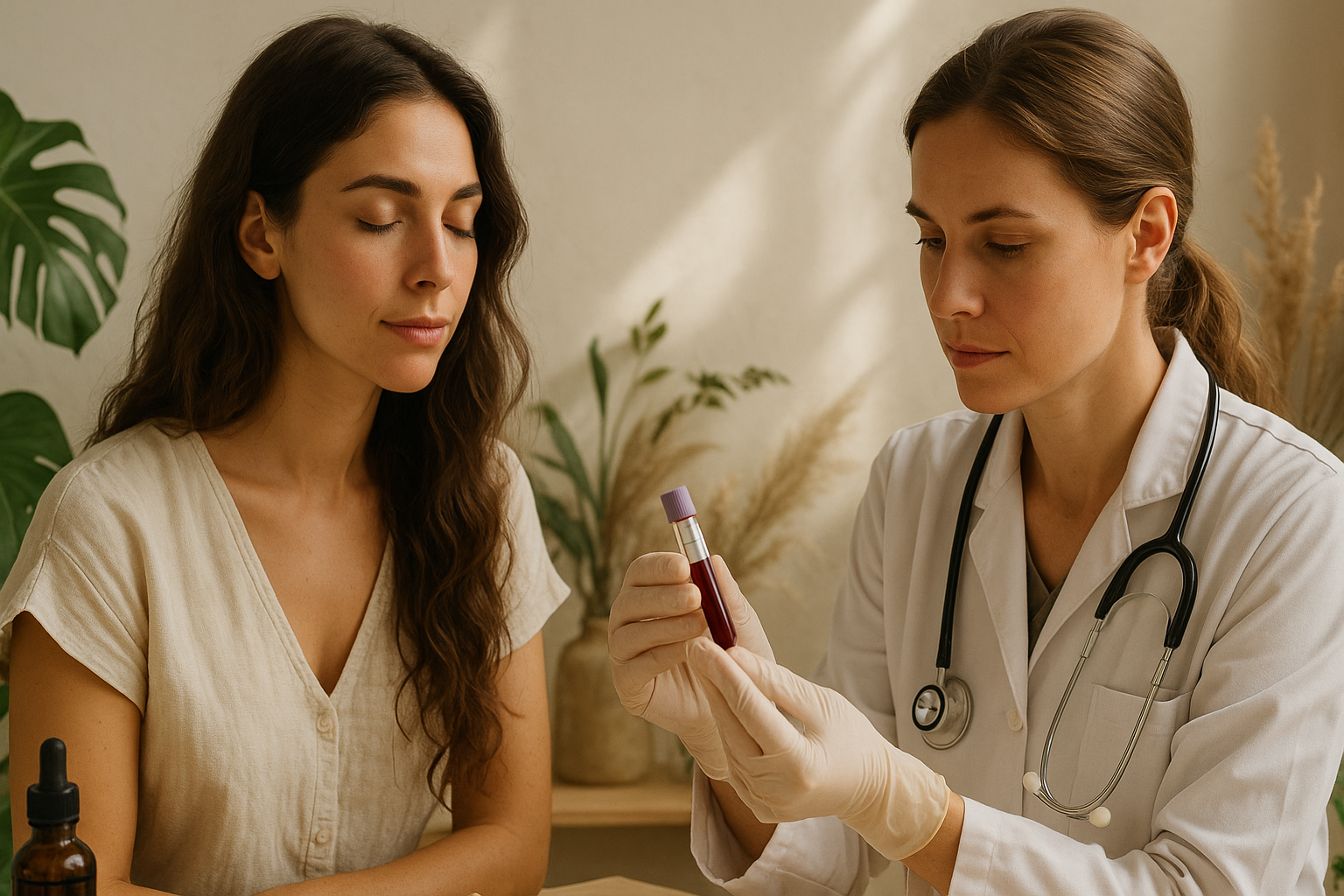
- Physical Examination: A thorough physical examination is performed, often including assessments of posture, skin, and pulse.
- Observation: Practitioners may observe emotional responses and behaviors during the consultation, which can provide additional insights.
- Diagnostic Techniques: Various diagnostic methods may be employed, such as tongue and pulse diagnosis, to identify imbalances.
- Personalized Assessment: After gathering all necessary information, the practitioner creates a holistic assessment that highlights potential health issues and areas for improvement.
- Treatment Plan: A tailored treatment plan is developed, which may include dietary recommendations, herbal remedies, and lifestyle modifications.
What It Is Traditionally Explored For
Holistic Diagnostics is traditionally used for various health concerns, focusing on achieving balance and harmony within the individual. Common goals include:
- Identifying underlying causes of chronic illnesses.
- Addressing emotional and mental health issues.
- Improving digestive health and metabolism.
- Enhancing immune function.
- Supporting overall vitality and well-being.
What Modern Research Suggests
While Holistic Diagnostics is deeply rooted in ancient practices, modern research has begun to explore its relevance in contemporary health care. Some studies suggest that holistic approaches can lead to improved patient satisfaction and better health outcomes. For instance, research has indicated that patients who engage in holistic assessments report a greater sense of well-being and understanding of their health.
Moreover, preliminary studies have indicated that integrating holistic diagnostics with conventional treatments may enhance the effectiveness of care for certain chronic conditions. However, more rigorous clinical trials are needed to substantiate these findings and fully understand the potential benefits of this ancient practice in modern contexts.
Safety, Contraindications & Who Should Skip
Holistic Diagnostics is generally considered safe; however, individuals with specific health conditions or those who are pregnant should consult with a healthcare provider before engaging in holistic practices. It is essential for practitioners to be aware of any contraindications, such as:
- Severe psychiatric disorders.
- Acute medical emergencies.
- Active substance abuse issues.
Those who are not ready to embrace a holistic approach or who prefer conventional methods may wish to consider other options that align more closely with their health philosophies.
Pairs Well With (within Ancient Greek Medicine and across pillars)
Holistic Diagnostics can complement various other modalities within Ancient Greek Medicine, as well as practices from other traditions. Related modalities include:
- Herbal Medicine
- Nutritional Therapy
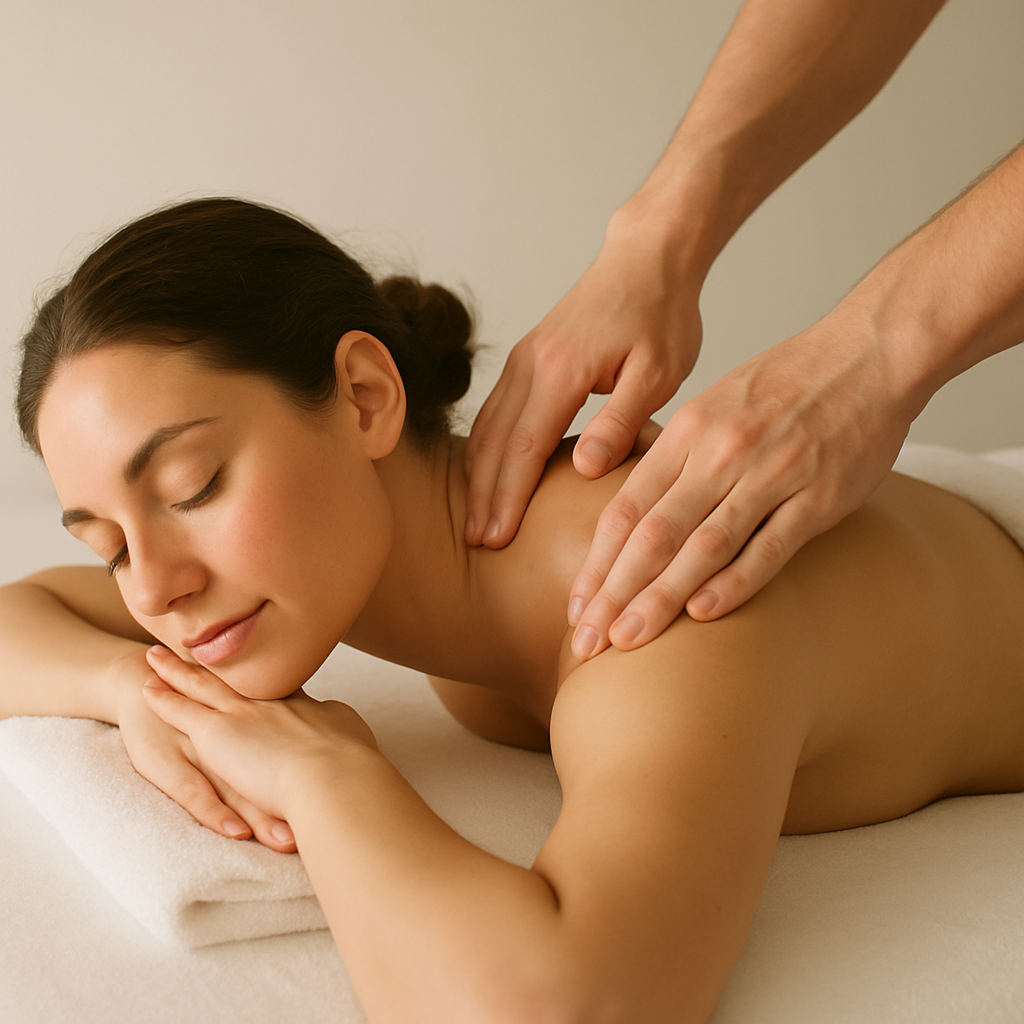
- Massage and Bodywork
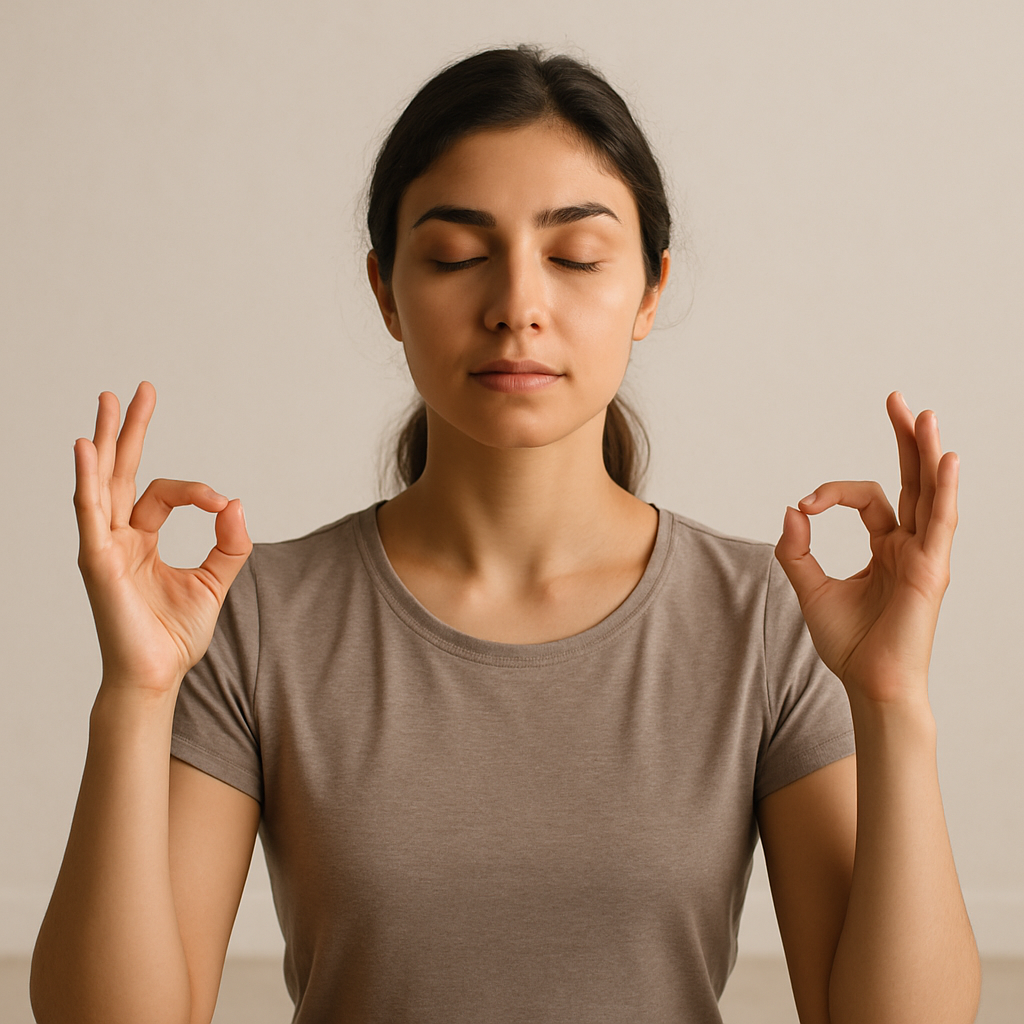
- Mindfulness and Meditation
- Aromatherapy
How to Find a Qualified Practitioner
Finding a qualified practitioner in Holistic Diagnostics involves a few key steps:
- Research: Look for practitioners who specialize in Ancient Greek Medicine or holistic approaches.
- Credentials: Verify their credentials and training in holistic diagnostics.
- Reviews: Read reviews and testimonials from previous clients.
- Consultation: Schedule an initial consultation to assess their approach and ensure it aligns with your needs.
FAQs (5)
- What is Holistic Diagnostics? Holistic Diagnostics is an approach that evaluates the interconnectedness of body, mind, and spirit to assess health.
- Is Holistic Diagnostics safe? Generally, yes, but individuals with specific health concerns should consult a healthcare professional first.
- What conditions can Holistic Diagnostics help with? It is traditionally used for chronic illnesses, emotional issues, and overall well-being.
- How can I find a practitioner? Research qualified practitioners, check credentials, and schedule consultations.
- What modern research supports Holistic Diagnostics? Preliminary studies suggest improved patient outcomes and satisfaction, but more research is needed.
Frequently asked
What is Holistic Diagnostics?
Holistic Diagnostics is an approach that evaluates the interconnectedness of body, mind, and spirit to assess health.
Is Holistic Diagnostics safe?
Generally, yes, but individuals with specific health concerns should consult a healthcare professional first.
What conditions can Holistic Diagnostics help with?
It is traditionally used for chronic illnesses, emotional issues, and overall well-being.
How can I find a practitioner?
Research qualified practitioners, check credentials, and schedule consultations.
What modern research supports Holistic Diagnostics?
Preliminary studies suggest improved patient outcomes and satisfaction, but more research is needed.