Healing Baths
Healing Baths in Ancient Greek Medicine involve therapeutic bathing practices aimed at promoting wellness.
Explore the ancient practice of Healing Baths within Ancient Greek Medicine, its historical roots, traditional uses, and how it is practiced today.
What It Is
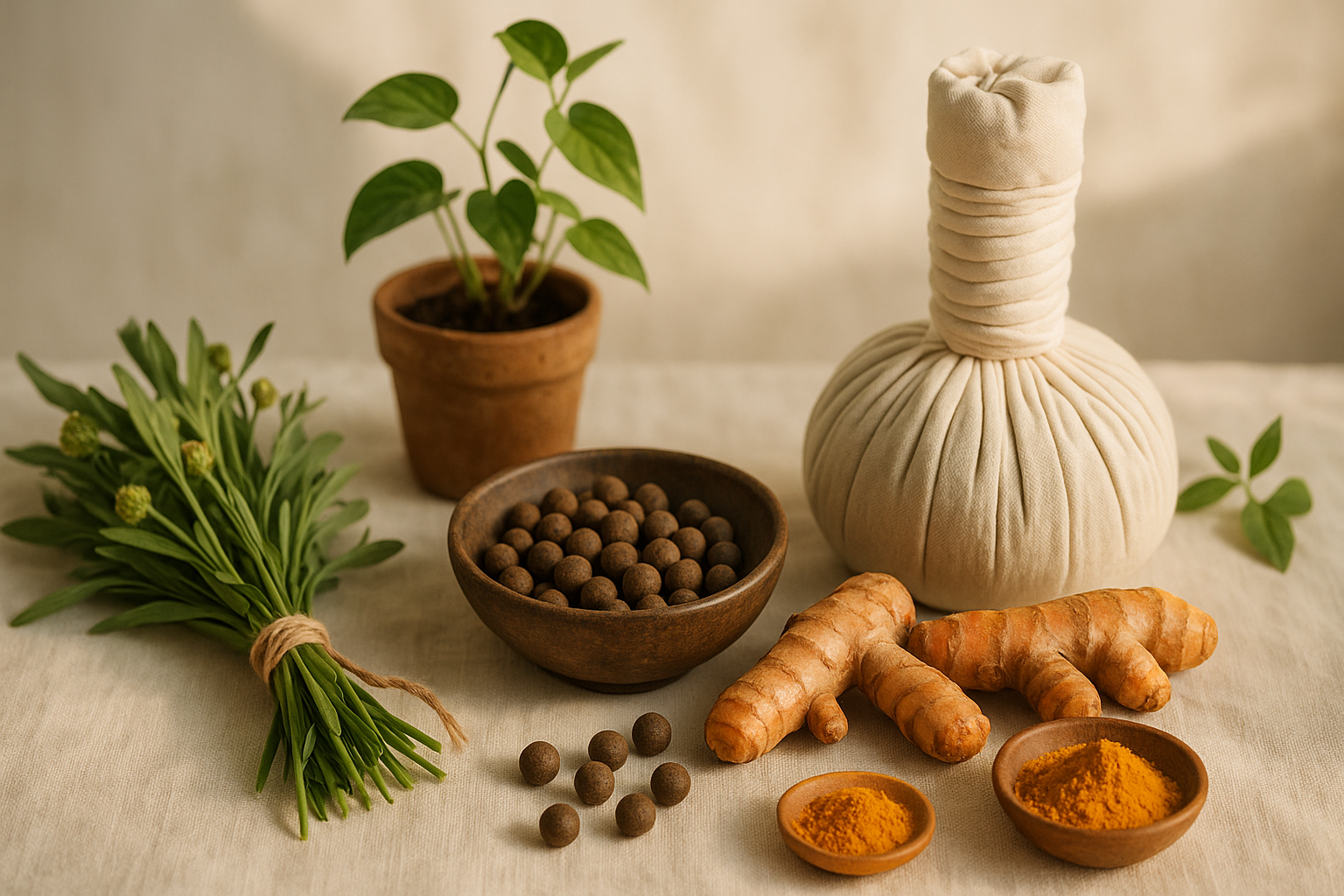
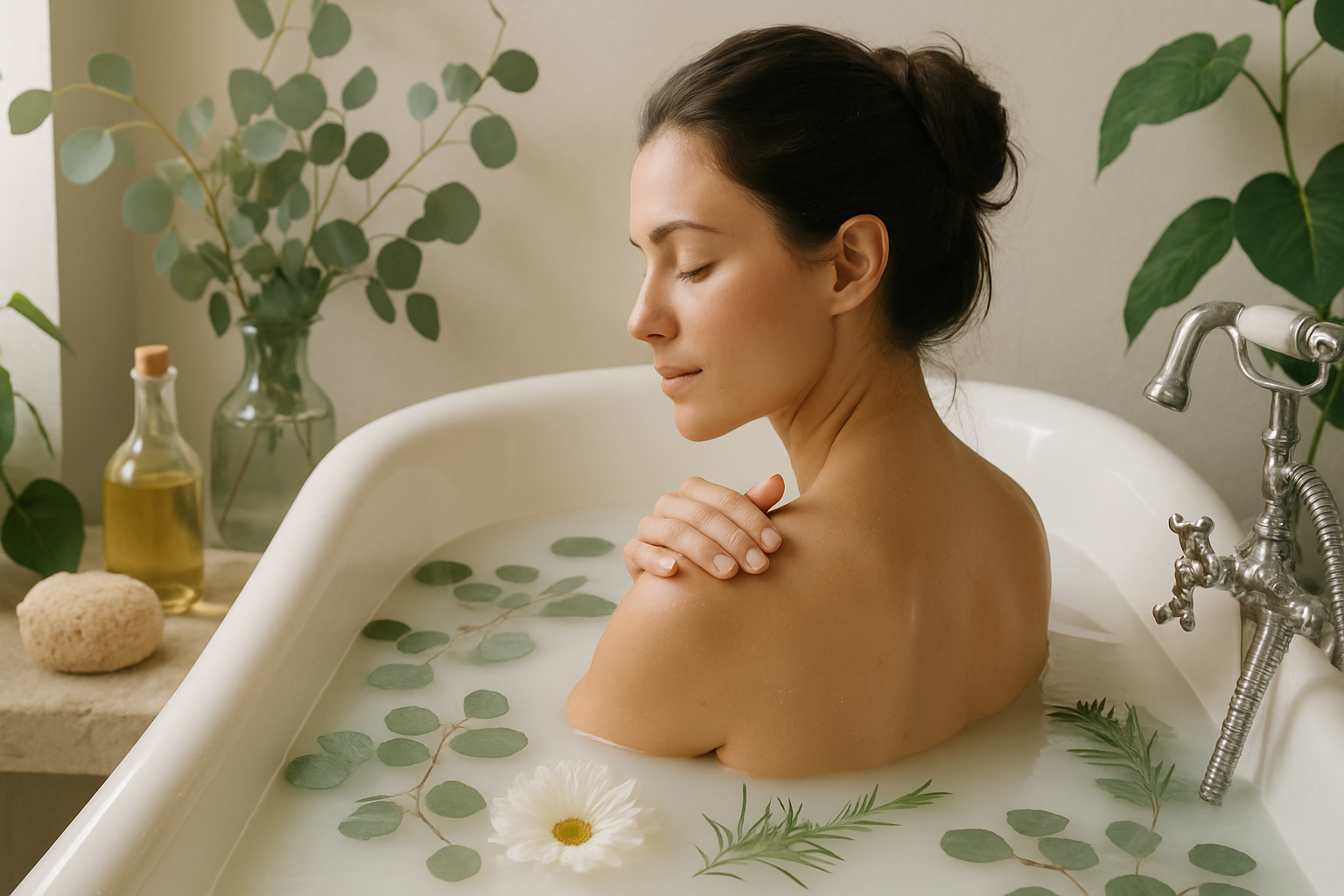
Healing Baths, a significant aspect of Ancient Greek Medicine, refer to the therapeutic practice of bathing in water infused with various natural ingredients, such as herbs and minerals. These baths were believed to promote physical healing, mental clarity, and spiritual rejuvenation. The practice involved not only the physical act of bathing but also the incorporation of rituals and mindfulness to enhance the therapeutic effects.
In Ancient Greece, water was viewed as a vital element for health and wellness. Healing Baths were often conducted in natural hot springs or specially designed bathhouses, where the temperature of the water and the specific herbal additions were tailored to the individual's needs. The combination of warmth, buoyancy, and herbal properties was thought to facilitate healing on multiple levels.
Historical Context Within Ancient Greek Medicine
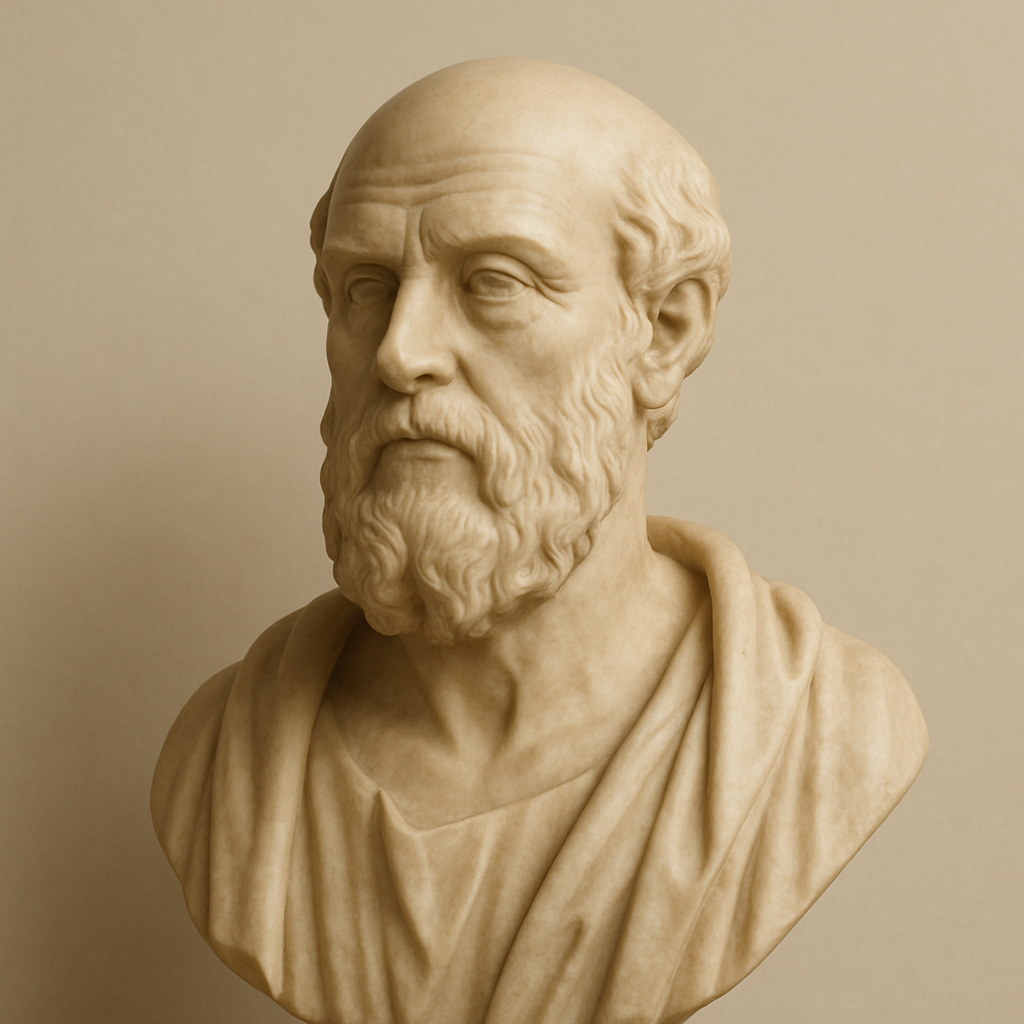
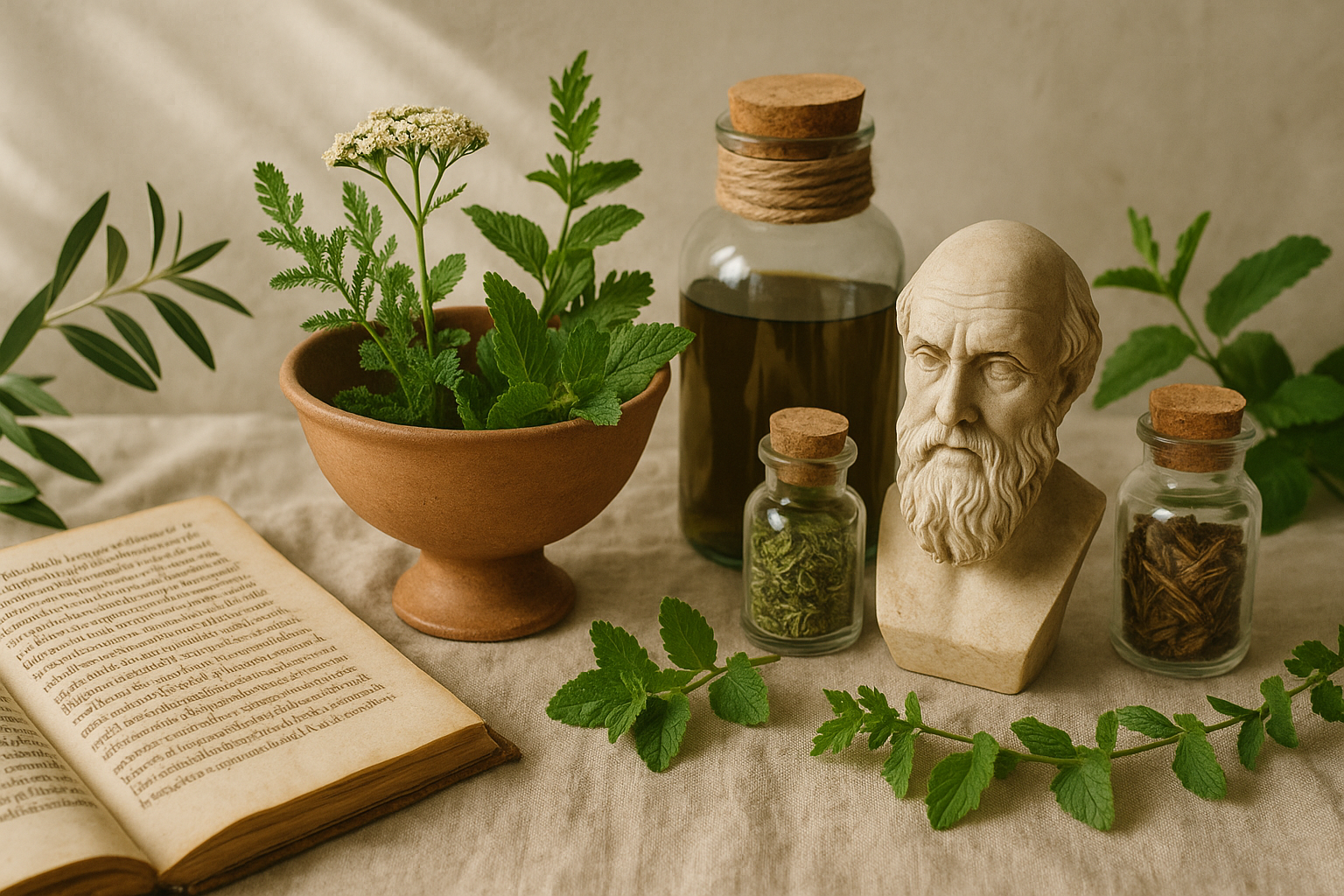
Healing Baths emerged in Ancient Greek culture around the 5th century BCE, a time when the understanding of health was deeply intertwined with the natural world. Prominent figures such as Hippocrates, often referred to as the father of medicine, recognized the therapeutic potential of water and its ability to is traditionally explored for various ailments. The Greeks believed that the balance of bodily humors was essential for health, and bathing was seen as a means to restore this balance.
Bathing practices were often integrated into the broader context of the Asclepius cult, where healing temples offered bathing facilities as part of their holistic approach to health. These temples not only served as places for physical healing but also emphasized the importance of mental and spiritual well-being in the healing process.
How It's Practiced
Practicing Healing Baths involves several steps that incorporate both physical and mental elements. Here is a general outline of how the process is approached:
- Preparation: Gather necessary materials, including water, herbs, and essential oils.
- Setting the Environment: Create a calm and peaceful atmosphere, ensuring privacy and comfort.
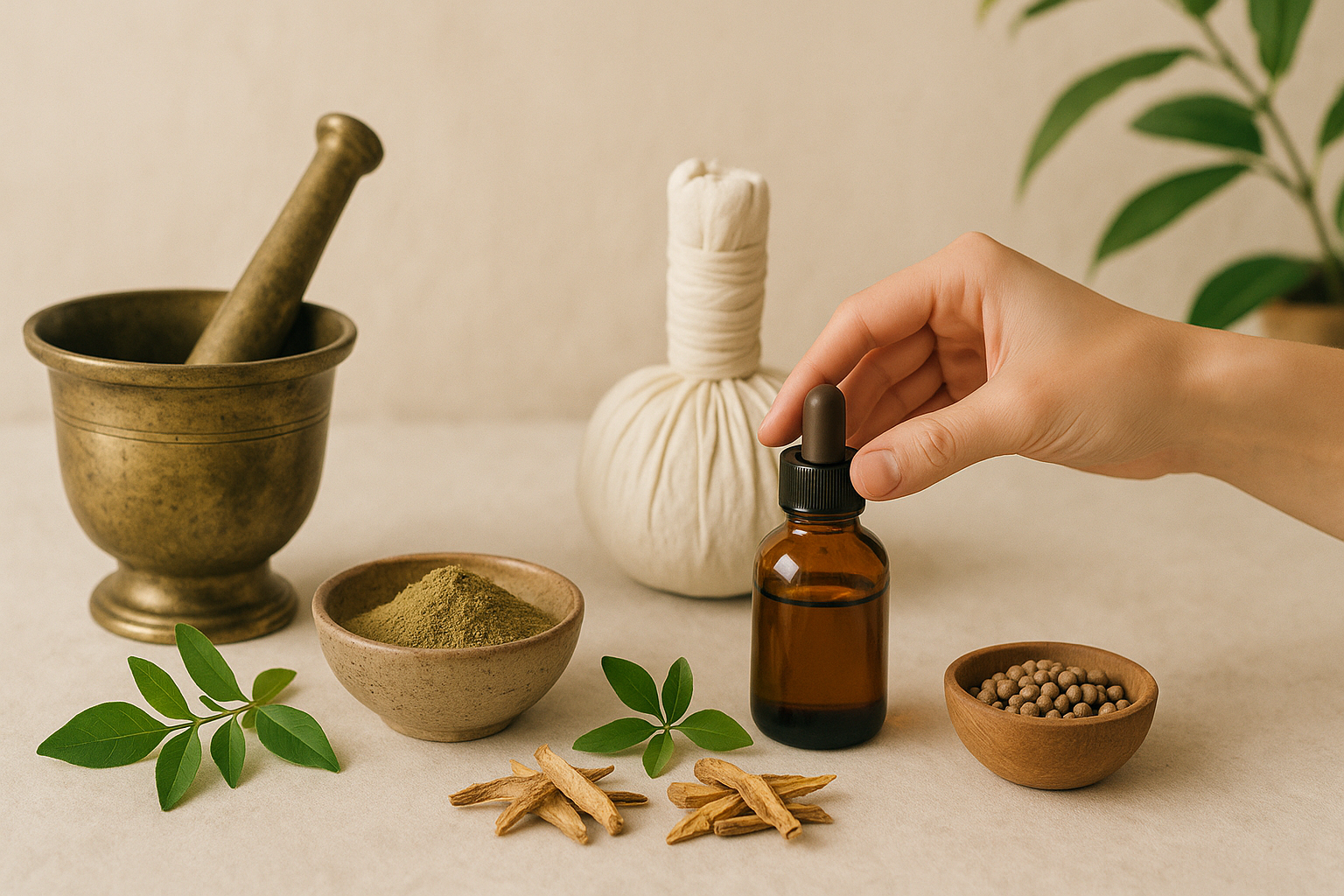
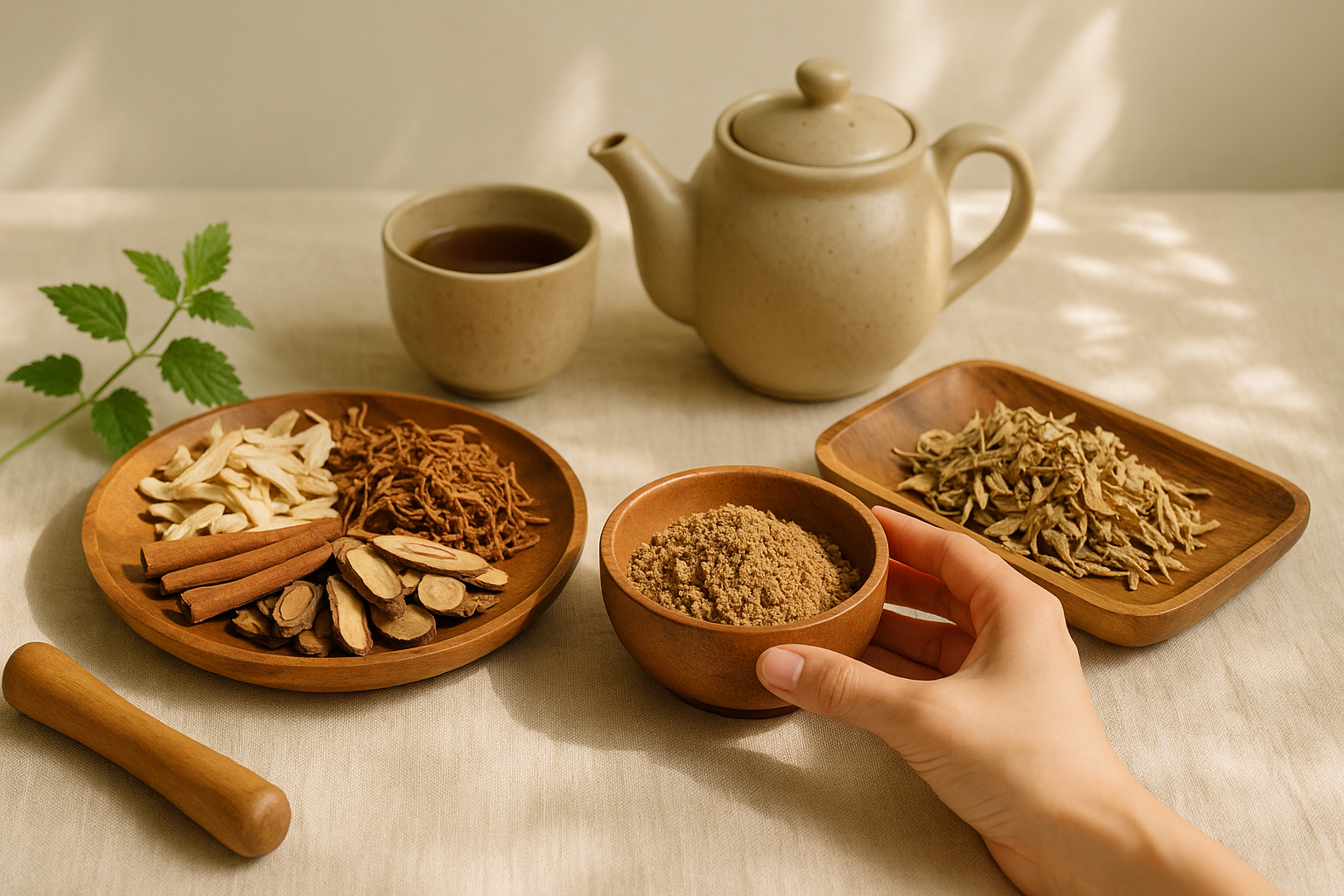
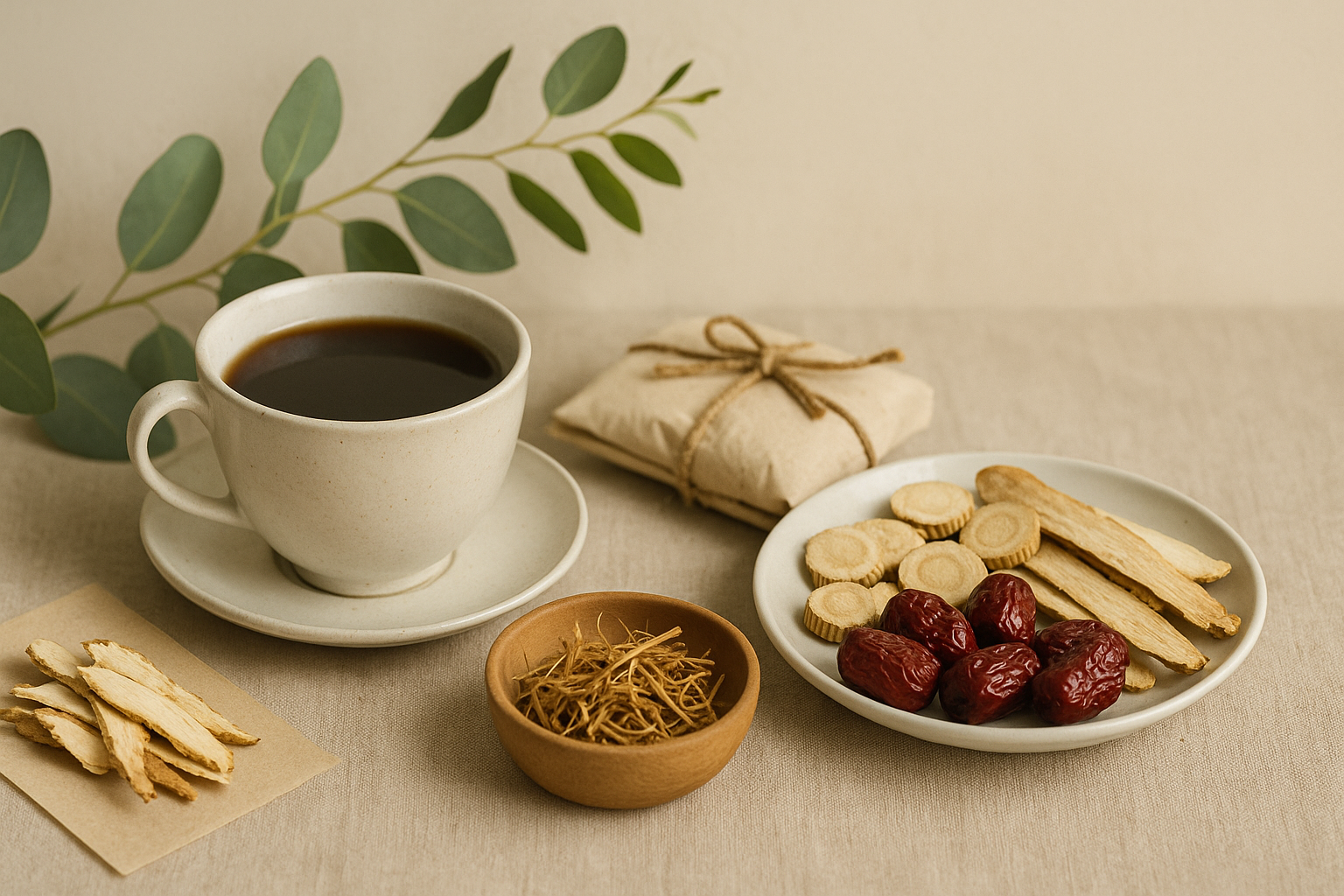
- Infusion: Prepare the bath by infusing the water with selected herbs known for their healing properties.
- Temperature Control: Adjust the water temperature to a comfortable level, typically warm or hot.
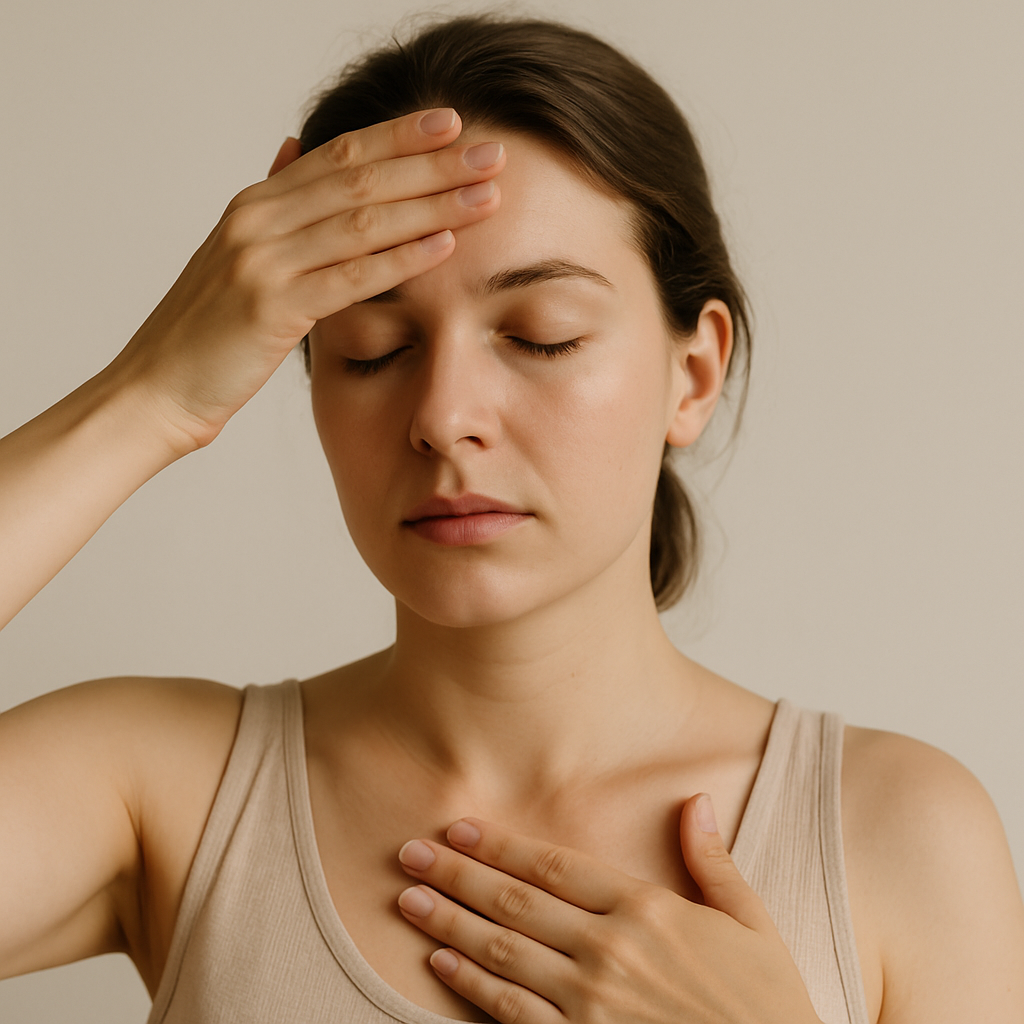
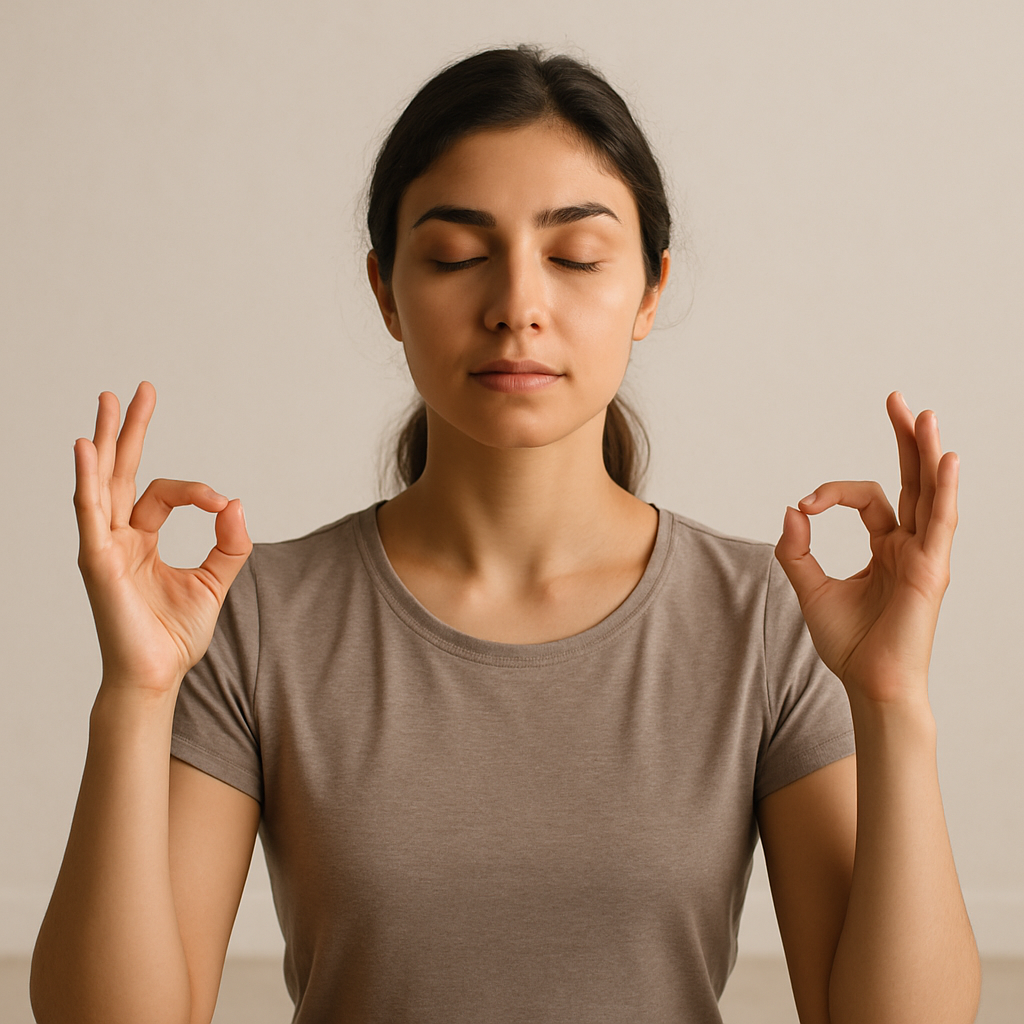
- Mindfulness: Before entering the bath, engage in a brief meditation or breathing exercise to promote relaxation.
- Bathing Duration: Soak in the bath for a recommended time, usually between 20 to 30 minutes, allowing the body to absorb the healing properties.
- Post-Bath Ritual: After bathing, it is common to rest and hydrate, allowing the body to assimilate the benefits of the bath.
What It Is Traditionally Explored For
Healing Baths are traditionally used for a variety of purposes, often aligning with the holistic approach of Ancient Greek Medicine. While individual experiences may vary, common goals include:
- Promoting relaxation and reducing stress.
- Relieving muscle tension and pain.
- Enhancing skin health and addressing conditions such as eczema or psoriasis.
- Supporting respiratory health through steam inhalation with herbal infusions.
- Encouraging emotional balance and mental clarity.
What Modern Research Suggests
Modern studies have begun to explore the benefits of therapeutic baths, aligning with traditional practices. Preliminary research indicates that warm water immersion can lead to reduced muscle soreness, improved circulation, and enhanced relaxation. For instance, studies have shown that bathing can lower cortisol levels, a hormone associated with stress, thus promoting a sense of well-being.
Additionally, components commonly used in healing baths, such as herbal infusions, have been the subject of research for their potential anti-inflammatory and soothing properties. While more extensive clinical trials are needed to establish definitive benefits, early findings suggest that the practice may offer both physical and psychological advantages.
Safety, Contraindications & Who Should Skip
While Healing Baths can be beneficial for many, there are certain safety considerations to keep in mind. Individuals who should avoid Healing Baths include:
- Those with open wounds or skin infections.
- People with cardiovascular issues or respiratory conditions, as hot baths may exacerbate these problems.
- Pregnant women, unless advised by a healthcare professional.
- Individuals who are sensitive to heat or have conditions that may be worsened by immersion in hot water.
Pairs Well With (within Ancient Greek Medicine and across pillars)
Healing Baths can complement various other modalities and practices within Ancient Greek Medicine. Some related practices include:
- Herbal medicine, focusing on the use of specific plants for therapeutic purposes.
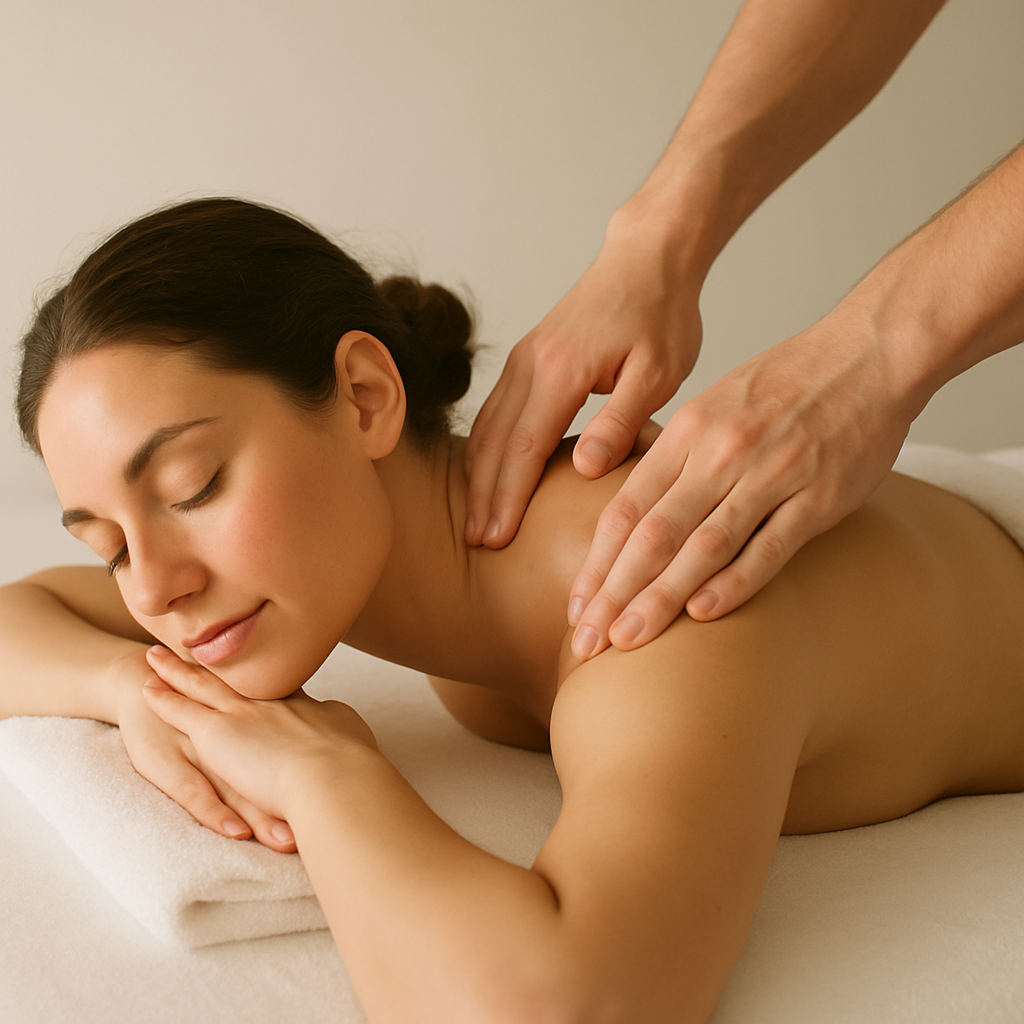
- Massage therapy, which can enhance relaxation and promote circulation.
- Nutrition, emphasizing a balanced diet to support overall health.
- Mindfulness practices, such as yoga or meditation, to promote mental well-being.
How to Find a Qualified Practitioner
To find a qualified practitioner for Healing Baths, consider the following steps:
- Research local wellness centers or spas that offer holistic treatments.
- Look for practitioners with training in ancient healing practices or herbal medicine.
- Check reviews and testimonials from previous clients to gauge effectiveness.
- Schedule a consultation to discuss your needs and ensure the practitioner’s approach aligns with your health goals.
FAQs (5)
- What herbs are commonly used in Healing Baths? Common herbs include lavender, chamomile, and eucalyptus, each chosen for their specific therapeutic properties.
- How often can I take a Healing Bath? It is generally safe to enjoy Healing Baths a few times a week, but individual frequency may vary based on personal health and preferences.
- Can Healing Baths help with emotional issues? Many people find that the calming environment of a Healing Bath can support emotional balance and reduce stress.
- Is it safe to use essential oils in the bath? Essential oils can enhance the experience, but it is crucial to use them safely and in moderation, as some can irritate the skin.
- What should I do after a Healing Bath? Hydrate and rest after a bath to allow your body to fully benefit from the experience.
Frequently asked
What herbs are commonly used in Healing Baths?
Common herbs include lavender, chamomile, and eucalyptus, each chosen for their specific therapeutic properties.
How often can I take a Healing Bath?
It is generally safe to enjoy Healing Baths a few times a week, but individual frequency may vary based on personal health and preferences.
Can Healing Baths help with emotional issues?
Many people find that the calming environment of a Healing Bath can support emotional balance and reduce stress.
Is it safe to use essential oils in the bath?
Essential oils can enhance the experience, but it is crucial to use them safely and in moderation, as some can irritate the skin.
What should I do after a Healing Bath?
Hydrate and rest after a bath to allow your body to fully benefit from the experience.