Humoral Medicine
Delve into Humoral Medicine, its historical roots, practices, and how it relates to well-being in Ancient Greek Medicine.

Explore the ancient practice of Humoral Medicine, a cornerstone of Ancient Greek Medicine, that emphasizes balance among the four bodily humors for health and wellness.
What It Is
Humoral Medicine is a foundational concept in Ancient Greek Medicine, positing that human health is governed by the balance of four bodily fluids, known as humors. These humors include blood, phlegm, yellow bile, and black bile, each associated with different qualities and temperaments. When these humors are in balance, an individual is considered to be in good health; when they are out of balance, it may lead to disease and discomfort.
The practice of Humoral Medicine seeks to understand the interplay of these humors within the body and how they relate to various aspects of life and health. Treatment methods often aim to restore harmony to the body by adjusting the humors through diet, lifestyle changes, and various therapeutic practices.
Historical Context Within Ancient Greek Medicine
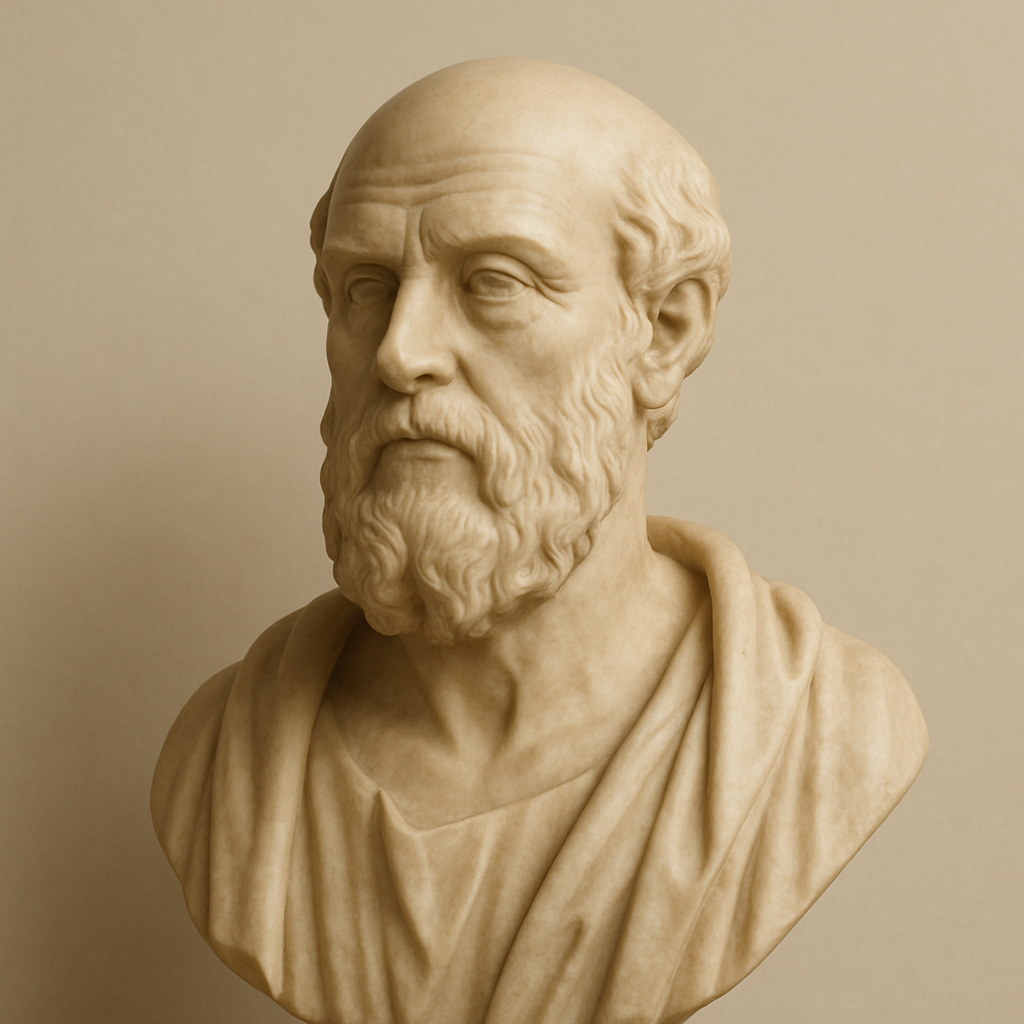
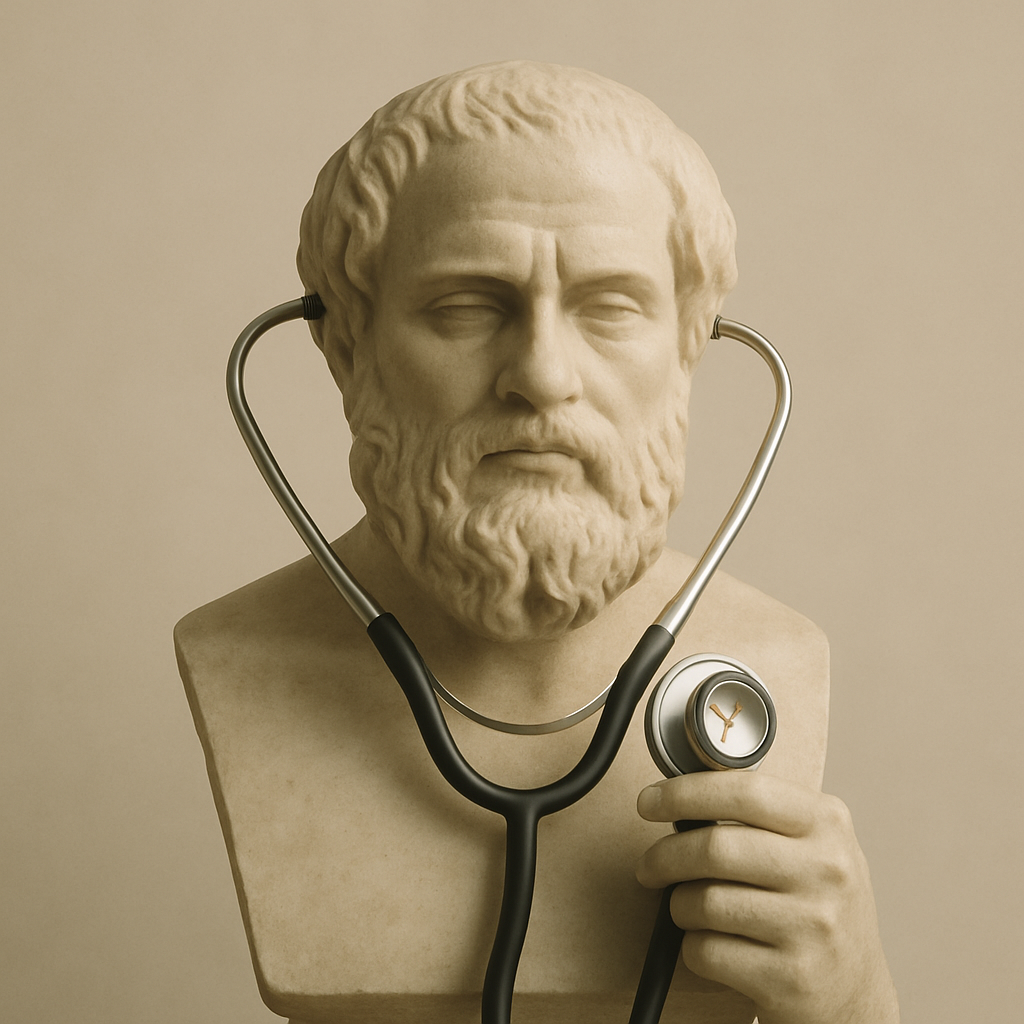
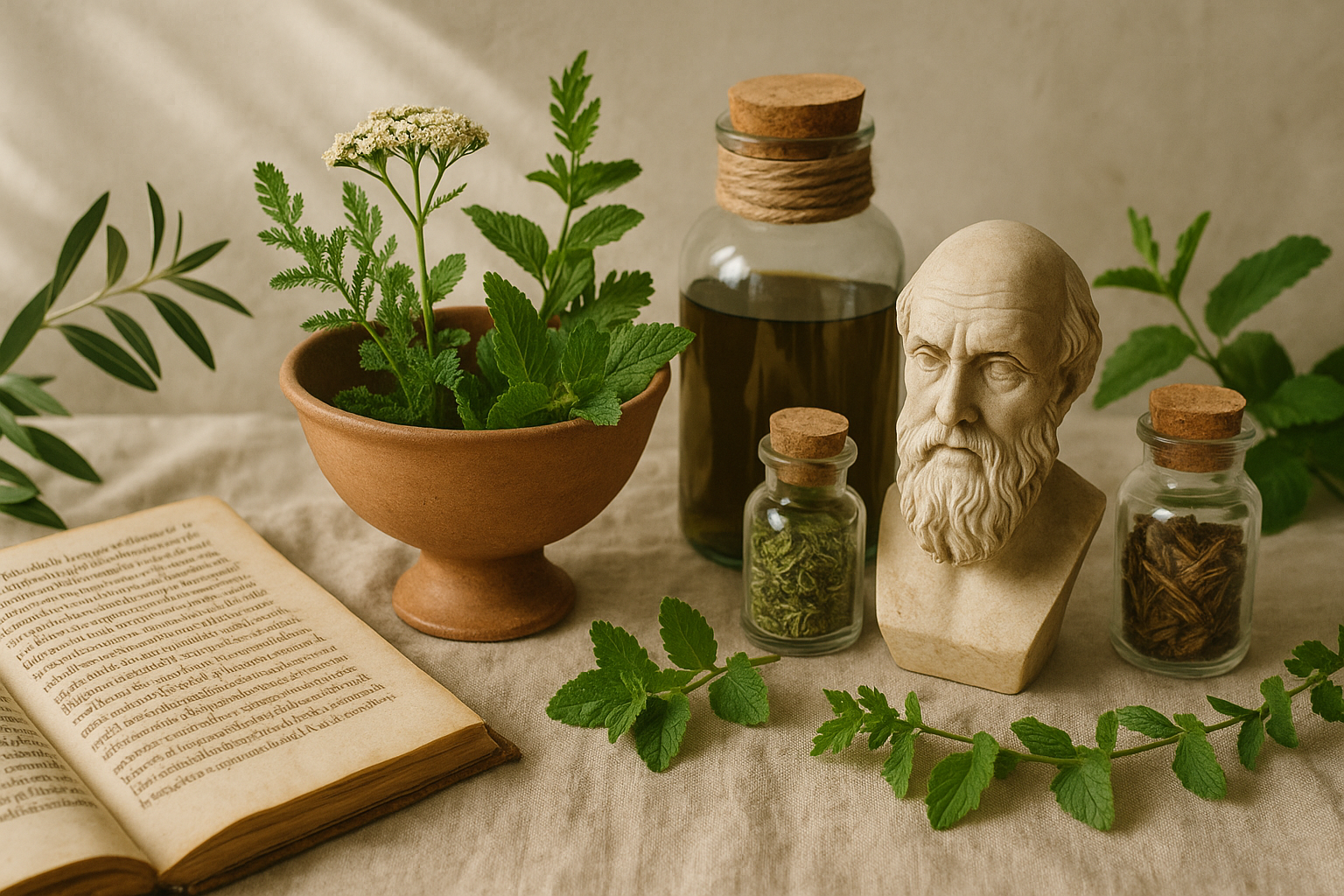
The origins of Humoral Medicine can be traced back to Hippocrates, often referred to as the father of medicine, who lived around 460-370 BCE. He and his followers were instrumental in developing the theory, which later gained prominence through the works of Galen in the 2nd century CE. Galen expanded on Hippocratic teachings, synthesizing them into a comprehensive system that influenced medical thought for centuries.
Humoral theory emerged during a period when physicians were beginning to shift their approach from supernatural explanations of disease to more naturalistic and observational methods. This shift laid the groundwork for a more systematic understanding of human physiology and health.
How It's Practiced
Practitioners of Humoral Medicine typically follow a systematic approach to assess the balance of humors in their patients. Here’s a general outline of the process:
- Initial Assessment: The practitioner gathers a detailed medical history and observes physical symptoms.
- Humor Evaluation: Based on the patient’s symptoms, the practitioner determines which humor is dominant or deficient.
- Therapeutic Recommendations: Treatment may include dietary changes, herbal remedies, and lifestyle adjustments aimed at restoring balance.
- Monitoring Progress: Regular follow-ups are conducted to assess the effectiveness of the treatment and make adjustments as necessary.
What It Is Traditionally Explored For
Humoral Medicine is traditionally used for a variety of health concerns, focusing mainly on restoring balance and promoting overall well-being. Common goals include:
- Alleviating symptoms of chronic illnesses
- Enhancing digestive health
- Managing emotional and mental well-being
- Addressing skin conditions
- Improving respiratory issues
What Modern Research Suggests
While modern science has largely moved beyond the humoral theory, some aspects of Humoral Medicine have been explored in contemporary research. Studies have indicated that lifestyle and dietary factors can significantly impact health outcomes, resonating with the humoral focus on balance. For instance, the influence of diet on mood and physical health supports the idea of maintaining harmony within the body.
Additionally, some herbal remedies traditionally used in Humoral Medicine have garnered interest in clinical research for their potential benefits. However, it is essential to approach these findings with caution, as more rigorous studies are necessary to establish efficacy and safety.
Safety, Contraindications & Who Should Skip
While Humoral Medicine is generally considered safe when practiced by qualified practitioners, individuals with specific health conditions should exercise caution. Those with chronic illnesses, pregnant individuals, or those taking prescribed medications should consult their healthcare provider before engaging in any alternative therapies. It is crucial to ensure that any treatment does not interfere with existing medical care.
Pairs Well With (within Ancient Greek Medicine and across pillars)
- Herbal Medicine
- Aromatherapy
- Nutritional Therapy
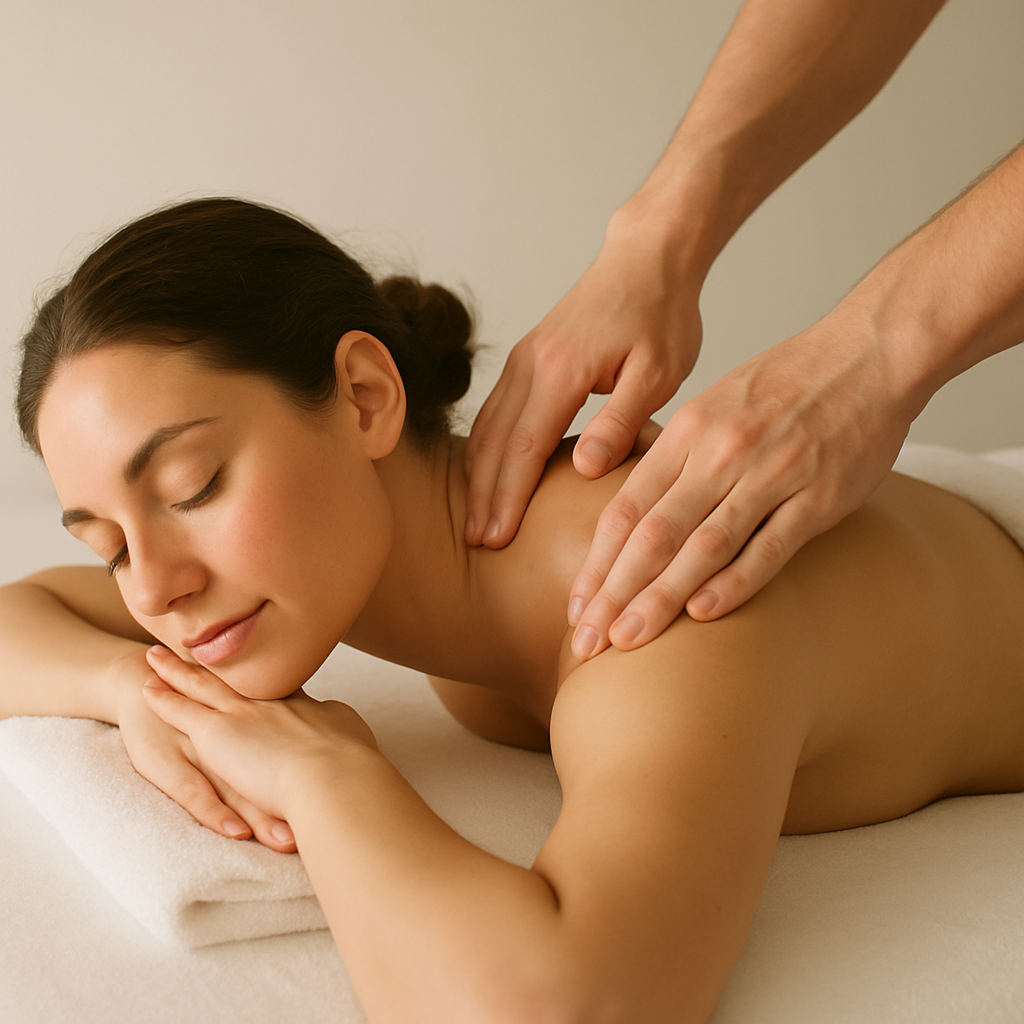
- Massage Therapy
- Yoga and Mindfulness Practices
How to Find a Qualified Practitioner
To find a qualified practitioner of Humoral Medicine, consider the following steps:
- Research local practitioners specializing in Ancient Greek Medicine or holistic health.
- Check credentials and experience to ensure they are knowledgeable in humoral theory.
- Seek recommendations from trusted sources or wellness communities.
- Schedule an initial consultation to discuss your health goals and assess compatibility.
FAQs
- What are the four humors? The four humors are blood, phlegm, yellow bile, and black bile.
- How can I tell if my humors are imbalanced? Symptoms like fatigue, digestive issues, or mood swings may indicate an imbalance.
- Is Humoral Medicine effective? While some aspects are supported by modern research, more studies are needed to validate its efficacy.
- Can I combine Humoral Medicine with my current treatments? Always consult a healthcare provider before combining therapies.
- Where can I learn more about Humoral Medicine? Consider reading historical texts or seeking out educational resources from practitioners in the field.
Frequently asked
What are the four humors?
The four humors are blood, phlegm, yellow bile, and black bile.
How can I tell if my humors are imbalanced?
Symptoms like fatigue, digestive issues, or mood swings may indicate an imbalance.
Is Humoral Medicine effective?
While some aspects are supported by modern research, more studies are needed to validate its efficacy.
Can I combine Humoral Medicine with my current treatments?
Always consult a healthcare provider before combining therapies.
Where can I learn more about Humoral Medicine?
Consider reading historical texts or seeking out educational resources from practitioners in the field.