Mind-Body Balance
Discover the principles and applications of Mind-Body Balance in Ancient Greek Medicine, including its historical context and modern insights.
Explore the ancient practice of Mind-Body Balance within Ancient Greek Medicine, its historical roots, modern applications, and considerations for practice.
What It Is
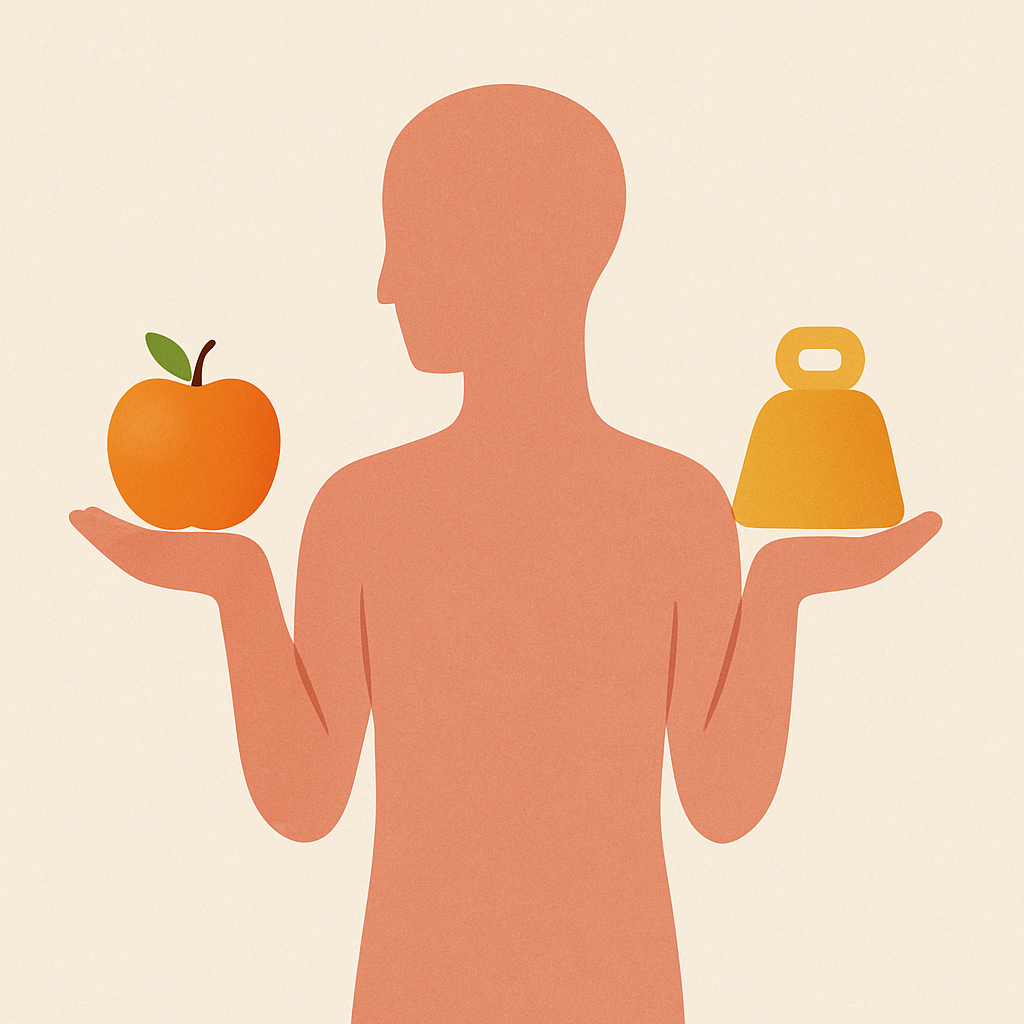
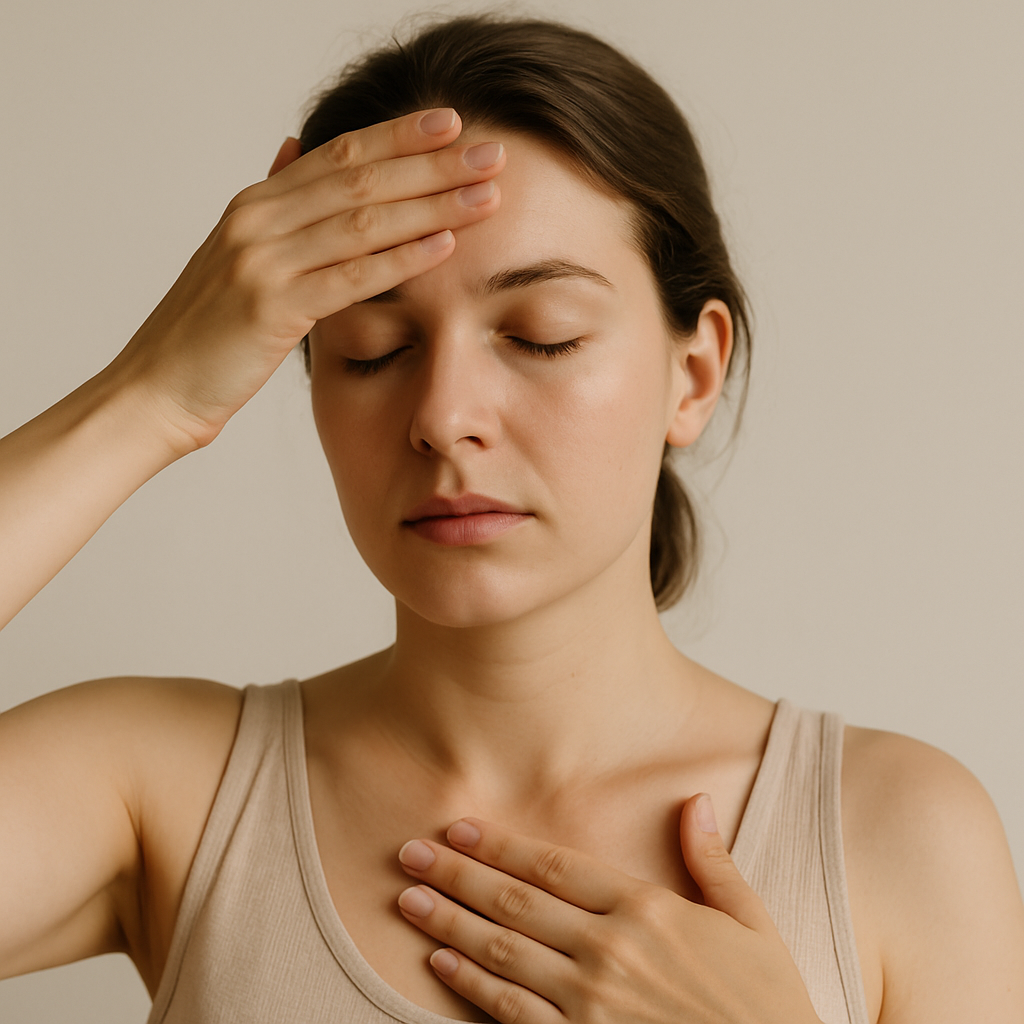
Mind-Body Balance is a holistic practice rooted in the belief that mental and physical health are interconnected. This approach emphasizes the importance of achieving harmony between the mind and body to foster overall well-being. In the context of Ancient Greek Medicine, this balance is seen as essential for maintaining health and preventing illness.
The concept integrates various techniques and philosophies, including the use of breath control, meditation, and physical exercise, to promote a unified state of being. By addressing both mental and physical aspects of health, practitioners aim to cultivate resilience and improved quality of life.
Historical Context Within Ancient Greek Medicine
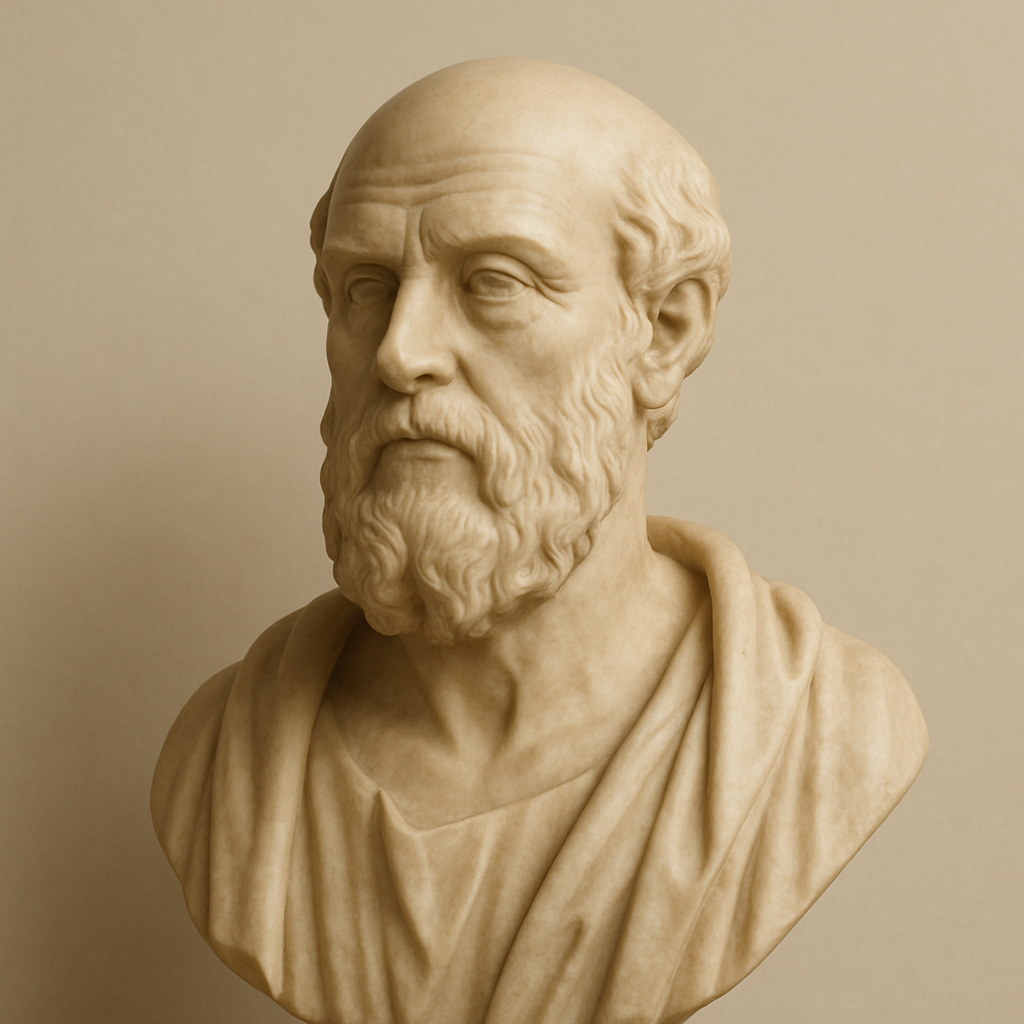
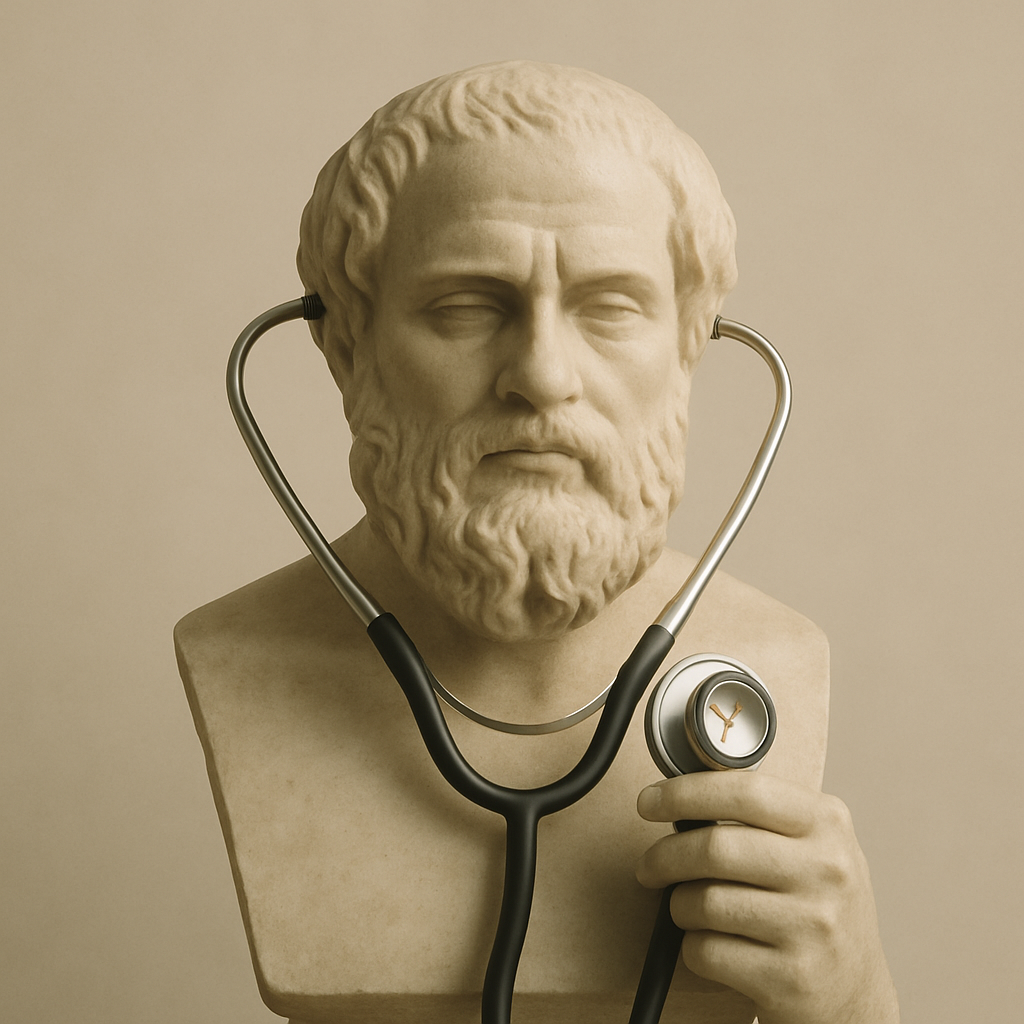
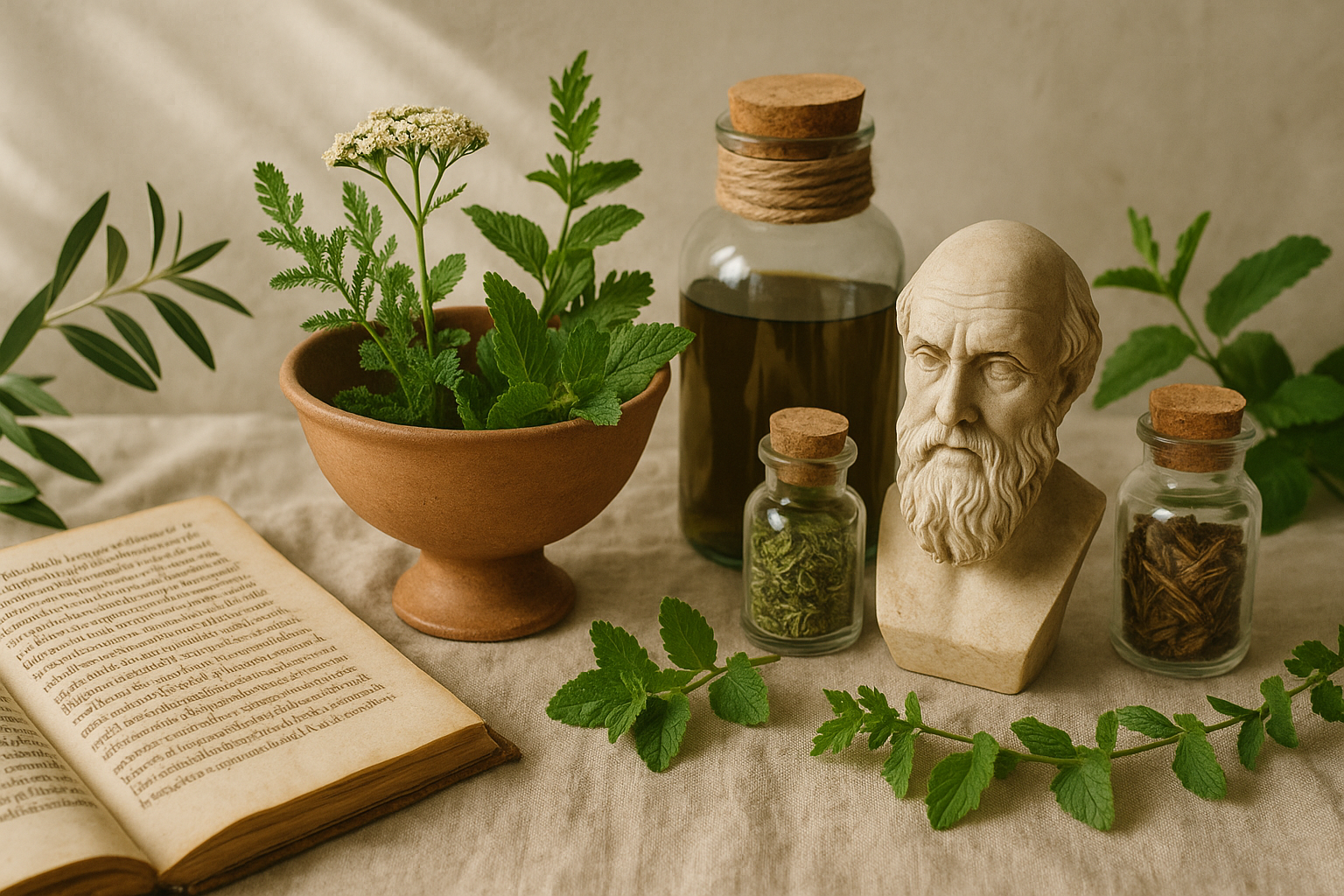
Mind-Body Balance emerged as a significant component of Ancient Greek Medicine around the 5th century BCE, during a time when the understanding of health was evolving. Influential figures such as Hippocrates and Galen laid the groundwork for this practice, emphasizing the relationship between emotional states and physical health.
Hippocrates, often referred to as the Father of Medicine, proposed that a harmonious balance of the body's humors was crucial for health. This principle extended to the belief that mental well-being could directly influence bodily functions, marking the beginning of a comprehensive approach to health that included both the mind and body.
How It's Practiced
Practicing Mind-Body Balance involves a series of techniques aimed at fostering harmony between mental and physical states. Here is a simple walk-through of common practices:
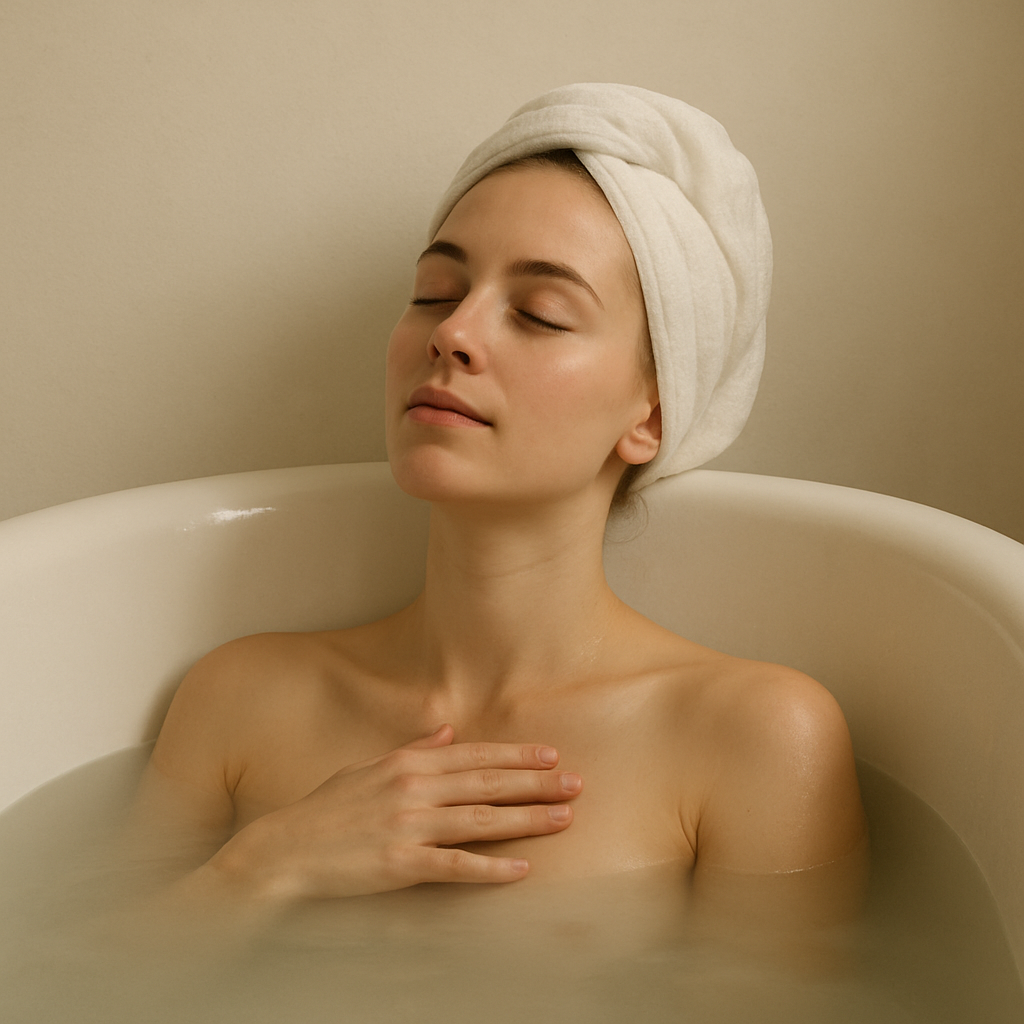
- Breathing Exercises: Deep, controlled breathing helps to calm the mind and oxygenate the body.
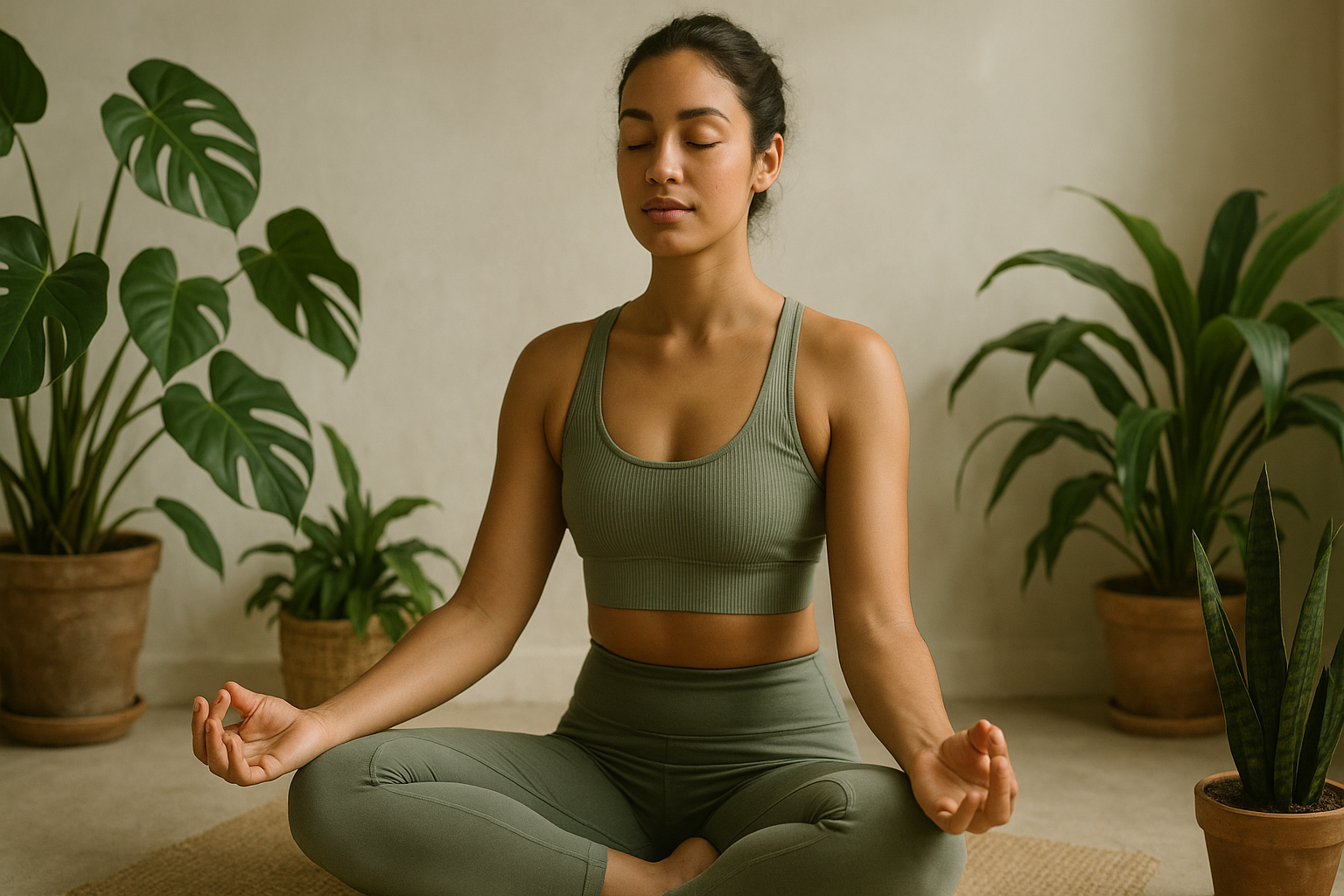
- Meditation: Engaging in mindfulness or meditation practices to enhance mental clarity and emotional stability.
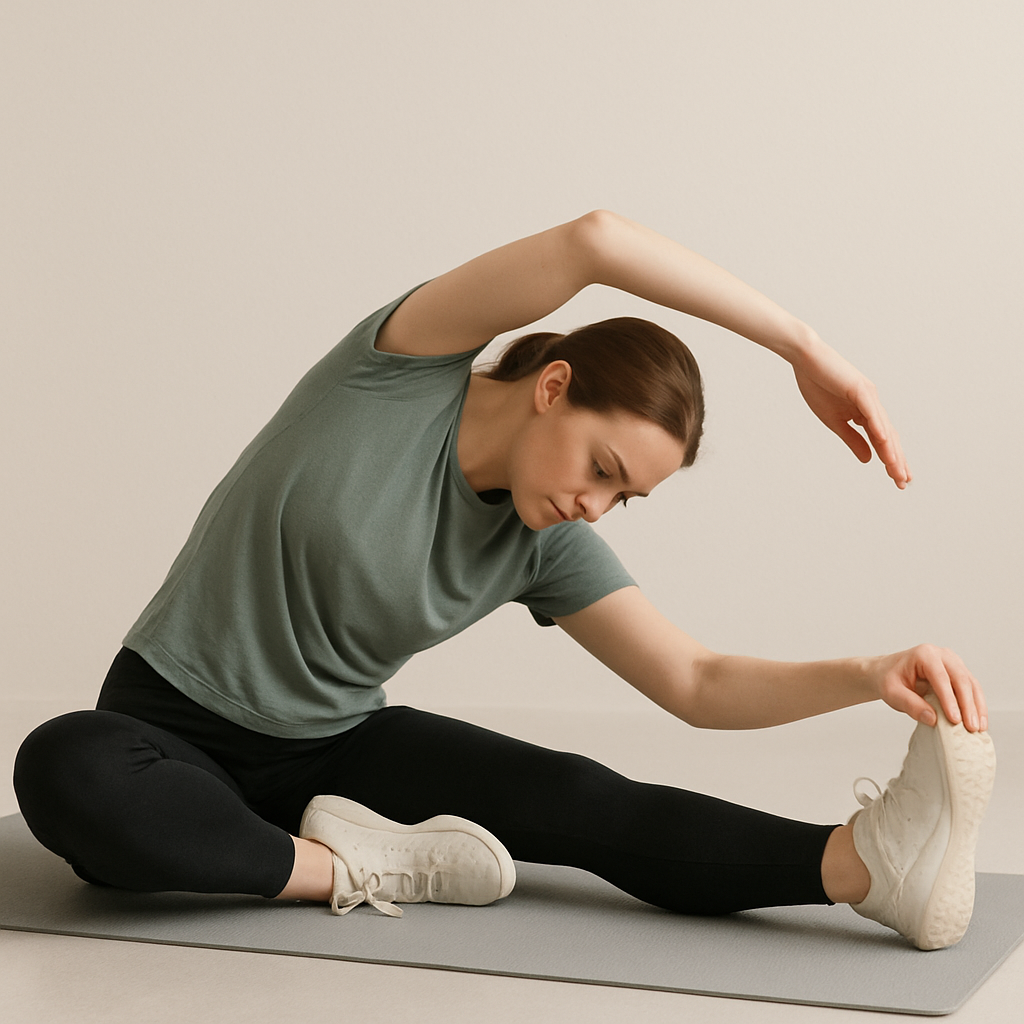
- Physical Activity: Incorporating gentle exercises, such as yoga or walking, to promote physical health and mental clarity.
- Dietary Considerations: Consuming a balanced diet that supports both physical and mental health, often guided by principles of moderation and quality.
These practices are often combined in personalized routines that cater to individual needs and health goals.
What It Is Traditionally Explored For
Mind-Body Balance is traditionally explored for a variety of reasons, with a focus on enhancing overall well-being. Some commonly noted goals include:
- Improving emotional stability and mental clarity
- Reducing stress and anxiety levels
- Enhancing physical health through increased vitality
- Promoting resilience against illness
- Encouraging a sense of inner peace and contentment
These goals reflect the holistic nature of Ancient Greek Medicine, where the mind and body are viewed as interdependent systems.
What Modern Research Suggests
Modern research into Mind-Body Balance has begun to validate many of the traditional beliefs surrounding this practice. Preliminary studies indicate that practices such as meditation and yoga can lead to reductions in stress, anxiety, and even physical pain. For example, research has shown that mindfulness meditation can significantly lower cortisol levels, a hormone associated with stress.
Clinical studies have also explored the benefits of combining physical activity with mental exercises. Findings suggest that individuals who engage in regular mind-body practices report improved quality of life and greater emotional resilience. However, while these studies provide promising insights, more extensive research is needed to fully understand the long-term effects and mechanisms behind these benefits.
Safety, Contraindications & Who Should Skip
While Mind-Body Balance practices are generally considered safe for most individuals, it is essential to approach them with caution. Some contraindications may include:
- Individuals with severe mental health conditions should consult a healthcare professional before starting any new practice.
- Those with physical limitations or chronic health issues should tailor their practices accordingly to avoid injury.
- Pregnant individuals should seek guidance from a qualified practitioner to ensure safety.
It is always advisable to consult with a healthcare provider before beginning any new health regimen, especially if there are existing health concerns.
Pairs Well With (within Ancient Greek Medicine and across pillars)
Mind-Body Balance can be effectively paired with various other modalities and practices within Ancient Greek Medicine and beyond. Some complementary approaches include:
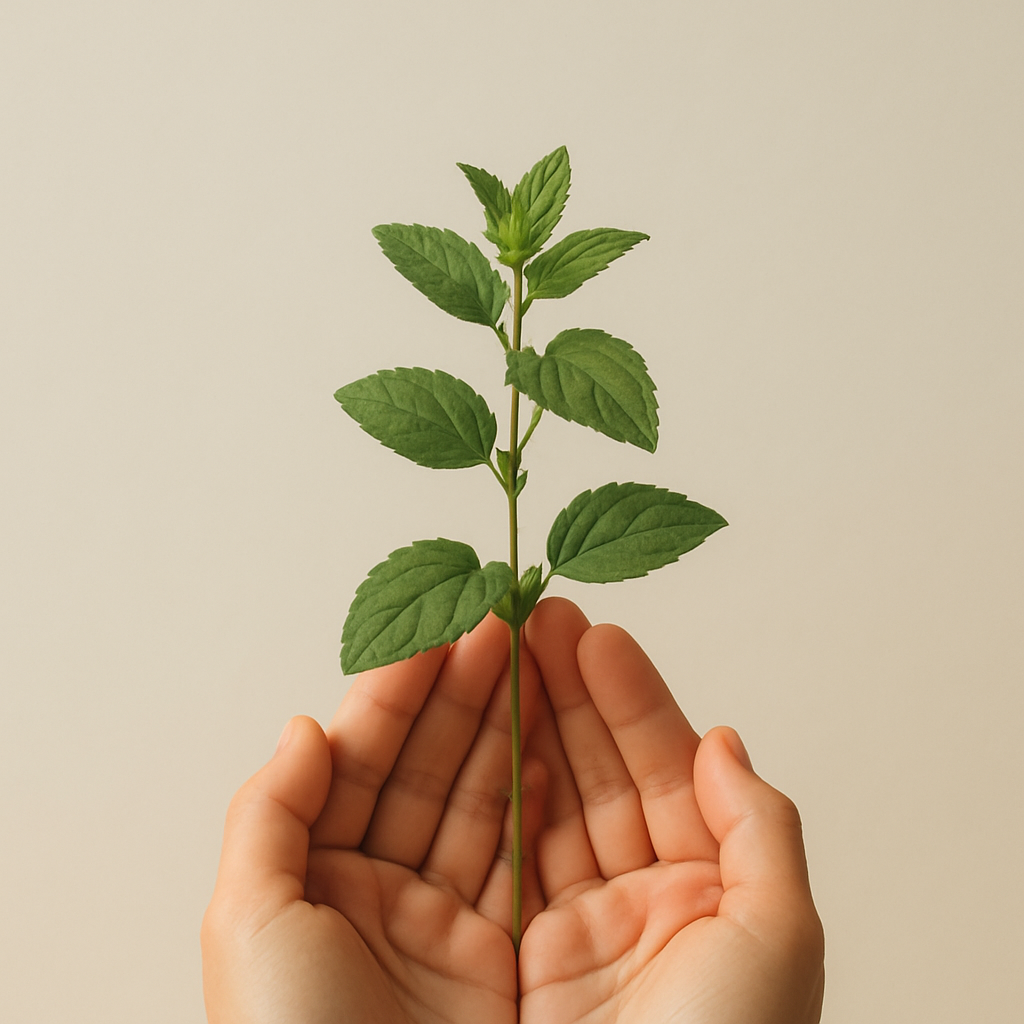
- Herbal Medicine: Utilizing herbs known for their calming and restorative properties.
- Nutrition: Focusing on a balanced diet rich in nutrients that support both mental and physical health.
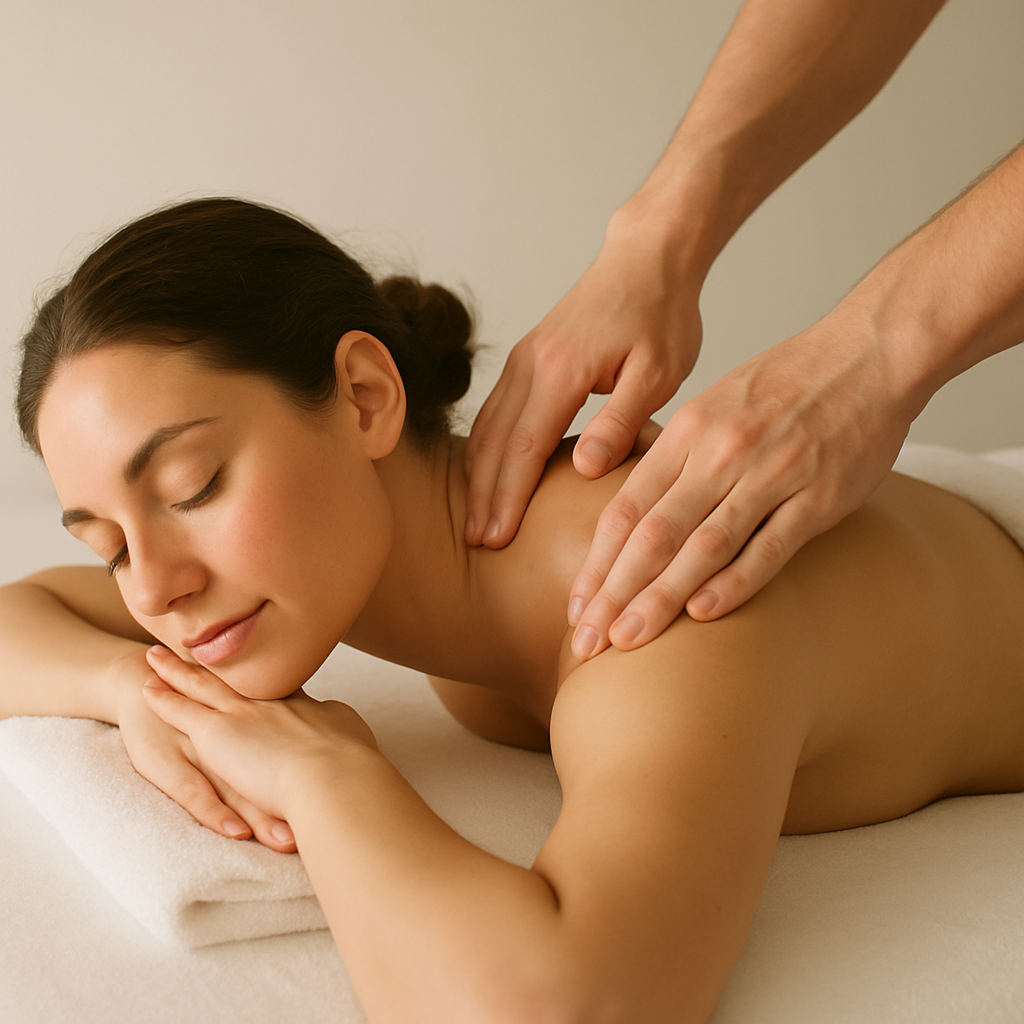
- Physical Therapy: Engaging in bodywork practices that enhance physical well-being.
- Philosophical Counseling: Exploring philosophical teachings that promote mental clarity and emotional resilience.
How to Find a Qualified Practitioner
To find a qualified practitioner for Mind-Body Balance, consider the following steps:
- Look for professionals trained in Ancient Greek Medicine or holistic health practices.
- Seek recommendations from healthcare providers or trusted sources.
- Check credentials and experience, ensuring the practitioner has a background in both mental and physical health.
- Consider attending introductory sessions or workshops to assess compatibility and approach.
Finding a practitioner who resonates with your personal health philosophy can enhance the effectiveness of your Mind-Body Balance journey.
FAQs (5)
- What is Mind-Body Balance? Mind-Body Balance is a holistic practice focusing on the interconnectedness of mental and physical health.
- Who developed Mind-Body Balance within Ancient Greek Medicine? Key figures such as Hippocrates and Galen were instrumental in developing this concept in Ancient Greek Medicine.
- How can I practice Mind-Body Balance at home? You can practice Mind-Body Balance by incorporating breathing exercises, meditation, physical activity, and mindful eating into your daily routine.
- Is Mind-Body Balance safe for everyone? While generally safe, individuals with specific health conditions should consult a professional before starting any new practice.
- What benefits can I expect from practicing Mind-Body Balance? Benefits may include improved emotional stability, reduced stress, enhanced physical health, and a greater sense of inner peace.
Frequently asked
What is Mind-Body Balance?
Mind-Body Balance is a holistic practice focusing on the interconnectedness of mental and physical health.
Who developed Mind-Body Balance within Ancient Greek Medicine?
Key figures such as Hippocrates and Galen were instrumental in developing this concept in Ancient Greek Medicine.
How can I practice Mind-Body Balance at home?
You can practice Mind-Body Balance by incorporating breathing exercises, meditation, physical activity, and mindful eating into your daily routine.
Is Mind-Body Balance safe for everyone?
While generally safe, individuals with specific health conditions should consult a professional before starting any new practice.
What benefits can I expect from practicing Mind-Body Balance?
Benefits may include improved emotional stability, reduced stress, enhanced physical health, and a greater sense of inner peace.