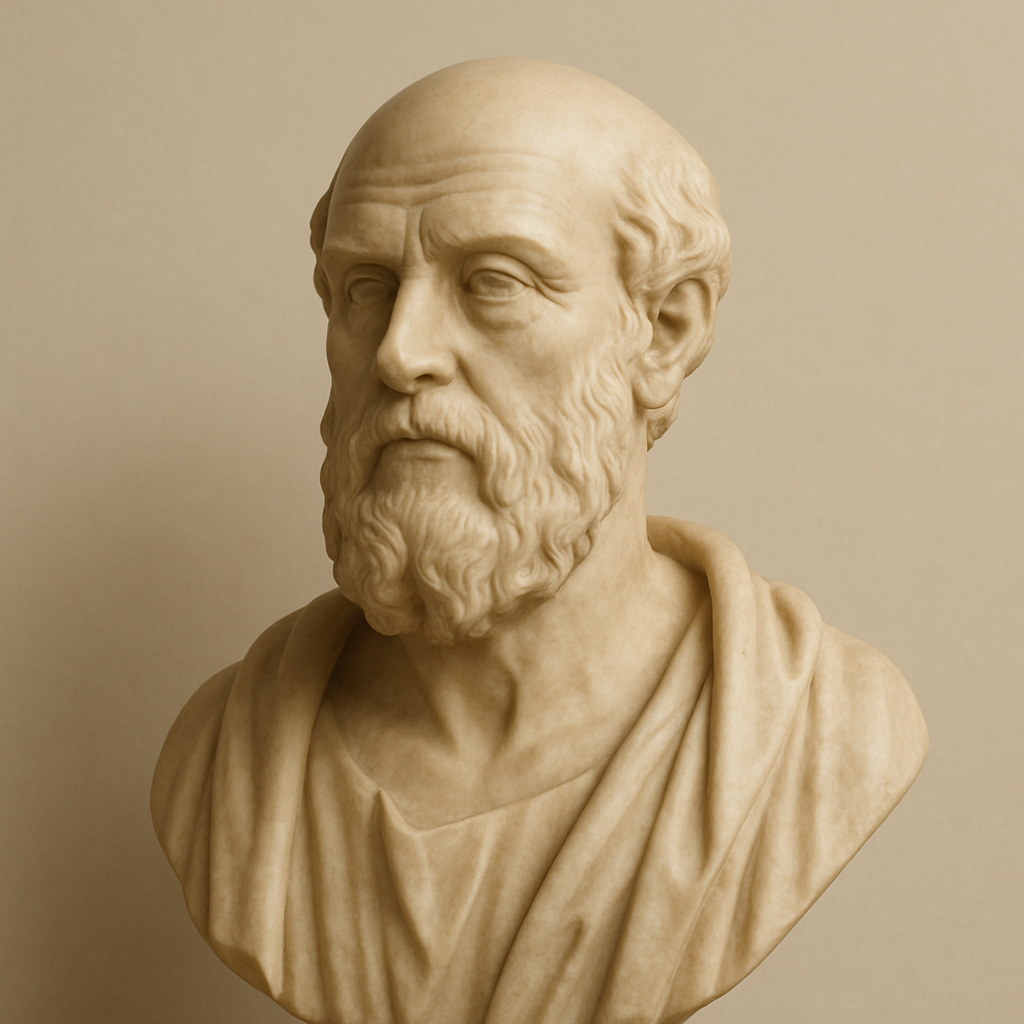
Philosophical Medicine
Explore the principles and practices of Philosophical Medicine, an integral aspect of Ancient Greek Medicine focusing on the balance of body, mind, and spirit.
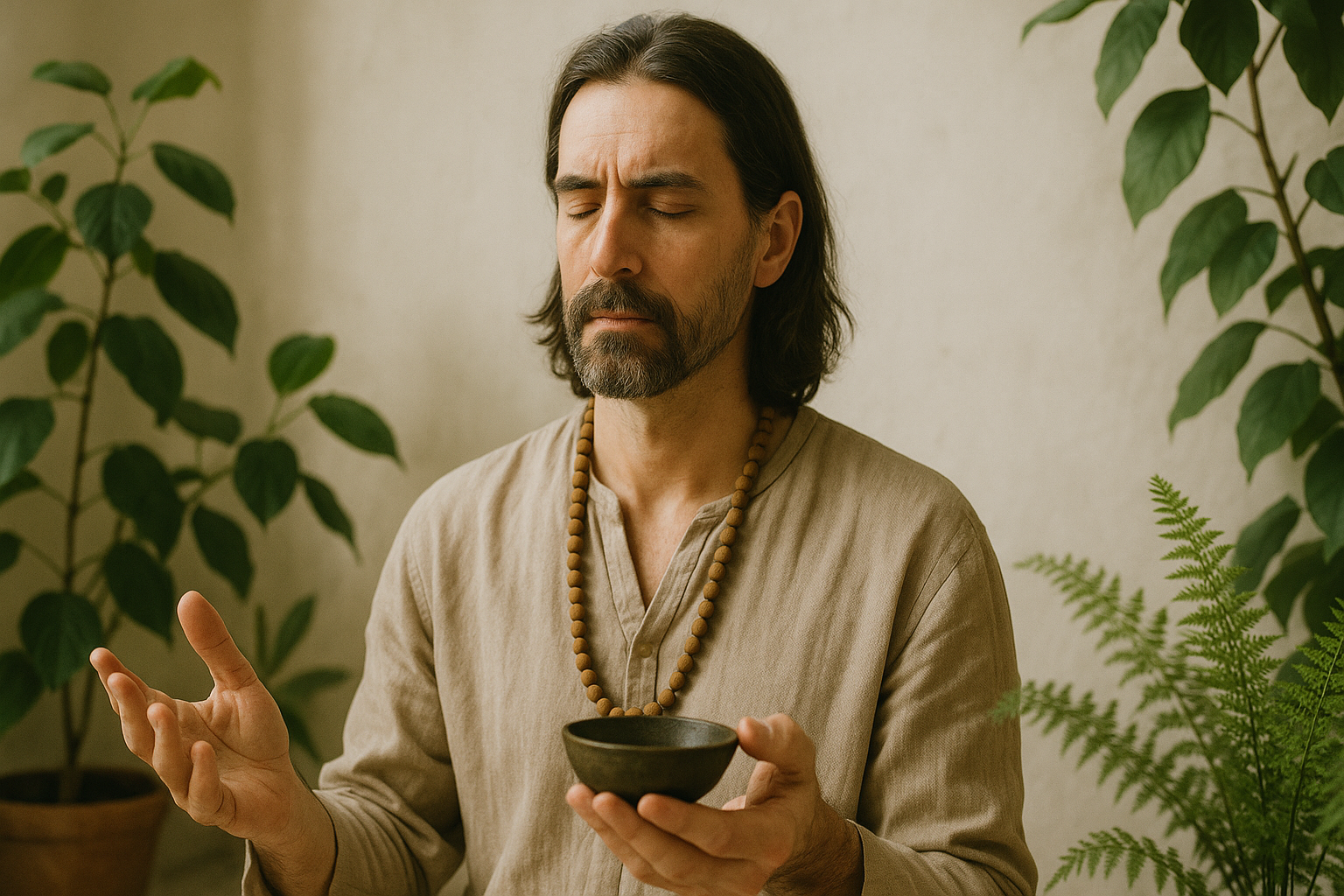
Philosophical Medicine, rooted in Ancient Greek Medicine, emphasizes the interconnectedness of body, mind, and spirit. It explores health through philosophical inquiry and the principles of balance, aiming to understand the holistic nature of human existence.
What It Is
Philosophical Medicine is a holistic approach to health and well-being that integrates the teachings of ancient philosophy with medical practice. It emphasizes the interconnectedness of the body, mind, and spirit, proposing that true health is achieved not just through physical treatment but through a deeper understanding of life's principles and the nature of existence. This modality considers individual experiences, emotions, and beliefs as integral components of one's health.
In this tradition, health is viewed as a state of balance and harmony. Practitioners of Philosophical Medicine often engage in discussions and reflections that encourage patients to explore their values, purpose, and relationship with the world around them. This dialogue aims to illuminate the underlying philosophical principles that may influence a person's health and well-being.
Historical Context Within Ancient Greek Medicine
Philosophical Medicine emerged during the classical period of Ancient Greece, a time characterized by significant advancements in various fields, including medicine, philosophy, and the arts. Influential figures such as Hippocrates and Galen contributed to the development of this modality, integrating philosophical thought into medical practice. Hippocrates, often referred to as the father of medicine, emphasized the importance of observation and reasoning in understanding health, which laid the groundwork for later philosophical inquiries.
During this period, philosophers such as Plato and Aristotle also played pivotal roles, exploring the nature of human existence and the relationship between the body and soul. Their ideas influenced the medical community's approach to health, leading to a more comprehensive understanding of well-being that encompassed not only the physical body but also mental and spiritual dimensions.
How It's Practiced
Practitioners of Philosophical Medicine typically follow a structured approach that may include the following steps:
- Initial Consultation: A thorough discussion about the patient's health history, lifestyle, and philosophical beliefs.
- Holistic Assessment: Evaluating the individual's physical, emotional, and spiritual well-being.
- Philosophical Inquiry: Engaging in dialogues that explore the patient's values, purpose, and existential questions.
- Personalized Recommendations: Suggesting lifestyle changes, dietary adjustments, and practices that promote balance and harmony.
- Follow-Up Sessions: Regular consultations to assess progress and make necessary adjustments to the approach.
What It Is Traditionally Explored For
Philosophical Medicine is traditionally used for various purposes, including:
- Enhancing overall well-being and life satisfaction.
- Addressing emotional and psychological challenges.
- Promoting mindfulness and self-awareness.
- Supporting individuals in finding meaning and purpose in life.
- Encouraging a balanced lifestyle through dietary and behavioral modifications.
While the approach is not intended to replace conventional medical treatment, it serves as a complementary practice that fosters a deeper understanding of oneself and one's health.
What Modern Research Suggests
Modern research into Philosophical Medicine is still in its early stages, but preliminary studies suggest that philosophical inquiry can have positive effects on mental health and well-being. Some clinical trials have indicated that incorporating philosophical discussions into therapeutic settings may help individuals cope with anxiety, depression, and existential distress. These findings align with the ancient understanding that addressing the mind and spirit is crucial for holistic health.
Additionally, research on mindfulness and its benefits often resonates with the principles of Philosophical Medicine. Studies have shown that mindfulness practices can enhance emotional regulation, reduce stress, and improve overall life satisfaction. Such findings support the idea that exploring philosophical concepts can contribute to a healthier, more balanced life.
Safety, Contraindications & Who Should Skip
Philosophical Medicine is generally considered safe for most individuals seeking to enhance their well-being. However, those with severe mental health conditions or those in crisis should seek appropriate medical intervention and may benefit from a more traditional therapeutic approach. It is advisable for individuals to consult with a qualified practitioner to determine the most suitable path for their specific health needs.
Pairs Well With (within Ancient Greek Medicine and across pillars)
Philosophical Medicine pairs well with various modalities, including:
- Herbal Medicine: Utilizing plants and herbs that support emotional and physical health.
- Dietary Therapy: Focusing on nutrition to enhance overall well-being.
- Physical Therapy: Engaging in movement practices that promote body awareness and health.
- Mindfulness Practices: Incorporating meditation and breathing techniques to foster mental clarity.
- Ethical Philosophy: Exploring moral and ethical principles as they relate to health and lifestyle choices.
How to Find a Qualified Practitioner
Finding a qualified practitioner of Philosophical Medicine can be facilitated through the following steps:
- Research local holistic health centers or clinics that offer philosophical or integrative therapies.
- Look for practitioners with a background in philosophy, psychology, or holistic health.
- Check for certifications or training in philosophical counseling or related fields.
- Read reviews or testimonials from previous clients to gauge their experiences.
- Schedule an initial consultation to discuss your needs and assess the practitioner's approach to care.
FAQs (5)
What is Philosophical Medicine?
Philosophical Medicine is a holistic approach to health that integrates philosophical inquiry with medical practice, emphasizing the interconnectedness of body, mind, and spirit.
How does it differ from conventional medicine?
Philosophical Medicine focuses on understanding the philosophical aspects of health and well-being, while conventional medicine primarily addresses physical symptoms and treatments.
Can it help with mental health issues?
Philosophical Medicine is traditionally used to explore emotional and psychological challenges, potentially offering insights that support mental health.
Is it safe for everyone?
While generally safe, individuals with severe mental health conditions should seek conventional medical treatment and consult a practitioner for personalized advice.
How can I find a practitioner?
To find a qualified practitioner, research holistic health centers, check for relevant certifications, and read reviews from previous clients.
Frequently asked
What is Philosophical Medicine?
Philosophical Medicine is a holistic approach to health that integrates philosophical inquiry with medical practice, emphasizing the interconnectedness of body, mind, and spirit.
How does it differ from conventional medicine?
Philosophical Medicine focuses on understanding the philosophical aspects of health and well-being, while conventional medicine primarily addresses physical symptoms and treatments.
Can it help with mental health issues?
Philosophical Medicine is traditionally used to explore emotional and psychological challenges, potentially offering insights that support mental health.
Is it safe for everyone?
While generally safe, individuals with severe mental health conditions should seek conventional medical treatment and consult a practitioner for personalized advice.
How can I find a practitioner?
To find a qualified practitioner, research holistic health centers, check for relevant certifications, and read reviews from previous clients.