Massage Therapy
Discover the significance and practice of massage therapy in Ancient Greek Medicine, along with its benefits and modern research.
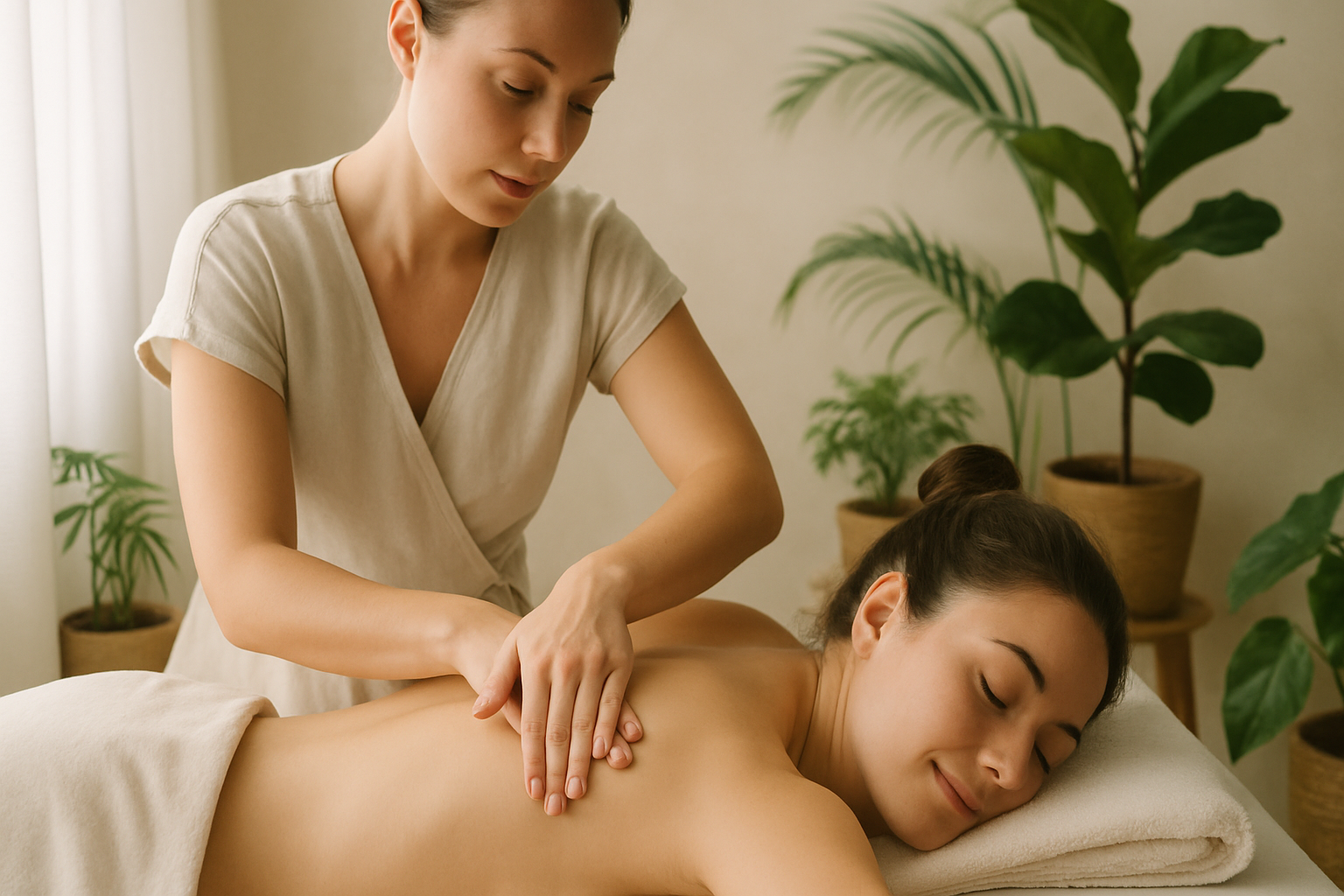
Explore the ancient practice of massage therapy within Ancient Greek Medicine, its historical context, application, and modern insights.
What It Is
Massage therapy is a hands-on technique that involves the manipulation of soft tissues in the body, including muscles, tendons, and ligaments. In the context of Ancient Greek Medicine, it was not only a means of physical treatment but also a practice that promoted overall health and well-being. This modality emphasizes the interconnectedness of body, mind, and spirit, recognizing that physical ailments often have emotional and psychological components.
Traditionally, massage was seen as a way to restore balance within the body, enhance circulation, and facilitate the natural healing processes. The Greeks understood that through skilled touch, one could alleviate discomfort, improve mobility, and encourage relaxation, making it an integral part of their holistic approach to health.
Historical Context Within Ancient Greek Medicine
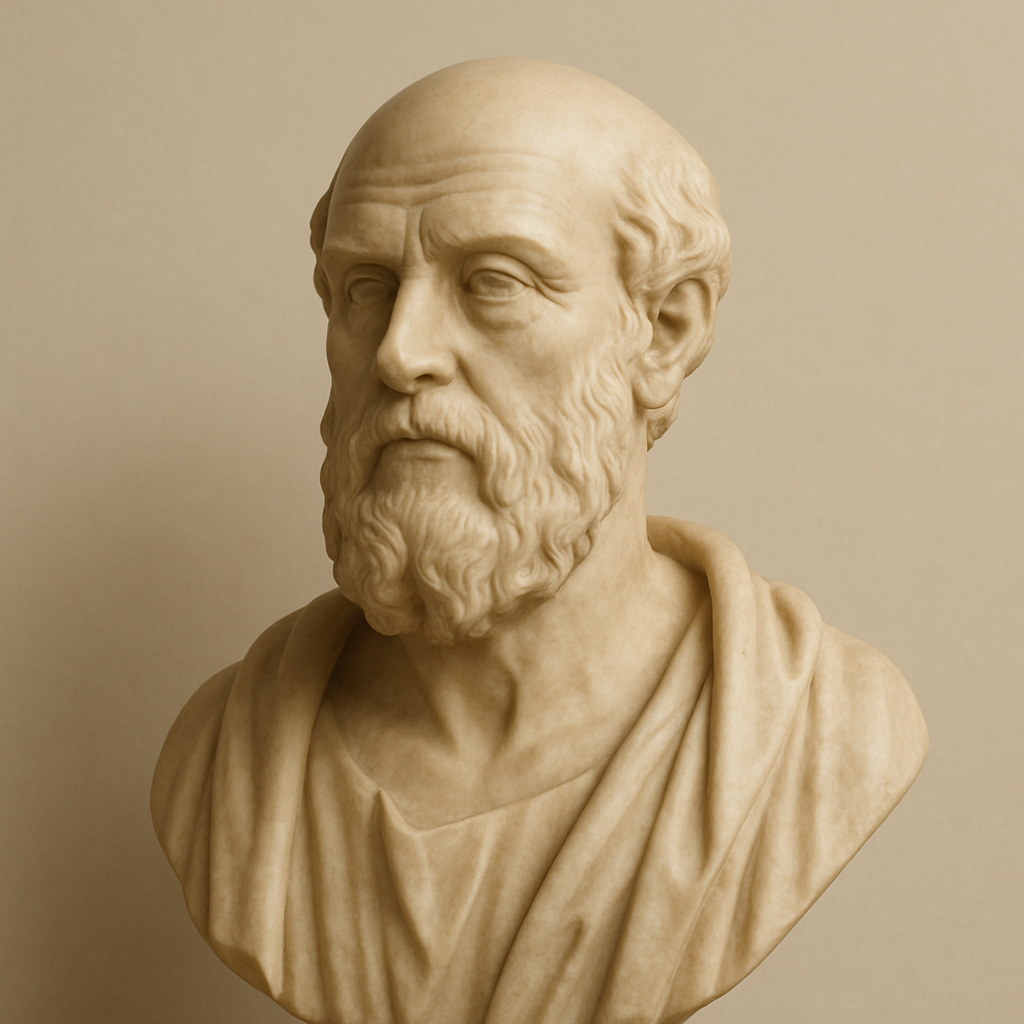
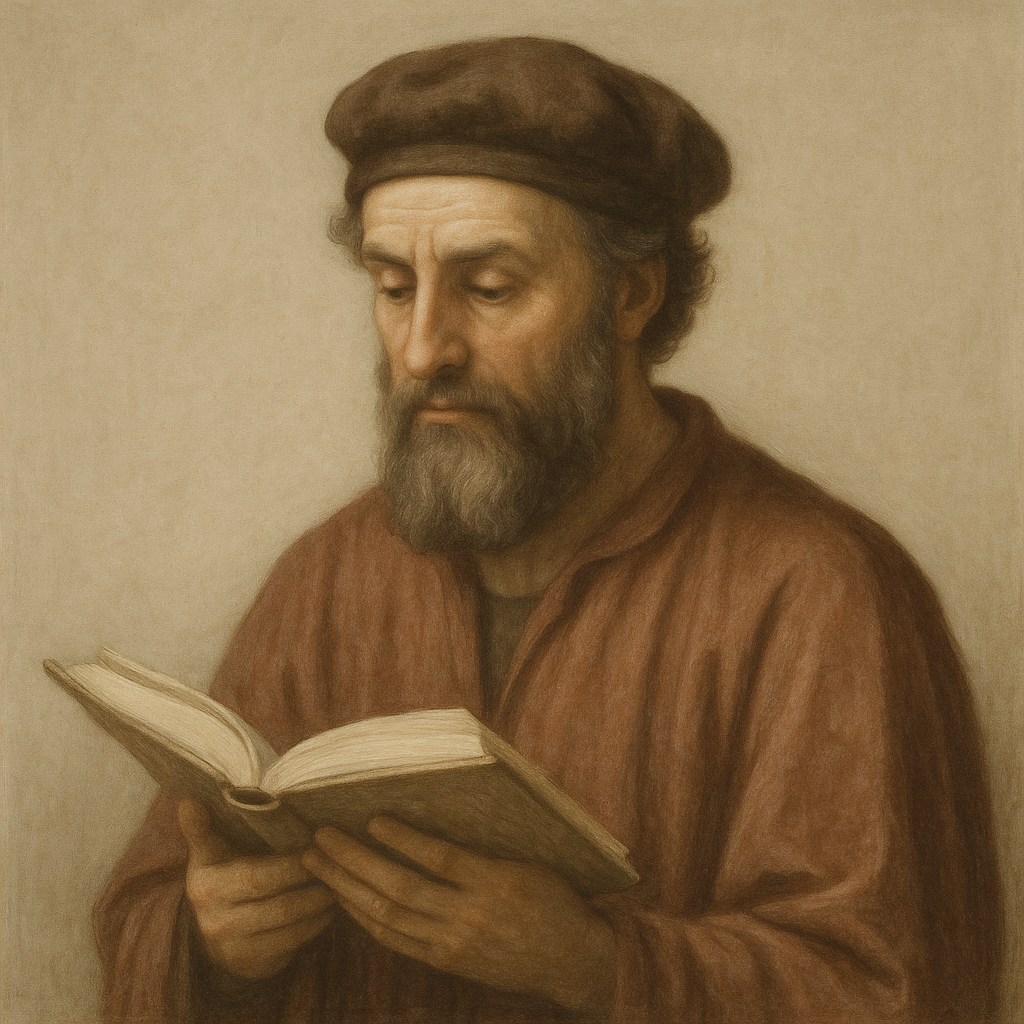
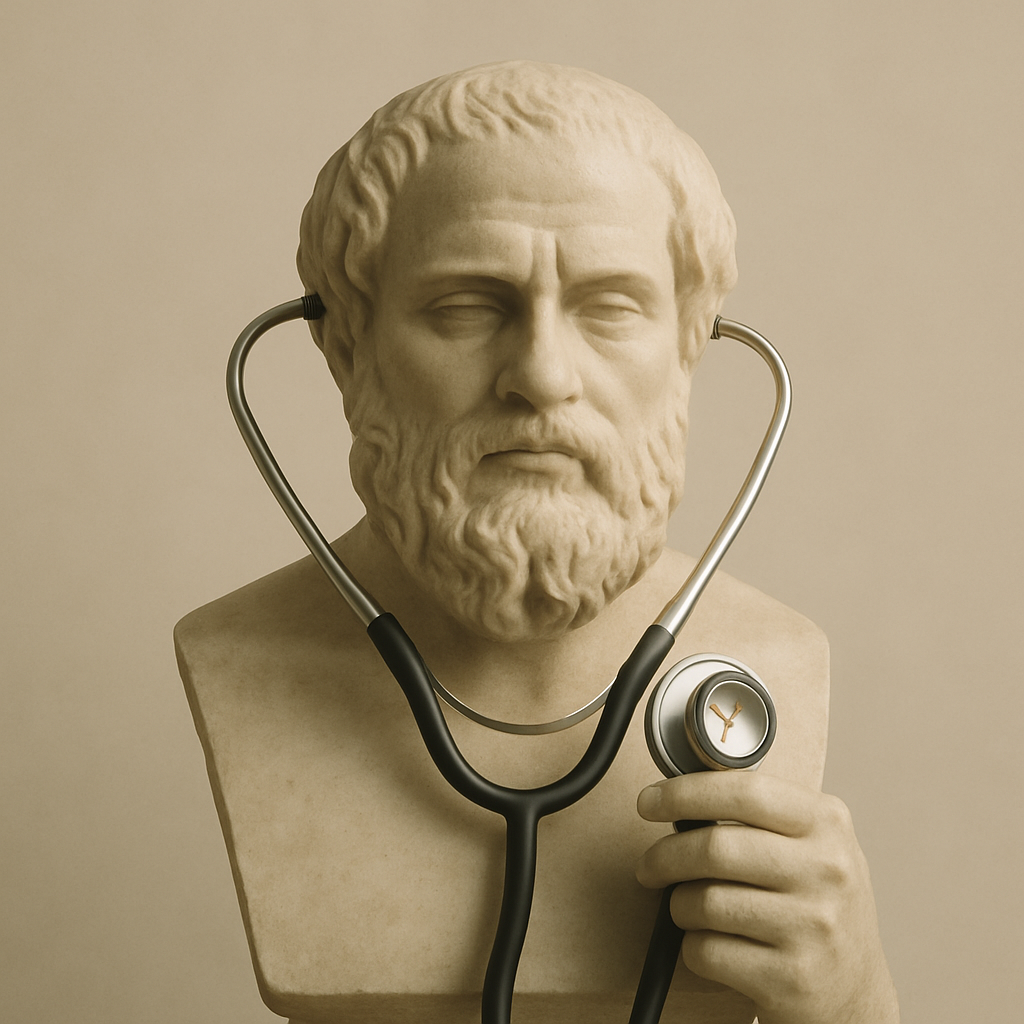
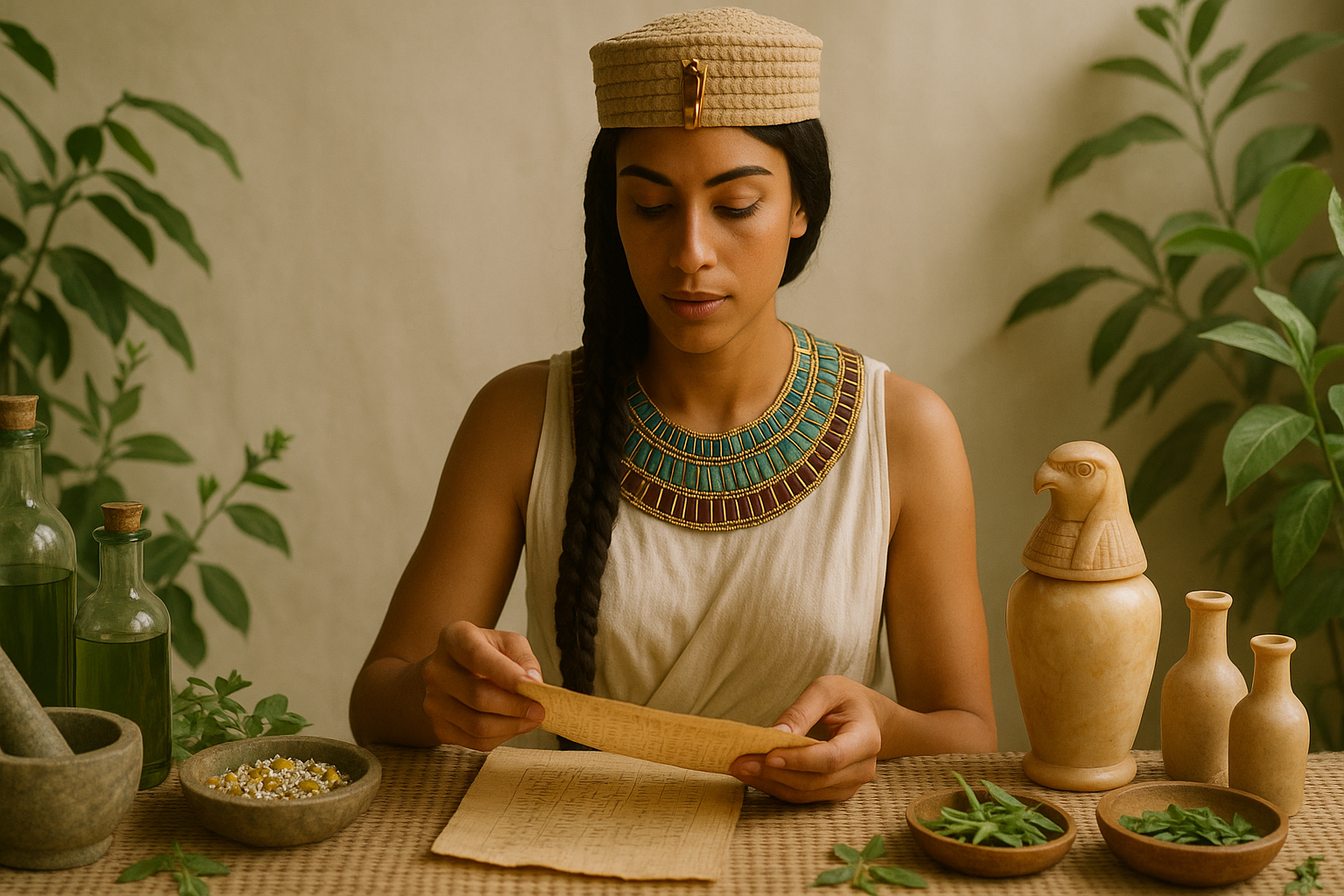
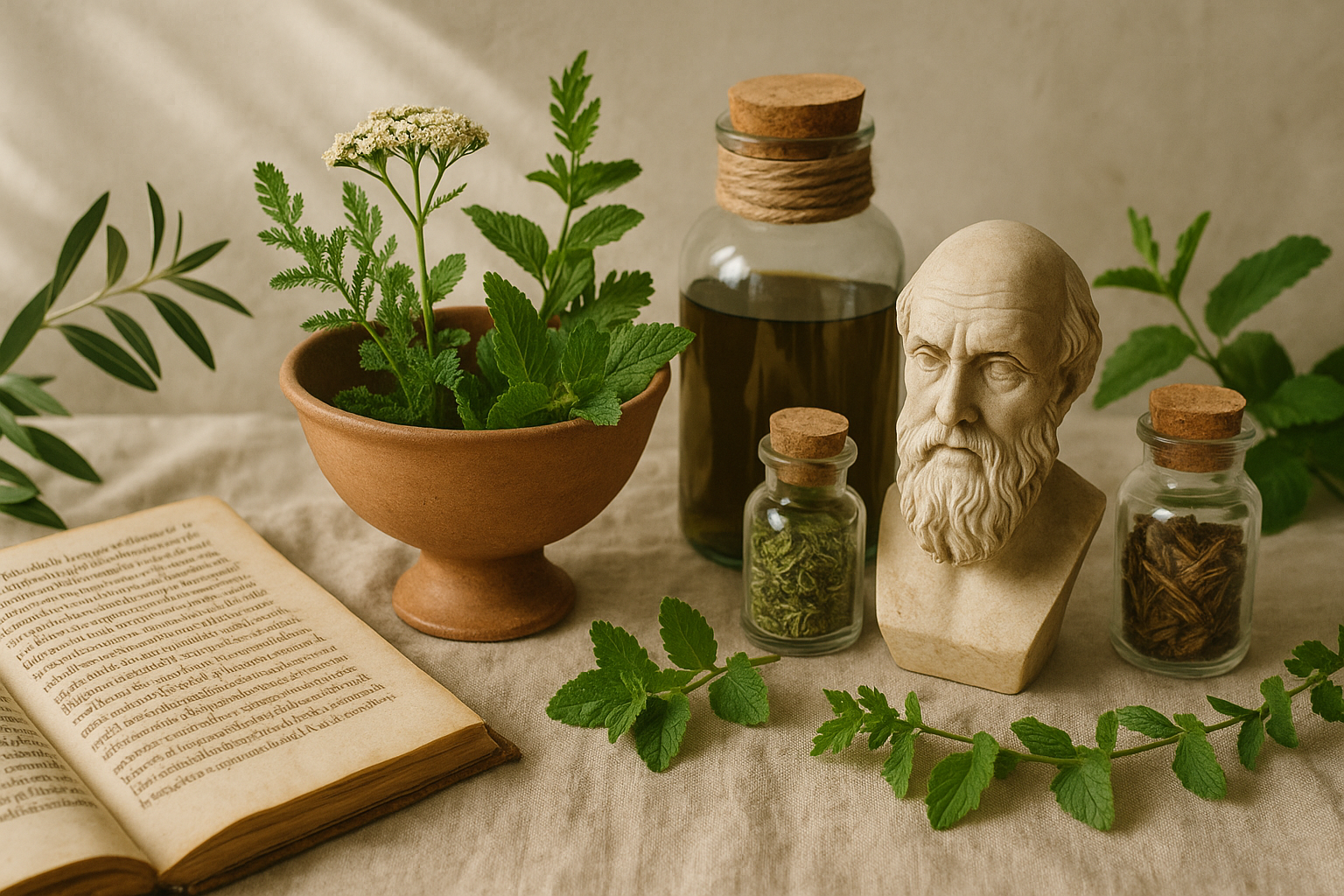
Massage therapy has its roots deeply embedded in Ancient Greek Medicine, emerging around the 5th century BCE. Renowned figures such as Hippocrates, often referred to as the Father of Medicine, recognized the therapeutic benefits of massage and documented its use in his medical texts. He emphasized the importance of physical conditioning and rehabilitation, advocating for the inclusion of massage in treatment protocols for various ailments.
As Ancient Greek society evolved, so did the practice of massage. It was incorporated into athletic training, particularly in the context of the Olympic Games, where athletes would receive massages to prepare their bodies for competition and to aid in recovery. This historical significance highlights the cultural importance of massage therapy, not just as a treatment method but as a valued art form in Ancient Greek society.
How It's Practiced
The practice of massage therapy in Ancient Greek Medicine involves a series of techniques aimed at enhancing physical and emotional well-being. Here is a simplified walk-through of how a session may proceed:
- Initial Consultation: The practitioner discusses the client’s health history, concerns, and goals.
- Assessment: The practitioner evaluates the body’s areas of tension or discomfort.
- Technique Selection: Based on the assessment, the practitioner chooses suitable massage techniques, which may include kneading, stroking, or tapping.
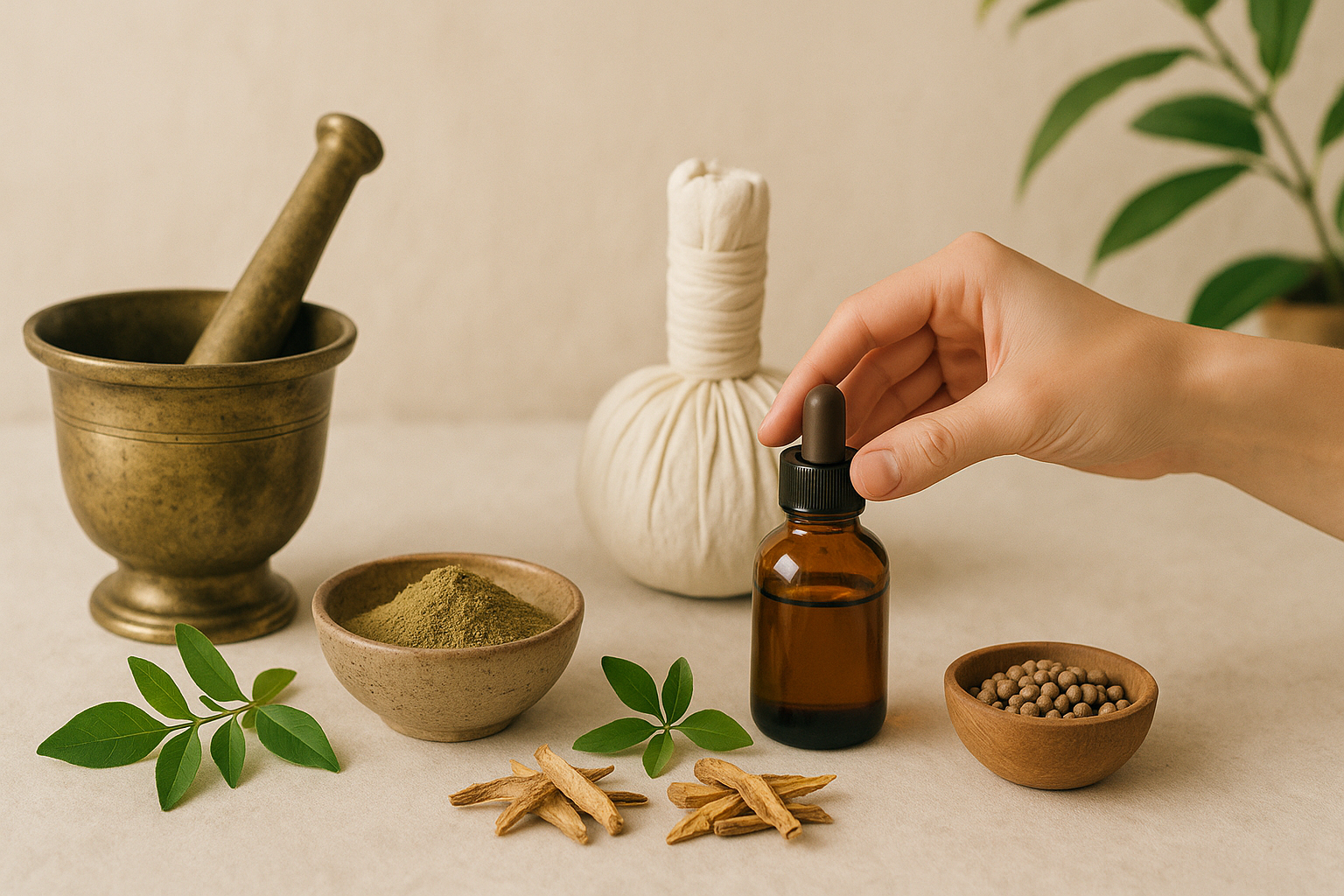
- Application: The practitioner applies the selected techniques, often using oils or herbal preparations to enhance the experience.
- Feedback: Throughout the session, the practitioner checks in with the client to ensure comfort and effectiveness.
- Post-Treatment Advice: After the session, practitioners may provide recommendations for self-care or additional therapies.
What It Is Traditionally Explored For
Massage therapy, within the framework of Ancient Greek Medicine, has traditionally been used for various purposes, including:
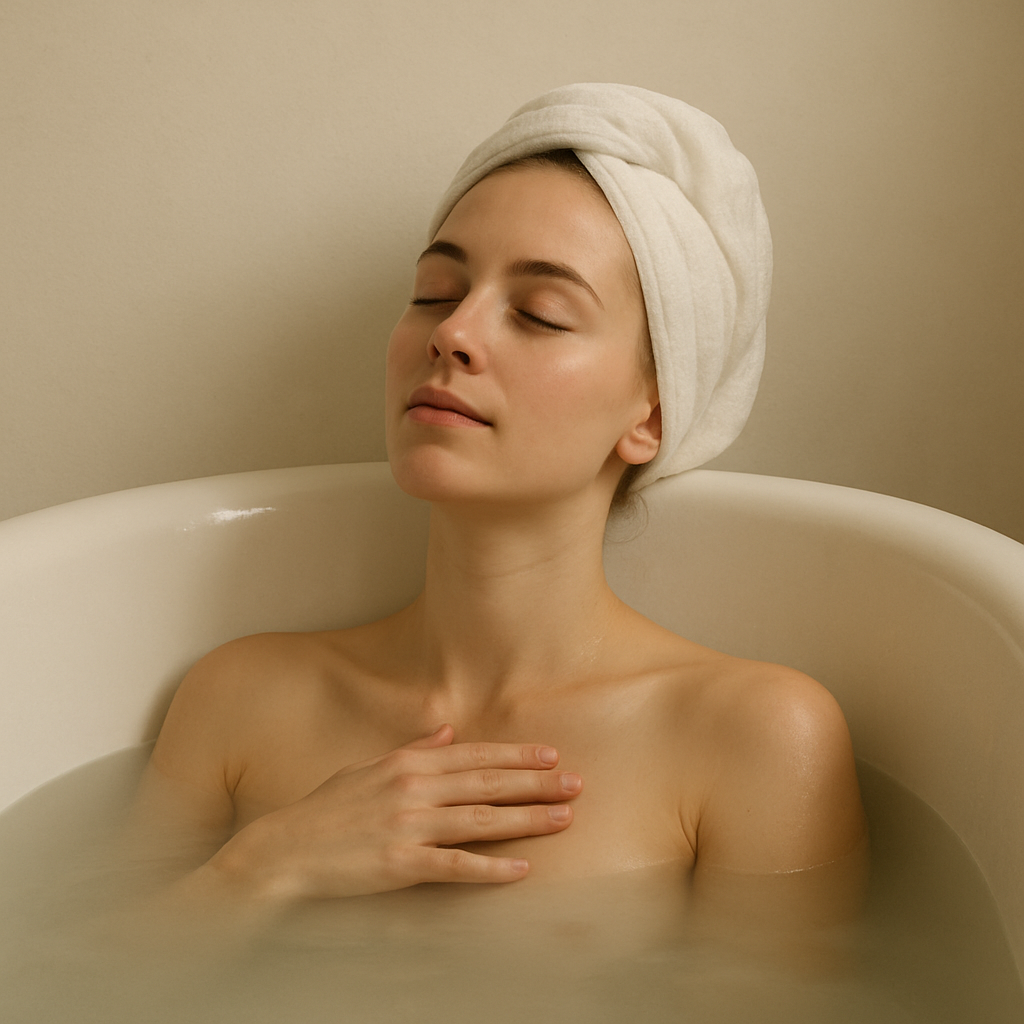
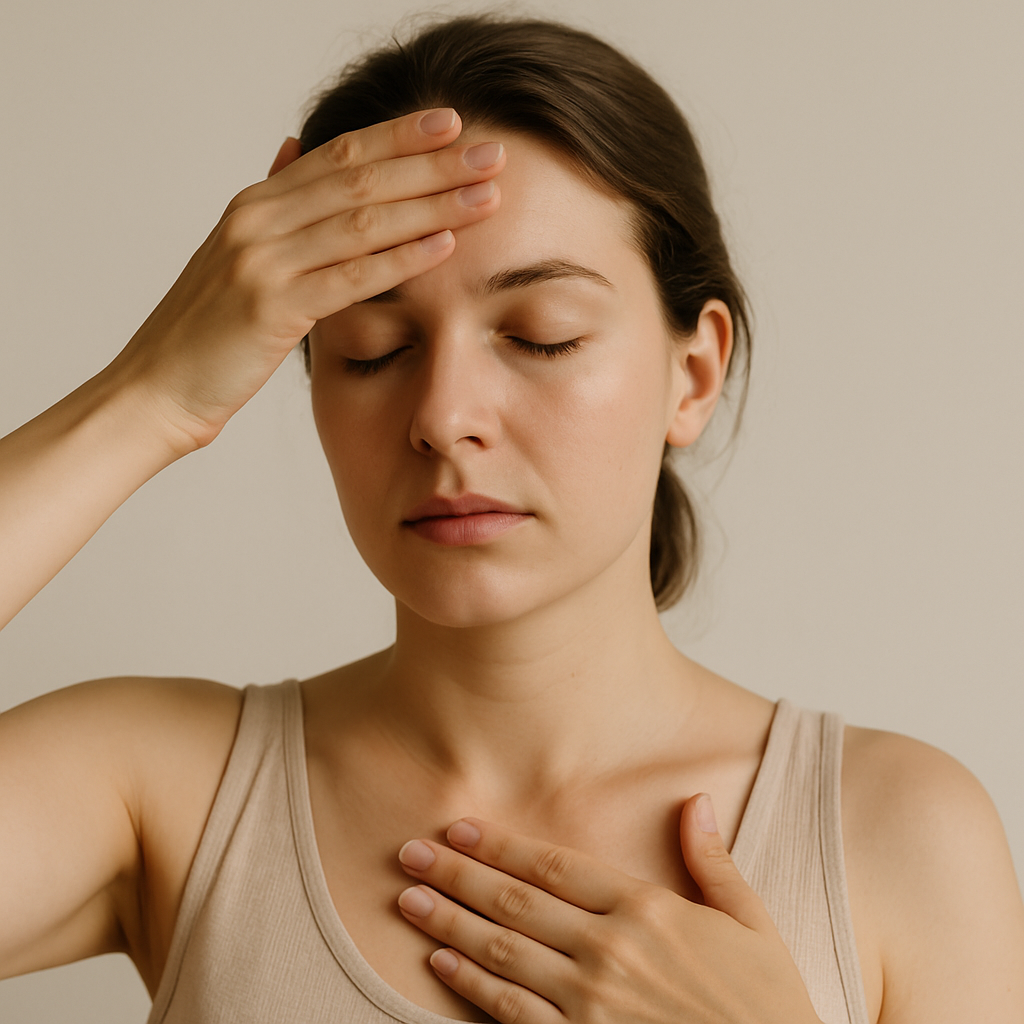
- Promoting relaxation and reducing stress.
- Alleviating muscle tension and pain.
- Enhancing circulation and lymphatic flow.
- Supporting recovery from injuries or physical exertion.
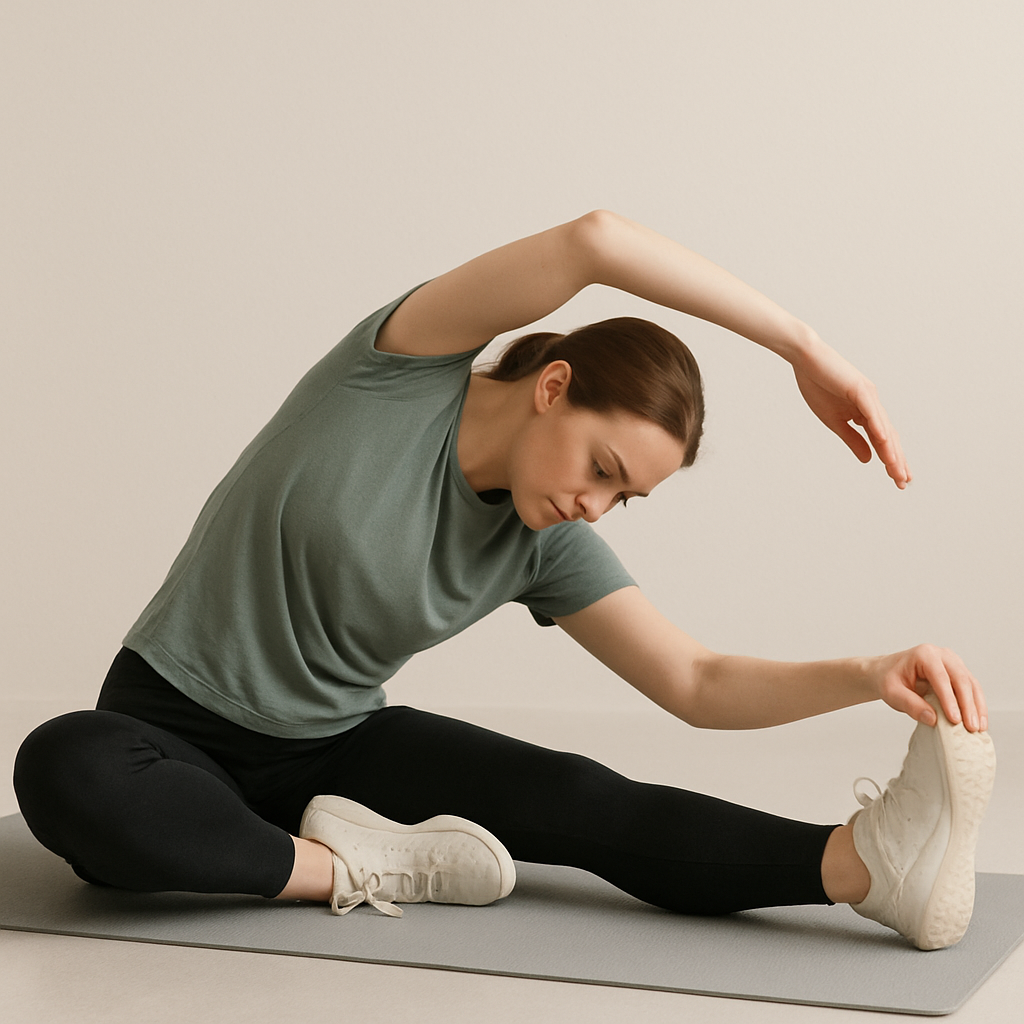
- Improving flexibility and range of motion.
While these applications are based on historical practices, it is essential to approach them with caution, as individual experiences may vary.
What Modern Research Suggests
Modern research on massage therapy has begun to validate some of the traditional beliefs held by the Ancient Greeks. Preliminary studies suggest that massage can lead to reductions in muscle soreness, anxiety, and depression. A review of clinical trials indicates that massage therapy may improve recovery times and enhance overall physical performance in athletes.
However, while the evidence is encouraging, it is essential to note that more extensive and rigorous studies are needed to fully understand the extent of massage therapy's benefits. Research is ongoing, and findings should be interpreted carefully, recognizing that individual responses to massage can vary widely.
Safety, Contraindications & Who Should Skip
Massage therapy is generally considered safe for most individuals; however, certain conditions may warrant caution or contraindication. It is advisable to consult a qualified practitioner before starting treatment if you have:
- Severe osteoporosis or fragile bones.
- Recent fractures or injuries.
- Acute inflammatory conditions or infections.
- Skin conditions, such as rashes or open wounds.
- Severe cardiovascular issues.
Always inform your practitioner of any existing health conditions or medications you are taking to ensure a safe and effective experience.
Pairs Well With (within Ancient Greek Medicine and across pillars)
Massage therapy can be harmoniously combined with various other practices within Ancient Greek Medicine, as well as across different health pillars. Some complementary modalities include:
- Herbal remedies for enhanced relaxation.
- Dietary adjustments to support overall health.
- Aromatherapy using essential oils for a calming effect.
- Physical exercises, such as yoga or gymnastics, to improve flexibility.
How to Find a Qualified Practitioner
To find a qualified massage therapist with a background in Ancient Greek Medicine principles, consider the following steps:
- Look for practitioners who have received formal training in massage therapy and have experience in holistic or traditional approaches.
- Seek recommendations from trusted sources, such as healthcare providers or wellness centers.
- Check for certifications or affiliations with professional organizations.
- Schedule an initial consultation to discuss your needs and assess the practitioner's approach.
FAQs
1. What types of massage techniques are used in Ancient Greek Medicine?
Common techniques include kneading, stroking, and tapping, often applied with herbal oils.
2. Is massage therapy suitable for everyone?
While generally safe, individuals with certain health conditions should consult a practitioner beforehand.
3. How often should I receive massage therapy?
The frequency can vary based on individual needs; some may benefit from weekly sessions, while others may prefer monthly visits.
4. Can massage therapy help with stress management?
Many people find that massage therapy effectively promotes relaxation and reduces stress levels.
5. What should I expect during a massage therapy session?
You can expect a consultation, assessment, and the application of chosen techniques tailored to your needs.
Frequently asked
What types of massage techniques are used in Ancient Greek Medicine?
Common techniques include kneading, stroking, and tapping, often applied with herbal oils.
Is massage therapy suitable for everyone?
While generally safe, individuals with certain health conditions should consult a practitioner beforehand.
How often should I receive massage therapy?
The frequency can vary based on individual needs; some may benefit from weekly sessions, while others may prefer monthly visits.
Can massage therapy help with stress management?
Many people find that massage therapy effectively promotes relaxation and reduces stress levels.
What should I expect during a massage therapy session?
You can expect a consultation, assessment, and the application of chosen techniques tailored to your needs.