Herbal Healing
Discover Herbal Healing in Ancient Greek Medicine, its history, practices, and modern insights.
Explore the tradition of Herbal Healing within Ancient Greek Medicine, a practice rooted in historical context, methods, and modern relevance.
What It Is
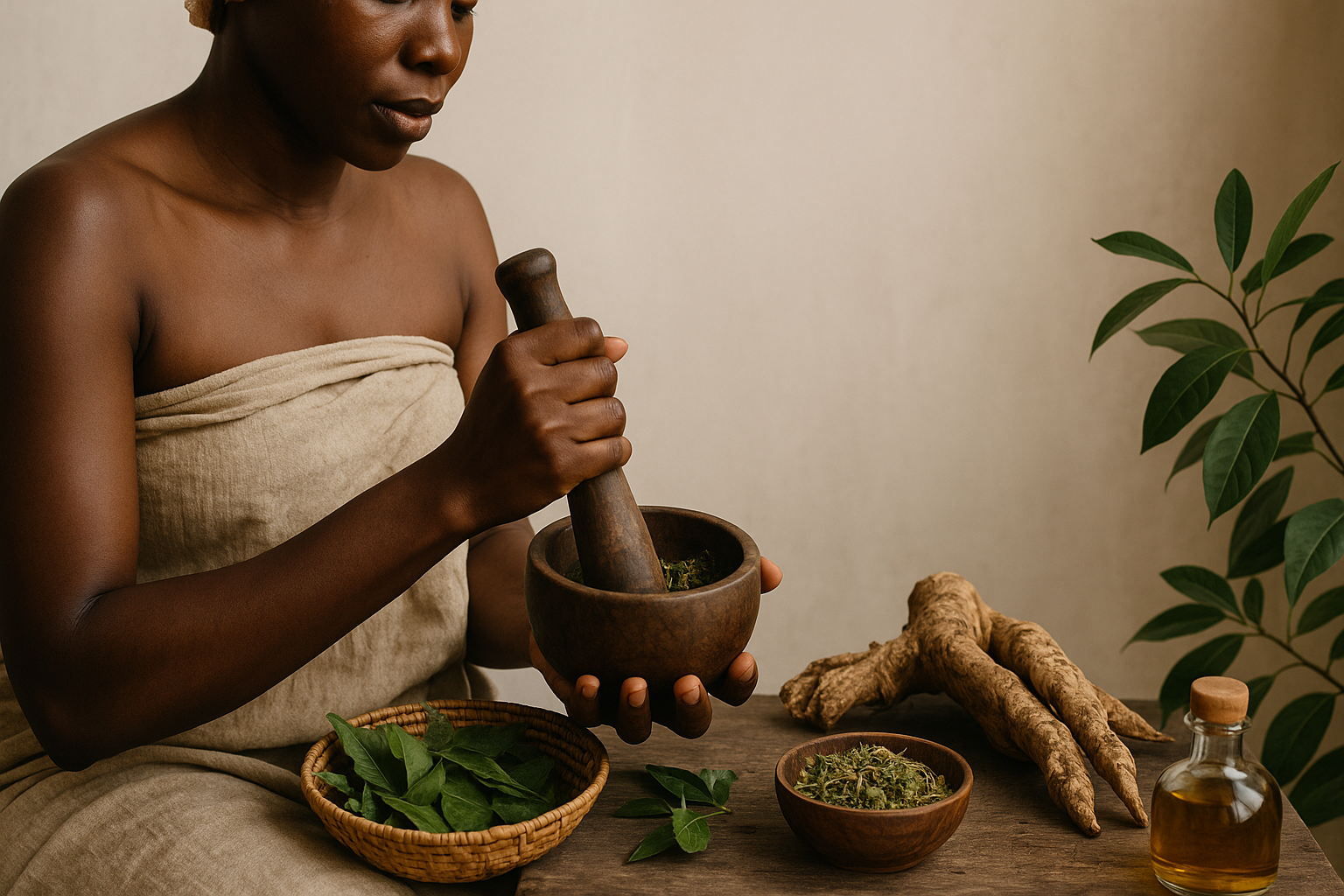
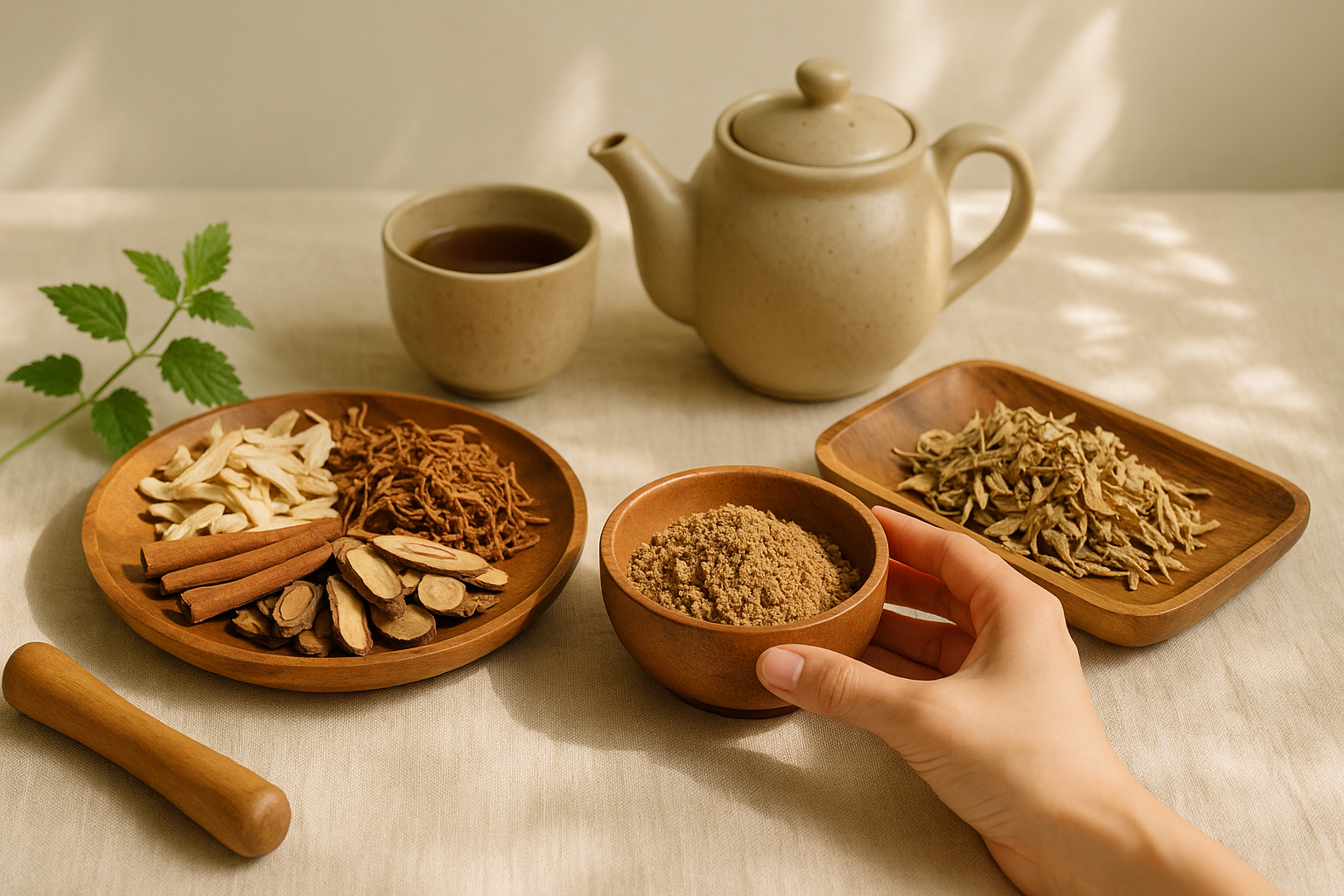
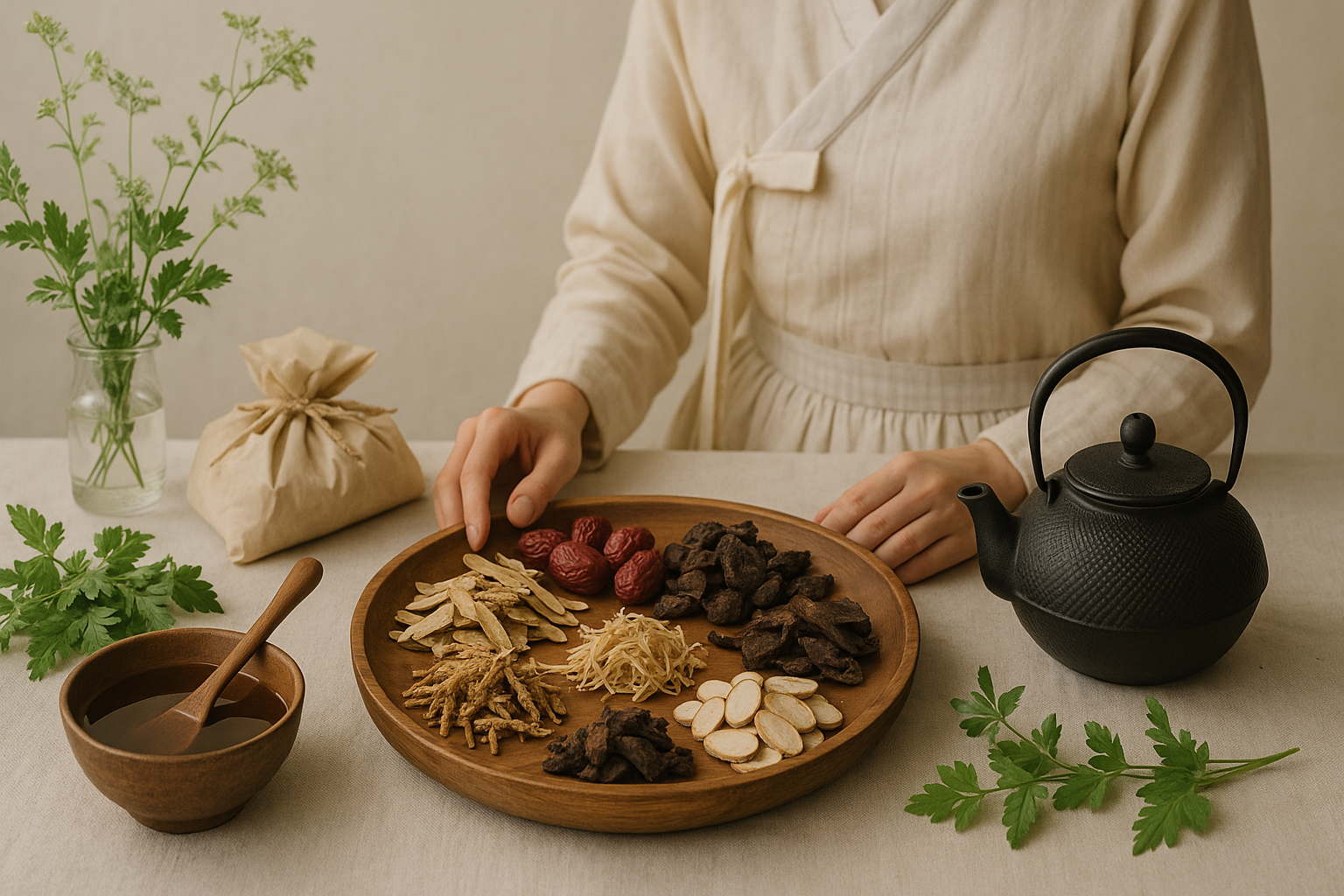
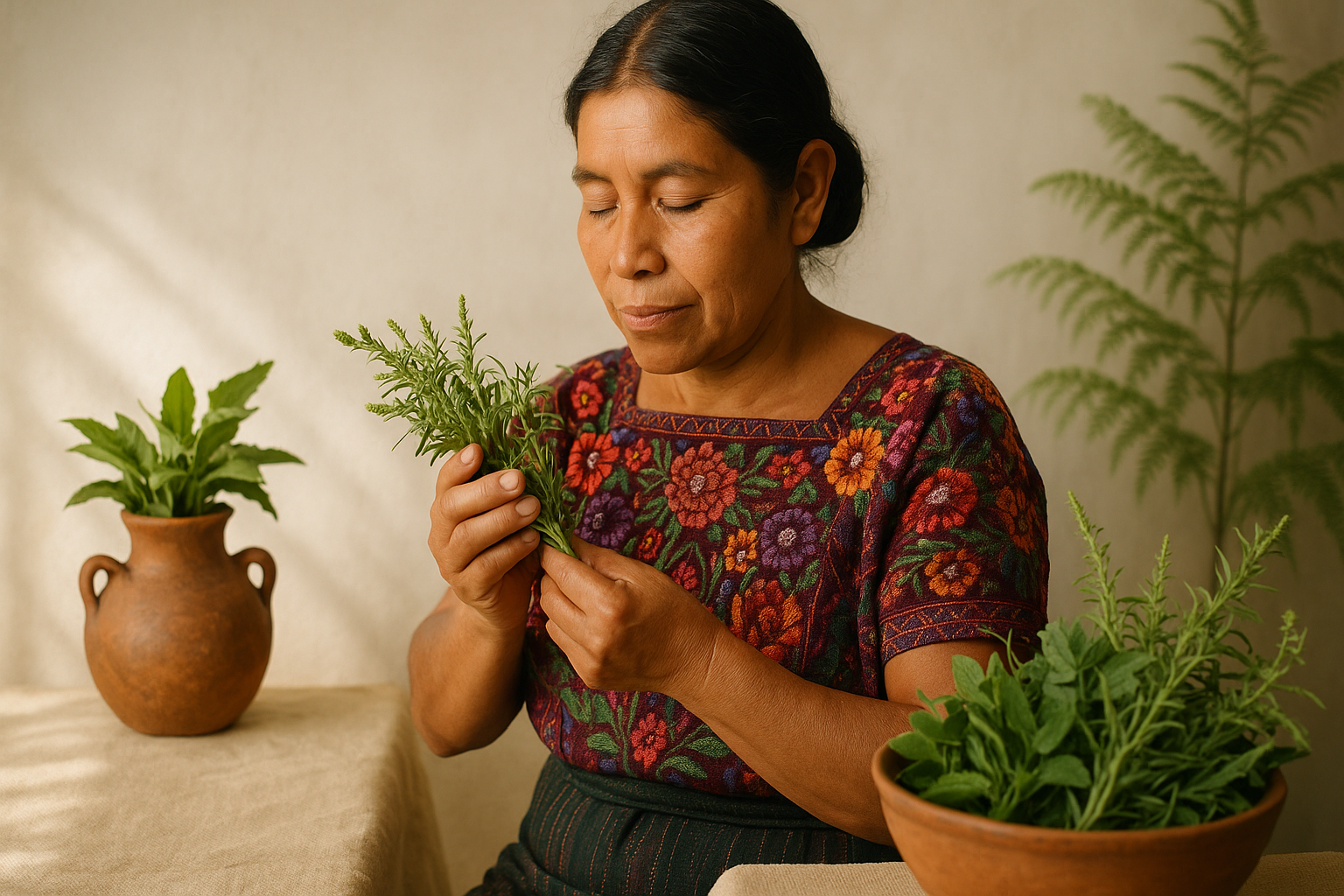
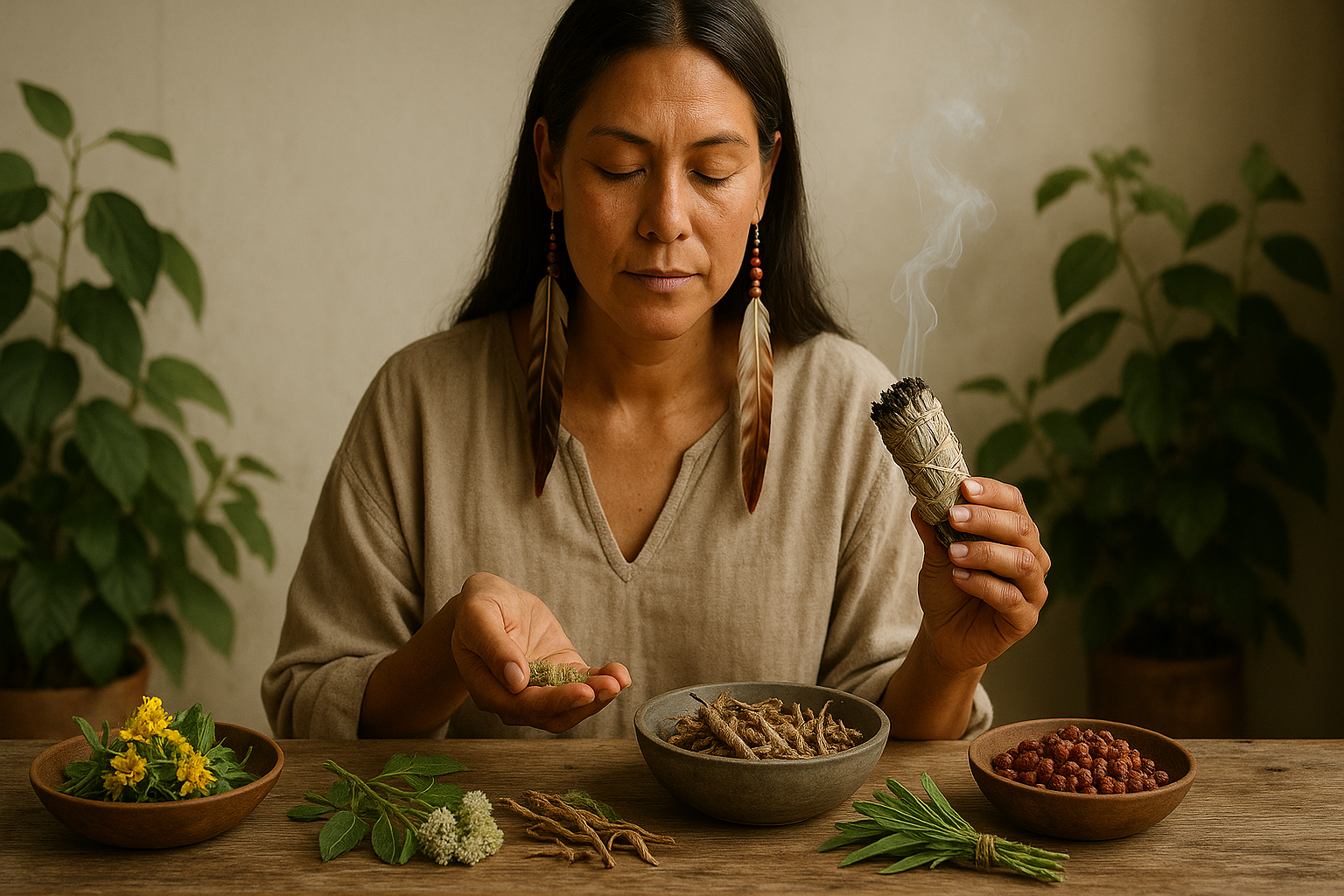
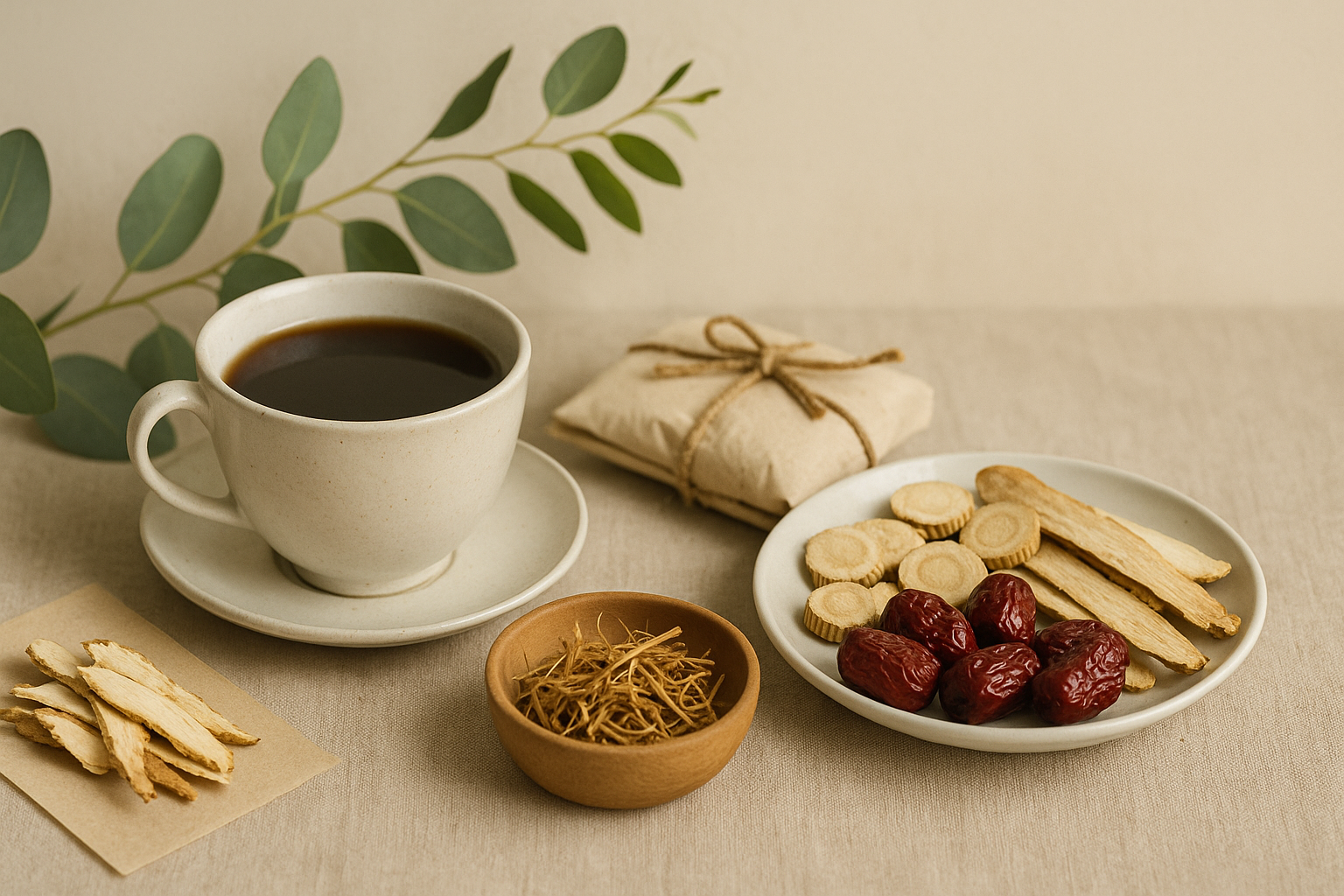
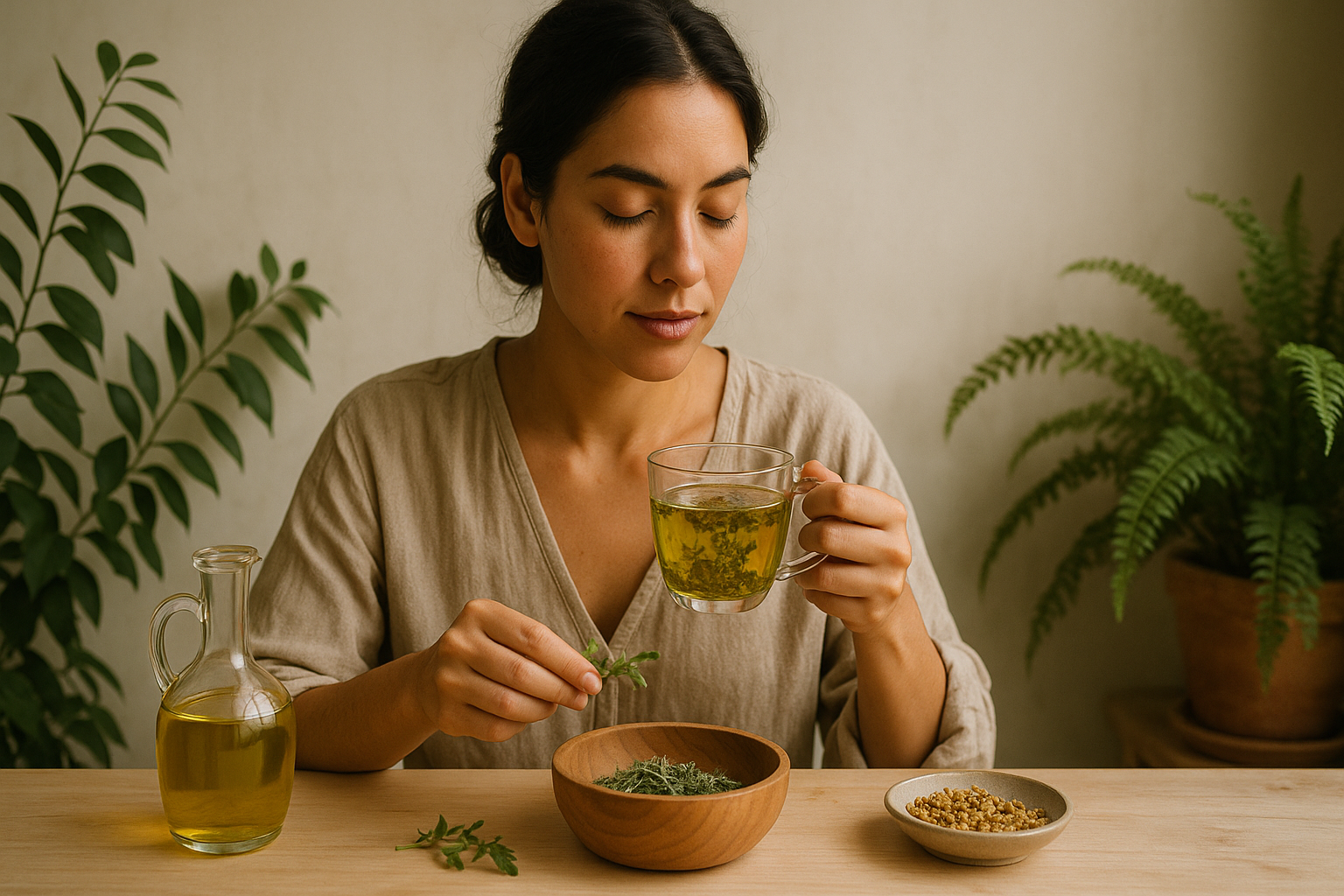
Herbal Healing is a therapeutic practice that utilizes various plants and their parts, such as leaves, roots, flowers, and seeds, to promote health and well-being. In the context of Ancient Greek Medicine, this modality is deeply intertwined with the philosophy that nature holds the key to healing the body and mind. Ancient Greek practitioners believed that herbs could restore balance and harmony within the body, aligning with their overall understanding of health as a state of equilibrium.
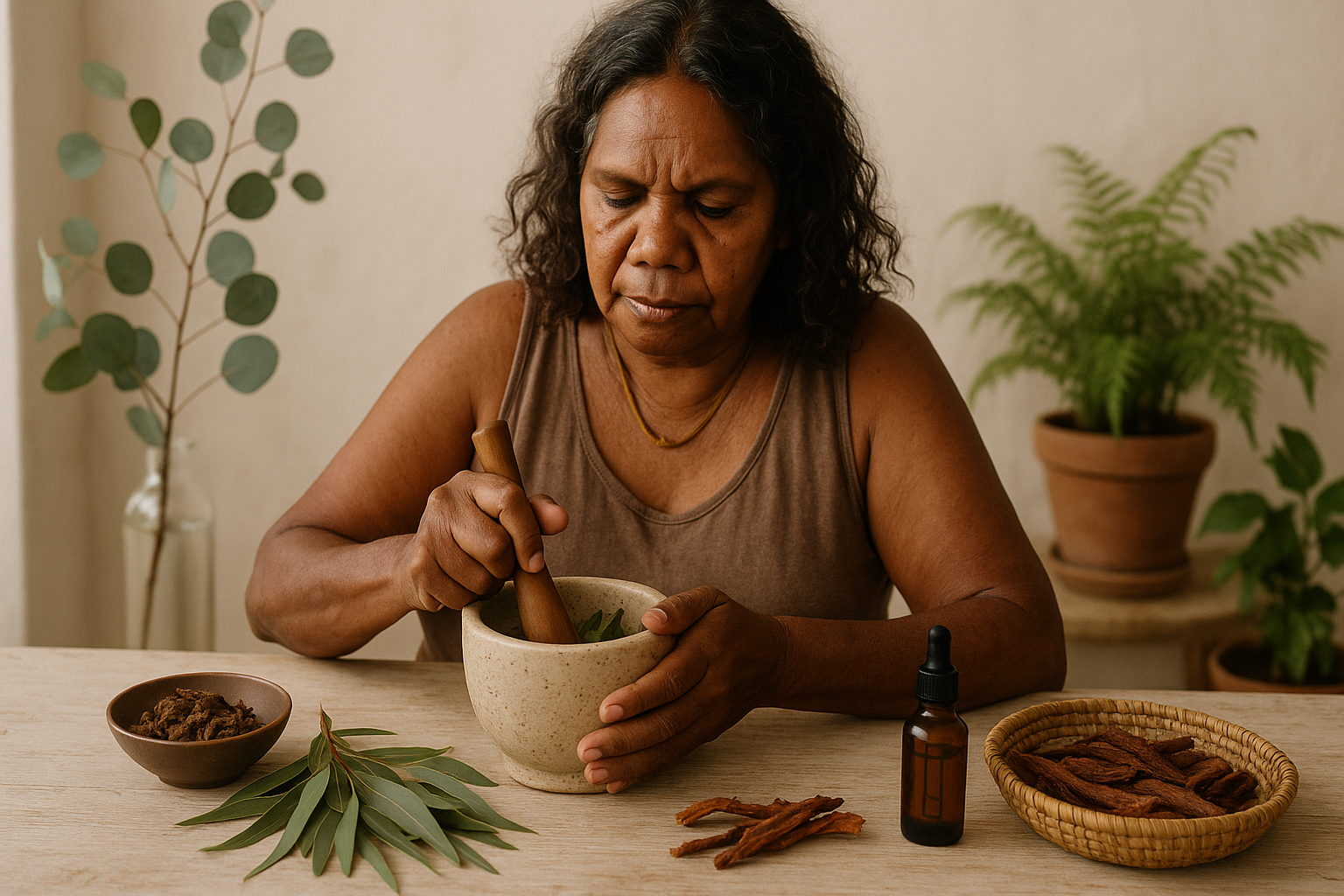
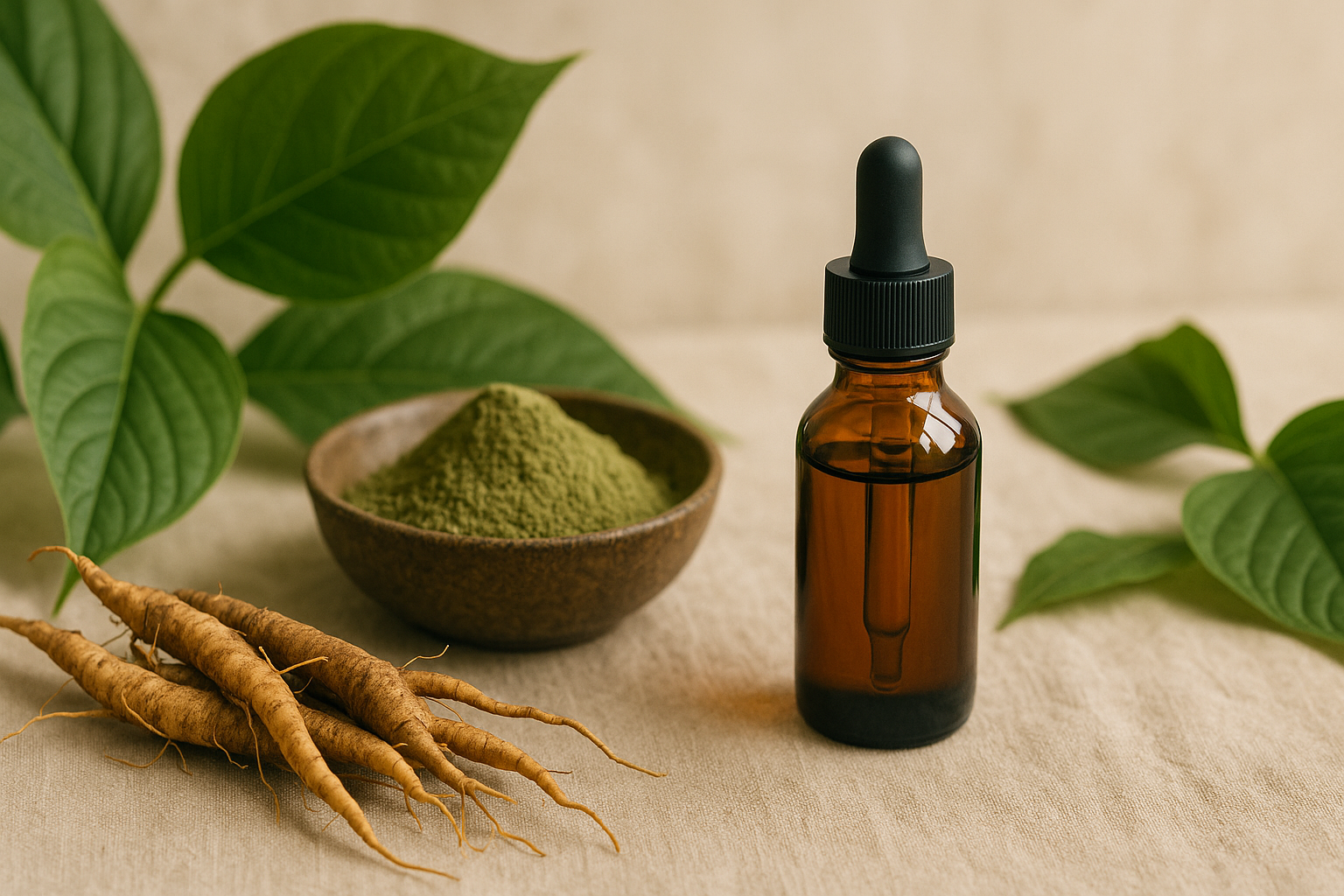
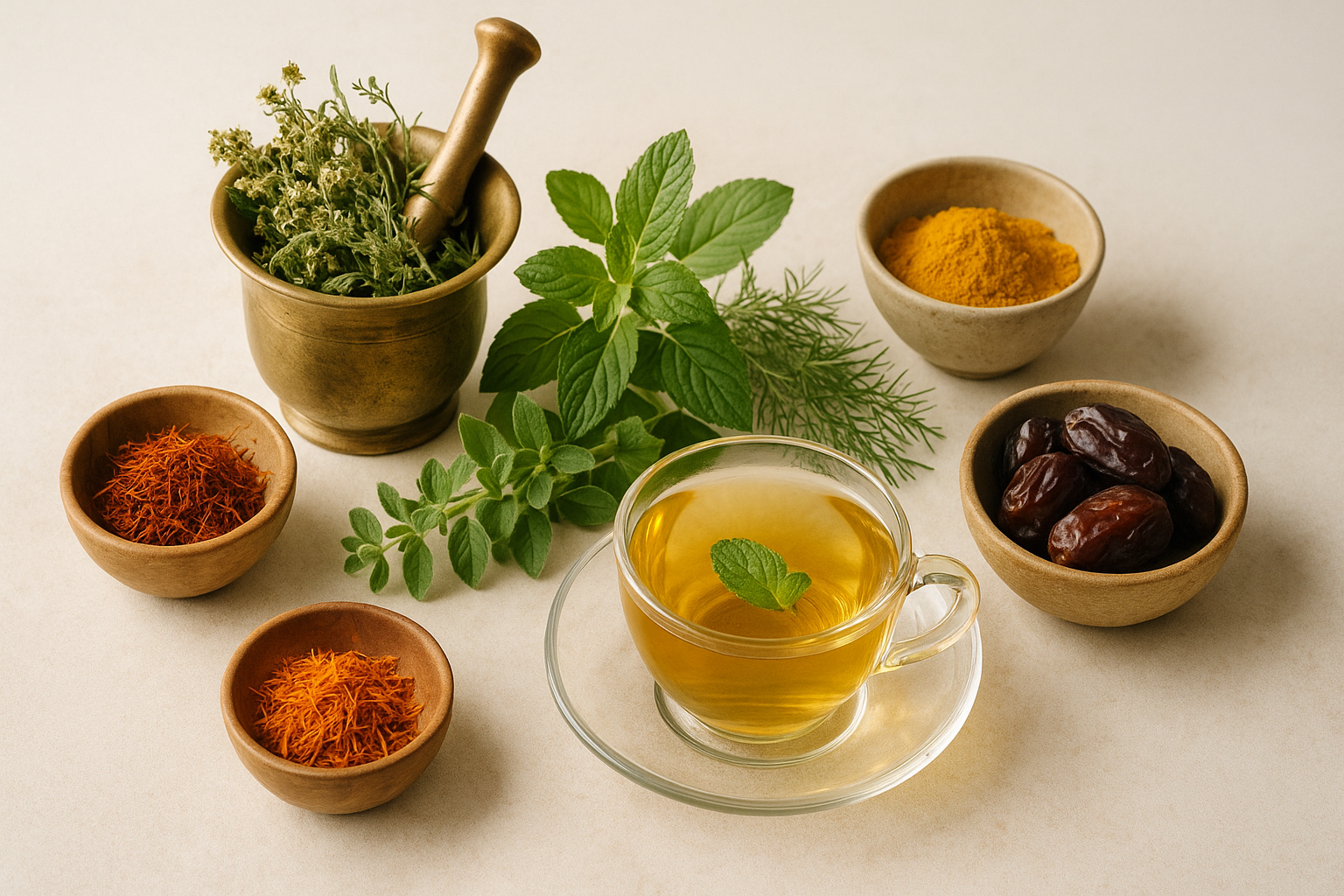
This practice is characterized by its holistic approach, considering not only the physical symptoms of a condition but also the emotional and spiritual aspects of the individual. Herbal remedies were often prepared as teas, tinctures, poultices, or powders and were tailored to each person’s unique needs, reflecting Ancient Greek Medicine's emphasis on personalization in treatment.
Historical Context Within Ancient Greek Medicine
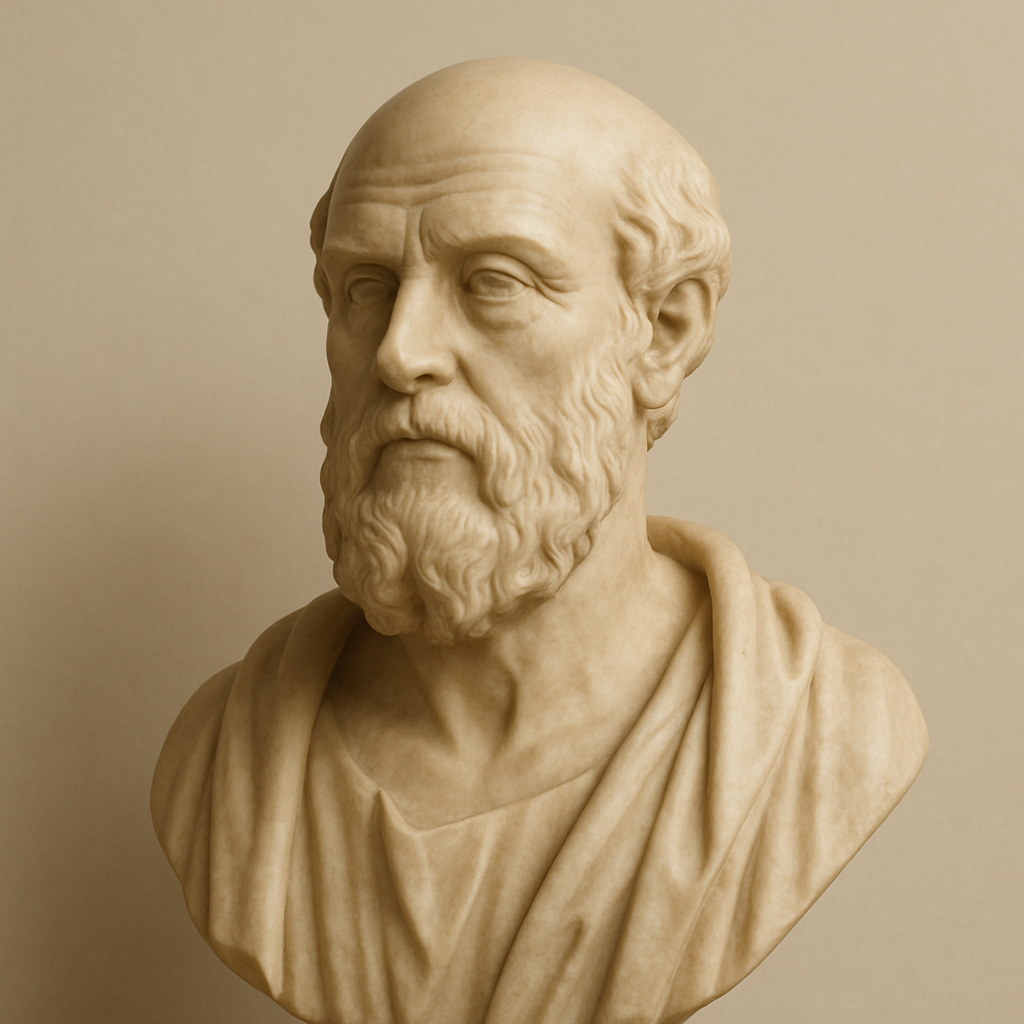
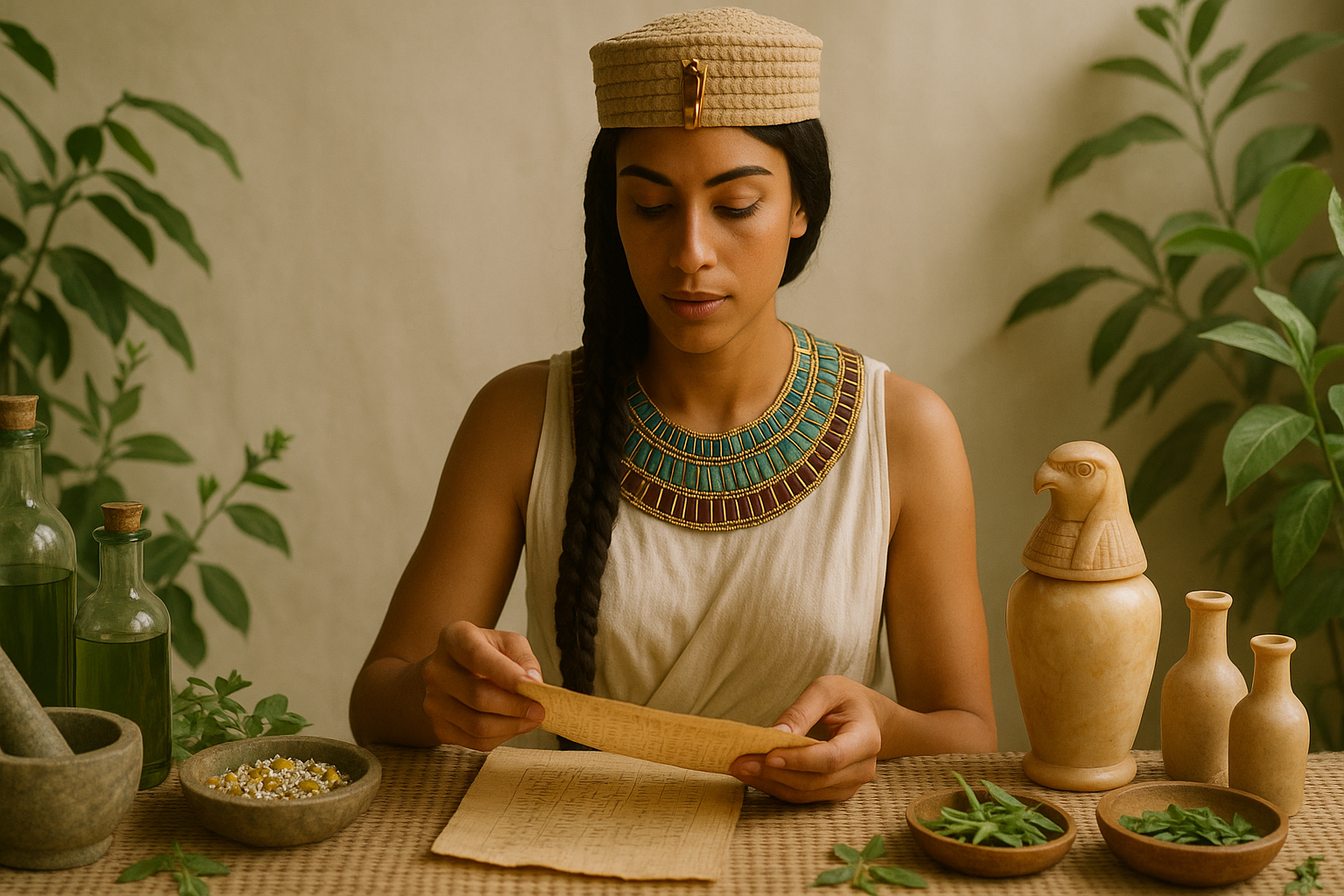
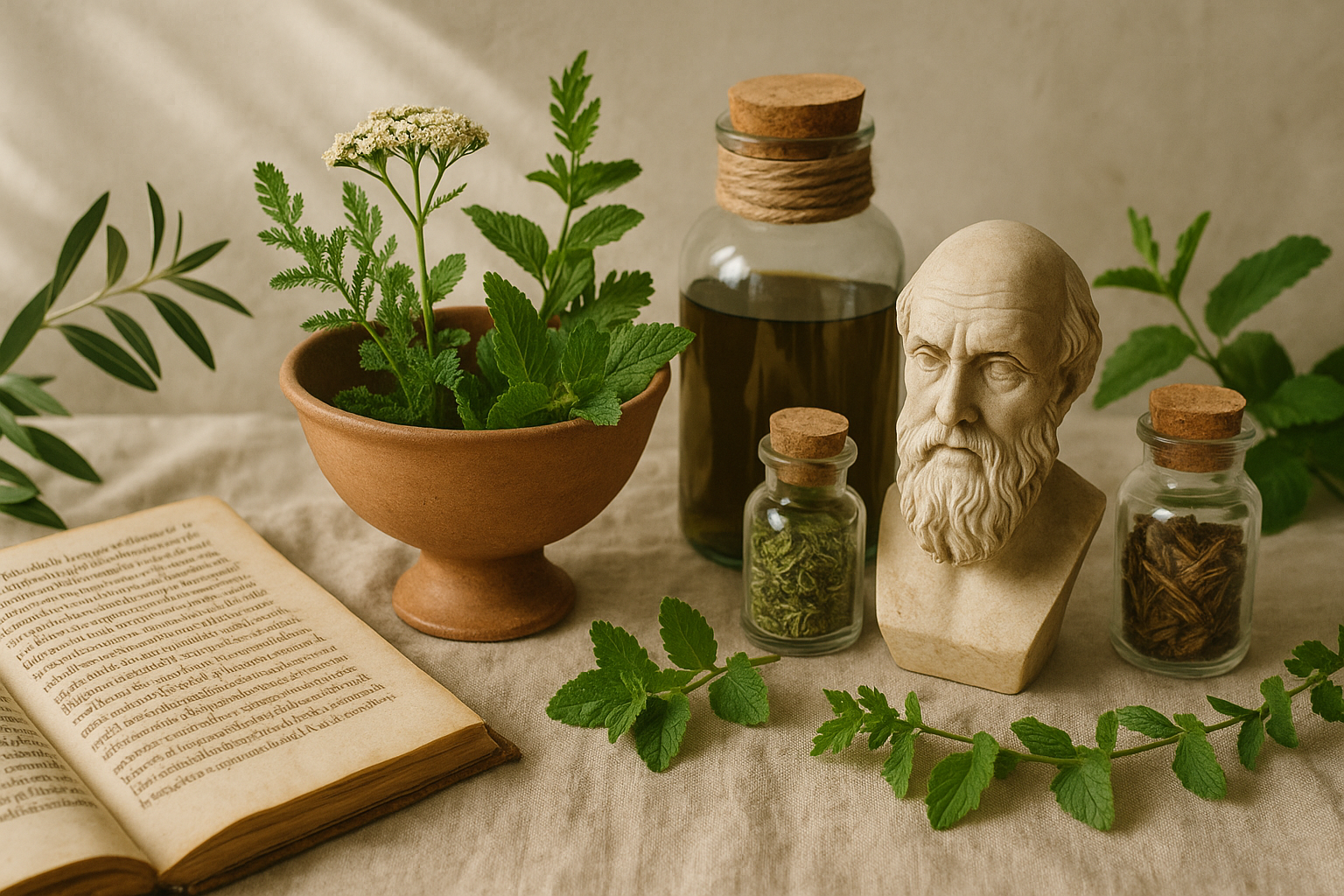
Herbal Healing emerged as a significant aspect of Ancient Greek Medicine around the 5th century BCE, with notable figures such as Hippocrates, often referred to as the “Father of Medicine,” advocating for the use of herbal remedies in his teachings. Hippocrates emphasized observation and the study of natural substances, laying the groundwork for future herbalists. His texts documented the effects of various plants, establishing a foundational understanding of herbal properties and applications.
During this time, other influential physicians, including Galen and Dioscorides, further advanced the practice by expanding on the catalog of medicinal plants and their uses. Dioscorides’ work, "De Materia Medica," served as a comprehensive guide to herbal healing, detailing over 600 plants and their medicinal applications, and remained a key reference for centuries.
How It's Practiced
The practice of Herbal Healing in Ancient Greek Medicine typically involves a series of steps that a practitioner may follow:
- Assessment: The practitioner evaluates the individual's health status, lifestyle, and specific concerns.
- Diagnosis: Based on observations and the principles of balance, the practitioner identifies potential imbalances or ailments.
- Selection of Herbs: A tailored selection of herbs is made, considering their properties and the individual’s unique constitution.
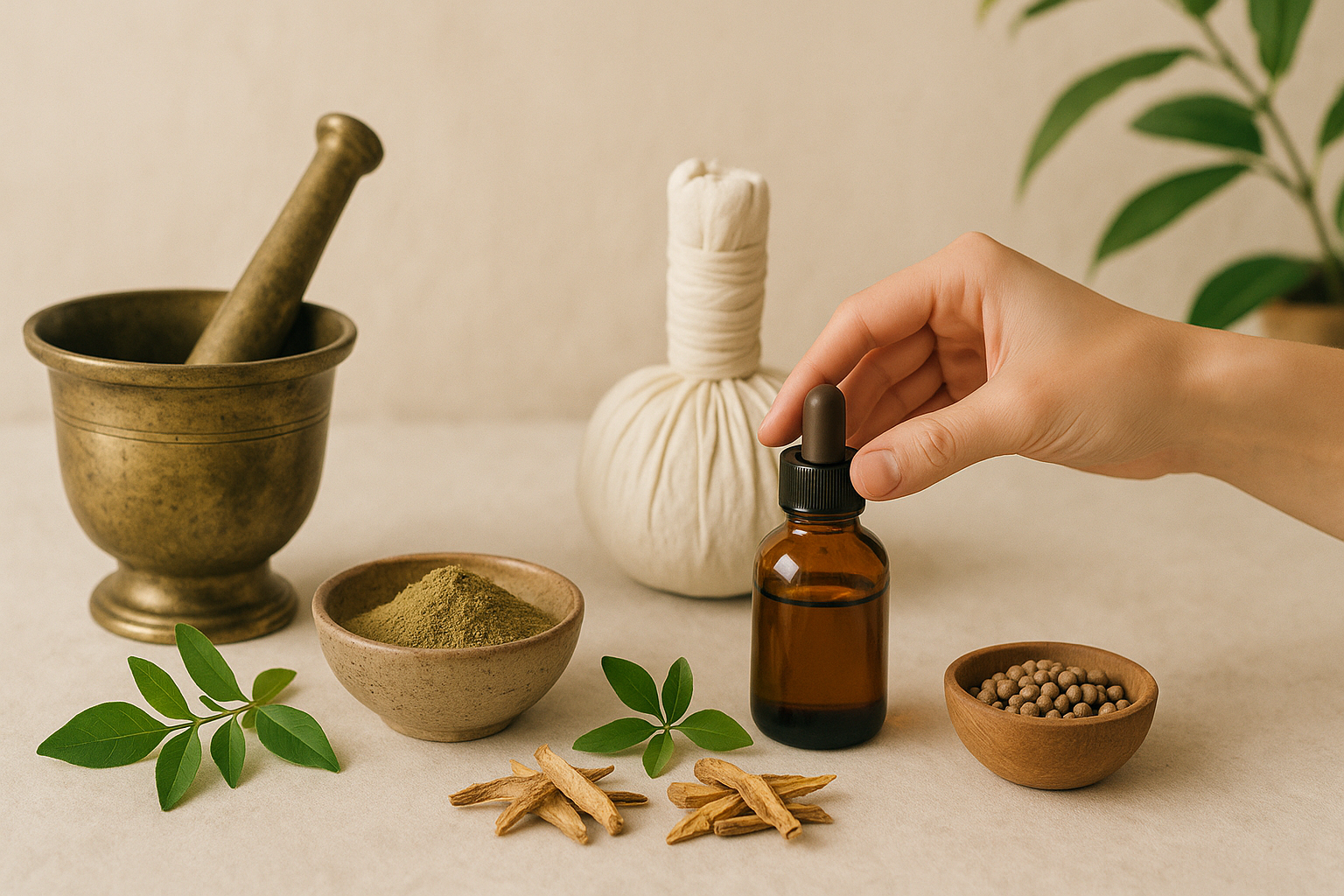
- Preparation: Herbs may be prepared in various forms such as teas, tinctures, or ointments, often combining multiple herbs for synergistic effects.
- Administration: The practitioner guides the individual on how to use the herbal remedy, including dosage and frequency.
- Follow-Up: Regular check-ins are conducted to assess the effectiveness of the treatment and make necessary adjustments.
What It Is Traditionally Explored For
Herbal Healing has been traditionally used for a variety of health concerns, including but not limited to:
- Digestive issues, such as bloating or constipation
- Respiratory conditions, like coughs and colds
- Skin ailments, including rashes and inflammation
- Emotional balance, addressing anxiety and stress
- Immune support, aiding the body’s natural defenses
It is important to note that while these applications are historically grounded, individual experiences and outcomes may vary.
What Modern Research Suggests
Contemporary studies have begun to explore the efficacy of various herbs traditionally used in Ancient Greek Medicine. For instance, research has shown that certain herbs, such as chamomile and peppermint, possess anti-inflammatory and digestive-supportive properties. Other studies have indicated that adaptogenic herbs, which were also documented by Ancient Greek physicians, may help the body manage stress more effectively.
While preliminary findings are promising, it is essential to approach herbal remedies with caution, as the scientific community continues to investigate their full range of benefits and potential side effects. More rigorous clinical trials are needed to establish definitive conclusions about the efficacy and safety of these herbal treatments.
Safety, Contraindications & Who Should Skip
While many herbs are generally considered safe, there are important safety considerations to keep in mind:
- Some herbs may interact with medications, leading to adverse effects.
- Individuals with certain medical conditions, such as liver disease or allergies, should exercise caution.
- Pregnant or breastfeeding women should consult healthcare professionals before using herbal remedies.
- Always seek guidance from a qualified practitioner to assess personal health factors before beginning any herbal treatment.
Pairs Well With (within Ancient Greek Medicine and across pillars)
- Dietary Practices: Emphasis on a balanced diet rich in whole foods.
- Physical Activity: Incorporation of exercise for overall health.
- Mindfulness and Meditation: Practices that promote mental clarity and emotional balance.
- Other Modalities: Such as Aromatherapy and Homeopathy.
How to Find a Qualified Practitioner
To find a qualified practitioner in Herbal Healing, consider the following steps:
- Seek recommendations from trusted healthcare providers or friends.
- Look for practitioners with certifications in herbal medicine or related fields.
- Check professional associations for listings of qualified herbalists.
- Conduct interviews or consultations to ensure the practitioner’s approach aligns with your needs.
FAQs (5)
What is Herbal Healing?
Herbal Healing is a practice that uses plants and their parts to support health and well-being.
How does Herbal Healing work?
It works by utilizing the properties of herbs to restore balance and address health concerns holistically.
Is Herbal Healing safe?
While many herbs are safe, it is essential to consult with a qualified practitioner to avoid potential interactions and contraindications.
What conditions can Herbal Healing address?
Traditionally, it has been used for digestive issues, respiratory conditions, skin ailments, and emotional balance.
How do I find a herbalist?
Look for recommendations, check certifications, and ensure their approach aligns with your health goals.
Frequently asked
What is Herbal Healing?
Herbal Healing is a practice that uses plants and their parts to support health and well-being.
How does Herbal Healing work?
It works by utilizing the properties of herbs to restore balance and address health concerns holistically.
Is Herbal Healing safe?
While many herbs are safe, it is essential to consult with a qualified practitioner to avoid potential interactions and contraindications.
What conditions can Herbal Healing address?
Traditionally, it has been used for digestive issues, respiratory conditions, skin ailments, and emotional balance.
How do I find a herbalist?
Look for recommendations, check certifications, and ensure their approach aligns with your health goals.