Wellness Rituals
Delve into Wellness Rituals in Roman Medicine, understanding its practices, historical significance, and modern interpretations.
Explore the ancient practice of Wellness Rituals within Roman Medicine, focusing on its definition, historical context, and practical applications. Discover traditional uses, modern research insights, safety considerations, and how to connect with qualified practitioners.
What It Is
Wellness Rituals in the context of Roman Medicine refer to a set of traditional practices aimed at enhancing physical, mental, and spiritual well-being. These rituals often combine elements of herbalism, dietary practices, physical exercises, and spiritual guidance, reflecting a holistic approach to health that was prevalent in ancient Rome. In essence, these rituals served not only to is traditionally explored for ailments but also to promote a balanced lifestyle, fostering harmony between body and mind.
At the core of these rituals is the belief that wellness is an ongoing journey rather than a destination. Participants engage in various activities, including meditation, herbal preparations, and communal gatherings, which are designed to foster a sense of community and support. By engaging in these practices, individuals seek to align themselves with the natural rhythms of life, thereby achieving a sense of well-being and vitality.
Historical Context Within Roman Medicine
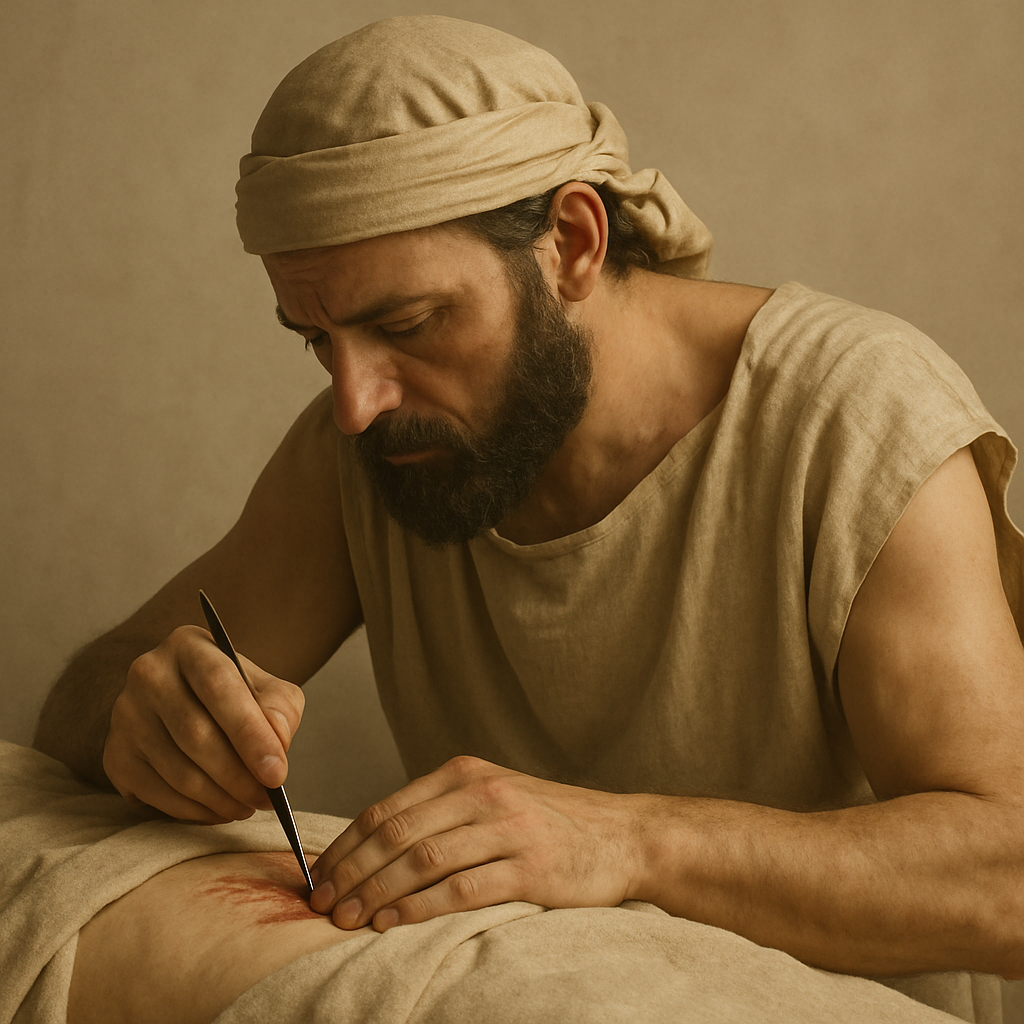
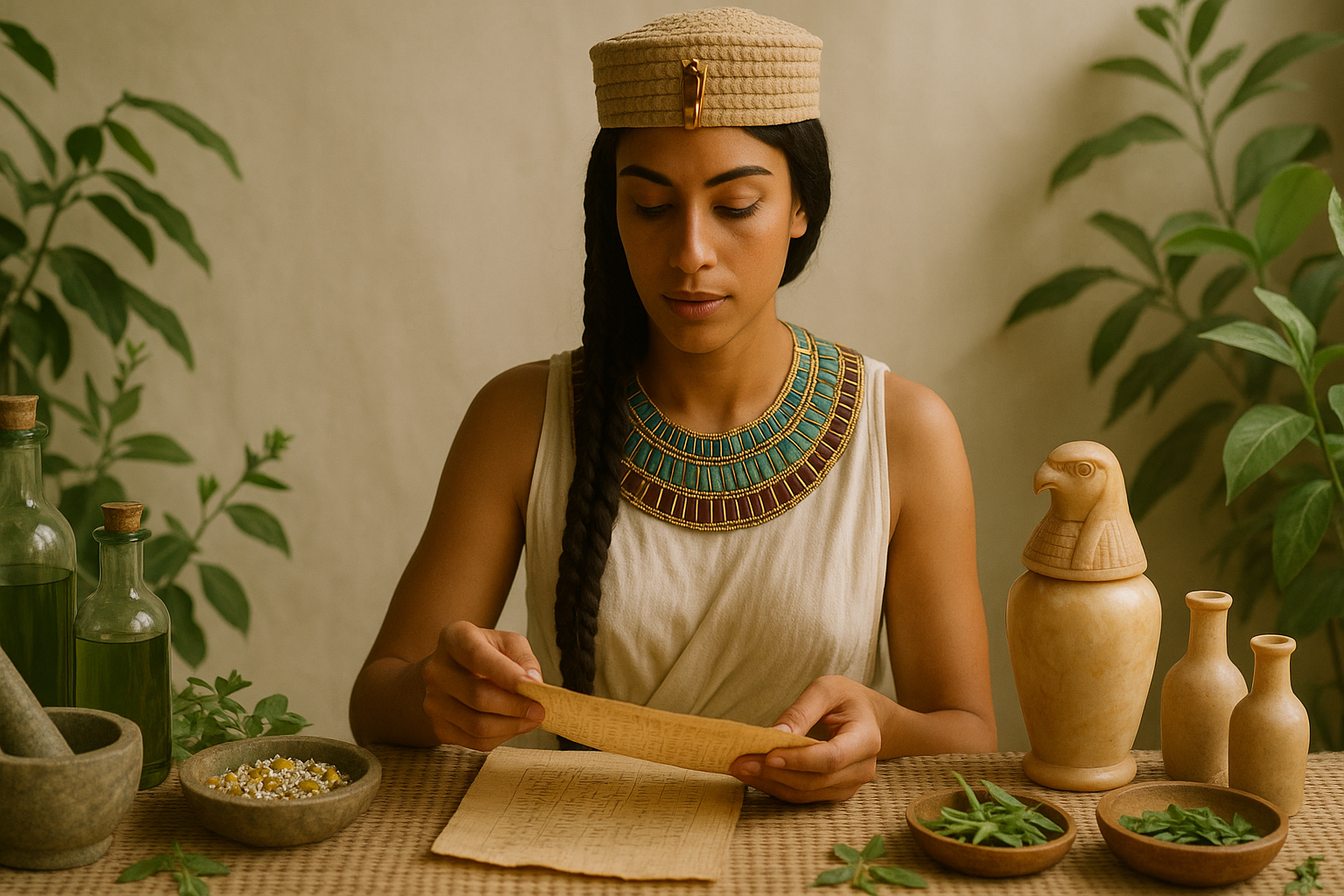
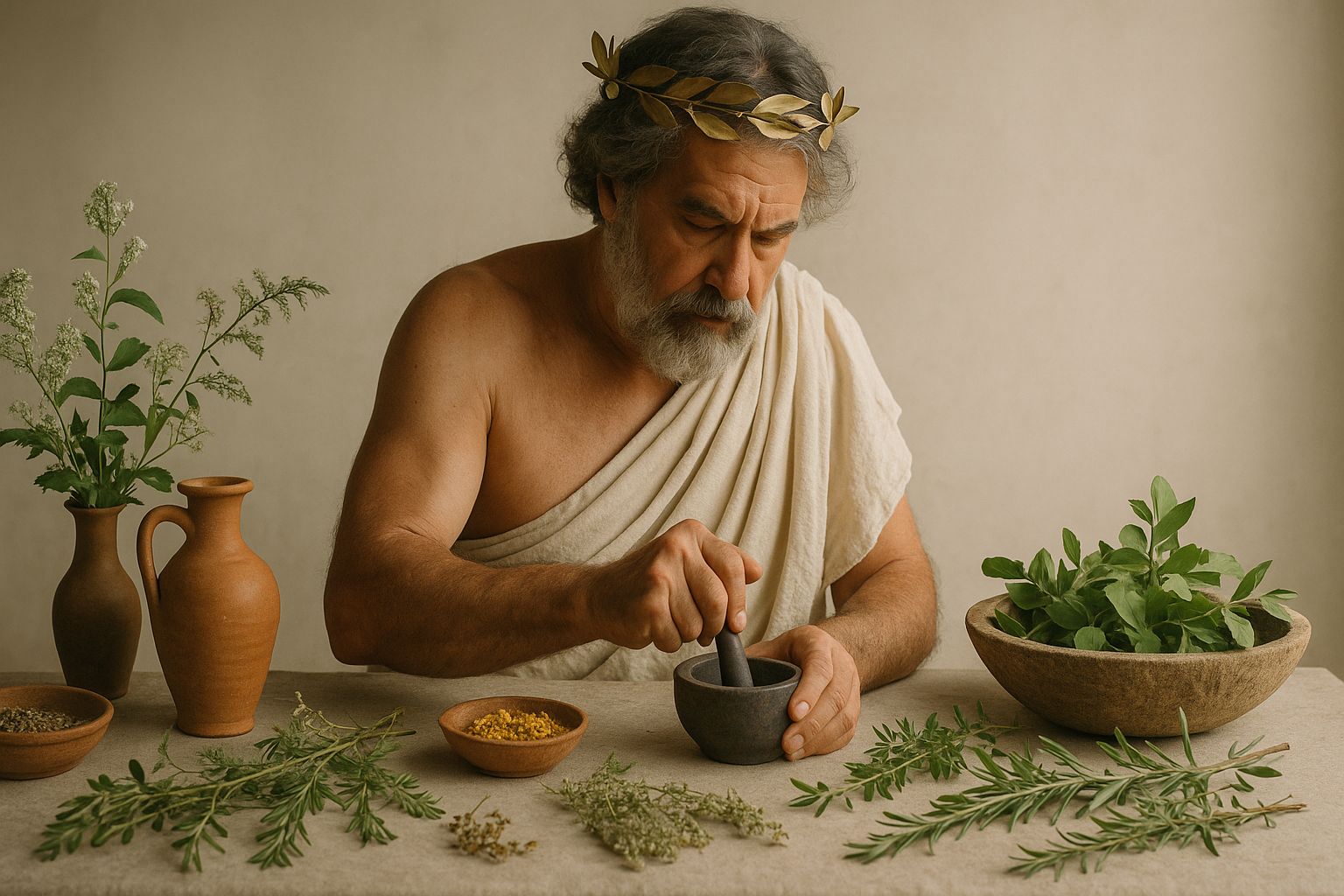
Wellness Rituals emerged as a significant aspect of Roman Medicine around the 1st century BCE, a time when the influence of Greek medical philosophy began to permeate Roman culture. The famed physician Galen, among others, played a pivotal role in integrating these traditions, emphasizing the importance of preventative care and lifestyle adjustments in promoting health. This period saw the amalgamation of various healing practices, including those derived from native Italian traditions and Greek methodologies, creating a rich tapestry of wellness-oriented rituals.
The Romans believed that health was closely linked to one's environment and lifestyle, leading to the development of various rituals that aimed to enhance well-being. These practices included bathing, physical exercises, and dietary regimens, all designed to maintain balance within the body and mind. As Roman society evolved, so too did these wellness rituals, adapting to new influences while retaining their core principles.
How It's Practiced
Practicing Wellness Rituals involves a series of steps that can be tailored to individual needs. Here is a general walkthrough:
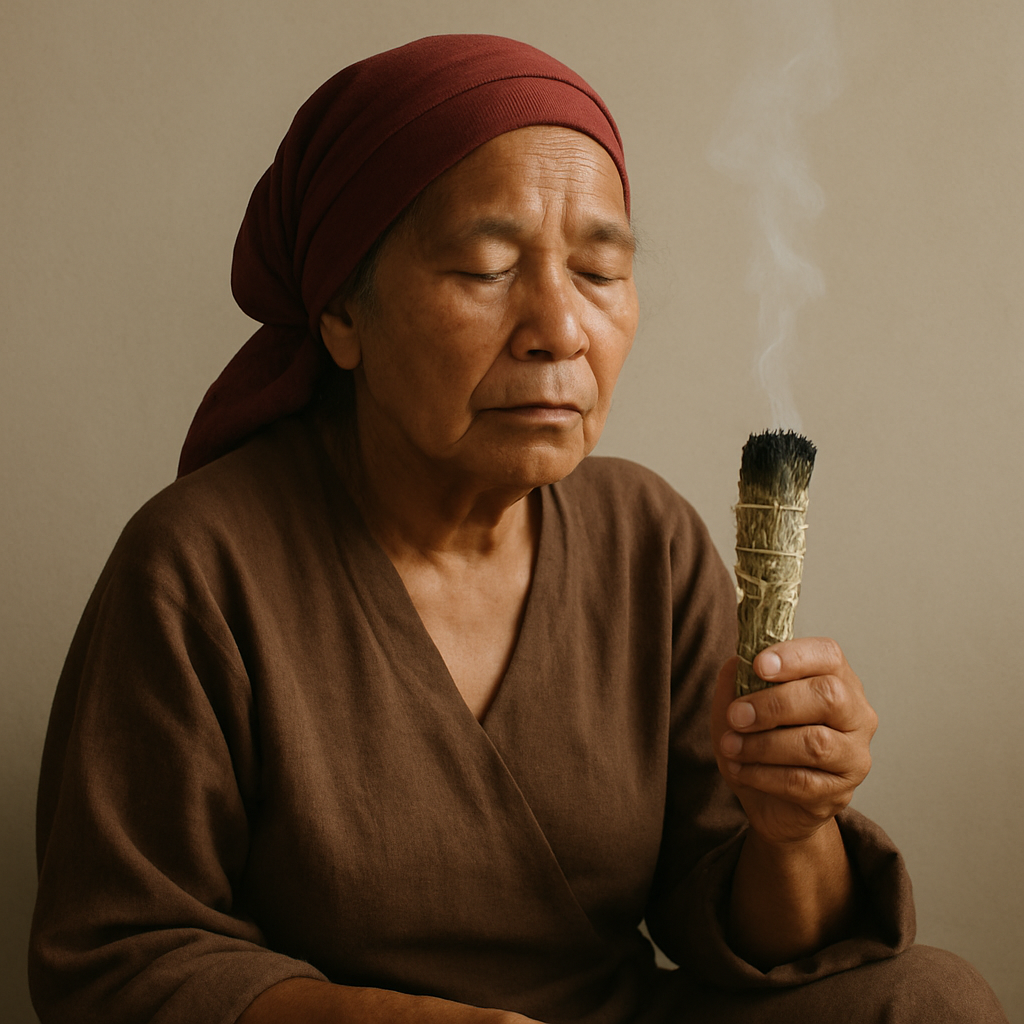
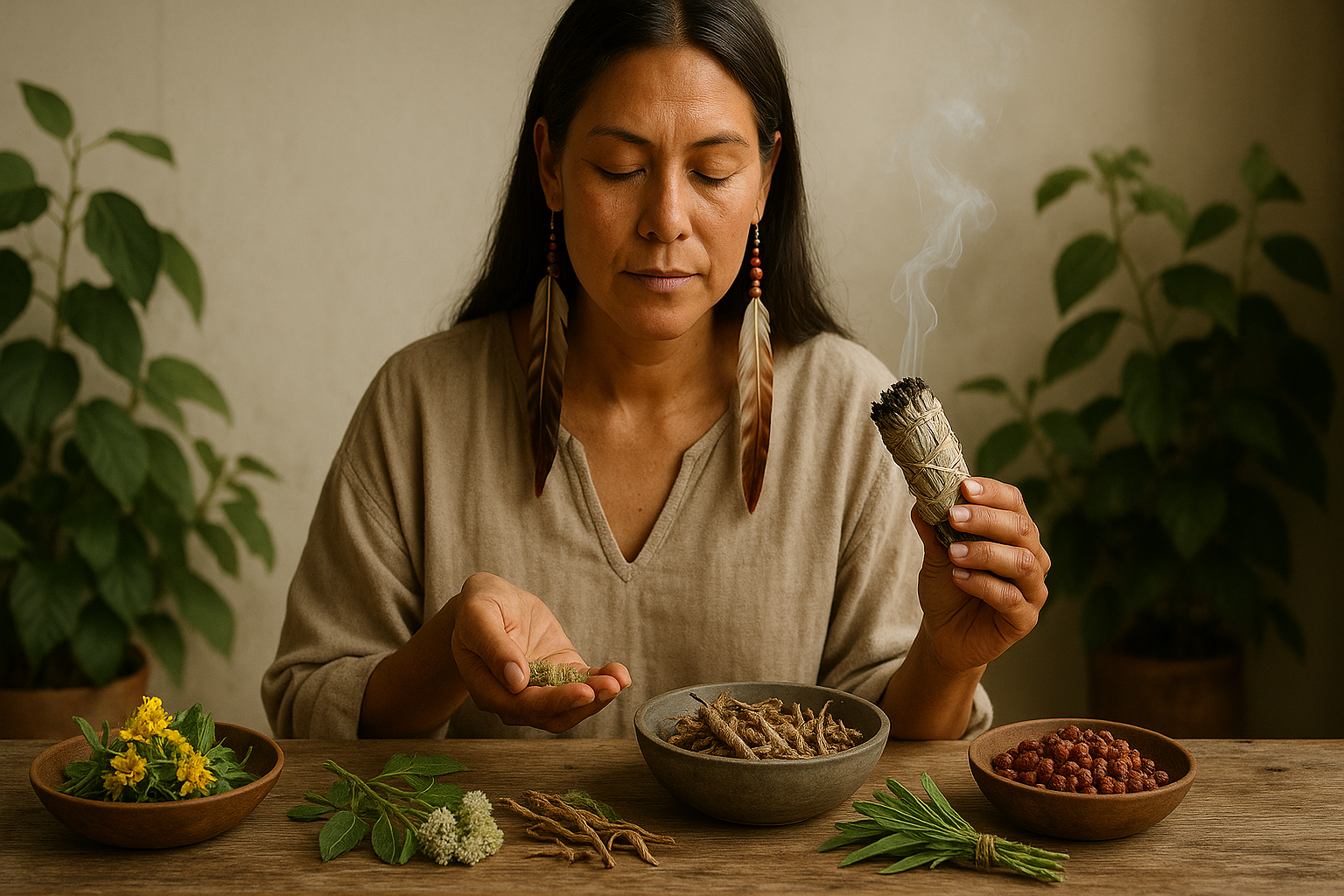
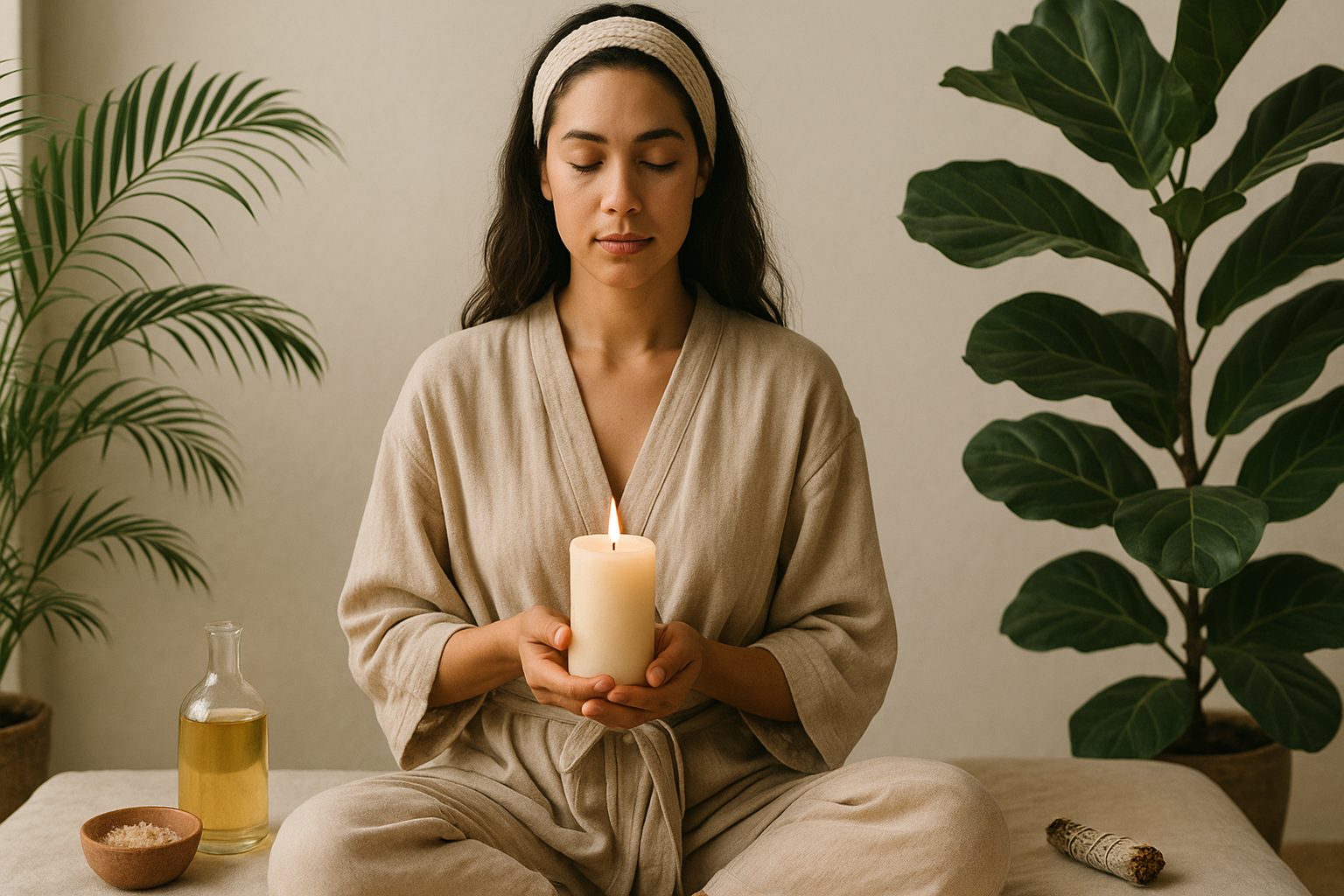
- Preparation: Create a serene environment, free from distractions. This could include lighting candles, burning incense, or playing soft music.
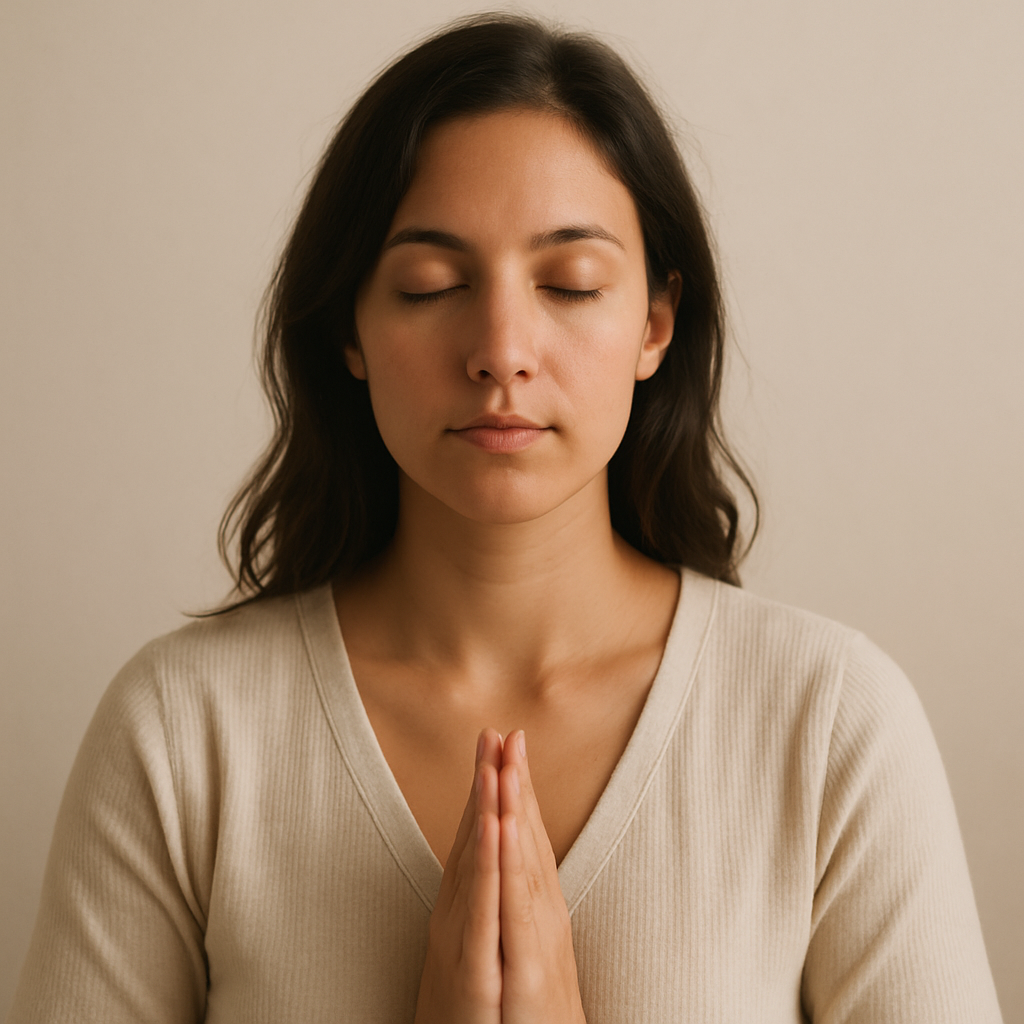
- Mindfulness or Meditation: Begin with deep breathing exercises or meditation to center the mind. This helps in setting intentions for the ritual.
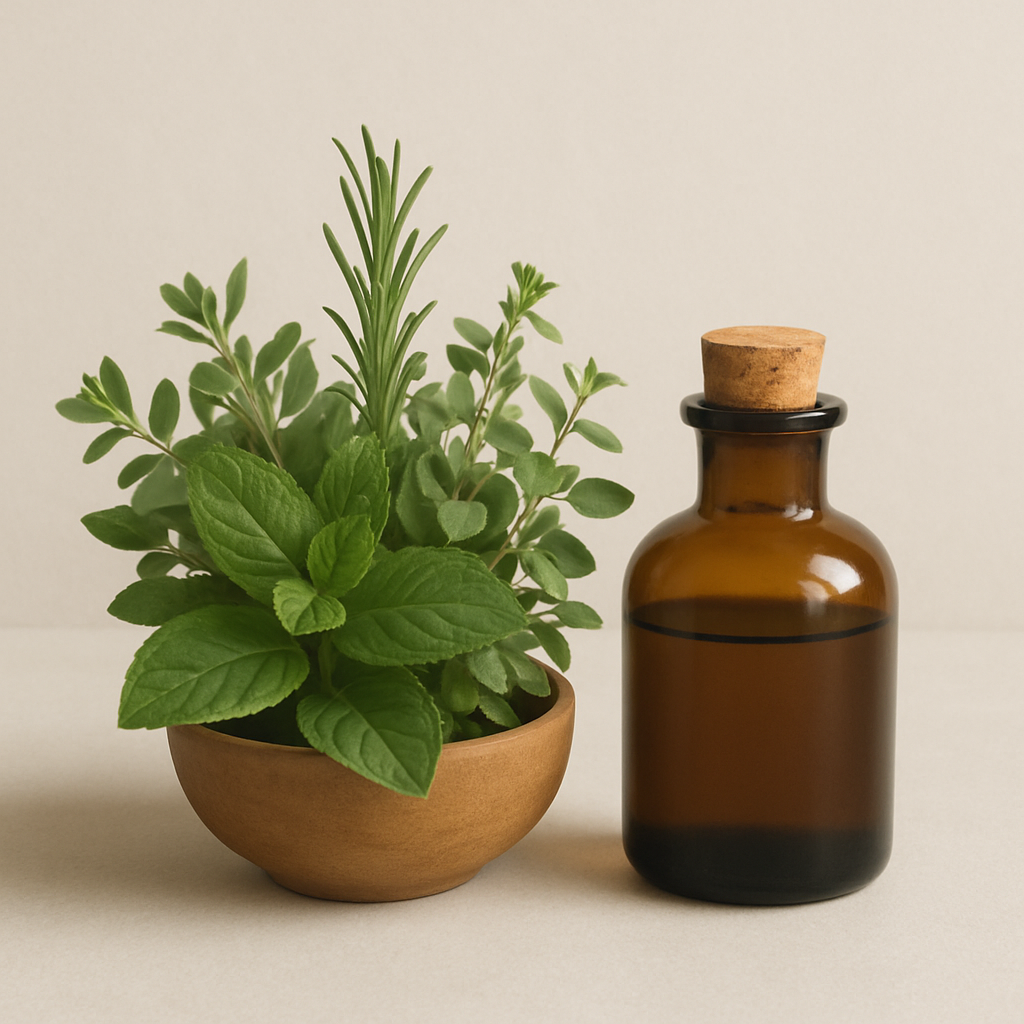
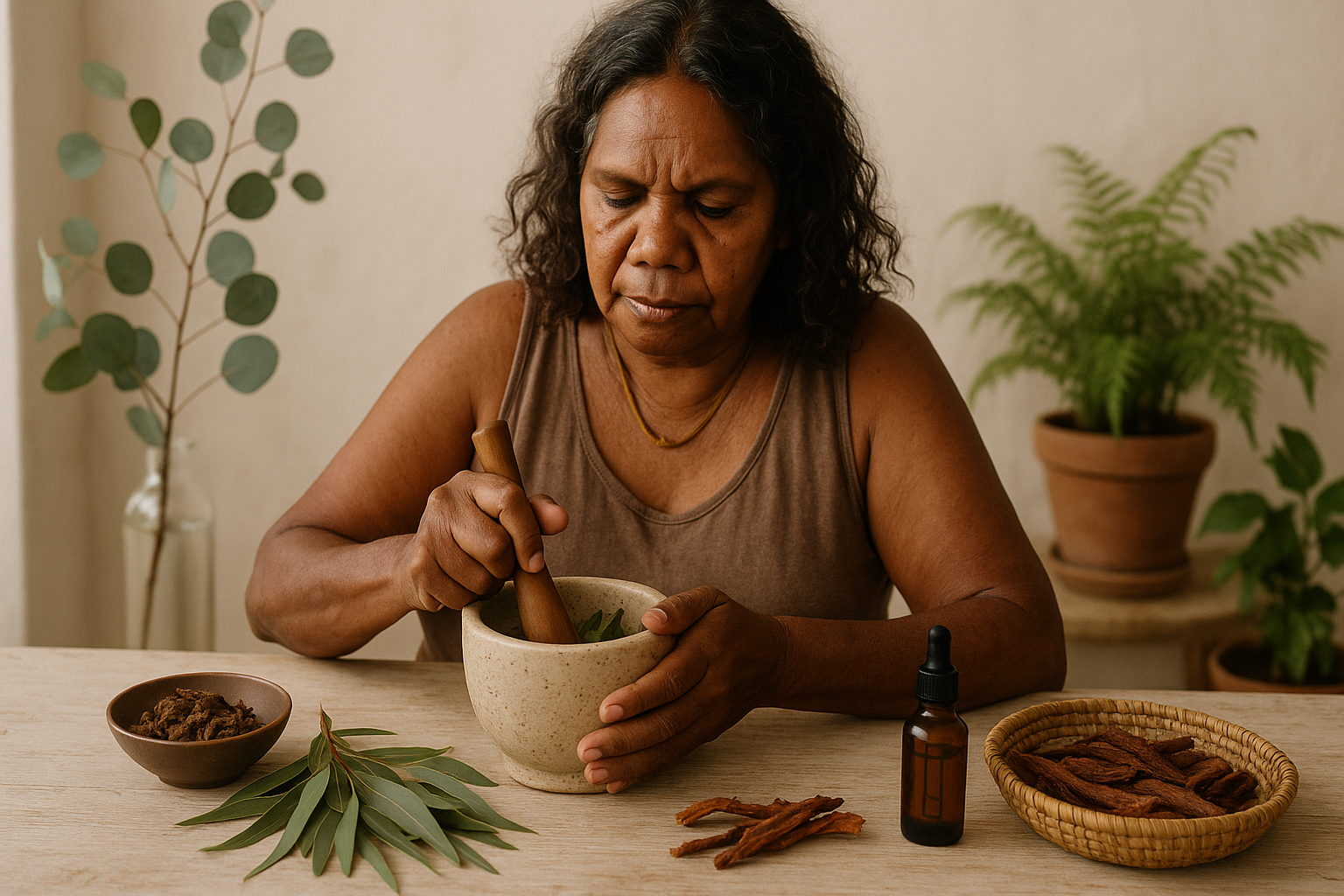
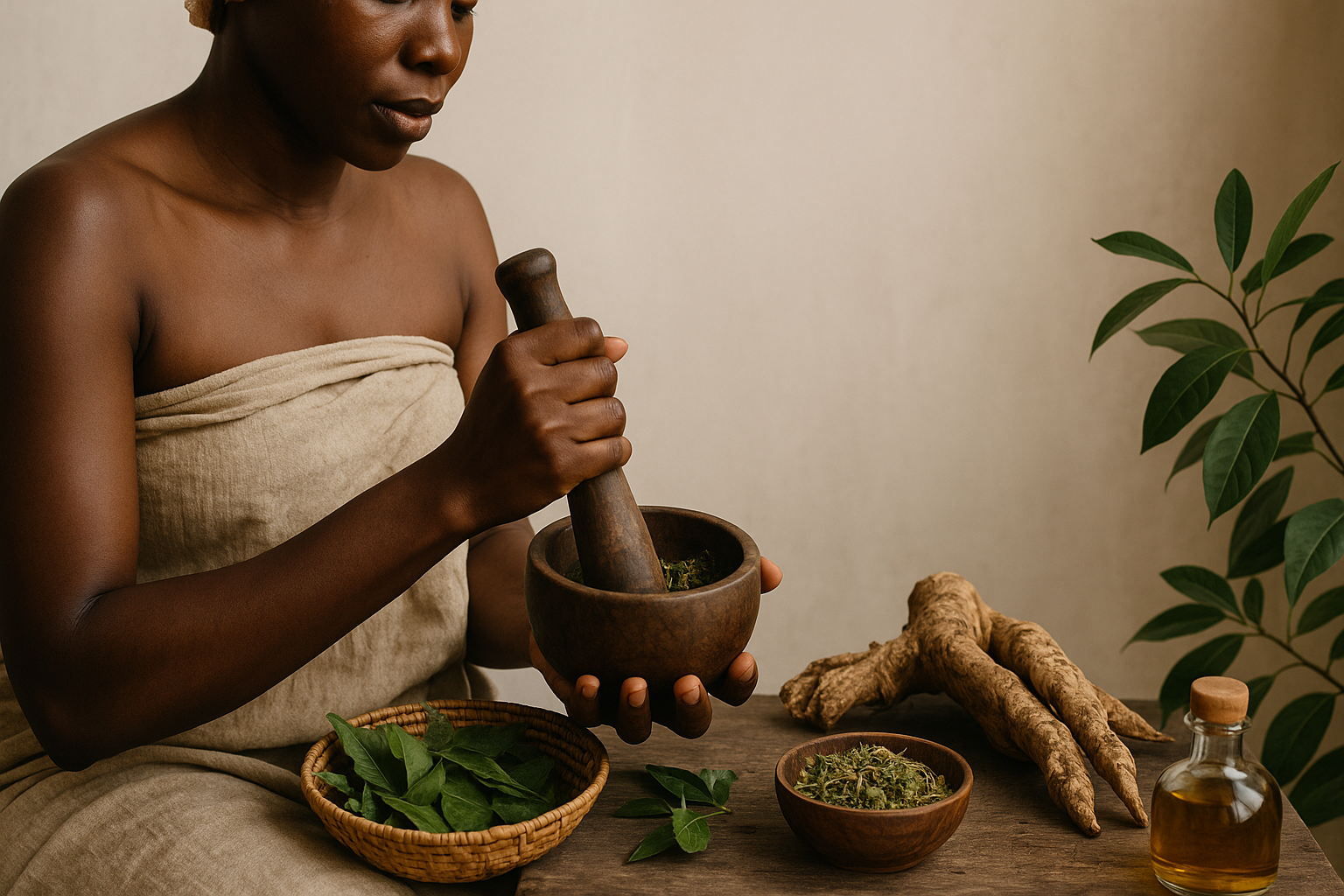
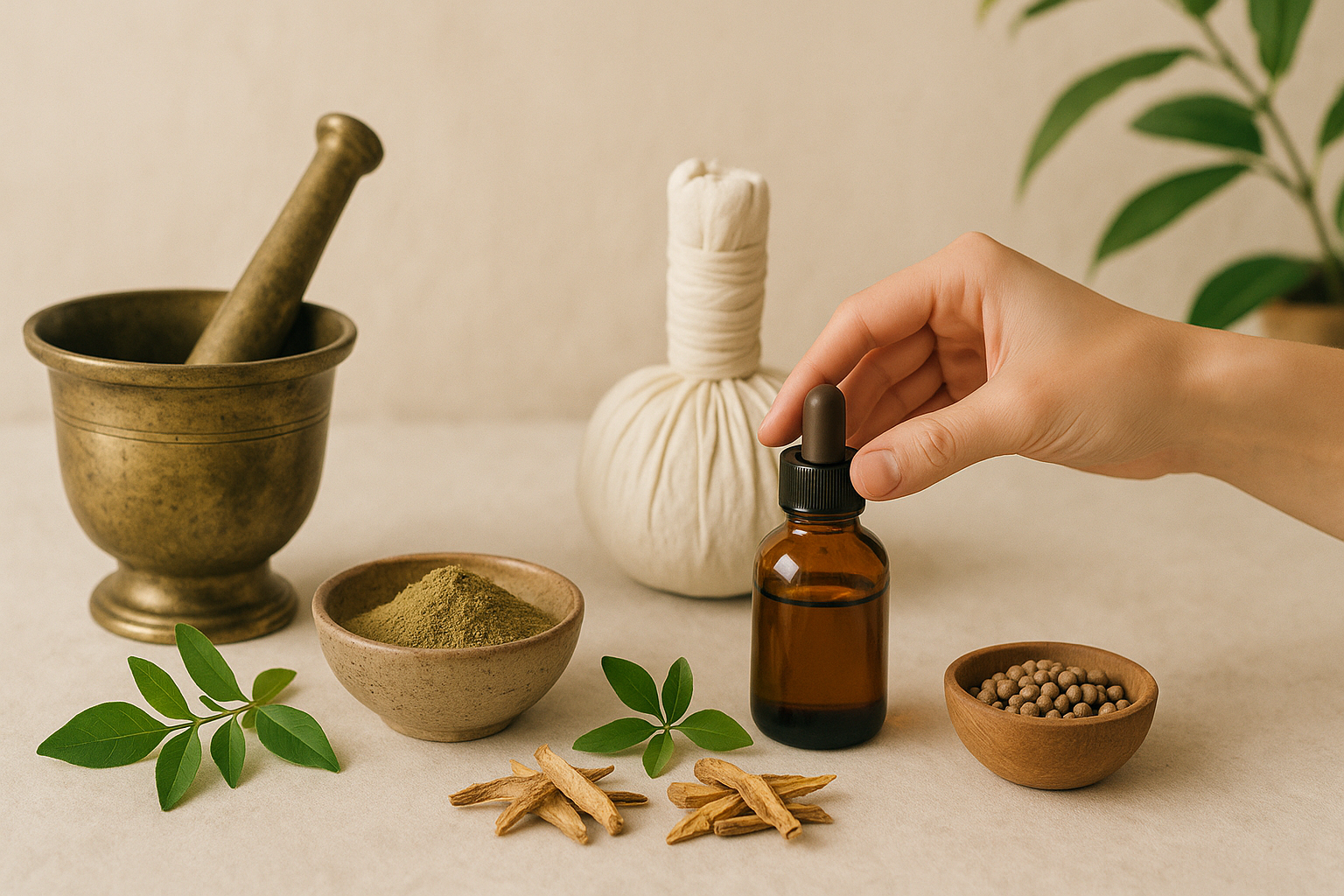
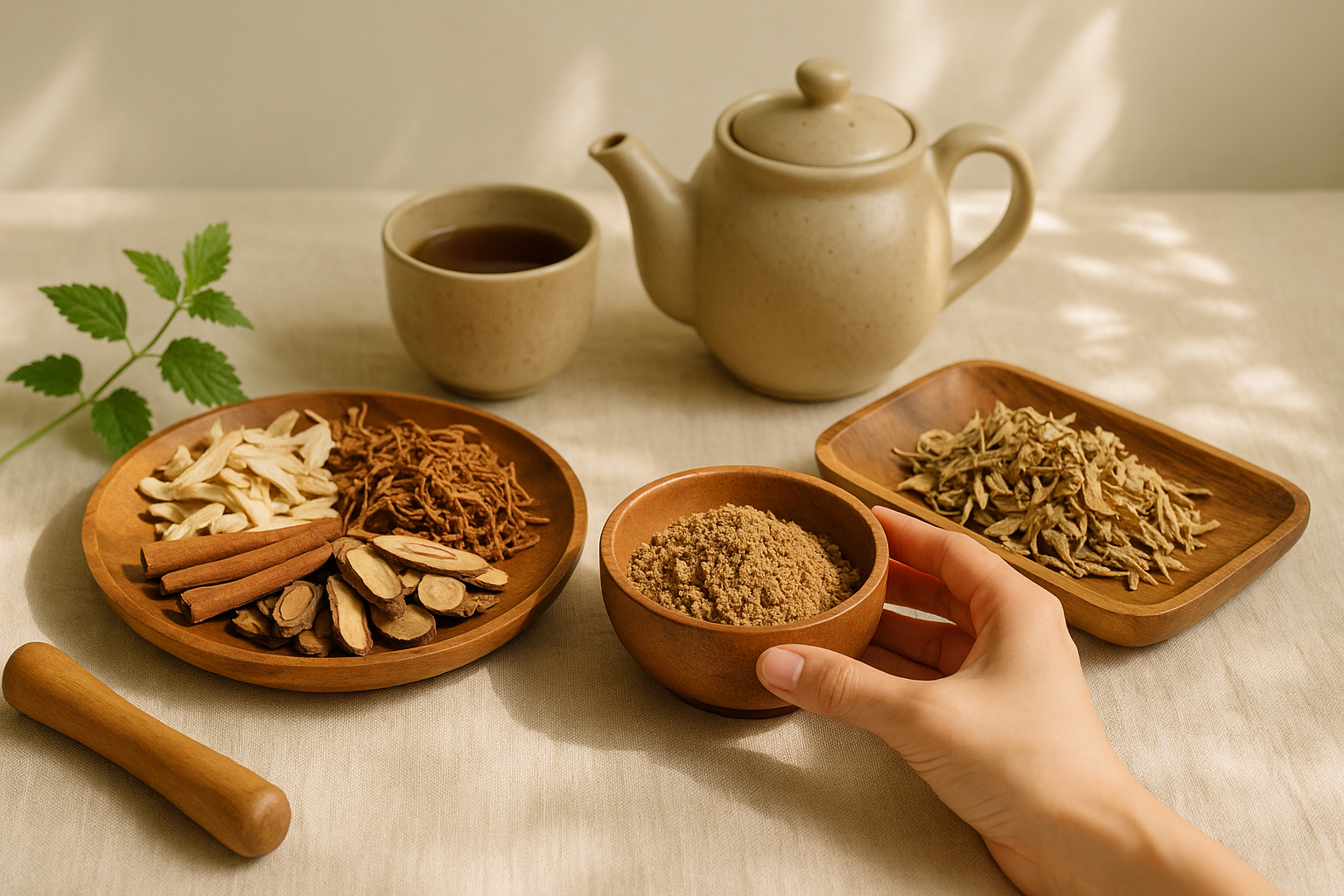
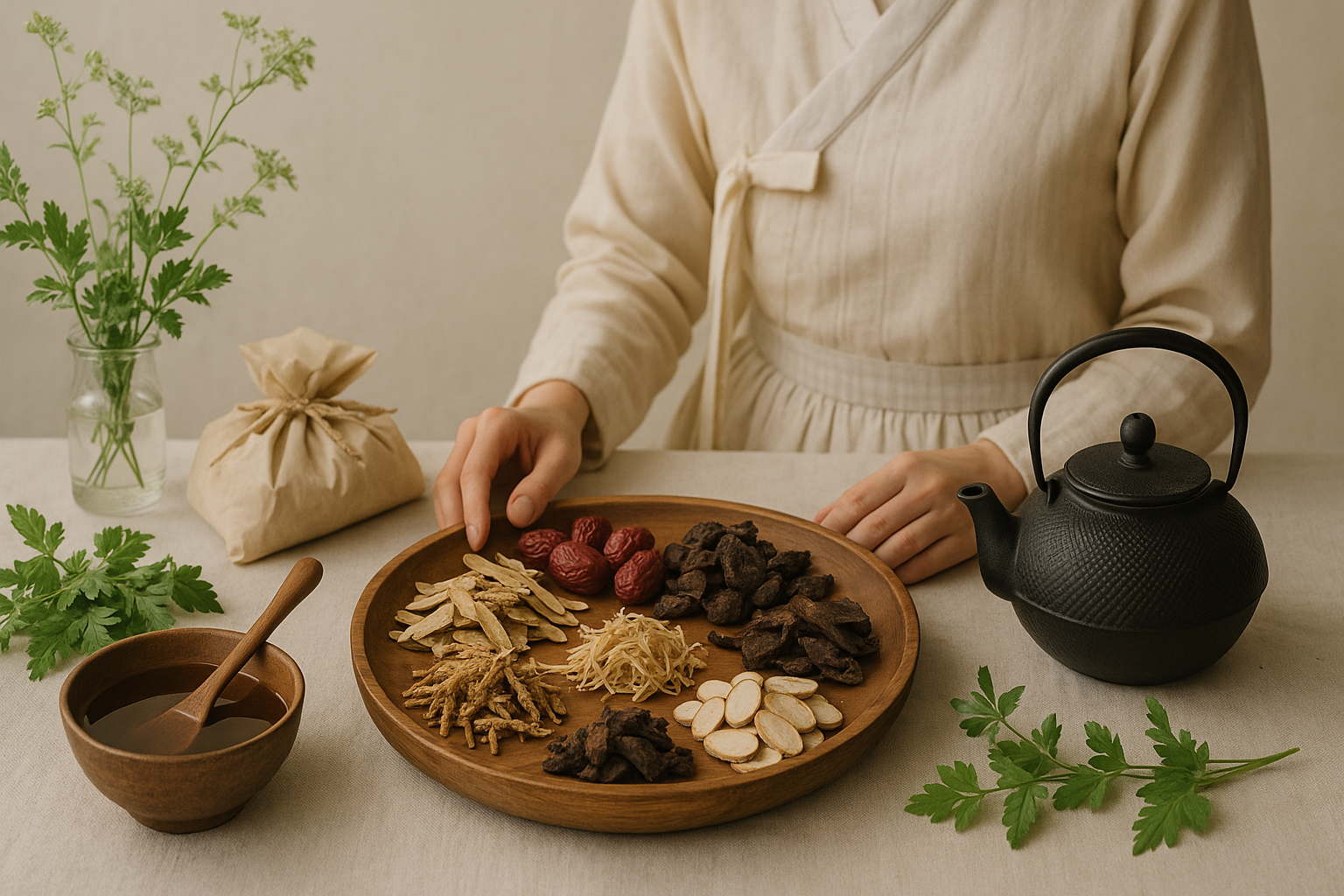
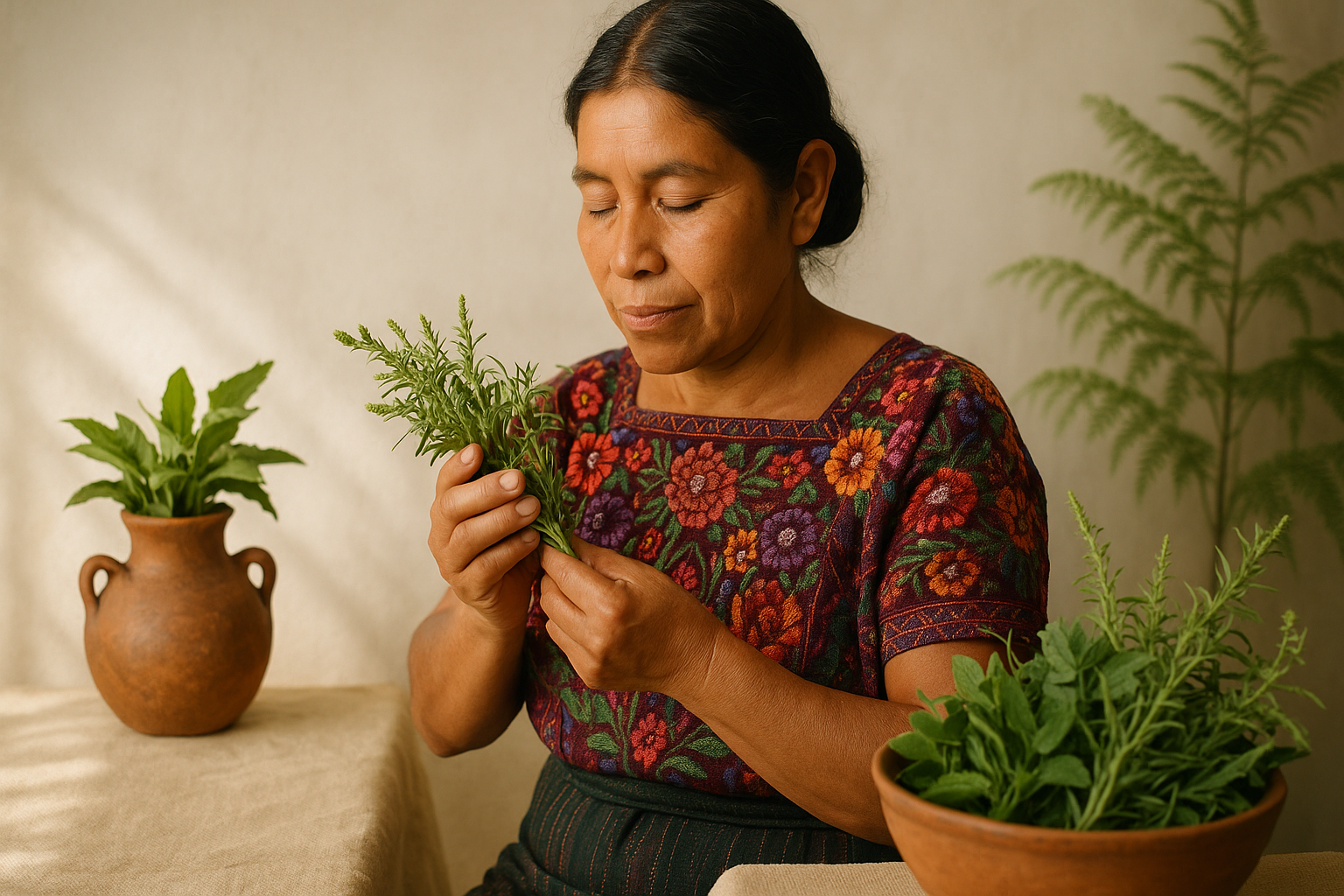
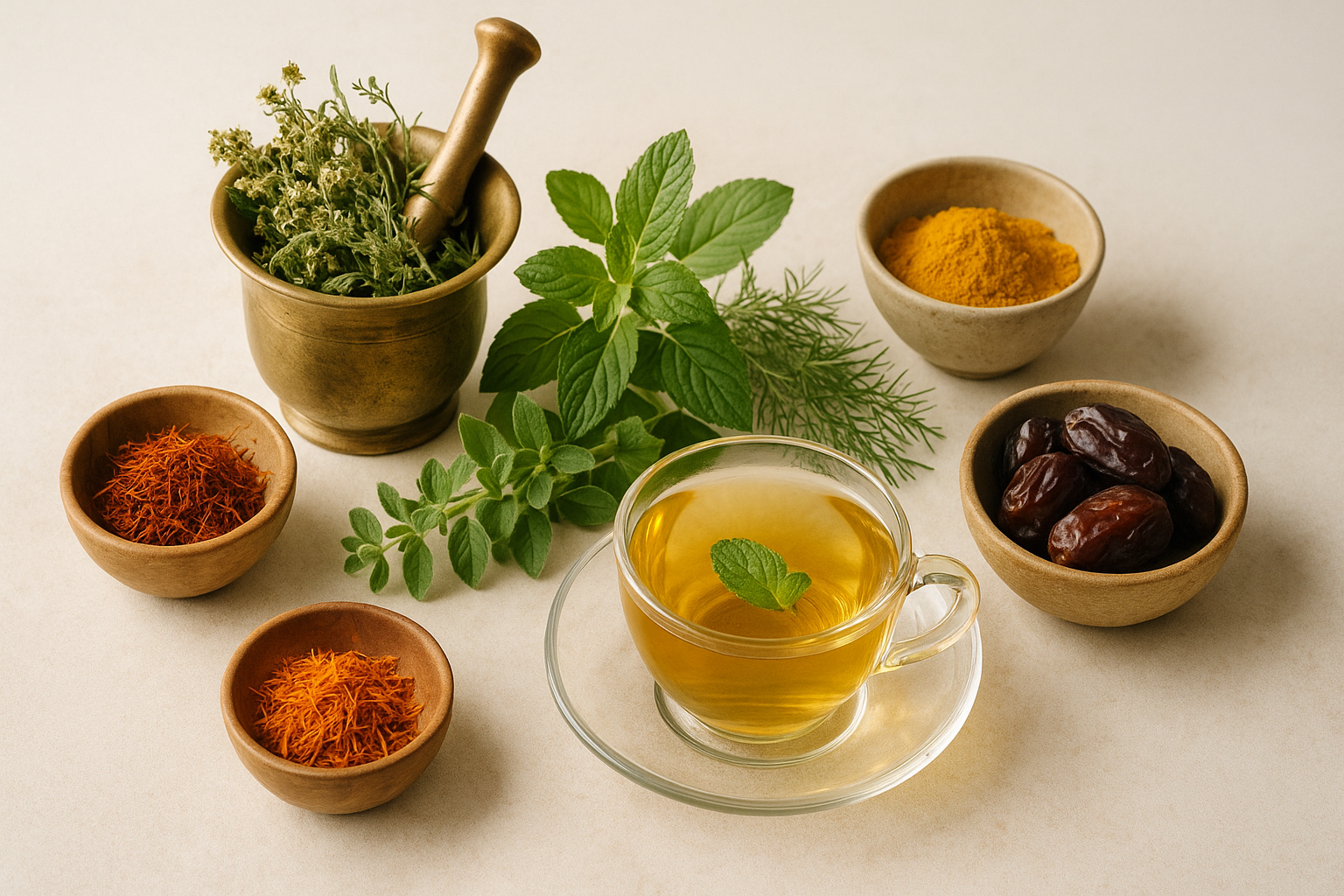
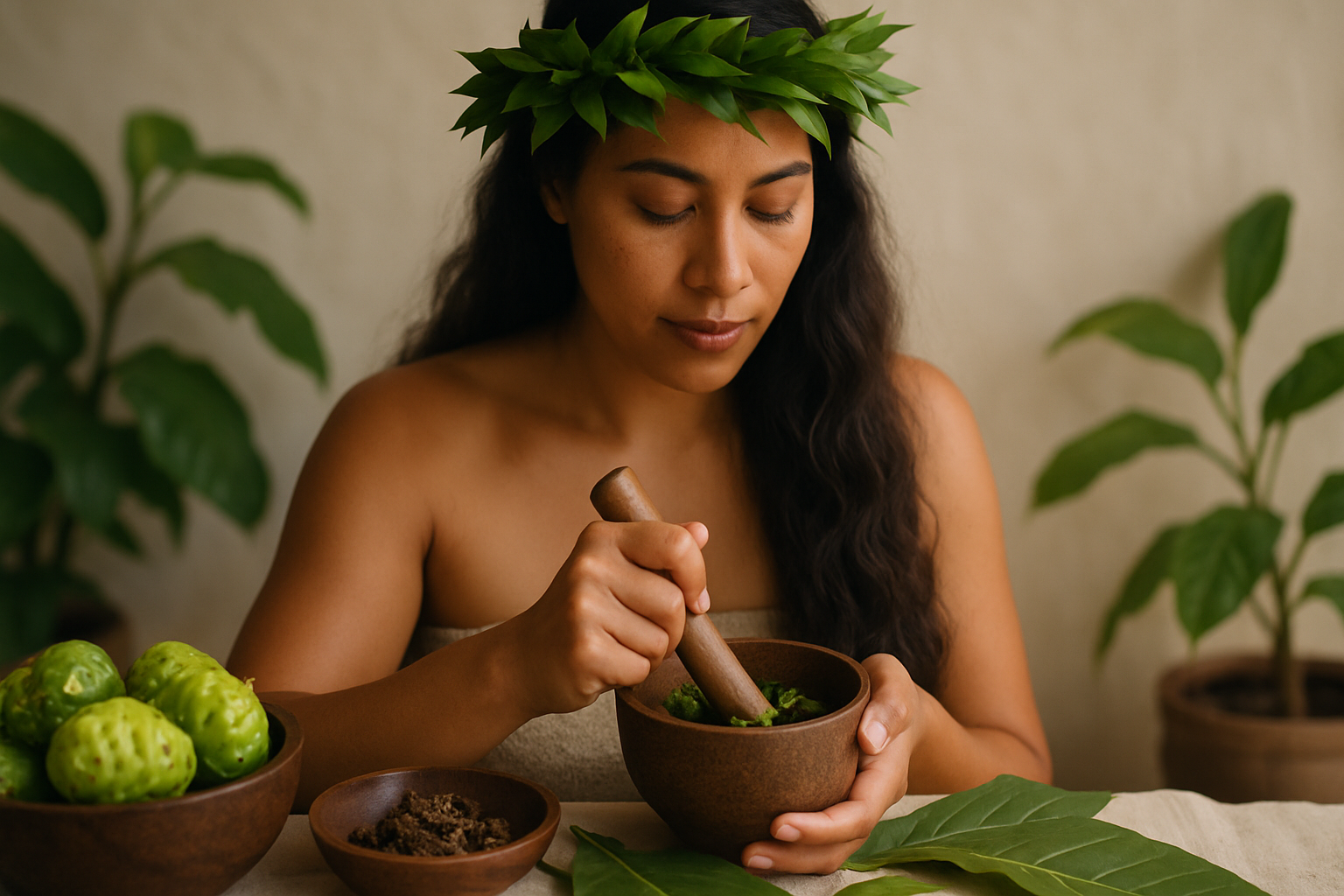
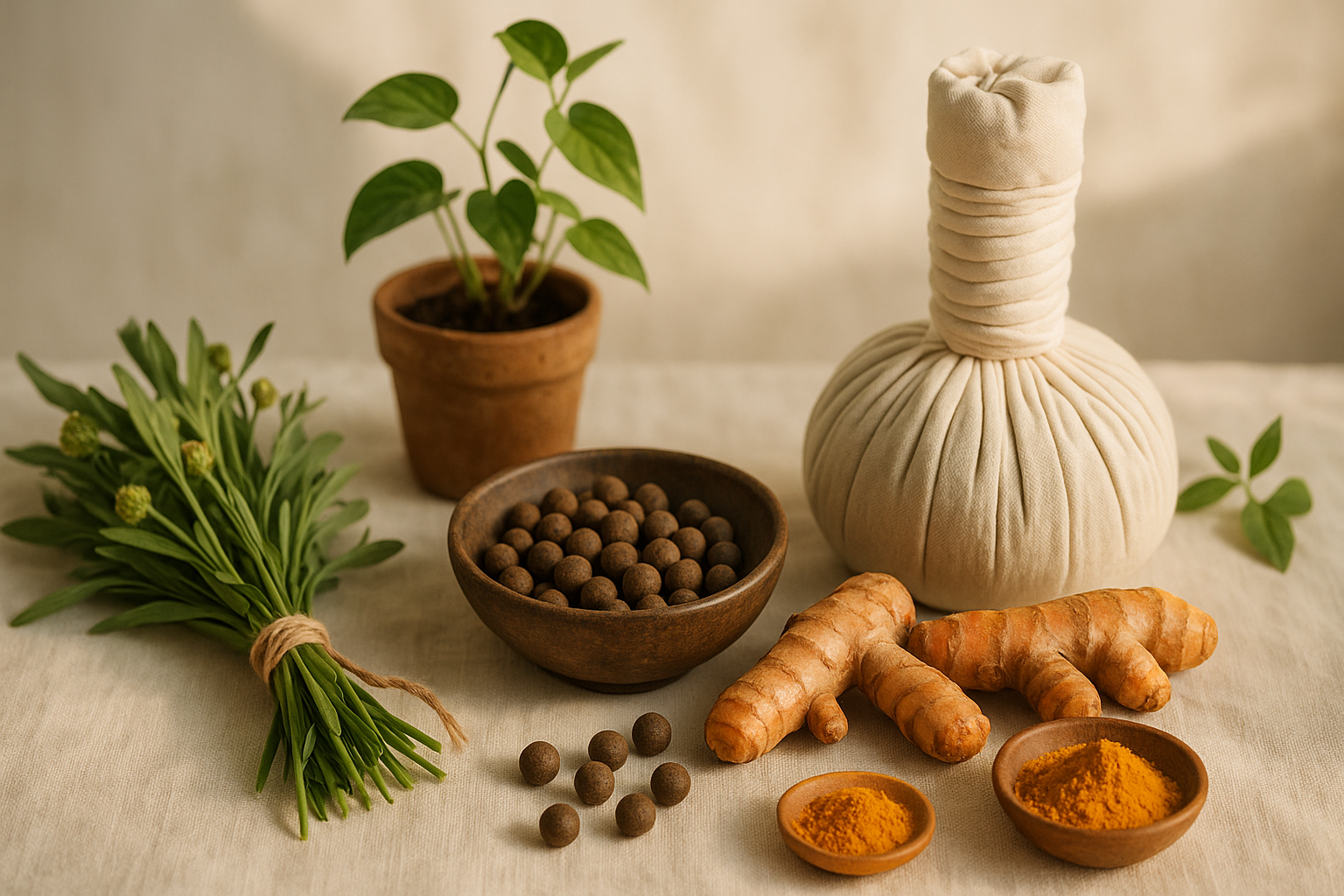
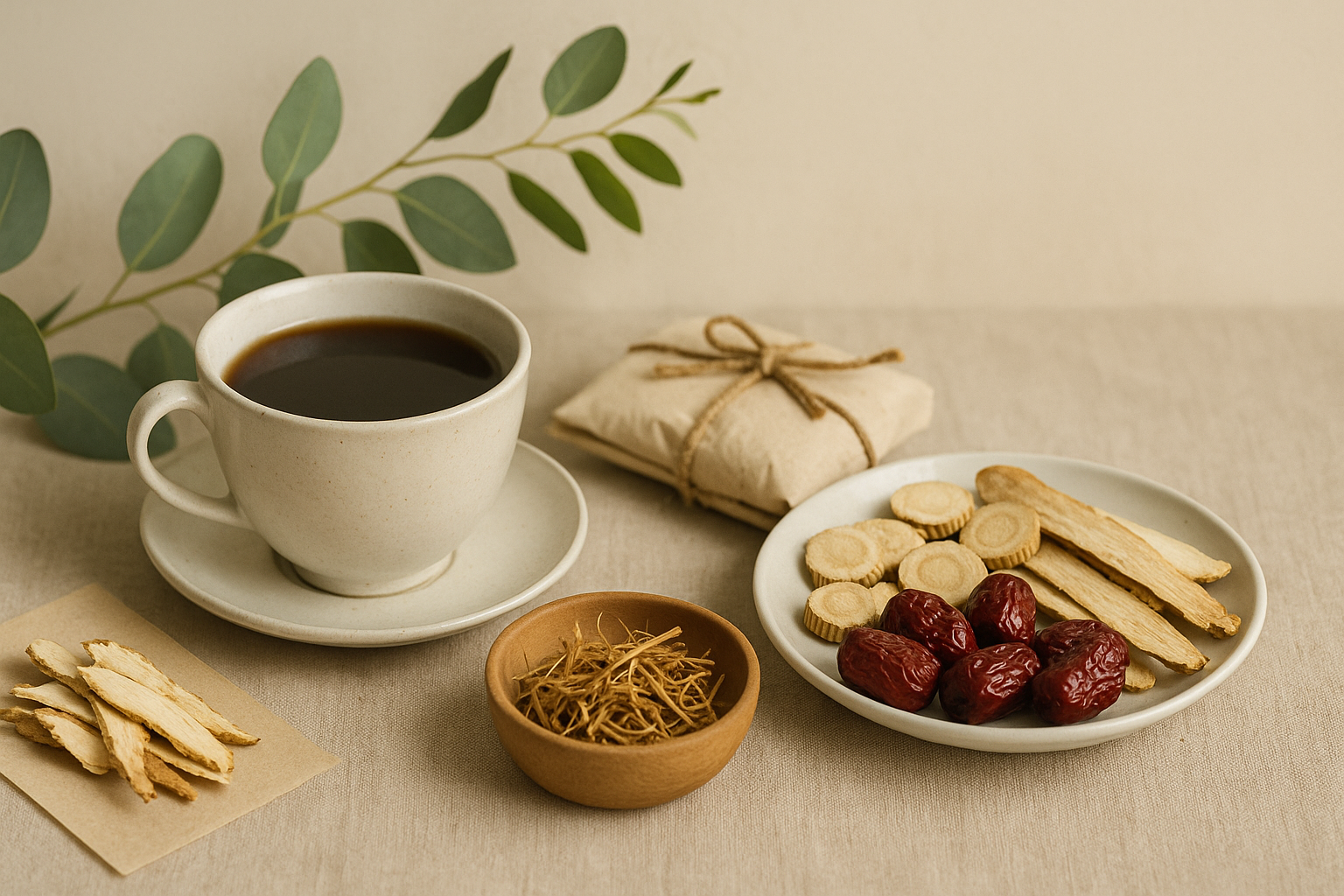
- Herbal Preparations: Utilize herbs traditionally associated with wellness, such as chamomile or mint. These can be brewed into teas or used in poultices.
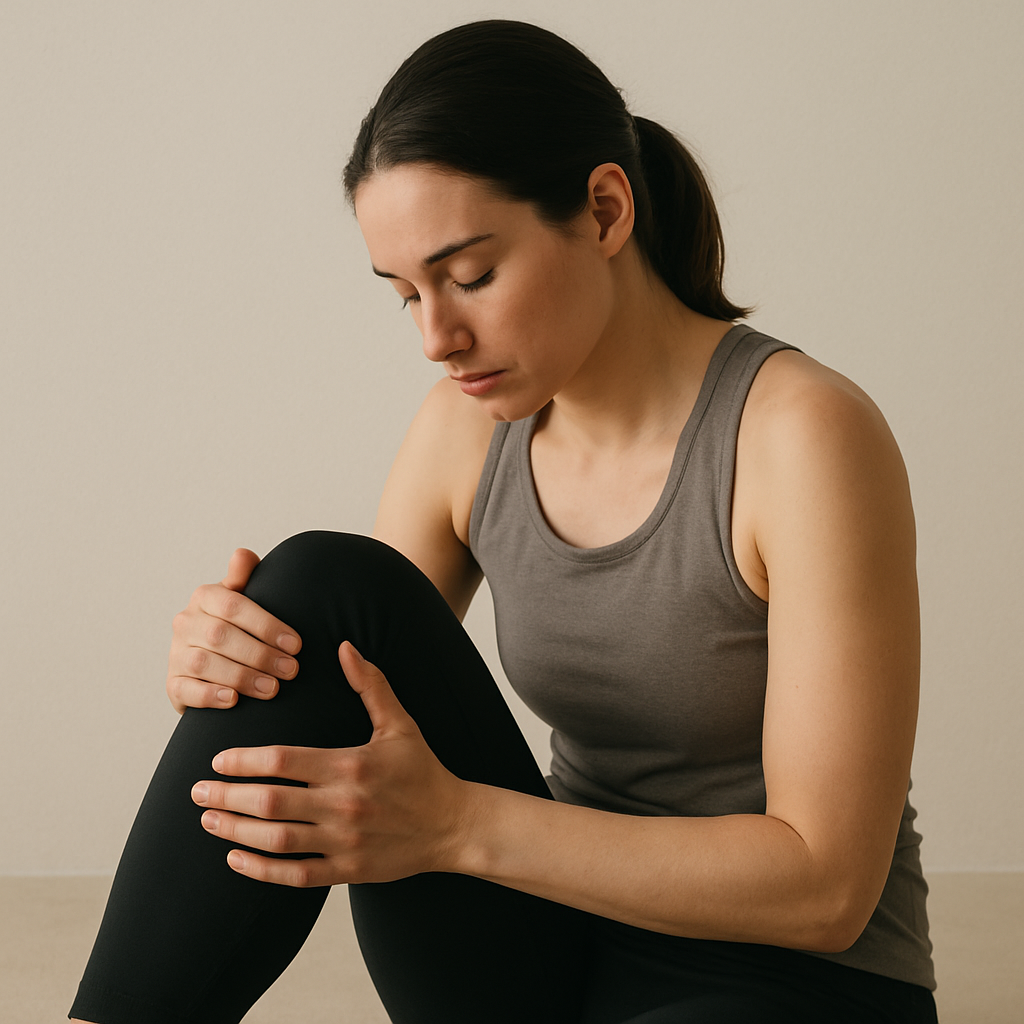
- Physical Movement: Engage in gentle exercises or stretches. This could include yoga or simple movements to promote circulation and flexibility.
- Reflection: Conclude the ritual with a period of reflection or journaling to acknowledge feelings or insights gained during the practice.
What It Is Traditionally Explored For
Wellness Rituals have been traditionally used for a variety of purposes, including:
- Enhancing physical vitality and energy levels.
- Promoting mental clarity and emotional stability.
- Reducing stress and anxiety through relaxation techniques.
- Encouraging community bonding and social support.
- Facilitating spiritual growth and self-awareness.
What Modern Research Suggests
Contemporary studies on wellness practices, including those inspired by ancient traditions, suggest that engaging in rituals can have positive effects on mental and physical health. Preliminary research indicates that mindfulness and meditation, key components of many wellness rituals, can reduce stress levels, improve focus, and enhance overall emotional well-being. For example, clinical studies have shown that regular meditation can lead to decreased symptoms of anxiety and depression.
While more research is needed to fully understand the mechanisms at play, the integration of wellness rituals into modern health practices is gaining traction. Many practitioners advocate for these rituals as complementary approaches to conventional medical treatments, emphasizing their potential to enhance quality of life and promote holistic health.
Safety, Contraindications & Who Should Skip
While Wellness Rituals are generally considered safe for most individuals, certain precautions should be observed. It is advisable for individuals with specific health conditions, such as severe anxiety disorders, certain chronic illnesses, or those who are pregnant, to consult with a healthcare provider before engaging in these practices. Additionally, those with allergies to specific herbs should be cautious when incorporating herbal elements into their rituals.
Pairs Well With (within Roman Medicine and across pillars)
Wellness Rituals can complement various other modalities within Roman Medicine and beyond. They pair well with:
- Herbal Medicine: Utilizing specific herbs known for their health benefits.
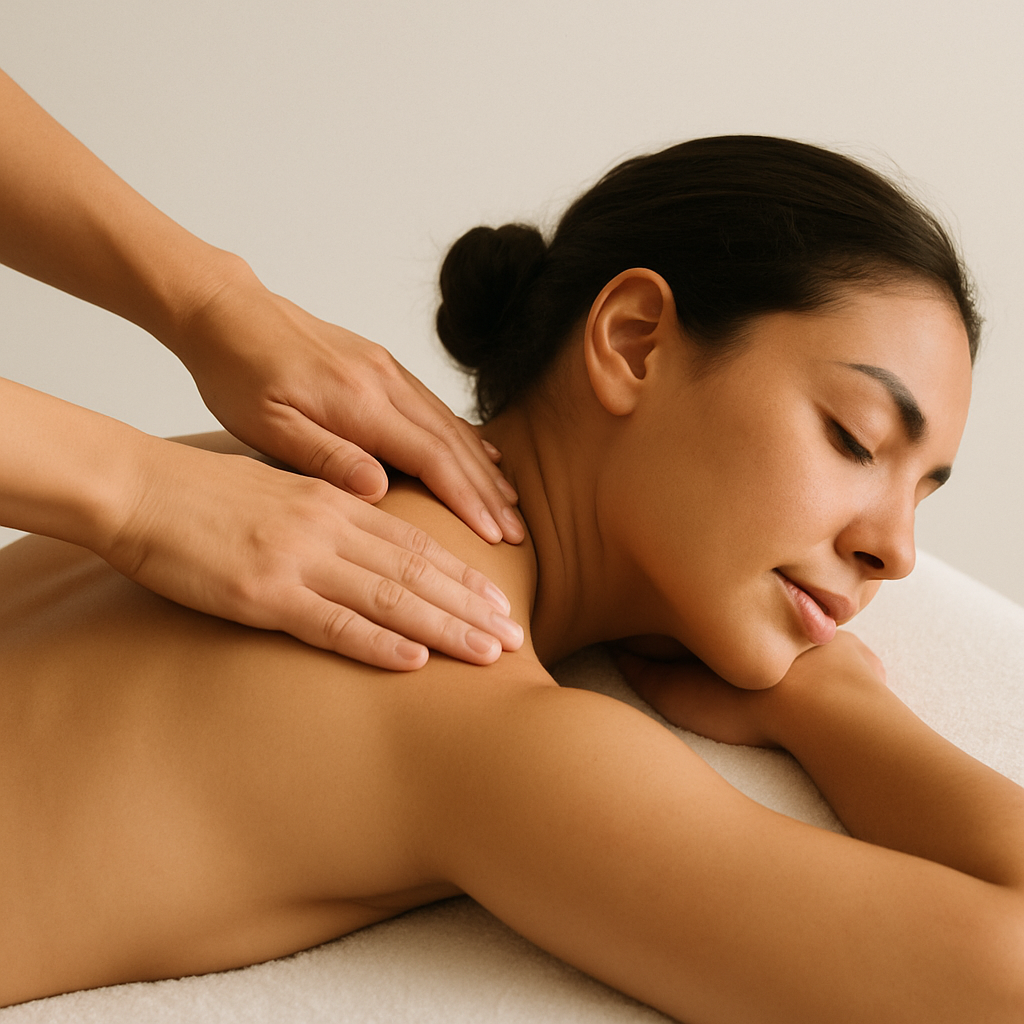
- Physical Therapy: Incorporating movement and exercises to enhance physical well-being.
- Nutritional Guidance: Focusing on diet as a means of promoting health.
- Meditation and Mindfulness Practices: Enhancing mental clarity and emotional resilience.
- Community Support Groups: Building social connections to foster emotional health.
How to Find a Qualified Practitioner
To locate a qualified practitioner of Wellness Rituals, consider the following steps:
- Seek recommendations from friends or healthcare providers familiar with holistic practices.
- Research local wellness centers that specialize in ancient healing modalities.
- Check online directories that list certified practitioners in your area.
- Attend workshops or seminars to connect with practitioners directly.
- Ensure that the practitioner has a background in Roman Medicine or related fields.
FAQs
- What are Wellness Rituals? Wellness Rituals are traditional practices aimed at enhancing physical, mental, and spiritual well-being, often incorporating elements of herbalism, meditation, and community support.
- How do I start practicing Wellness Rituals? Begin by creating a serene environment, engaging in mindfulness or meditation, using herbal preparations, and incorporating gentle physical movement.
- Are Wellness Rituals safe for everyone? While generally safe, individuals with certain health conditions should consult a healthcare provider before starting these practices.
- What benefits can I expect from Wellness Rituals? Benefits may include enhanced physical vitality, reduced stress, improved mental clarity, and increased emotional stability.
- How can I find a qualified practitioner? Look for recommendations, research local wellness centers, and ensure the practitioner has a background in Roman Medicine or related fields.
Frequently asked
What are Wellness Rituals?
Wellness Rituals are traditional practices aimed at enhancing physical, mental, and spiritual well-being, often incorporating elements of herbalism, meditation, and community support.
How do I start practicing Wellness Rituals?
Begin by creating a serene environment, engaging in mindfulness or meditation, using herbal preparations, and incorporating gentle physical movement.
Are Wellness Rituals safe for everyone?
While generally safe, individuals with certain health conditions should consult a healthcare provider before starting these practices.
What benefits can I expect from Wellness Rituals?
Benefits may include enhanced physical vitality, reduced stress, improved mental clarity, and increased emotional stability.
How can I find a qualified practitioner?
Look for recommendations, research local wellness centers, and ensure the practitioner has a background in Roman Medicine or related fields.