Herbal Medicine
Delve into the world of Herbal Medicine as practiced in Roman Medicine, its historical significance, traditional applications, and modern research insights.
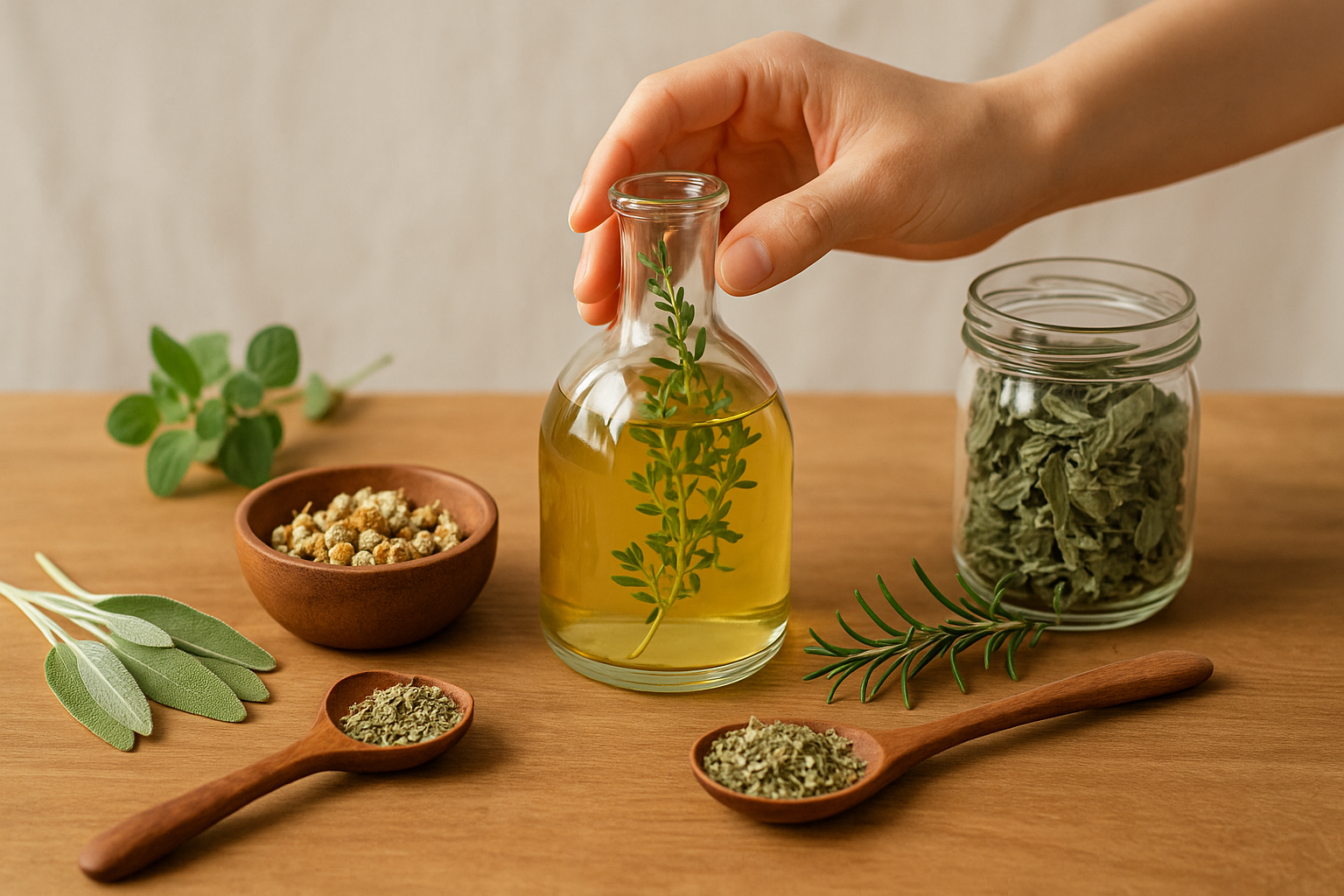
Explore the ancient practice of Herbal Medicine within Roman Medicine. Discover its historical roots, traditional uses, and modern perspectives.
What It Is
Herbal medicine, rooted in the tradition of Roman medicine, refers to the use of plant-based substances for therapeutic purposes. This practice involves the preparation and administration of various herbs, which may be used in their natural form or as extracts in tinctures, powders, or teas. The philosophy behind herbal medicine emphasizes the connection between nature and healing, aligning with the belief that plants possess inherent properties that can support the body’s natural healing processes.
In the context of Roman medicine, herbal remedies were often employed alongside other modalities such as diet and physical therapies. Practitioners utilized their knowledge of local flora to develop treatments tailored to individual needs, often passed down through generations. This holistic approach not only addressed physical ailments but also considered emotional and spiritual well-being.
Historical Context Within Roman Medicine
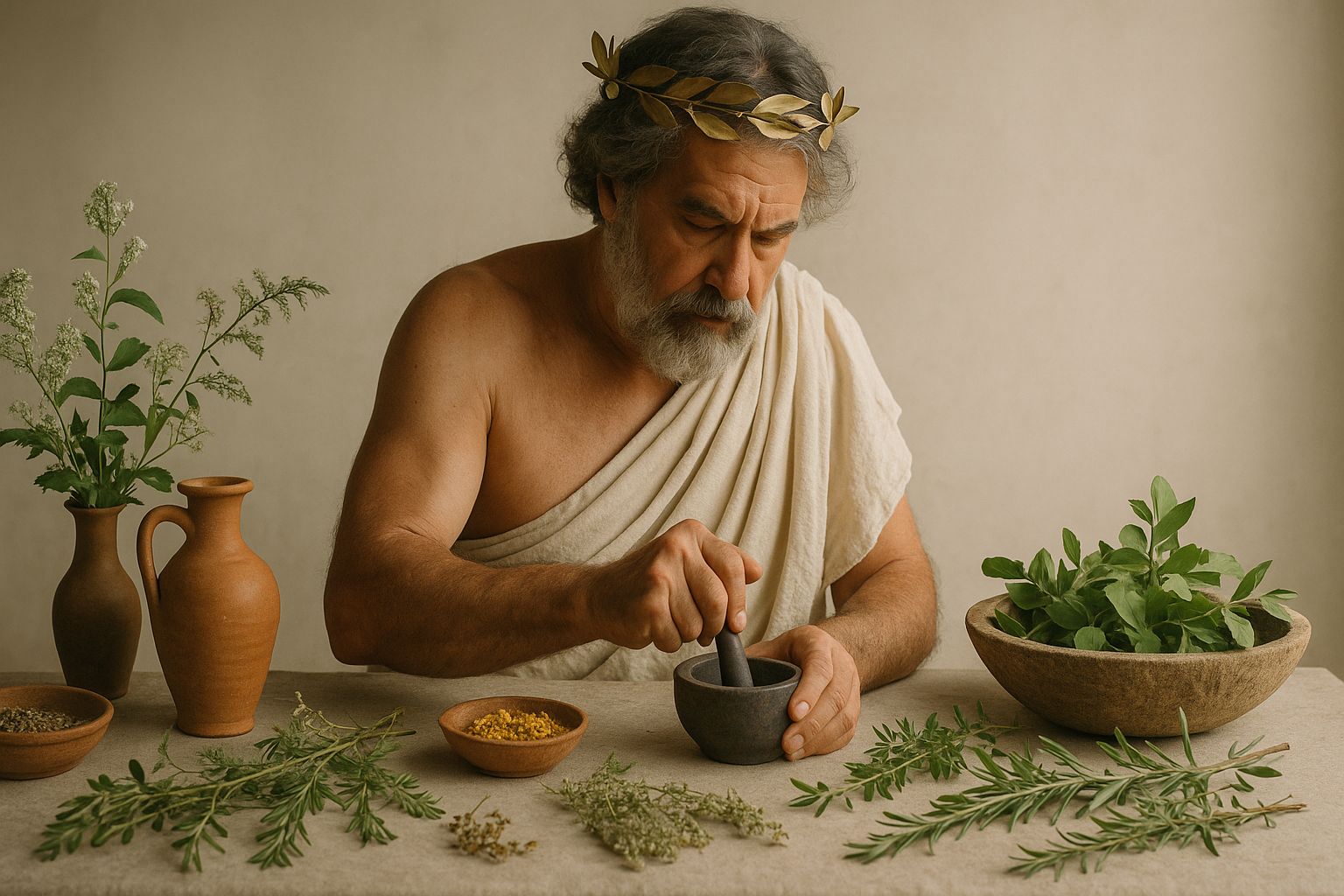
Herbal medicine emerged as a key component of Roman medicine around the 1st century BCE, influenced by earlier Greek medical traditions. Notable figures such as Dioscorides, a Greek physician and pharmacologist, greatly contributed to the understanding and documentation of herbal remedies. His work, "De Materia Medica," became a foundational text for herbalists and physicians alike, detailing over 600 plants and their uses.
The Romans integrated these practices into their medical system, emphasizing the importance of observation and empirical evidence. As the empire expanded, the exchange of knowledge and herbal practices with other cultures enriched the Roman pharmacopoeia, leading to a diverse array of treatments that were both innovative and deeply rooted in tradition.
How It's Practiced
Practicing herbal medicine within the Roman tradition involves several key steps:
- Assessment: The practitioner evaluates the individual's health condition, lifestyle, and any existing medical history.
- Selection of Herbs: Based on the assessment, specific herbs are chosen for their traditional uses and properties.
- Preparation: Herbs may be prepared in various forms, such as teas, tinctures, poultices, or capsules, depending on the desired effects.
- Administration: The practitioner advises on how to use the herbal remedies, including dosage and duration.
- Monitoring: Follow-up consultations are typically scheduled to monitor progress and make any necessary adjustments to the treatment plan.
What It Is Traditionally Explored For
Herbal medicine in the Roman tradition has been traditionally used for a variety of purposes, including:
- Supporting digestive health
- Maintaining respiratory function
- Promoting skin health
- Enhancing emotional well-being
- Boosting immunity
These remedies aim to restore balance within the body and address underlying issues rather than merely alleviating symptoms.
What Modern Research Suggests
Contemporary studies have begun to explore the efficacy of various herbs traditionally used in Roman medicine. For instance, some research suggests that herbs like Chamomile may have anti-inflammatory properties beneficial for digestive issues, while Lavender is being studied for its potential effects on anxiety and sleep disorders.
While preliminary findings are promising, it is essential to approach these results with caution. Rigorous clinical trials and peer-reviewed studies are necessary to validate the effectiveness and safety of these herbs. The interaction of herbal remedies with modern pharmaceuticals also requires careful consideration, emphasizing the need for informed use.
Safety, Contraindications & Who Should Skip
While many herbs are considered safe for general use, there are important safety considerations:
- Individuals with allergies to specific plants should avoid those herbs.
- Pregnant or breastfeeding women should consult a healthcare provider before using herbal remedies.
- People with chronic health conditions or those taking prescription medications should seek guidance from a qualified practitioner.
It's crucial to use herbal medicine responsibly and understand that not all remedies are suitable for everyone.
Pairs Well With (within Roman Medicine and across pillars)
Herbal medicine complements various other modalities, including:
- Dietary adjustments
- Physical therapies such as massage
- Philosophical practices like Stoicism
- Spiritual approaches including meditation
These combinations can enhance the overall effectiveness of treatment by addressing multiple aspects of health.
How to Find a Qualified Practitioner
To find a qualified practitioner of herbal medicine in the Roman tradition, consider the following steps:
- Research local herbalists or naturopaths with a background in Roman medicine.
- Check for certifications or licenses related to herbal practice.
- Seek recommendations from trusted health professionals or community members.
- Schedule a consultation to discuss your health concerns and evaluate the practitioner's approach.
FAQs (5)
What is herbal medicine?
Herbal medicine involves the use of plant-based substances to promote health and is traditionally explored for various ailments.
How did herbal medicine develop in Roman times?
Herbal medicine in Roman times evolved from earlier Greek practices, with significant contributions from physicians like Dioscorides.
What are some common herbs used in Roman herbal medicine?
Common herbs include Chamomile, Lavender, and Sage, each with various traditional uses.
Is herbal medicine safe?
While many herbs are safe, it is essential to consult a qualified practitioner, especially for those with health conditions.
How can I find an herbal practitioner?
Research local practitioners, check their credentials, and seek recommendations to find a qualified herbalist.
Frequently asked
What is herbal medicine?
Herbal medicine involves the use of plant-based substances to promote health and treat various ailments.
How did herbal medicine develop in Roman times?
Herbal medicine in Roman times evolved from earlier Greek practices, with significant contributions from physicians like Dioscorides.
What are some common herbs used in Roman herbal medicine?
Common herbs include Chamomile, Lavender, and Sage, each with various traditional uses.
Is herbal medicine safe?
While many herbs are safe, it is essential to consult a qualified practitioner, especially for those with health conditions.
How can I find an herbal practitioner?
Research local practitioners, check their credentials, and seek recommendations to find a qualified herbalist.