Bath Therapy
Discover Bath Therapy as practiced in Roman Medicine, its historical significance, methods, uses, and safety considerations.
Explore the ancient practice of Bath Therapy within Roman Medicine, its historical roots, methods, traditional uses, and modern perspectives.
What It Is
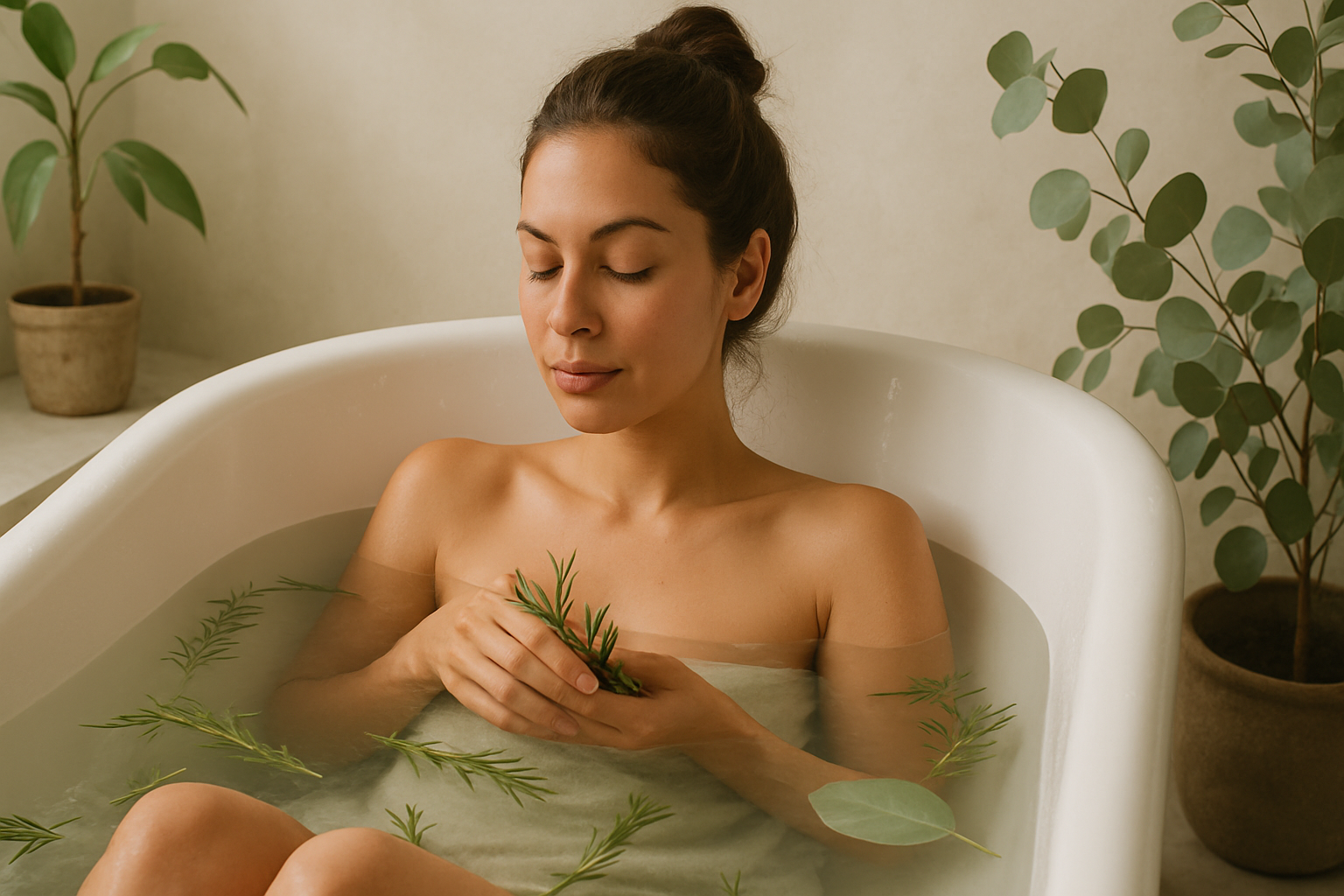
Bath Therapy, rooted in the practices of ancient Roman medicine, involves the therapeutic use of water for physical and mental well-being. This modality is centered around the belief that water, in its various forms and temperatures, can have profound effects on the body and mind. The Romans developed this practice not only for hygiene but also as a means of promoting health and relaxation.
In essence, Bath Therapy encompasses a range of techniques, including soaking, steaming, and massaging in water. These techniques are believed to support various bodily functions, enhance circulation, and alleviate stress. The Romans utilized both public baths and private baths, integrating social interaction and communal experiences into the healing process.
Historical Context Within Roman Medicine
Bath Therapy emerged as a significant aspect of Roman medicine during the height of the Roman Empire, around the 1st century BCE to the 5th century CE. The Romans were known for their advanced engineering and architectural skills, which enabled the construction of elaborate bathhouses across their territories. Influential figures, such as the physician Galen, contributed to the understanding of the body's systems and the therapeutic benefits of water.
The development of Bath Therapy was influenced by earlier Greek practices, but the Romans expanded on these ideas, integrating them into their culture. They believed in the importance of balance and harmony in the body, and Bath Therapy was a vital tool in achieving this equilibrium.
How It's Practiced
When engaging in Bath Therapy, practitioners often follow a series of steps to ensure a comprehensive experience. This typically includes:
- Preparation: Setting the atmosphere, including temperature and ambiance.
- Consultation: Discussing the client's needs and any specific health concerns.
- Water Selection: Choosing the type of bath, such as hot, cold, or mineral baths, based on individual goals.
- Duration: Determining the appropriate length of the bath session.
- Post-bath Care: Providing guidance on hydration and relaxation techniques after the session.
Bath Therapy can be enjoyed individually or in groups, making it a versatile practice that fosters both personal reflection and social interaction.
What It Is Traditionally Explored For
Bath Therapy has been traditionally used for various purposes, including:
- Promoting relaxation and reducing stress.
- Alleviating muscle tension and pain.
- Improving circulation and enhancing skin health.
- Encouraging detoxification through sweating.
- Supporting respiratory function through steam inhalation.
While these uses are based on historical practices, it is essential to approach them with caution and recognize that individual experiences may vary.
What Modern Research Suggests
Modern research into Bath Therapy has begun to uncover potential benefits associated with hydrotherapy. Preliminary studies suggest that warm water immersion can lead to improved circulation, reduced muscle soreness, and enhanced relaxation. Additionally, some clinical trials have indicated that hydrotherapy may assist in managing conditions such as arthritis and chronic pain.
However, it is important to note that while these findings are promising, further research is needed to fully understand the mechanisms and effectiveness of Bath Therapy. Individuals should consult healthcare professionals before incorporating such therapies into their wellness routines.
Safety, Contraindications & Who Should Skip
While Bath Therapy can be beneficial for many, certain individuals should approach it with caution or avoid it altogether:
- Pregnant women should consult a healthcare provider before engaging in hot baths.
- Individuals with cardiovascular issues may need to avoid extreme temperatures.
- People with skin conditions should consider the type of water and its effects on their skin.
- Those with respiratory issues should be cautious with steam baths.
Always consult a qualified practitioner to assess personal health conditions before starting any new therapy.
Pairs Well With (within Roman Medicine and across pillars)
Bath Therapy complements various modalities, including:
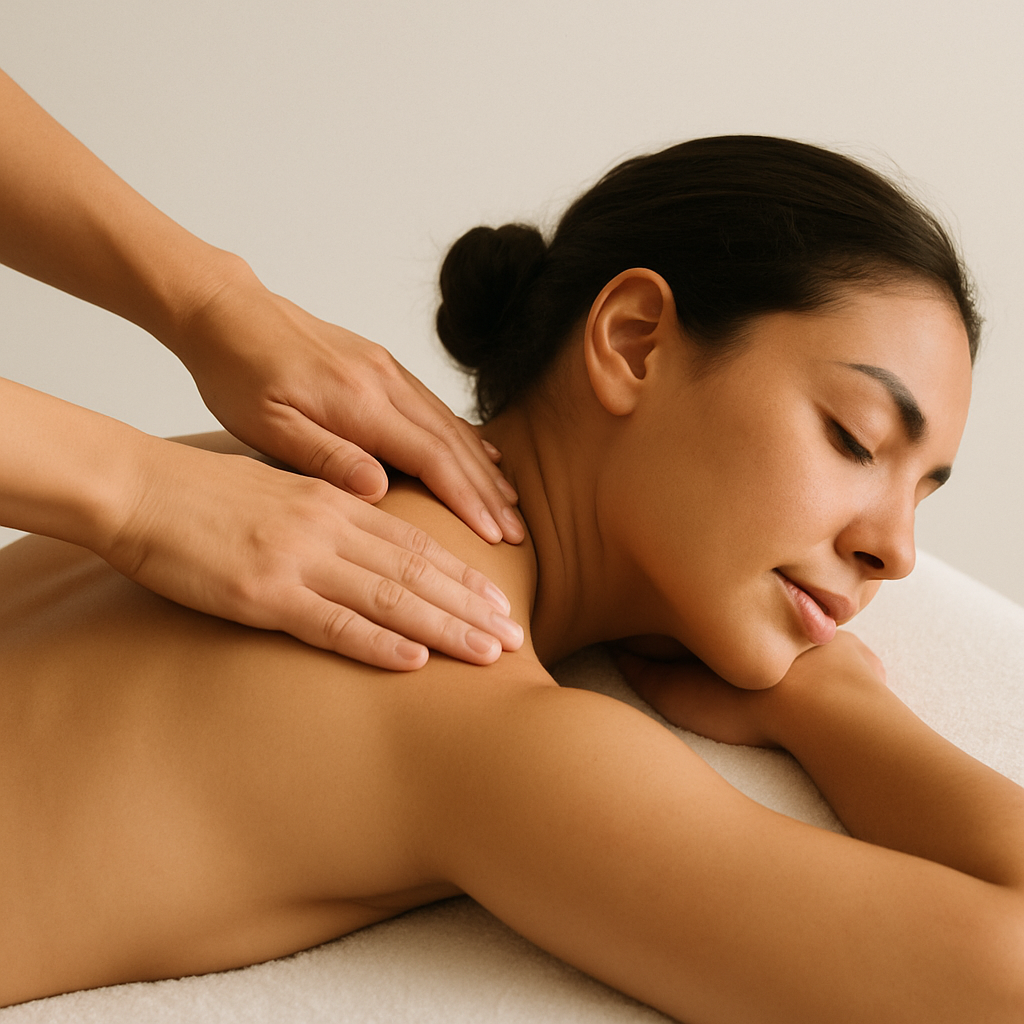
- Massage Therapy
- Herbal Remedies
- Dietary Adjustments
- Exercise and Movement Therapies
- Meditation and Mindfulness Practices
How to Find a Qualified Practitioner
To find a qualified practitioner experienced in Bath Therapy, consider the following steps:
- Research local wellness centers or spas that specialize in hydrotherapy.
- Look for practitioners with credentials in holistic health or Roman medicine.
- Seek recommendations from friends or online wellness communities.
- Verify their experience and approach to Bath Therapy during initial consultations.
Ensure that the practitioner is open to discussing your health history and customizing the experience to your needs.
FAQs (5)
What is Bath Therapy?
Bath Therapy is a practice that utilizes water in various forms to promote relaxation and enhance physical well-being, rooted in ancient Roman medicine.
What are the key benefits of Bath Therapy?
Traditionally, Bath Therapy is explored for relaxation, muscle tension relief, improved circulation, and detoxification.
Is Bath Therapy safe for everyone?
While generally safe, individuals with certain health conditions, such as cardiovascular issues or skin conditions, should consult a healthcare professional before participating.
How long should a Bath Therapy session last?
The duration of a session can vary but typically lasts between 20 to 60 minutes, depending on individual preferences and goals.
Can Bath Therapy be combined with other therapies?
Yes, Bath Therapy pairs well with various modalities, such as massage therapy and herbal remedies, to enhance overall wellness.
Frequently asked
What is Bath Therapy?
Bath Therapy is a practice that utilizes water in various forms to promote relaxation and enhance physical well-being, rooted in ancient Roman medicine.
What are the key benefits of Bath Therapy?
Traditionally, Bath Therapy is explored for relaxation, muscle tension relief, improved circulation, and detoxification.
Is Bath Therapy safe for everyone?
While generally safe, individuals with certain health conditions, such as cardiovascular issues or skin conditions, should consult a healthcare professional before participating.
How long should a Bath Therapy session last?
The duration of a session can vary but typically lasts between 20 to 60 minutes, depending on individual preferences and goals.
Can Bath Therapy be combined with other therapies?
Yes, Bath Therapy pairs well with various modalities, such as massage therapy and herbal remedies, to enhance overall wellness.