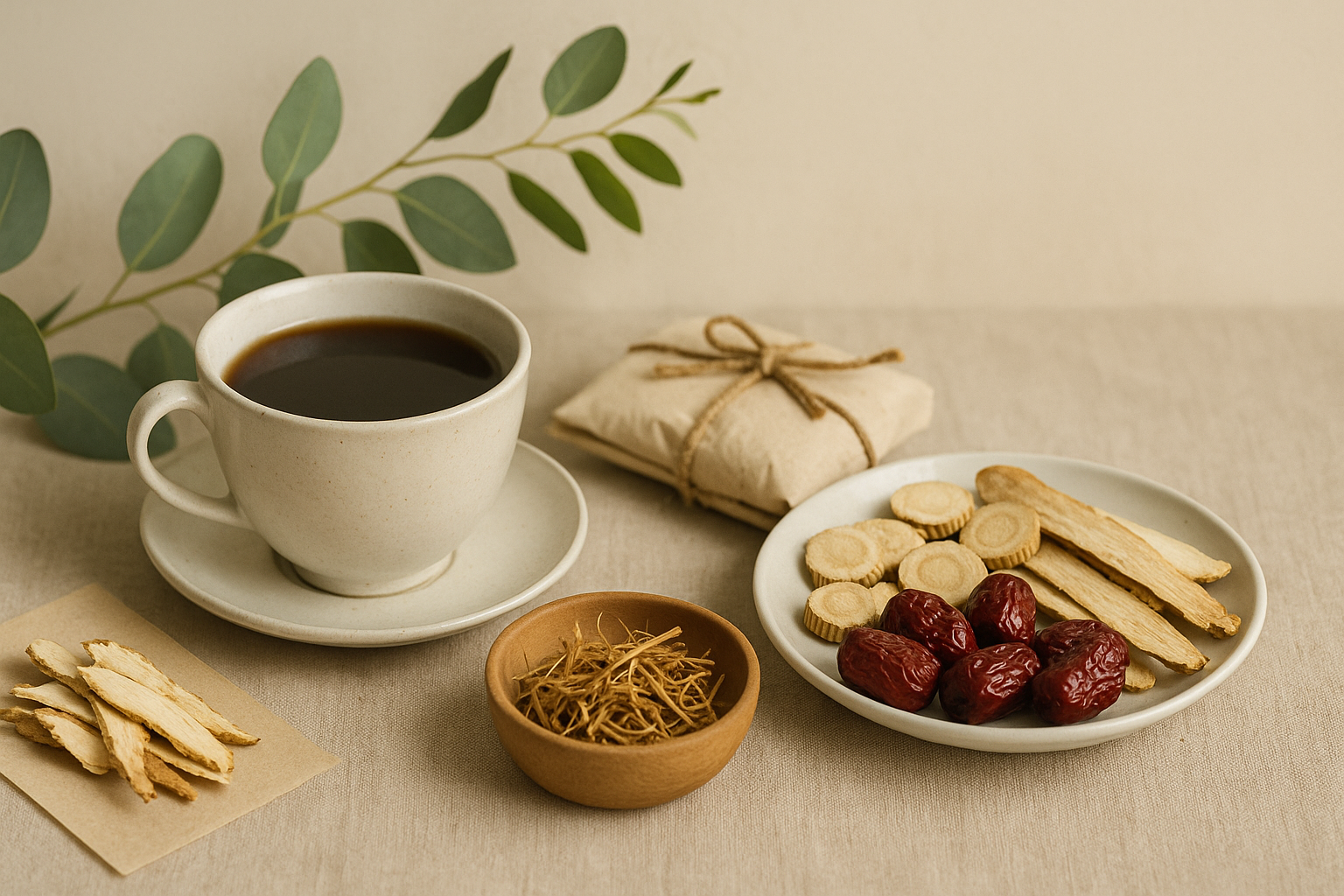
Athletic Recovery
Discover the principles of athletic recovery in Roman medicine, its historical roots, traditional applications, and modern research findings.
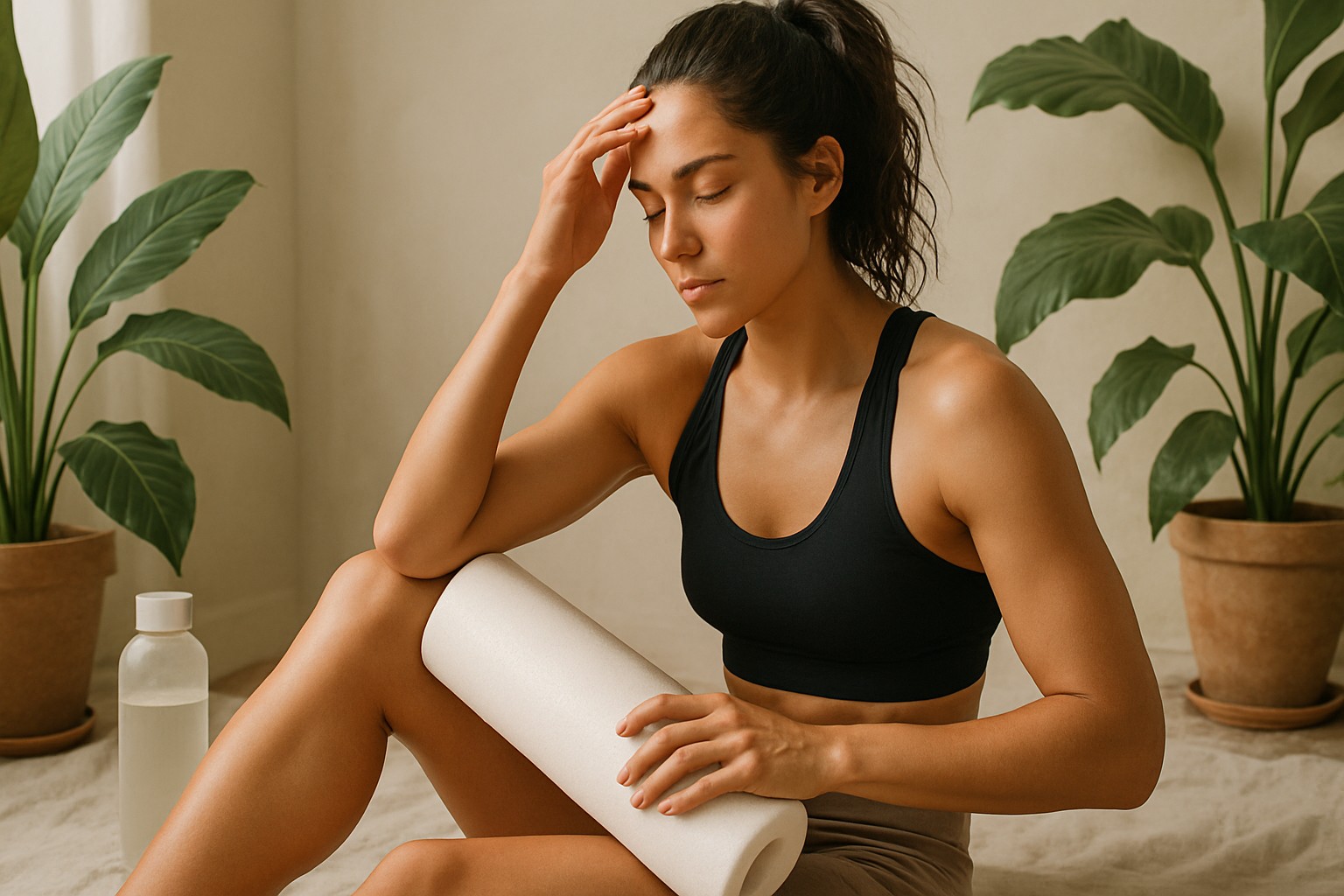
Explore the ancient practice of athletic recovery within Roman medicine, focusing on its historical significance, methods, and modern insights.
What It Is
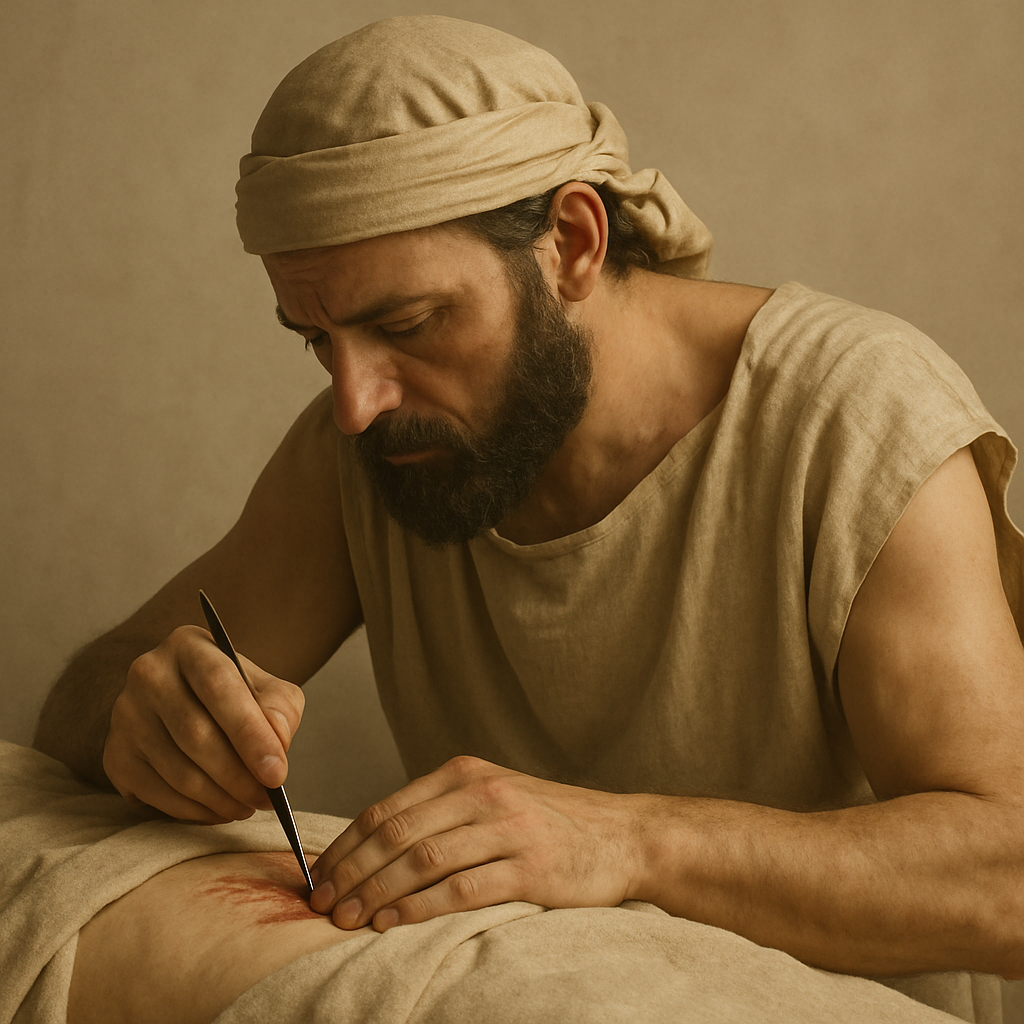
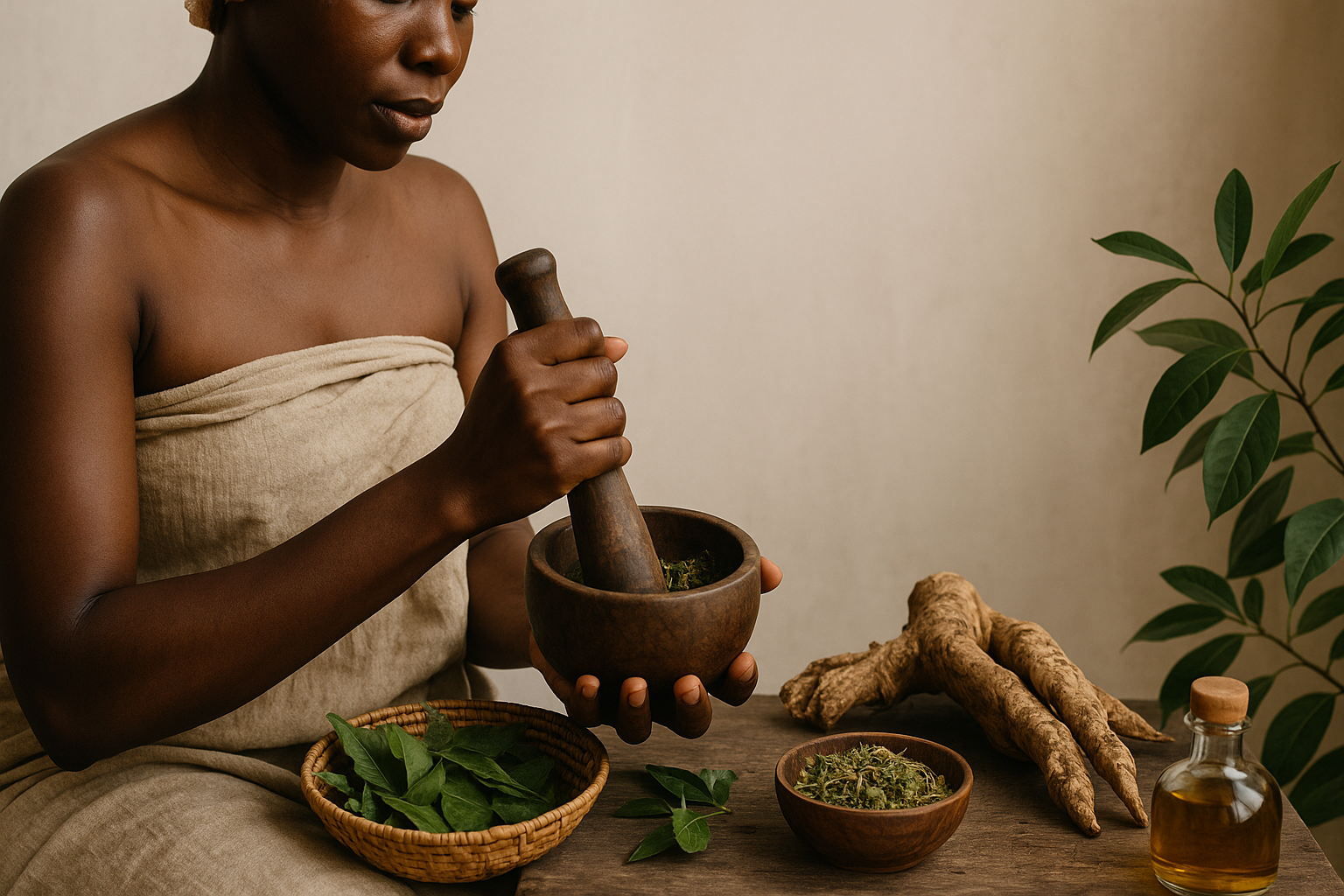
Athletic recovery within the tradition of Roman medicine encompasses a range of practices aimed at restoring physical health and enhancing performance after exertion. This practice emphasizes the importance of balance in the body, promoting recovery through various techniques that were informed by the observations of ancient physicians. Techniques may include dietary modifications, massage, and the use of herbal remedies.
In essence, athletic recovery is about allowing the body to may support and regain strength after physical activity. The Romans believed that proper recovery was essential not only for athletes but for anyone engaging in strenuous work, recognizing that the body needs time and resources to repair itself and regain its optimal state of health.
Historical Context Within Roman Medicine
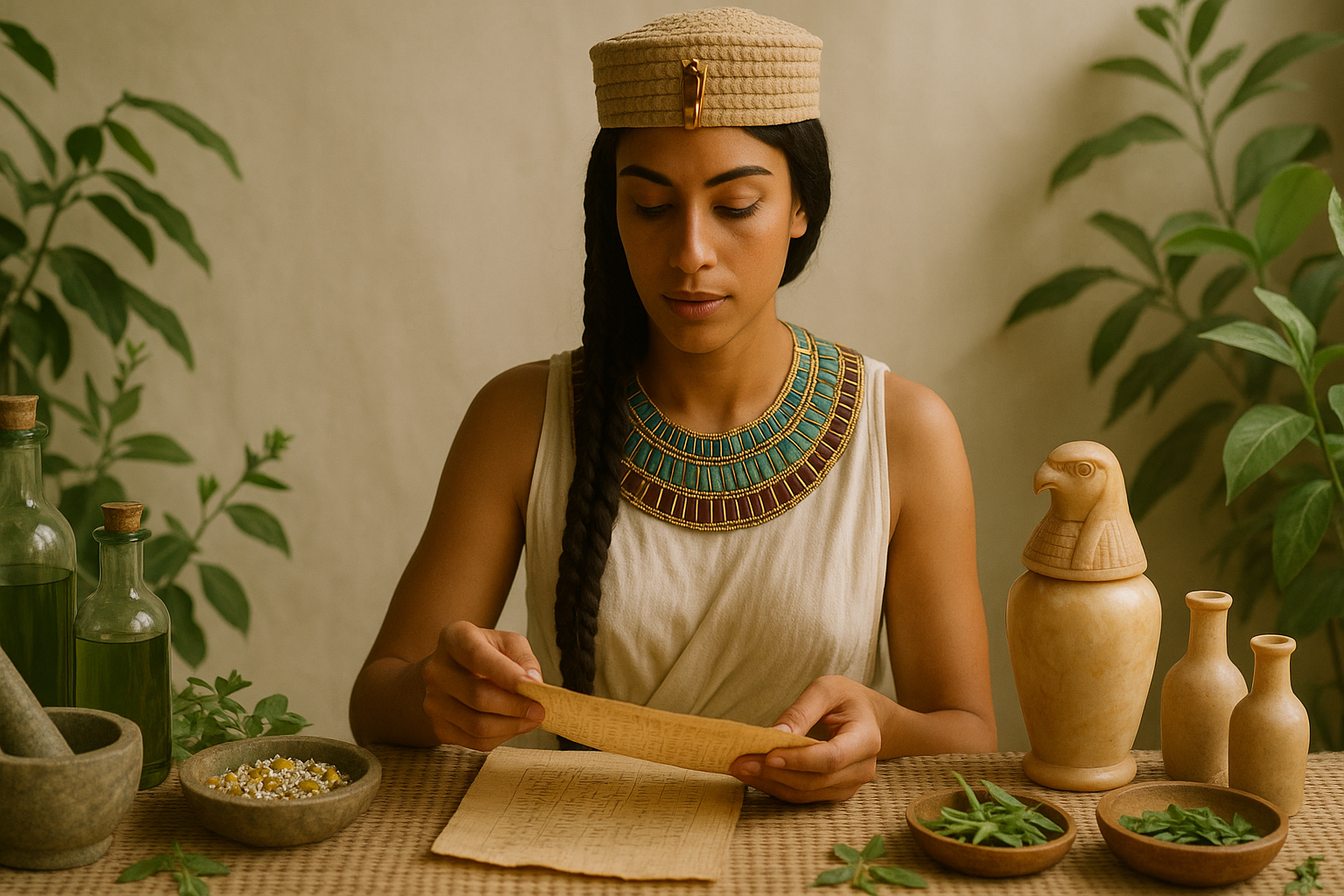
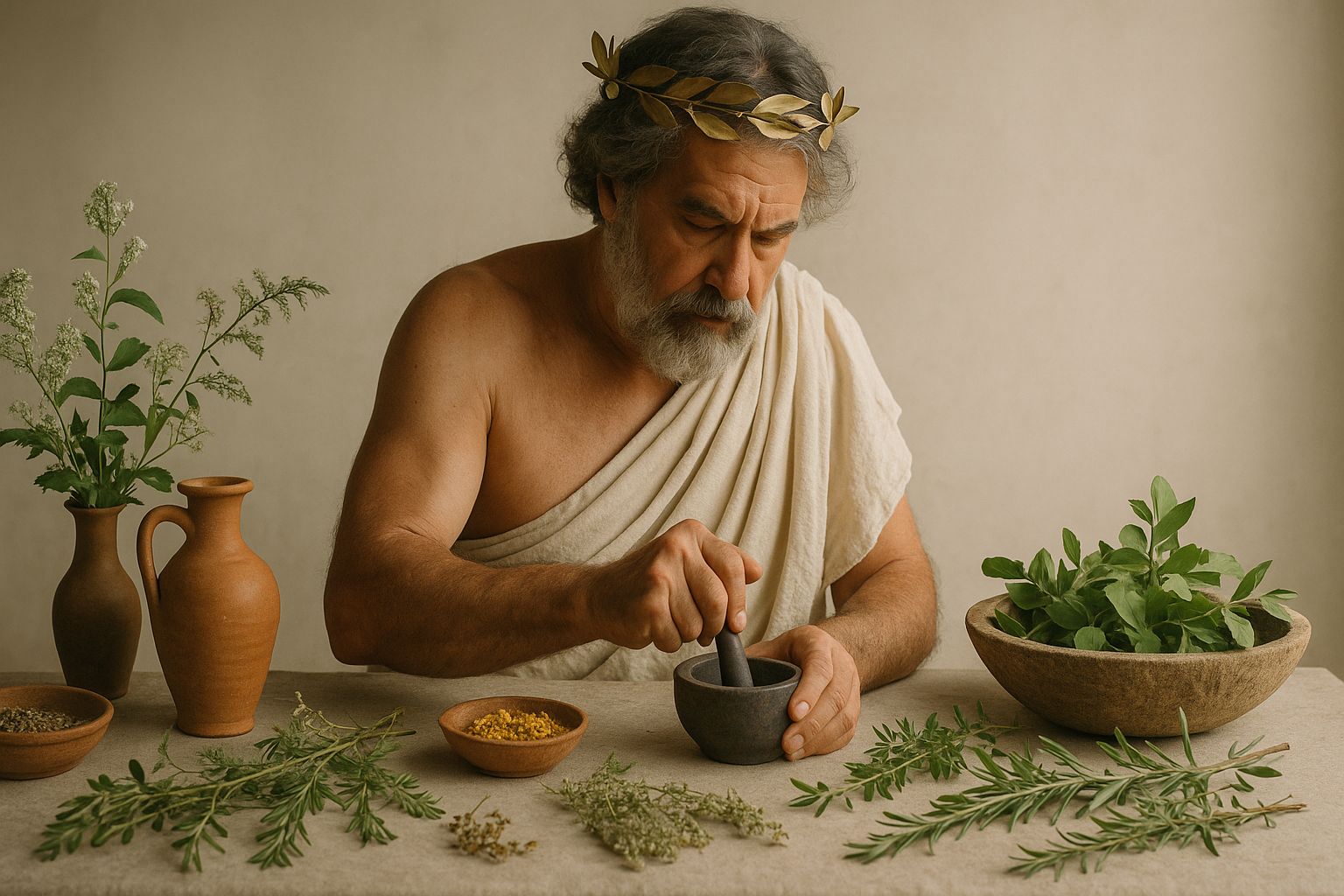
The practice of athletic recovery emerged as a significant aspect of Roman medicine, which was heavily influenced by earlier Greek medical theories. Prominent figures such as Galen contributed to the understanding of physical health and recovery methods. The Romans were known for their emphasis on athletic competitions, which made the need for effective recovery practices essential.
Roman physicians developed various techniques to aid recovery, incorporating knowledge from other cultures while also emphasizing the role of diet, exercise, and rest. This integration of ideas created a comprehensive approach to health that recognized the importance of recovery for both athletes and everyday laborers.
How It's Practiced
The practice of athletic recovery in Roman medicine involves several key steps that practitioners may follow to ensure effective recovery. These steps include:
- Assessment: Evaluating the individual's physical condition and specific recovery needs.
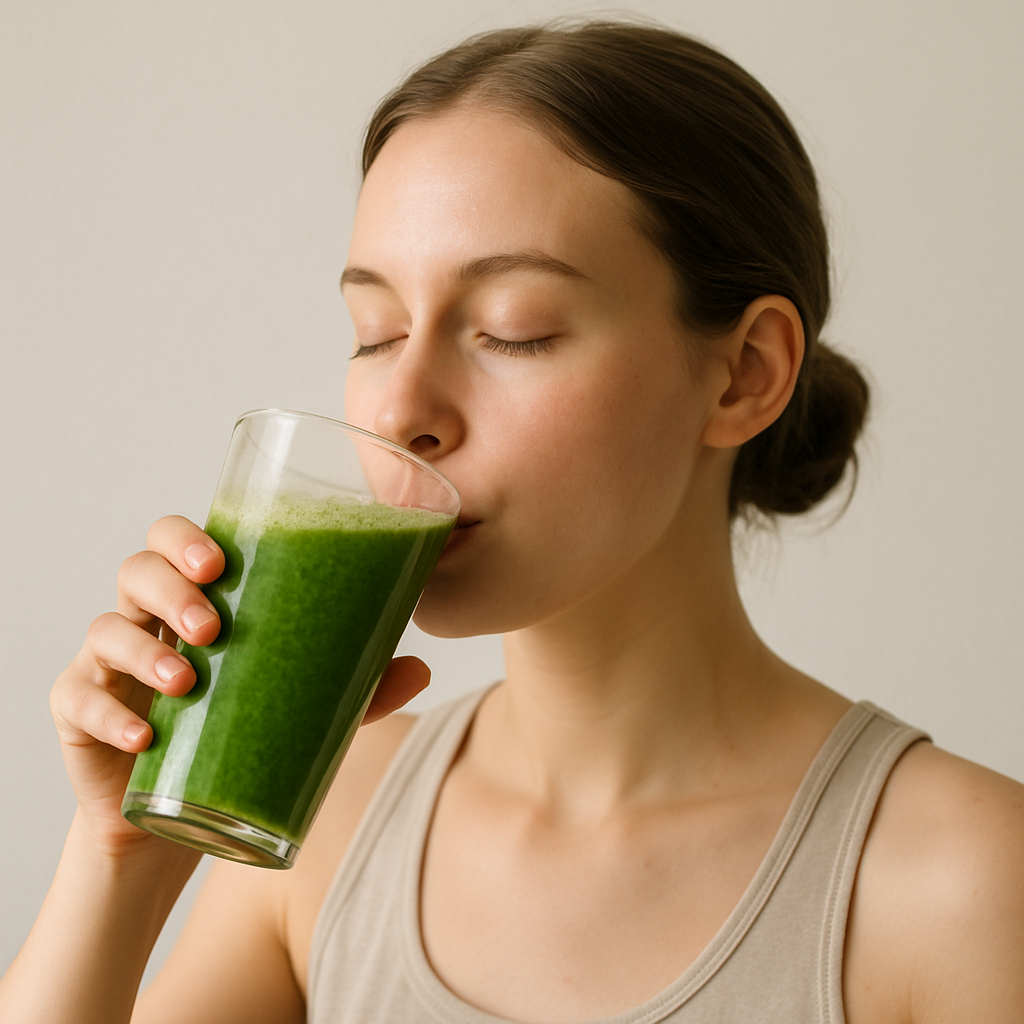
- Dietary Guidance: Recommending foods that promote healing, such as rich broths, fruits, and herbs.
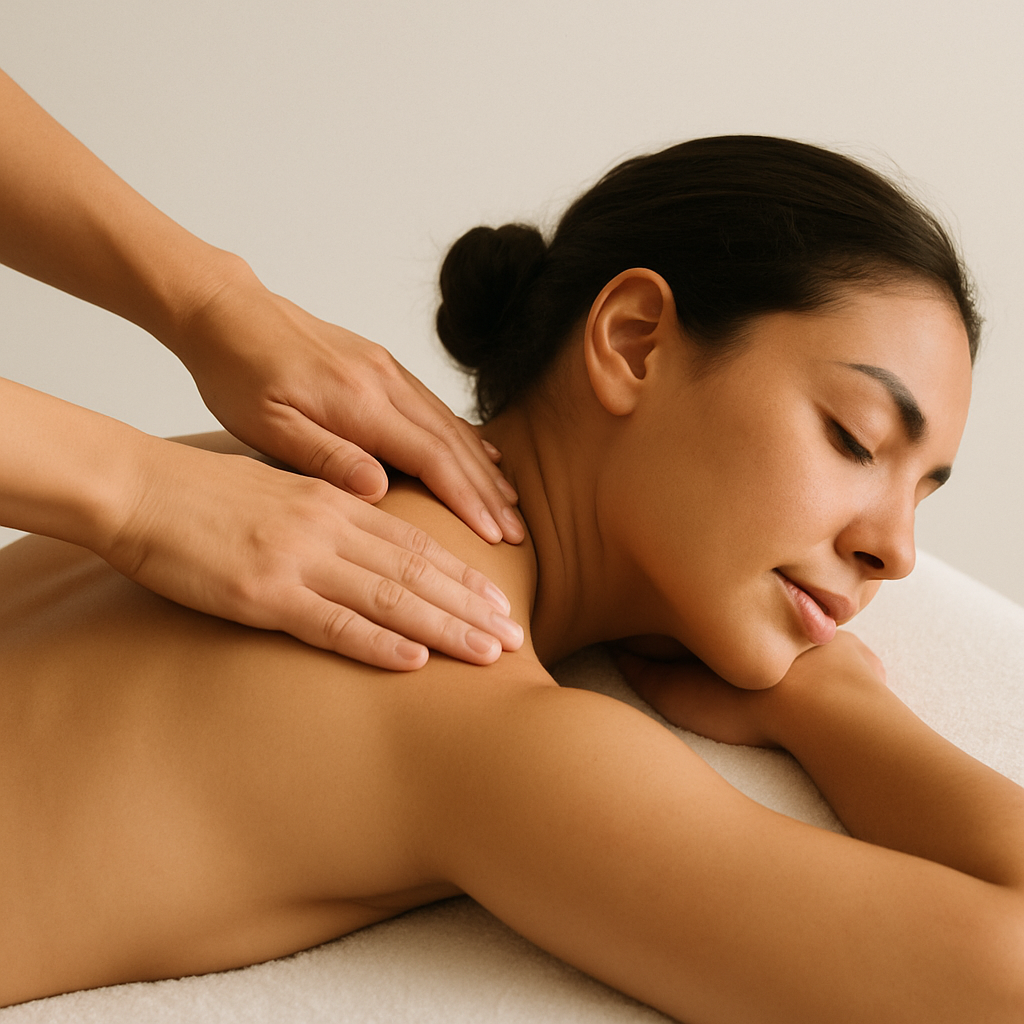
- Massage and Manipulation: Using hands-on techniques to relieve muscle tension and improve circulation.
- Hydrotherapy: Utilizing baths or exposure to natural springs for their restorative properties.
- Rest and Sleep: Emphasizing the importance of adequate sleep and downtime for recovery.
What It Is Traditionally Explored For
Athletic recovery in Roman medicine has traditionally been used for several purposes, including:
- Enhancing physical performance and endurance.
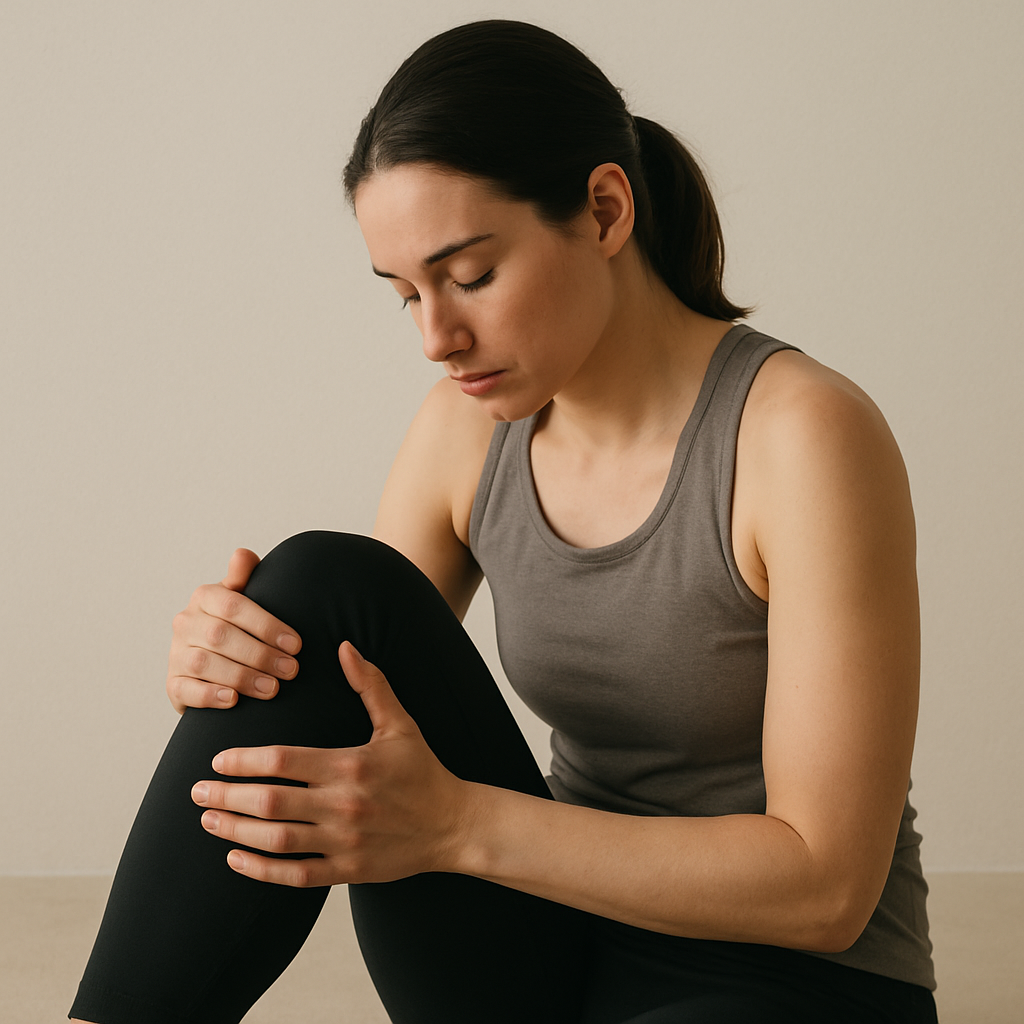
- Reducing muscle soreness and fatigue.
- Preventing injuries during training and competition.
- Promoting overall physical well-being.
These goals reflect a holistic approach to health, recognizing that recovery is as crucial as the training itself.
What Modern Research Suggests
Modern research into athletic recovery has begun to validate many of the practices outlined in Roman medicine, although with a more scientific lens. Studies have shown that adequate nutrition, hydration, and rest are fundamental to effective recovery. Specific techniques, such as massage and hydrotherapy, have been explored for their benefits in reducing muscle soreness and improving recovery times.
While further research is needed to fully understand the mechanisms behind these traditional practices, preliminary findings suggest that incorporating elements of ancient wisdom, such as dietary modifications and physical therapies, can be beneficial in modern athletic training and recovery regimens.
Safety, Contraindications & Who Should Skip
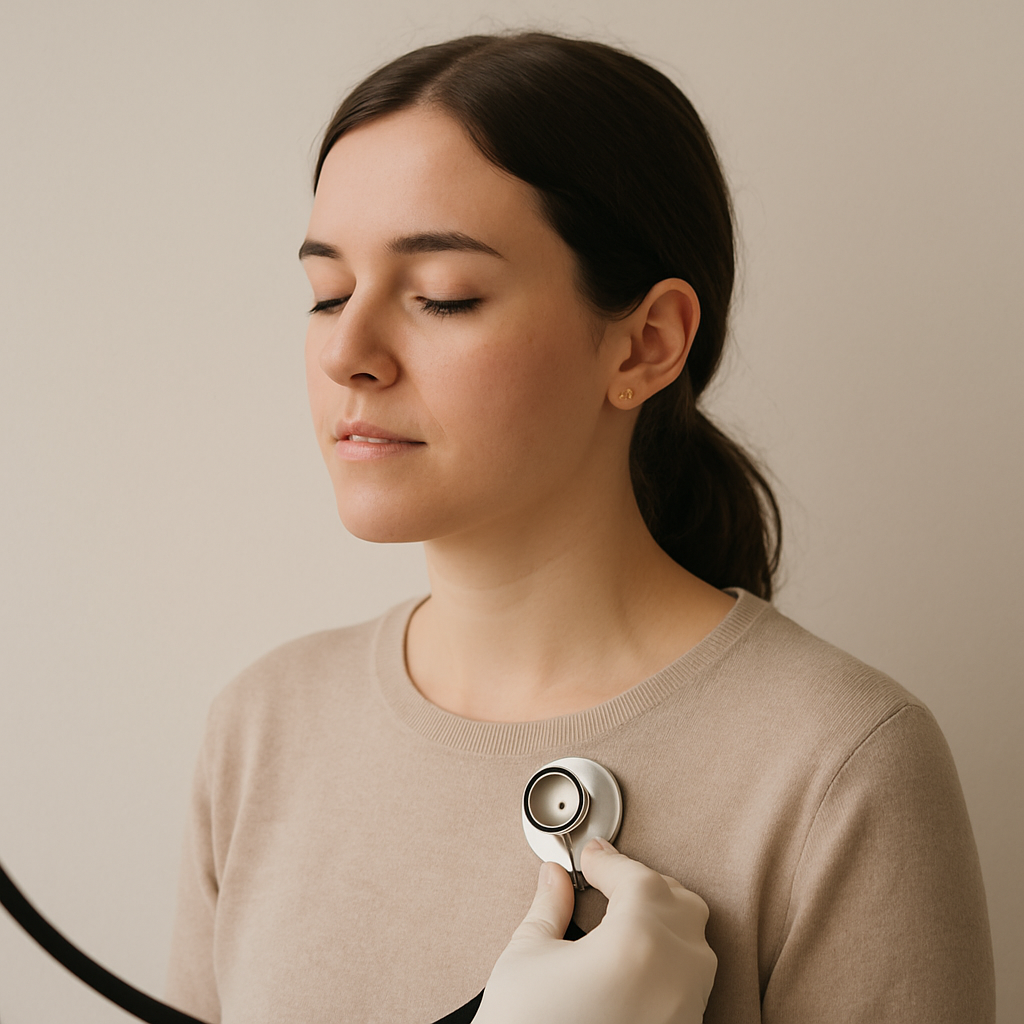
While many practices of athletic recovery are generally safe, certain precautions should be observed. Individuals with specific medical conditions, such as severe cardiovascular issues or skin infections, should consult a healthcare professional before engaging in recovery practices. Additionally, those who experience excessive pain or injury should seek medical advice rather than relying solely on traditional recovery methods.
Pairs Well With (within Roman Medicine and across pillars)
In Roman medicine, athletic recovery pairs well with the following modalities and ingredients:
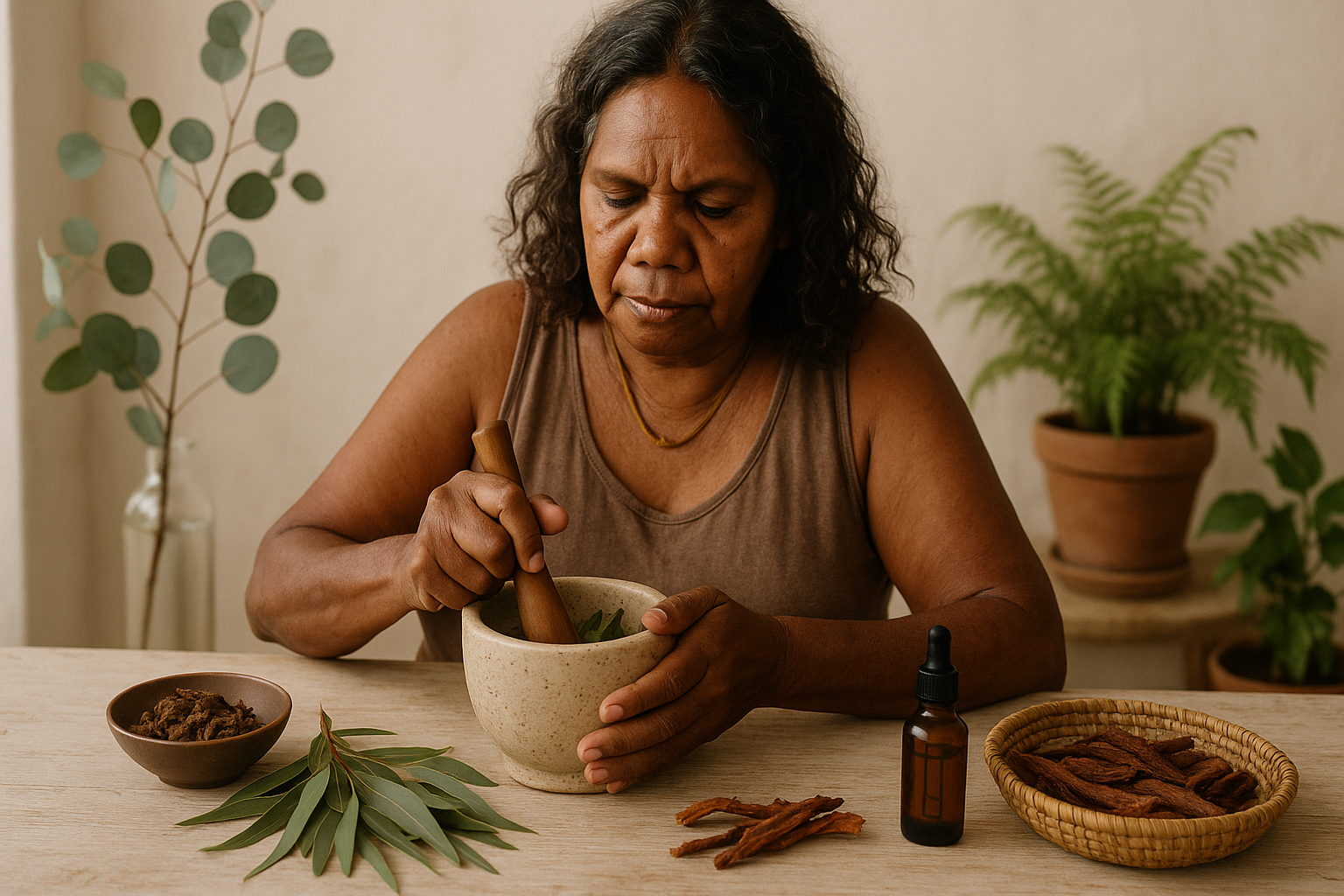
- Herbal Remedies: Such as willow bark and chamomile, known for their anti-inflammatory properties.
- Massage Therapy: Techniques that enhance circulation and relieve tension.
- Dietary Practices: Incorporating nutrient-dense foods that support recovery.
- Physical Therapy: Movement therapies that promote flexibility and strength.
How to Find a Qualified Practitioner
Finding a qualified practitioner in the field of athletic recovery within Roman medicine may involve the following steps:
- Research local practitioners who specialize in traditional or integrative medicine.
- Look for certifications or training in ancient healing practices.
- Seek recommendations from athletes or fitness professionals.
- Schedule consultations to discuss approaches and ensure they align with your needs.
FAQs
- What is athletic recovery? Athletic recovery refers to the methods used to restore physical health and performance after exertion.
- How did the Romans approach recovery? Romans integrated dietary practices, massage, and rest to enhance recovery for athletes and laborers alike.
- Are there modern studies on these practices? Yes, modern research has started to explore the efficacy of many traditional recovery methods.
- Is there anyone who should avoid these practices? Individuals with certain medical conditions should consult a healthcare professional before engaging in recovery practices.
- How can I find a practitioner? Look for professionals trained in traditional or integrative medicine and seek recommendations.
Frequently asked
What is athletic recovery?
Athletic recovery refers to the methods used to restore physical health and performance after exertion.
How did the Romans approach recovery?
Romans integrated dietary practices, massage, and rest to enhance recovery for athletes and laborers alike.
Are there modern studies on these practices?
Yes, modern research has started to explore the efficacy of many traditional recovery methods.
Is there anyone who should avoid these practices?
Individuals with certain medical conditions should consult a healthcare professional before engaging in recovery practices.
How can I find a practitioner?
Look for professionals trained in traditional or integrative medicine and seek recommendations.