Traditional Healing
Explore the foundations of Traditional Healing in Roman Medicine, its historical significance, practice methods, and modern research insights.
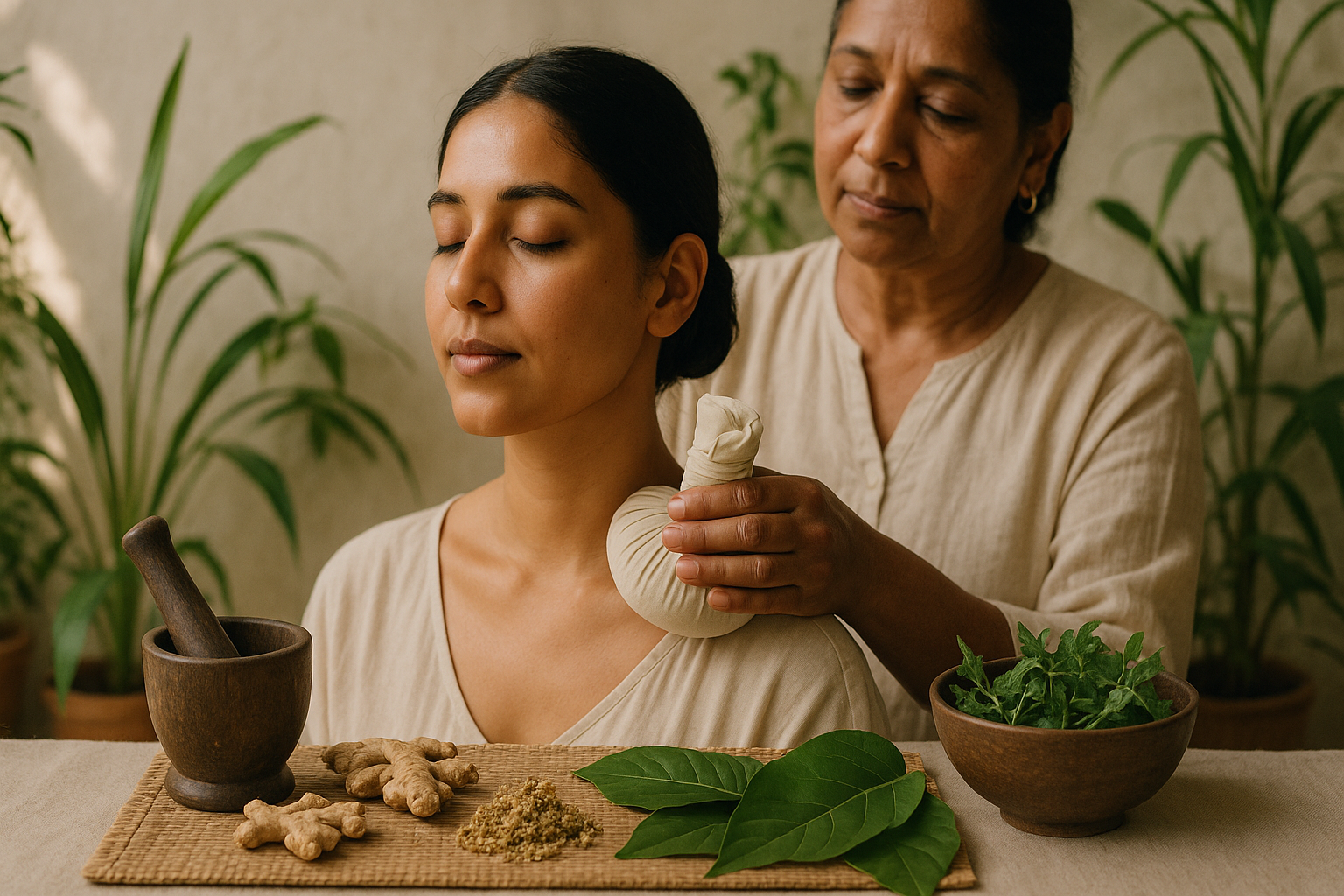
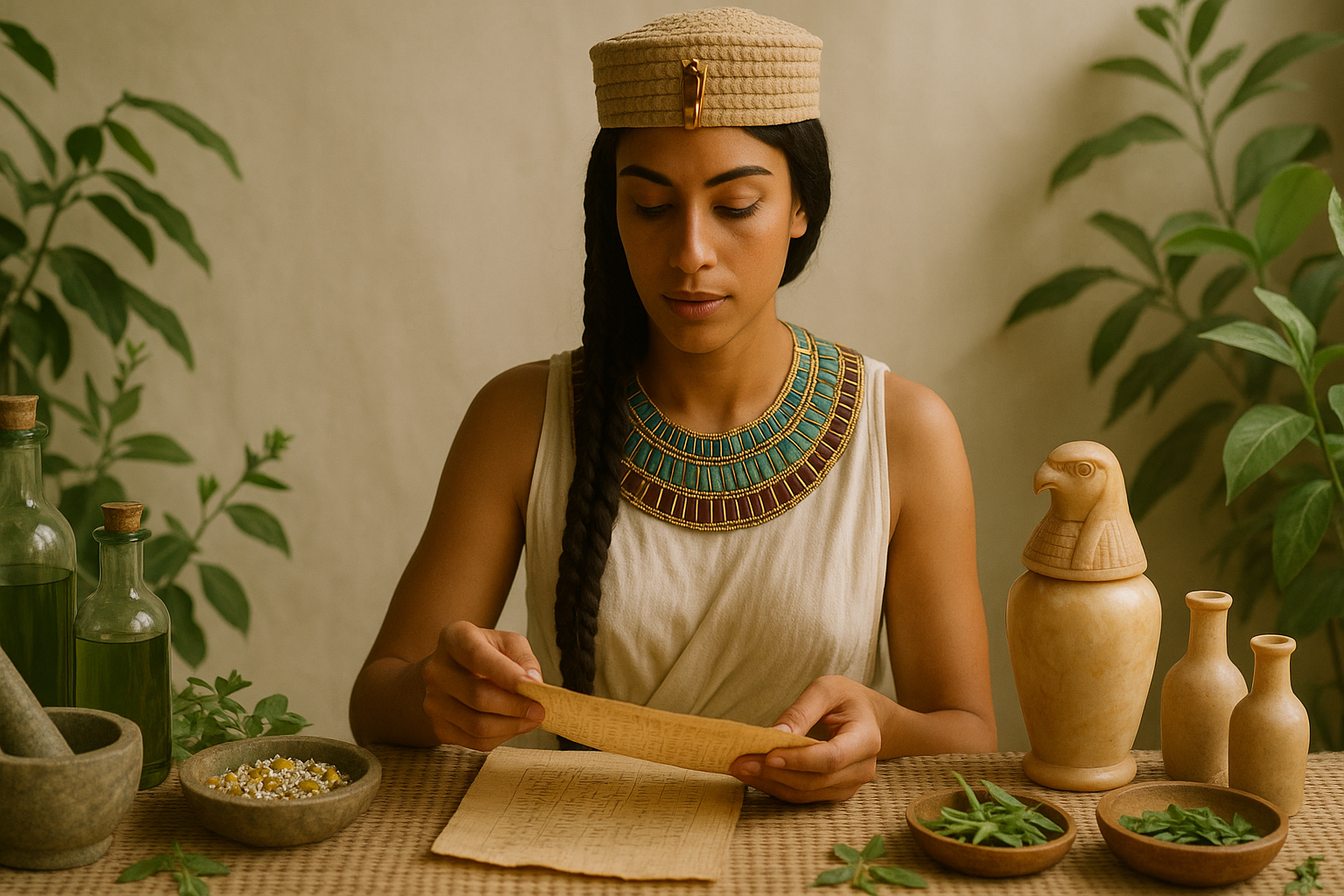
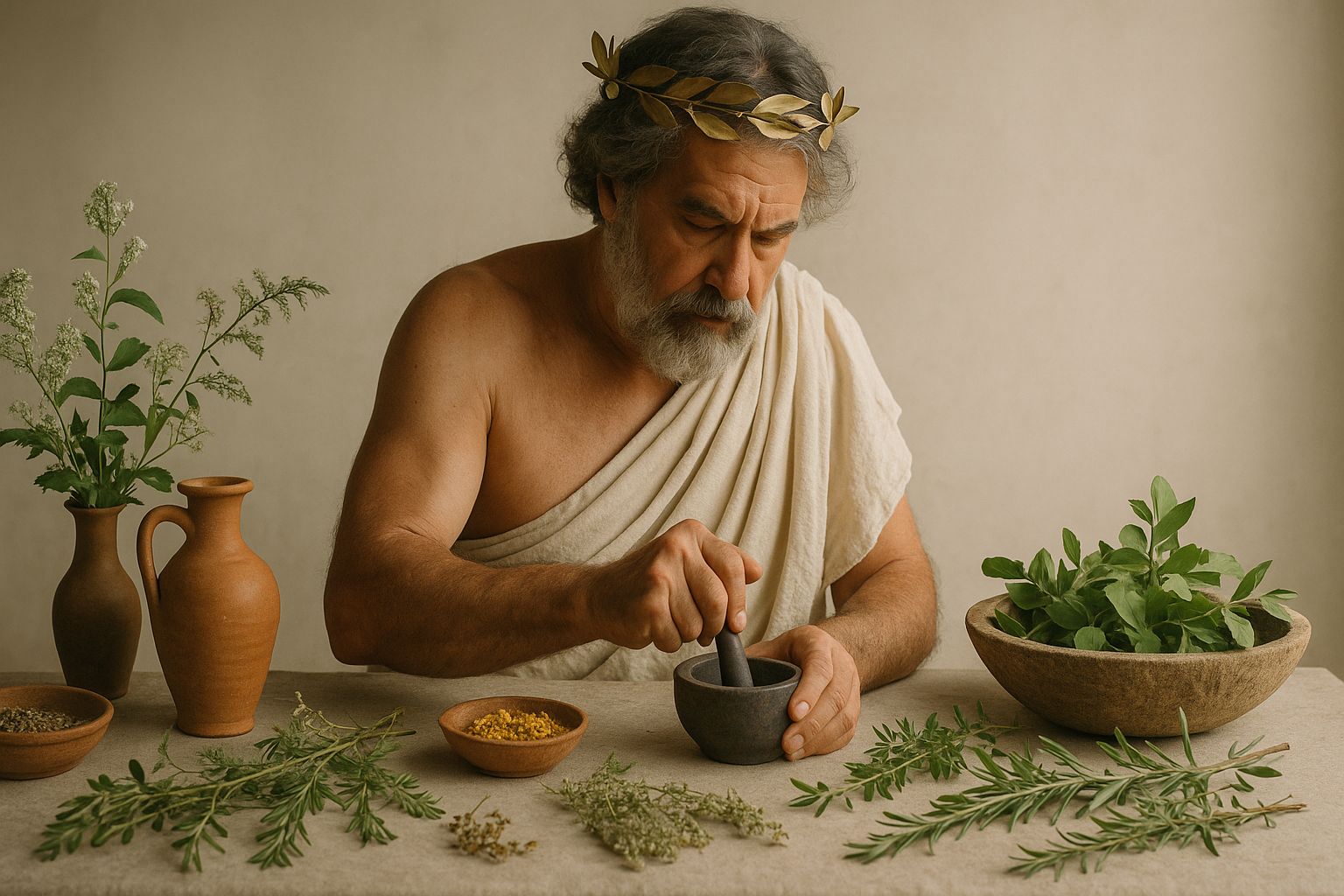
Traditional Healing within Roman Medicine encompasses a blend of herbal remedies, holistic practices, and a deep understanding of the body, shaped by the cultural and historical context of ancient Rome. It serves as a vital aspect of Roman Medicine, emphasizing balance, natural treatments, and the interconnectedness of the body and spirit.
What It Is
Traditional Healing in the context of Roman Medicine refers to the ancient practices and remedies used by healers in Rome to is traditionally explored for various ailments and promote overall well-being. This approach is characterized by its holistic view of health, focusing on the balance between body, mind, and spirit. It incorporates a variety of techniques, including herbal remedies, dietary recommendations, and lifestyle adjustments, all rooted in the wisdom of ancient practices.
The essence of Traditional Healing lies in its reliance on natural substances and the belief that the body has an innate ability to may support itself. Practitioners often combine physical treatments with spiritual guidance, aiming to address not just the symptoms of illness but also the underlying causes. This integrated approach reflects the Roman belief in the interconnectedness of all aspects of life, emphasizing harmony within the individual and with the surrounding environment.
Historical Context Within Roman Medicine
Traditional Healing emerged as a significant component of Roman Medicine around the early centuries of the Common Era. Influenced by earlier Greek medical practices, particularly those of Hippocrates and Galen, Roman healers adopted and adapted various techniques, integrating them into their own medical systems. Key figures in this development included Galen, who expanded on the humoral theory—a concept that health is maintained by the balance of bodily fluids.
As Roman society evolved, so too did its medical practices. Traditional Healing became widely accepted, especially within the context of the Roman Empire, where a diverse array of cultures and healing practices intersected. This blending of knowledge facilitated the preservation and evolution of traditional remedies, which were often documented in texts and passed down through generations, solidifying their place in Roman healthcare.
How It's Practiced
The practice of Traditional Healing in Roman Medicine typically involves several key steps, which may vary among practitioners. Here is a general walk-through of the process:
- Initial Consultation: The practitioner assesses the patient's health history, symptoms, and lifestyle.
- Holistic Assessment: An evaluation of physical, emotional, and spiritual well-being is conducted to identify imbalances.
- Personalized Treatment Plan: Based on the assessment, the practitioner develops a tailored plan that may include:
- Herbal remedies specific to the individual’s needs
- Dietary recommendations for balance
- Physical therapies such as massage or exercises
- Spiritual guidance and meditative practices
- Follow-Up Sessions: Regular check-ins are scheduled to monitor progress and adjust treatments as necessary.
What It Is Traditionally Explored For
Traditional Healing in Roman Medicine is traditionally explored for a variety of health concerns, emphasizing a preventative and holistic approach. Some of the common goals include:
- Enhancing overall well-being and vitality
- Managing stress and anxiety
- Addressing digestive issues
- Supporting immune function
- Promoting recovery from illness or injury
It is important to note that while these practices have historical significance, they should be approached with caution and are not meant to replace contemporary medical treatments.
What Modern Research Suggests
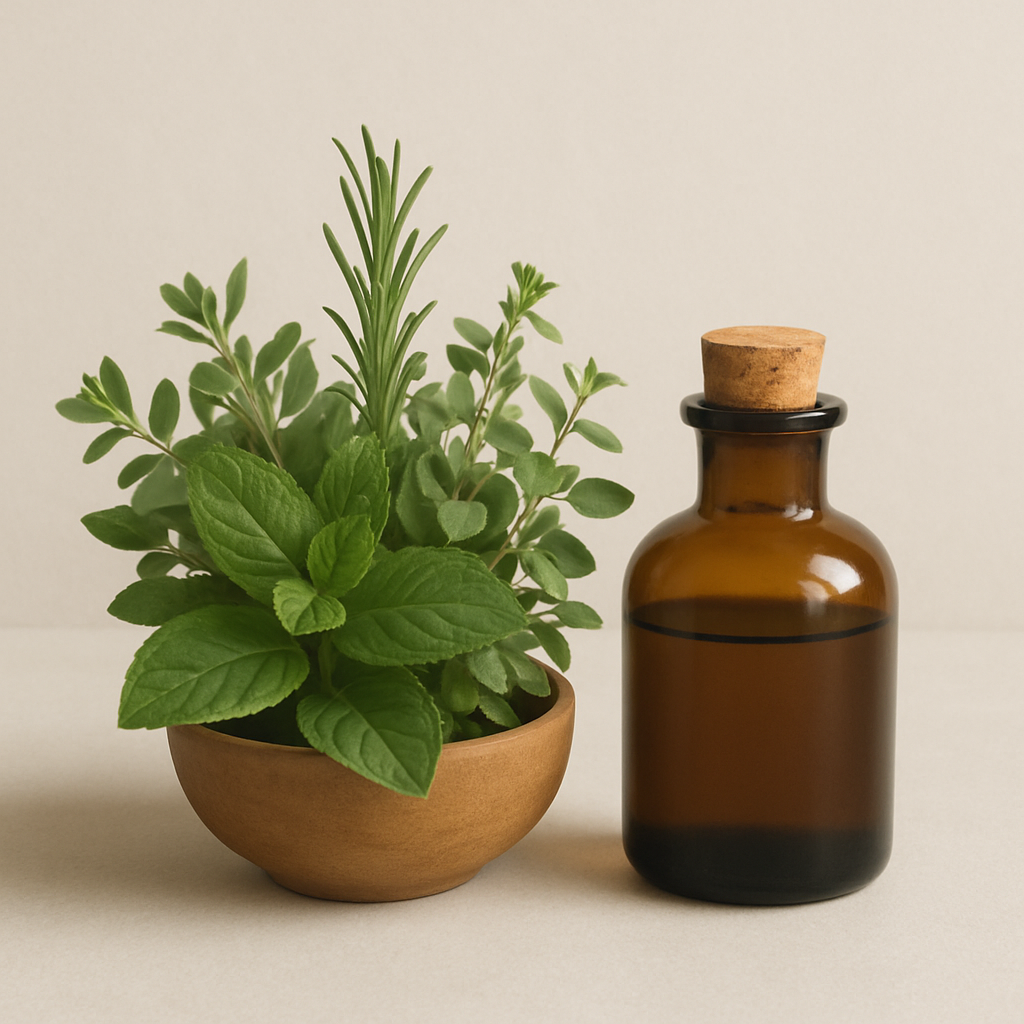
Modern research into Traditional Healing practices often highlights the potential benefits of herbal remedies and holistic approaches. Preliminary studies have indicated that certain herbs used in Roman Medicine may possess anti-inflammatory, antioxidant, and immune-boosting properties. For instance, herbal ingredients traditionally used in Romans, such as thyme and rosemary, have shown promise in various clinical settings.
However, it is essential to recognize that while some evidence supports the efficacy of these practices, further rigorous scientific studies are needed to fully validate their effectiveness and safety. As traditional methods are explored in contemporary research, the integration of ancient wisdom with modern science continues to evolve.
Safety, Contraindications & Who Should Skip
While Traditional Healing can offer benefits, there are important safety considerations to keep in mind:
- Individuals with pre-existing medical conditions should consult with a healthcare provider before starting any traditional remedies.
- Pregnant or nursing women should exercise caution, as some herbs may not be safe during this time.
- People taking prescription medications should be aware of potential interactions with herbal treatments.
As with any healing modality, it is crucial to approach Traditional Healing with an informed perspective and to seek guidance from qualified practitioners.
Pairs Well With (within Roman Medicine and across pillars)
Traditional Healing in Roman Medicine can be complemented by various other approaches, enhancing its effectiveness. Some related modalities and ingredients include:
- Dietary Practices (e.g., the Mediterranean diet)
- Massage Therapy
- Spiritual Practices (e.g., meditation and prayer)
- Aromatherapy (using essential oils from herbs)
- Acupuncture (from a broader perspective of holistic healing)
How to Find a Qualified Practitioner
To find a qualified practitioner of Traditional Healing in Roman Medicine, consider the following steps:
- Research local practitioners who specialize in ancient healing modalities.
- Look for certifications or training in herbal medicine and holistic health.
- Read reviews or seek recommendations from others who have experienced traditional healing.
- Schedule a consultation to discuss your health goals and ensure a good practitioner-patient fit.
FAQs (5)
- What is Traditional Healing in Roman Medicine? Traditional Healing in Roman Medicine refers to ancient practices and remedies used by healers in Rome, focusing on holistic health and natural treatments.
- What types of ailments can it address? It is traditionally explored for enhancing well-being, managing stress, digestive issues, and overall health support.
- Is it safe to combine with modern medicine? While many people do, it is important to consult with a healthcare provider to avoid potential interactions.
- How can I find a practitioner? Research local specialists, check qualifications, and seek recommendations from others.
- What does modern research say about it? Preliminary studies suggest potential benefits of traditional herbs, but further research is needed for conclusive evidence.
Frequently asked
What is Traditional Healing in Roman Medicine?
Traditional Healing in Roman Medicine refers to ancient practices and remedies used by healers in Rome, focusing on holistic health and natural treatments.
What types of ailments can it address?
It is traditionally explored for enhancing well-being, managing stress, digestive issues, and overall health support.
Is it safe to combine with modern medicine?
While many people do, it is important to consult with a healthcare provider to avoid potential interactions.
How can I find a practitioner?
Research local specialists, check qualifications, and seek recommendations from others.
What does modern research say about it?
Preliminary studies suggest potential benefits of traditional herbs, but further research is needed for conclusive evidence.