Ancient Surgery
Discover the role of ancient surgery in Roman medicine, its historical context, traditional uses, and safety considerations.
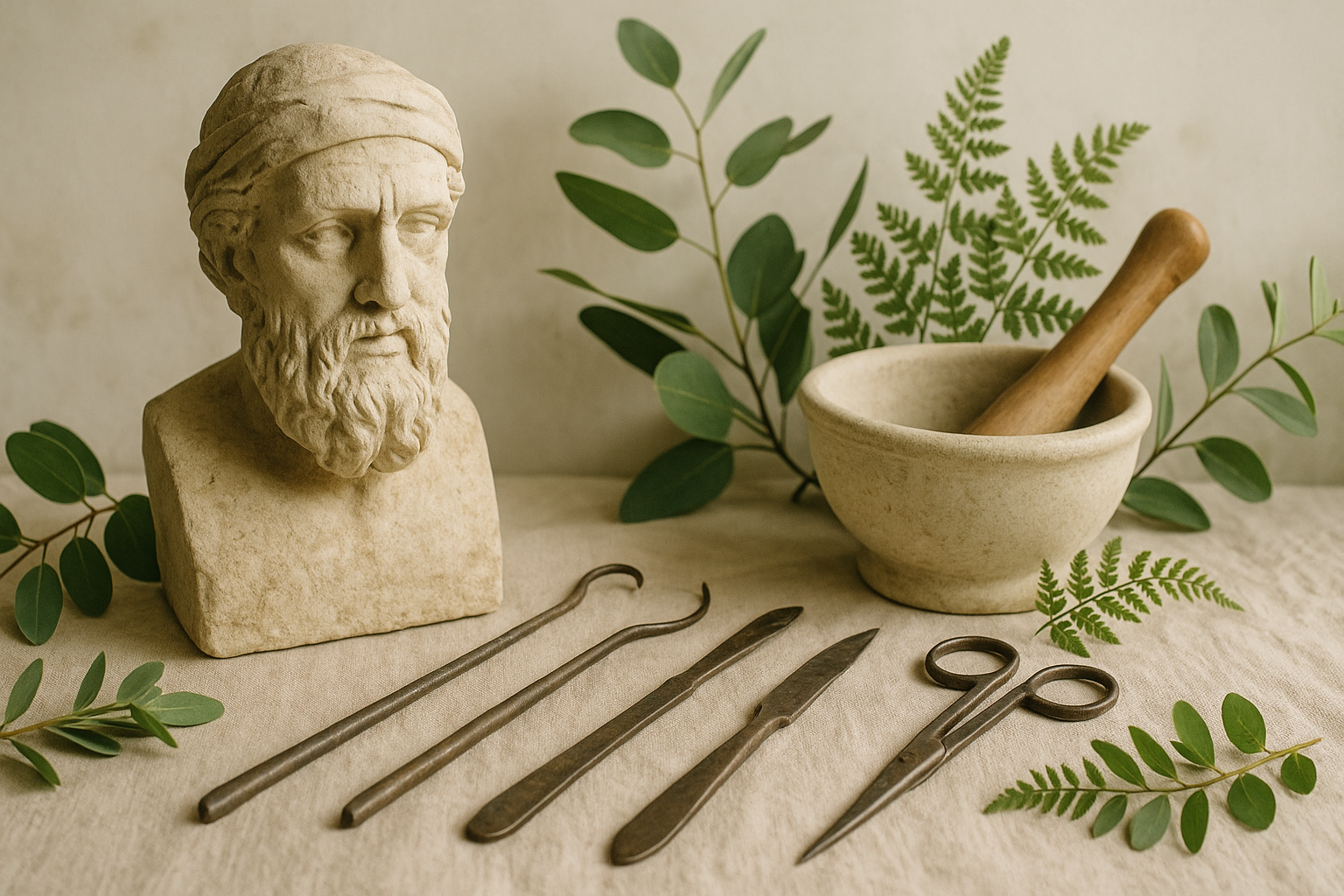
Explore the ancient practice of surgery within Roman medicine, its historical significance, traditional applications, and modern insights.
What It Is
Ancient surgery refers to the surgical practices that were developed and utilized during the Roman Empire. This modality, rooted in a blend of empirical observation and theoretical understanding, encompassed various procedures aimed at treating injuries, diseases, and other physical ailments. Roman surgeons employed tools and techniques that laid the groundwork for many surgical practices still recognized today.
In essence, ancient surgery was not merely an act of cutting and stitching but involved a comprehensive understanding of anatomy, patient care, and recovery processes. The practitioners, often trained in various medical schools, utilized both their skills and knowledge of herbal remedies to enhance healing and manage pain.
Historical Context Within Roman Medicine
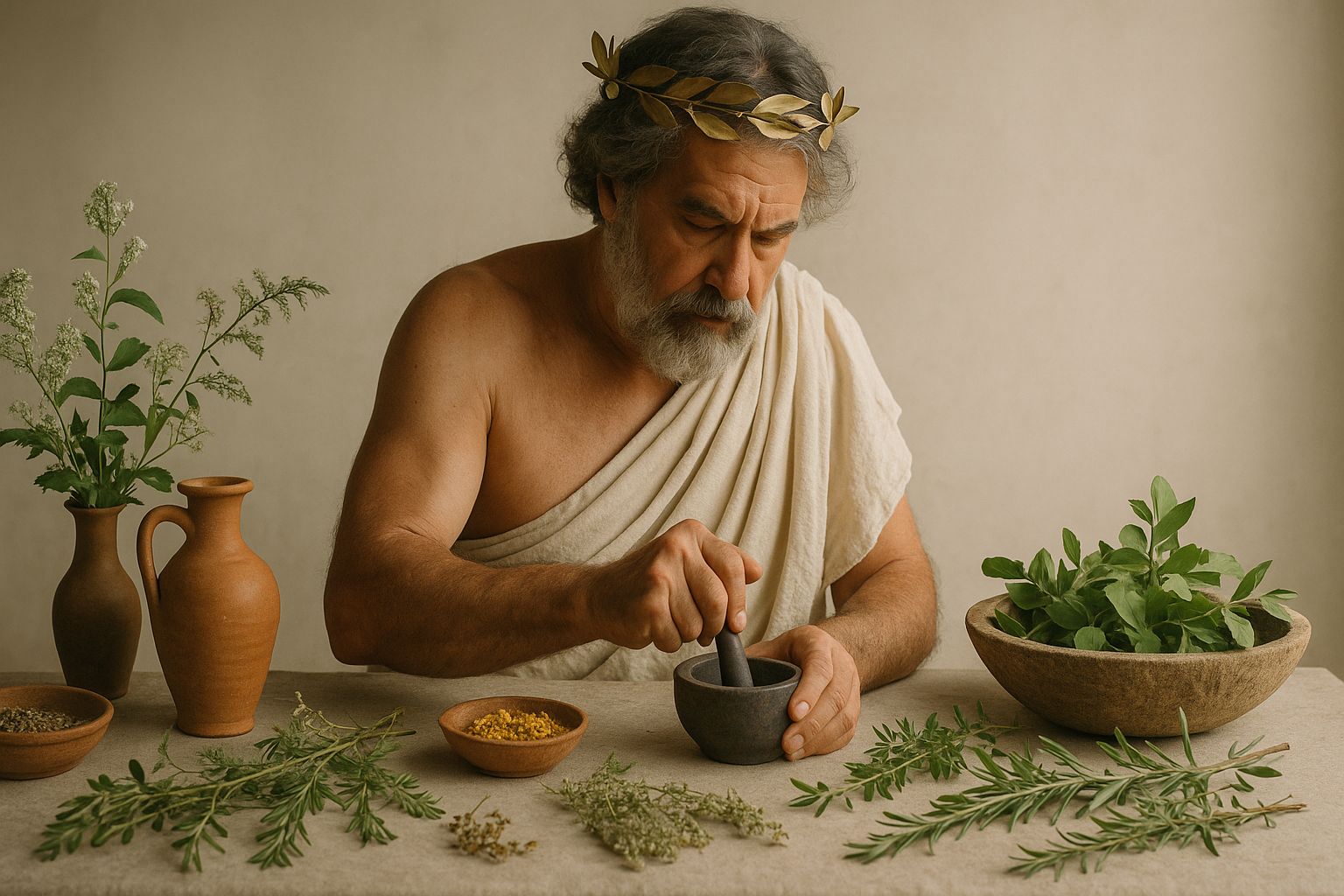
Ancient surgery emerged during the broader scope of Roman medicine, which was heavily influenced by earlier Greek practices. The Romans adopted and adapted surgical techniques from Greek physicians like Hippocrates and Galen, integrating them into their medical system. It was during the late Republic and the early Empire that surgical practices became more formalized and recognized.
Notable figures such as Aulus Cornelius Celsus contributed significantly to the field, with his work "De Medicina" serving as a critical reference for surgical techniques and medical knowledge. The Roman approach emphasized practical experience, and many surgeons learned through apprenticeship, honing their skills in various surgical procedures.
How It's Practiced
A typical walk-through of ancient surgical practice might include the following steps:
- Initial Assessment: The surgeon would assess the patient's condition, often through observation and questioning.
- Preparation: Tools, which included scalpels, forceps, and other instruments, were sterilized using heat or vinegar.
- Anesthesia: Pain management was approached through herbal remedies, such as opium or mandrake, to sedate the patient.
- Surgical Procedure: Depending on the condition, this could involve incision, cauterization, or even trepanation (drilling into the skull).
- Postoperative Care: The surgeon would provide instructions for recovery, often recommending rest and herbal treatments to promote healing.
What It Is Traditionally Explored For
Ancient surgery has traditionally been explored for various conditions and injuries, including:
- Traumatic wounds from battles or accidents
- Abscess drainage
- Bone fractures and dislocations
- Removal of tumors or cysts
- Trepanation for neurological issues
These practices aimed at alleviating pain, restoring functionality, and improving the quality of life for patients.
What Modern Research Suggests
Modern research into ancient surgical practices provides intriguing insights into their effectiveness and techniques. Studies of archaeological findings, including surgical tools and remains, suggest that Roman surgeons had a sophisticated understanding of anatomy and surgical methods. For instance, the discovery of surgical instruments in Pompeii indicates that certain procedures were performed with a level of precision that is impressive for the time.
Furthermore, clinical studies examining the historical texts of figures like Celsus reveal that many of their methods align closely with modern surgical principles. While more research is needed to draw definitive conclusions, the foundational knowledge from ancient surgery continues to inform contemporary practices.
Safety, Contraindications & Who Should Skip
While ancient surgical practices were innovative for their time, they were not without risks. The use of unsterilized tools and the lack of advanced anesthesia could lead to complications. Individuals with conditions such as:
- Severe infections
- Blood clotting disorders
- Allergies to herbal anesthetics
should approach any surgical procedures, including those based on ancient practices, with caution and consult with a qualified medical professional.
Pairs Well With (within Roman Medicine and across pillars)
Ancient surgery complements various other modalities and practices, including:
- Herbal medicine for pain management and recovery
- Dietary practices to support healing
- Massage techniques to improve circulation
- Philosophical approaches that emphasize holistic wellness
How to Find a Qualified Practitioner
Finding a qualified practitioner who specializes in ancient surgical techniques may be challenging. However, some modern practitioners of integrative medicine or those focused on historical practices might incorporate these methods. Consider the following steps:
- Research practitioners with a background in both modern and ancient medical practices.
- Check for accreditation or certification in relevant fields.
- Seek recommendations from others who have explored ancient modalities.
- Schedule consultations to discuss their approach and experience.
FAQs
- What types of surgeries were performed in ancient Rome? Various procedures, including wound care, bone setting, and trepanation, were commonly practiced.
- How did ancient surgeons manage pain? Pain management often involved herbal remedies, such as opium or mandrake, to sedate patients.
- Are ancient surgical practices safe today? While some techniques may be beneficial, modern safety standards and practices should always be prioritized.
- What is the significance of Celsus in ancient surgery? Celsus's work "De Medicina" provided a comprehensive overview of surgical practices and medical knowledge in ancient Rome.
- Can modern medicine learn from ancient surgical practices? Yes, insights from ancient practices can inform modern techniques and enhance our understanding of historical medical advancements.
Frequently asked
What types of surgeries were performed in ancient Rome?
Various procedures, including wound care, bone setting, and trepanation, were commonly practiced.
How did ancient surgeons manage pain?
Pain management often involved herbal remedies, such as opium or mandrake, to sedate patients.
Are ancient surgical practices safe today?
While some techniques may be beneficial, modern safety standards and practices should always be prioritized.
What is the significance of Celsus in ancient surgery?
Celsus's work "De Medicina" provided a comprehensive overview of surgical practices and medical knowledge in ancient Rome.
Can modern medicine learn from ancient surgical practices?
Yes, insights from ancient practices can inform modern techniques and enhance our understanding of historical medical advancements.