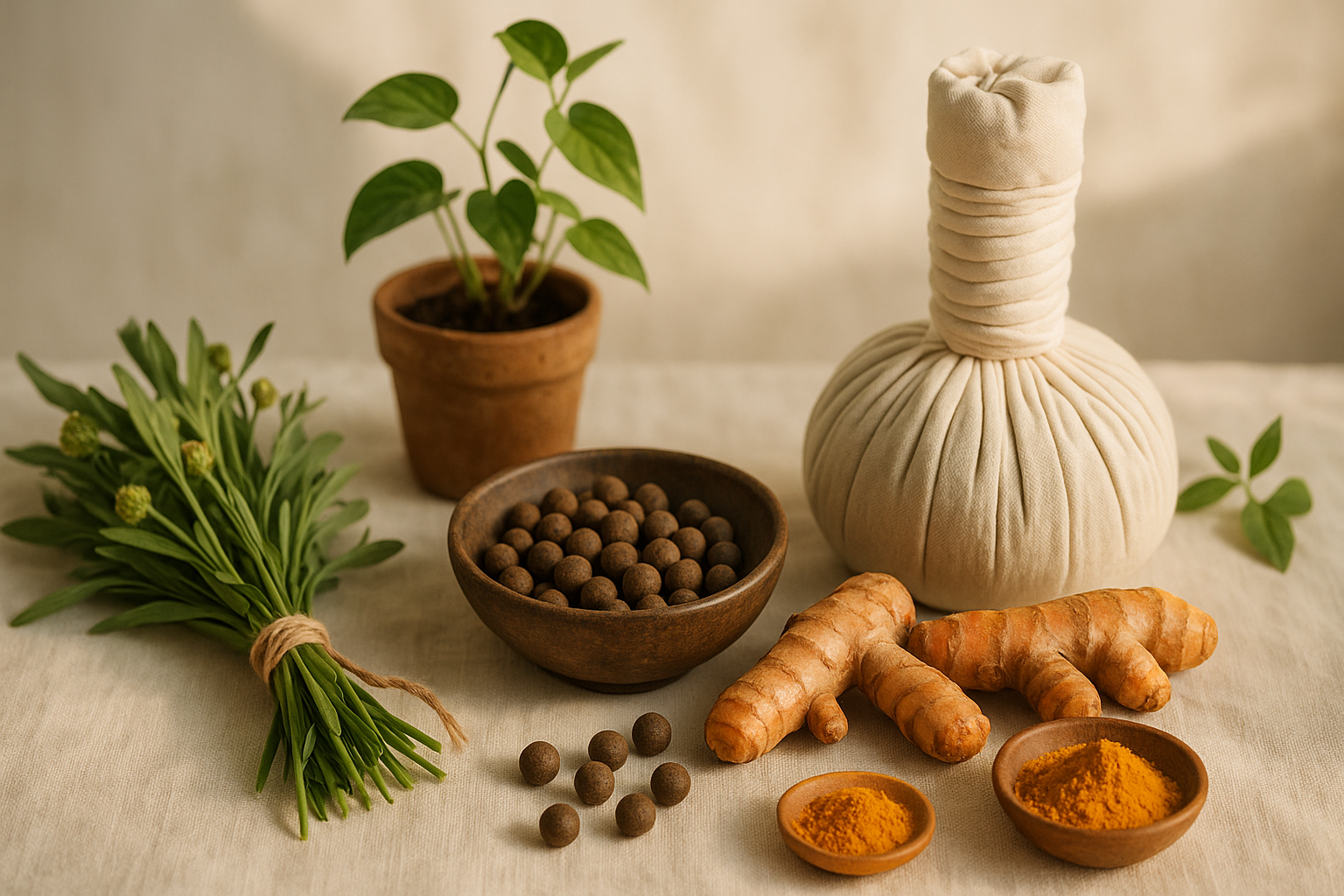
Body Cleansing
Discover body cleansing in Roman medicine, its historical roots, practices, and potential benefits.
Explore the ancient practice of body cleansing within Roman medicine. This guide delves into its definition, historical context, methods, traditional uses, modern research, safety considerations, and how to find qualified practitioners.
What It Is
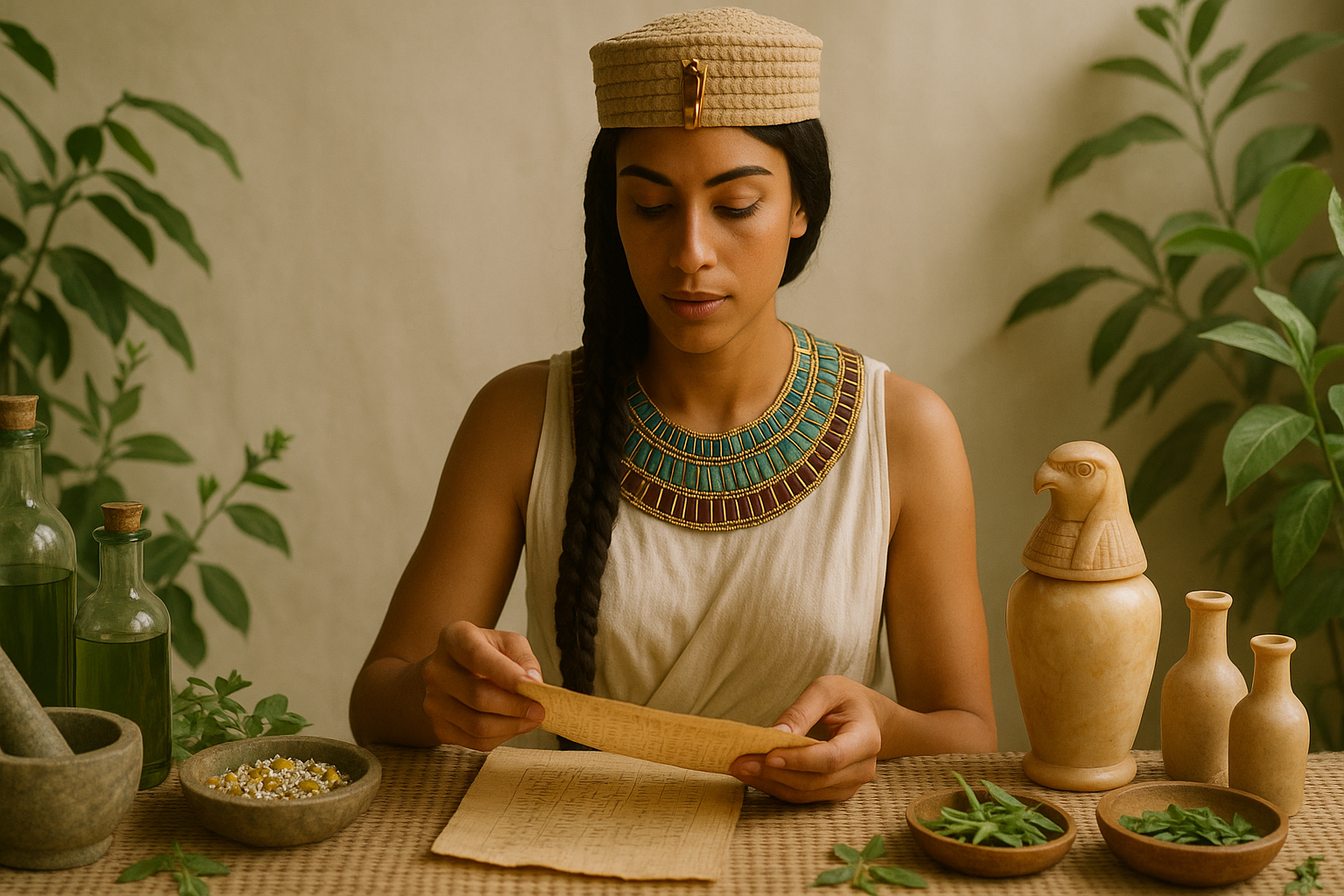
Body cleansing, also known as detoxification, is a practice aimed at removing toxins and impurities from the body. In the context of Roman medicine, this practice often involved a combination of dietary adjustments, herbal remedies, and physical therapies. The underlying belief was that maintaining balance within the body was essential for good health, and that cleansing could help restore this balance.
The Romans viewed the body as a microcosm of the universe, with health reliant on the harmony of its internal elements. Body cleansing was therefore seen not just as a physical necessity, but as a means to achieve spiritual and emotional well-being. This holistic approach to health was deeply embedded in the cultural and medical practices of the time.
Historical Context Within Roman Medicine
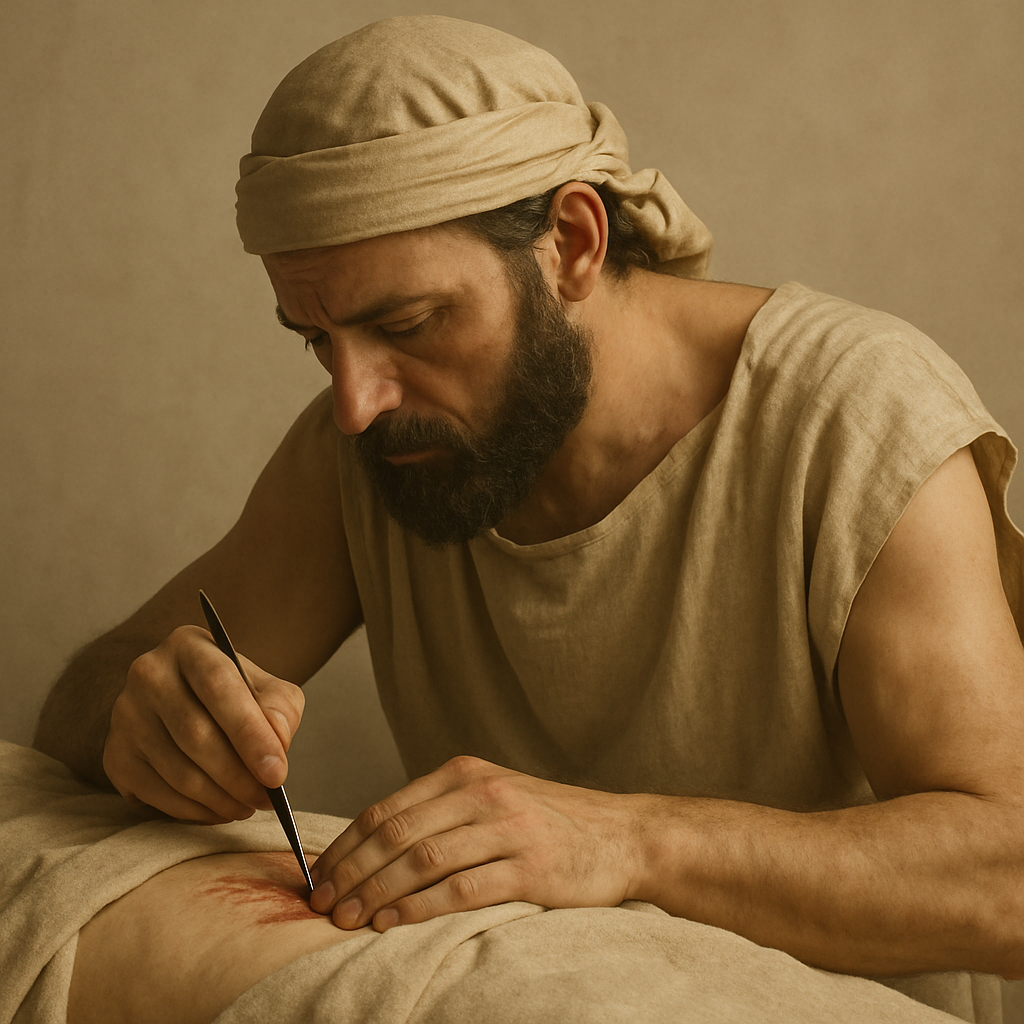
Body cleansing emerged as a significant aspect of Roman medicine around the 1st century BCE, influenced by earlier Greek medical theories. Prominent figures such as Galen and Hippocrates contributed to the understanding of body humors, which laid the groundwork for cleansing practices. Galen, in particular, emphasized the importance of balancing the body's fluids and eliminating excess waste, which became foundational to Roman medical philosophy.
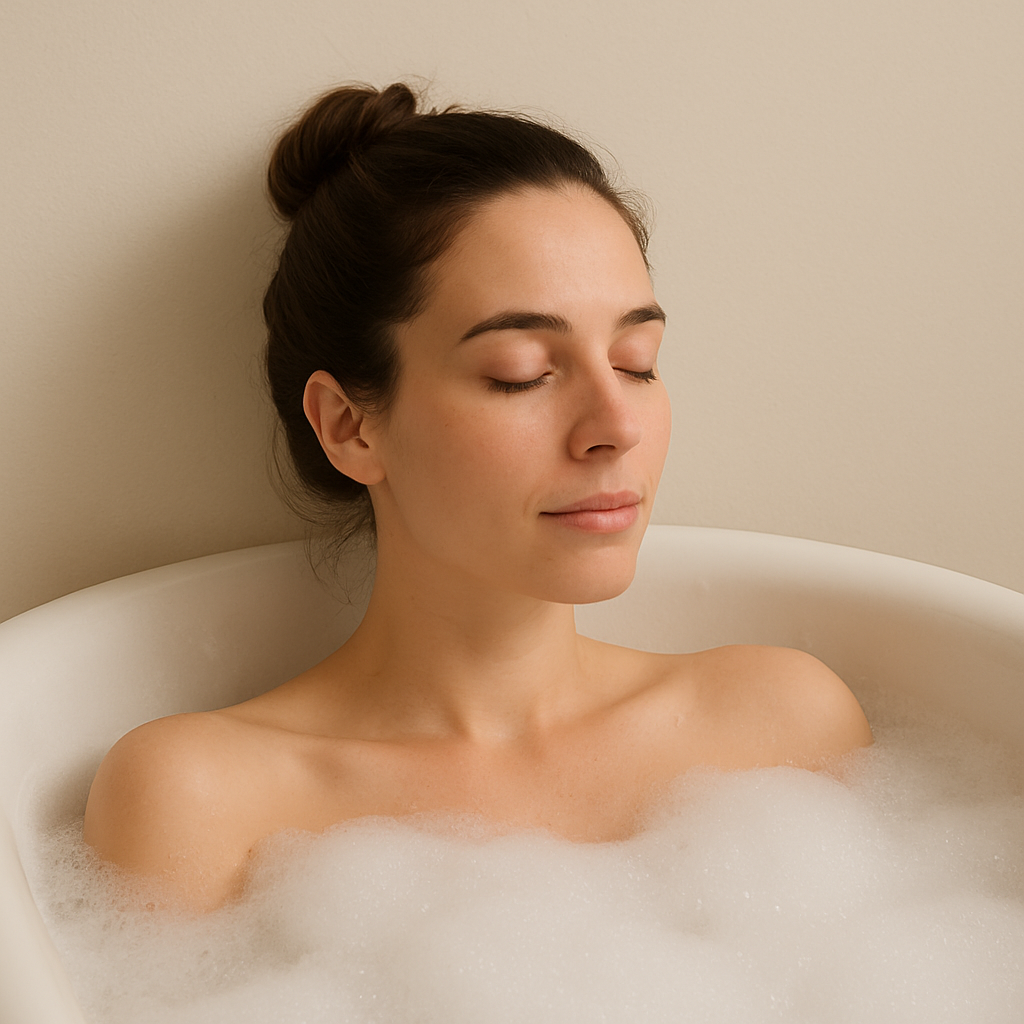
The use of baths, both public and private, played a crucial role in these cleansing rituals. Romans believed in the therapeutic properties of water, often incorporating various herbs and oils to enhance the cleansing effects. This practice not only focused on physical cleanliness but also served as a social activity, reinforcing community bonds while promoting health.
How It's Practiced
Body cleansing in Roman medicine was a multifaceted approach that included several key methods. A typical cleansing regimen might involve the following:
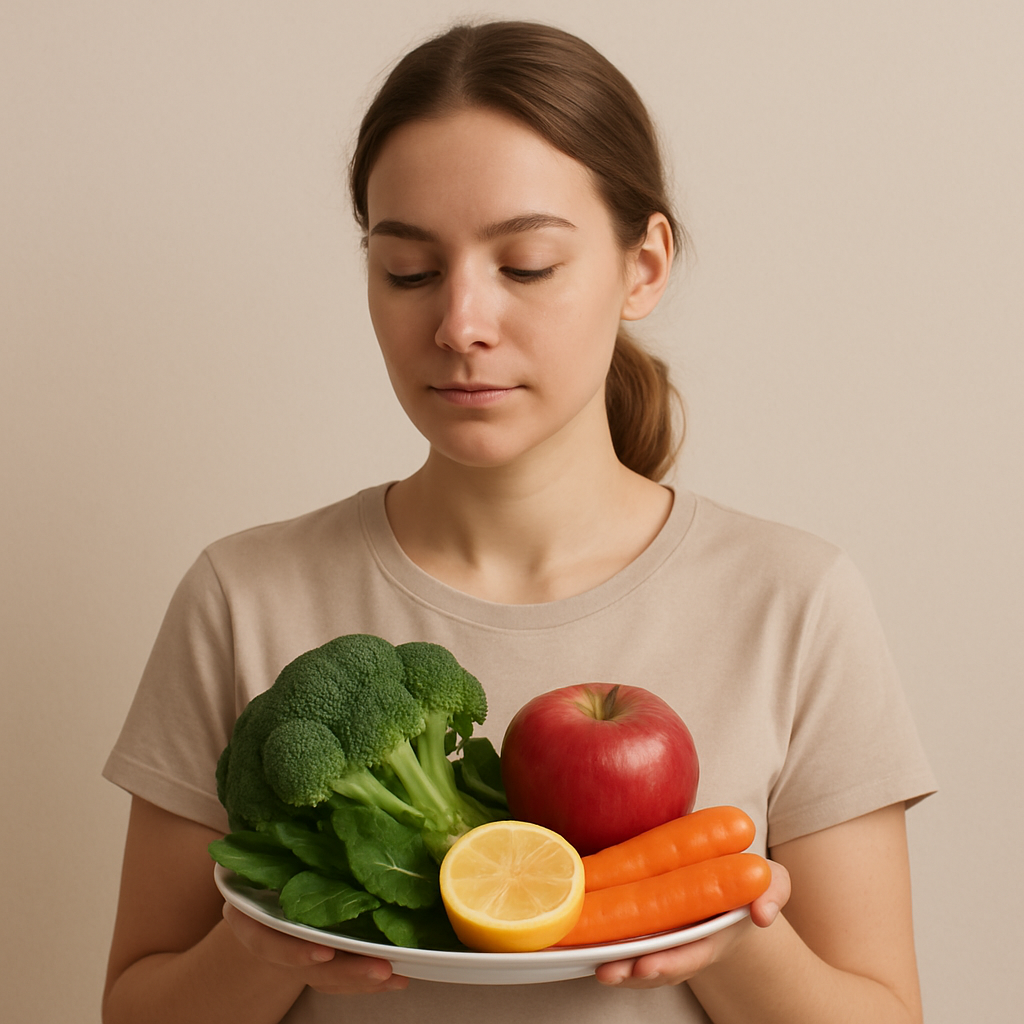
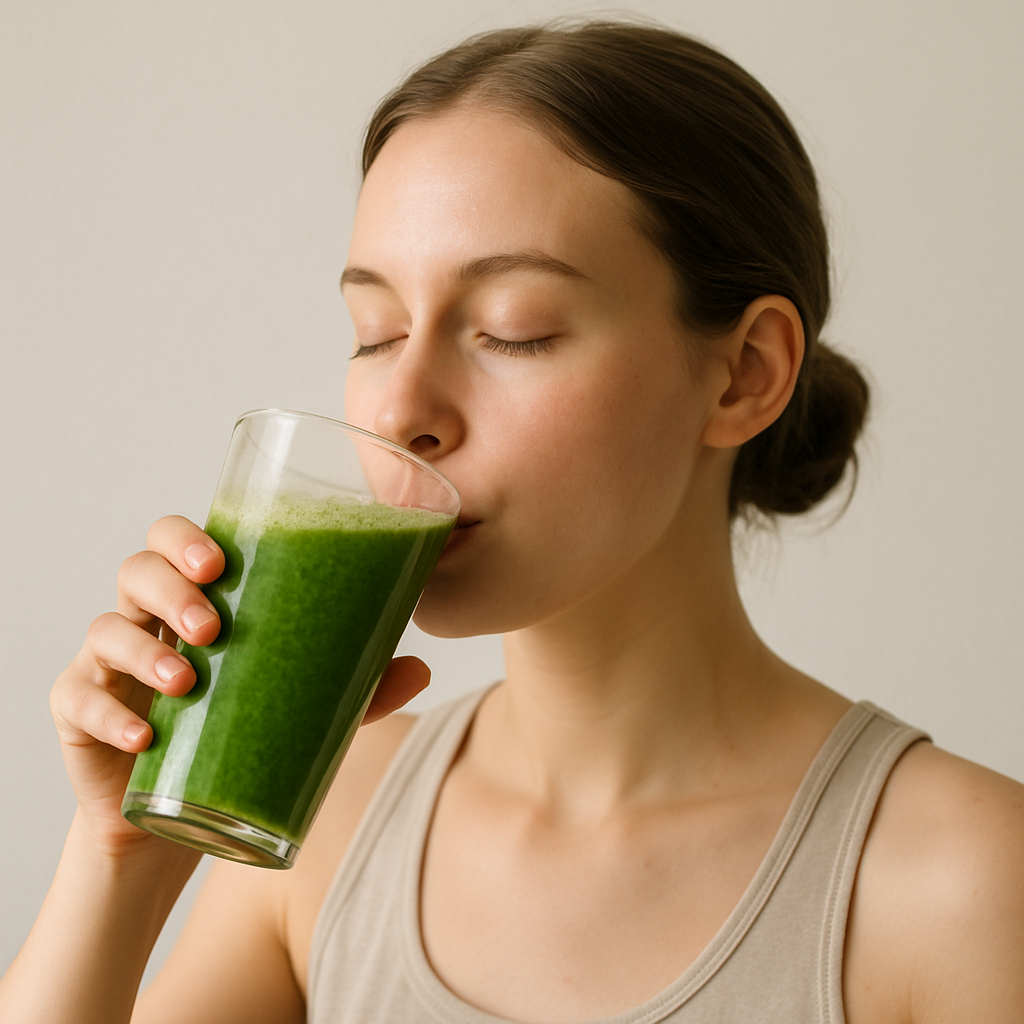
- Dietary Changes: Reducing intake of heavy foods and incorporating lighter, more digestible options such as fruits and vegetables.
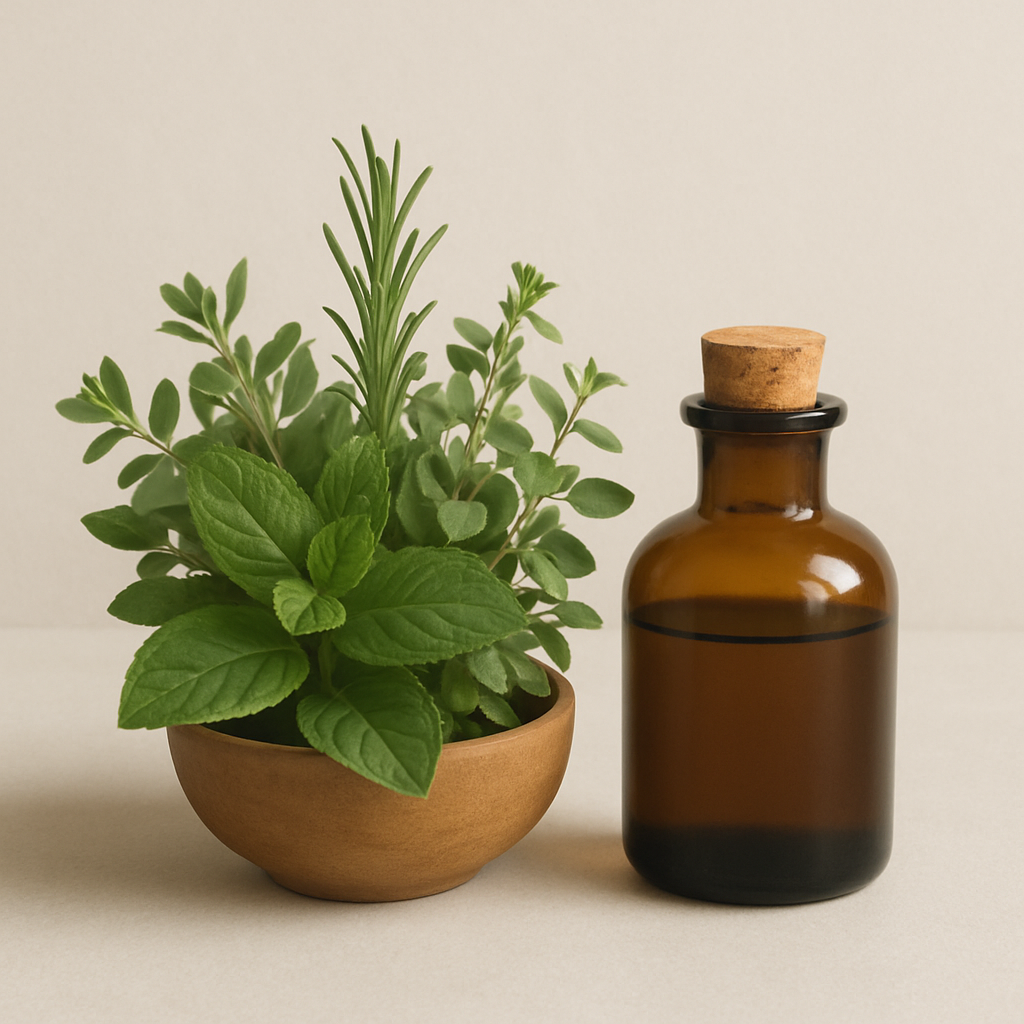
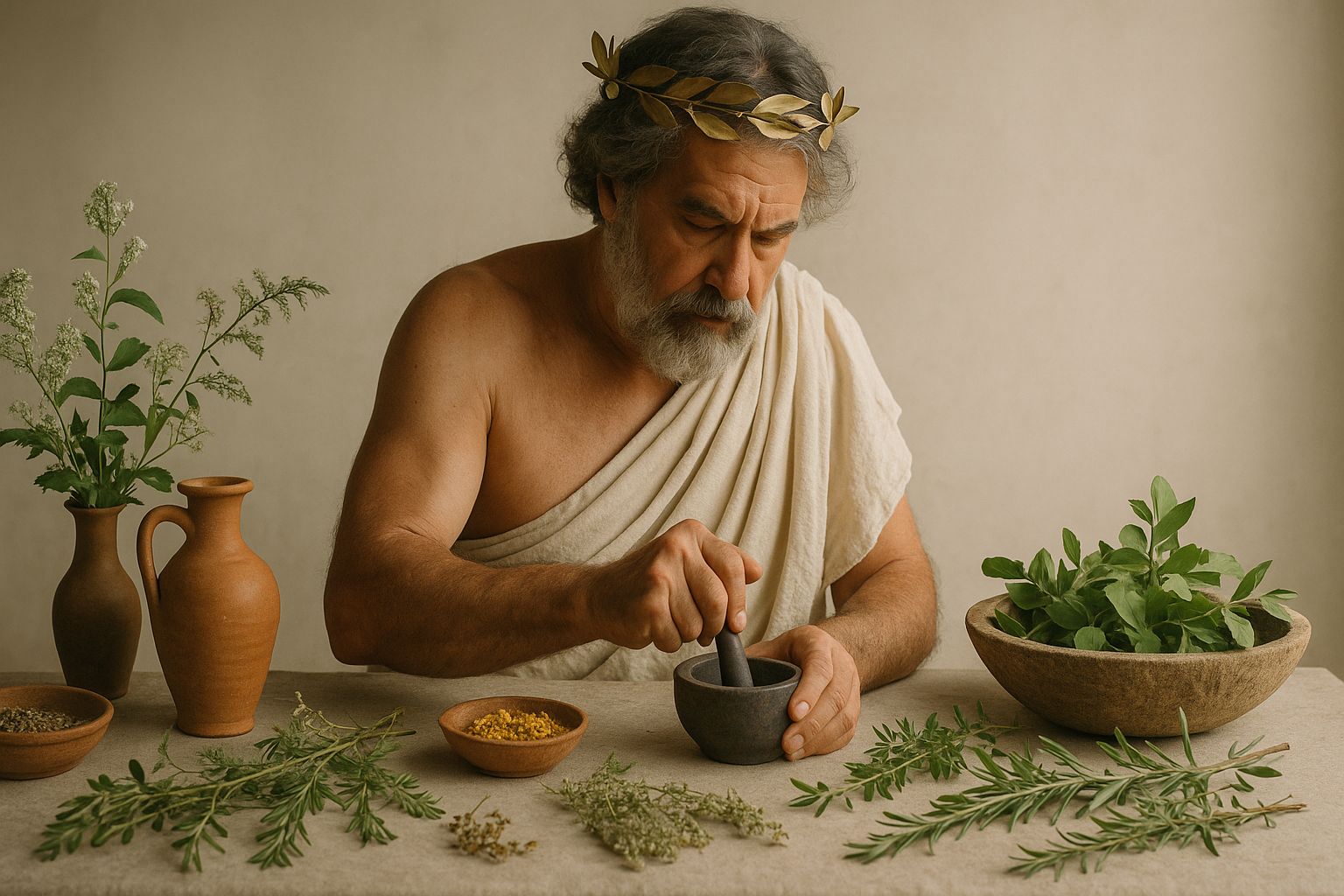
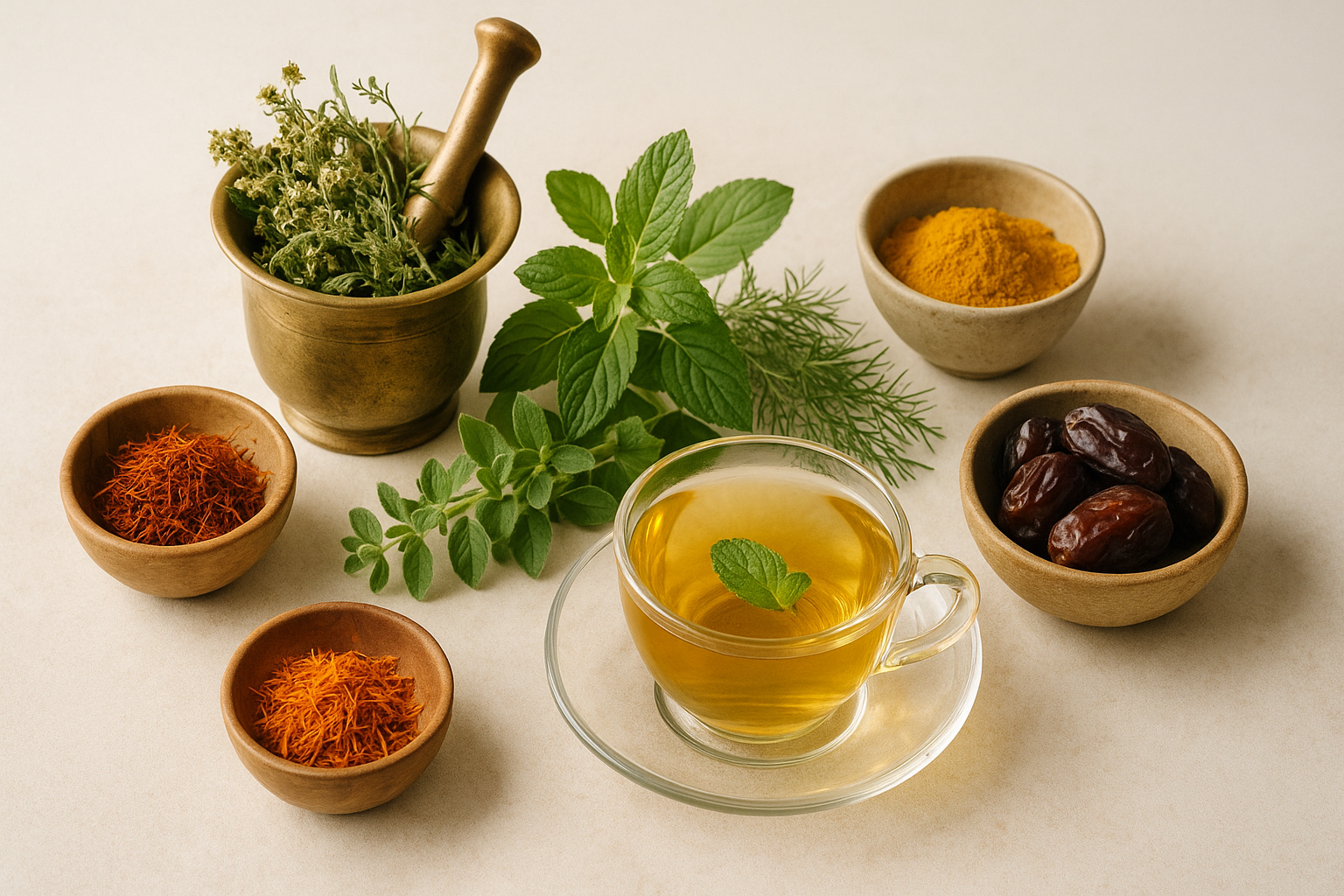
- Herbal Remedies: Utilizing various herbs known for their detoxifying properties, such as milk thistle and dandelion.
- Hydrotherapy: Engaging in baths or soaking in mineral springs to cleanse the skin and promote circulation.
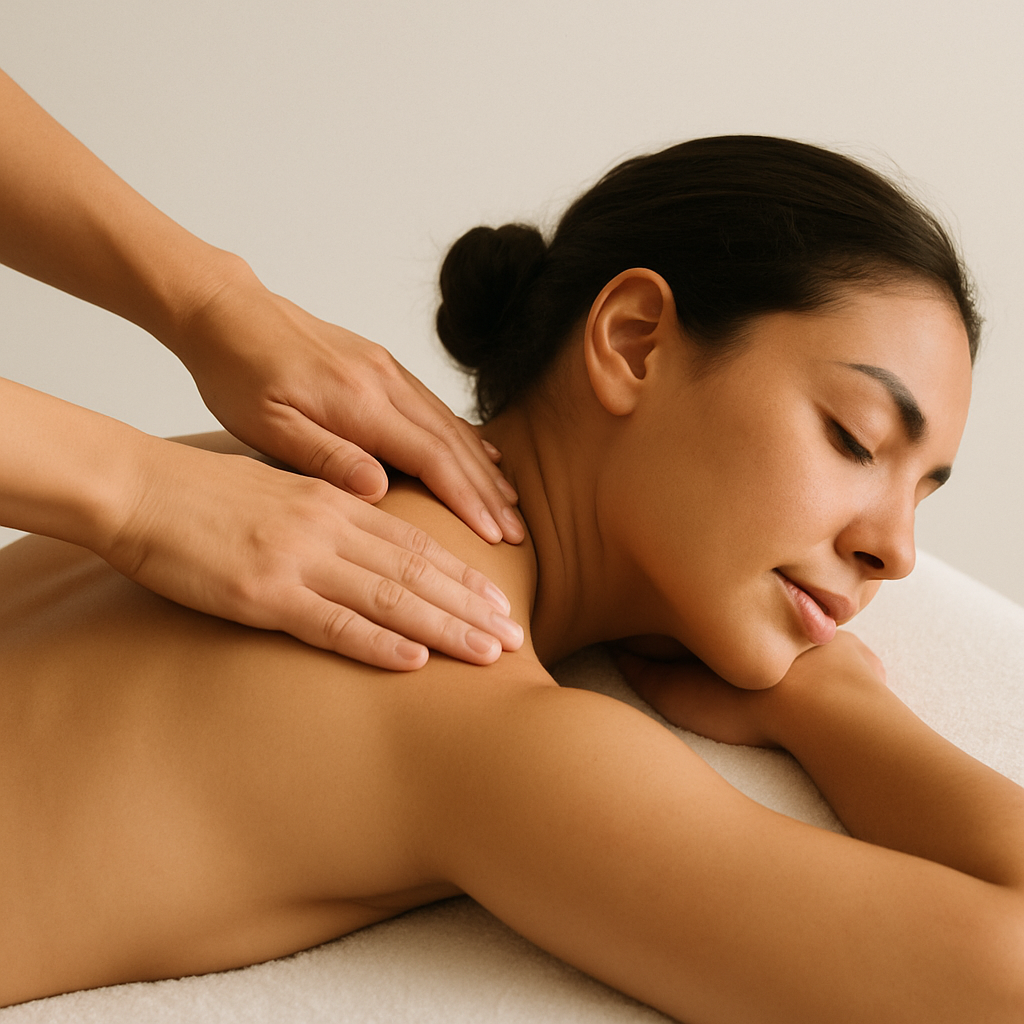
- Physical Activity: Participating in exercises or massages to stimulate the body's natural detoxification processes.
This holistic approach aimed to support the body’s inherent ability to may support and maintain balance, aligning with the Roman belief in the importance of harmony between body and mind.
What It Is Traditionally Explored For
Traditionally, body cleansing practices were used for various purposes, including:
- Promoting overall wellness and vitality.
- Supporting digestion and metabolic health.
- Enhancing the body's natural detoxification processes.
- Improving skin health and appearance.
- Restoring mental clarity and emotional balance.
While modern interpretations may vary, these foundational goals reflect the ancient understanding of health as a holistic interplay between the physical, emotional, and spiritual aspects of life.
What Modern Research Suggests
Contemporary research on body cleansing and detoxification remains in its early stages, with some studies suggesting potential benefits of certain practices. For instance, preliminary studies indicate that specific dietary changes, such as increased fruit and vegetable intake, may enhance overall health by promoting better digestion and nutrient absorption. However, the evidence supporting extensive detoxification regimens is limited and often inconclusive.
Many health professionals caution against extreme detox diets, emphasizing that the body has its natural mechanisms for detoxification through the liver, kidneys, and other organs. Therefore, while some practices associated with body cleansing may offer benefits, it is essential to approach them with balanced expectations and a focus on overall well-being.
Safety, Contraindications & Who Should Skip
While body cleansing practices can be beneficial, they may not be suitable for everyone. Individuals with certain health conditions, such as:
- Pregnant or breastfeeding women.
- People with chronic illnesses or gastrointestinal disorders.
- Those taking specific medications that may interact with herbal remedies.
- Individuals with a history of eating disorders.
should consult a qualified healthcare provider before engaging in body cleansing practices. It is crucial to ensure that the approach taken is safe and appropriate for one’s individual health circumstances.
Pairs Well With (within Roman Medicine and across pillars)
Body cleansing can complement several other practices and modalities within Roman medicine and beyond:
- Herbal Medicine: Incorporating various herbs for detoxification and support.
- Hydrotherapy: Using therapeutic baths or steam treatments.
- Aromatherapy: Utilizing essential oils for relaxation and mental clarity.
- Dietary Therapy: Focused eating plans to enhance health.
- Physical Therapies: Massage or exercise to promote circulation and well-being.
How to Find a Qualified Practitioner
To find a qualified practitioner experienced in body cleansing within the tradition of Roman medicine, consider the following steps:
- Research local holistic health centers that focus on ancient practices.
- Seek referrals from trusted healthcare providers or wellness communities.
- Check practitioner credentials and their experience with body cleansing.
- Inquire about their approach and philosophy to ensure it aligns with your health goals.
It is essential to choose a practitioner who emphasizes safety and holistic well-being.
FAQs
- What is body cleansing?
Body cleansing is a practice aimed at removing toxins from the body through various methods, including dietary changes and herbal remedies. - Is body cleansing safe?
While generally safe for many, individuals with certain health conditions should consult a healthcare provider before starting any cleansing regimen. - What are the benefits of body cleansing?
Traditionally, it is explored for promoting overall wellness, improving digestion, and enhancing skin health. - How often should one do a body cleanse?
Frequency varies based on individual needs and health goals; consulting a practitioner can provide personalized guidance. - Can I perform body cleansing at home?
Yes, many aspects of body cleansing can be done at home, but it is advisable to seek professional guidance to ensure safety and effectiveness.
Frequently asked
What is body cleansing?
Body cleansing is a practice aimed at removing toxins from the body through various methods, including dietary changes and herbal remedies.
Is body cleansing safe?
While generally safe for many, individuals with certain health conditions should consult a healthcare provider before starting any cleansing regimen.
What are the benefits of body cleansing?
Traditionally, it is explored for promoting overall wellness, improving digestion, and enhancing skin health.
How often should one do a body cleanse?
Frequency varies based on individual needs and health goals; consulting a practitioner can provide personalized guidance.
Can I perform body cleansing at home?
Yes, many aspects of body cleansing can be done at home, but it is advisable to seek professional guidance to ensure safety and effectiveness.