Chaga
Discover Chaga mushroom's benefits, traditional uses, and modern research findings in this comprehensive guide.

Explore the healing potential of Chaga mushroom, its traditional uses, modern research insights, and how to incorporate it into your wellness routine.
What It Is
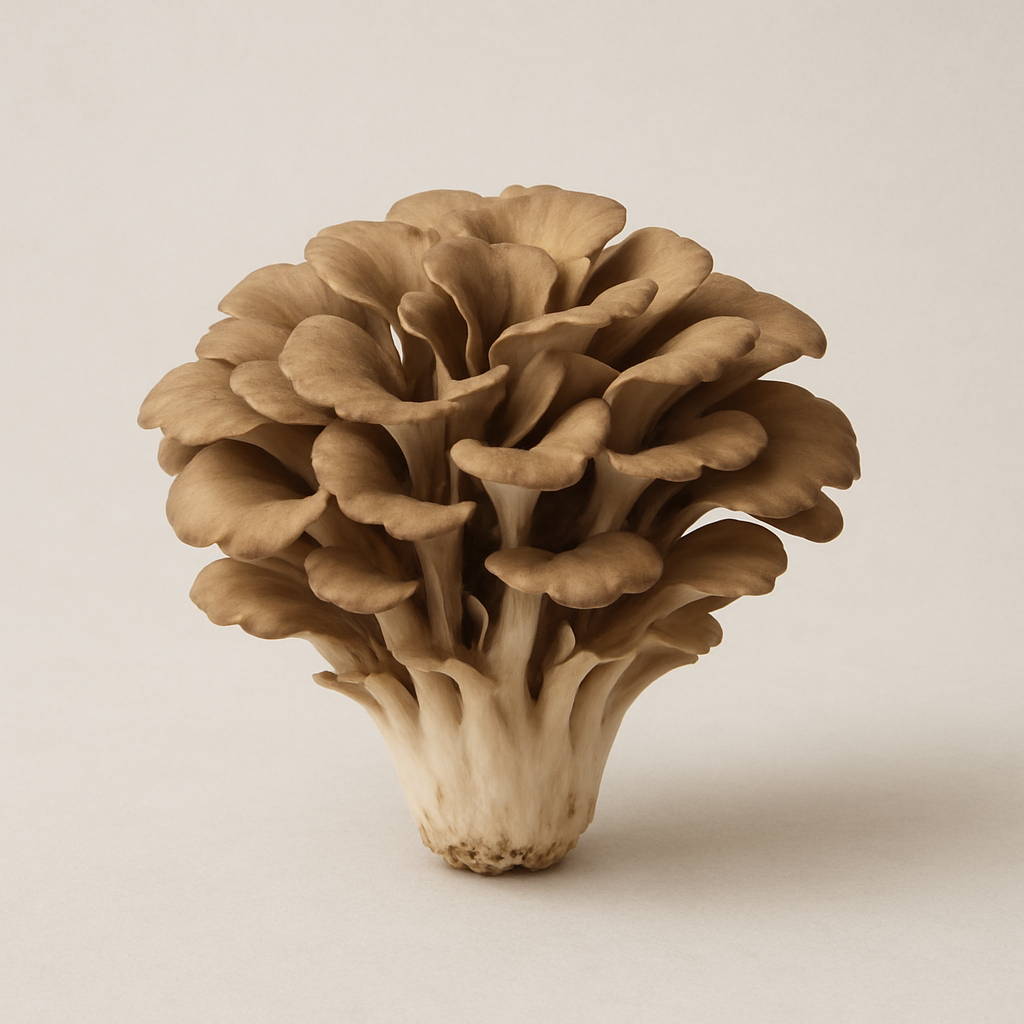
Chaga (Inonotus obliquus) is a parasitic fungus that primarily grows on birch trees in cold regions, including parts of North America, Europe, and Asia. Known for its distinctive black, charred appearance, Chaga has been utilized for centuries in traditional medicine, particularly in Russia and Eastern Europe, where it is revered for its potential health benefits. The inner orange-brown layer, rich in nutrients, is often harvested for various health applications.
Key Active Compounds & Mechanisms
Chaga is packed with a variety of bioactive compounds that contribute to its medicinal properties. Some key components include:
- Beta-glucans: These polysaccharides are known for their immune-boosting properties.
- Antioxidants: Chaga contains a high level of antioxidants, particularly melanin and superoxide dismutase, which help combat oxidative stress.
- Triterpenoids: These compounds may have anti-inflammatory and cholesterol-lowering effects.
- Phenolic compounds: These contribute to Chaga's potential anti-cancer properties and overall health benefits.
The combination of these compounds suggests a multifaceted approach to supporting health, particularly in immune function and inflammation reduction.
Traditional Uses
Historically, Chaga has played a significant role in folk medicine. In Siberia, it has been used for centuries as a remedy for a variety of ailments, including:
- Digestive issues
- Skin conditions
- Inflammation
- Immune system support
Traditional practices often involved brewing Chaga into a tea or creating extracts to be consumed for overall wellness. Its use in folk remedies highlights the deep-rooted belief in its healing properties, passed down through generations.
What Modern Research Suggests
Recent studies have begun to explore the health benefits of Chaga, with promising preliminary evidence. Research indicates that Chaga may:
- Enhance immune response through the modulation of immune cell activity.
- Exhibit anti-inflammatory effects, potentially aiding in the management of chronic inflammatory conditions.
- Show potential in cancer research, with some studies suggesting that Chaga extracts can inhibit tumor growth and metastasis in vitro.
While these findings are encouraging, further clinical research is necessary to fully understand Chaga's therapeutic potential and establish specific dosing guidelines.
Functional Actions
The functional actions of Chaga can be summarized as follows:
- Antioxidant: Protects cells from oxidative damage.
- Anti-inflammatory: Reduces inflammation in the body, potentially alleviating symptoms of chronic conditions.
- Immunomodulating: Supports and balances the immune system.
- Antimicrobial: Exhibits potential against various pathogens.
These actions contribute to Chaga's reputation as a potent natural remedy, making it a popular choice among herbal enthusiasts.
Body Systems Supported
Chaga is believed to support several body systems, including:
- Immune System: Enhances the body's natural defenses.
- Digestive System: May aid in digestion and gut health.
- Integumentary System: Supports skin health and may improve conditions like eczema or psoriasis.
- Cardiovascular System: Potentially supports heart health by lowering cholesterol levels.
This broad spectrum of support makes Chaga a versatile addition to a natural health regimen.
Common Forms & Educational Dosing Ranges
Chaga is available in various forms, including:
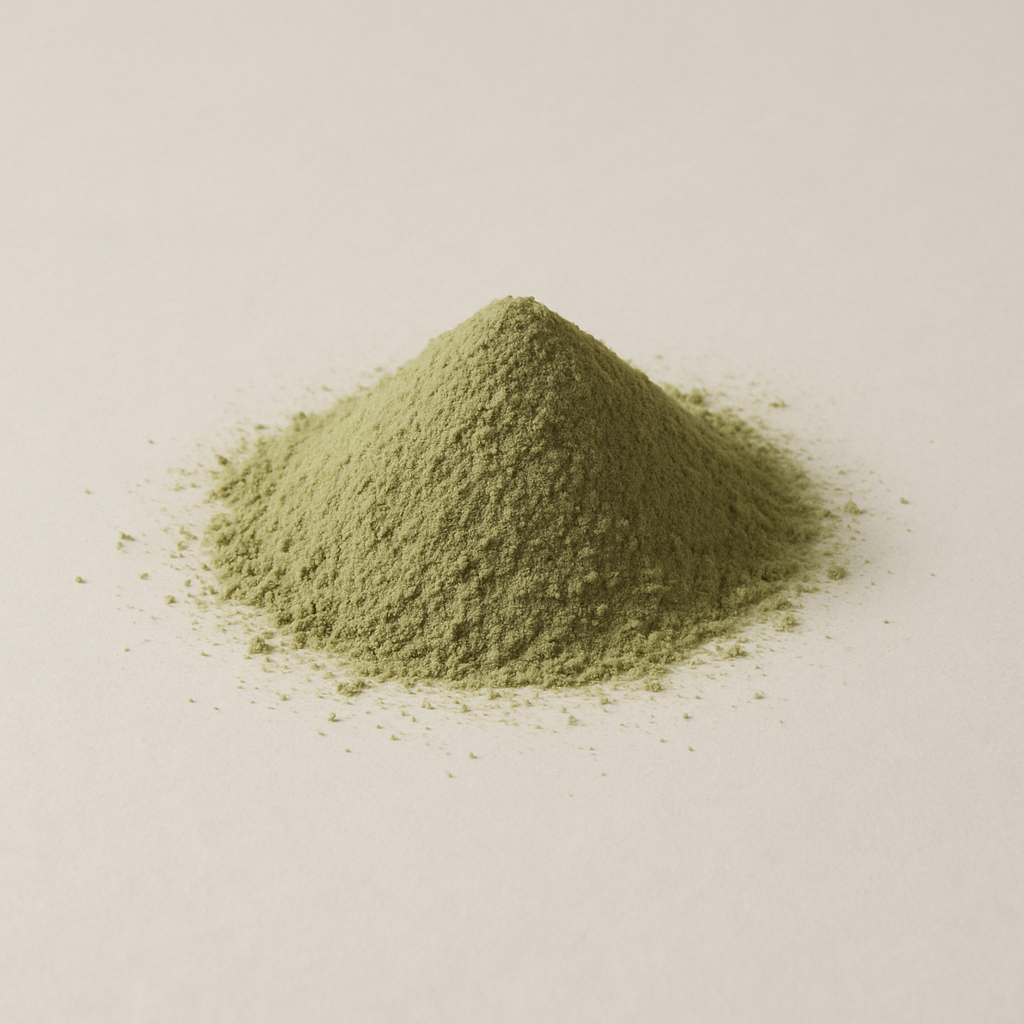
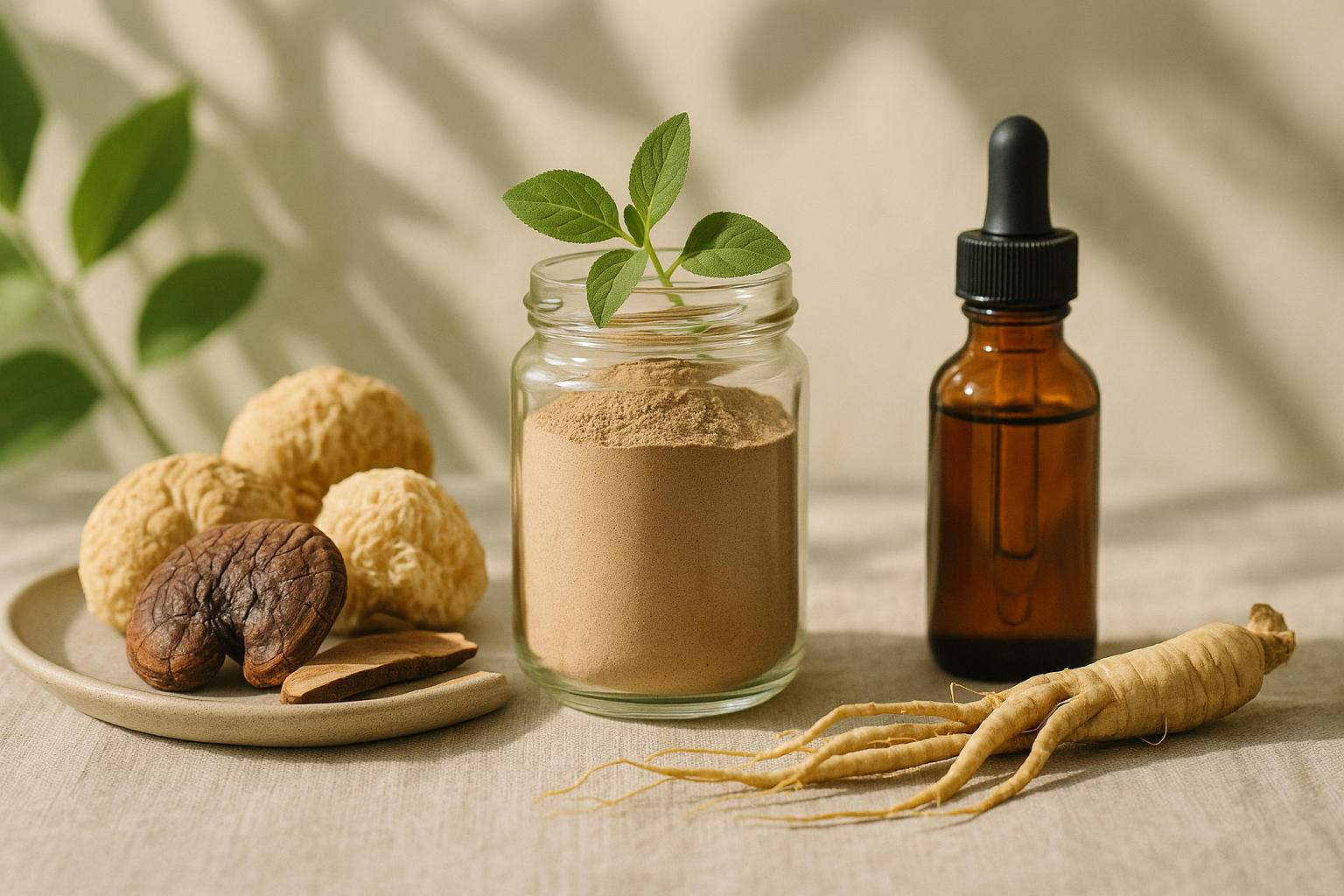
- Chaga Powder: Can be added to smoothies, teas, or baked goods.
- Chaga Tea: Brewed from Chaga chunks or powder, providing a warm, nourishing beverage.
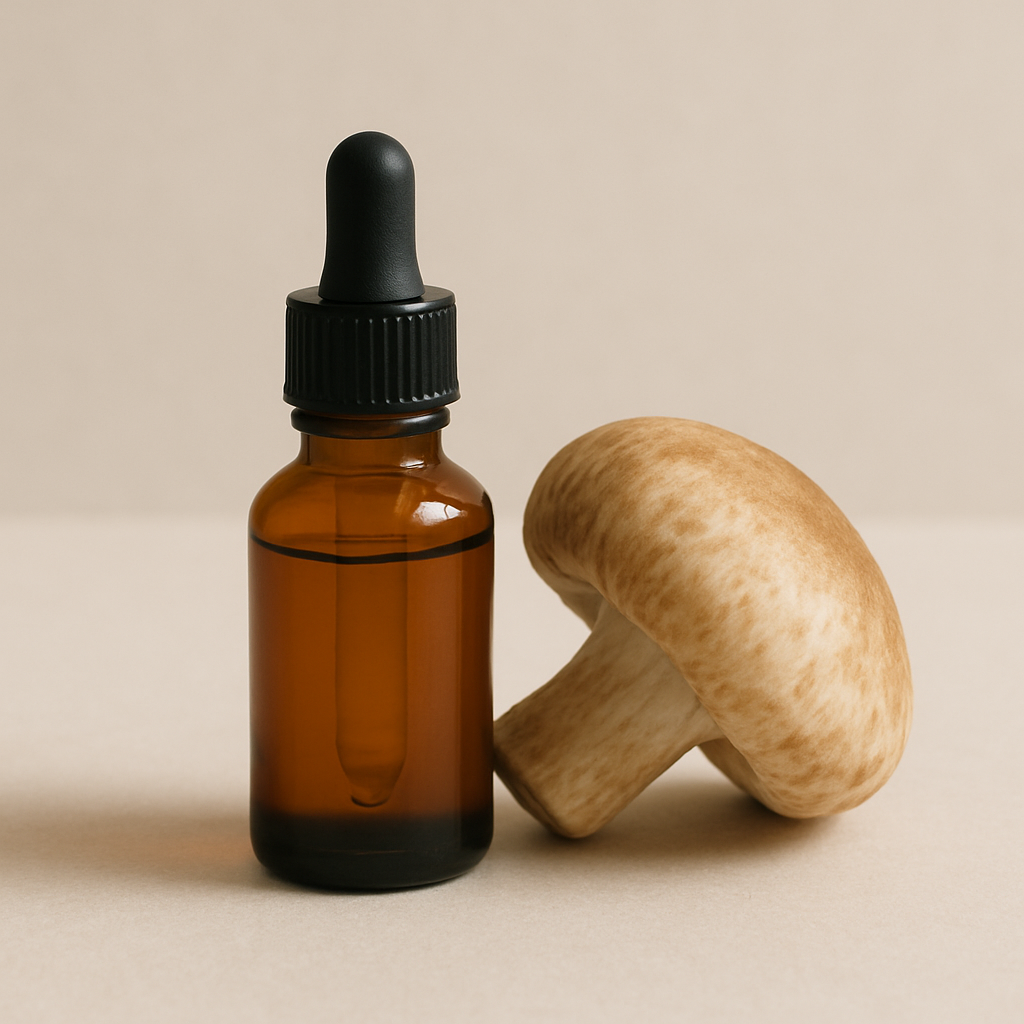
- Chaga Extracts: Concentrated forms that can be taken as capsules or liquid tinctures.
Educational dosing ranges vary, but a common guideline is:
- Powder: 1-2 teaspoons (3-6 grams) per day.
- Extract: Follow the manufacturer's recommendations, typically ranging from 500 mg to 1500 mg daily.
As with any supplement, it is advisable to start with lower doses to assess tolerance.
Safety, Contraindications & Interactions
Chaga is generally considered safe for most people when consumed in moderate amounts. However, certain individuals should exercise caution:
- People taking anticoagulant medications: Chaga may enhance the effects of these drugs, increasing the risk of bleeding.
- Individuals with autoimmune diseases: Chaga's immune-modulating effects may exacerbate symptoms.
- Pregnant or breastfeeding women: Limited research is available, so it's best to avoid use.
Always consult with a healthcare provider before beginning any new supplement, especially if you have existing health conditions or are on medication.
Pairs Well With
Chaga can be combined with other natural remedies to enhance its benefits, such as:
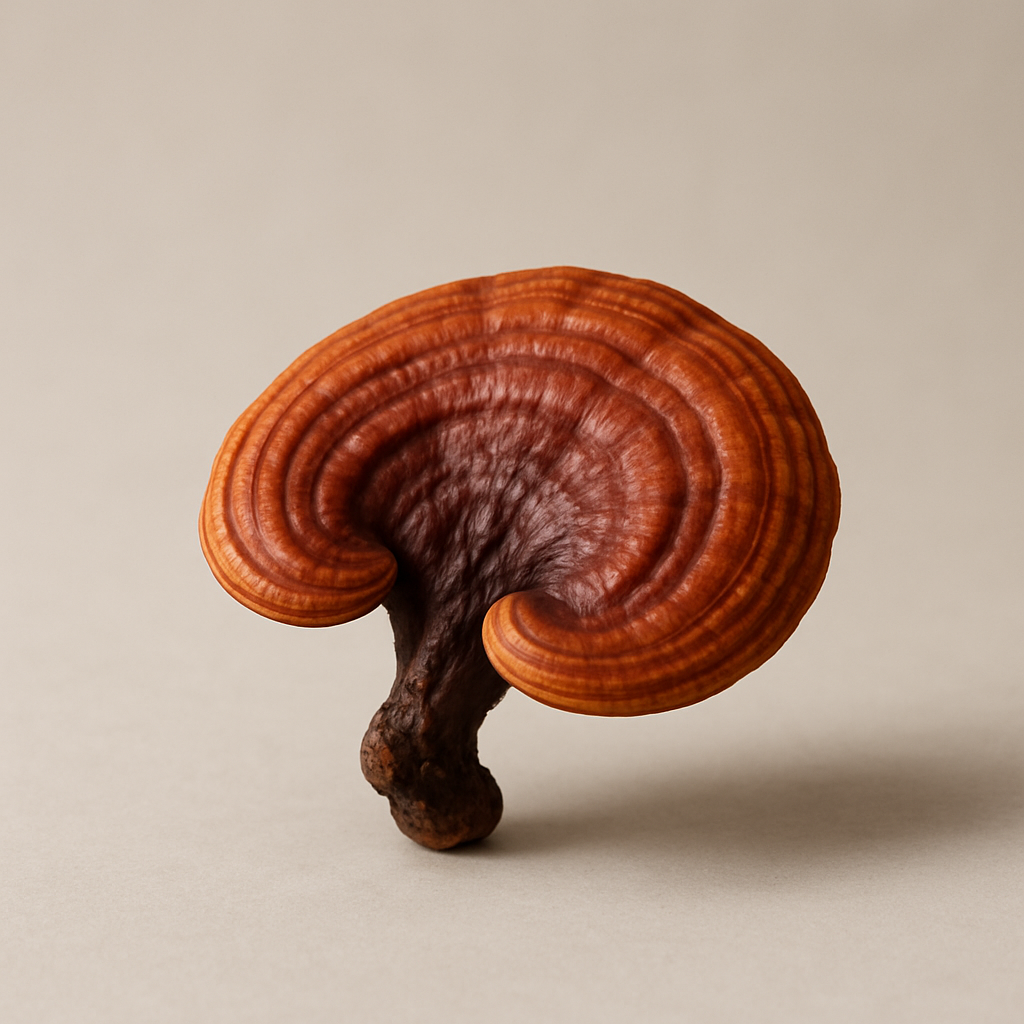
- Reishi Mushroom: For added immune support.
- Turmeric: To boost anti-inflammatory effects.
- Ginger: For digestive health and flavor.
- Honey: To sweeten Chaga tea and add additional health benefits.
These pairings can create a synergistic effect, amplifying the overall health benefits.
FAQs (5)
- What is Chaga mushroom good for? Chaga is believed to support immune health, reduce inflammation, and may have antioxidant and anti-cancer properties.
- How do you take Chaga? Chaga can be consumed as a powder, tea, or extract, depending on personal preference.
- Is Chaga safe to take daily? For most people, moderate daily use is considered safe; however, consult a healthcare provider for personalized advice.
- Can Chaga interact with medications? Yes, particularly anticoagulants; it's essential to speak with a healthcare provider if you are on medication.
- Where can I buy Chaga? Chaga can be found in health food stores, online retailers, and specialty herbal shops.
Frequently asked
What is Chaga mushroom good for?
Chaga is believed to support immune health, reduce inflammation, and may have antioxidant and anti-cancer properties.
How do you take Chaga?
Chaga can be consumed as a powder, tea, or extract, depending on personal preference.
Is Chaga safe to take daily?
For most people, moderate daily use is considered safe; however, consult a healthcare provider for personalized advice.
Can Chaga interact with medications?
Yes, particularly anticoagulants; it's essential to speak with a healthcare provider if you are on medication.
Where can I buy Chaga?
Chaga can be found in health food stores, online retailers, and specialty herbal shops.