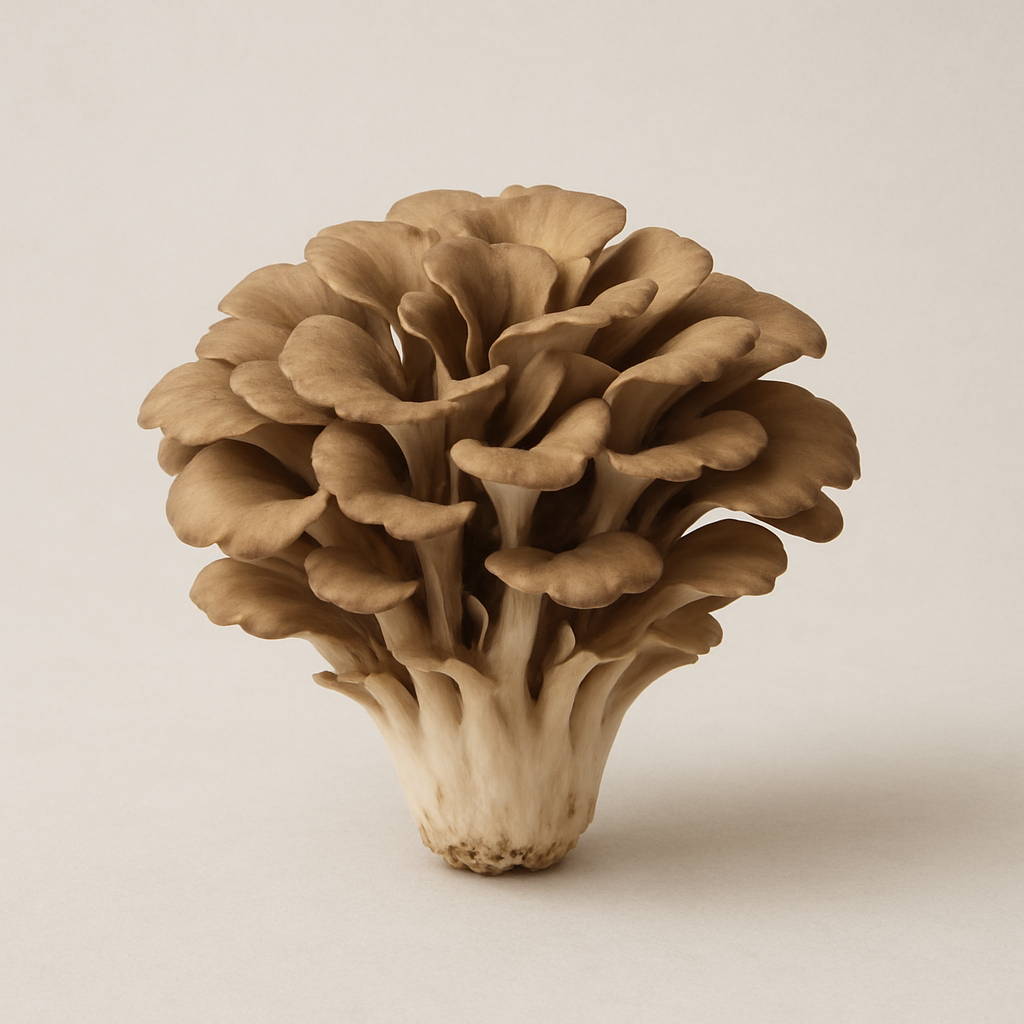
Adaptogenic Mushrooms
Explore the world of adaptogenic mushrooms, their traditional uses, modern research, and how they can support your health.

Discover the benefits and uses of adaptogenic mushrooms, a fascinating category within medicinal mushrooms that supports stress resilience and overall well-being.
What It Is
Adaptogenic mushrooms are a unique group of fungi known for their ability to enhance the body's resilience to stress and support overall vitality. This category includes various mushroom species that possess adaptogenic properties, helping to balance physiological functions and promote homeostasis. Some of the most well-known adaptogenic mushrooms include Reishi (Ganoderma lucidum), Cordyceps (Cordyceps sinensis), and Lion's Mane (Hericium erinaceus).
Key Active Compounds & Mechanisms
The adaptogenic properties of these mushrooms are attributed to their rich content of bioactive compounds. Key active components include:
- Beta-glucans: Polysaccharides that enhance the immune response and support overall health.
- Triterpenes: Compounds that have anti-inflammatory and stress-reducing effects.
- Ergothioneine: An antioxidant that protects cells from oxidative stress.
- Polysaccharopeptides: Known for their immune-boosting and anti-fatigue properties.
These compounds work synergistically to modulate the body's stress response, improve energy levels, and promote mental clarity.
Traditional Uses
Adaptogenic mushrooms have a long history of use in traditional medicine systems around the world. In Traditional Chinese Medicine (TCM), Reishi is revered as the "Mushroom of Immortality" and is used to promote longevity and balance. Cordyceps has been used in Tibetan medicine for centuries to enhance stamina and vitality, particularly among athletes. Lion's Mane has been utilized in Japanese and Chinese cultures for its cognitive-enhancing properties, believed to support memory and concentration.
What Modern Research Suggests
Modern studies on adaptogenic mushrooms are still in the early stages but indicate promising benefits. Research suggests that:
- Reishi may help reduce anxiety and improve sleep quality.
- Cordyceps could enhance exercise performance and boost energy levels.
- Lion's Mane has been shown to promote nerve growth factor (NGF) production, which is essential for brain health.
While these findings are encouraging, further clinical trials are needed to establish definitive health claims.
Functional Actions
Adaptogenic mushrooms exhibit several functional actions, including:
- Stress Reduction: They help modulate the body's response to stress, providing a sense of calm.
- Immune Support: Their immune-boosting properties may help fend off illness.
- Energy Enhancement: These mushrooms can improve stamina and reduce fatigue.
- Cognitive Improvement: Certain species may enhance mental clarity and focus.
Body Systems Supported
Adaptogenic mushrooms support various body systems, including:
- Nervous System: Enhances cognitive function and reduces stress.
- Immune System: Boosts the body's defense mechanisms.
- Endocrine System: Balances hormone levels, particularly stress hormones.
- Musculoskeletal System: Improves energy and endurance.
Common Forms & Educational Dosing Ranges
Adaptogenic mushrooms are available in several forms, including:
- Powder: Can be added to smoothies, teas, or meals.
- Capsules: Convenient for daily supplementation.
- Tinctures: Extracts that can be added to beverages.
Educational dosing ranges vary by species:
- Reishi: 1-2 grams daily.
- Cordyceps: 1-3 grams daily.
- Lion's Mane: 500-3000 mg daily.
It's advisable to start with lower doses and gradually increase as needed, consulting a healthcare provider for personalized recommendations.
Safety, Contraindications & Interactions
While generally considered safe for most individuals, some precautions should be noted:
- Reishi may cause digestive upset in some individuals.
- Cordyceps might interact with blood-thinning medications.
- Lion's Mane is usually well-tolerated but may cause allergic reactions in rare cases.
Individuals taking medications for diabetes, blood pressure, or those with auto-immune conditions should consult a healthcare provider before using adaptogenic mushrooms.
Pairs Well With
Adaptogenic mushrooms can be combined with other natural remedies for enhanced effects:
- Herbal Teas: Such as chamomile or peppermint for calming effects.
- Other Adaptogens: Like Ashwagandha or Rhodiola for comprehensive stress support.
- Nutritious Foods: Incorporating into smoothies or soups for added health benefits.
FAQs (5)
- What are adaptogenic mushrooms?
Adaptogenic mushrooms are fungi that help the body adapt to stress and promote overall health. - How do I consume adaptogenic mushrooms?
They can be taken in powder, capsule, or tincture form. - Are there any side effects?
While generally safe, some people may experience digestive upset or allergic reactions. - Can I take adaptogenic mushrooms with other supplements?
Yes, they can be paired with other adaptogens and health-promoting foods. - How long does it take to feel the effects?
Effects can vary, but many individuals report benefits within a few weeks of regular use.
Frequently asked
What are adaptogenic mushrooms?
Adaptogenic mushrooms are fungi that help the body adapt to stress and promote overall health.
How do I consume adaptogenic mushrooms?
They can be taken in powder, capsule, or tincture form.
Are there any side effects?
While generally safe, some people may experience digestive upset or allergic reactions.
Can I take adaptogenic mushrooms with other supplements?
Yes, they can be paired with other adaptogens and health-promoting foods.
How long does it take to feel the effects?
Effects can vary, but many individuals report benefits within a few weeks of regular use.