Recovery Mushrooms
Learn about Recovery Mushrooms, their benefits, traditional uses, and how they can support your health and recovery.
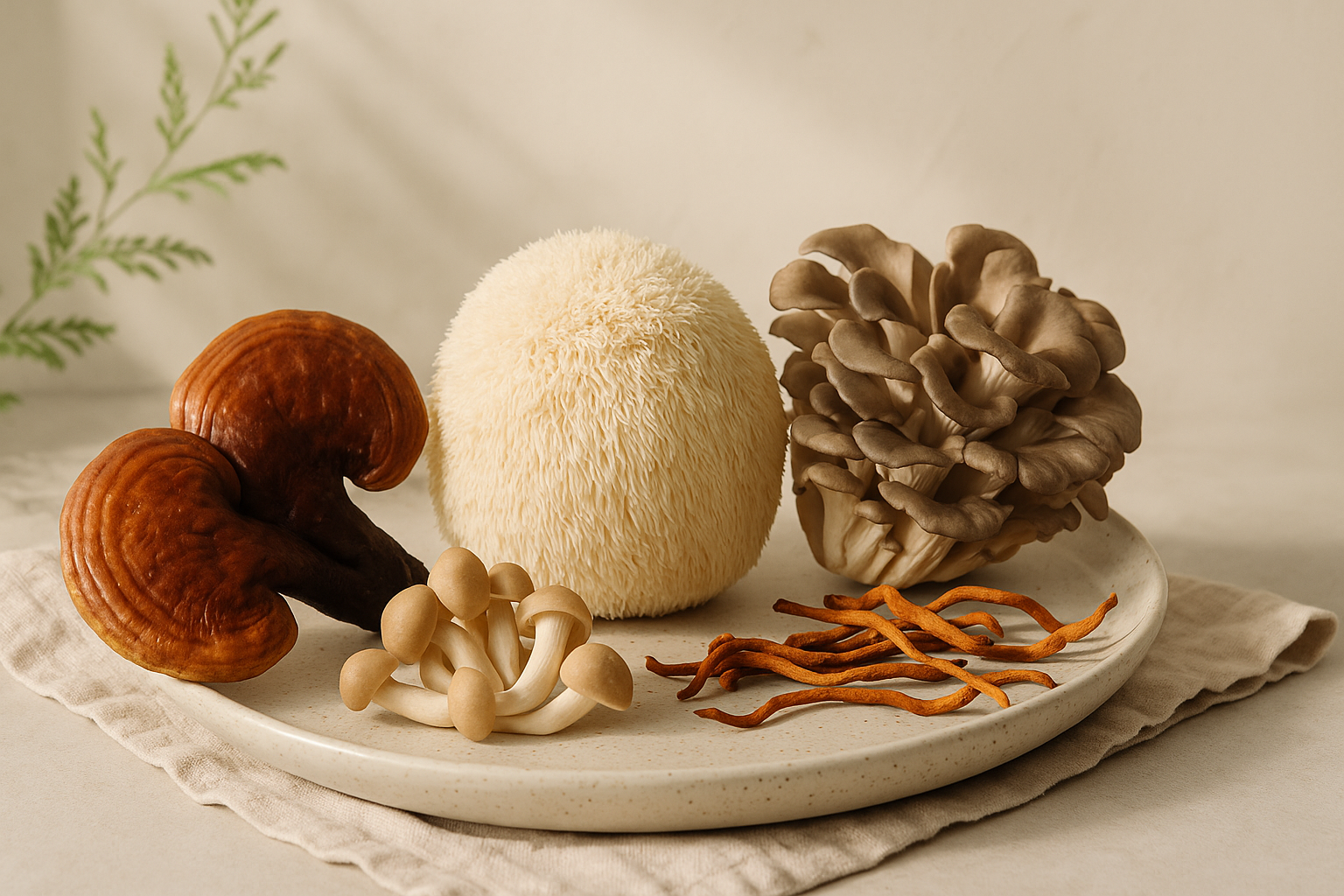
Explore the world of Recovery Mushrooms, a fascinating subcategory of Medicinal Mushrooms known for their potential benefits in enhancing recovery and overall well-being. Discover their active compounds, traditional uses, modern research, and more.
What It Is
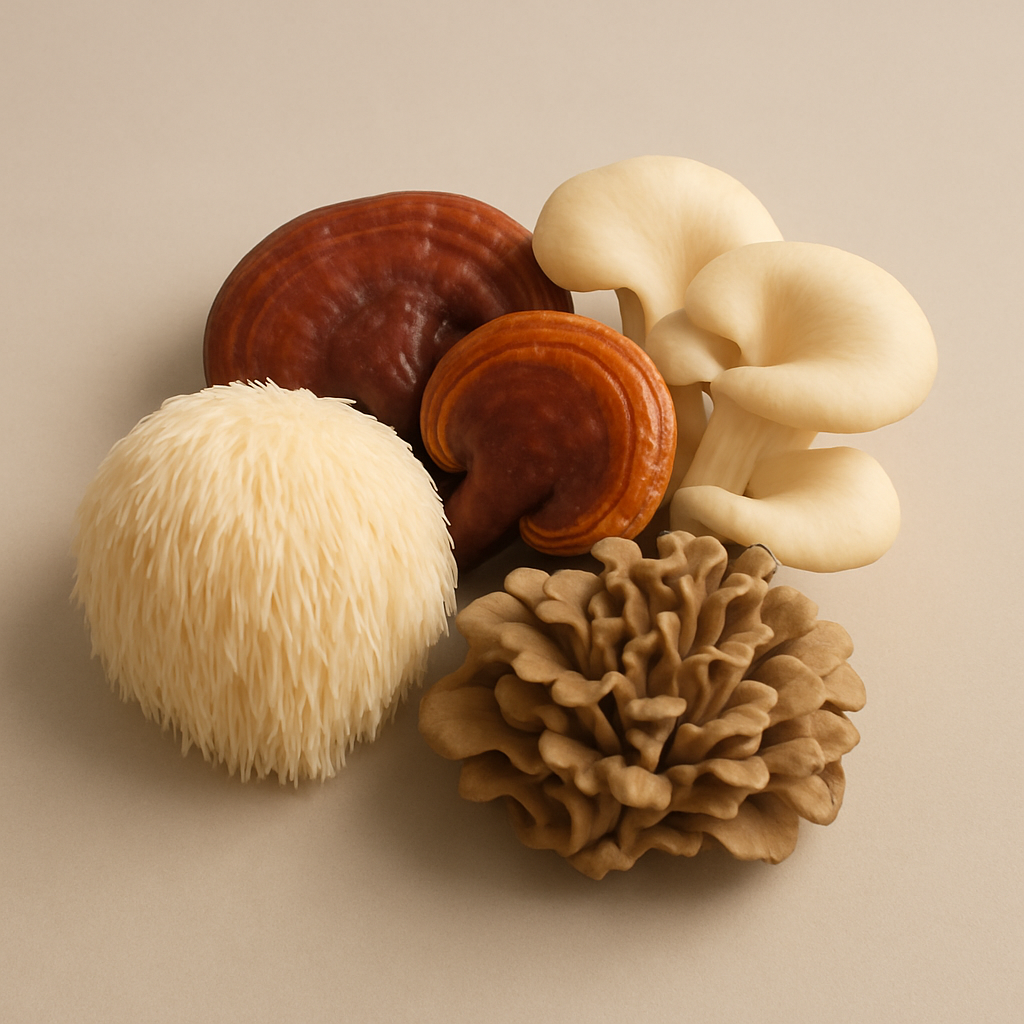
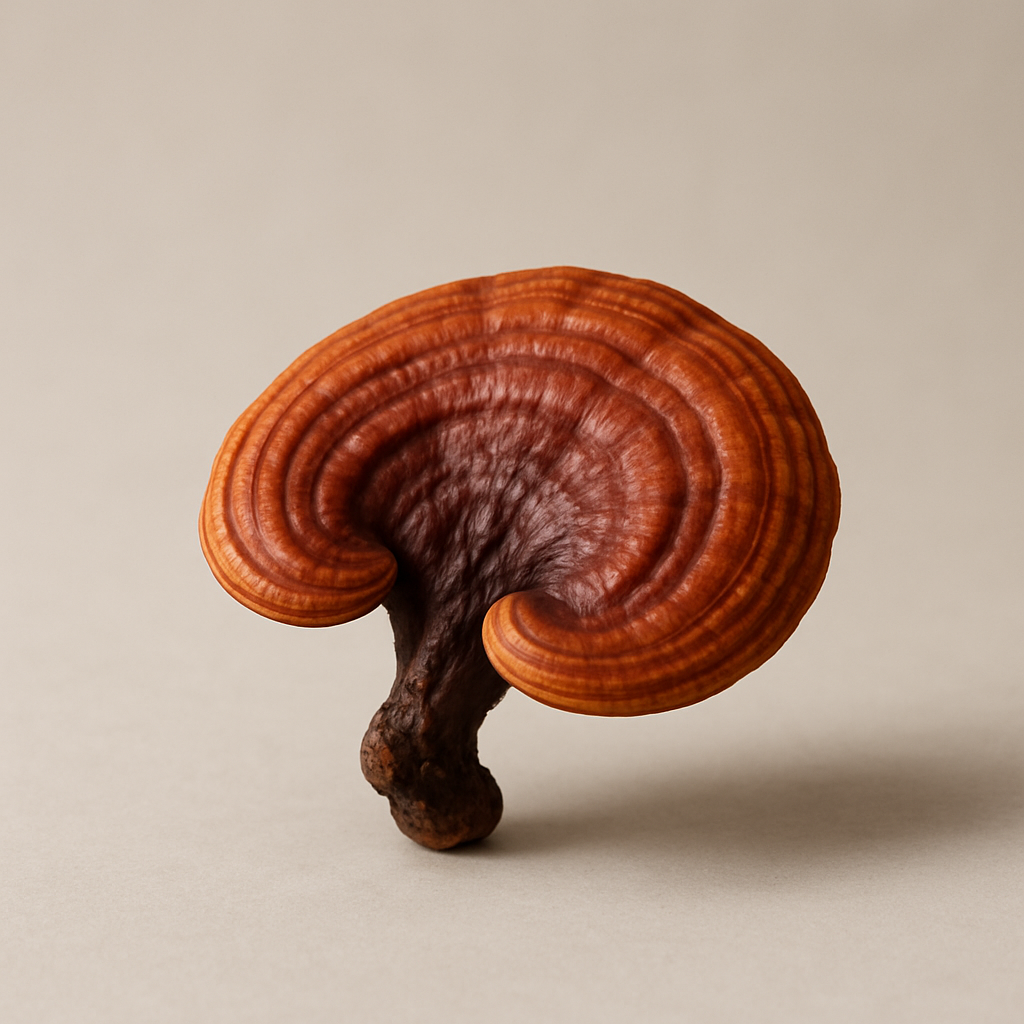
Recovery mushrooms refer to specific types of medicinal fungi known for their potential to support physical recovery, immune function, and overall vitality. Notable examples include Reishi (Ganoderma lucidum), Chaga (Inonotus obliquus), and Lion's Mane (Hericium erinaceus). These mushrooms are increasingly recognized in holistic health circles for their ability to assist the body in healing and rejuvenation.
Key Active Compounds & Mechanisms
Recovery mushrooms contain various bioactive compounds that contribute to their health benefits. Key components include:
- Beta-glucans: These polysaccharides are known for their immune-modulating effects.
- Triterpenes: Found in Reishi mushrooms, these compounds may help reduce inflammation and support liver health.
- Antioxidants: Compounds like superoxide dismutase in Chaga help combat oxidative stress.
- Hericenones and Erinacines: Found in Lion's Mane, these compounds are believed to support nerve growth and cognitive function.
The synergistic action of these compounds enhances the mushrooms’ overall effectiveness in promoting recovery.
Traditional Uses
Historically, recovery mushrooms have been used in various cultures for their restorative properties:
- Reishi: Revered in Traditional Chinese Medicine for centuries, Reishi has been used to enhance vitality and longevity.
- Chaga: Traditionally consumed in Siberian cultures, Chaga tea was believed to strengthen the immune system and promote overall health.
- Lion's Mane: Used in ancient Chinese and Japanese medicine, this mushroom has been associated with cognitive enhancement and nerve health.
These traditional practices highlight the longstanding significance of recovery mushrooms in holistic health.
What Modern Research Suggests
Contemporary studies are beginning to affirm the benefits attributed to recovery mushrooms:
- Research on Reishi has shown potential for immune system enhancement and stress reduction.
- Chaga is being studied for its antioxidant properties and its effects on inflammation.
- Lion's Mane has garnered attention for its neuroprotective effects and may aid cognitive function.
While promising, it is essential to consult healthcare professionals and approach these findings with caution.
Functional Actions
The functional actions of recovery mushrooms can be summarized as follows:
- Immune Support: Enhancing the body's defense mechanisms.
- Anti-inflammatory: Reducing inflammation, which can aid in recovery from physical exertion.
- Antioxidant Activity: Protecting cells from oxidative damage.
- Neuroprotection: Supporting brain health and cognitive function.
Body Systems Supported
Recovery mushrooms are known to support several body systems, including:
- Immune System: Bolstering the body's defenses against pathogens.
- Nervous System: Promoting cognitive health and potentially aiding in nerve regeneration.
- Digestive System: Some mushrooms, like Reishi, have been shown to support gut health.
- Endocrine System: Helping to balance stress hormones and support overall hormonal health.
Common Forms & Educational Dosing Ranges
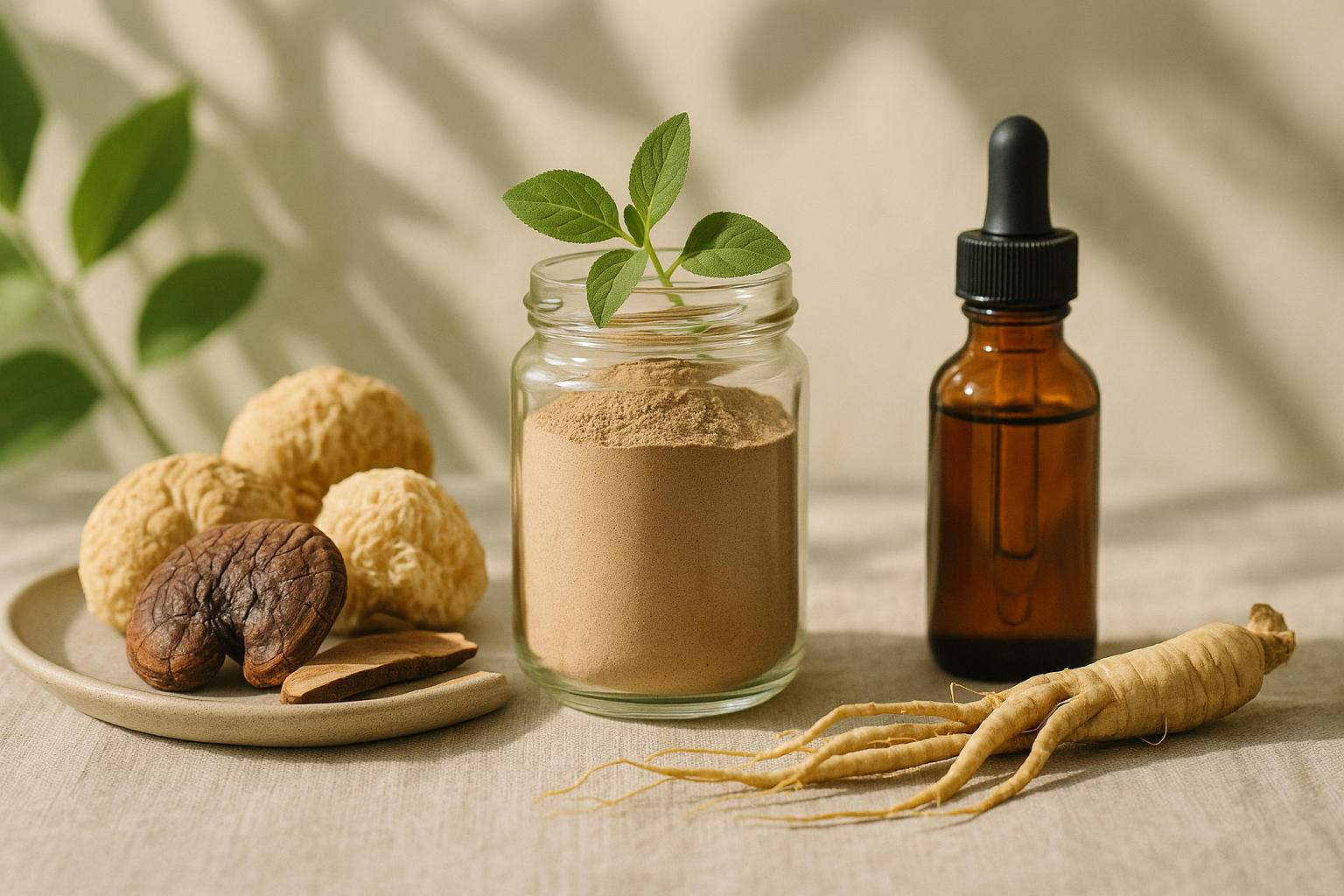
Recovery mushrooms can be found in various forms, including:
- Powders: Easily added to smoothies or foods.
- Capsules: Convenient for those seeking targeted doses.
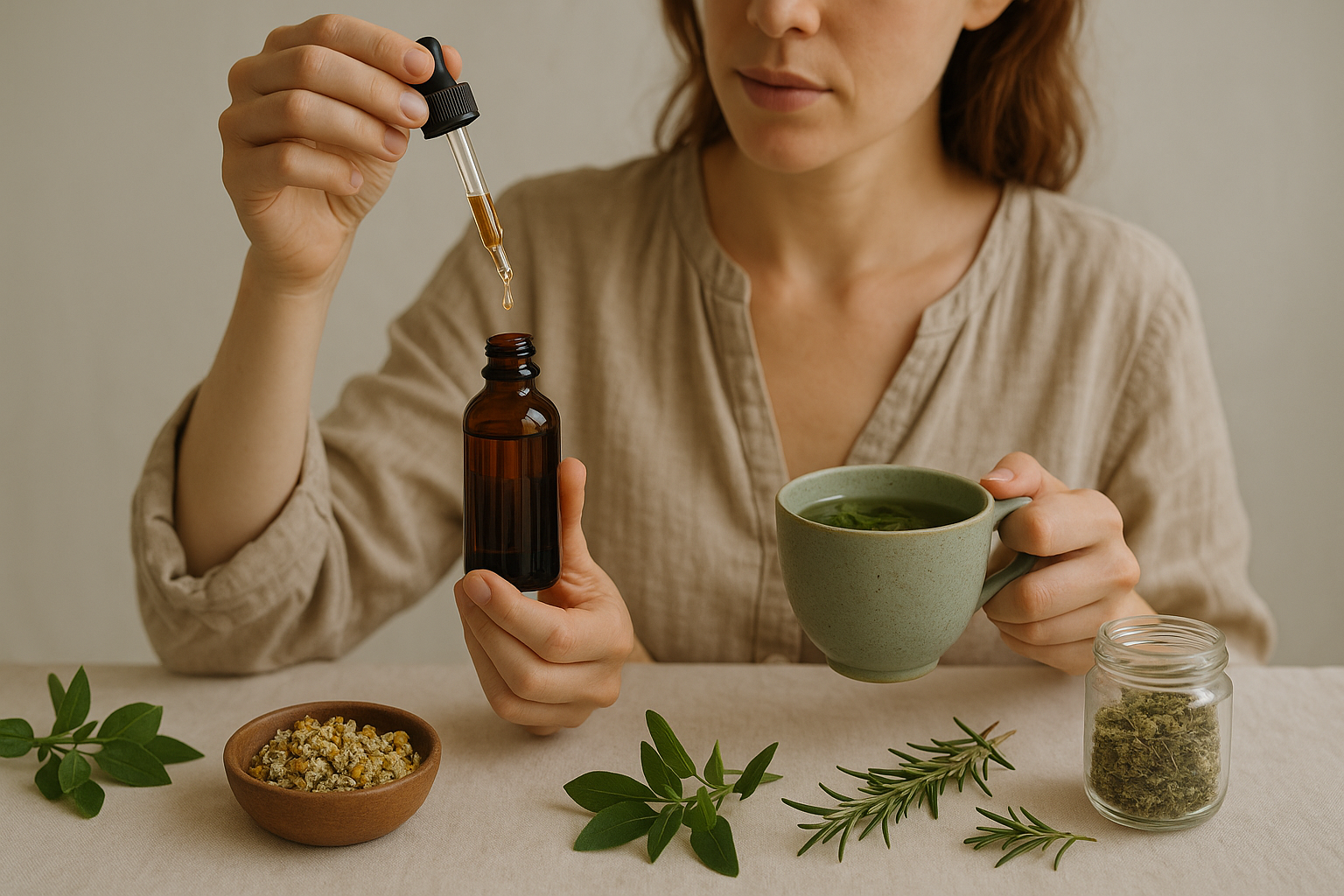
- Tinctures: Concentrated extracts that can be taken sublingually or added to beverages.
- Teas: Traditional preparation for Chaga and other mushrooms.
Educational dosing ranges can vary, but generally:
- Reishi: 1.5 to 9 grams per day.
- Chaga: 1 to 3 grams per day.
- Lion's Mane: 1 to 3 grams per day.
It is advisable to start with lower doses and consult with a healthcare provider for personalized recommendations.
Safety, Contraindications & Interactions
While recovery mushrooms are generally considered safe for most individuals, there are some precautions:
- Individuals with mushroom allergies should avoid these products.
- Reishi may interact with anticoagulant medications, increasing bleeding risk.
- Chaga may affect blood sugar levels, so those on diabetes medication should use caution.
- Consult a healthcare professional if pregnant, nursing, or taking medications.
Pairs Well With
Recovery mushrooms can be effectively combined with other natural remedies to enhance their benefits:
- Turmeric: For additional anti-inflammatory effects.
- Ginger: To support digestion and further boost immunity.
- Adaptogens: Such as Ashwagandha or Rhodiola, for stress support.
- Omega-3 fatty acids: To promote brain health alongside Lion's Mane.
FAQs (5)
- What are recovery mushrooms? Recovery mushrooms are medicinal fungi known for supporting recovery, immune function, and overall vitality.
- How do I take recovery mushrooms? They can be consumed in powders, capsules, tinctures, or teas, depending on preference.
- Are there any side effects? Generally safe, but some individuals may experience digestive upset or allergic reactions.
- Can recovery mushrooms interact with medications? Yes, especially anticoagulants and diabetes medications. Consult a healthcare provider.
- How long does it take to see effects? Results can vary, but consistent use over weeks to months is often recommended for best results.
Frequently asked
What are recovery mushrooms?
Recovery mushrooms are medicinal fungi known for supporting recovery, immune function, and overall vitality.
How do I take recovery mushrooms?
They can be consumed in powders, capsules, tinctures, or teas, depending on preference.
Are there any side effects?
Generally safe, but some individuals may experience digestive upset or allergic reactions.
Can recovery mushrooms interact with medications?
Yes, especially anticoagulants and diabetes medications. Consult a healthcare provider.
How long does it take to see effects?
Results can vary, but consistent use over weeks to months is often recommended for best results.