Lion’s Mane
Learn about Lion’s Mane mushroom, its health benefits, traditional uses, and safety considerations in this comprehensive guide.
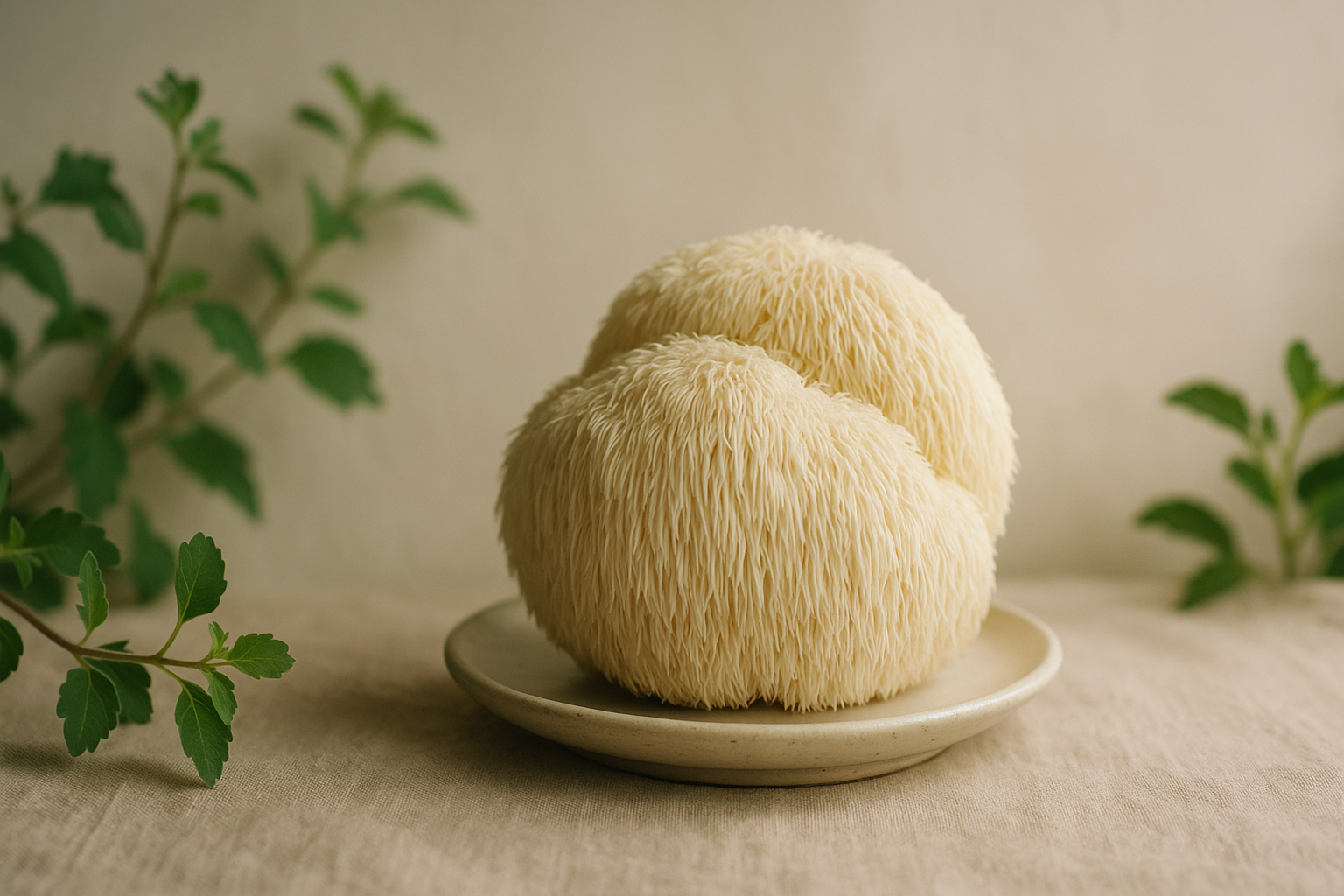
Explore the benefits and uses of Lion’s Mane mushroom (Hericium erinaceus), a remarkable medicinal mushroom known for its cognitive support and health-promoting properties. Discover its active compounds, traditional uses, modern research findings, and safe dosing guidelines.
What It Is
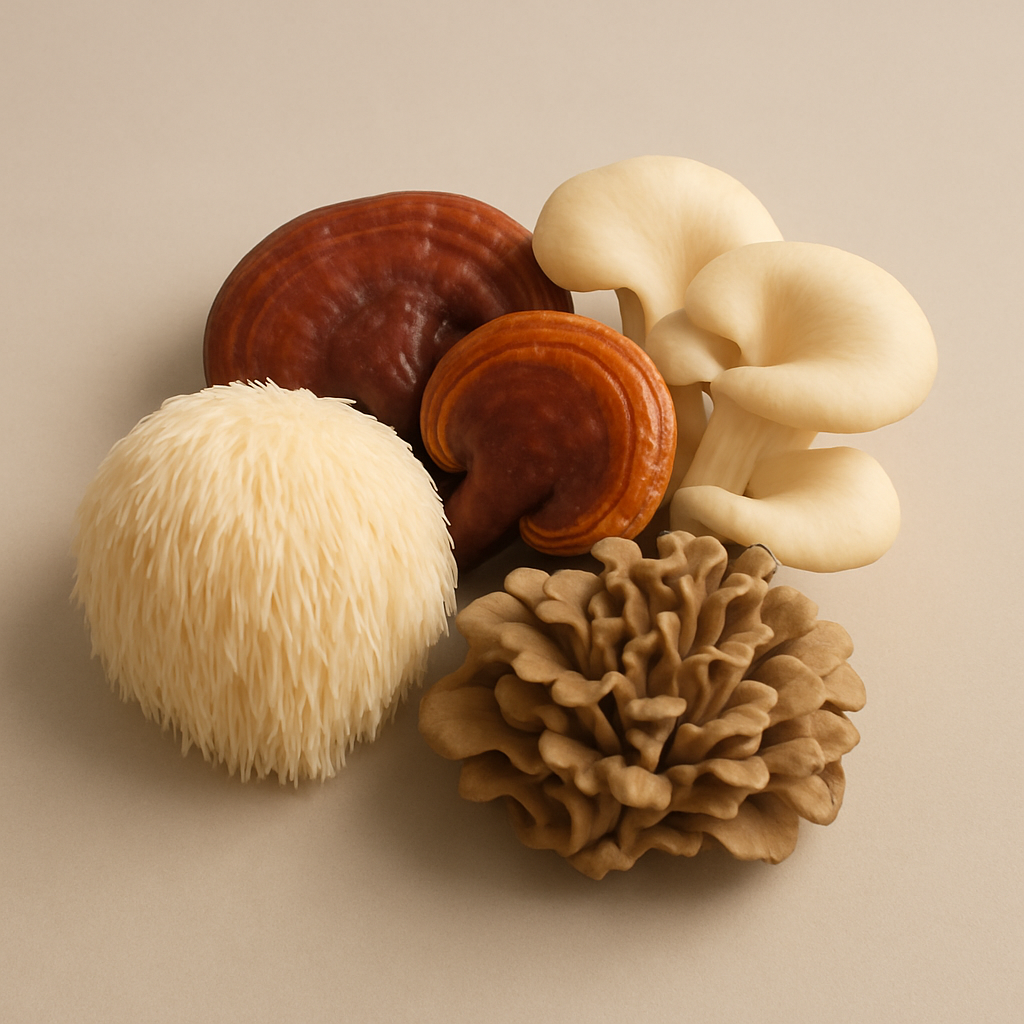
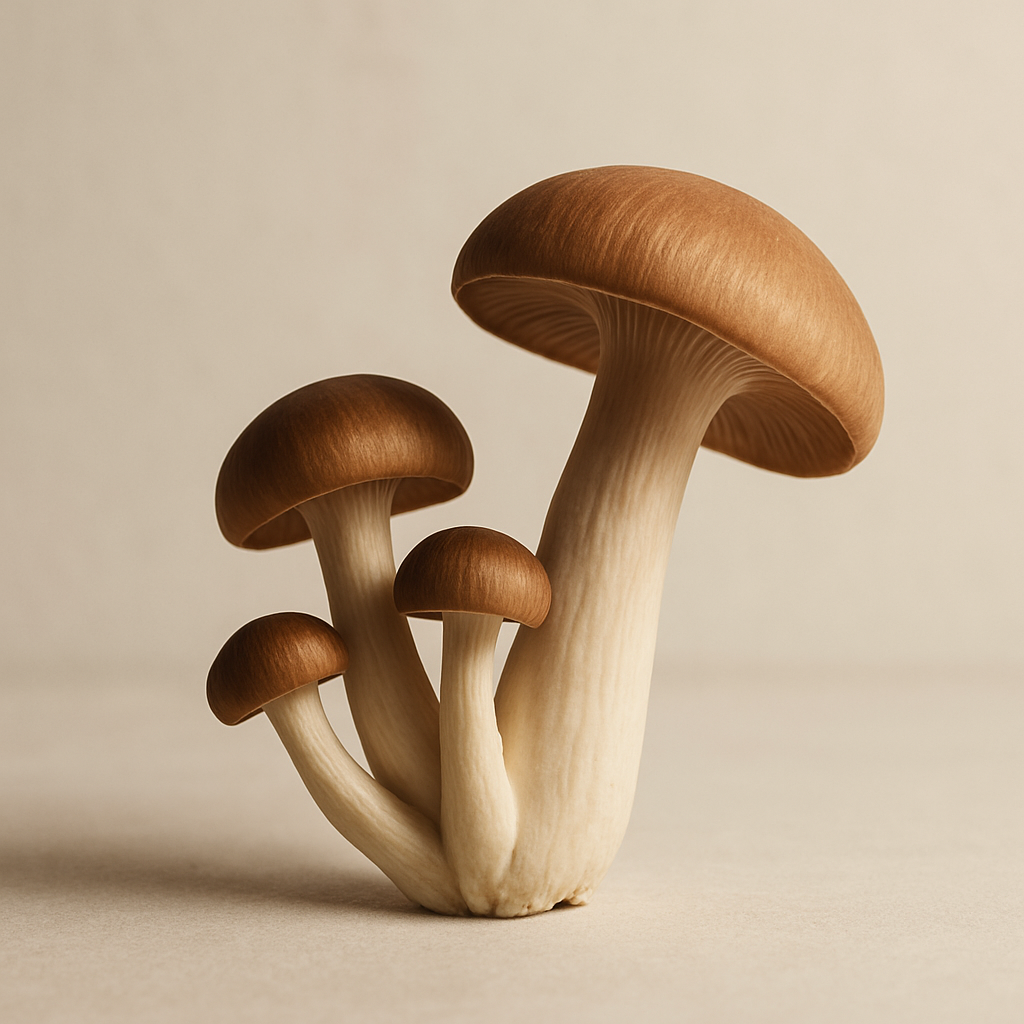
Lion’s Mane mushroom, scientifically known as Hericium erinaceus, is a distinctive edible fungus that resembles a lion's mane, hence its name. This medicinal mushroom is native to North America, Europe, and Asia, where it grows on hardwood trees. It has been celebrated for centuries for its culinary and medicinal properties, making it a significant part of various traditional practices.
Key Active Compounds & Mechanisms
Lion’s Mane contains several bioactive compounds that contribute to its health benefits. Notably, it is rich in:
- Hericenones - These compounds are believed to stimulate nerve growth factor (NGF) synthesis, which is essential for the survival and maintenance of neurons.
- Erinacines - These compounds have shown potential in promoting neurogenesis and may help protect against neurodegenerative diseases.
- Polysaccharides - These complex carbohydrates have immune-boosting properties and may play a role in reducing inflammation.
The combined effects of these compounds contribute to Lion’s Mane’s reputation as a cognitive enhancer and neuroprotective agent.
Traditional Uses
Historically, Lion’s Mane has been used in traditional Chinese medicine and other ancient healing practices. It has been valued for its ability to:
- Support digestive health by promoting the growth of beneficial gut bacteria.
- Enhance cognitive function, memory, and mental clarity.
- Boost overall immune function and general well-being.
In these traditions, Lion’s Mane is often prepared as a tea or incorporated into soups and other dishes, believed to provide both nutritional and therapeutic benefits.
What Modern Research Suggests
Recent studies have begun to support some of the traditional claims associated with Lion’s Mane. Preliminary research indicates that:
- It may enhance cognitive function and memory, potentially benefiting those with mild cognitive impairment.
- Its neuroprotective properties could offer promise in the treatment and prevention of neurodegenerative diseases such as Alzheimer’s and Parkinson’s.
- It shows anti-inflammatory and antioxidant effects, which may contribute to overall health and longevity.
While these findings are promising, more extensive clinical trials are necessary to fully understand Lion’s Mane’s efficacy and mechanisms.
Functional Actions
The functional actions of Lion’s Mane mushroom can be summarized as follows:
- Cognitive Support: Enhances memory, focus, and overall cognitive function.
- Neuroprotection: Protects against neuronal damage and promotes nerve regeneration.
- Immune Modulation: Supports the immune system by enhancing the activity of white blood cells.
- Anti-inflammatory: Reduces inflammation throughout the body, which is beneficial for various chronic conditions.
Body Systems Supported
Lion’s Mane mushroom is known to support several body systems, including:
- Nervous System: Promotes brain health and cognitive function.
- Immune System: Enhances the body’s natural defenses.
- Digestive System: Supports gut health and may help with digestive issues.
Common Forms & Educational Dosing Ranges
Lion’s Mane is available in various forms, including:
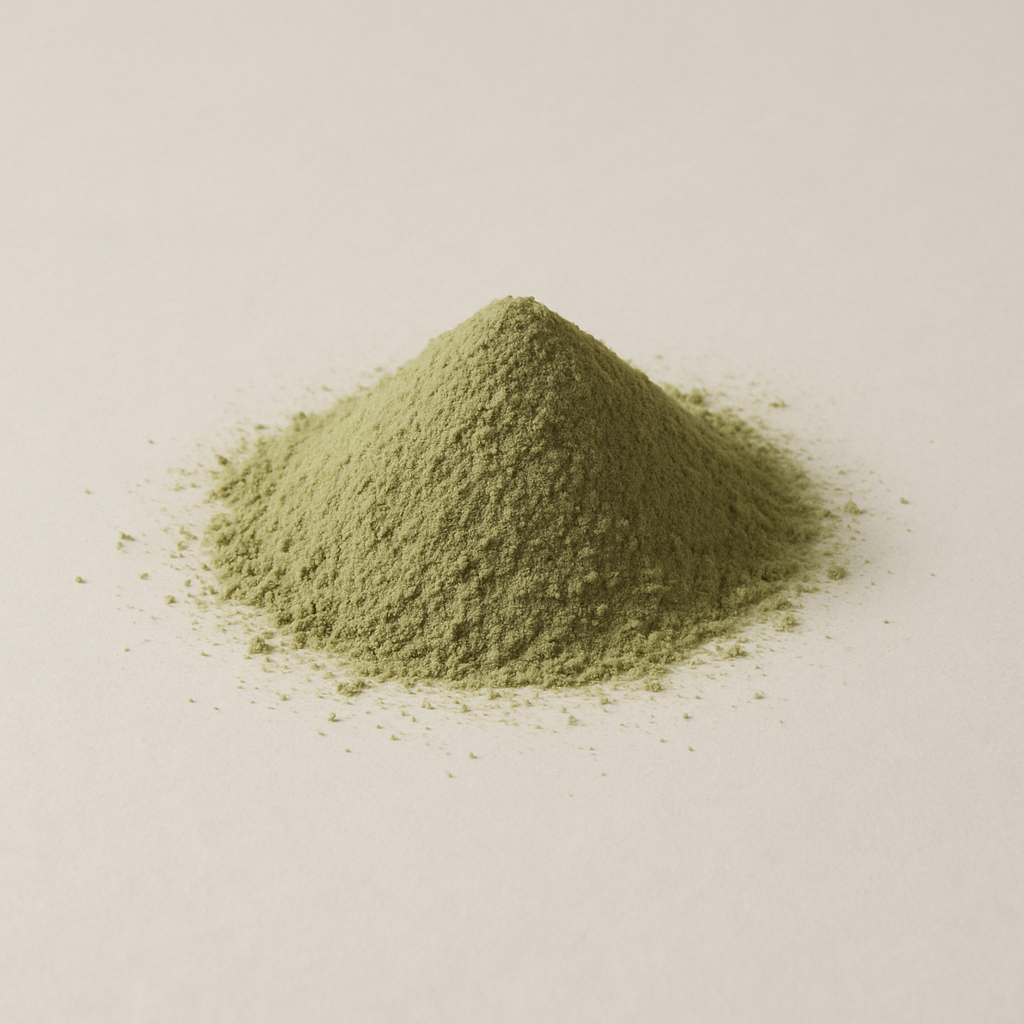
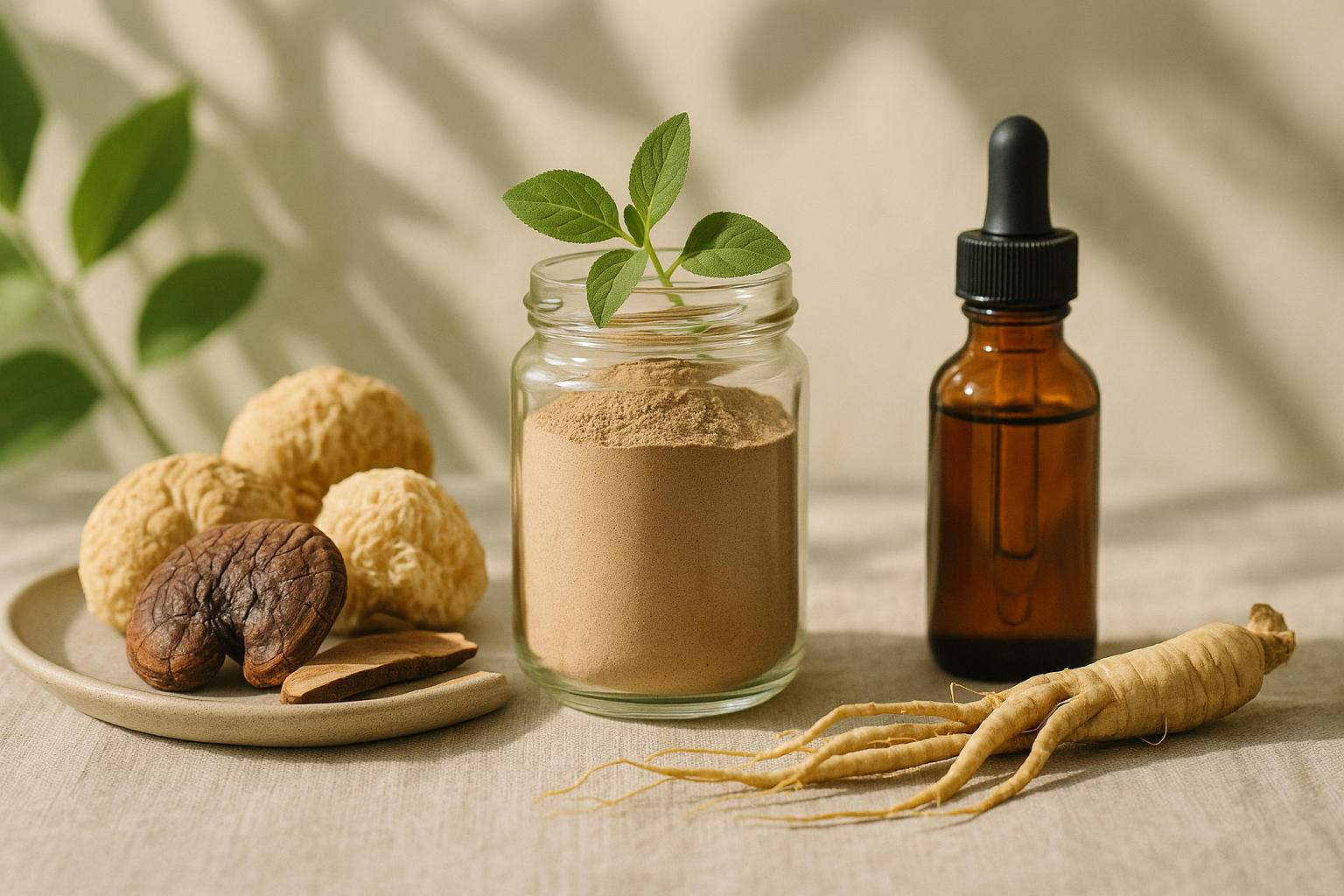
- Powder: Commonly added to smoothies, soups, and other foods. Typical dosing is 1-3 grams per day.
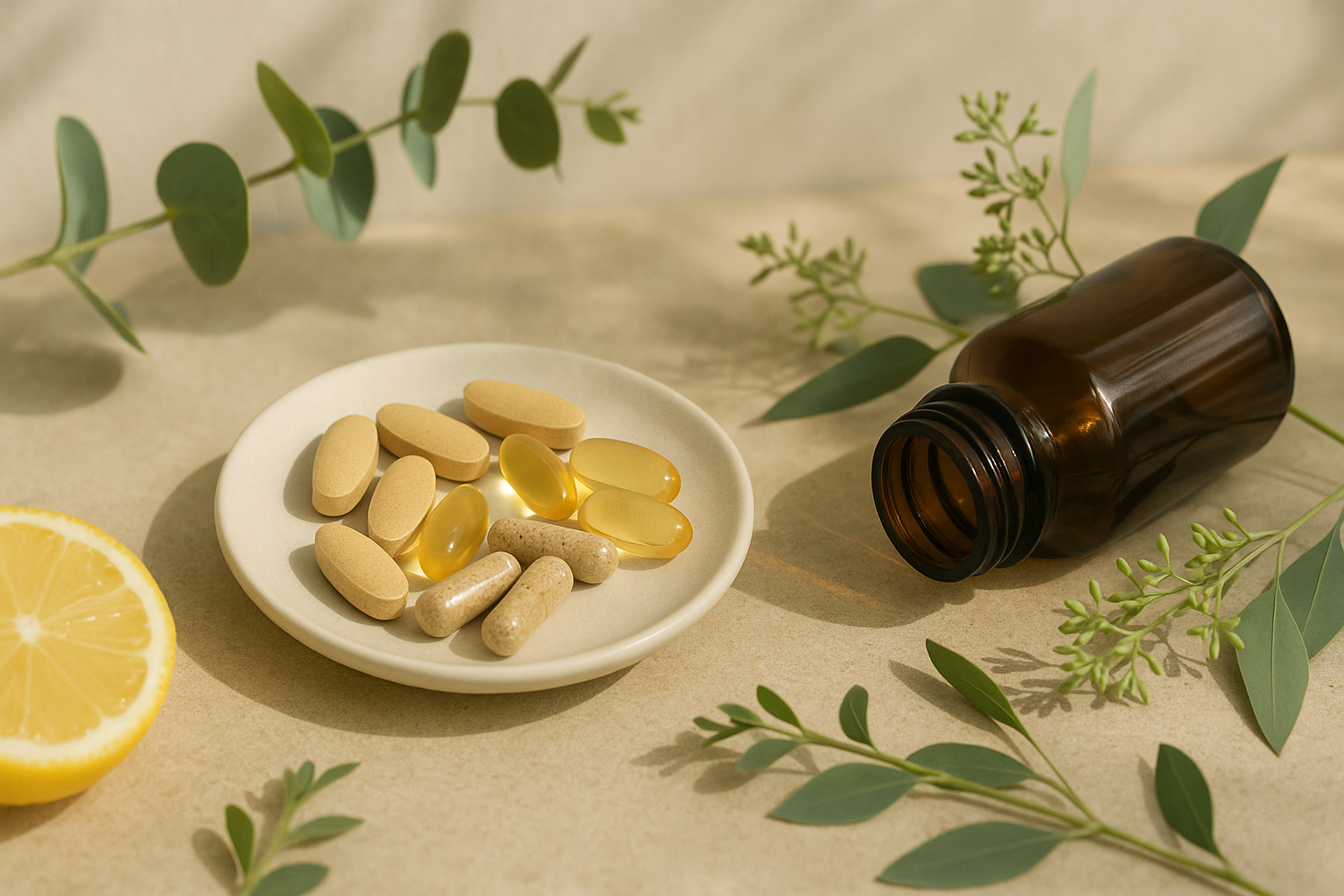
- Capsules: Convenient for supplementation, usually containing 500 mg to 1,000 mg per dose.
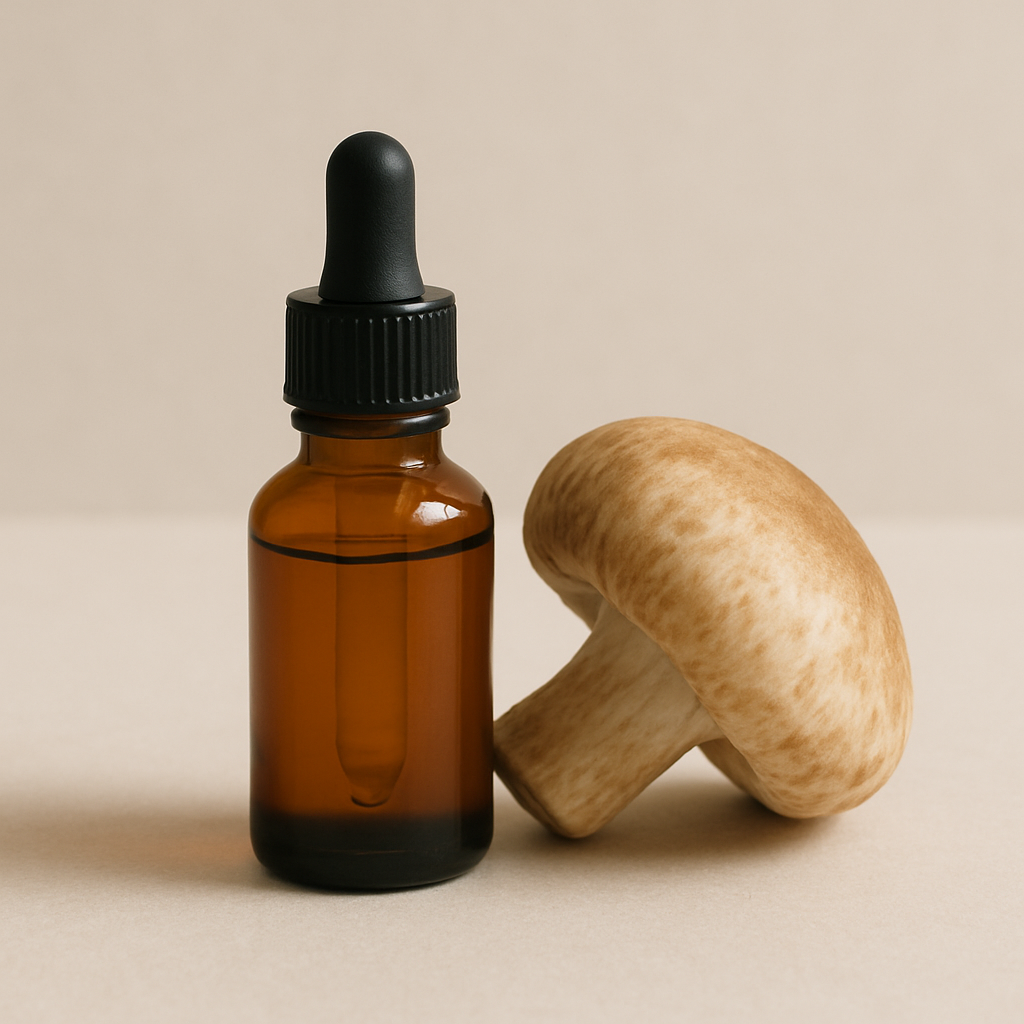
- Tinctures: Liquid extracts that can be taken in small doses (usually 1-2 droppers full).
When starting with Lion’s Mane, it is advisable to begin with lower doses and gradually increase as needed, while consulting a healthcare provider for personalized guidance.
Safety, Contraindications & Interactions
Lion’s Mane is generally considered safe for most individuals. However, there are some considerations:
- Individuals with mushroom allergies should avoid Lion’s Mane.
- Those on anticoagulant medications should use caution, as Lion’s Mane may have mild blood-thinning effects.
- Consult a healthcare provider before combining with other supplements or medications, especially those affecting the nervous system or immune function.
Pairs Well With
Lion’s Mane can be effectively paired with:
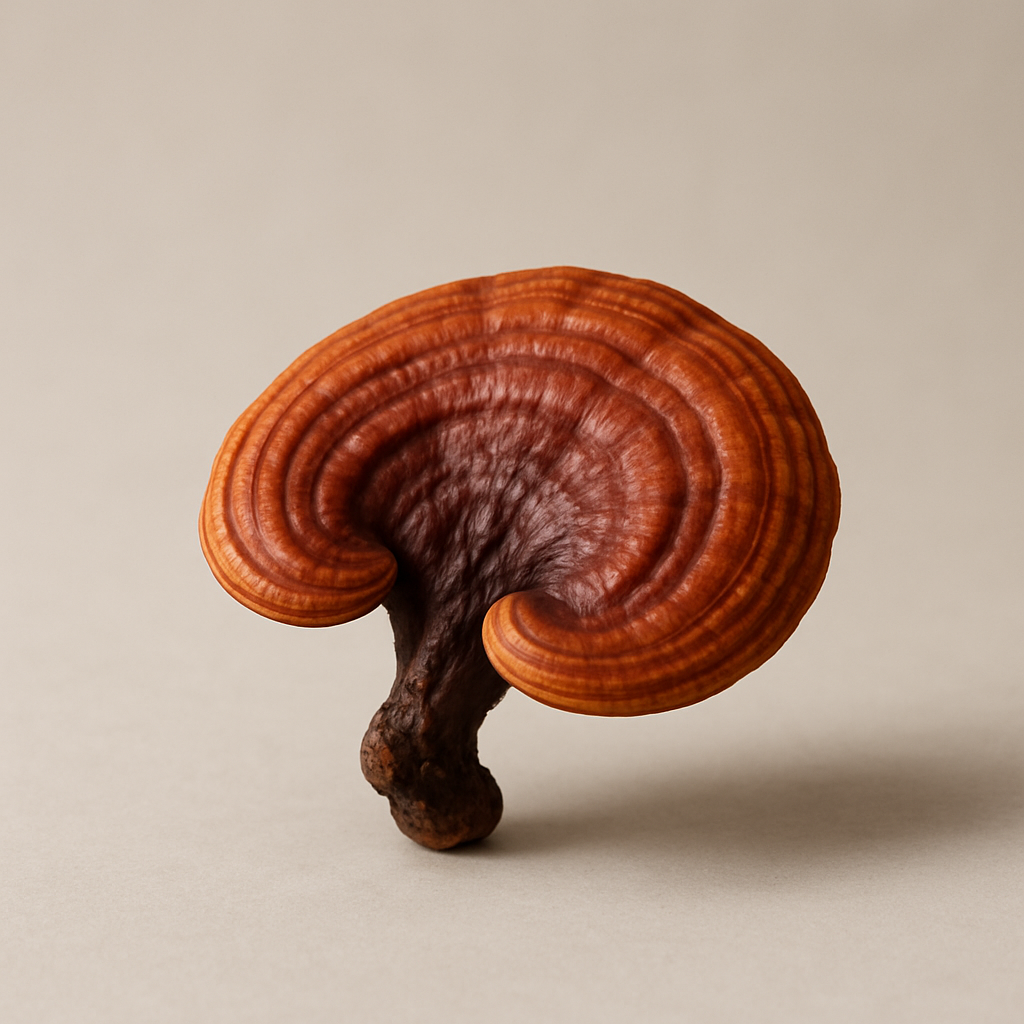
- Reishi Mushroom: For enhanced immune support.
- Ginkgo Biloba: To further promote cognitive function and circulation.
- Curcumin: For synergistic anti-inflammatory effects.
FAQs (5)
- What is Lion’s Mane mushroom used for? Lion’s Mane is primarily used for cognitive enhancement, memory support, and promoting nerve health.
- Is Lion’s Mane safe to consume? Yes, Lion’s Mane is generally safe for most people, but those with allergies or certain medical conditions should consult a healthcare provider.
- How can I incorporate Lion’s Mane into my diet? You can use Lion’s Mane in powder form in smoothies, capsules for easy supplementation, or tinctures for a concentrated dose.
- Can Lion’s Mane help with anxiety or depression? Some studies suggest it may support mood and reduce symptoms of anxiety and depression, but more research is needed.
- How long does it take to experience benefits from Lion’s Mane? Benefits may vary by individual, but many people report positive effects within a few weeks of consistent use.
Frequently asked
What is Lion’s Mane mushroom used for?
Lion’s Mane is primarily used for cognitive enhancement, memory support, and promoting nerve health.
Is Lion’s Mane safe to consume?
Yes, Lion’s Mane is generally safe for most people, but those with allergies or certain medical conditions should consult a healthcare provider.
How can I incorporate Lion’s Mane into my diet?
You can use Lion’s Mane in powder form in smoothies, capsules for easy supplementation, or tinctures for a concentrated dose.
Can Lion’s Mane help with anxiety or depression?
Some studies suggest it may support mood and reduce symptoms of anxiety and depression, but more research is needed.
How long does it take to experience benefits from Lion’s Mane?
Benefits may vary by individual, but many people report positive effects within a few weeks of consistent use.