Functional Mushrooms
Functional mushrooms offer numerous health benefits and have a rich history in traditional medicine. Discover their active compounds, safety, and how to incorporate them into your wellness routine.
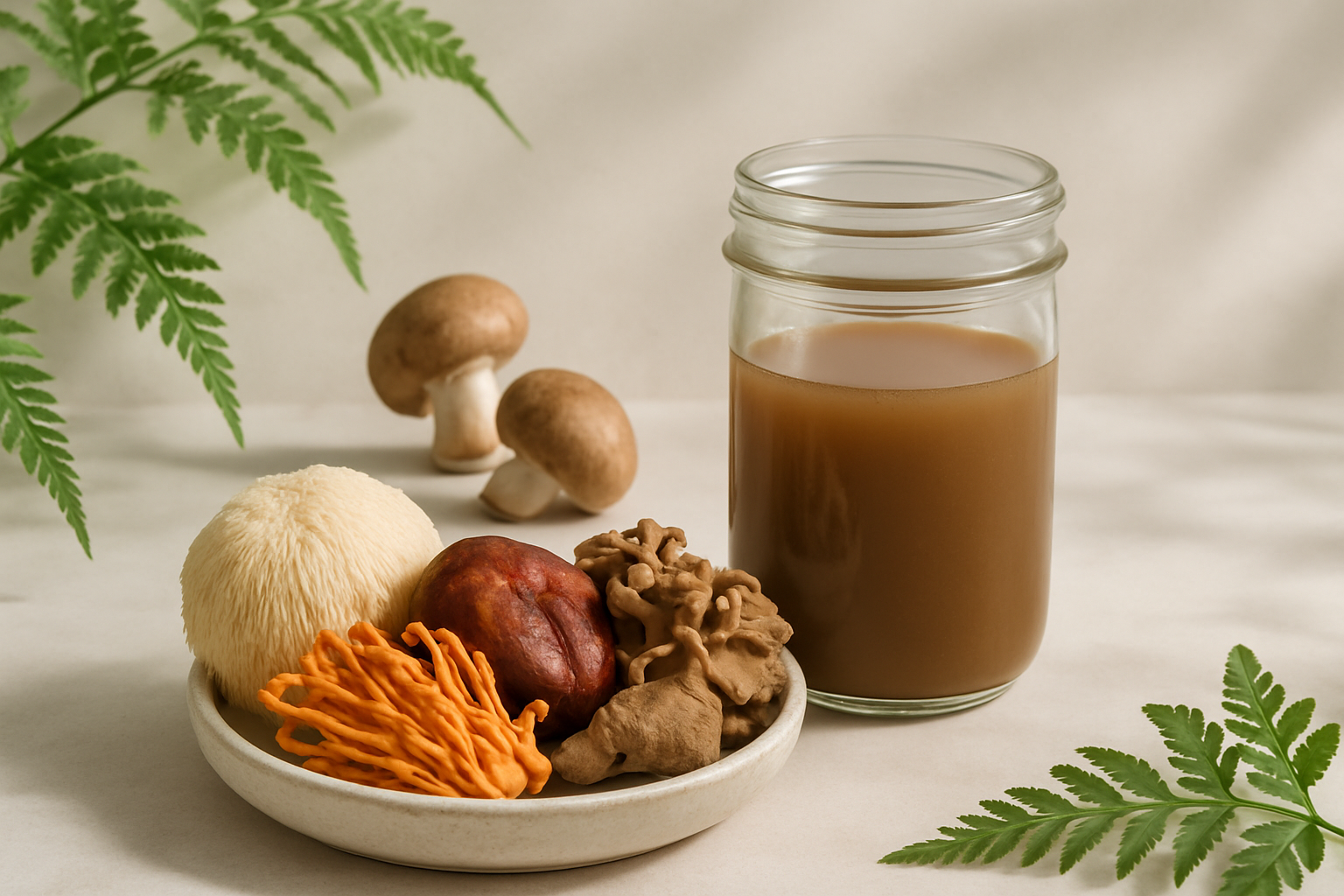
Explore the diverse world of functional mushrooms, their active compounds, traditional uses, and modern research supporting their benefits. Learn about their effects on body systems, common forms, safety considerations, and ideal pairings.
What It Is
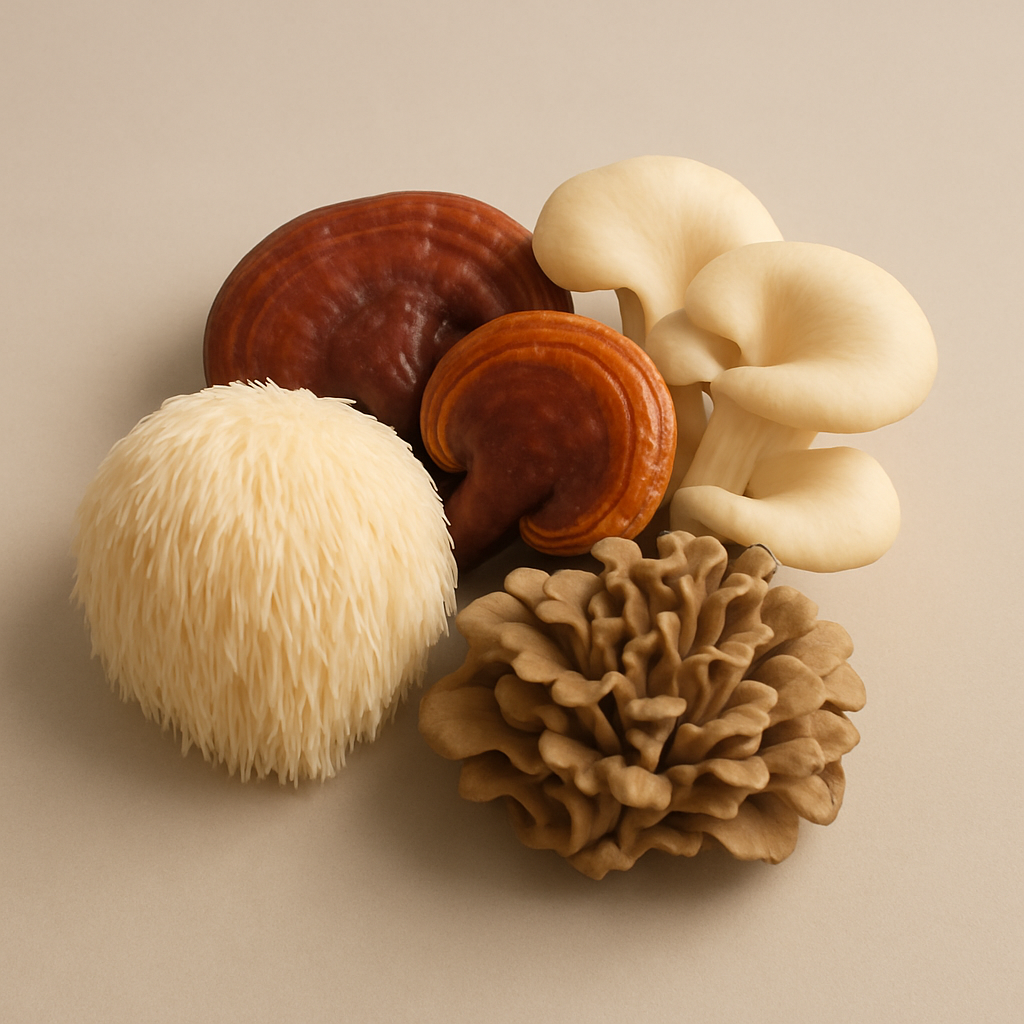
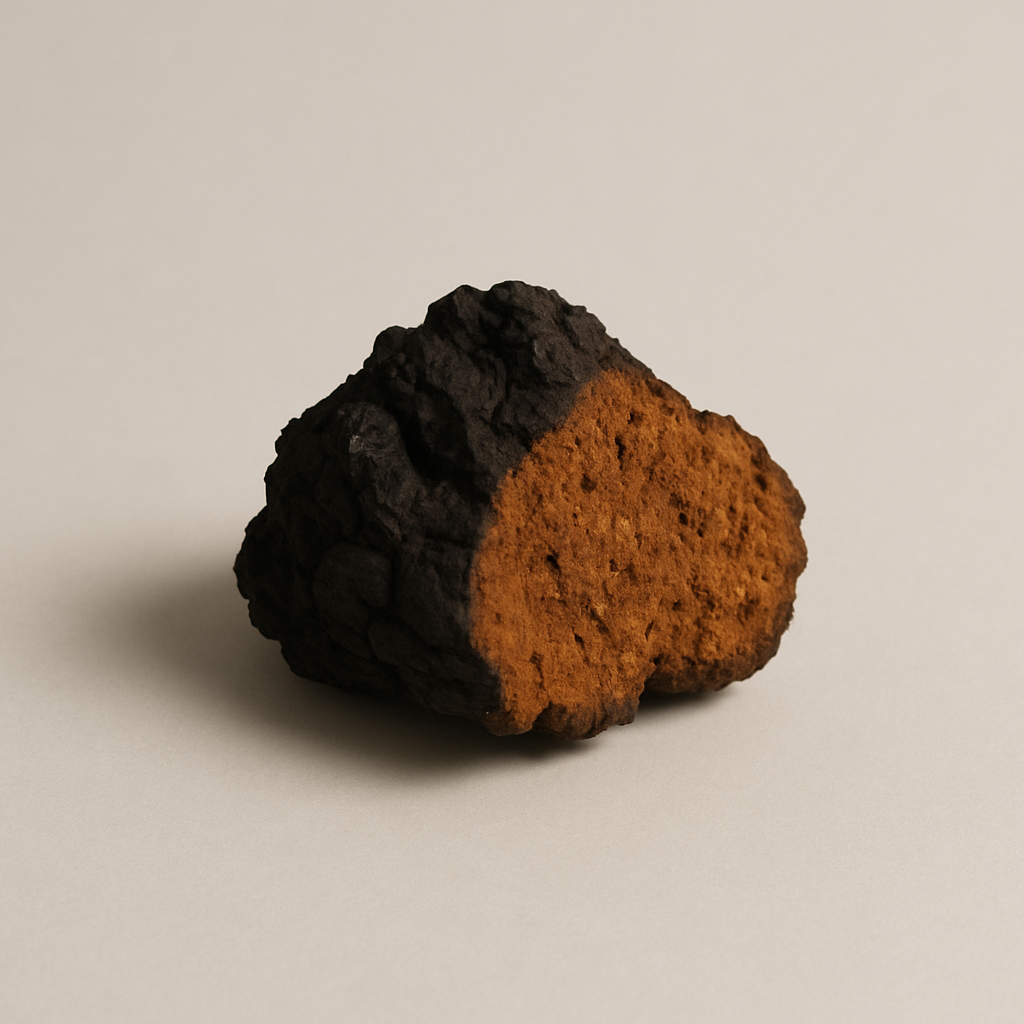
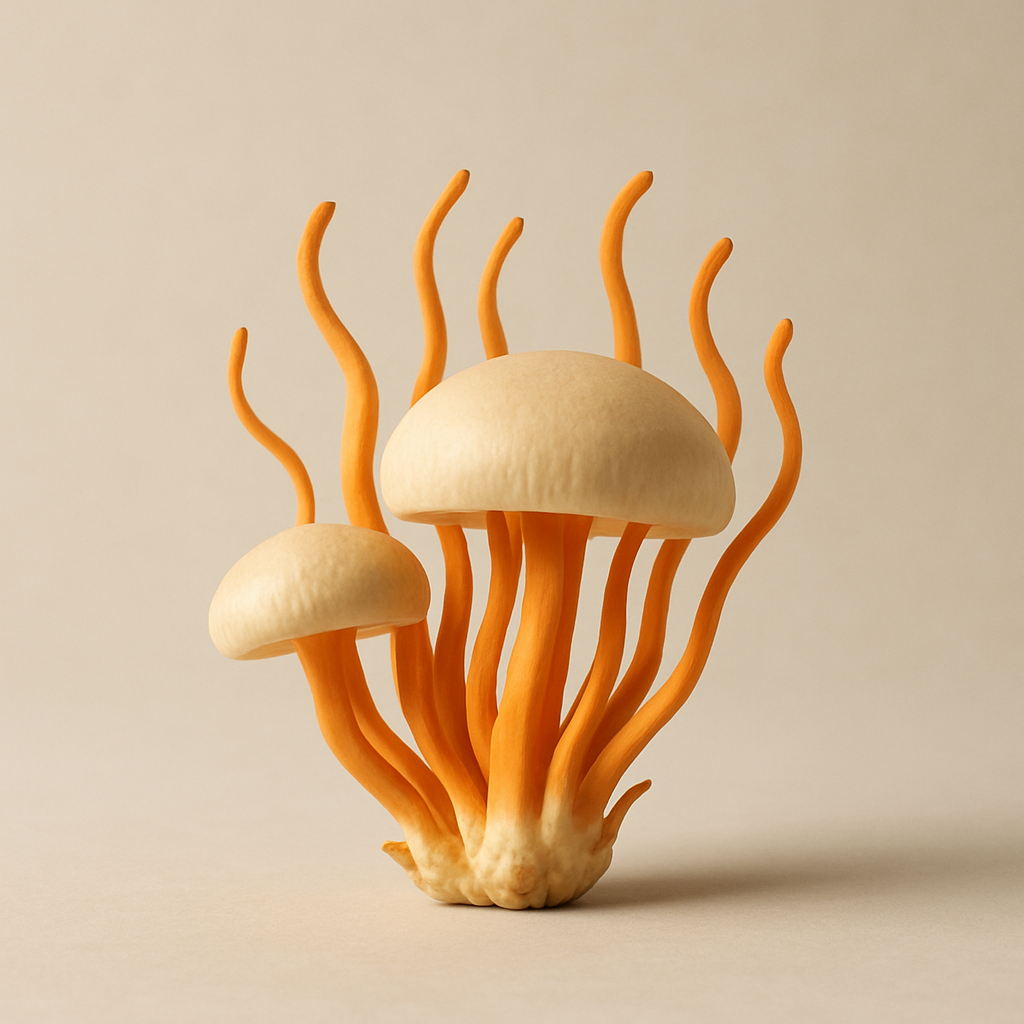
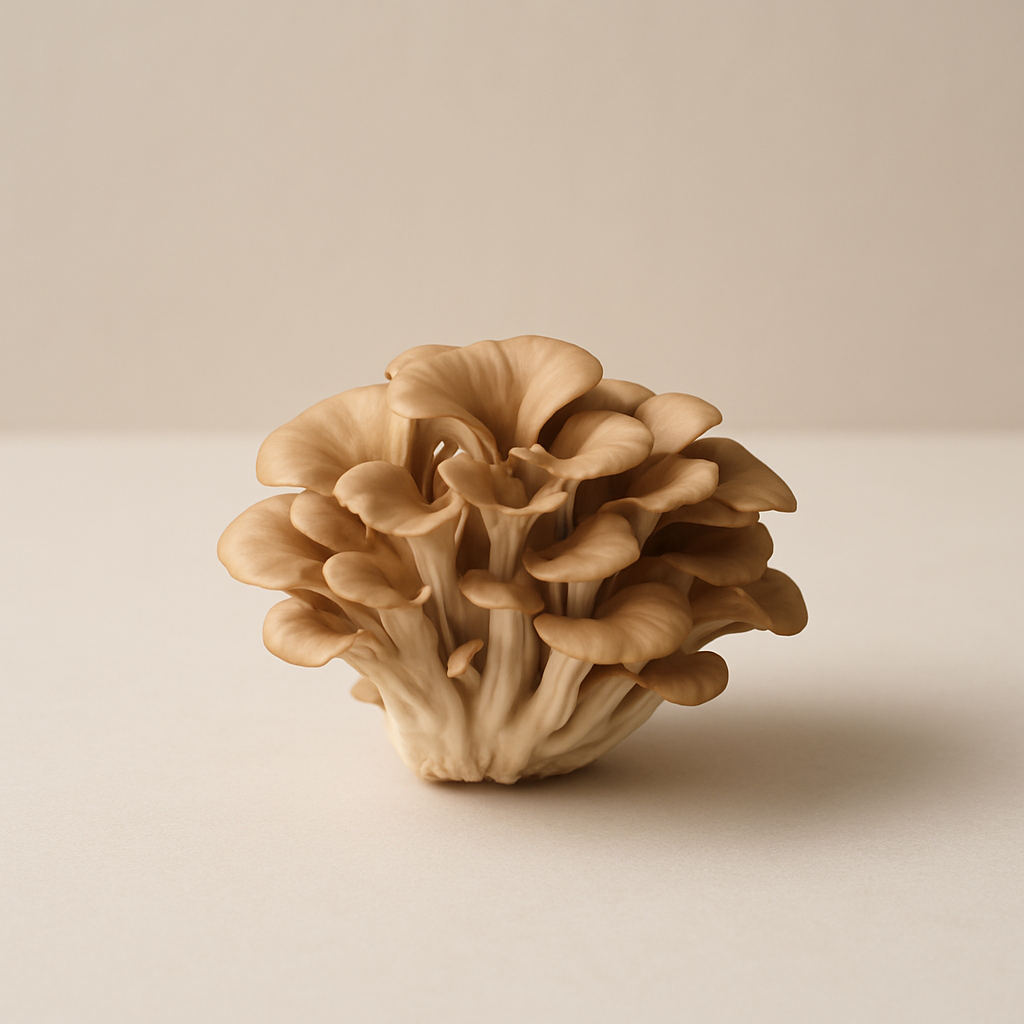
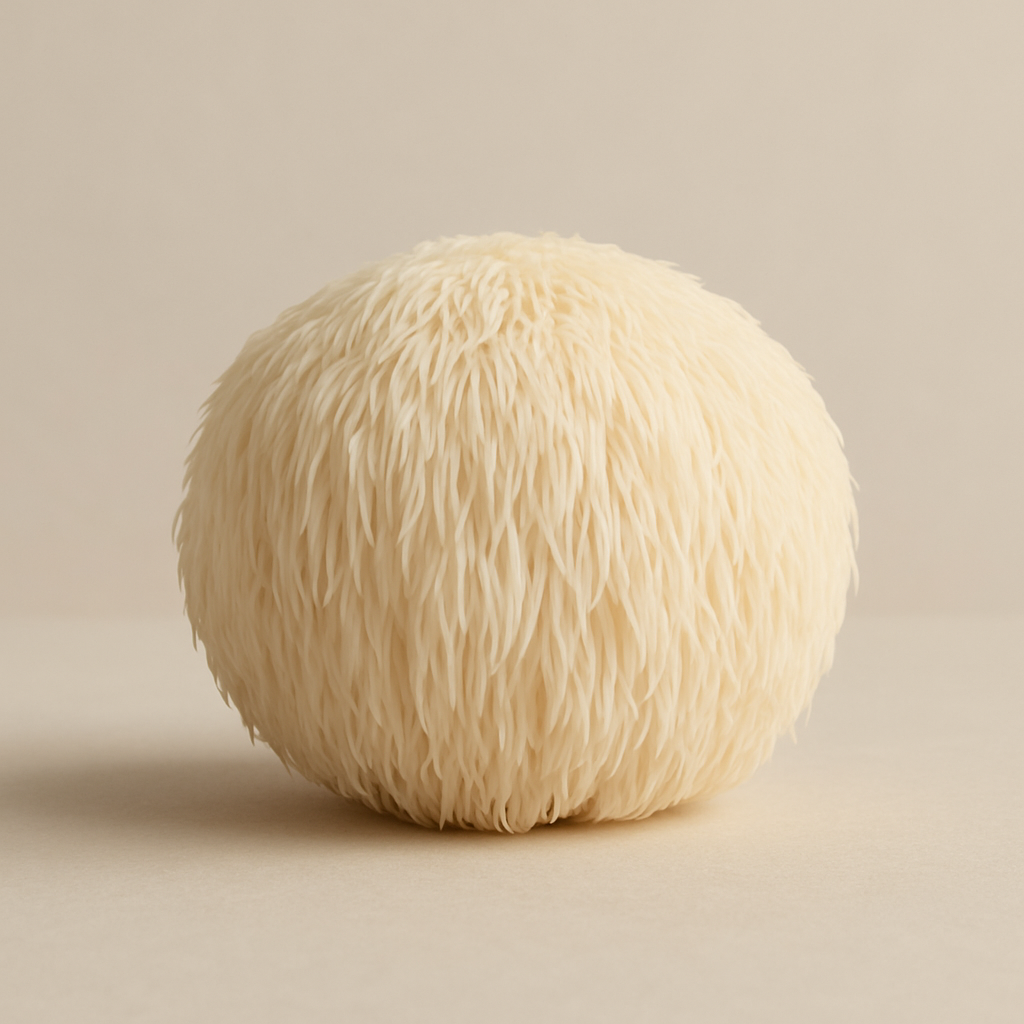
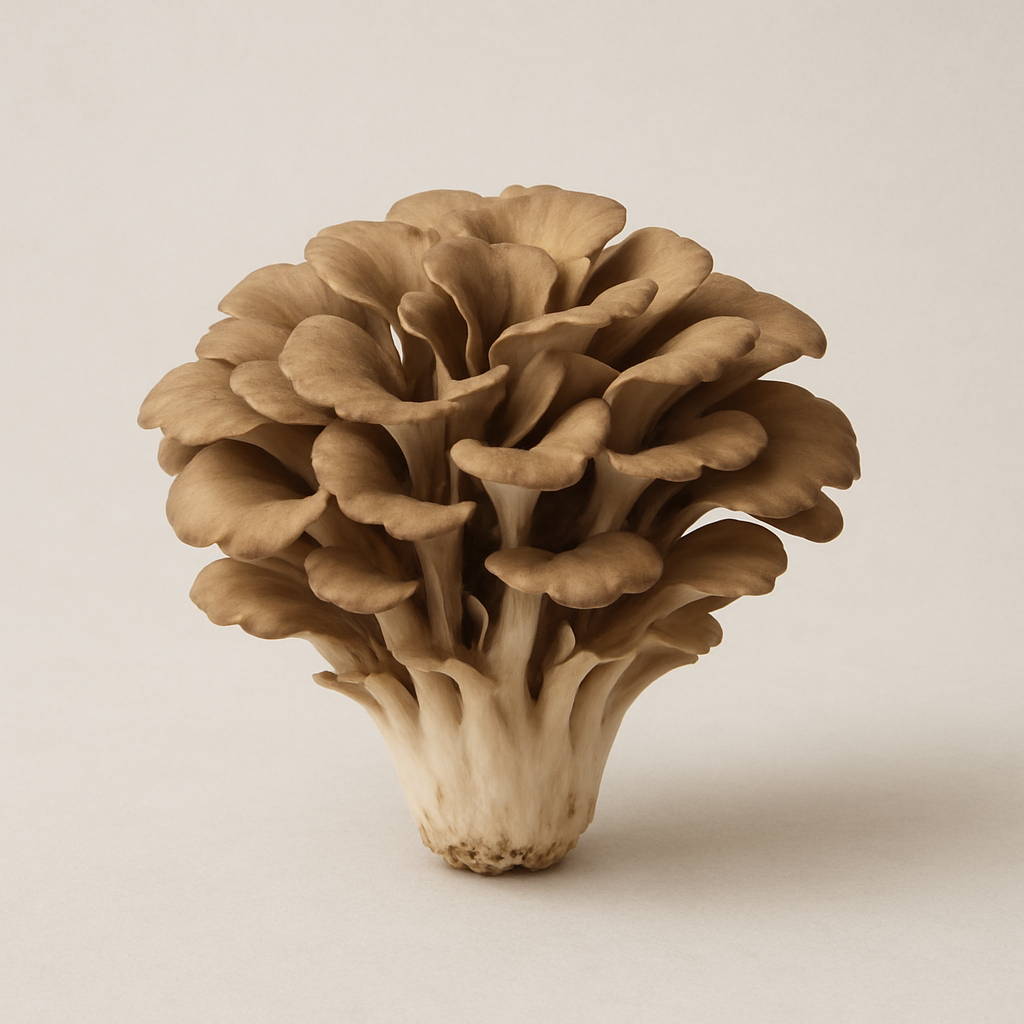
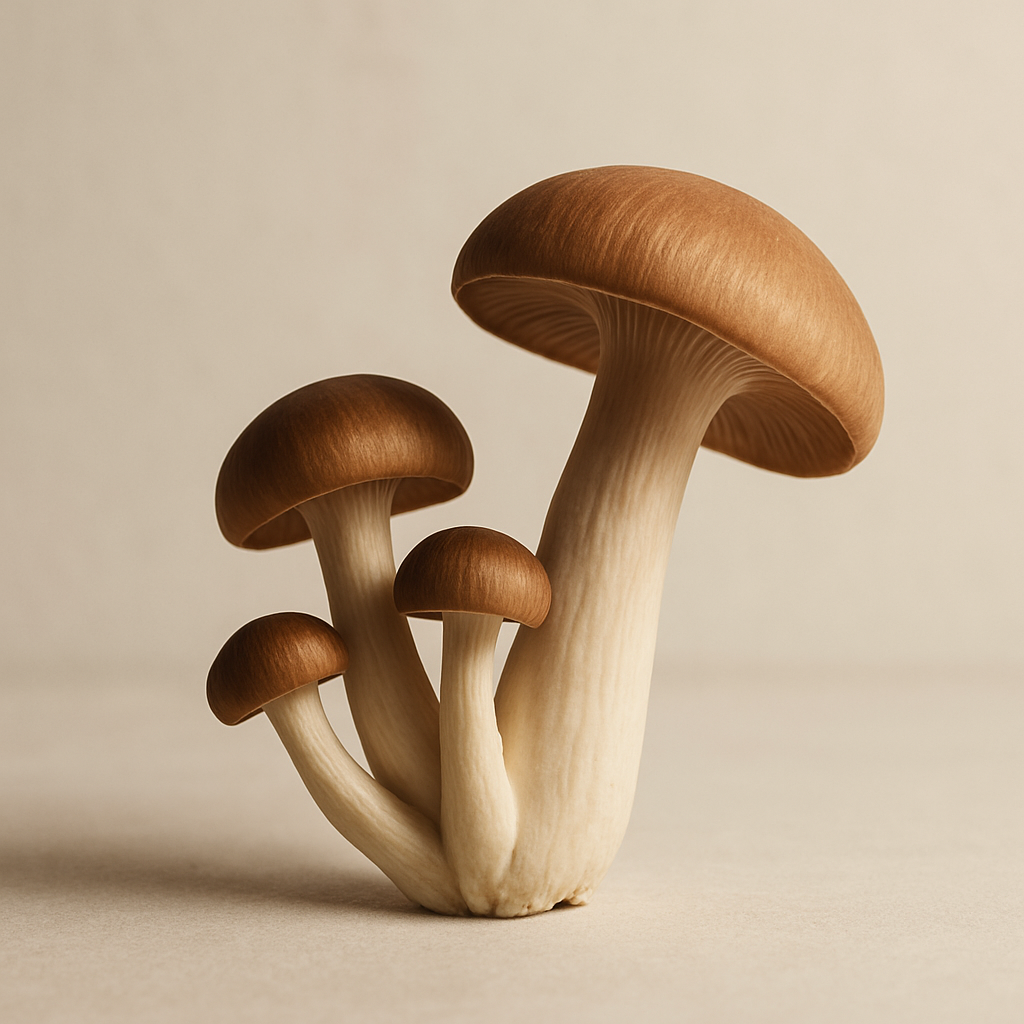
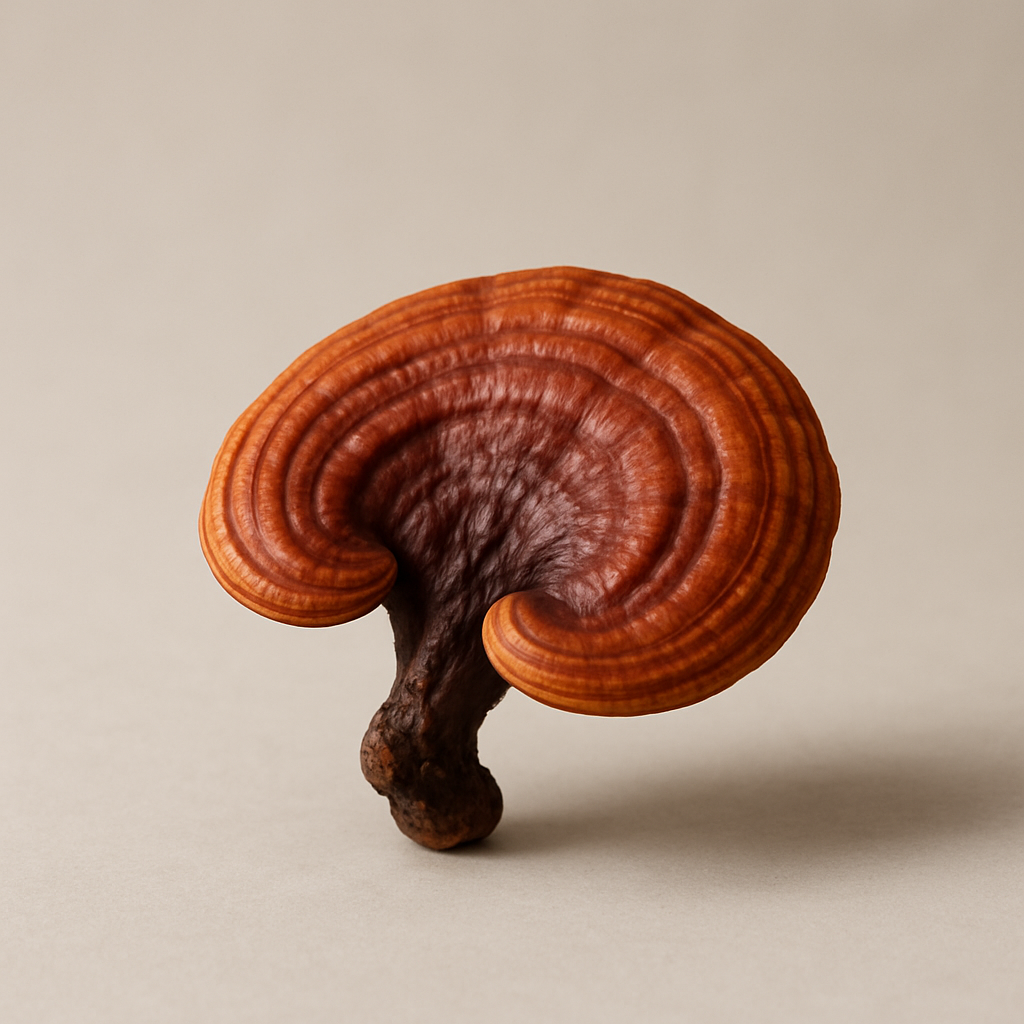
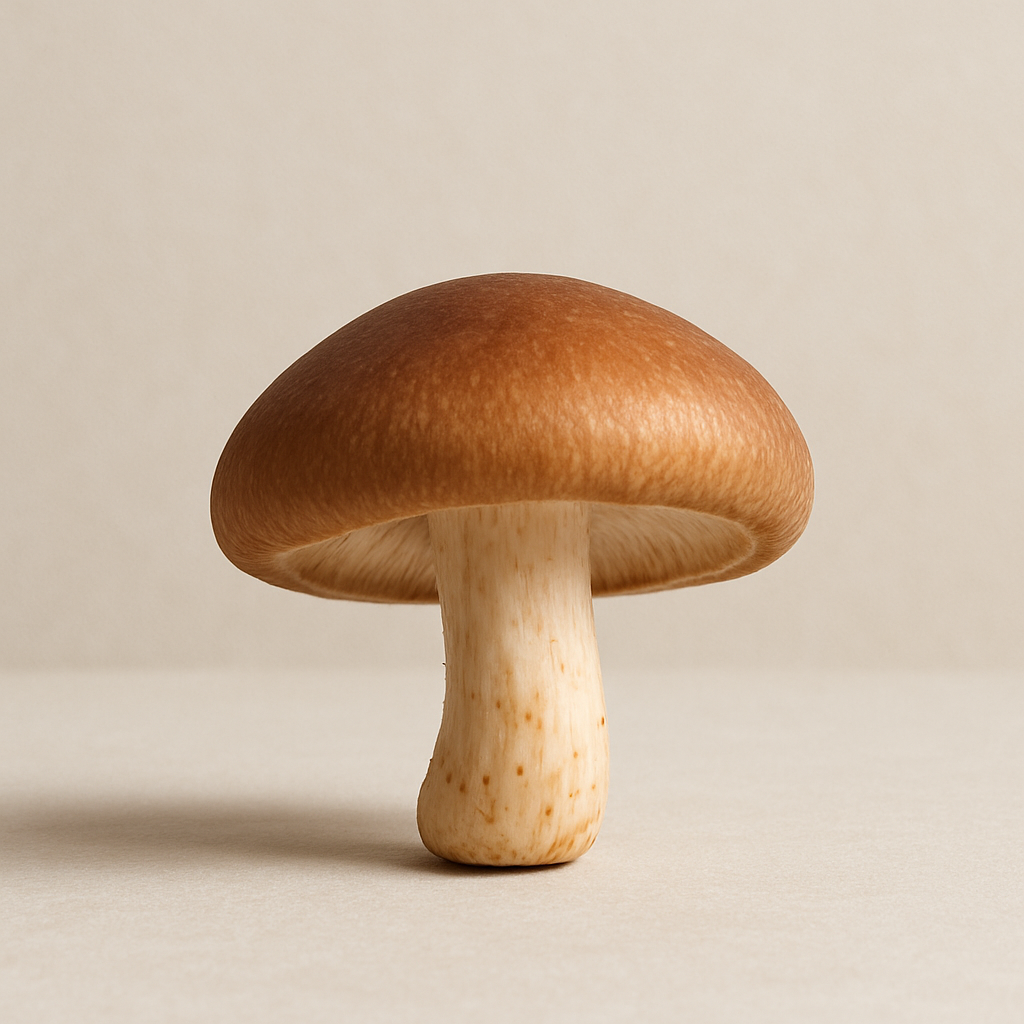
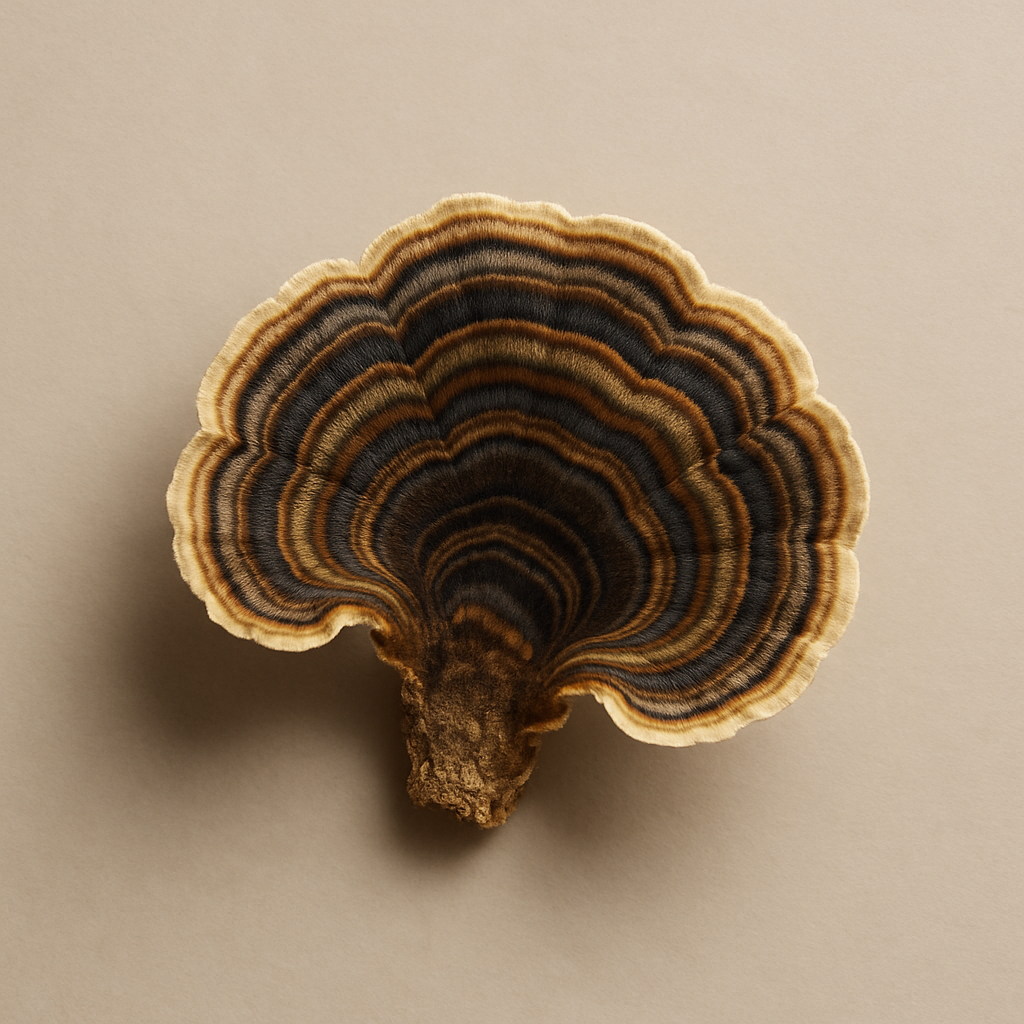
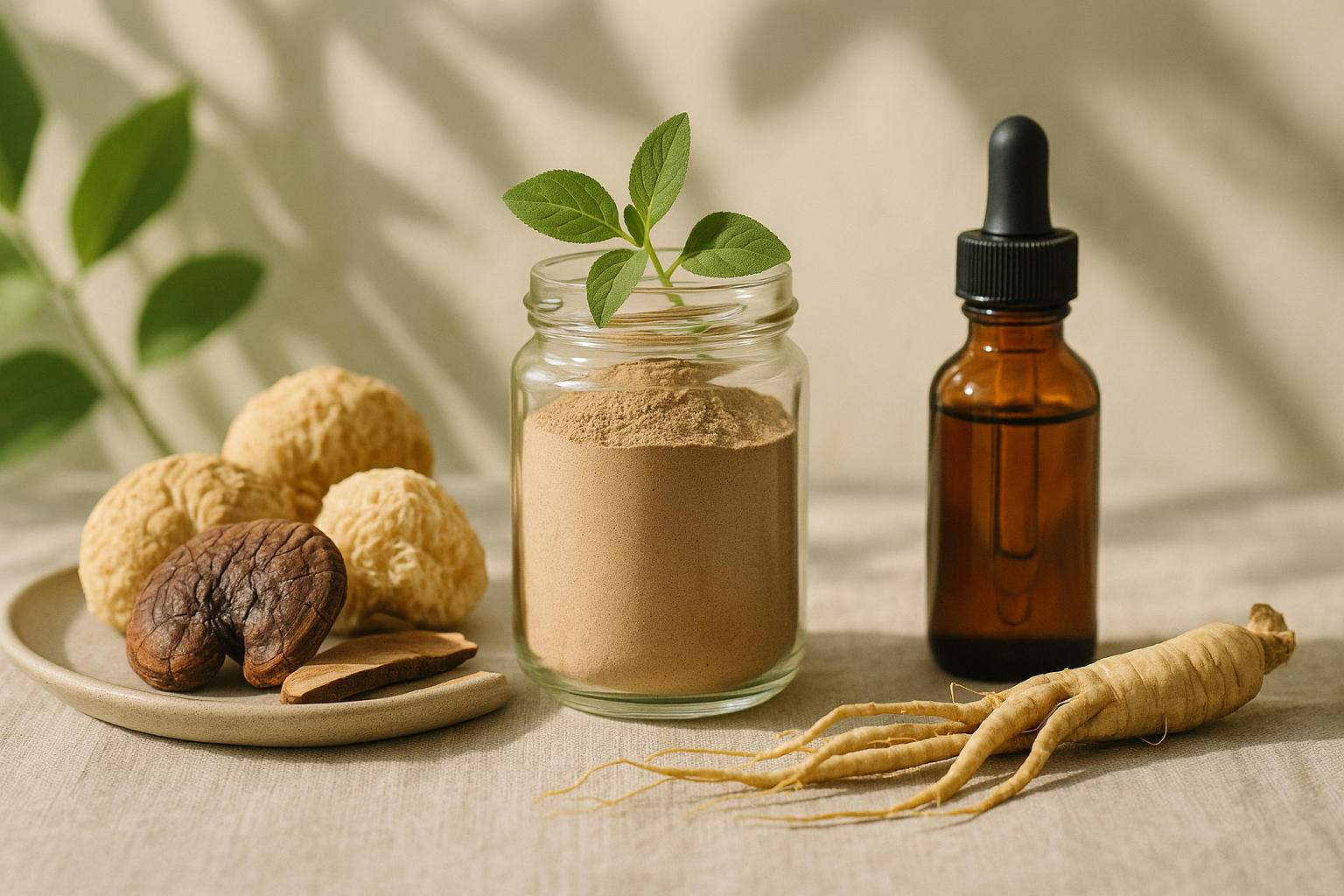
Functional mushrooms refer to specific mushroom species that offer health benefits beyond basic nutrition. These mushrooms, including varieties like Reishi (Ganoderma lucidum), Chaga (Inonotus obliquus), Lion’s Mane (Hericium erinaceus), and Turkey Tail (Trametes versicolor), are recognized for their bioactive compounds that support wellness and enhance physical and mental performance.
Key Active Compounds & Mechanisms
Functional mushrooms contain a variety of beneficial compounds, including:
- Polysaccharides: These complex carbohydrates, particularly beta-glucans, are known for their immune-boosting properties.
- Triterpenoids: Found in Reishi, these compounds may help reduce inflammation and support cardiovascular health.
- Ergothioneine: A potent antioxidant found in mushrooms like Chaga, which can protect cells from oxidative stress.
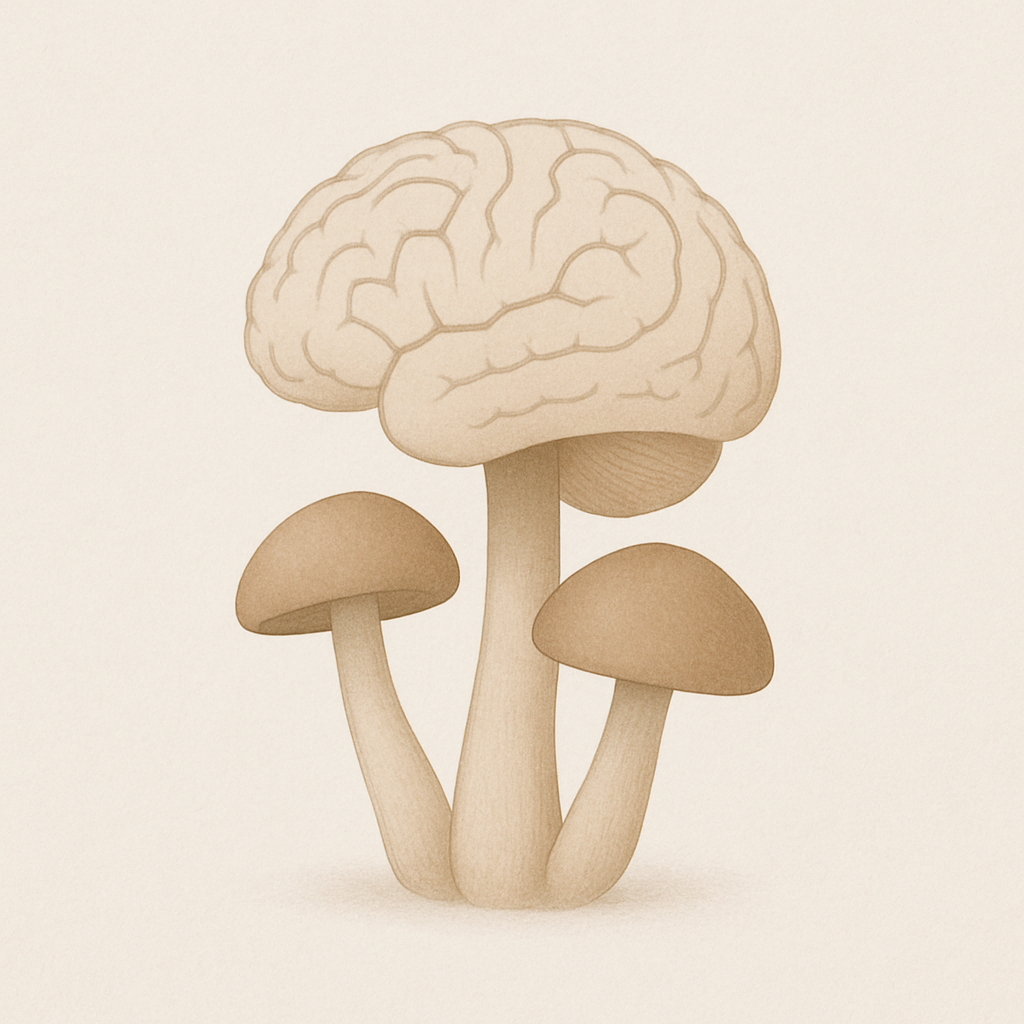
- Hericenones and Erinacines: Unique compounds in Lion’s Mane that may promote nerve growth and cognitive function.
Traditional Uses
Historically, functional mushrooms have played significant roles in traditional medicine across various cultures:
- Reishi: Known as the "mushroom of immortality" in Chinese medicine, it has been used for over 2,000 years to promote longevity and health.
- Chaga: Utilized by Siberian shamans, Chaga has been traditionally brewed into tea for its health-promoting effects.
- Lion’s Mane: Used in traditional Chinese medicine to enhance cognitive function and digestion.
- Turkey Tail: Recognized in Asia for its immune-supporting properties, often used in herbal formulations.
What Modern Research Suggests
Recent studies have begun to explore the potential health benefits of functional mushrooms:
- Research on Lion’s Mane suggests it may help enhance cognitive function and may have neuroprotective effects.
- Preliminary studies indicate that Chaga may possess anti-inflammatory and antioxidant properties.
- Clinical trials with Turkey Tail have shown promise in supporting immune health, particularly in cancer patients undergoing treatment.
- Reishi has been studied for its potential to help reduce stress and improve sleep quality.
Functional Actions
The functional actions of mushrooms vary by species, but many share common benefits, including:
- Immune system support
- Anti-inflammatory effects
- Antioxidant properties
- Neuroprotective benefits
- Stress reduction and improved sleep quality
Body Systems Supported
Functional mushrooms can support various body systems:
- Immune System: Enhancing immune function and resilience.
- Nervous System: Supporting cognitive health and potentially aiding in neurodegenerative conditions.
- Digestive System: Promoting gut health through prebiotic effects.
- Cardiovascular System: Supporting heart health and reducing inflammation.
Common Forms & Educational Dosing Ranges
Functional mushrooms are available in various forms:
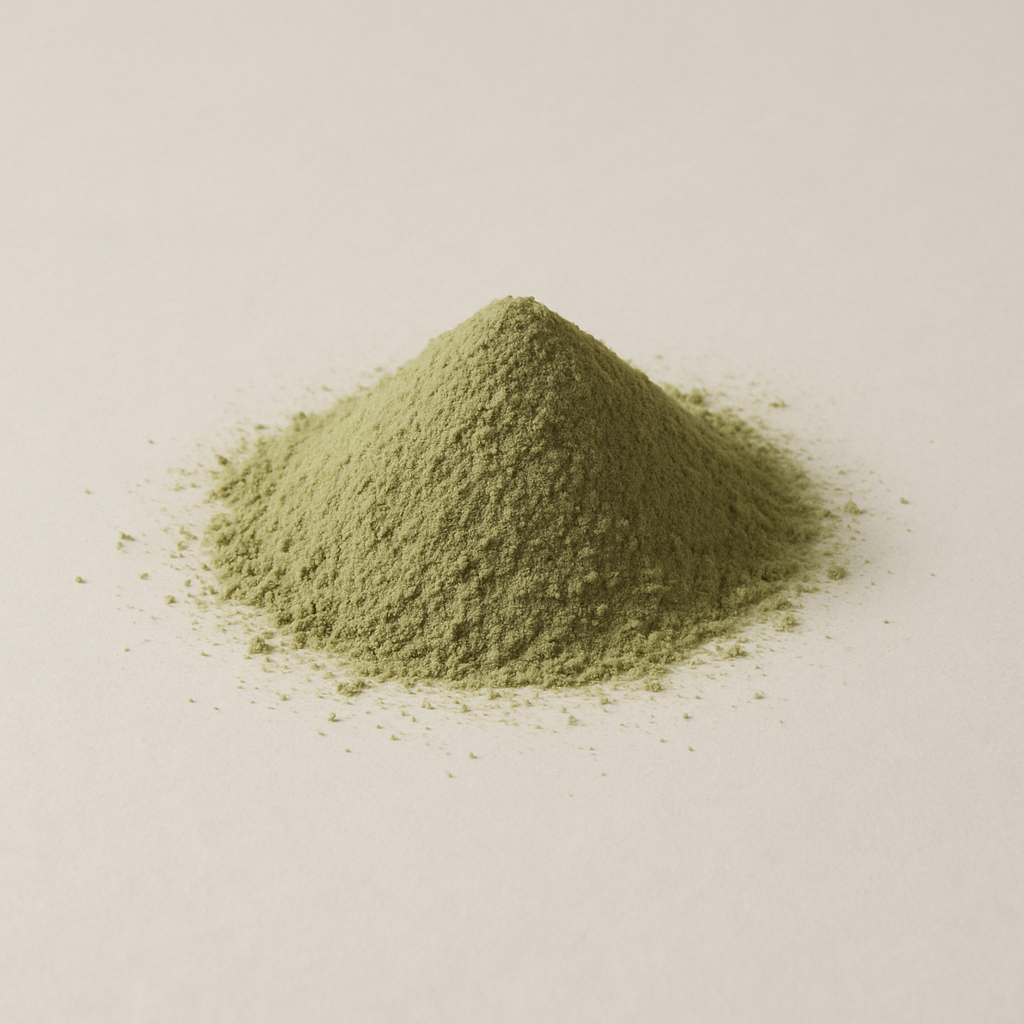
- Powders: Can be added to smoothies or food, typically recommended at 1-3 grams per day.
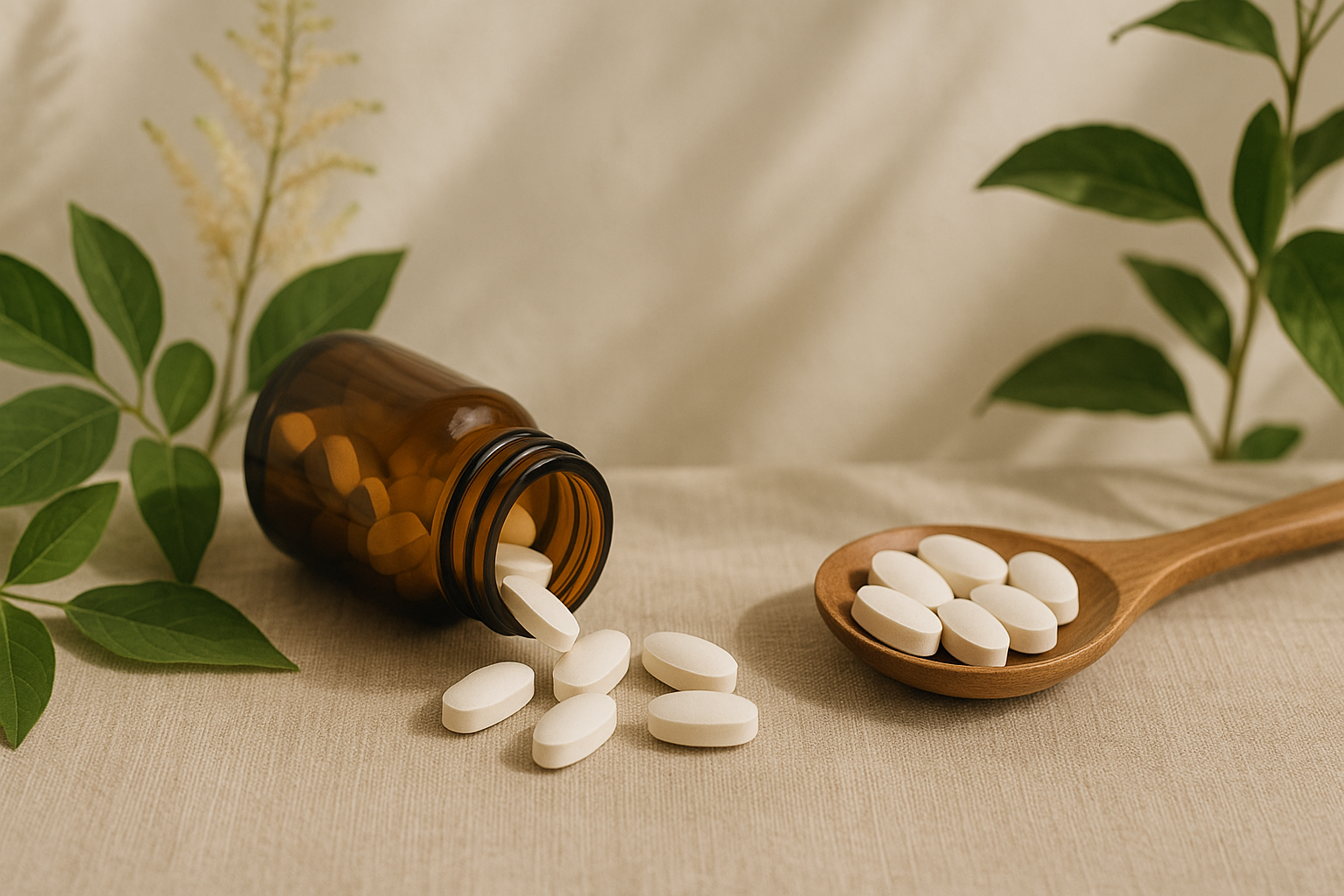
- Capsules: Convenient for daily supplementation, with common dosages ranging from 500 mg to 2000 mg.
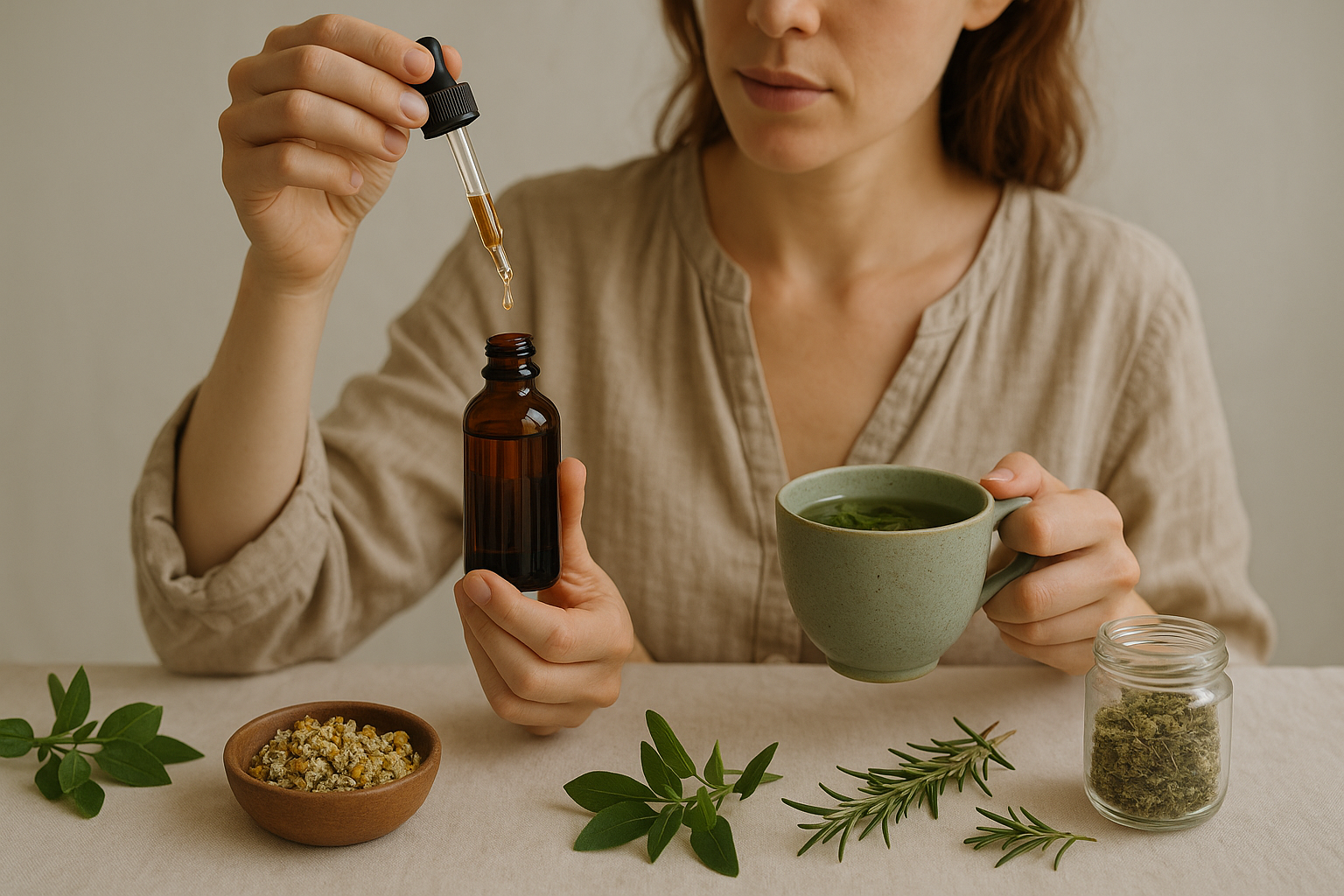
- Teas: Traditional preparation method, often recommended at 1-2 cups per day.
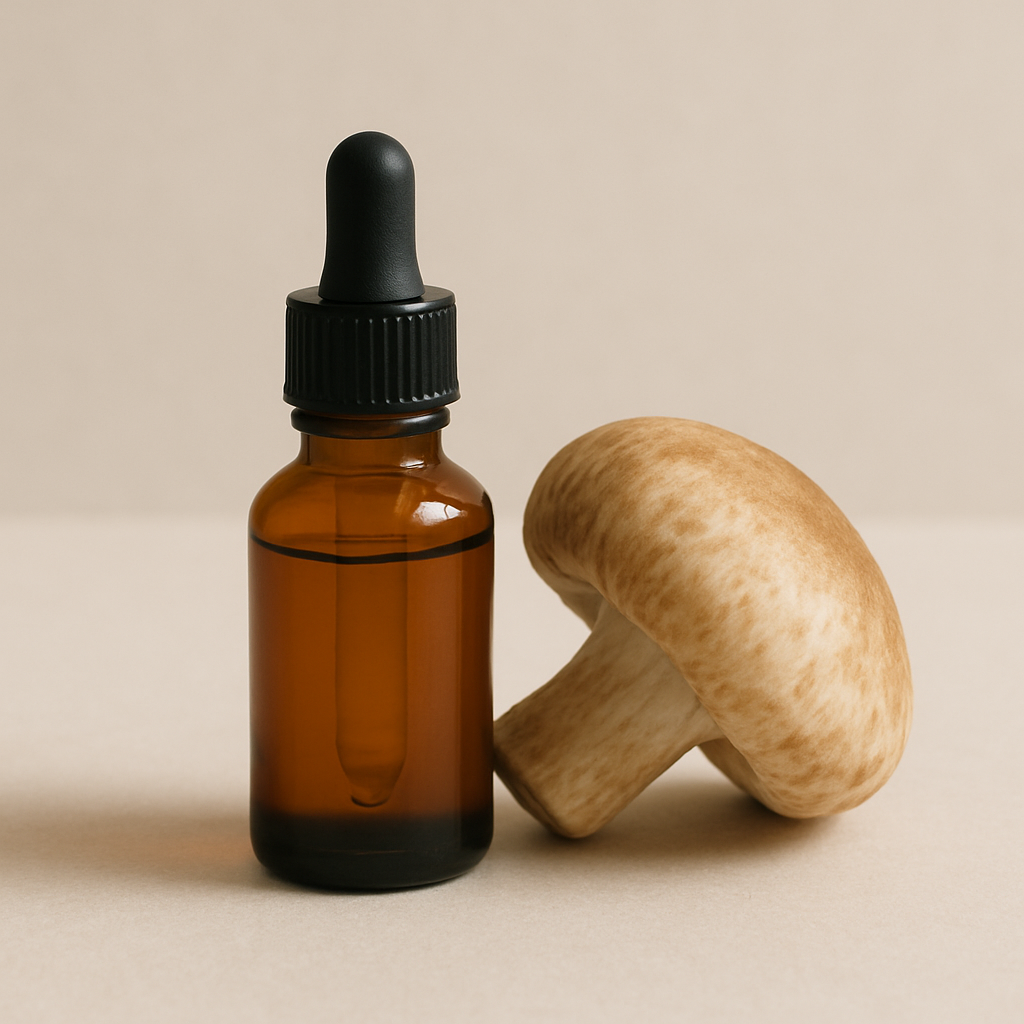
- Tinctures: Liquid extracts that provide concentrated benefits; dosing varies based on concentration.
Safety, Contraindications & Interactions
While functional mushrooms are generally safe for most people, certain considerations should be noted:
- Individuals with mushroom allergies should avoid all forms of functional mushrooms.
- Those taking anticoagulant medications should consult with a healthcare provider before use, particularly with Reishi.
- Immunosuppressive medications may interact with immune-enhancing mushrooms like Turkey Tail.
- Pregnant and breastfeeding women should seek professional advice before using mushroom supplements.
Pairs Well With
Functional mushrooms can be effectively paired with:
- Adaptogenic herbs: Such as Ashwagandha or Rhodiola for enhanced stress support.
- Vitamin C: To bolster immune function when taken with Turkey Tail.
- Omega-3 fatty acids: For overall brain health when combined with Lion’s Mane.
FAQs (5)
- Are functional mushrooms safe for everyone? While they are generally safe, individuals with allergies or certain medical conditions should consult a healthcare provider.
- How can I incorporate functional mushrooms into my diet? You can use powders in smoothies, take capsules, brew teas, or use tinctures based on your preference.
- What are the best functional mushrooms for immune support? Turkey Tail and Reishi are highly regarded for their immune-boosting properties.
- Can functional mushrooms help with stress and anxiety? Yes, many functional mushrooms, especially Reishi, are known for their adaptogenic qualities that may help reduce stress.
- Is there scientific evidence supporting the benefits of functional mushrooms? Yes, ongoing research continues to uncover potential health benefits, although more studies are needed for conclusive evidence.
Frequently asked
Are functional mushrooms safe for everyone?
While they are generally safe, individuals with allergies or certain medical conditions should consult a healthcare provider.
How can I incorporate functional mushrooms into my diet?
You can use powders in smoothies, take capsules, brew teas, or use tinctures based on your preference.
What are the best functional mushrooms for immune support?
Turkey Tail and Reishi are highly regarded for their immune-boosting properties.
Can functional mushrooms help with stress and anxiety?
Yes, many functional mushrooms, especially Reishi, are known for their adaptogenic qualities that may help reduce stress.
Is there scientific evidence supporting the benefits of functional mushrooms?
Yes, ongoing research continues to uncover potential health benefits, although more studies are needed for conclusive evidence.