Immune Support Mushrooms
Discover the power of immune support mushrooms, their active compounds, traditional uses, and modern research insights for boosting your immune system naturally.
Explore the world of immune support mushrooms, emphasizing their benefits, active compounds, traditional uses, modern research findings, and practical applications for enhancing overall health.
What It Is
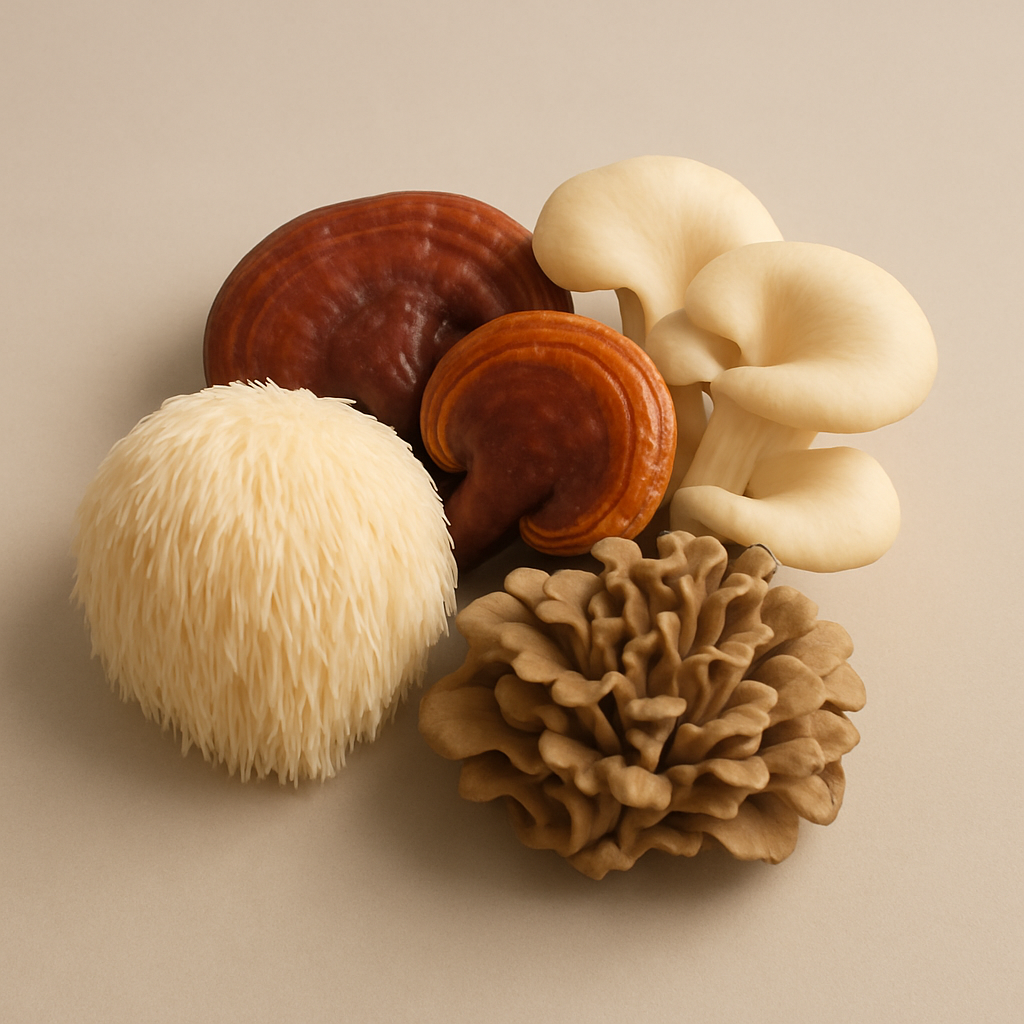
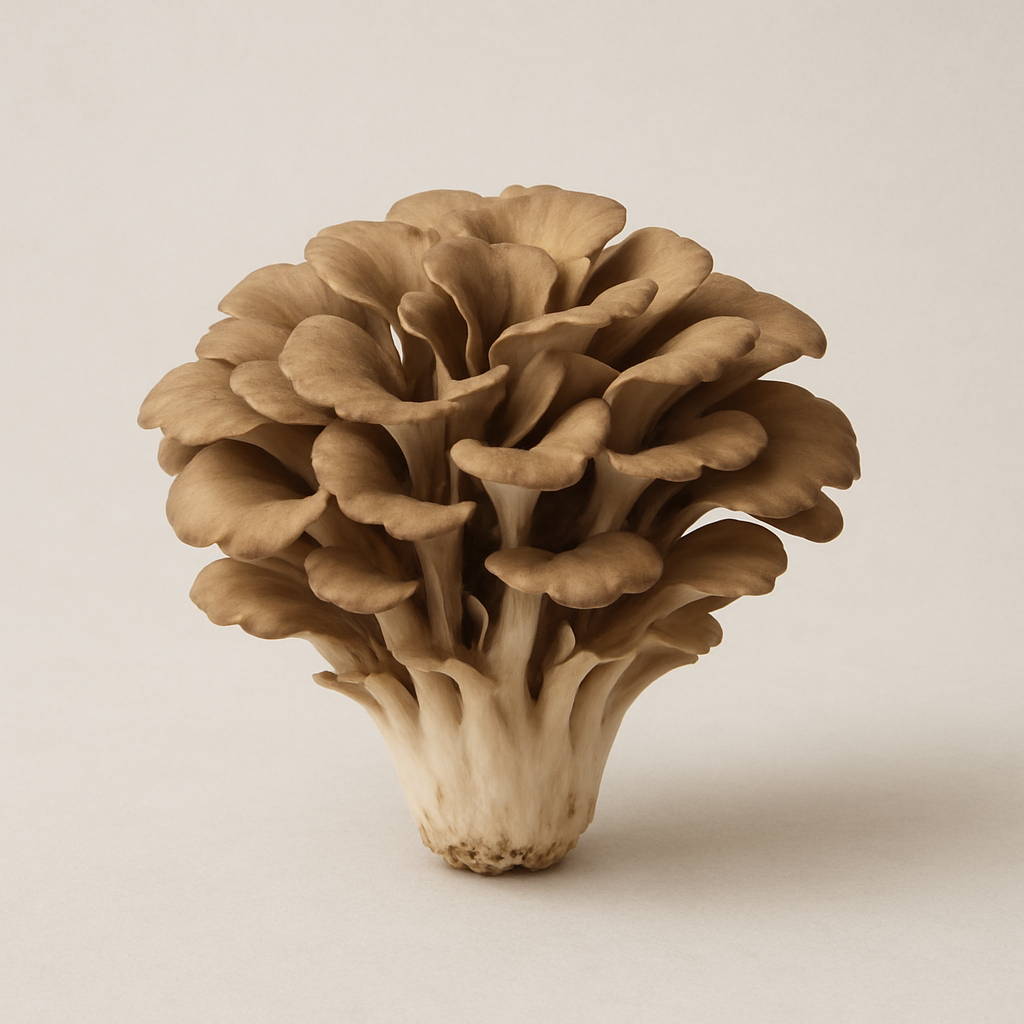
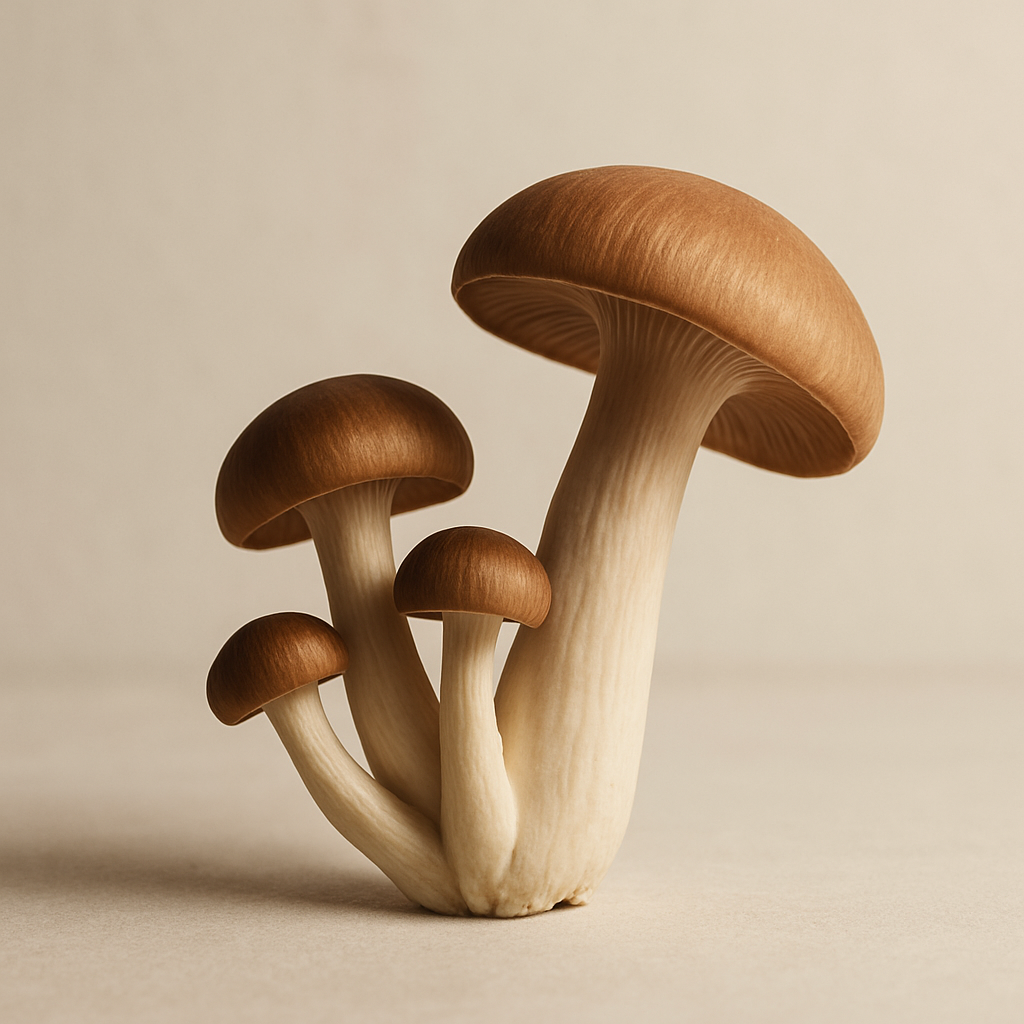
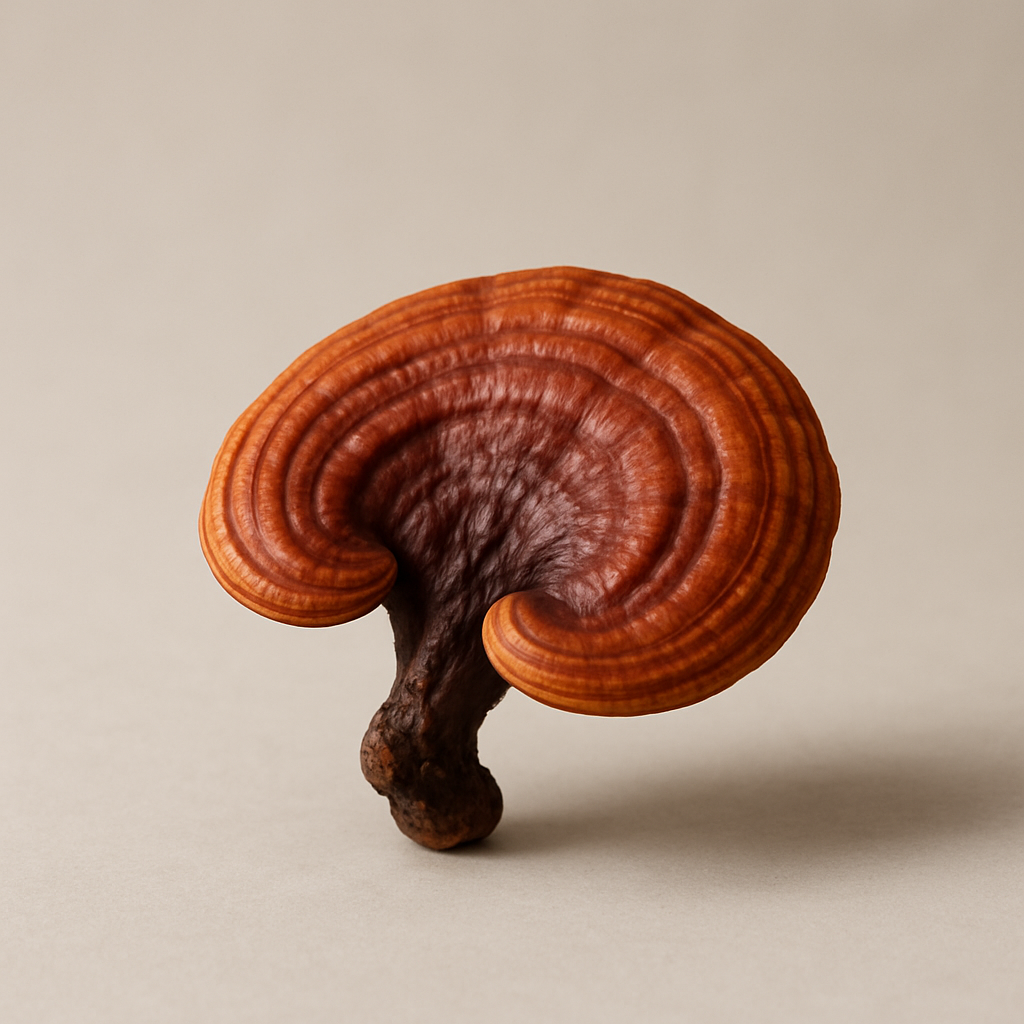
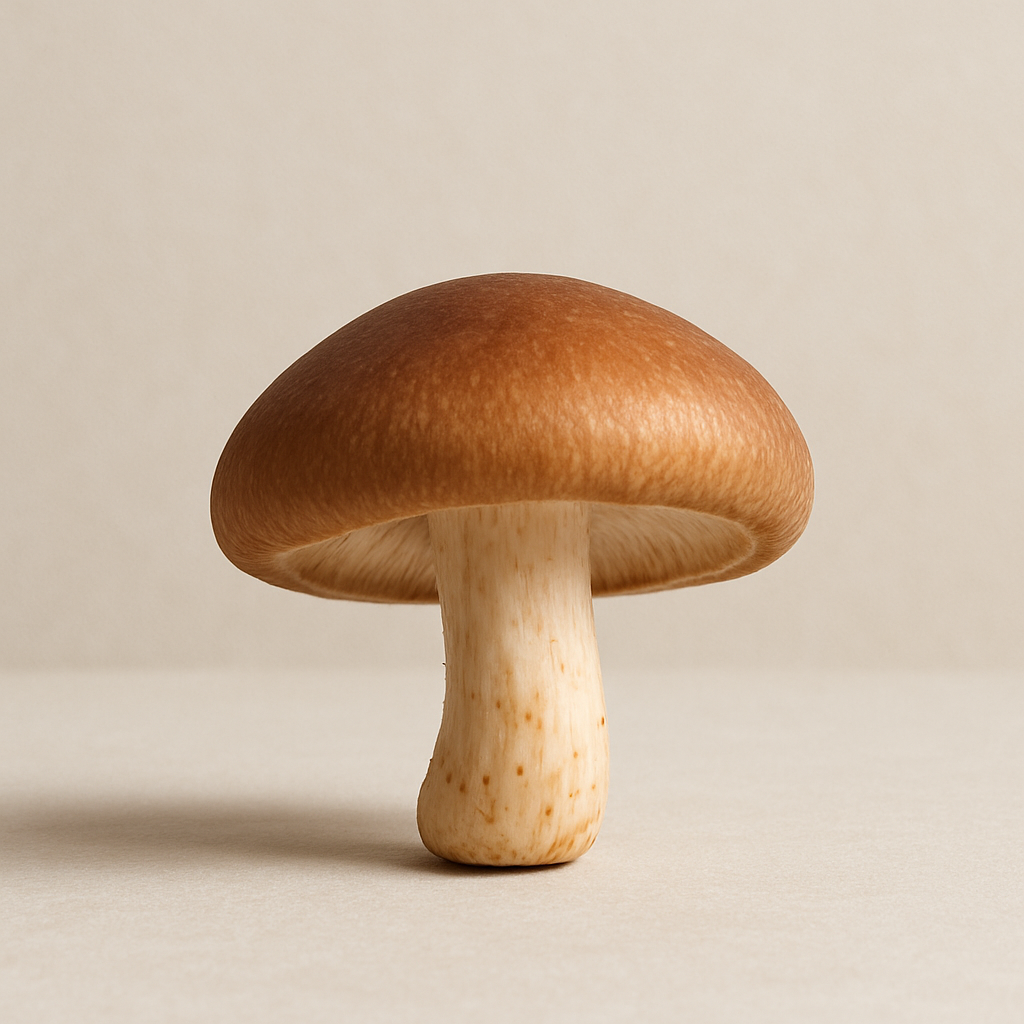
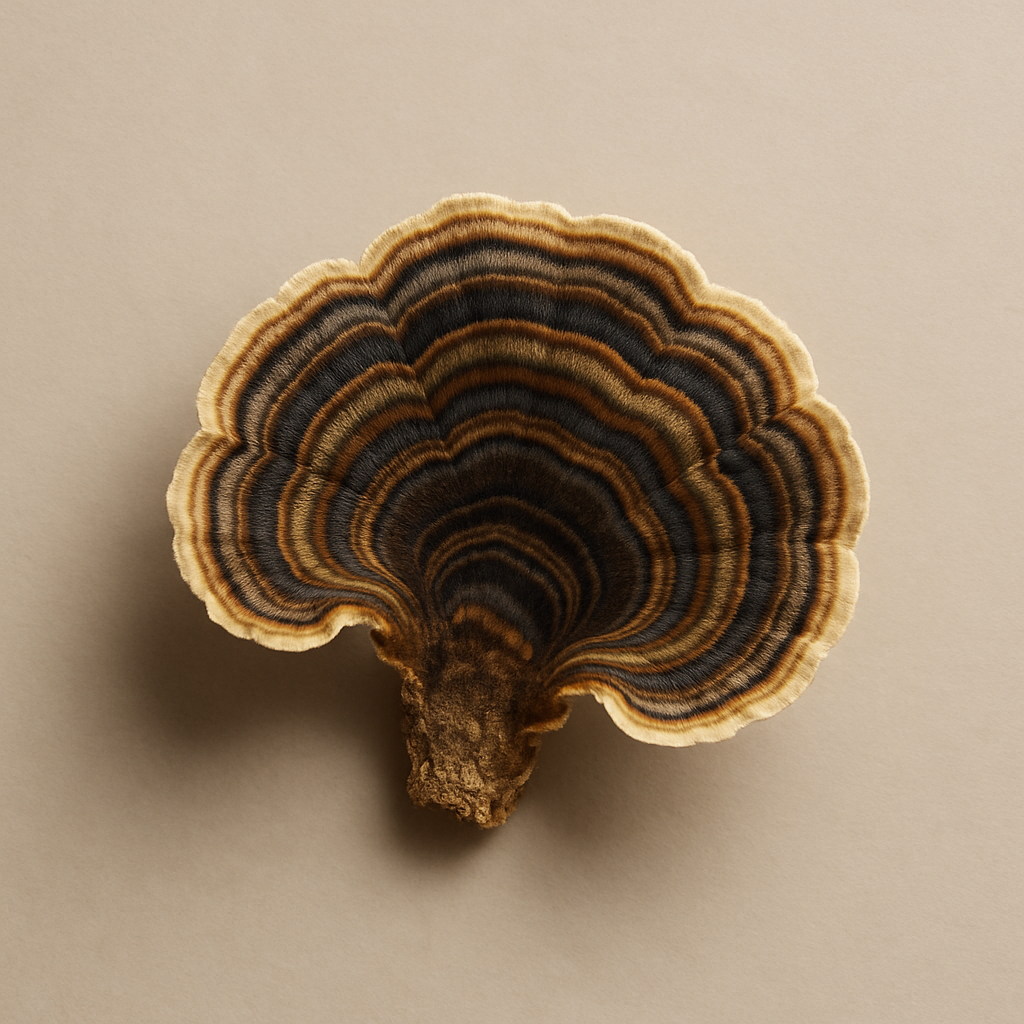
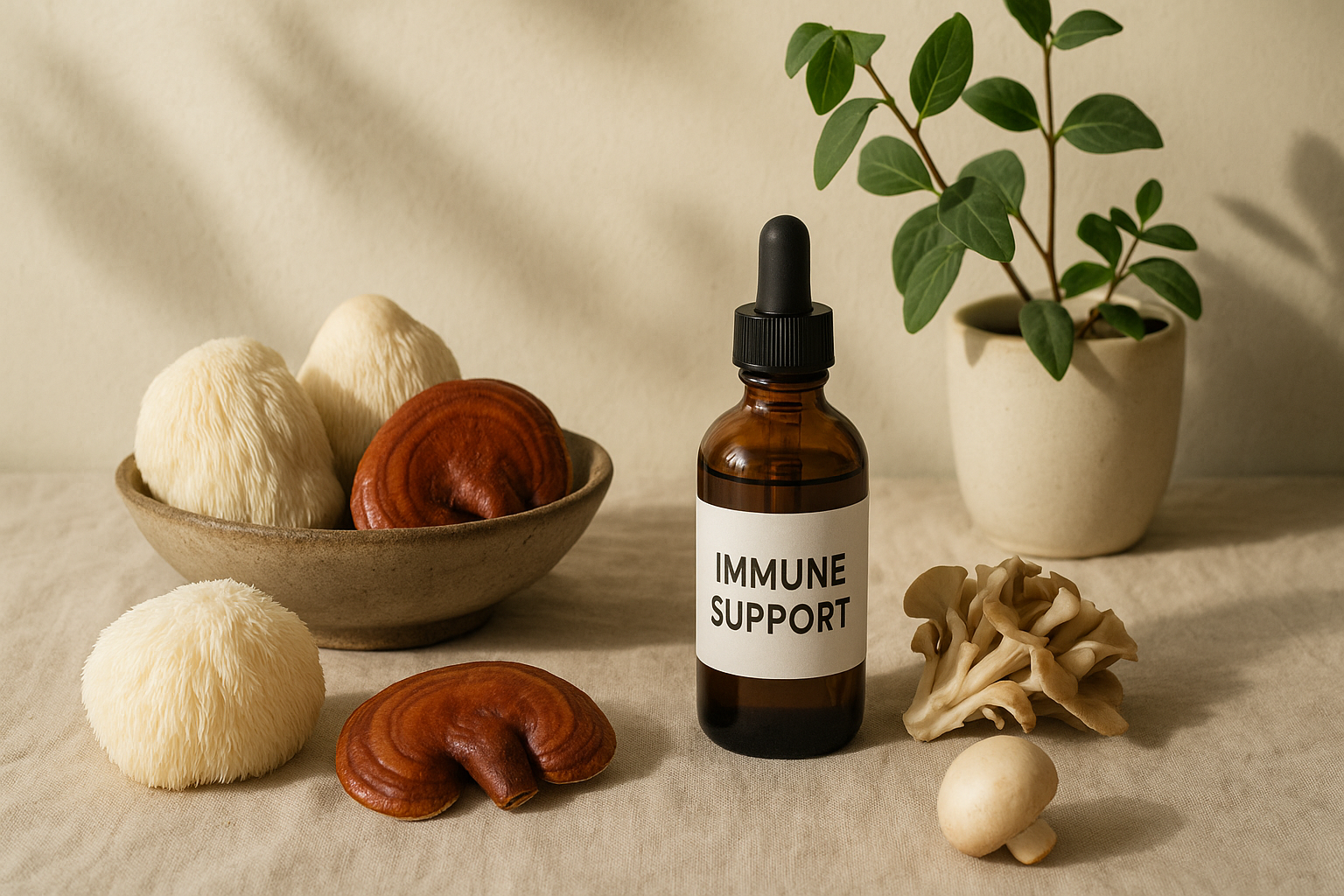
Immune support mushrooms refer to various mushroom species known for their ability to enhance the immune system. These fungi are rich in bioactive compounds that can support immune function, making them a popular choice in natural remedies. Notable examples include Ganoderma lucidum (Reishi), Trametes versicolor (Turkey Tail), and Lentinula edodes (Shiitake). Each of these mushrooms offers unique benefits and properties that contribute to overall immune health.
Key Active Compounds & Mechanisms
The health benefits of immune support mushrooms are attributed to several key compounds:
- Polysaccharides: Particularly beta-glucans, which modulate immune responses and enhance the activity of immune cells.
- Triterpenoids: Found in Reishi mushrooms, these compounds have anti-inflammatory properties that can help reduce immune system stress.
- Ergosterol: A precursor to vitamin D, which is essential for optimal immune function.
- Antioxidants: Such as phenols and flavonoids, which help combat oxidative stress and support overall cellular health.
Traditional Uses
Historically, various cultures have utilized mushrooms for their medicinal properties. In Traditional Chinese Medicine, Ganoderma lucidum, known as Lingzhi, has been used for over 2,000 years to promote longevity and enhance vitality. The indigenous peoples of North America have also employed mushrooms like Turkey Tail in their healing practices, recognizing their immune-supportive effects. These traditional uses underscore the longstanding belief in the health benefits of mushrooms.
What Modern Research Suggests
Modern scientific research has begun to validate many of the traditional uses of immune support mushrooms. Studies have shown that beta-glucans from Trametes versicolor can enhance immune response in both animal and human trials. Research on Ganoderma lucidum indicates its potential to modulate immune function and reduce inflammation. While results are promising, further research is needed to fully understand the mechanisms and effects of these mushrooms on human health.
Functional Actions
Immune support mushrooms offer several functional actions that contribute to health:
- Immune modulation: Enhancing the body’s ability to respond to pathogens.
- Anti-inflammatory effects: Reducing chronic inflammation that can impair immune function.
- Antioxidant support: Protecting cells from oxidative damage, which can compromise immune health.
- Gut health promotion: Supporting the microbiome, which plays a crucial role in immune function.
Body Systems Supported
Immune support mushrooms primarily benefit the following body systems:
- Immune System: Enhancing the body’s ability to defend against infections.
- Digestive System: Promoting gut health and a balanced microbiome.
- Circulatory System: Improving blood circulation and oxygen delivery to tissues.
Common Forms & Educational Dosing Ranges
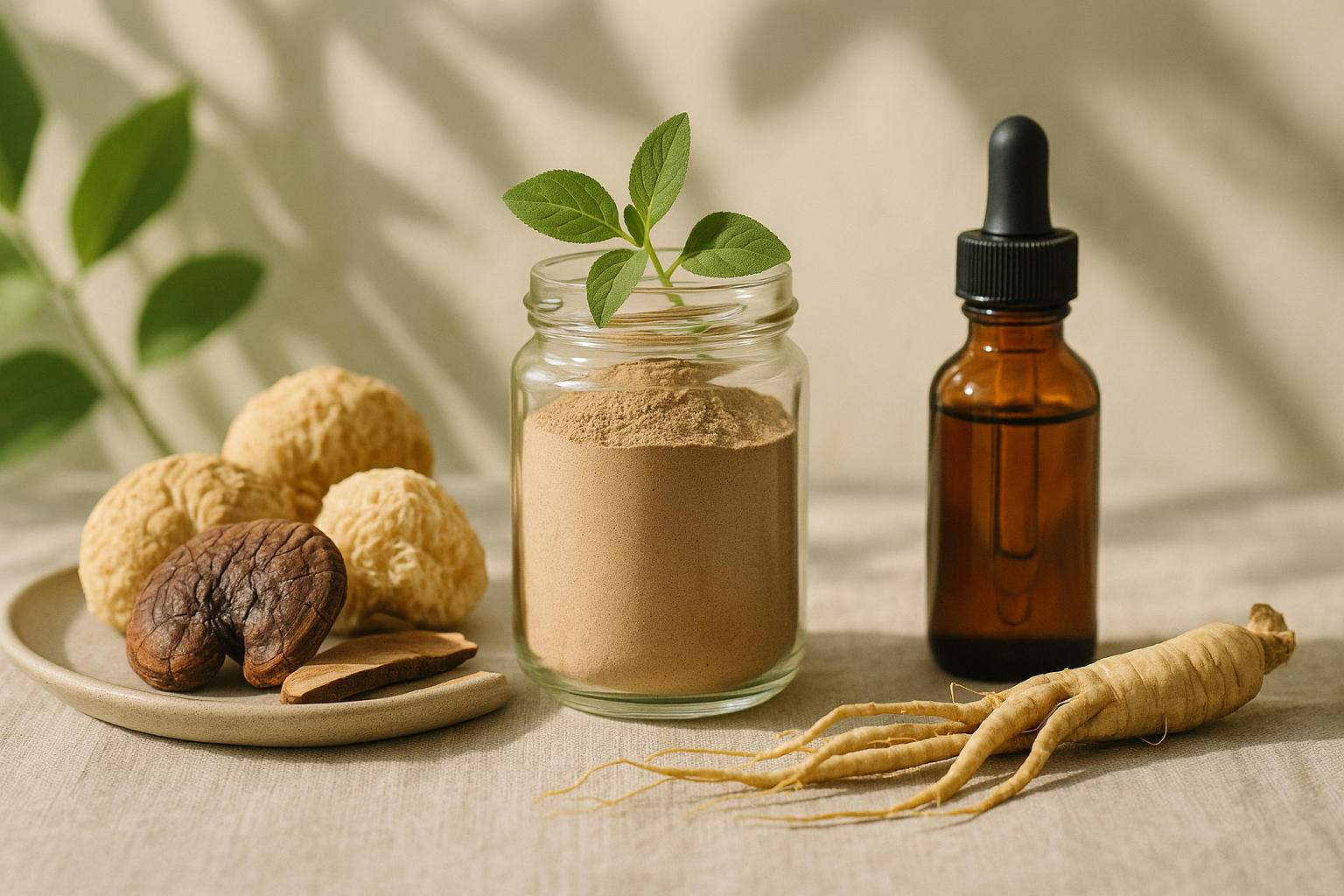
Immune support mushrooms are available in various forms, including:
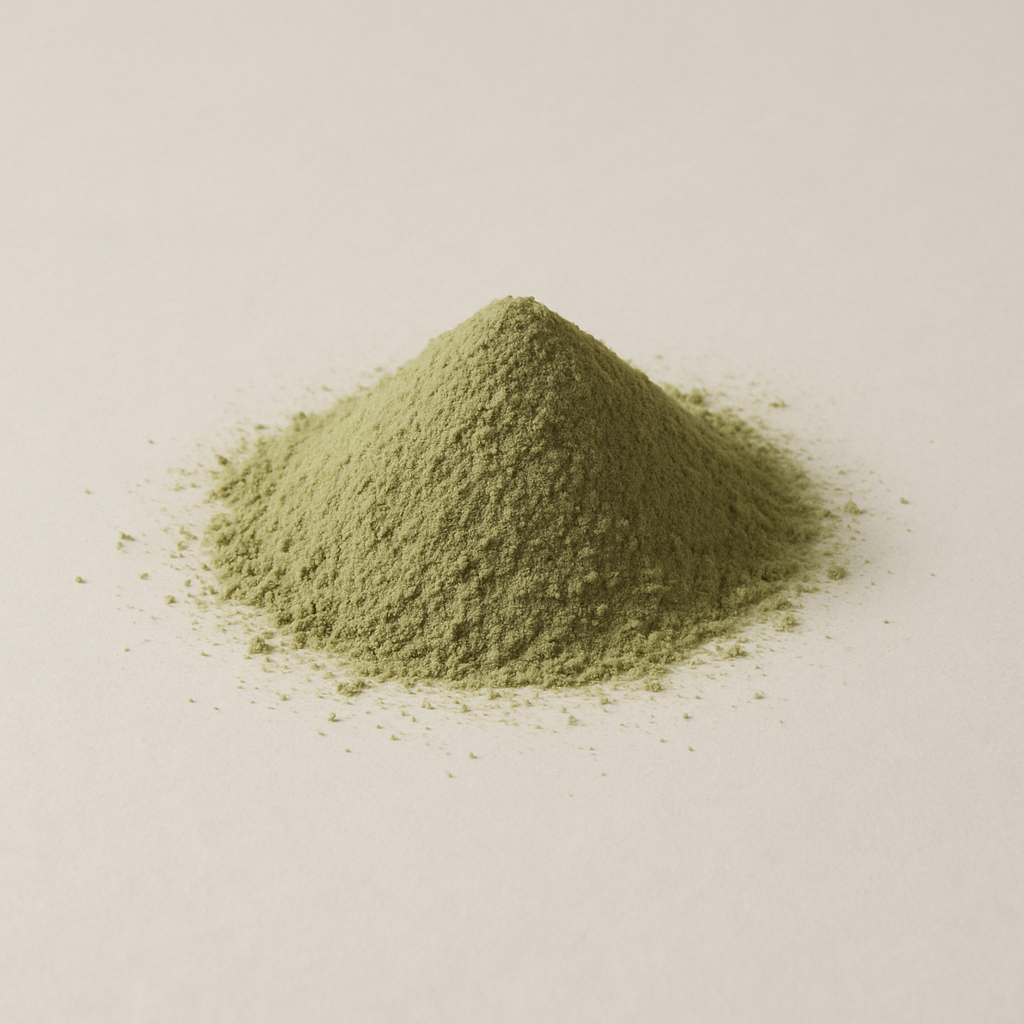
- Powders: Often used in smoothies or soups; typical doses range from 1 to 2 teaspoons daily.
- Capsules/Tablets: Convenient for supplementation; follow product-specific dosing recommendations.
- Teas: Made by steeping dried mushrooms; can be consumed 1-2 times daily.
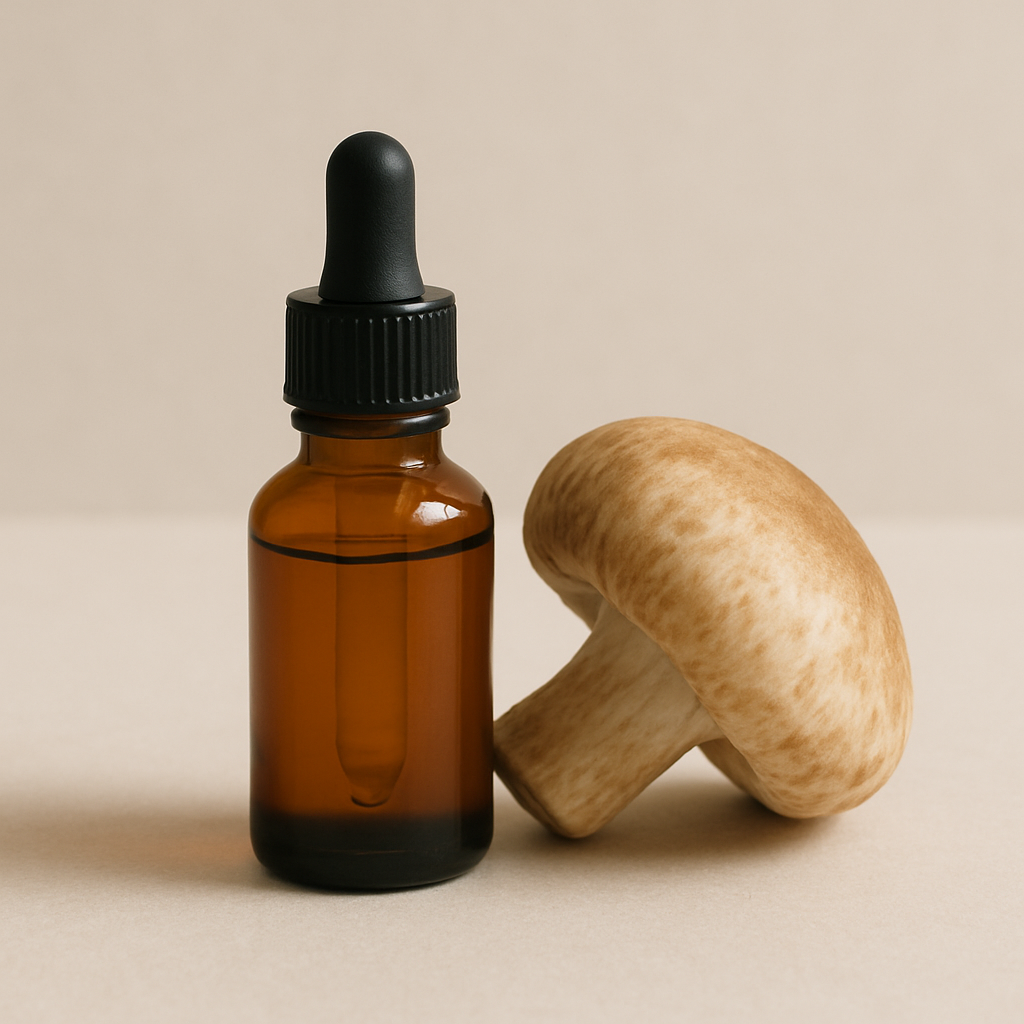
- Tinctures: Alcohol extracts that provide concentrated doses; typically, 1-2 droppers daily.
Safety, Contraindications & Interactions
While immune support mushrooms are generally considered safe for most people, there are some precautions to keep in mind:
- Individuals with mushroom allergies should avoid all mushroom products.
- Those on immunosuppressive medications (like corticosteroids or chemotherapy) should consult a healthcare professional before use, as mushrooms may enhance immune activity.
- Pregnant or breastfeeding women should seek medical advice prior to supplementation.
Pairs Well With
For enhanced benefits, immune support mushrooms can be combined with:
- Vitamin C: A powerful antioxidant that supports immune function.
- Zinc: Essential for immune cell function and response.
- Elderberry: Known for its antiviral properties, it complements the effects of immune support mushrooms.
FAQs (5)
- Are immune support mushrooms safe for children? It is recommended to consult a pediatrician before giving any mushroom supplements to children.
- How long does it take to see benefits from immune support mushrooms? Benefits can vary, but many people report improvements within a few weeks of consistent use.
- Can I take immune support mushrooms with other supplements? Generally, yes, but it is best to consult a healthcare professional for personalized advice.
- Do immune support mushrooms have any side effects? Most people tolerate them well, but some may experience gastrointestinal discomfort.
- Can immune support mushrooms replace vaccines? No, they can support immune health but should not be considered a substitute for vaccinations.
Frequently asked
Are immune support mushrooms safe for children?
It is recommended to consult a pediatrician before giving any mushroom supplements to children.
How long does it take to see benefits from immune support mushrooms?
Benefits can vary, but many people report improvements within a few weeks of consistent use.
Can I take immune support mushrooms with other supplements?
Generally, yes, but it is best to consult a healthcare professional for personalized advice.
Do immune support mushrooms have any side effects?
Most people tolerate them well, but some may experience gastrointestinal discomfort.
Can immune support mushrooms replace vaccines?
No, they can support immune health but should not be considered a substitute for vaccinations.