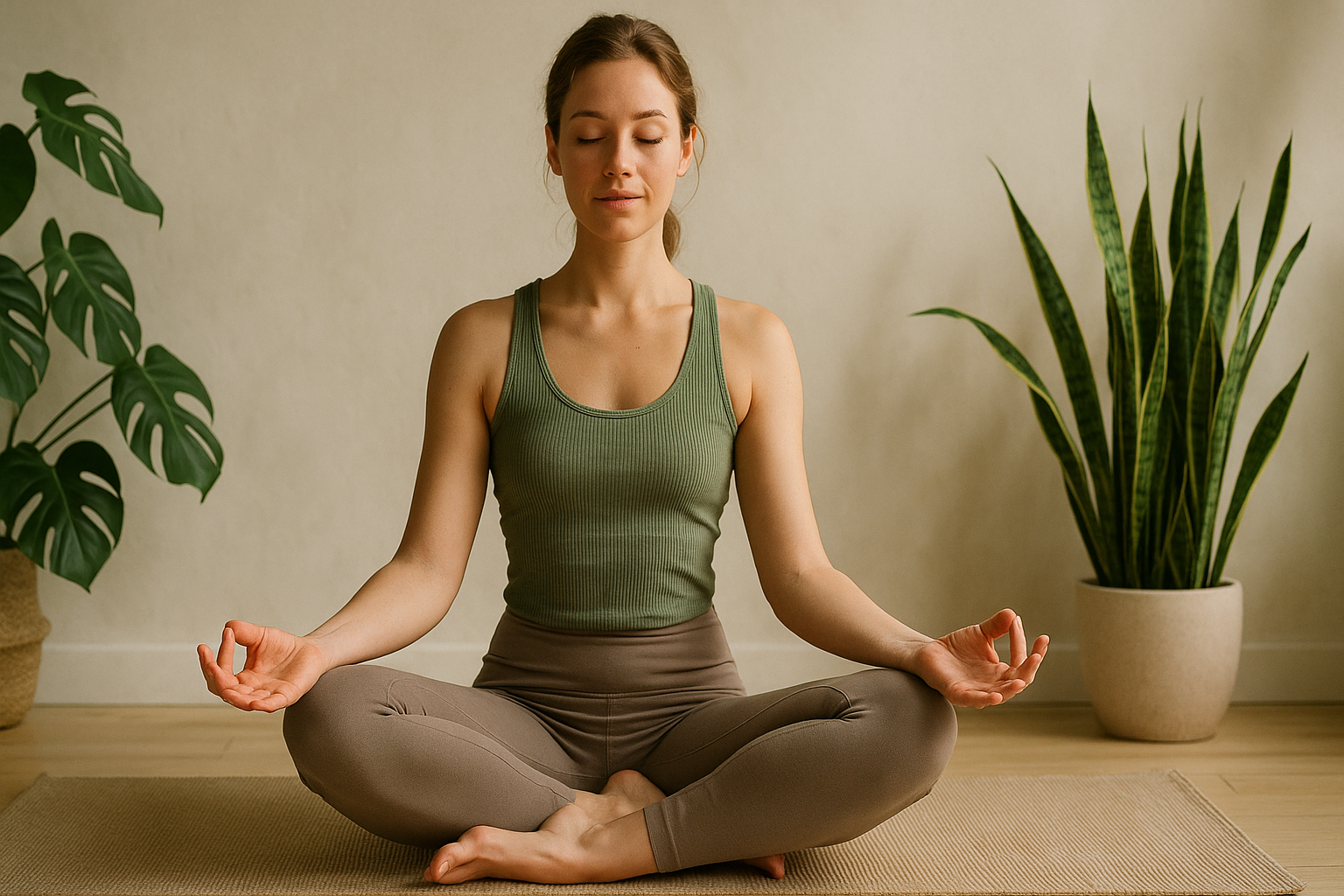
Vibrational Healing
Discover vibrational healing within energy therapies, its historical roots, modern insights, and practical applications for wellness.
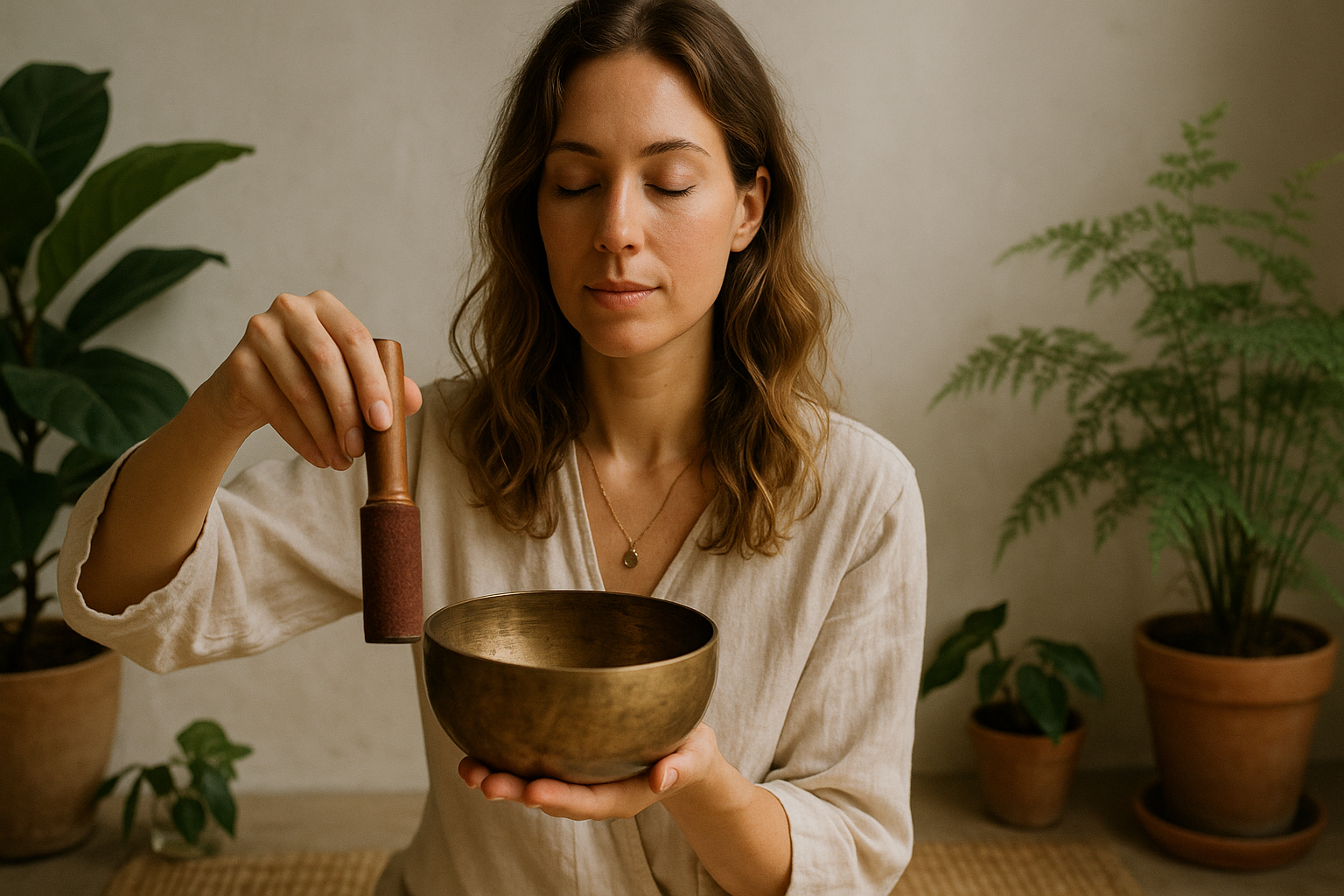
Explore the world of vibrational healing, an energy therapy rooted in ancient practices that harnesses the power of sound and frequency to promote wellness. This subcategory page delves into its definition, traditional uses, modern research, and practical applications.
What It Is
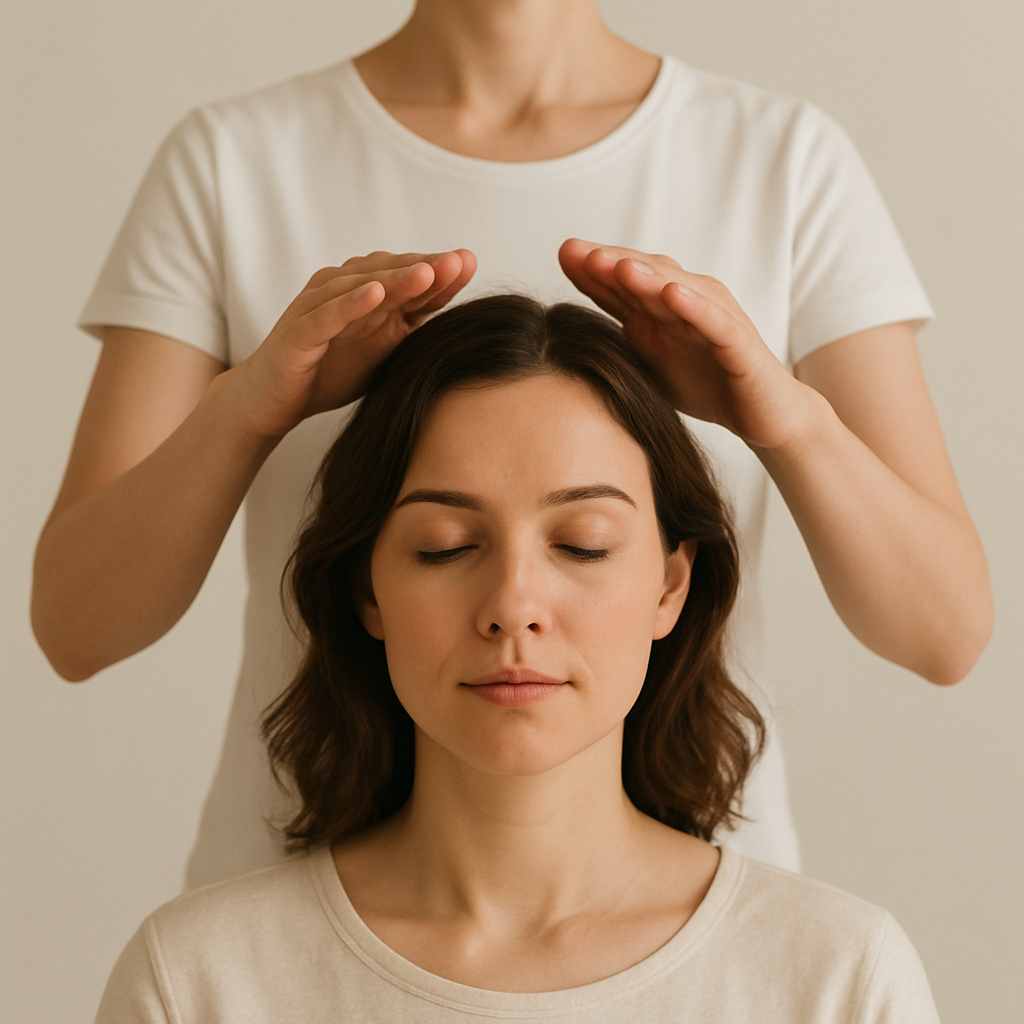
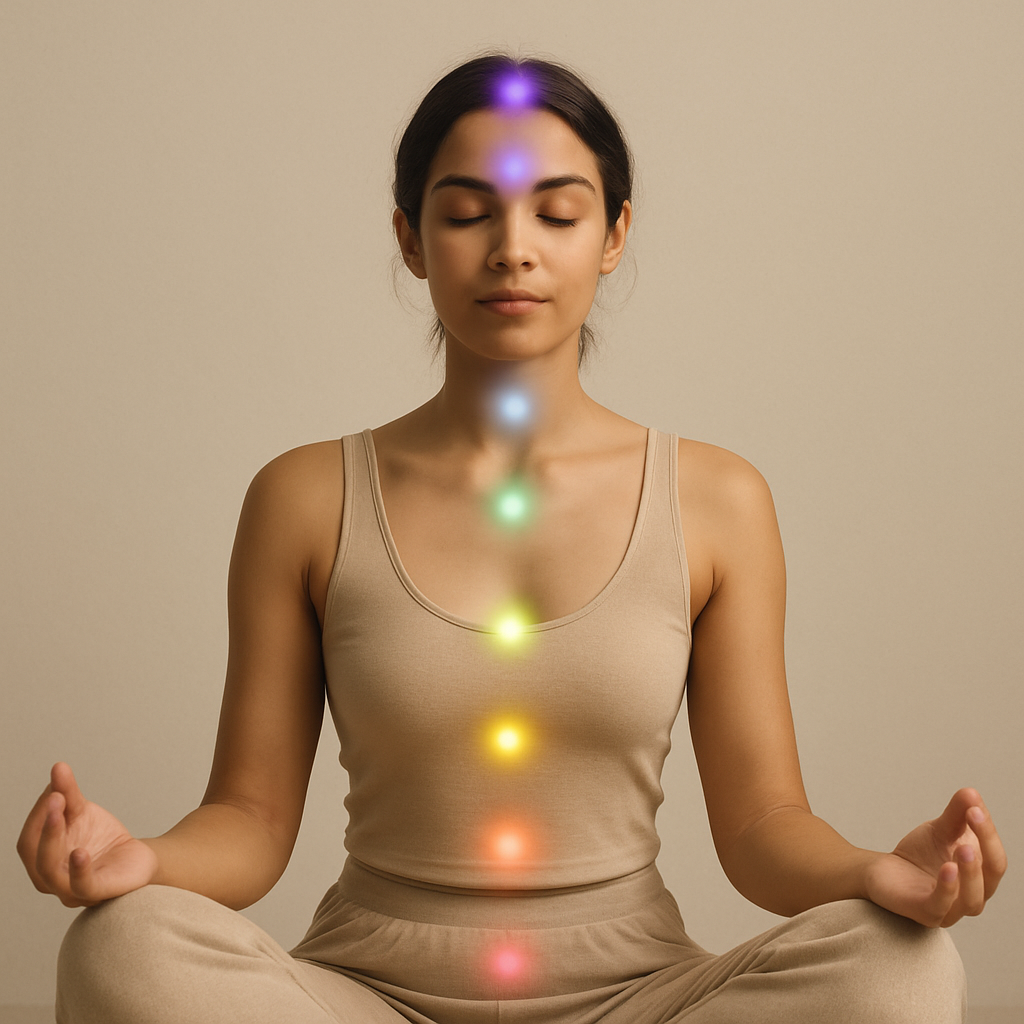
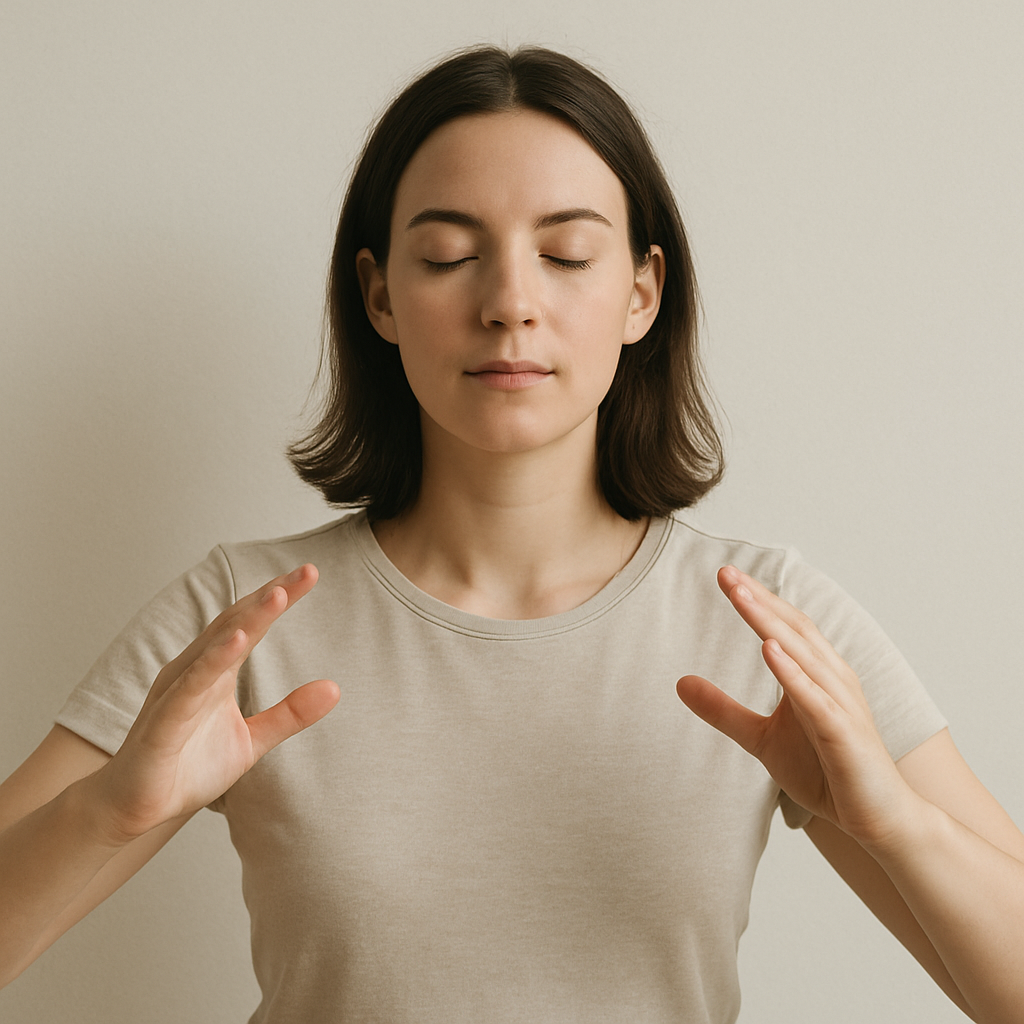
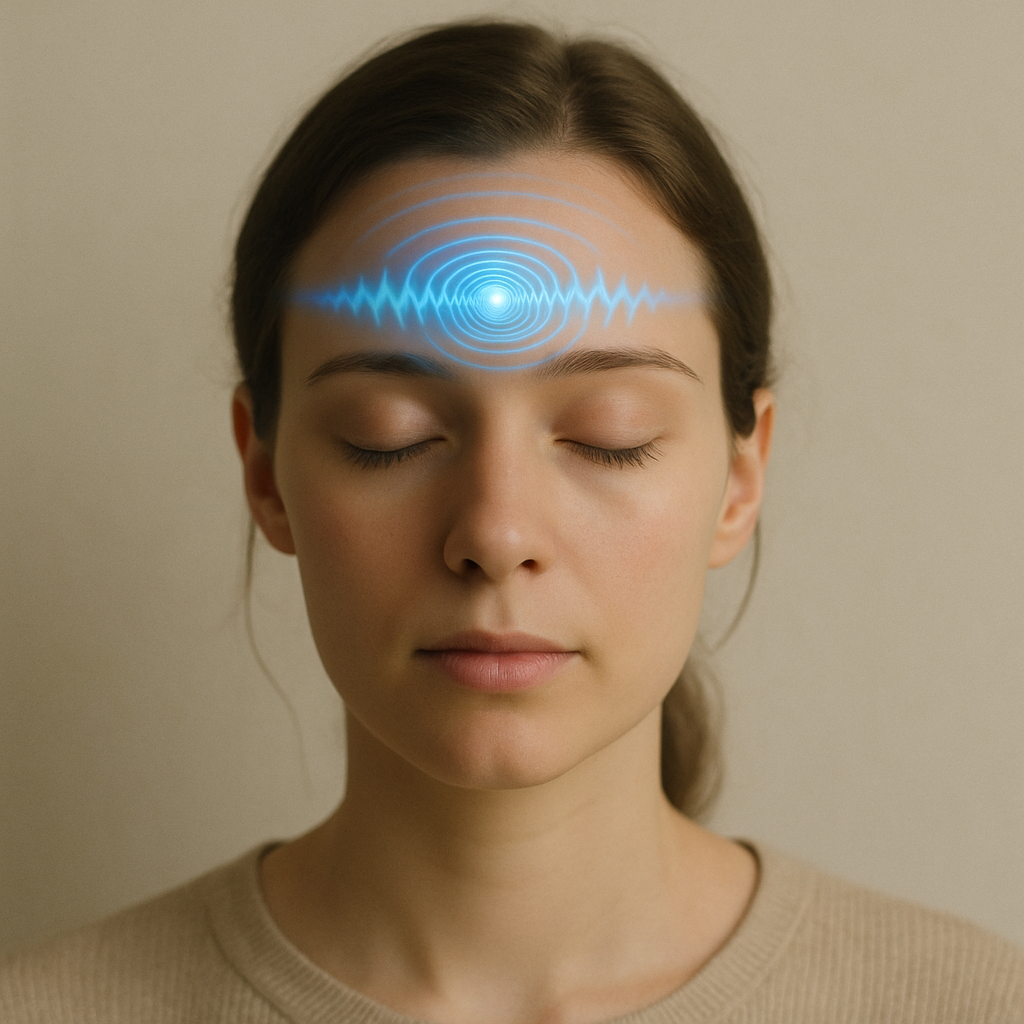
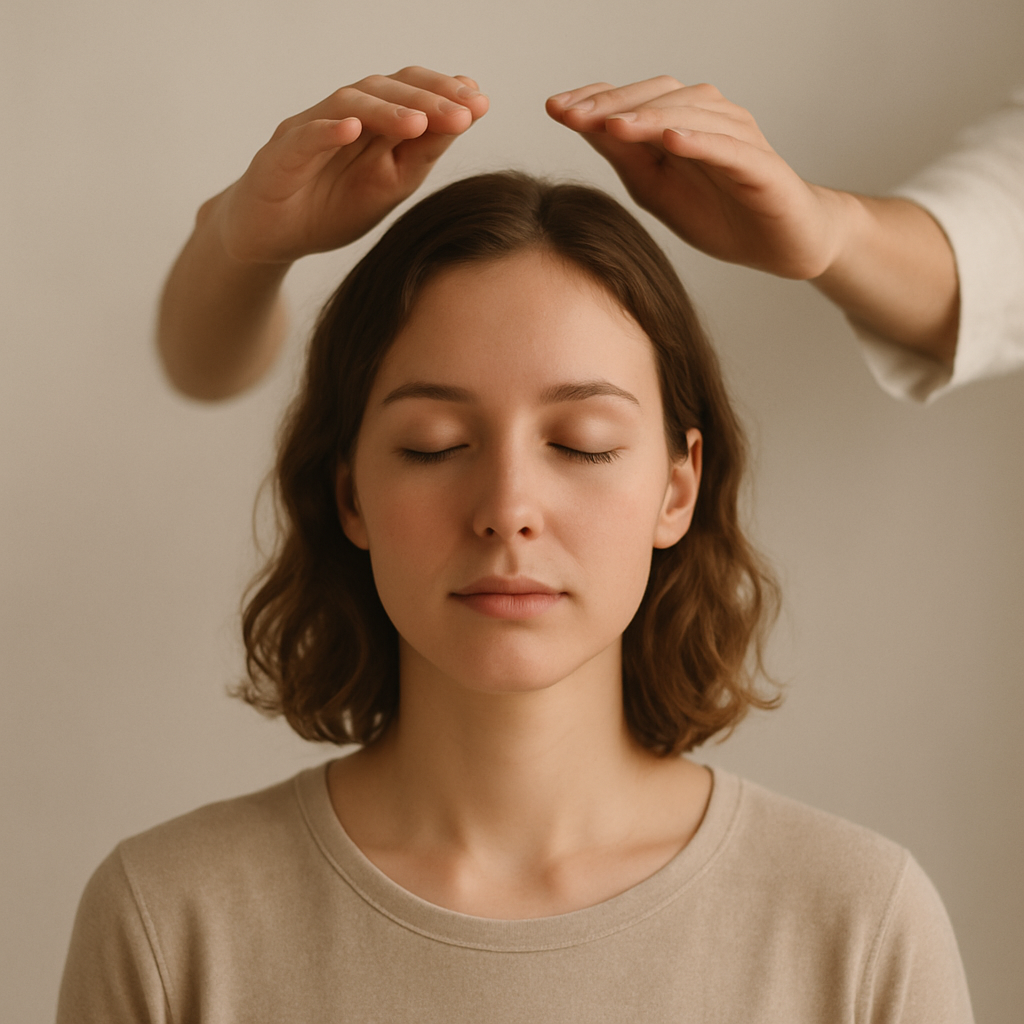
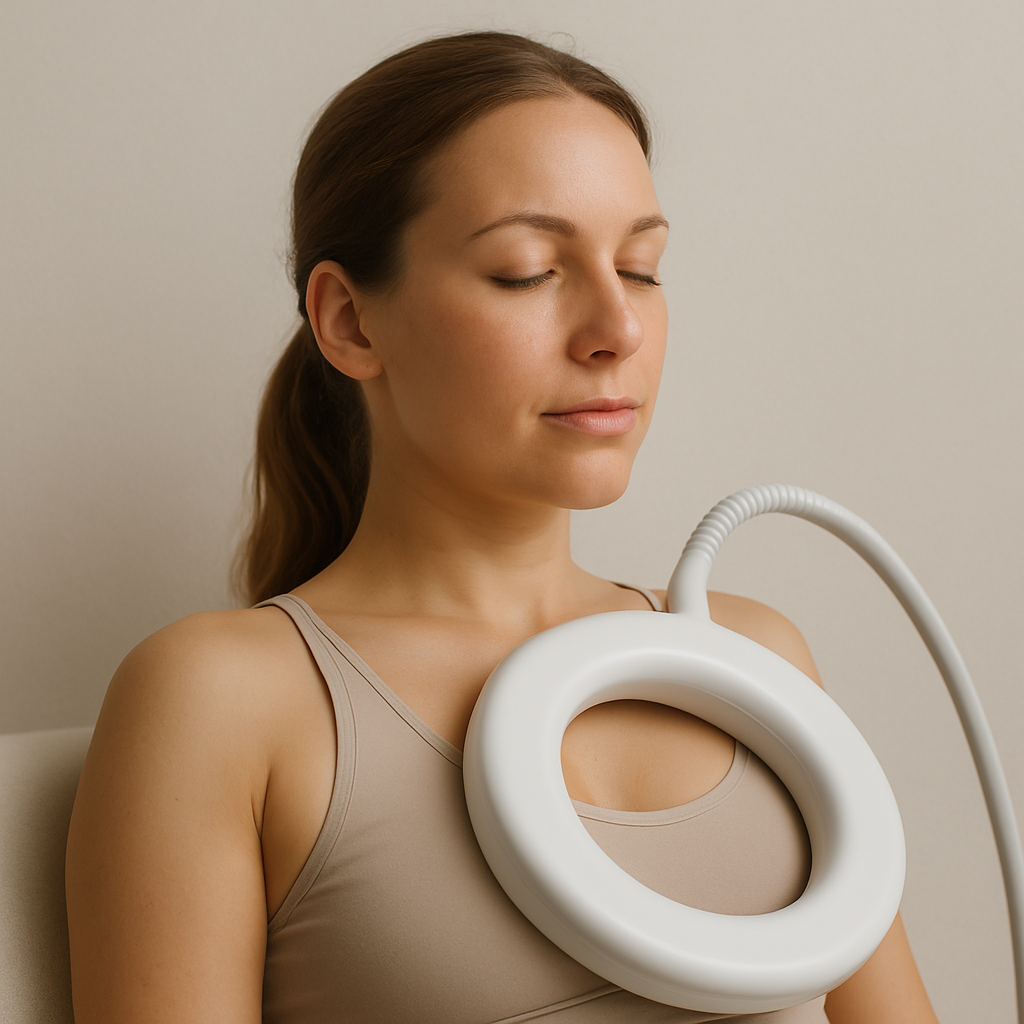
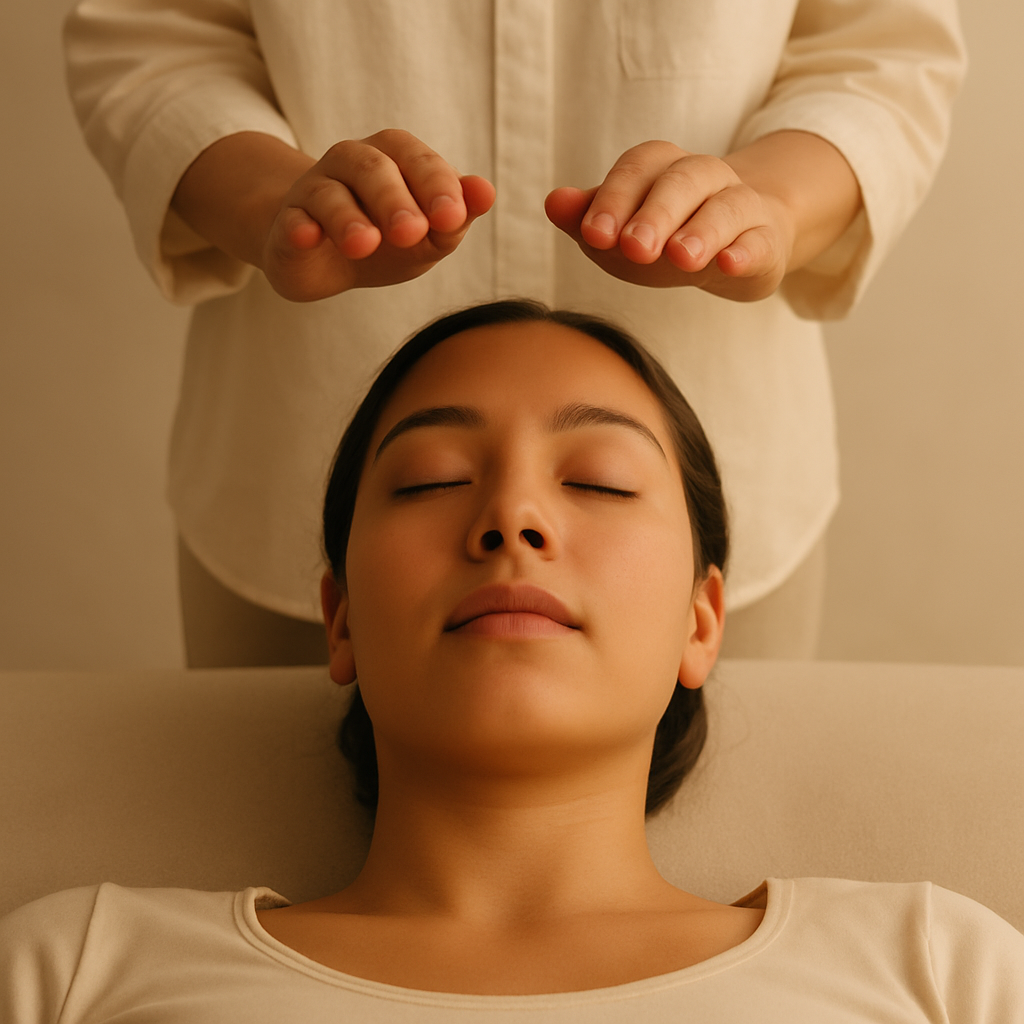
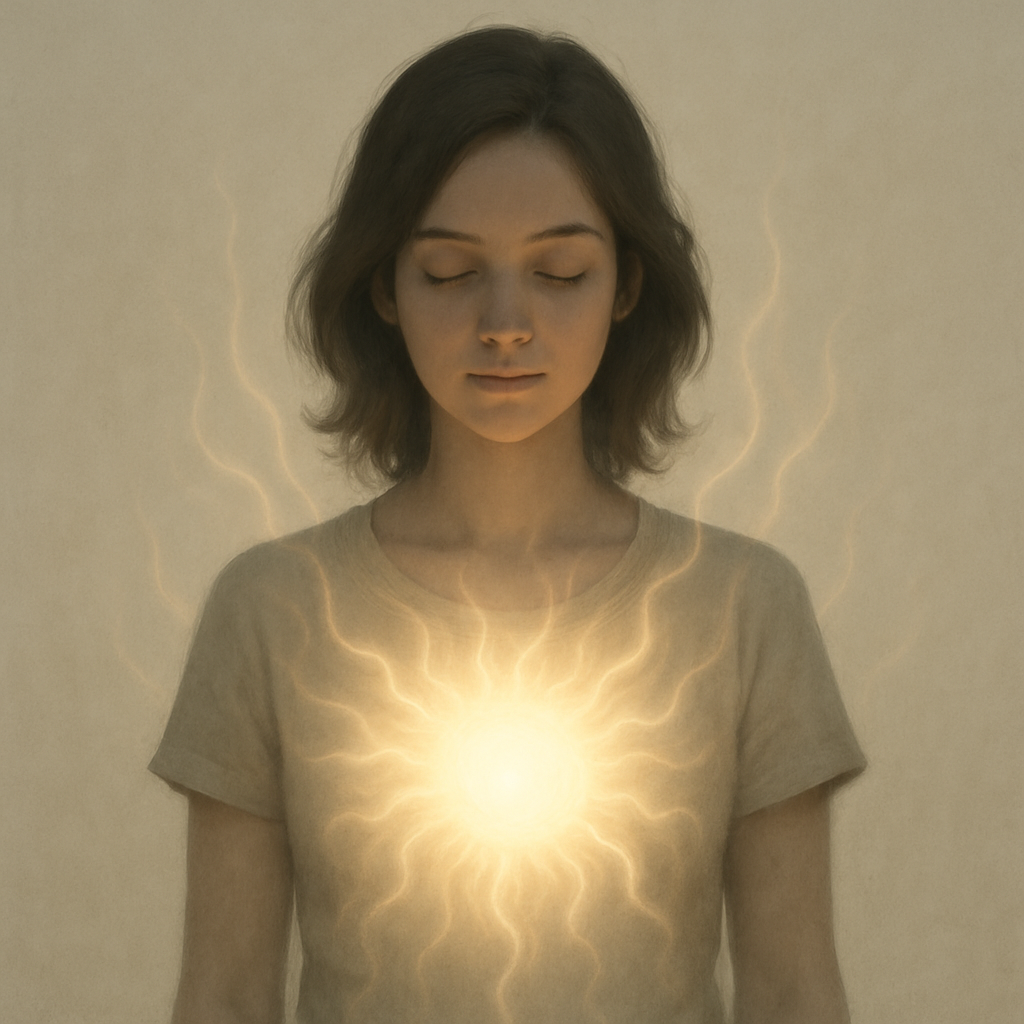
Vibrational healing is a holistic practice that uses sound, frequencies, and vibrations to promote emotional, physical, and spiritual well-being. This approach is based on the principle that everything in the universe, including our bodies, is in a constant state of vibration. By utilizing various forms of sound and energy, practitioners aim to restore balance and harmony within the body. Vibrational healing encompasses various modalities, including sound therapy, crystal healing, and tuning fork therapy.
Key Active Compounds & Mechanisms
Vibrational healing does not rely on chemical compounds in the traditional sense, as it primarily focuses on energy and frequency. However, certain elements play a role in enhancing vibrational practices:
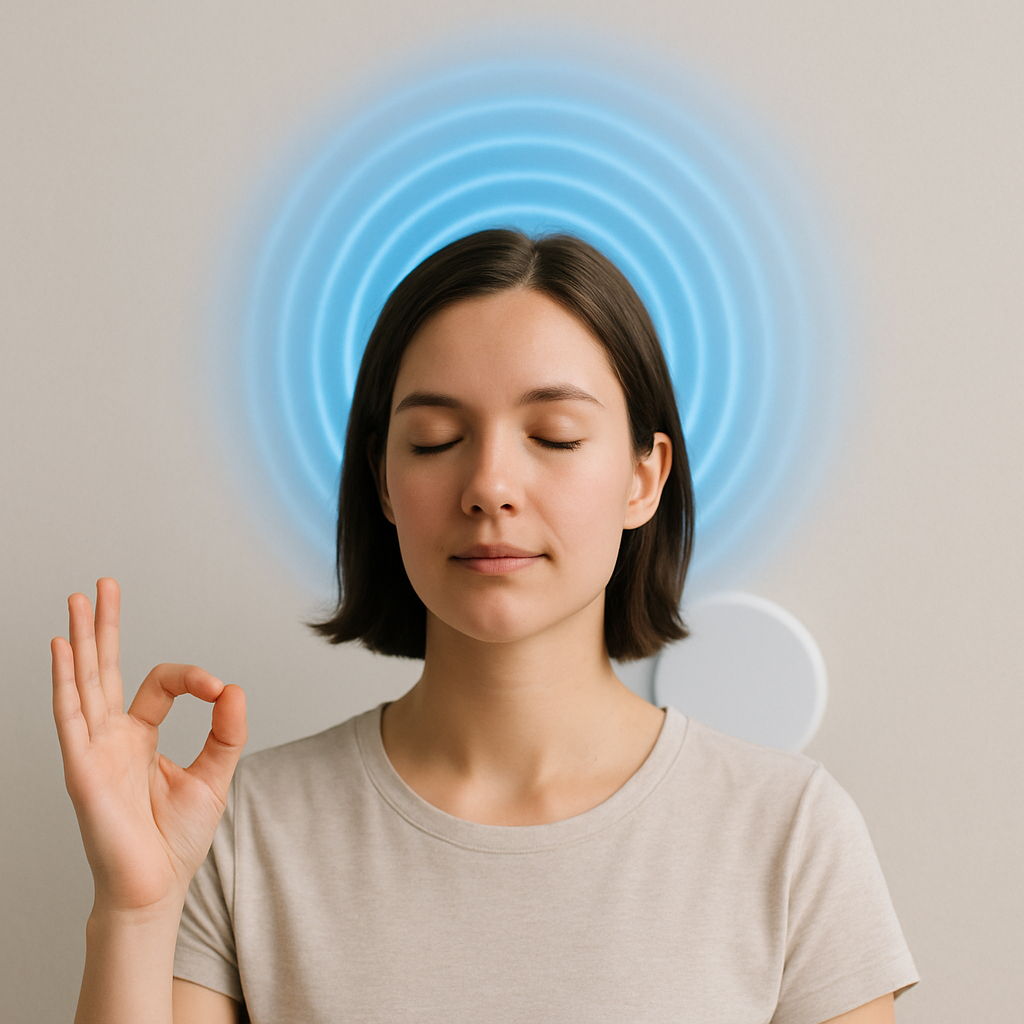
- Sound Waves: Different frequencies can elicit various responses in the body and mind, influencing emotions and physical sensations.
- Resonance: The principle of resonance suggests that when an object is exposed to a frequency that matches its own natural frequency, it vibrates more intensely.
- Harmonics: The use of harmonics in sound therapy can help create a more profound healing experience by layering different sound frequencies.
Traditional Uses
Vibrational healing has roots in many ancient cultures and practices:
- Ancient Egypt: Sound was used in temples for healing rituals, with priests utilizing voices and instruments.
- Indigenous Cultures: Many indigenous peoples have long employed chanting, drumming, and other sound forms in their healing practices.
- Ayurveda: In this ancient Indian system of medicine, specific sounds and mantras are believed to promote healing and balance.
What Modern Research Suggests
Modern research into vibrational healing is still in its infancy, but preliminary studies suggest that sound therapy can reduce stress, improve mood, and enhance overall well-being. Some clinical trials have shown positive effects on pain management, anxiety reduction, and sleep quality when sound-based therapies are employed. However, further rigorous studies are needed to fully understand the mechanisms and efficacy of these practices.
Functional Actions
The functional actions of vibrational healing are varied and may include:
- Stress Reduction: Many people report a sense of relaxation and calm after engaging in vibrational practices.
- Pain Relief: Sound therapy may help alleviate chronic pain conditions by promoting relaxation and reducing muscle tension.
- Emotional Balance: Vibrational healing can assist in processing emotions and achieving a state of emotional equilibrium.
Body Systems Supported
Vibrational healing can support multiple body systems, including:
- Nervous System: Helps in calming the nervous system, promoting relaxation and reducing anxiety.
- Musculoskeletal System: Can relieve tension and discomfort in muscles and joints.
- Endocrine System: May aid in balancing hormones through stress relief and emotional health.
Common Forms & Educational Dosing Ranges
Vibrational healing can be experienced in various forms, including:
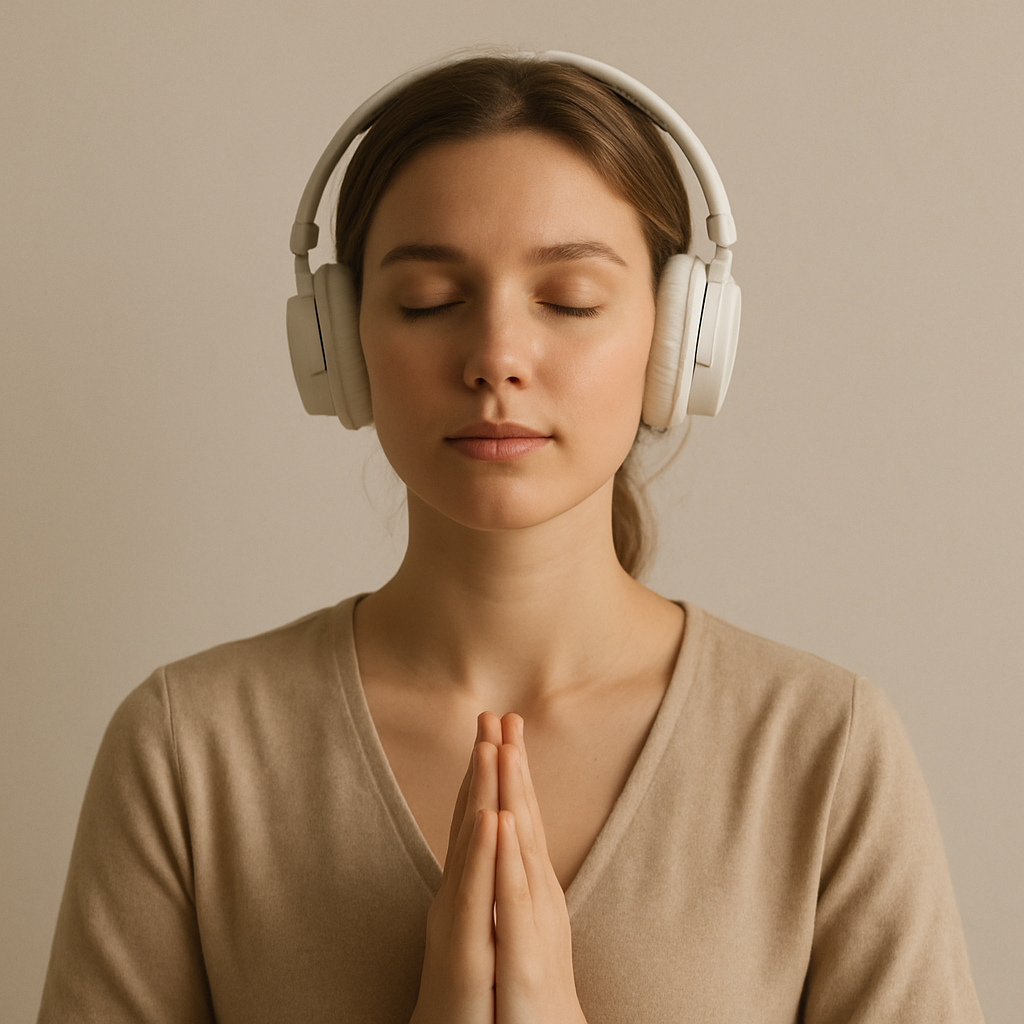
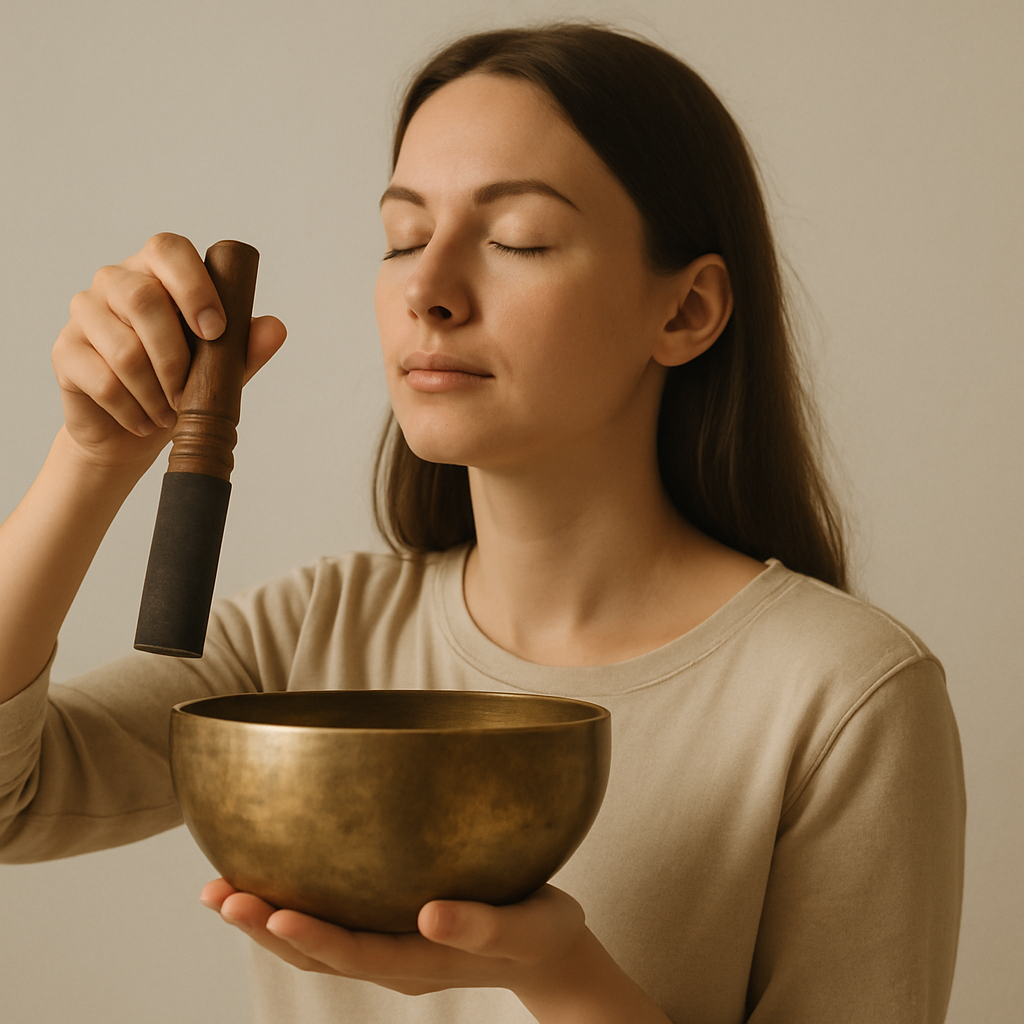
- Sound Baths: Immersive experiences where participants listen to gongs, bowls, and other instruments.
- Tuning Fork Therapy: The use of specific tuning forks on or near the body to promote healing.
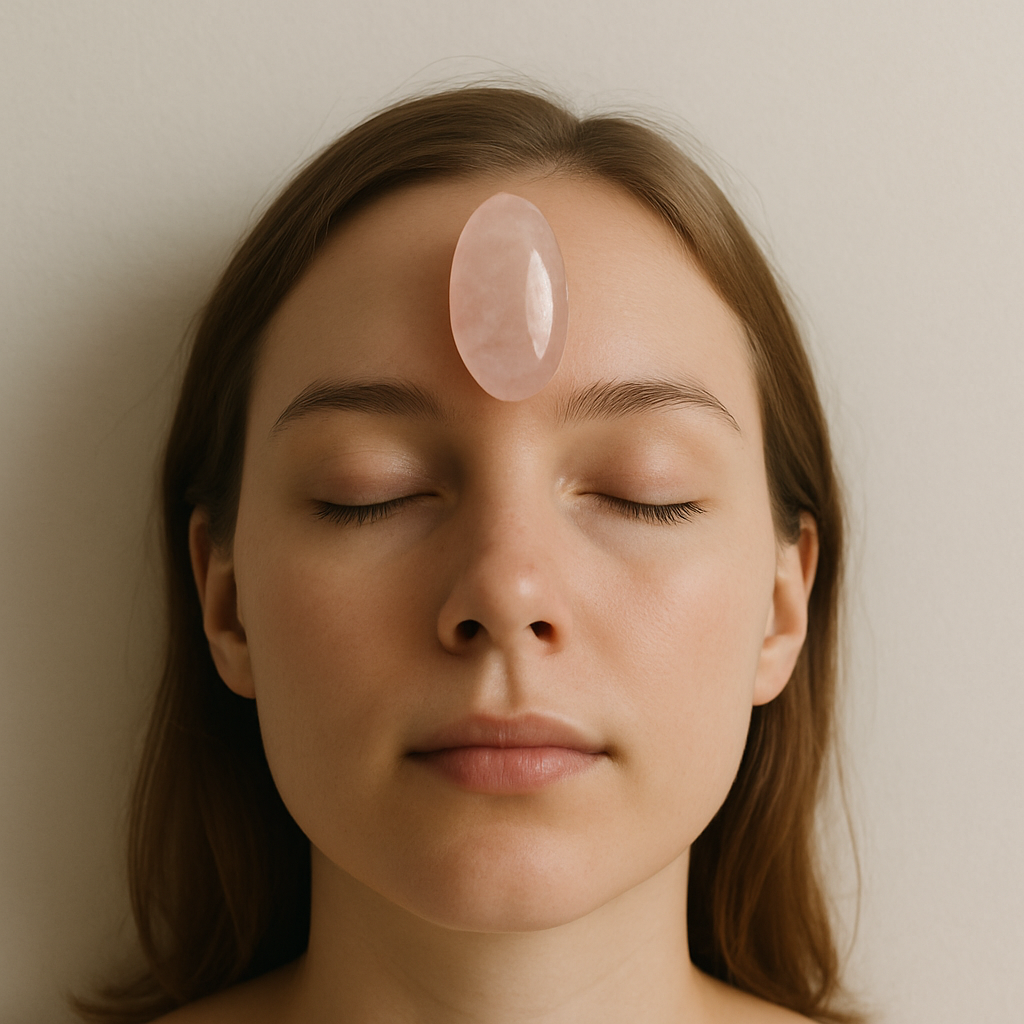
- Crystal Healing: Utilizing crystals that resonate with specific frequencies to enhance healing.
There are no standardized dosing ranges for vibrational healing, as the experience is highly individual. It is often recommended to participate in sessions that last from 30 minutes to an hour, depending on personal comfort and response.
Safety, Contraindications & Interactions
Vibrational healing is generally considered safe for most individuals. However, caution is advised for:
- Individuals with certain medical conditions: Those with severe mental health issues or neurological disorders should consult healthcare professionals before engaging in sound therapies.
- Pregnant Women: While many find vibrational healing beneficial, it's wise to consult a healthcare provider to ensure safety.
As vibrational healing does not involve pharmaceuticals, specific medication interactions are minimal, but individuals should always disclose their health conditions and medications to practitioners.
Pairs Well With
Vibrational healing can be effectively paired with other natural remedies and therapies, including:
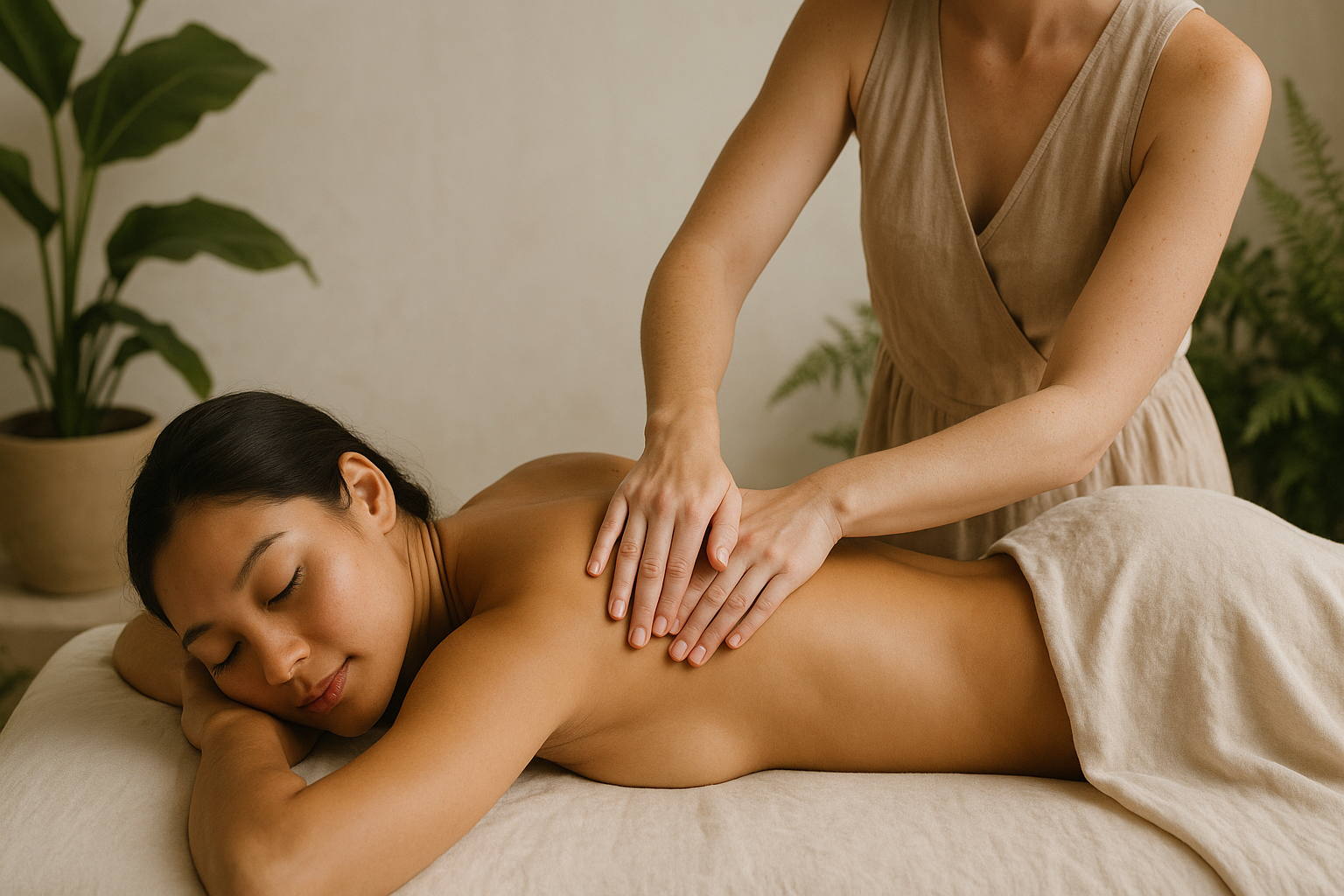
- Massage Therapy: Enhances relaxation and emotional release.
- Aromatherapy: The use of essential oils can complement vibrational therapies by engaging the sense of smell.
- Meditation: Combining sound healing with meditation practices can deepen the overall experience.
FAQs (5)
- What is vibrational healing?
Vibrational healing is a holistic approach that uses sound and frequencies to promote emotional and physical wellness. - Is vibrational healing effective?
Preliminary research suggests it may reduce stress and promote relaxation, but more studies are needed. - How long does a vibrational healing session last?
Sessions typically last between 30 minutes to an hour, depending on individual preference. - Can anyone participate in vibrational healing?
Most individuals can participate, but those with certain medical conditions should consult a healthcare provider first. - What forms of vibrational healing are available?
Common forms include sound baths, tuning fork therapy, and crystal healing.
Frequently asked
What is vibrational healing?
Vibrational healing is a holistic approach that uses sound and frequencies to promote emotional and physical wellness.
Is vibrational healing effective?
Preliminary research suggests it may reduce stress and promote relaxation, but more studies are needed.
How long does a vibrational healing session last?
Sessions typically last between 30 minutes to an hour, depending on individual preference.
Can anyone participate in vibrational healing?
Most individuals can participate, but those with certain medical conditions should consult a healthcare provider first.
What forms of vibrational healing are available?
Common forms include sound baths, tuning fork therapy, and crystal healing.