Sound Healing
Delve into Sound Healing, its history, mechanisms, and its role in enhancing well-being through energy and frequency therapies.
Explore the therapeutic benefits of Sound Healing, a practice rooted in ancient traditions and gaining modern recognition in energy and frequency therapies. Discover its mechanisms, traditional uses, and the systems it supports.
What It Is
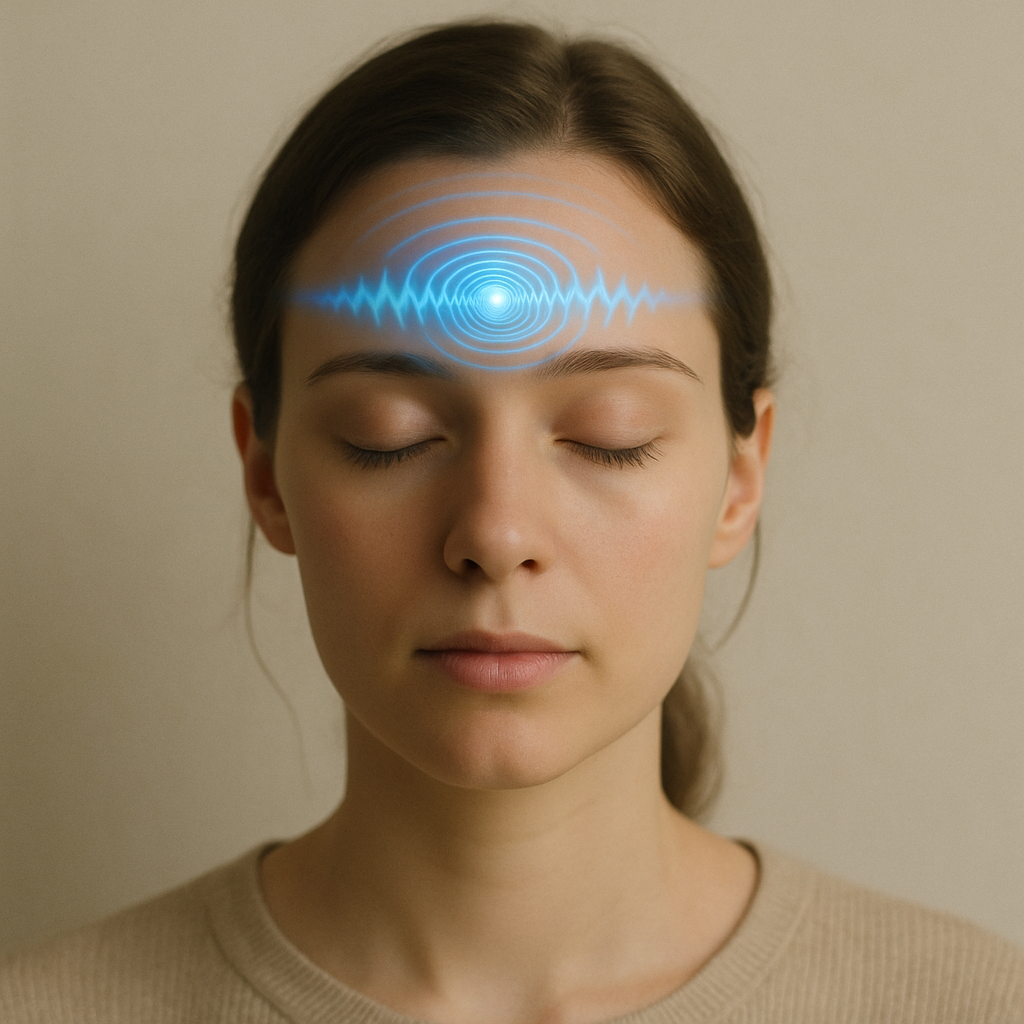
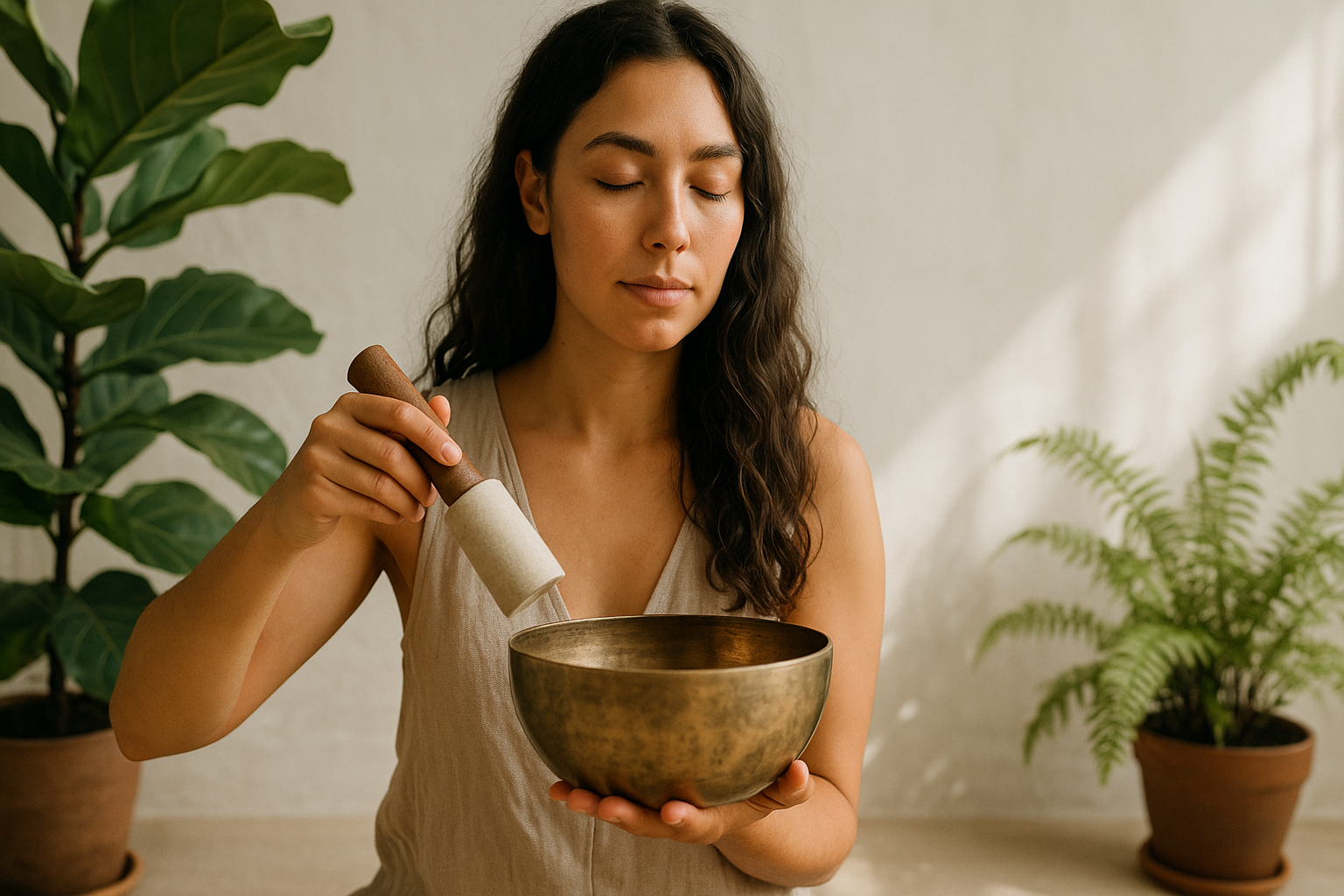
Sound Healing is a holistic practice that utilizes sound frequencies, vibrations, and music to promote physical, emotional, and spiritual well-being. This therapy is based on the idea that everything in the universe, including the human body, is made up of energy vibrating at different frequencies. By using sound as a tool, practitioners aim to restore harmony and balance within the body. Instruments commonly used in Sound Healing include singing bowls, gongs, tuning forks, and the human voice.
Key Active Compounds & Mechanisms
While Sound Healing does not rely on chemical compounds like traditional herbal remedies, its mechanisms are rooted in the physics of sound. The primary elements involved in Sound Healing include:
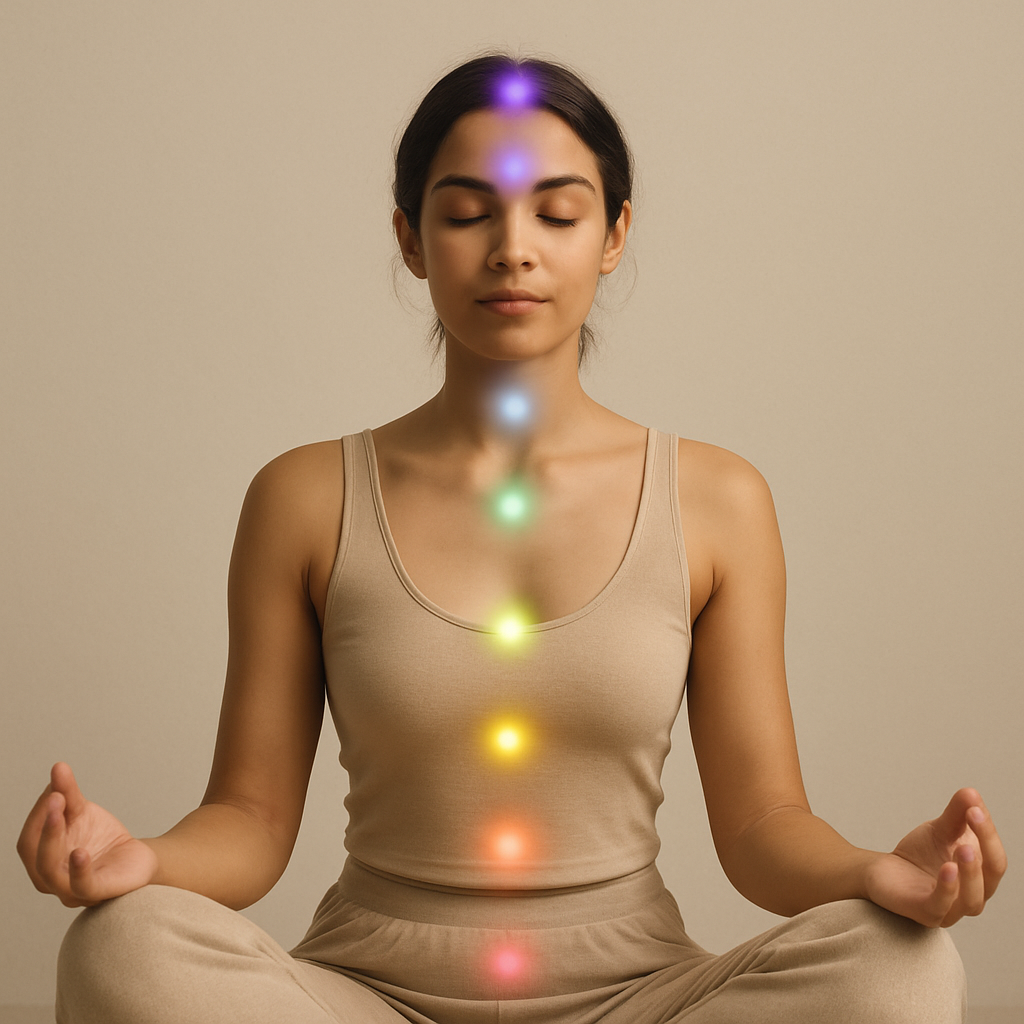
- Vibrational Frequencies: Different sounds and vibrations can resonate with various body parts and energy centers (chakras), promoting healing.
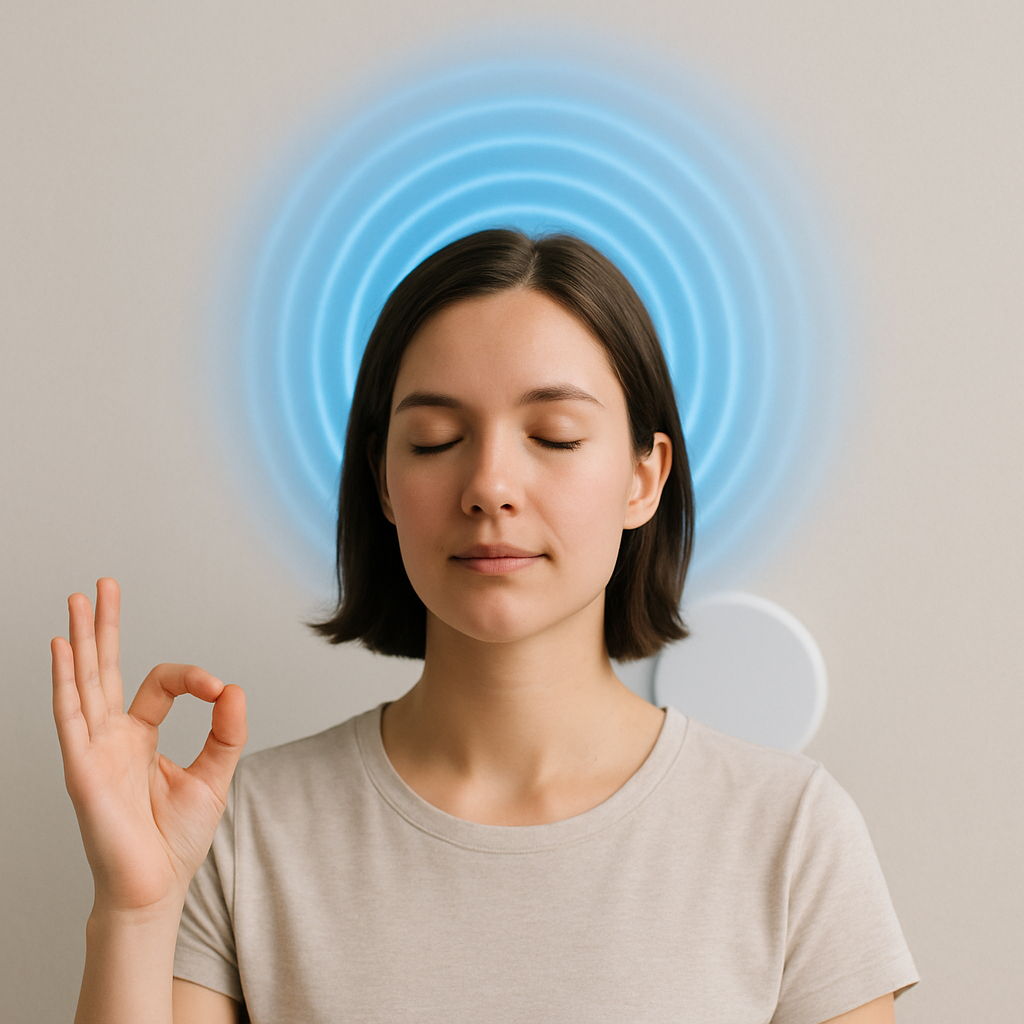
- Brainwave Entrainment: Sound can influence brainwave patterns, encouraging states of relaxation, focus, or meditation.
- Resonance: The principle of resonance suggests that sound can increase cellular function and promote healing at a cellular level.
Traditional Uses
Sound Healing has been practiced for thousands of years across various cultures. Some historical uses include:
- Ancient Egypt: Priests used music and chanting in rituals to may support the sick and connect with the divine.
- Traditional Tibetan Medicine: Tibetan singing bowls are used in meditation and healing practices to create a peaceful atmosphere and promote healing.
- Native American Traditions: Drumming and chanting are integral to healing ceremonies, believed to connect individuals with the spirit world.
- Indian Ayurveda: Sound is utilized in meditation and healing practices to balance energies within the body.
What Modern Research Suggests
Modern research into Sound Healing is still in its infancy, but preliminary studies suggest several potential benefits:
- Stress Reduction: Some studies indicate that sound therapy can lower cortisol levels and enhance relaxation.
- Pain Management: Research has shown that sound therapy may help reduce perceptions of pain in various populations.
- Improved Sleep Quality: Sound therapy, particularly with calming music or nature sounds, has been linked to better sleep quality.
- Enhanced Mood: Sound Healing may improve mood and emotional well-being, providing a sense of calm and clarity.
Functional Actions
The functional actions of Sound Healing may include:
- Promoting Relaxation: Sound therapies can induce relaxation, helping to reduce anxiety and stress.
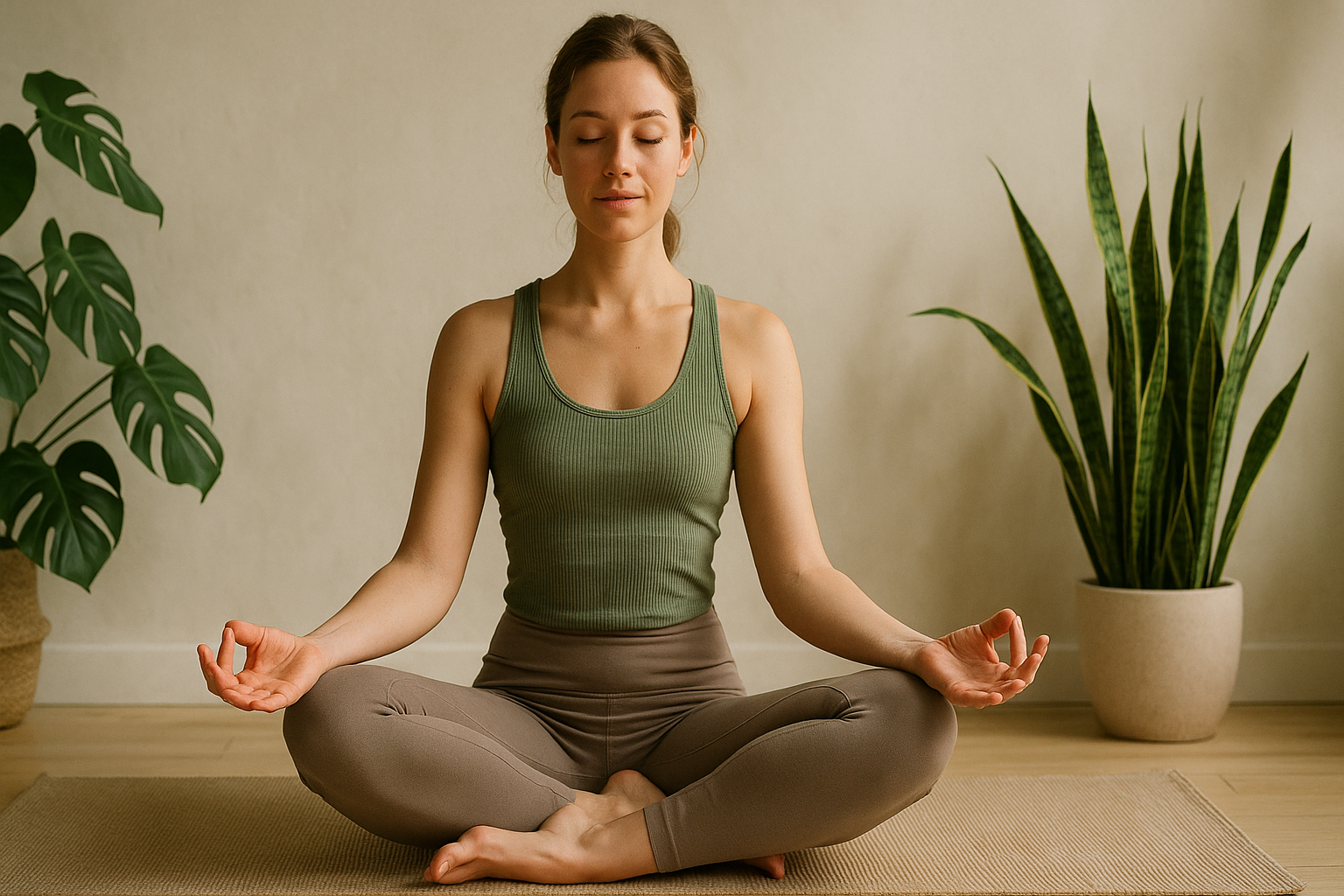
- Enhancing Meditation: Sound can deepen meditation practices, allowing for greater introspection and connection.
- Facilitating Emotional Release: Many individuals find that sound can help release pent-up emotions and traumas.
- Supporting Mental Clarity: The calming effects of sound can improve focus and mental clarity.
Body Systems Supported
Sound Healing is believed to positively impact several body systems, including:
- Nervous System: By promoting relaxation, sound healing can help reduce stress responses and improve overall nervous system function.
- Endocrine System: Sound may influence hormone production, including stress hormones like cortisol.
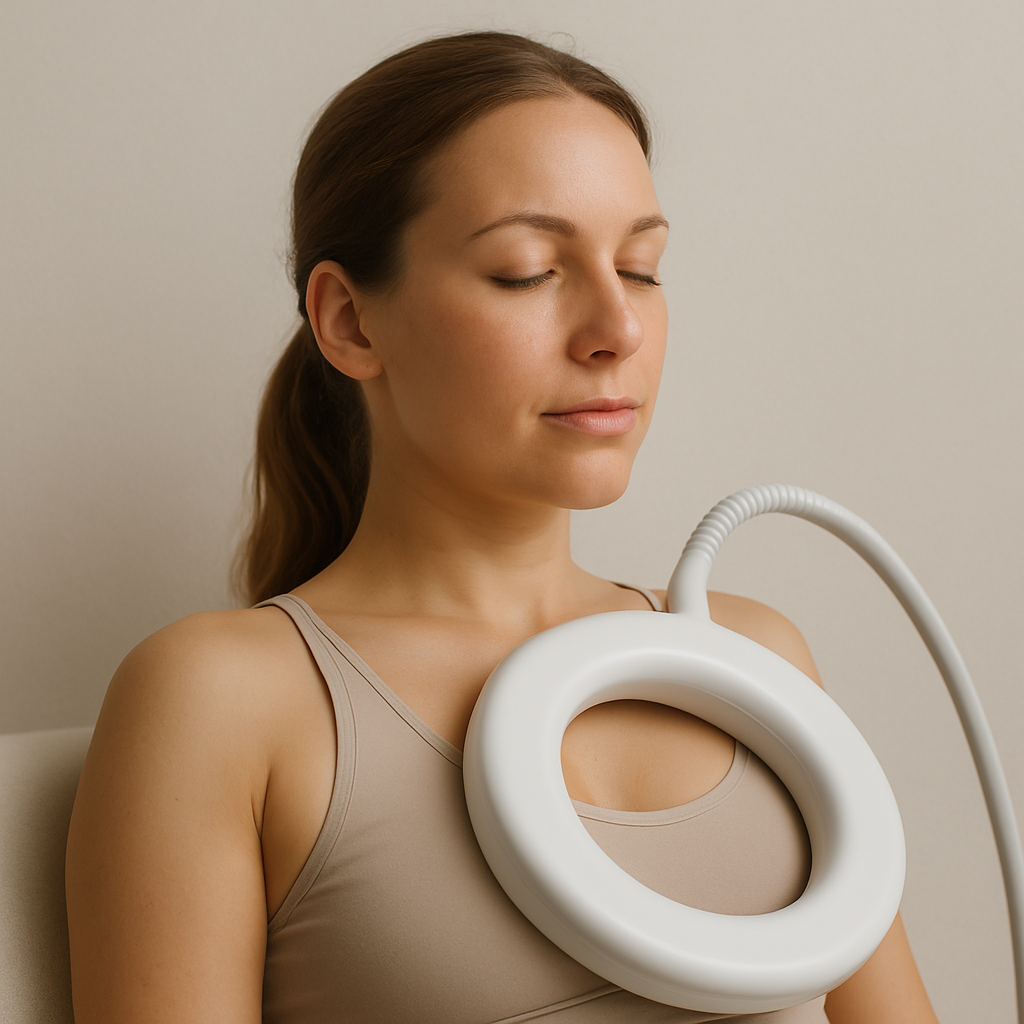
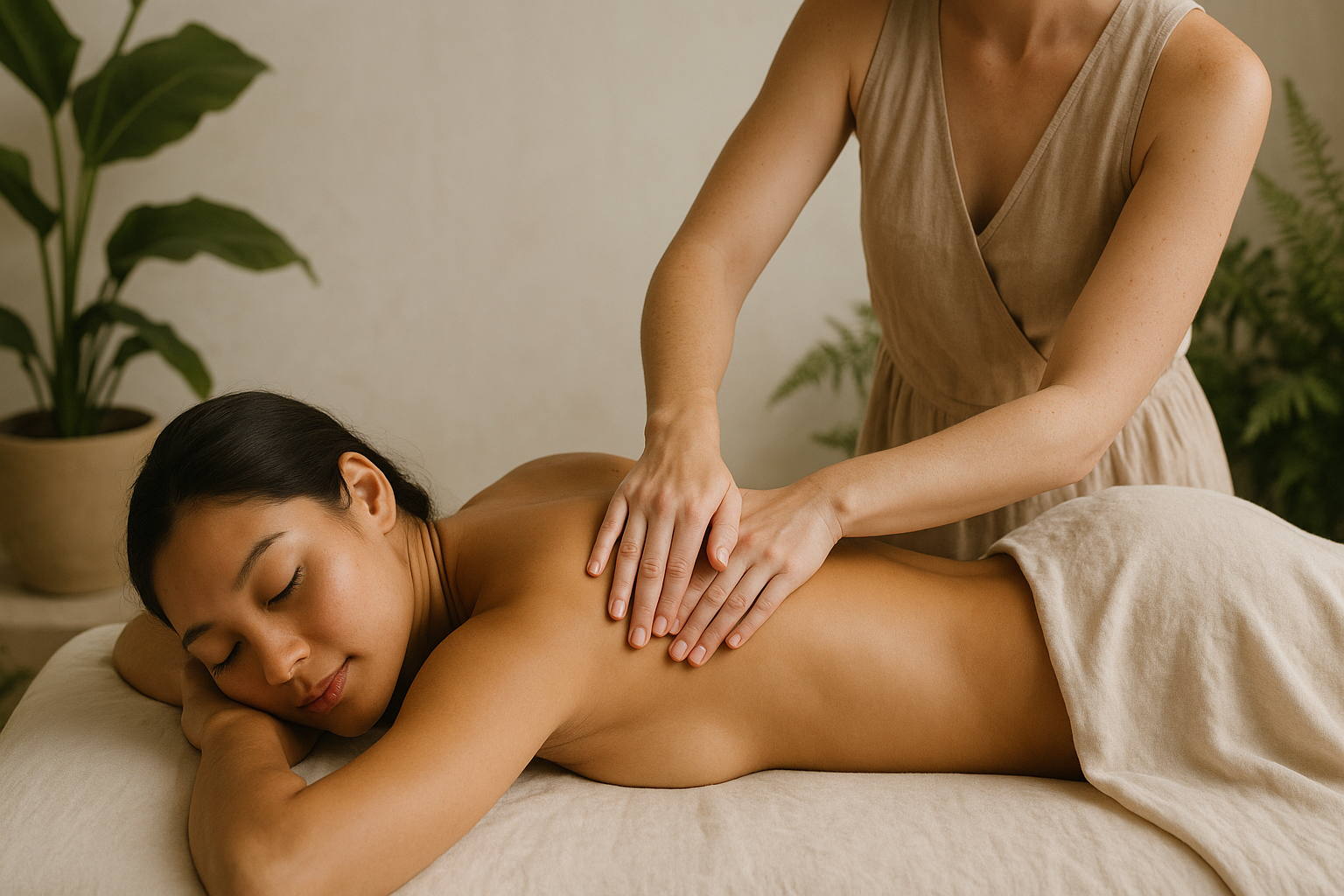
- Musculoskeletal System: The vibrations from sound can help release tension in muscles and promote physical relaxation.
- Immune System: Reduced stress and improved emotional well-being can enhance immune system function.
Common Forms & Educational Dosing Ranges
Sound Healing can be experienced in various forms, including:
- Sound Baths: Group sessions where participants lie down and listen to soothing sounds from various instruments.
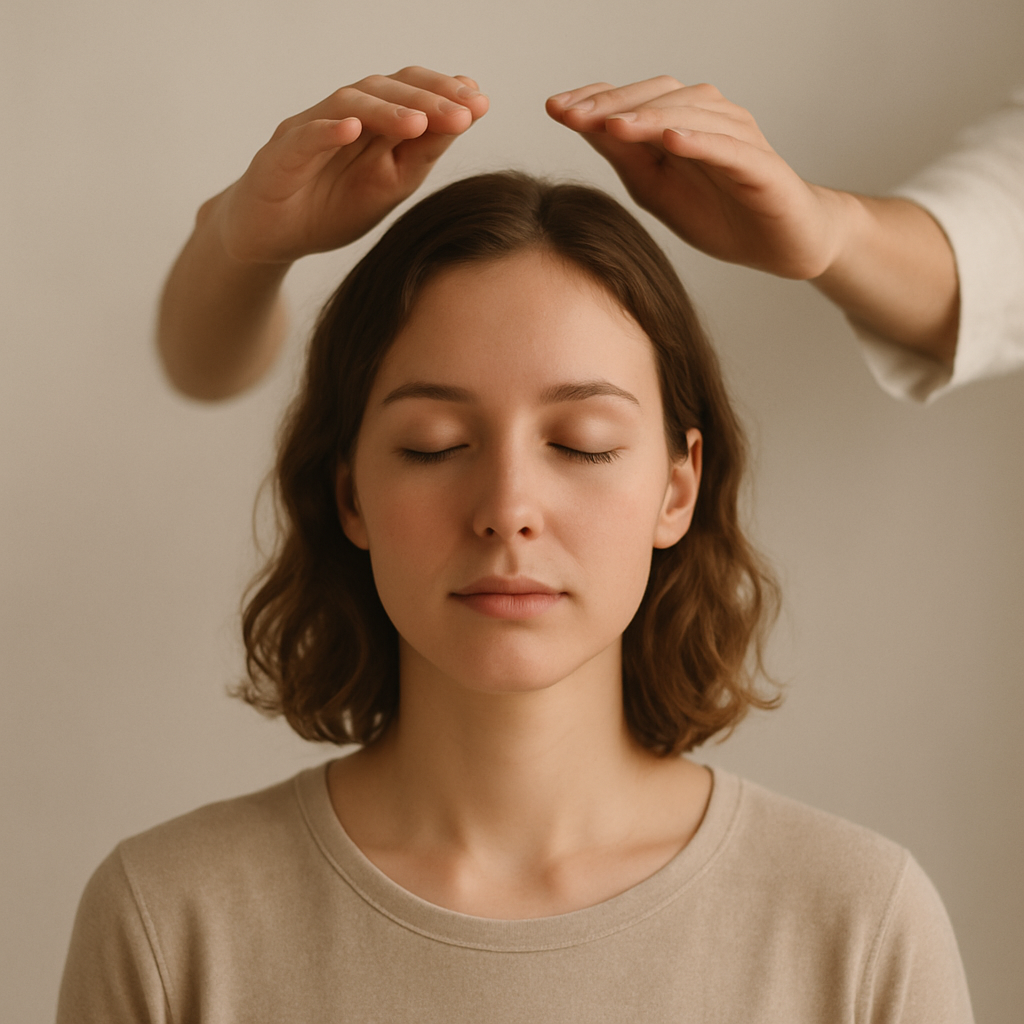
- Private Sessions: One-on-one sessions with a practitioner using specific instruments tailored to individual needs.
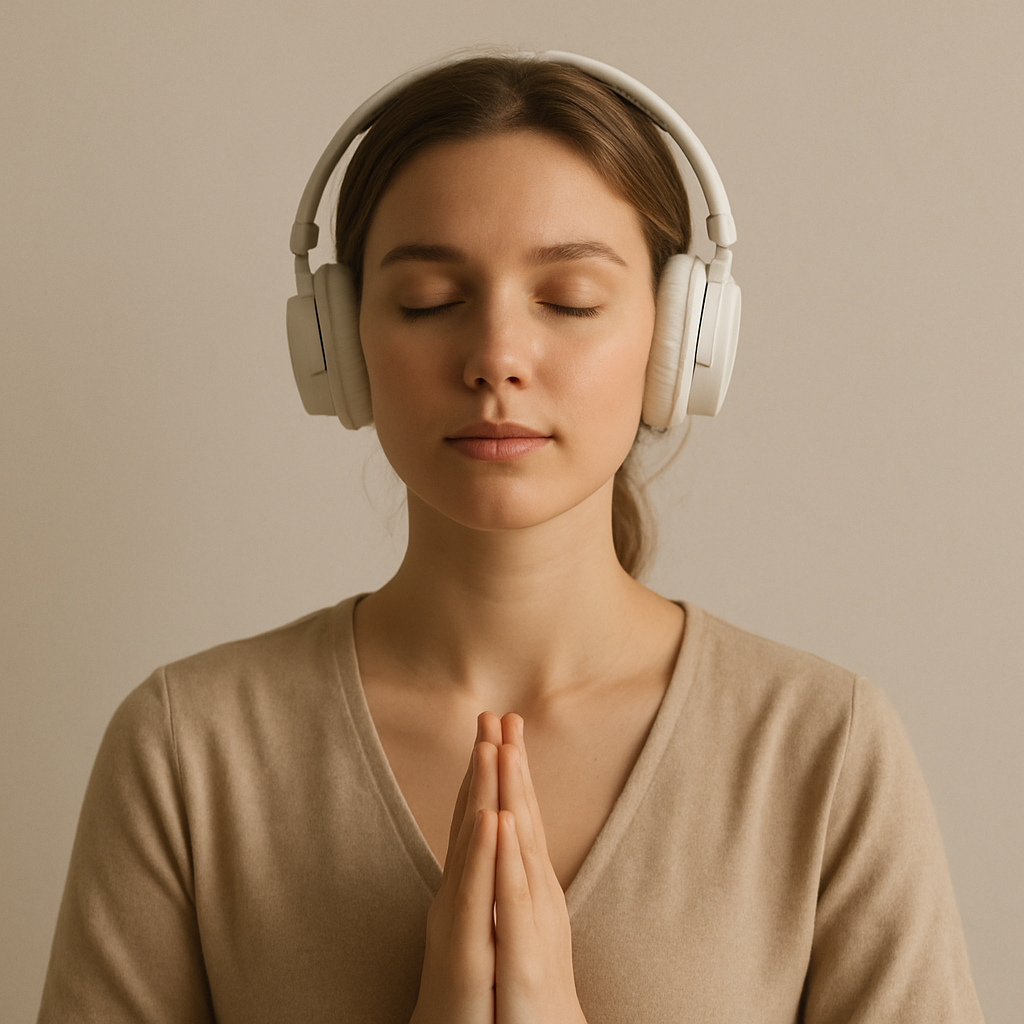
- Home Practice: Individuals can practice with recorded soundscapes or instruments like singing bowls and tuning forks.
There is no standardized dosing for Sound Healing; however, many practitioners recommend sessions lasting between 30 to 60 minutes, depending on the individual's needs.
Safety, Contraindications & Interactions
Sound Healing is generally considered safe for most individuals. However, those with specific conditions should approach with caution:
- Hearing Impairments: Individuals with significant hearing loss may need to adapt their practice.
- Severe Anxiety or PTSD: Some may find certain sounds triggering, so it is essential to choose the right environment and sounds.
- Epilepsy: High-frequency sounds might provoke seizures in susceptible individuals.
As always, consult with a healthcare professional before starting any new therapeutic practice, especially if you have existing health conditions.
Pairs Well With
Sound Healing can be effectively combined with various other therapeutic practices, including:
- Meditation: Enhances the meditative experience and promotes deeper relaxation.
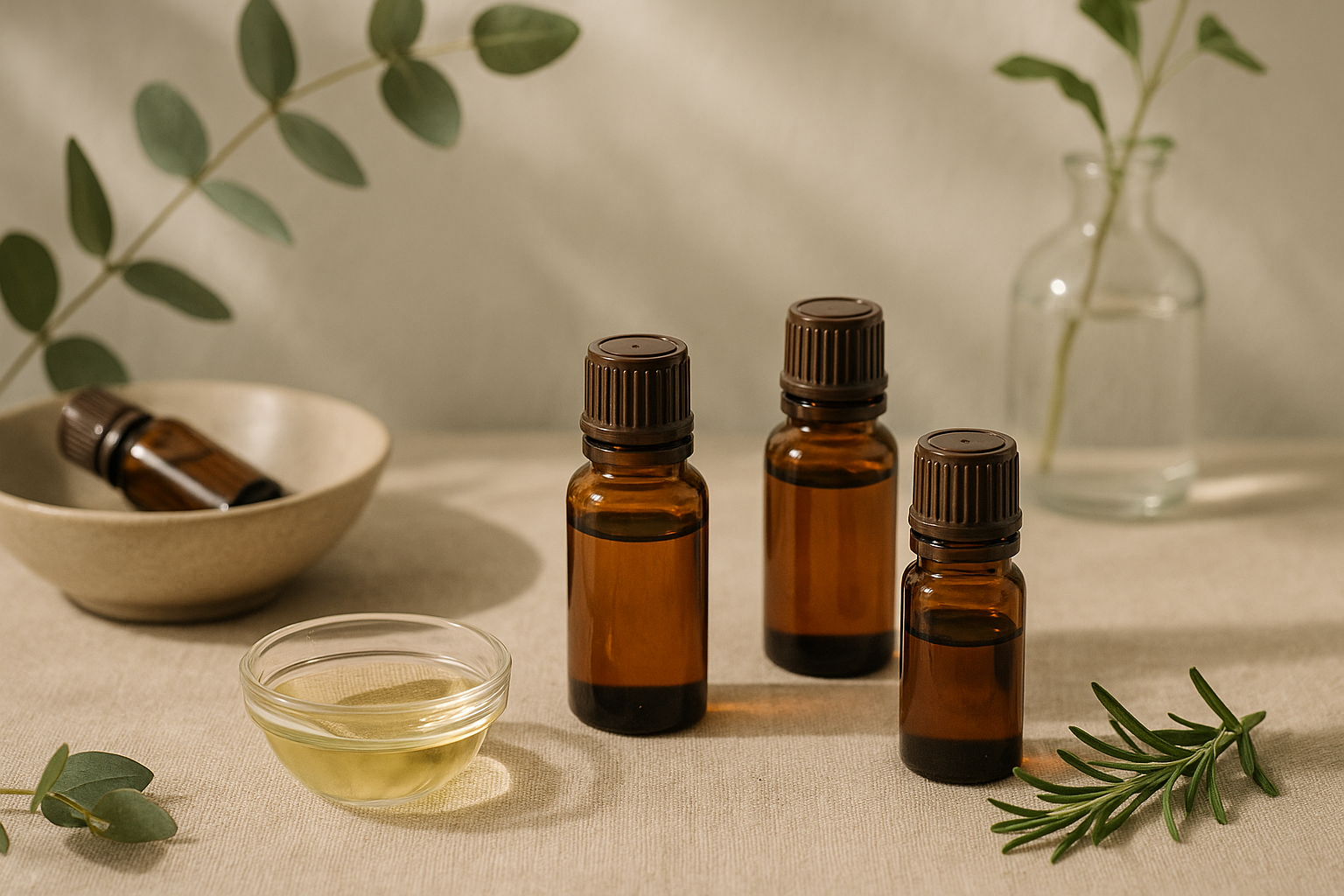
- Aromatherapy: The use of essential oils can complement sound therapies, creating a multi-sensory experience.
- Yoga: Incorporating sound healing into yoga practice can deepen the physical and mental benefits.
- Breathwork: Coordinating breath with sound can enhance the calming effects.
FAQs (5)
- What is Sound Healing?
Sound Healing is a therapeutic practice that uses sound and vibrations to promote healing and well-being. - Is Sound Healing scientifically proven?
While research is ongoing, preliminary studies suggest benefits such as stress reduction and improved sleep quality. - How long does a Sound Healing session last?
Sessions typically last between 30 to 60 minutes. - Can anyone participate in Sound Healing?
Yes, most people can benefit, but those with specific conditions should consult a professional. - What instruments are used in Sound Healing?
Common instruments include singing bowls, gongs, tuning forks, and the human voice.
Frequently asked
What is Sound Healing?
Sound Healing is a therapeutic practice that uses sound and vibrations to promote healing and well-being.
Is Sound Healing scientifically proven?
While research is ongoing, preliminary studies suggest benefits such as stress reduction and improved sleep quality.
How long does a Sound Healing session last?
Sessions typically last between 30 to 60 minutes.
Can anyone participate in Sound Healing?
Yes, most people can benefit, but those with specific conditions should consult a professional.
What instruments are used in Sound Healing?
Common instruments include singing bowls, gongs, tuning forks, and the human voice.