Energy Balancing
What It Is
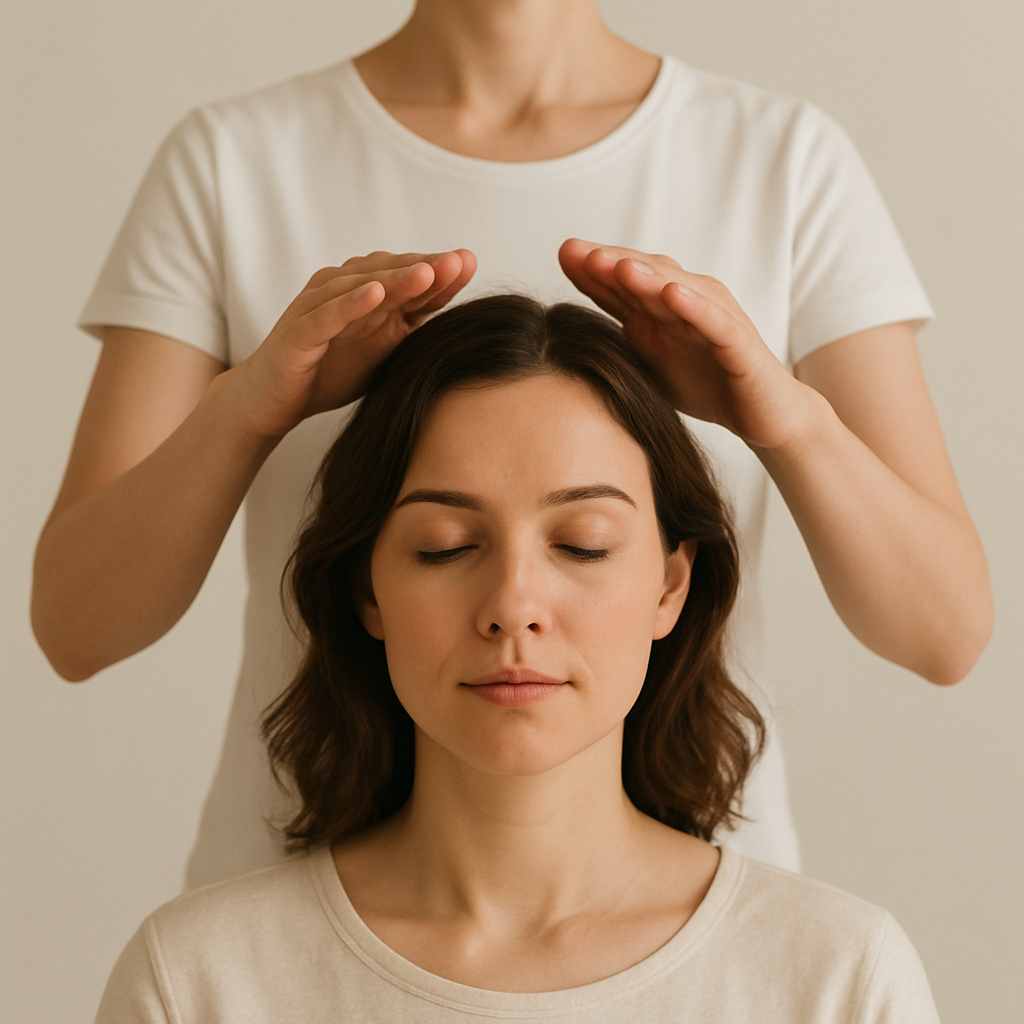
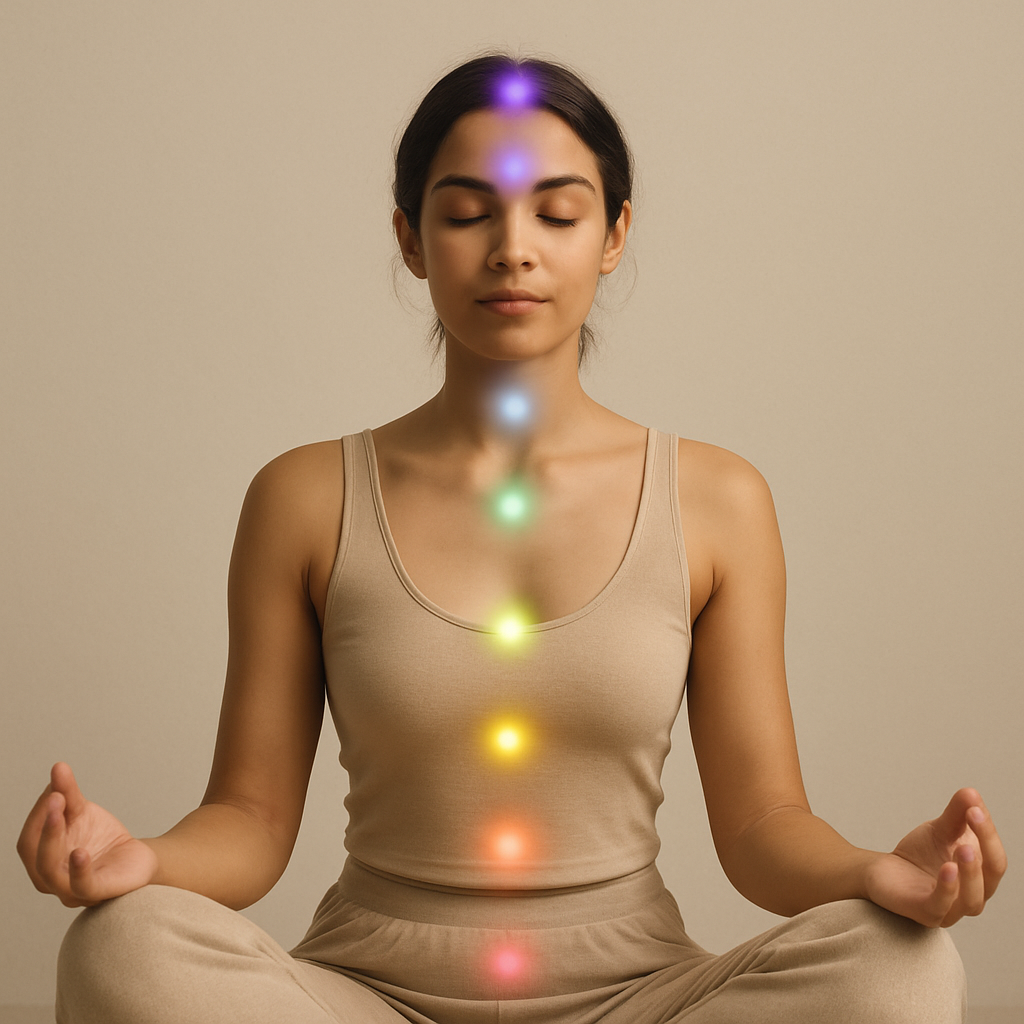
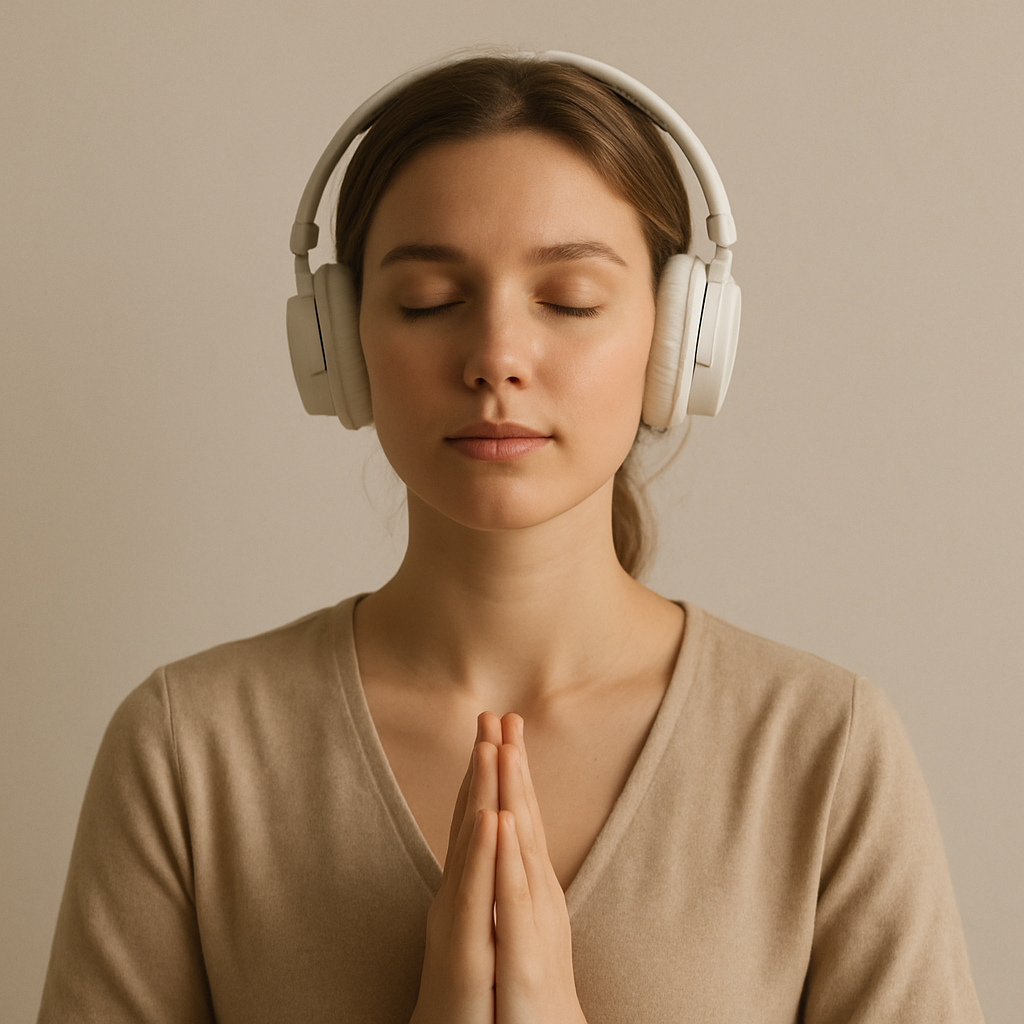
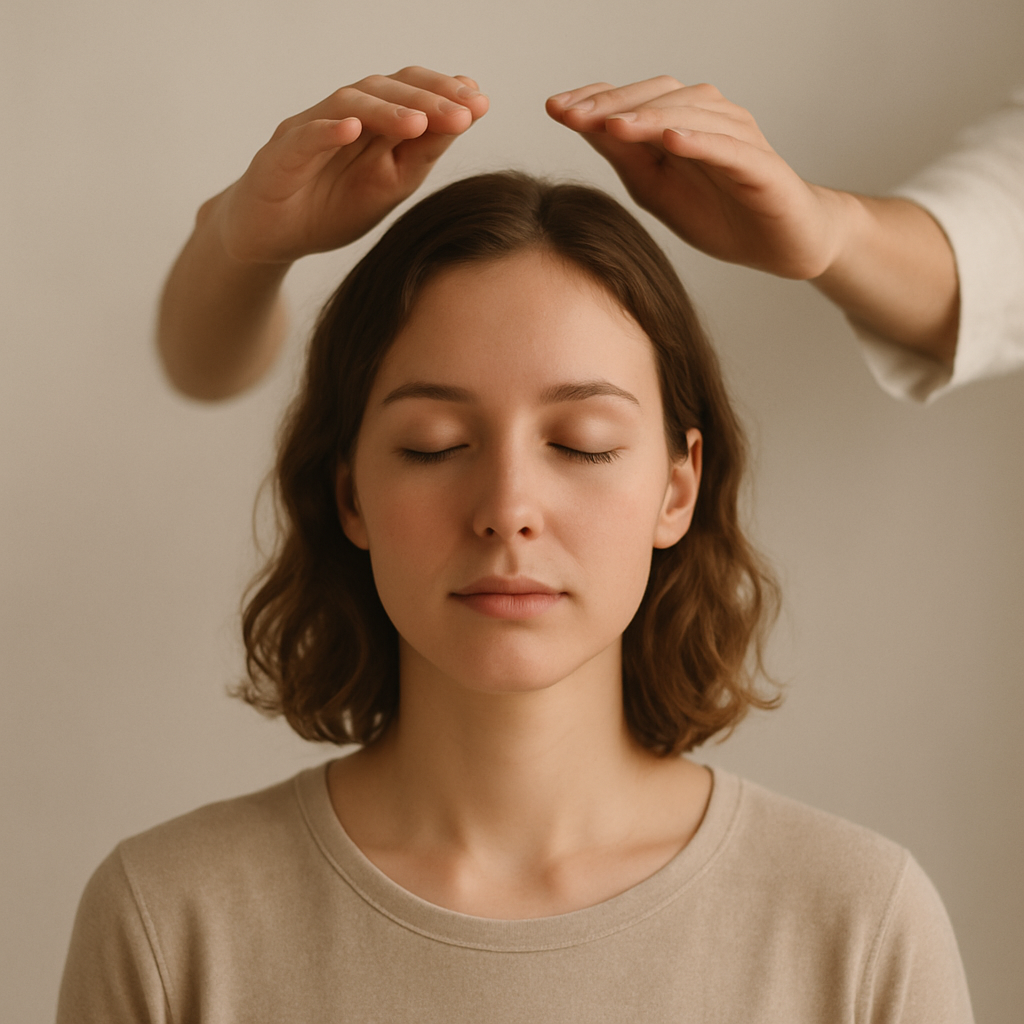
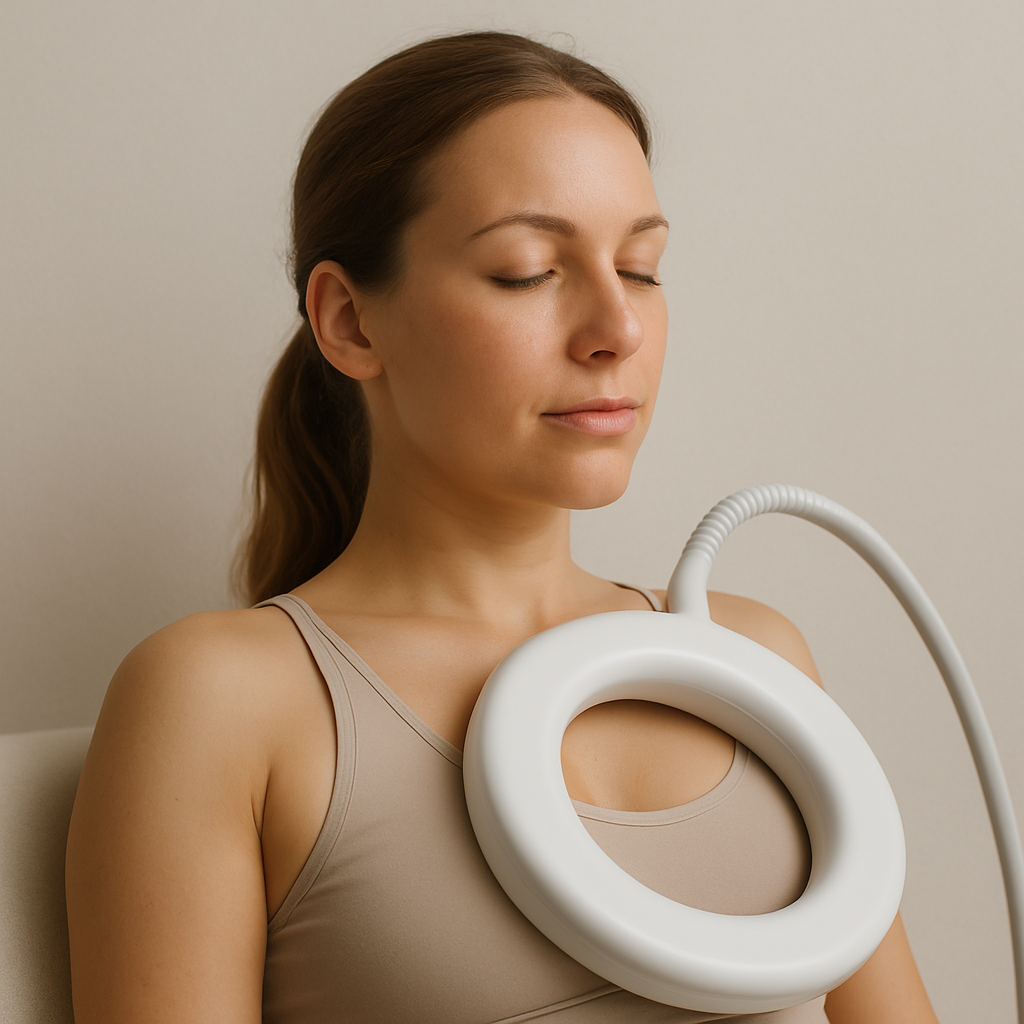
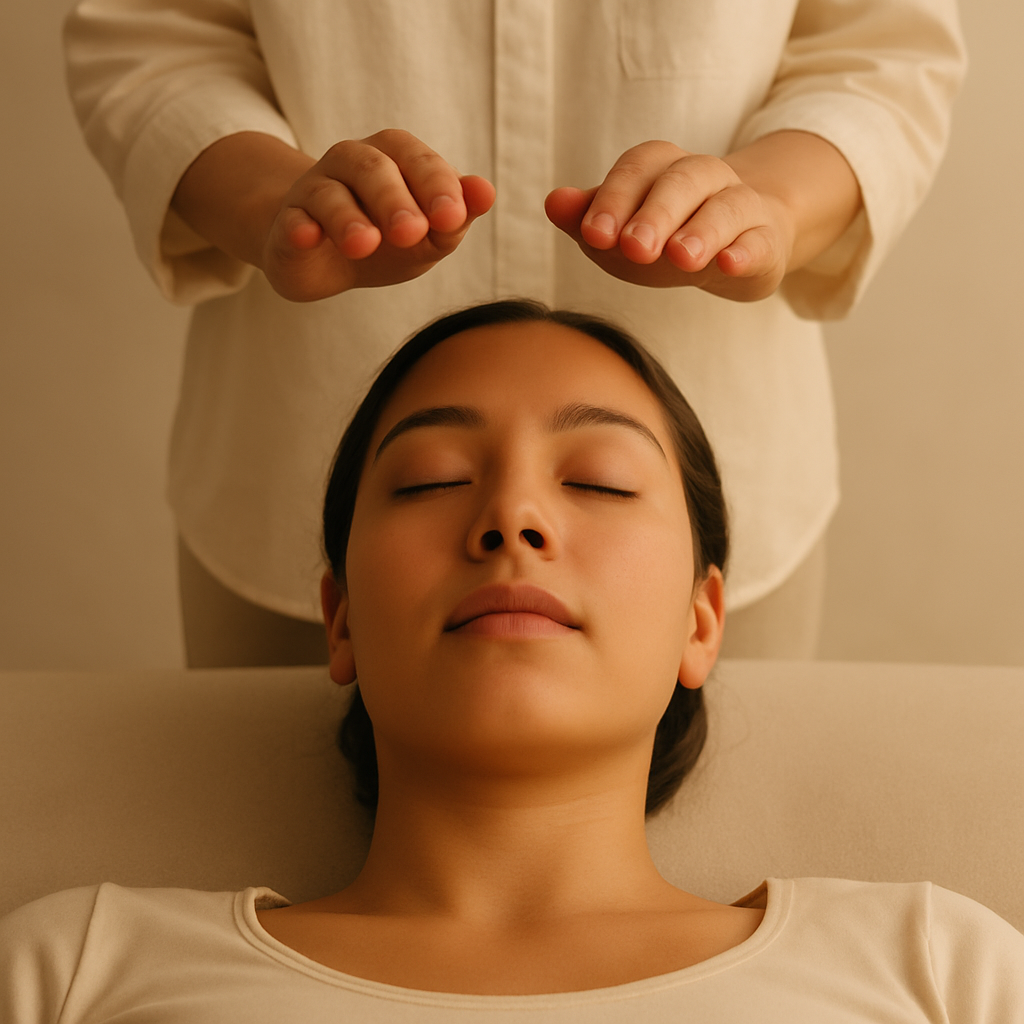
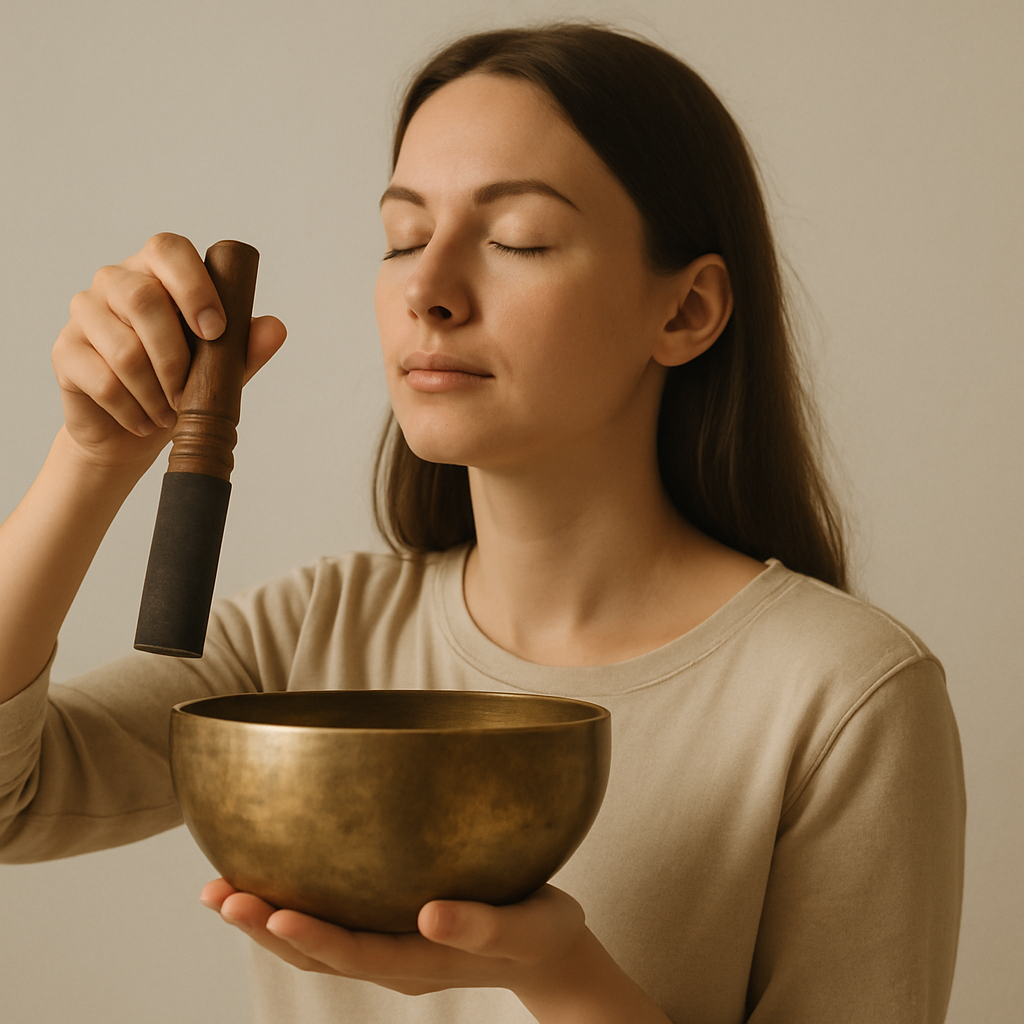
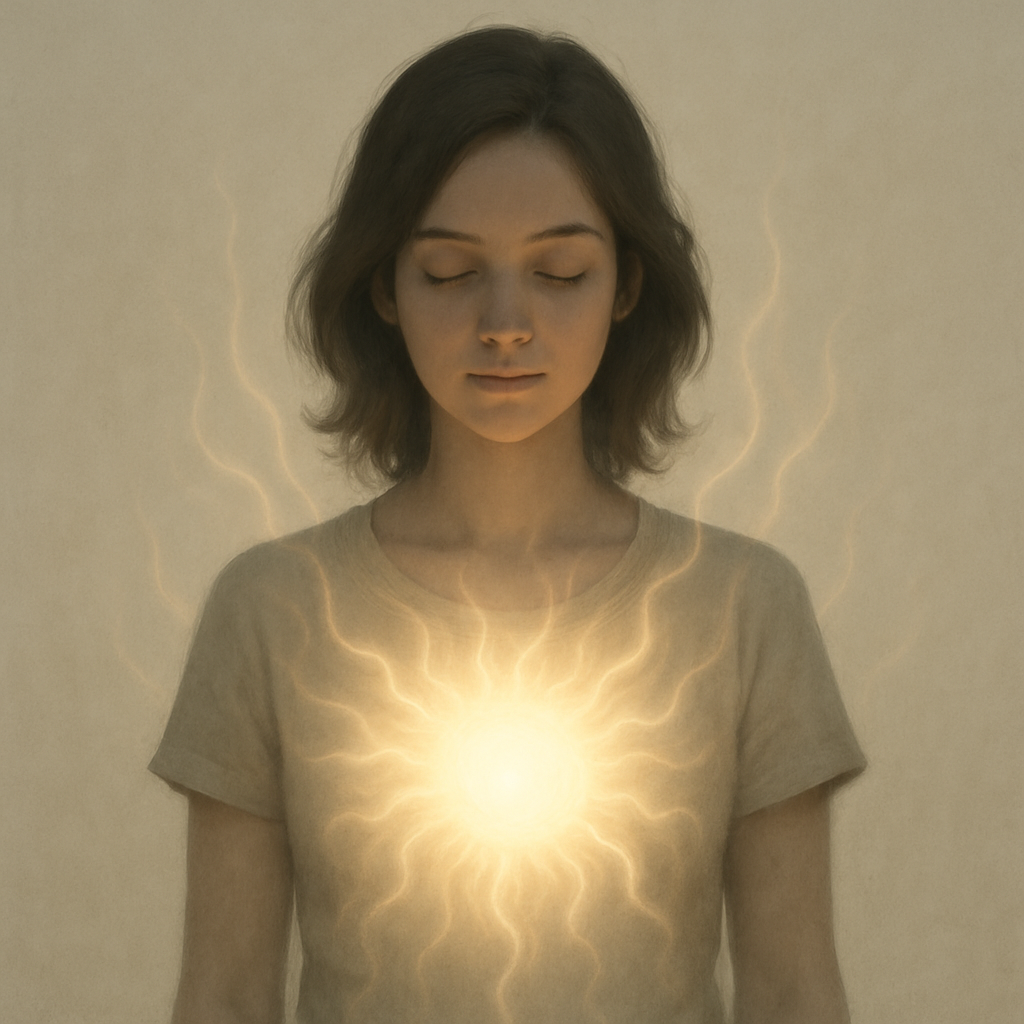
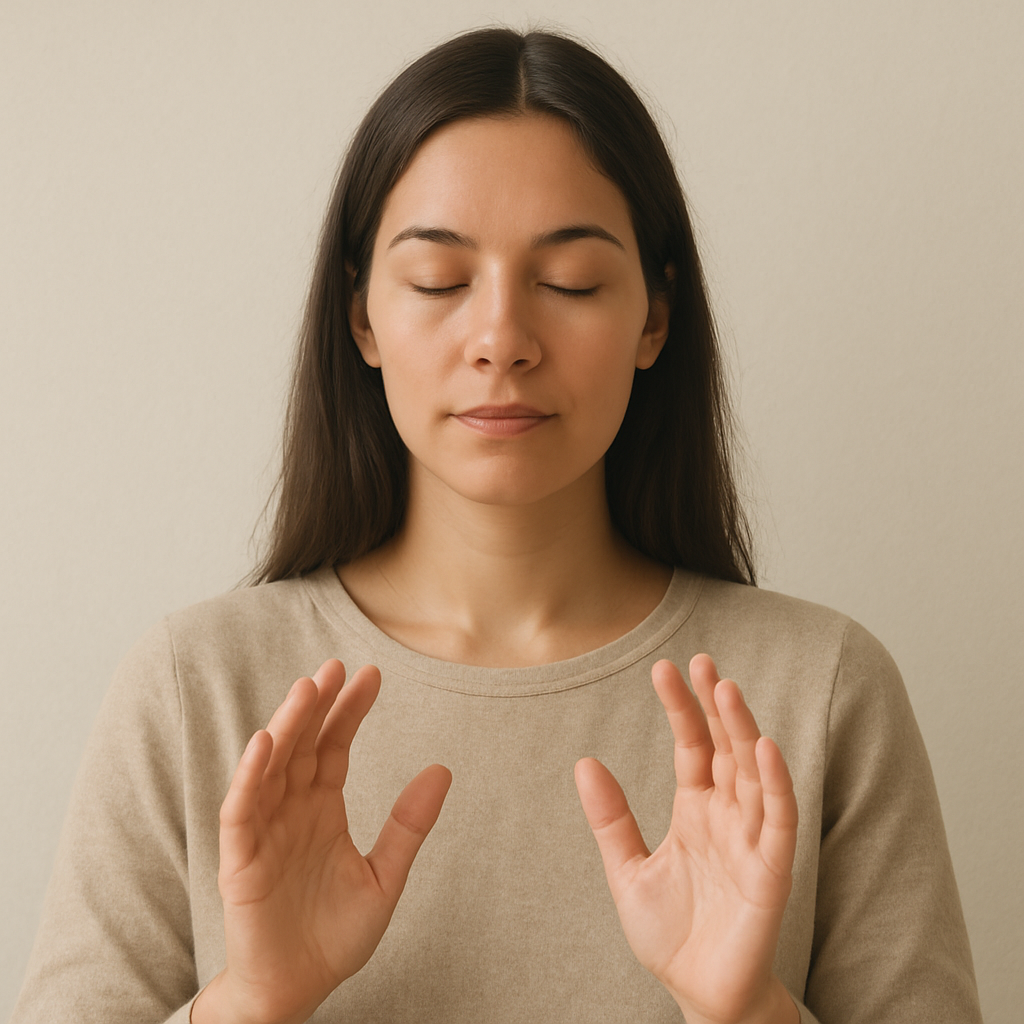
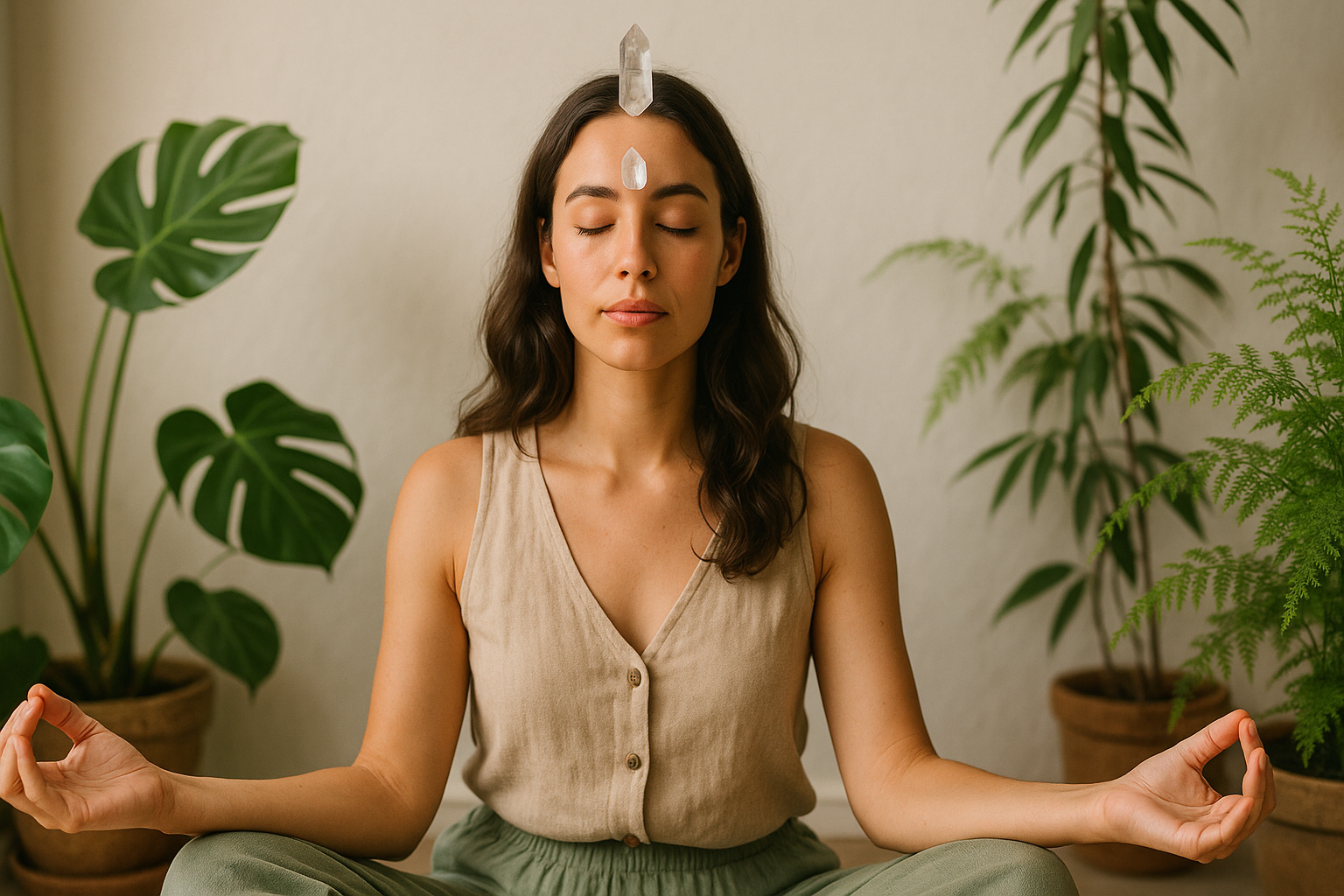
Energy balancing refers to a variety of practices aimed at restoring and maintaining the natural energy flow within the body. This concept is rooted in the belief that the body has an innate ability to may support itself when its energy is balanced. Many modalities fall under this umbrella, including acupuncture, Reiki, and various forms of energy healing. These practices often emphasize the importance of the body's energy field, known in some traditions as the aura or chi (氣), which is viewed as vital for overall health and wellness.
Key Active Compounds & Mechanisms
While energy balancing practices do not typically focus on specific chemical compounds as found in herbal medicine, they often incorporate elements that influence the body's energy flow. For example, acupuncture utilizes thin needles to stimulate specific points on the body, which can activate the nervous system and promote the release of endorphins, enhancing the flow of energy. Similarly, Reiki practitioners channel universal life force energy to facilitate healing. The mechanisms behind these practices often involve both physical and energetic components, aiming to harmonize the body’s systems.
Traditional Uses
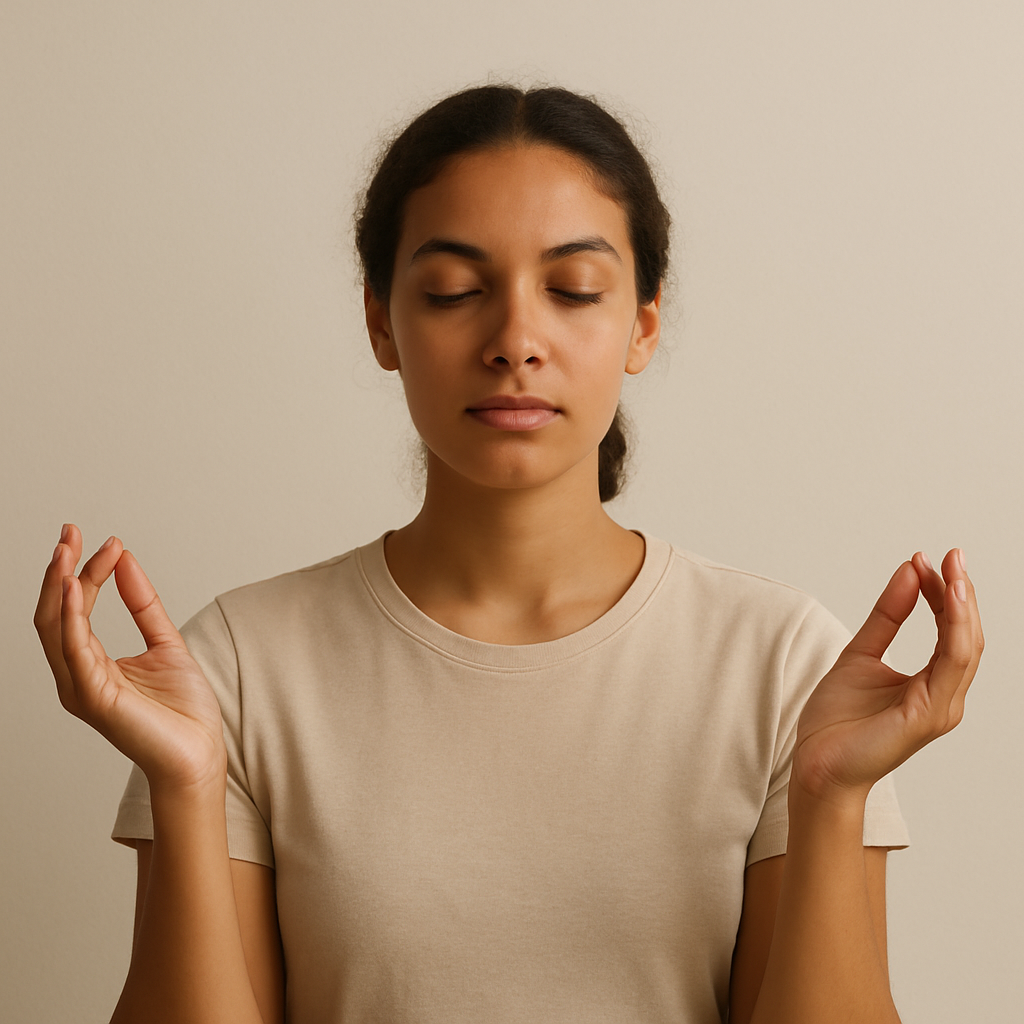
Historically, energy balancing techniques have been utilized in various cultures worldwide. In Traditional Chinese Medicine (TCM), acupuncture and qi gong have been practiced for thousands of years to promote energy balance and health. Ayurveda, the ancient Indian system of medicine, also emphasizes energy flow through practices like yoga and meditation. Indigenous cultures have long used ritualistic practices and herbal remedies to align the body’s energy with the natural world, highlighting a deep understanding of energy’s role in health.
What Modern Research Suggests
Modern research into energy balancing practices is still evolving. Some studies suggest that therapies like acupuncture may provide pain relief and improve overall well-being, supporting the idea that energy flow affects physical health. However, much of the research remains preliminary, and more rigorous clinical trials are needed to fully understand the efficacy and mechanisms involved. Notably, some findings indicate that patients report reductions in stress and anxiety following energy balancing therapies, suggesting a potential benefit for mental health.
Functional Actions
The functional actions of energy balancing therapies can be diverse, often focusing on:
- Promoting relaxation and stress relief
- Enhancing emotional stability
- Improving physical vitality and energy levels
- Supporting the body’s natural healing processes
- Facilitating mental clarity and focus
Body Systems Supported
Energy balancing practices are believed to support various body systems, including:
- The nervous system, through stress reduction and relaxation
- The immune system, by promoting overall health and well-being
- The endocrine system, influencing hormonal balance
- The digestive system, improving gut health through decreased stress
- The cardiovascular system, potentially lowering blood pressure and improving circulation
Common Forms & Educational Dosing Ranges
Energy balancing therapies can take many forms, including:
- Acupuncture: Sessions typically last 20-60 minutes, with frequency varying based on individual needs.
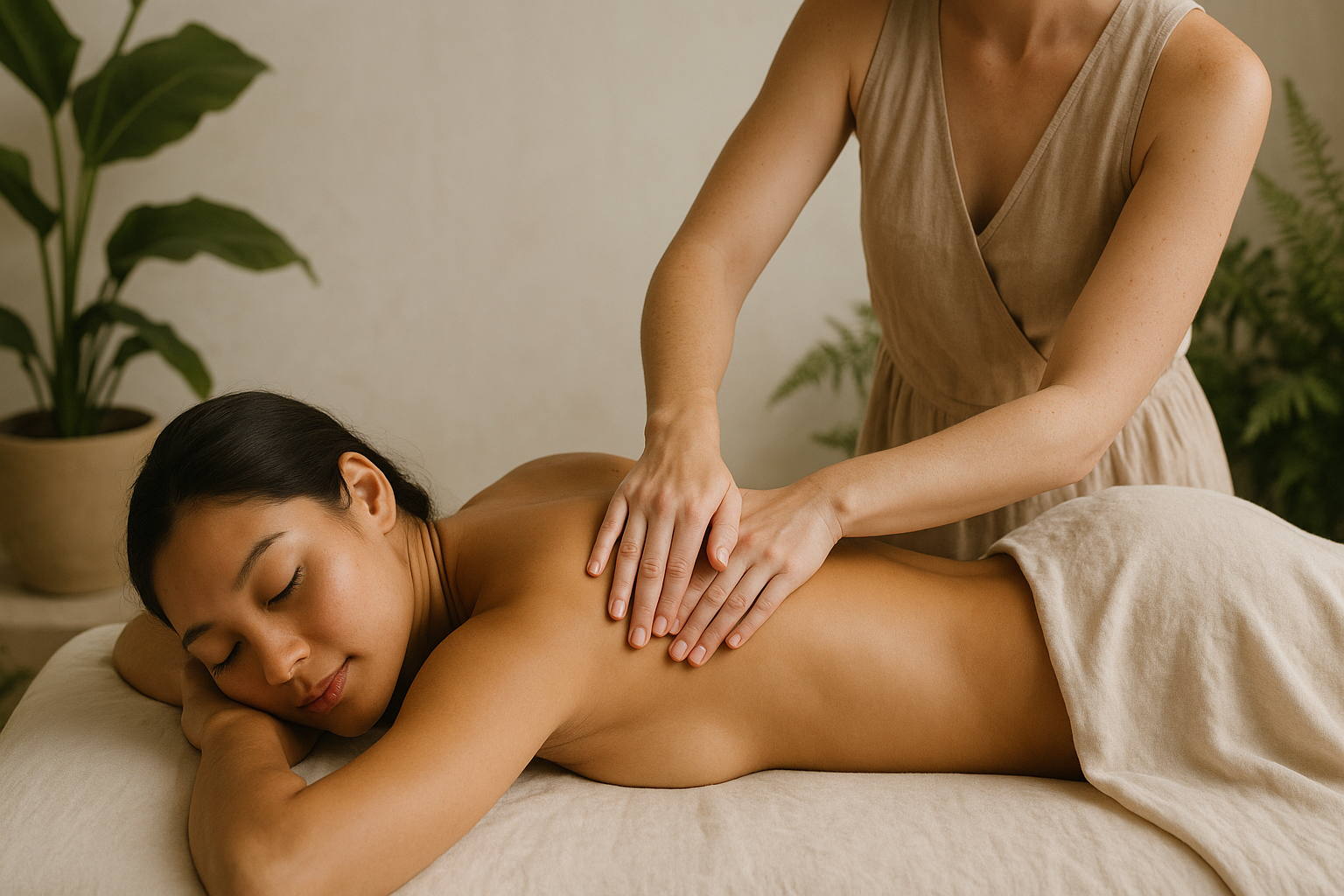
- Reiki: Sessions often last about 60 minutes, with many practitioners recommending weekly sessions initially.
- Qi Gong: Practitioners may engage in daily practices, often lasting 30-60 minutes.
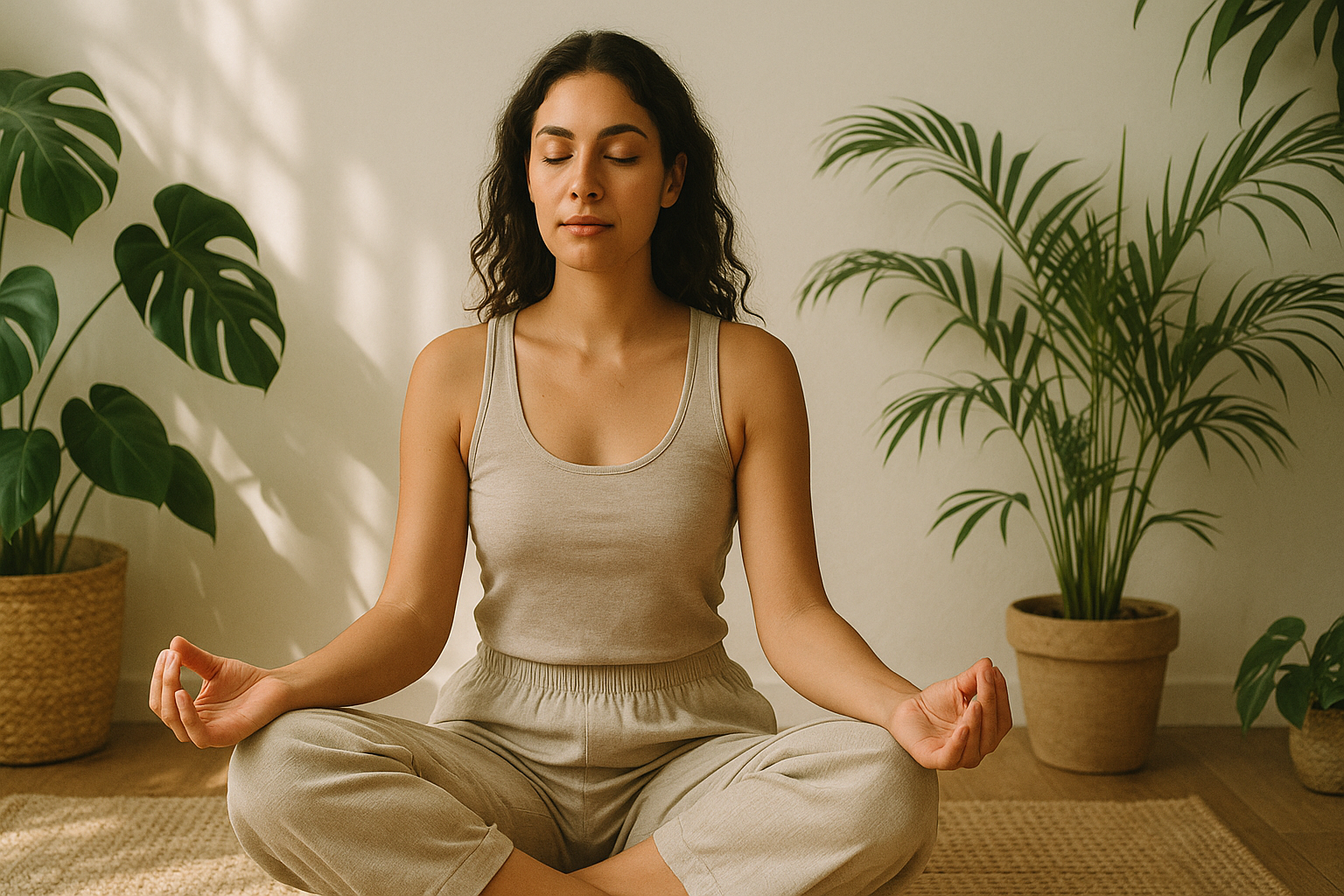
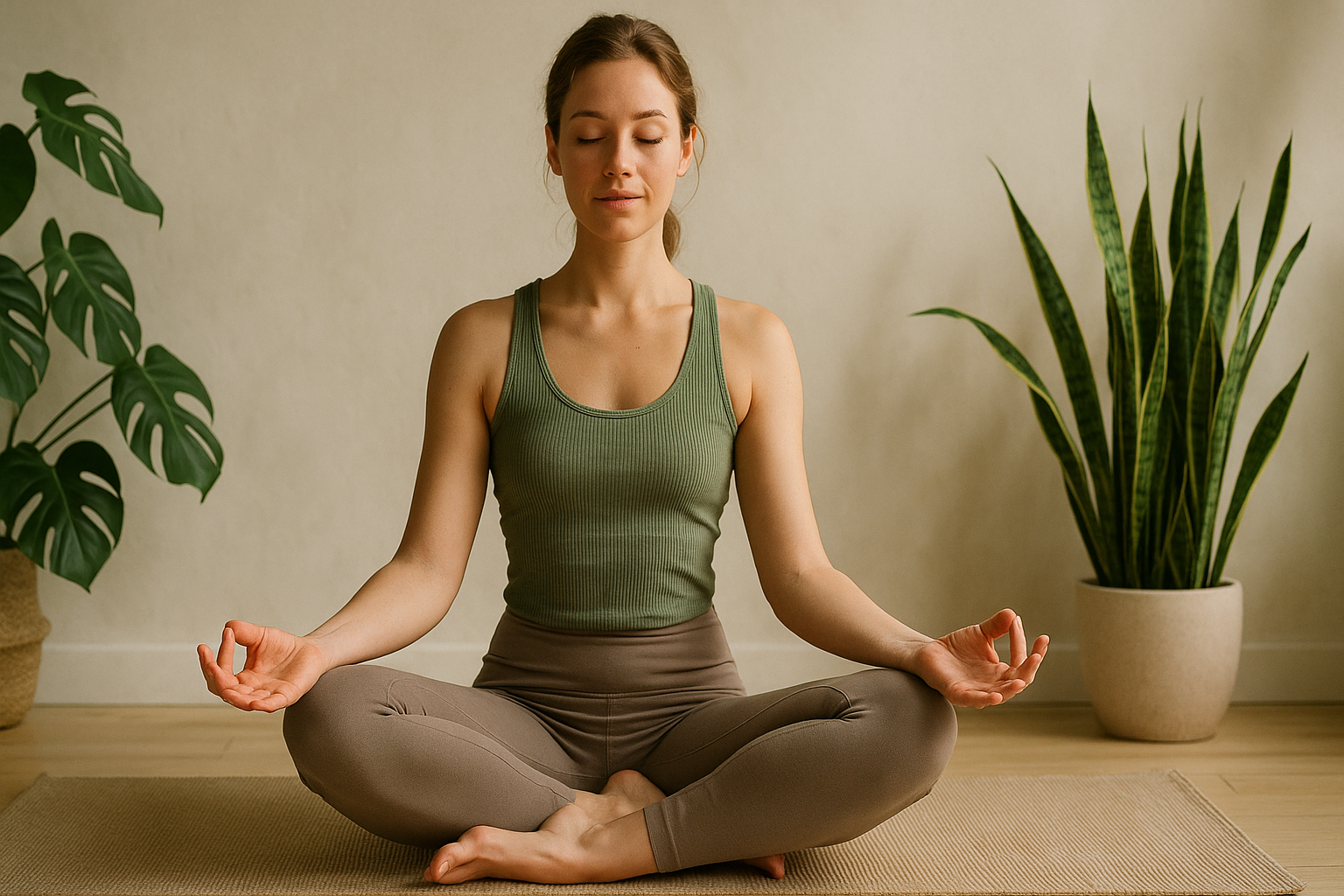
- Yoga: Classes usually range from 30 minutes to 90 minutes, with varying styles emphasizing different energy flows.
It is essential to consult with qualified practitioners to determine the best approach and frequency for individual needs.
Safety, Contraindications & Interactions
While energy balancing therapies are generally considered safe, certain precautions should be noted:
- Individuals with bleeding disorders or those on anticoagulants should consult their healthcare provider before undergoing acupuncture.
- Patients with pacemakers or other implanted devices should inform their practitioner of their condition before any energy therapy.
- Pregnant individuals should seek guidance on which therapies are safe during pregnancy.
- People with severe mental health issues may benefit from a coordinated approach that includes conventional care.
Pairs Well With
Energy balancing practices can complement various other natural remedies and therapies, including:
- Herbal supplements that support relaxation, such as chamomile or valerian.
- Aromatherapy using essential oils like lavender or frankincense.
- Meditation and mindfulness practices to enhance mental clarity.
- Nutrition that supports overall energy levels, focusing on whole foods and hydration.
FAQs (5)
- What is energy balancing? Energy balancing refers to practices that aim to restore the natural energy flow within the body for improved health and wellness.
- How does acupuncture fit into energy balancing? Acupuncture is a key practice in energy balancing that stimulates specific points on the body to promote energy flow.
- Is energy balancing safe for everyone? Generally, yes, but individuals with certain medical conditions should consult a healthcare provider before beginning these therapies.
- How often should I participate in energy balancing practices? The frequency can vary; it is best to consult with a qualified practitioner to determine an individualized schedule.
- Can energy balancing help with stress relief? Many people report reduced stress and anxiety following energy balancing therapies, indicating potential benefits for mental health.
Frequently asked
What is energy balancing?
Energy balancing refers to practices that aim to restore the natural energy flow within the body for improved health and wellness.
How does acupuncture fit into energy balancing?
Acupuncture is a key practice in energy balancing that stimulates specific points on the body to promote energy flow.
Is energy balancing safe for everyone?
Generally, yes, but individuals with certain medical conditions should consult a healthcare provider before beginning these therapies.
How often should I participate in energy balancing practices?
The frequency can vary; it is best to consult with a qualified practitioner to determine an individualized schedule.
Can energy balancing help with stress relief?
Many people report reduced stress and anxiety following energy balancing therapies, indicating potential benefits for mental health.