Reiki
Discover the principles and practices of Reiki, an ancient energy therapy that fosters healing and balance in the body.
Explore the soothing world of Reiki, a holistic energy therapy that promotes relaxation and healing. Learn about its historical roots, modern applications, and how it interacts with the body's natural energy systems.
What It Is
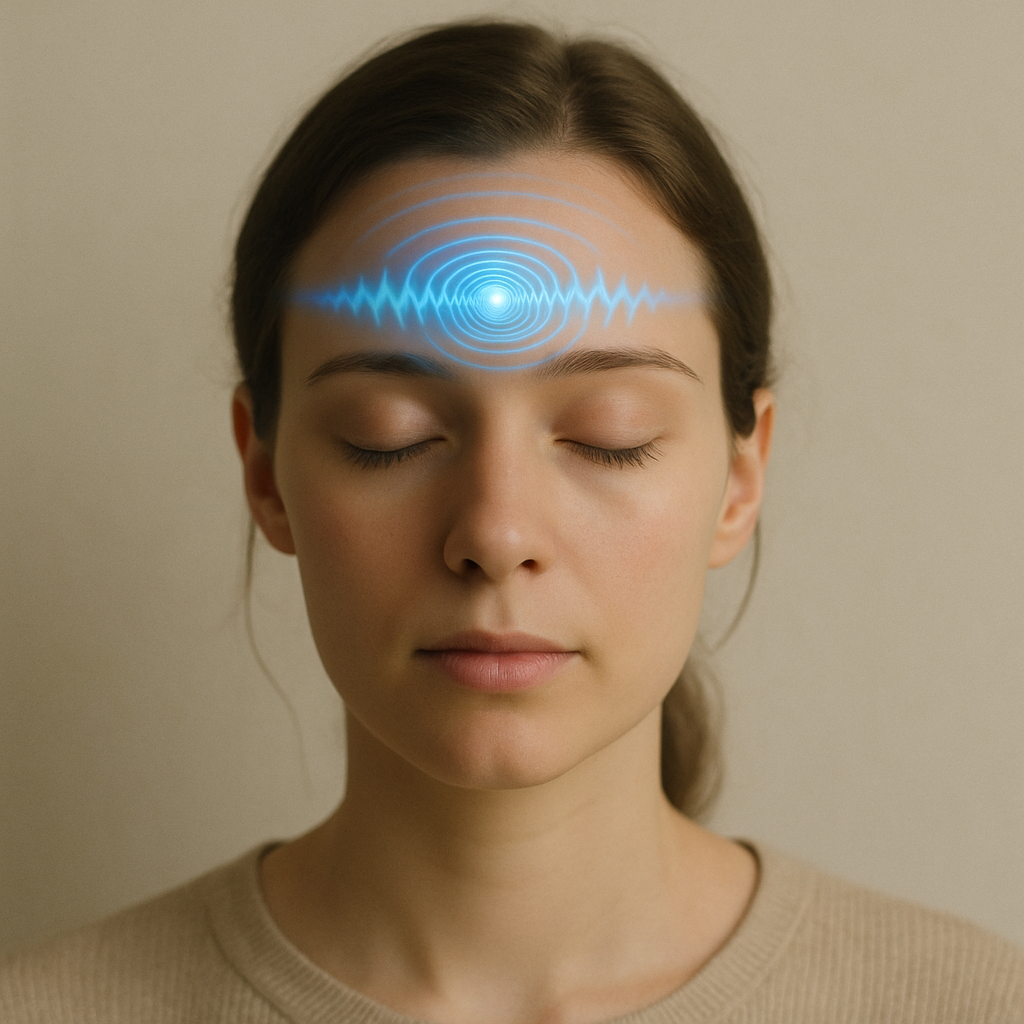
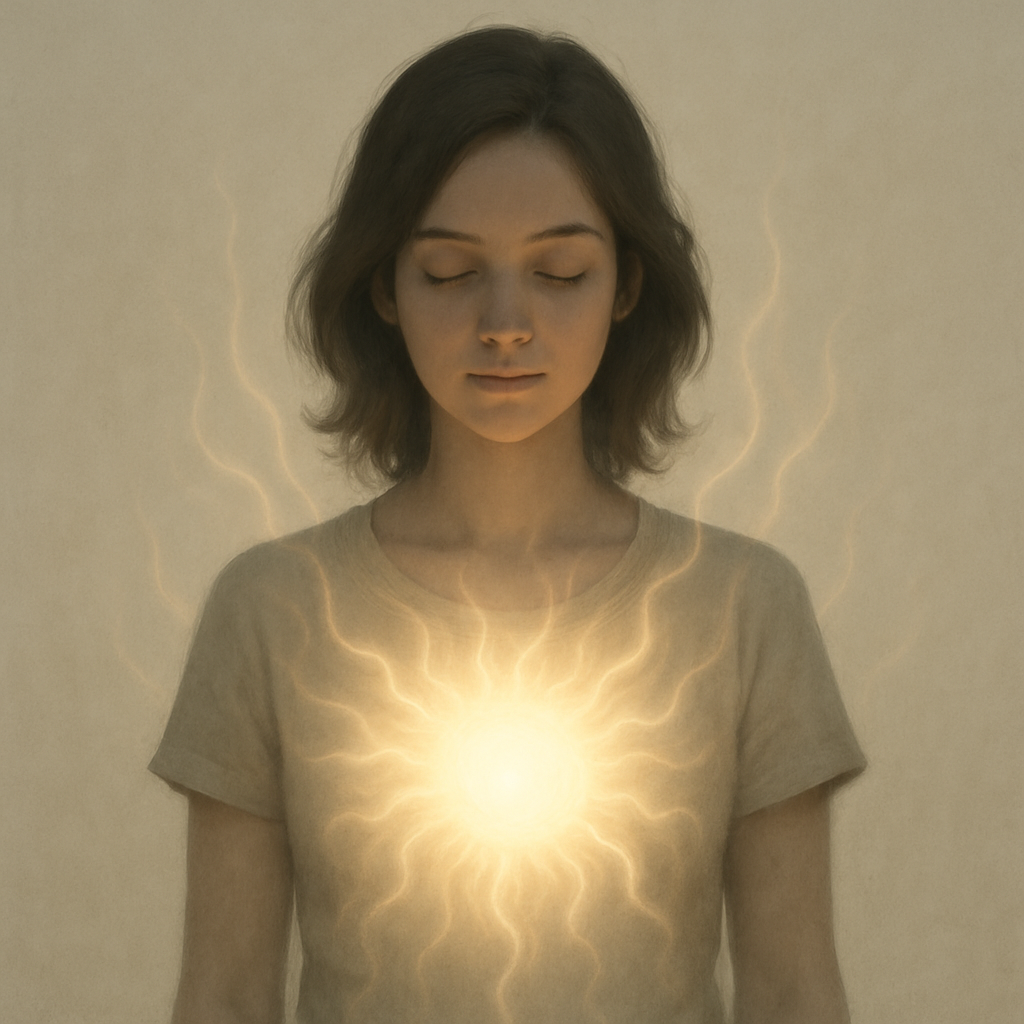
Reiki is a form of energy healing that originated in Japan in the early 20th century. The term "Reiki" (霊気) translates to "universal life energy" in English, reflecting its fundamental principle of harnessing and channeling energy to promote healing and balance within the body.
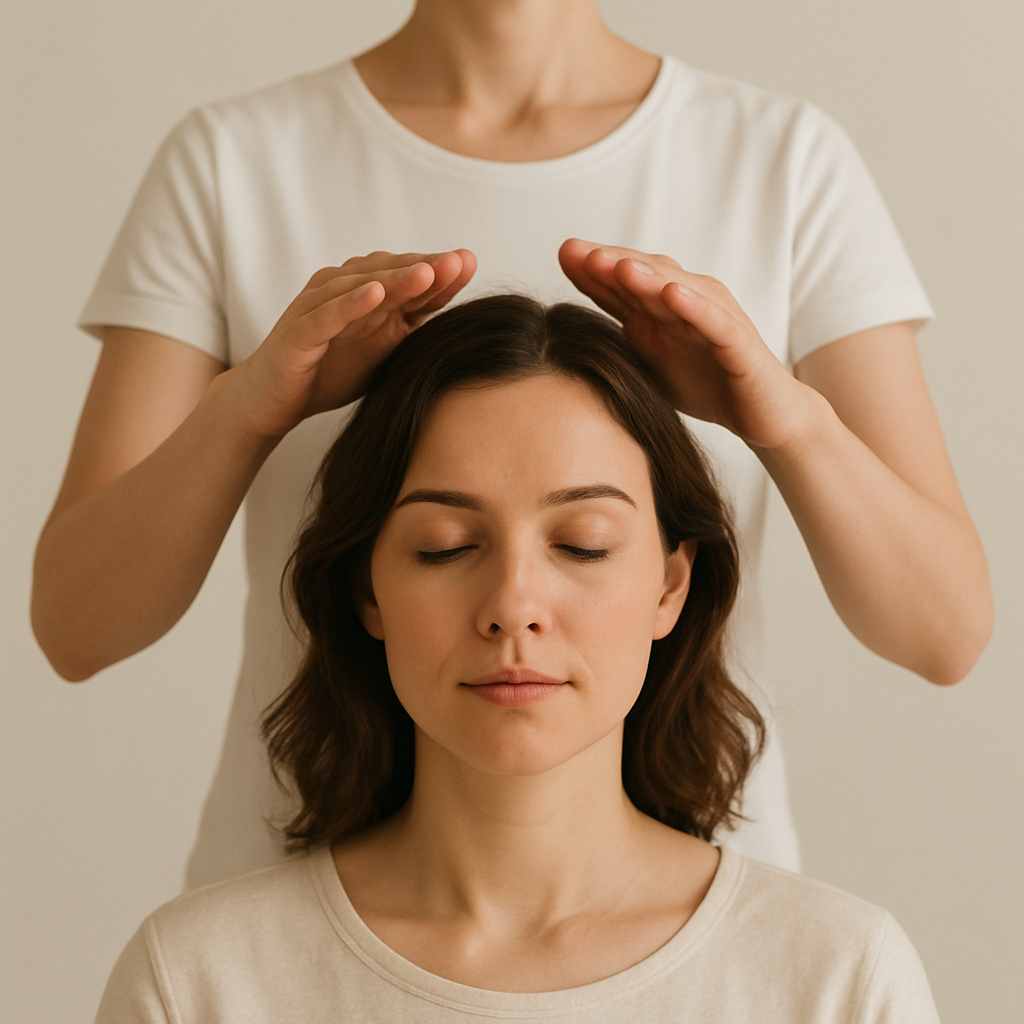
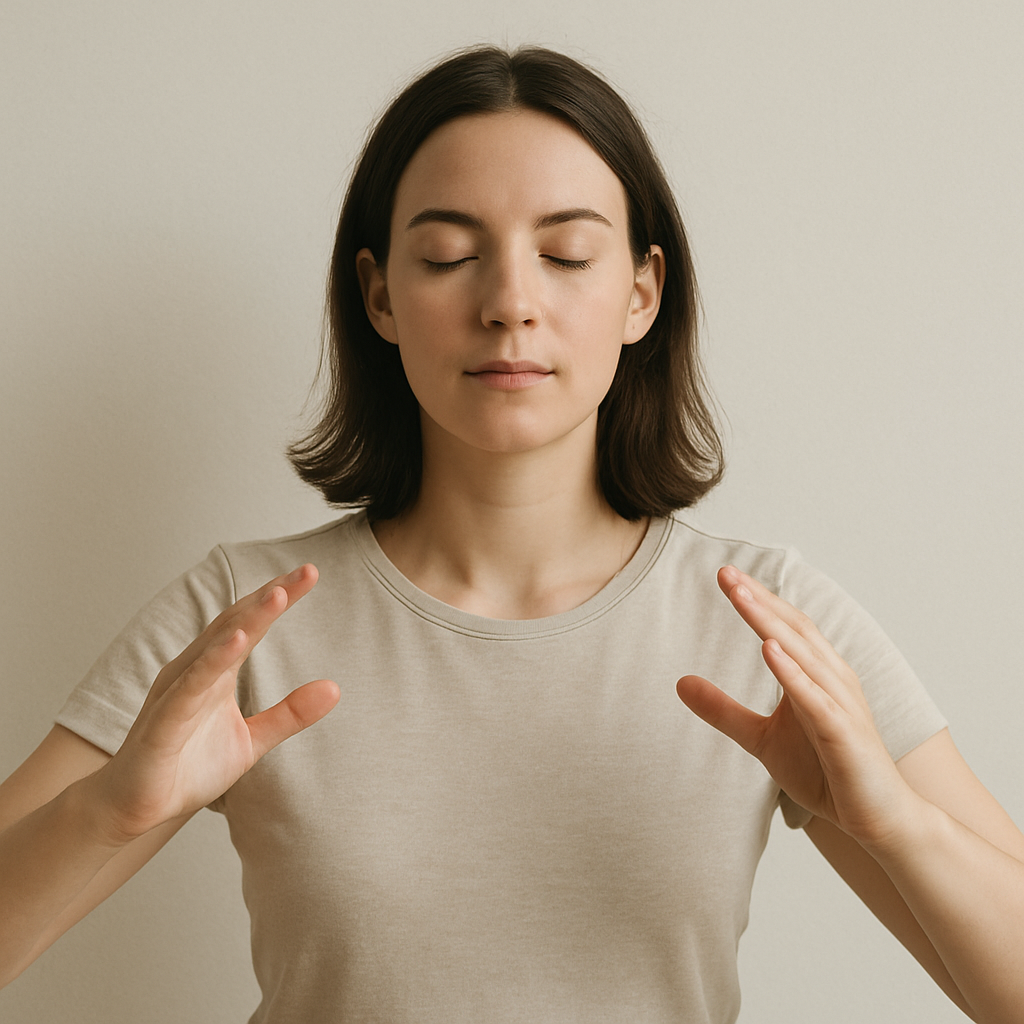
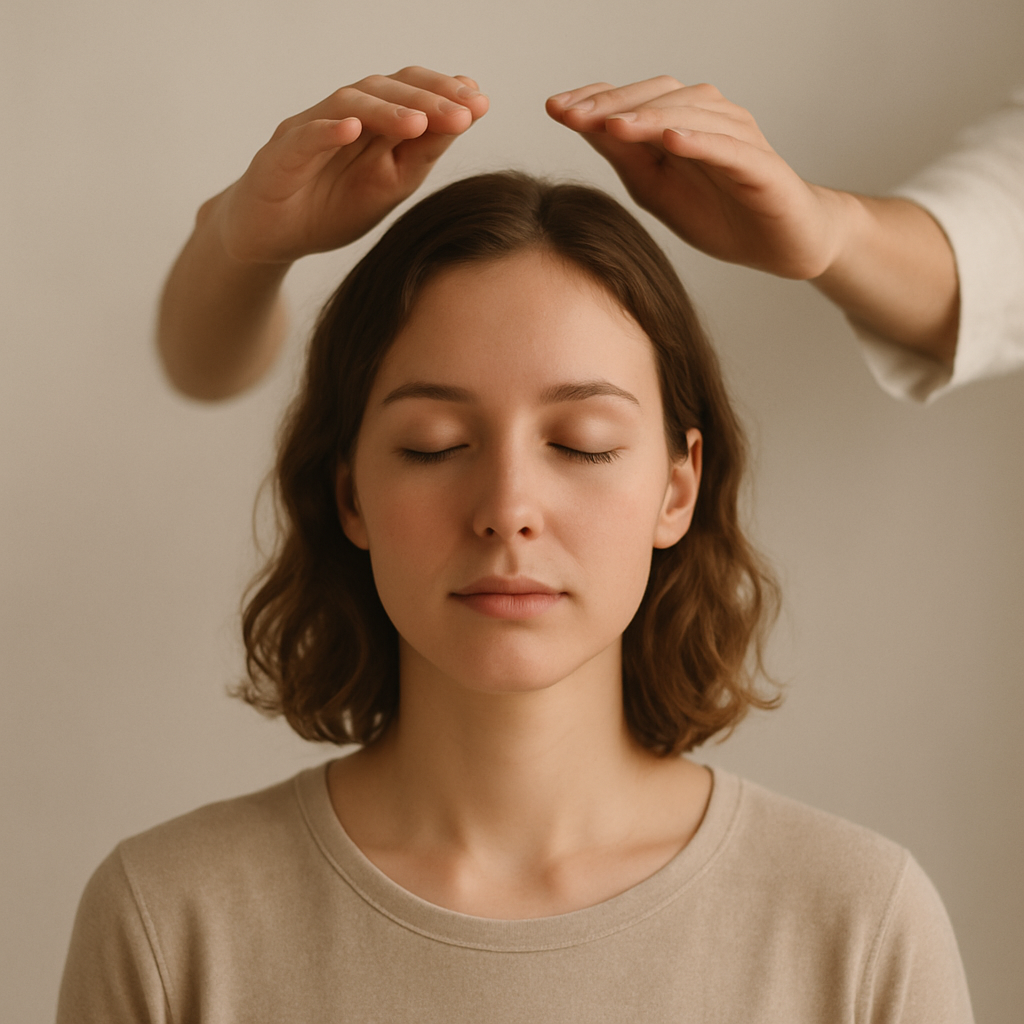
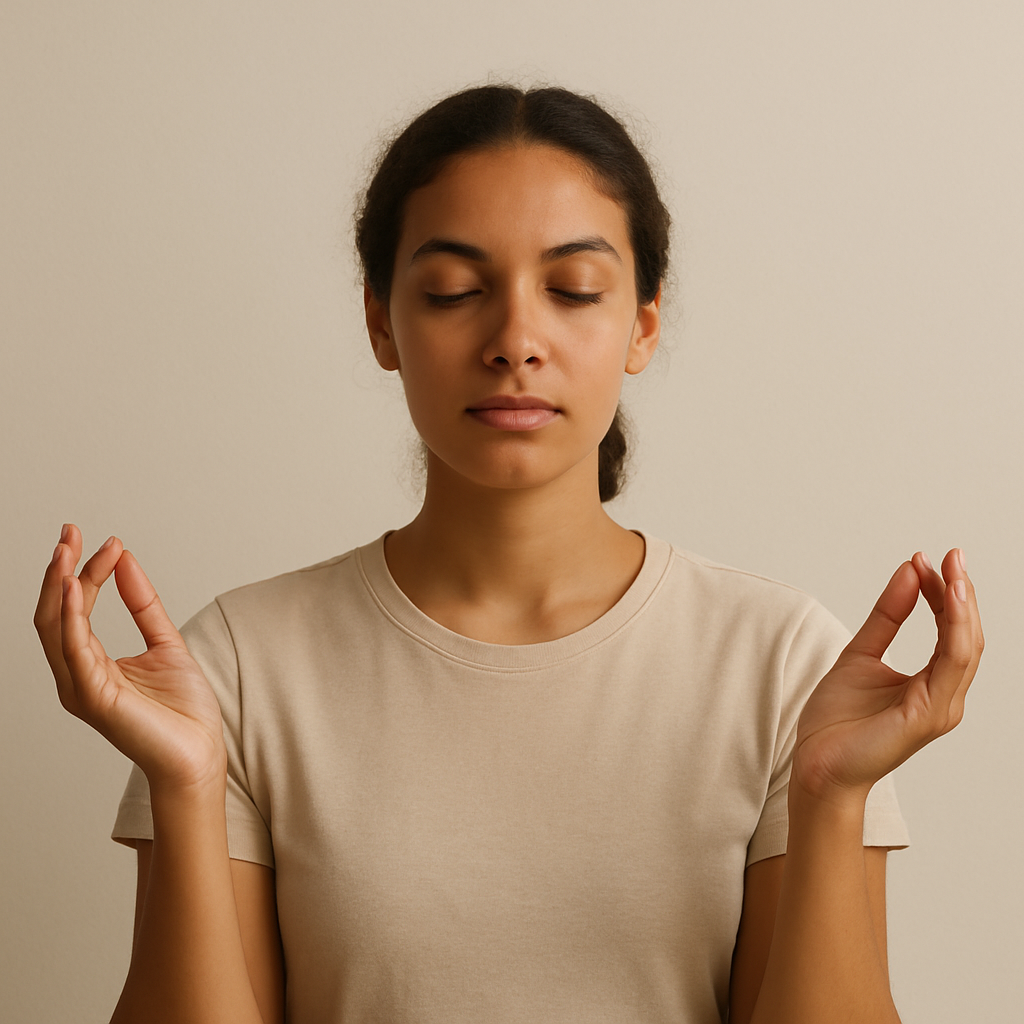
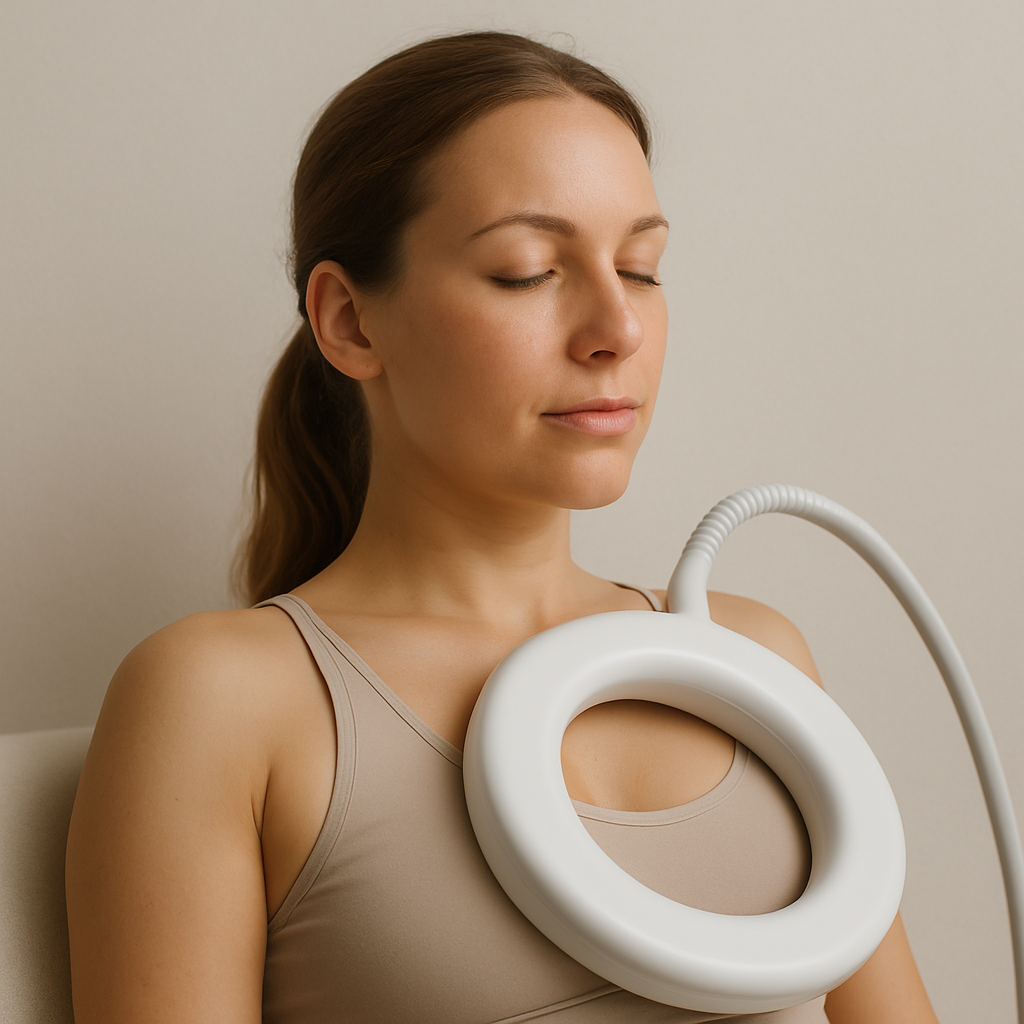
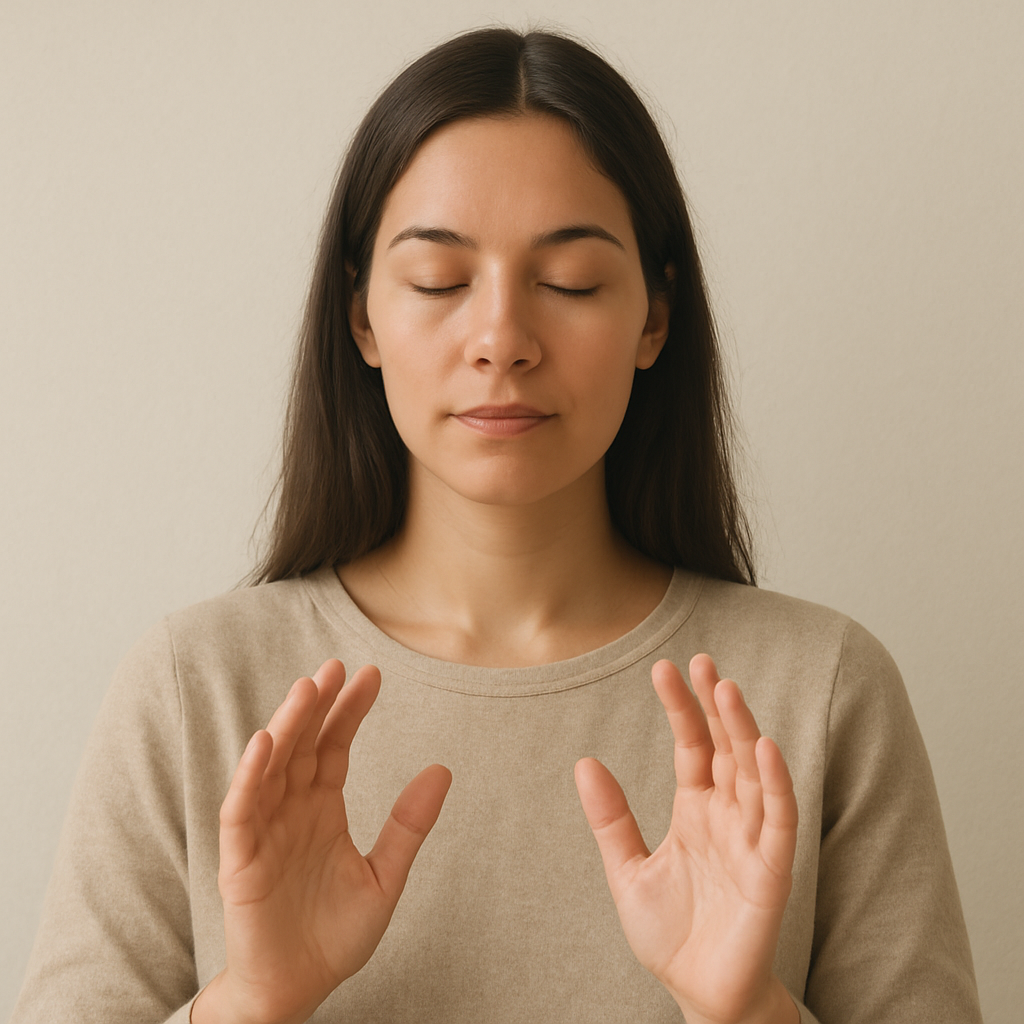
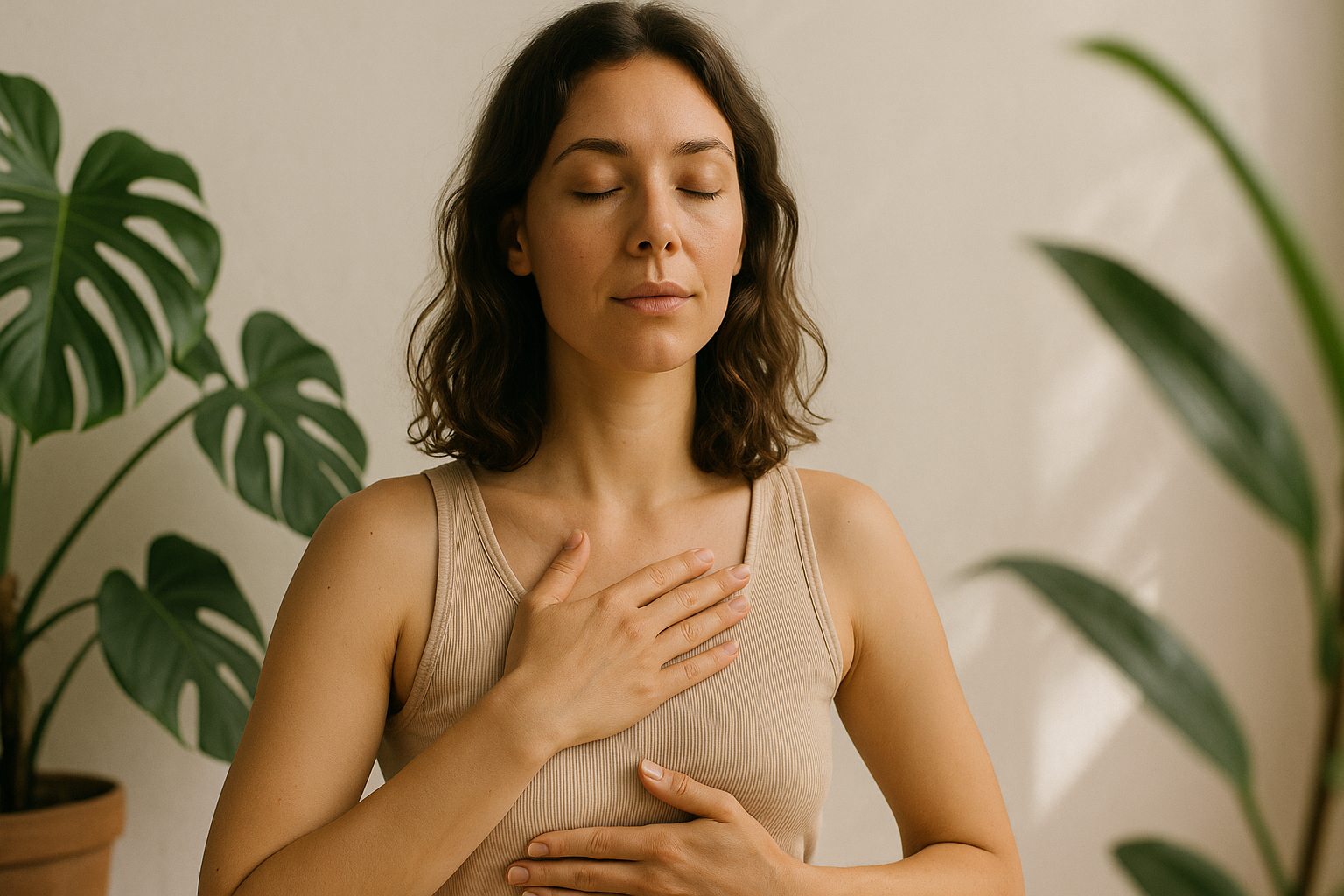
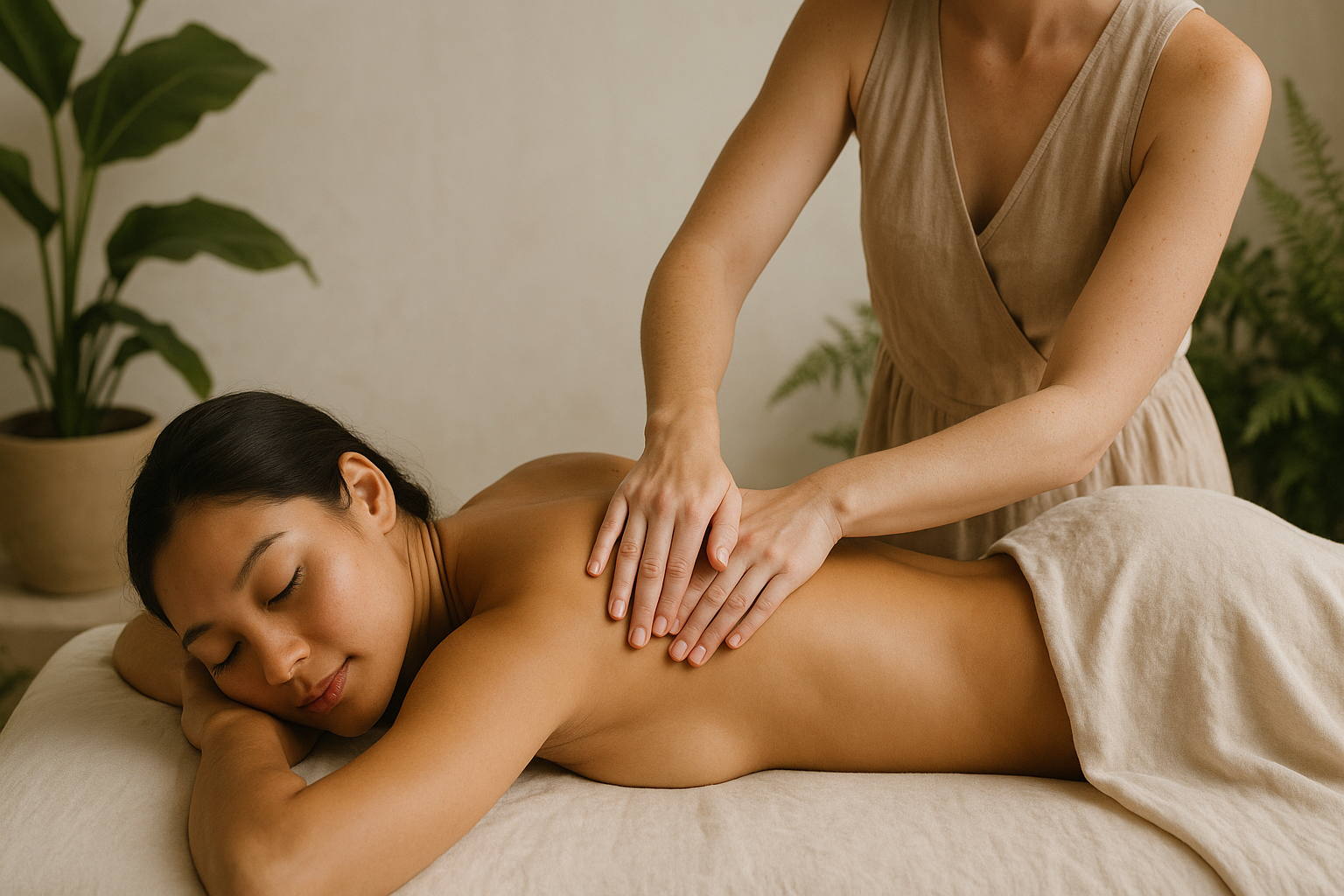
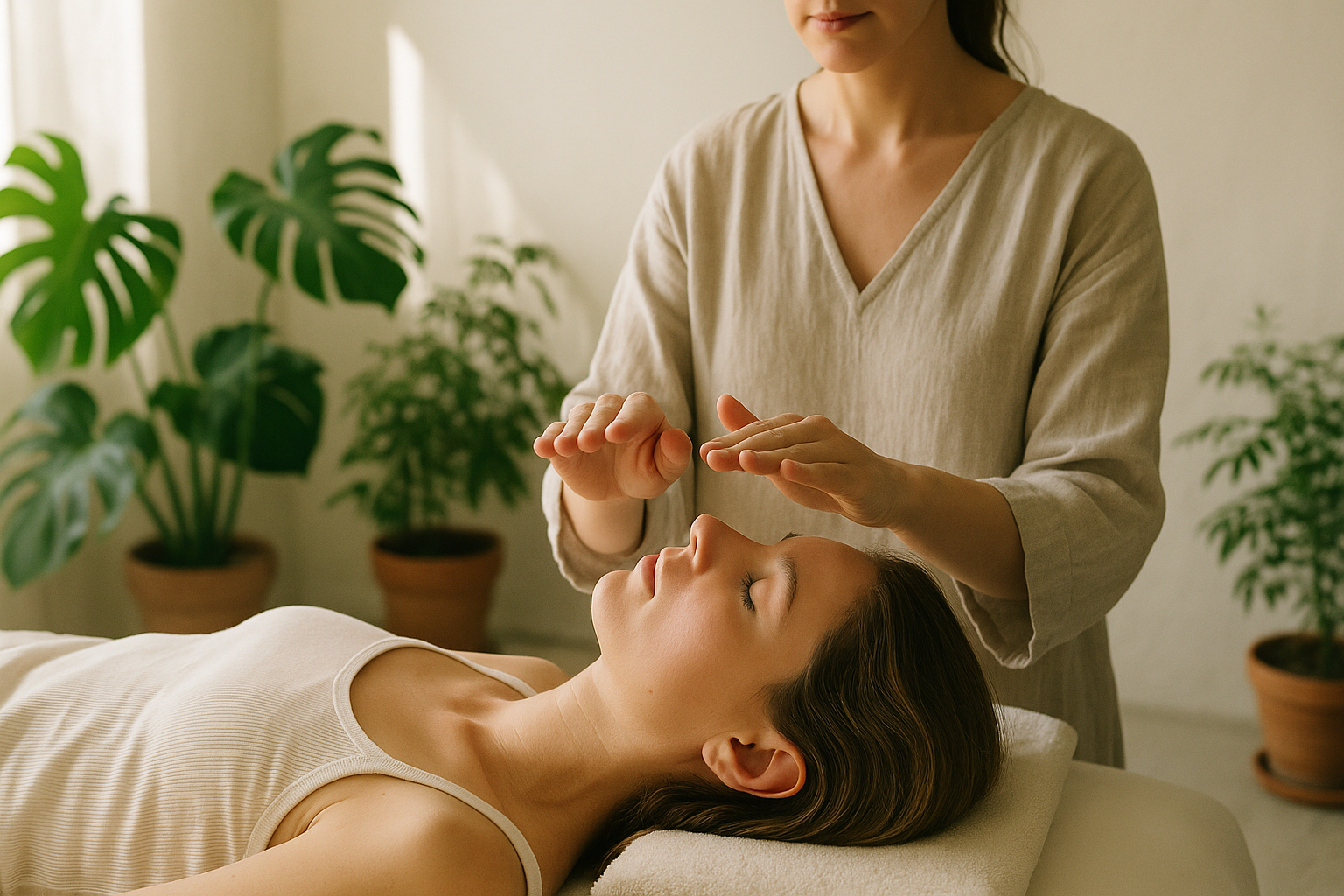
Practitioners of Reiki believe that this energy flows through all living beings, and when it becomes blocked or unbalanced, physical, emotional, or spiritual issues can arise. Reiki sessions involve the practitioner placing their hands lightly on or near the client's body to facilitate the flow of energy.
Key Active Compounds & Mechanisms
Reiki does not involve specific compounds or substances; instead, it relies on the practitioner’s intent and the energy exchange between the practitioner and the recipient. The core mechanisms of Reiki include:
- Energy Channeling: The practitioner channels universal energy to the client.
- Relaxation Response: Reiki promotes deep relaxation, which can help reduce stress and anxiety.
- Emotional and Spiritual Healing: Many practitioners report that Reiki helps in emotional release and spiritual growth.
Traditional Uses
Historically, Reiki has roots in Japanese healing practices and has been influenced by various spiritual traditions, including Buddhism and Shintoism. It was developed by Mikao Usui in the early 1900s. Traditionally, Reiki was used to:
- Promote overall well-being and balance.
- Support emotional healing and personal growth.
- Aid in the recovery from illness or trauma.
Reiki was initially taught and practiced in spiritual communities and has since spread globally, becoming a popular complementary therapy in various healthcare settings.
What Modern Research Suggests
Modern research on Reiki is still in its early stages, but some studies suggest it may have beneficial effects on stress reduction, pain management, and overall quality of life. While evidence is mostly anecdotal or preliminary, a few clinical trials have shown:
- Reduced anxiety and depression levels.
- Improved relaxation and pain management in patients undergoing medical treatments.
However, more rigorous studies are needed to fully understand Reiki's effectiveness and the mechanisms behind its benefits.
Functional Actions
The functional actions of Reiki can be summarized as follows:
- Stress Reduction: Helps in calming the mind and body.
- Pain Relief: May assist in decreasing chronic pain and discomfort.
- Emotional Healing: Supports emotional release and mental clarity.
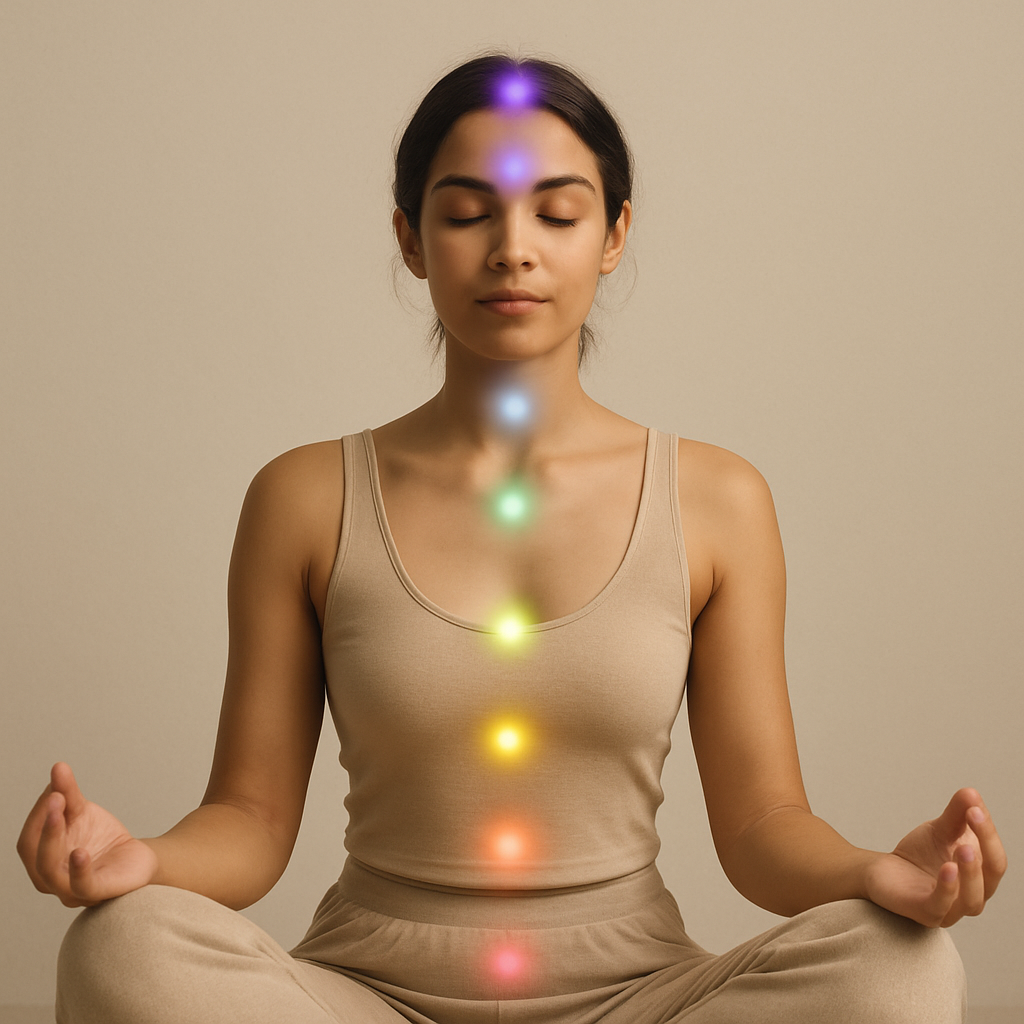
- Energy Balancing: Restores a sense of balance to the energy systems of the body.
Body Systems Supported
Reiki is believed to support various body systems, particularly:
- Nervous System: Promotes relaxation and stress relief.
- Immune System: May enhance the body’s natural healing processes.
- Emotional Well-being: Supports mental health and emotional stability.
Common Forms & Educational Dosing Ranges
Reiki is typically experienced through hands-on or hands-off sessions conducted by a trained practitioner. Sessions can last anywhere from 30 minutes to an hour. There are no specific dosing ranges, but practitioners may recommend:
- Weekly sessions for acute issues.
- Monthly maintenance sessions for overall well-being.
Safety, Contraindications & Interactions
Reiki is generally considered safe for most individuals. However, those with the following conditions should consult a healthcare professional before beginning Reiki:
- Severe psychiatric conditions.
- Active substance abuse issues.
- Medical emergencies or critical health conditions.
Reiki is not a substitute for medical treatment but can be a complementary practice. It is essential to inform your healthcare provider of any alternative therapies you are utilizing.
Pairs Well With
Reiki can be effectively combined with various therapies and practices, such as:
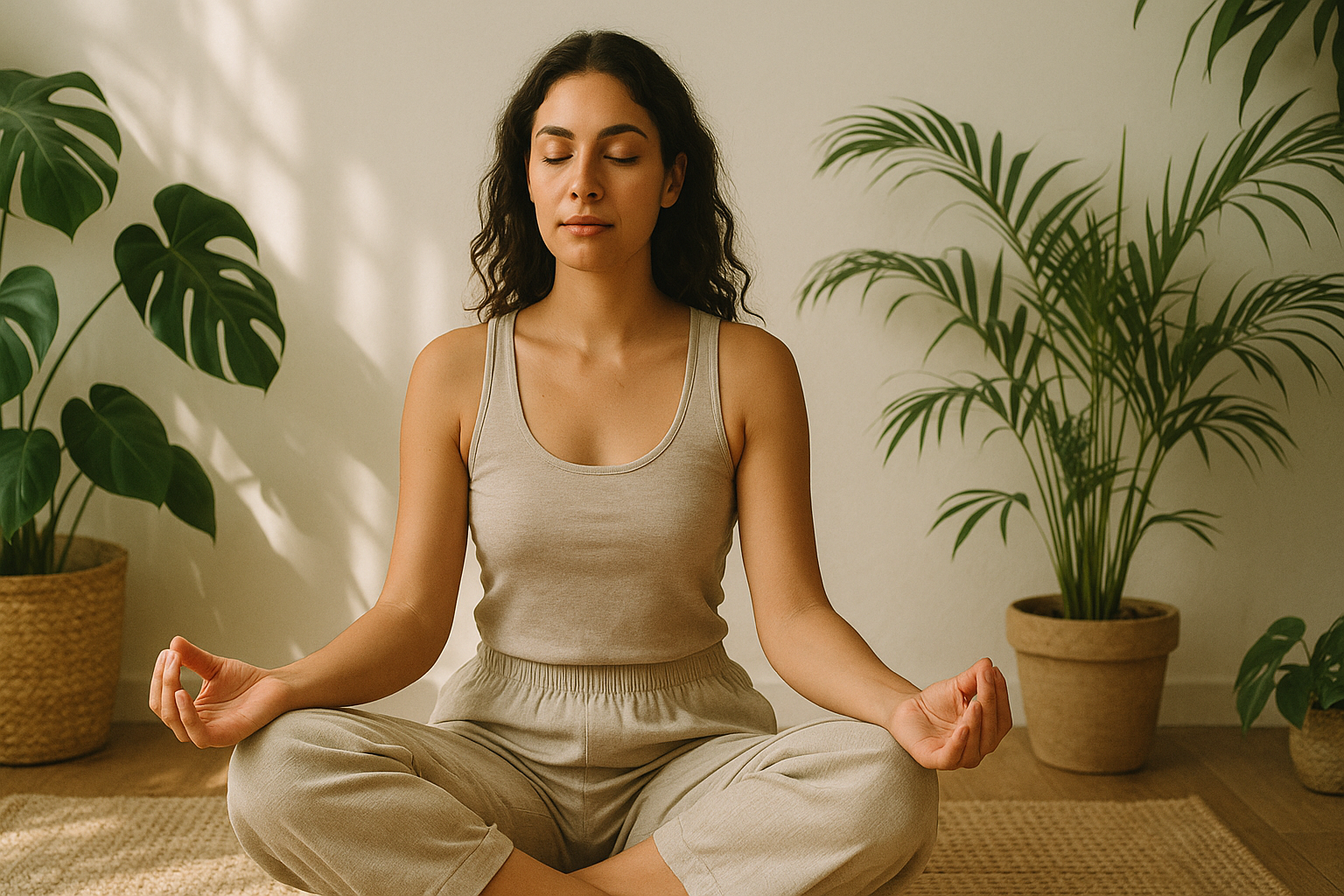
- Meditation
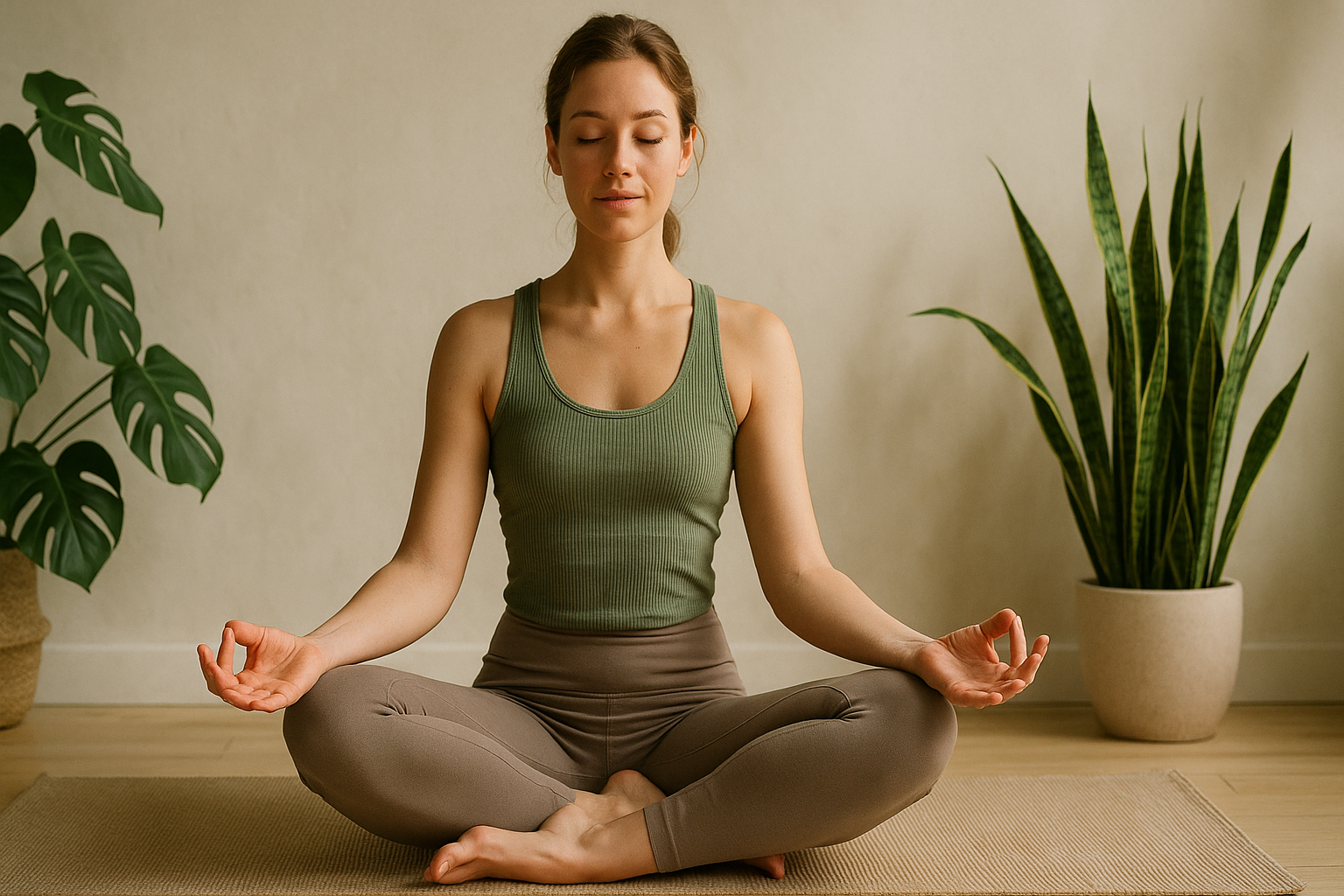
- Yoga
- Aromatherapy
- Massage therapy
FAQs (5)
- What should I expect during a Reiki session? Most clients experience deep relaxation, and some may feel sensations such as warmth or tingling.
- Do I need to believe in Reiki for it to work? While belief may enhance the experience, many report benefits regardless of their beliefs.
- How often should I receive Reiki? Frequency varies based on individual needs, but weekly or monthly sessions are common.
- Is Reiki safe for everyone? Generally, yes, but individuals with certain health conditions should consult a doctor first.
- Can Reiki be done remotely? Yes, many practitioners offer distance Reiki sessions, which can be equally effective.
Frequently asked
What should I expect during a Reiki session?
Most clients experience deep relaxation, and some may feel sensations such as warmth or tingling.
Do I need to believe in Reiki for it to work?
While belief may enhance the experience, many report benefits regardless of their beliefs.
How often should I receive Reiki?
Frequency varies based on individual needs, but weekly or monthly sessions are common.
Is Reiki safe for everyone?
Generally, yes, but individuals with certain health conditions should consult a doctor first.
Can Reiki be done remotely?
Yes, many practitioners offer distance Reiki sessions, which can be equally effective.