Meditation Frequencies
Discover the impact of meditation frequencies on well-being, supported by historical context and modern research.
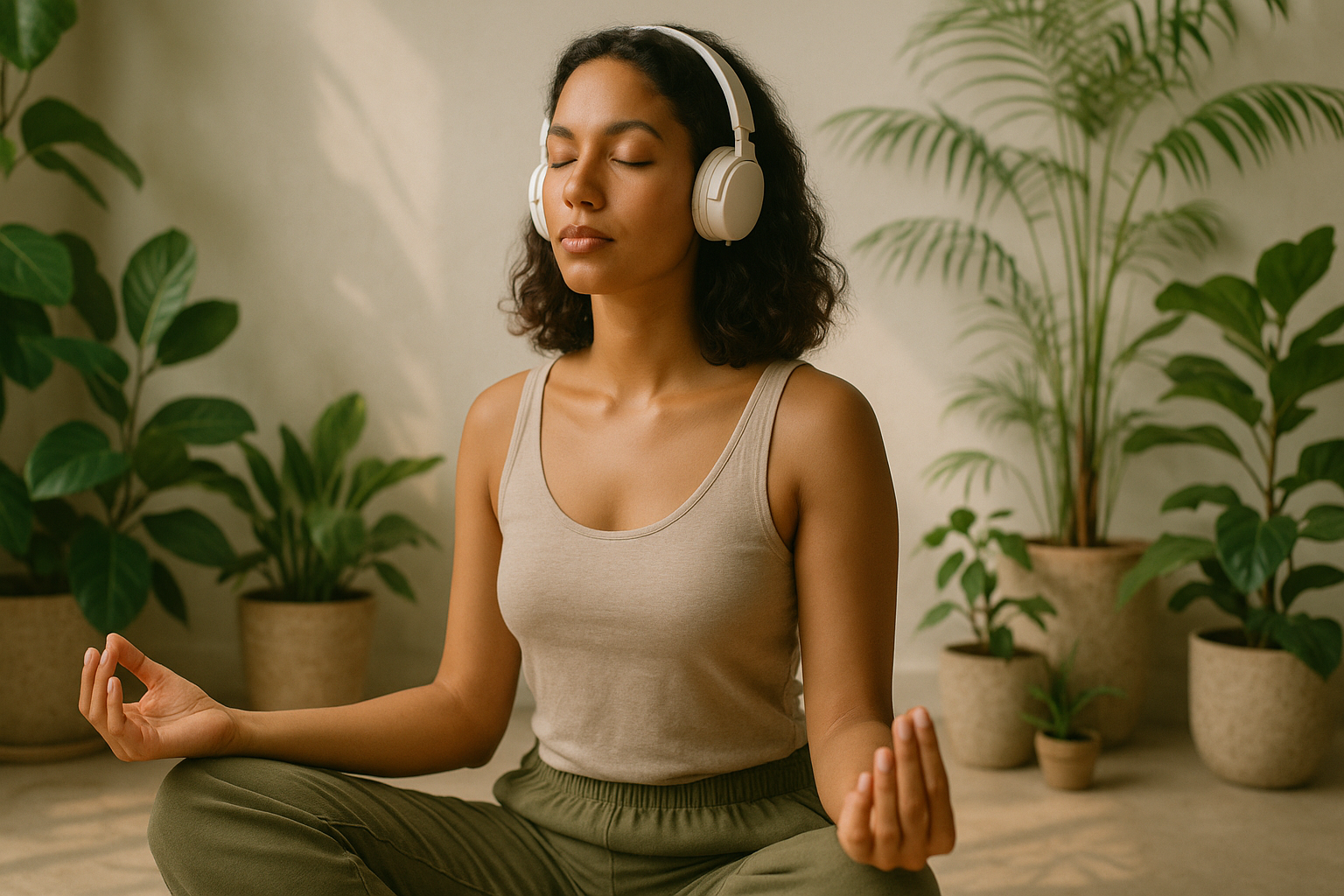
Explore the world of meditation frequencies, their historical significance, modern research findings, and practical applications in energy and frequency therapies.
What It Is
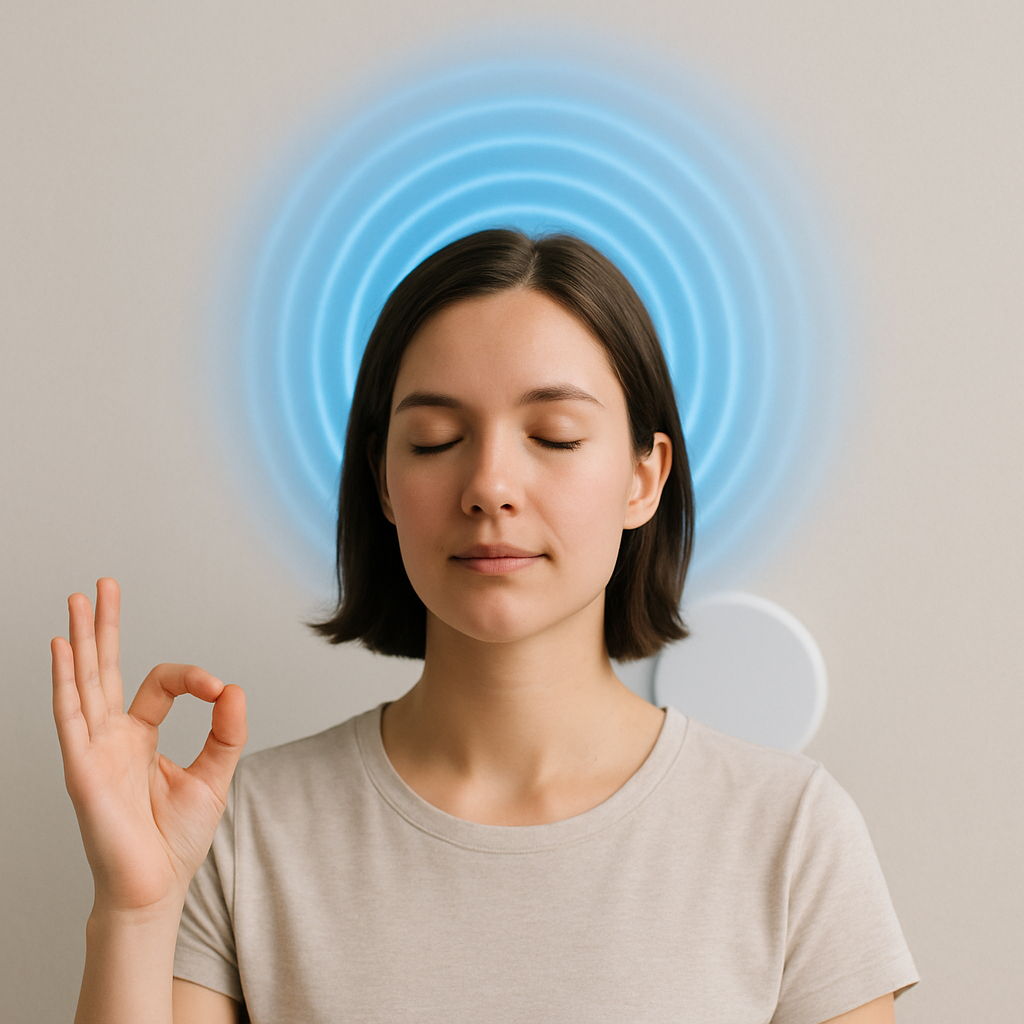
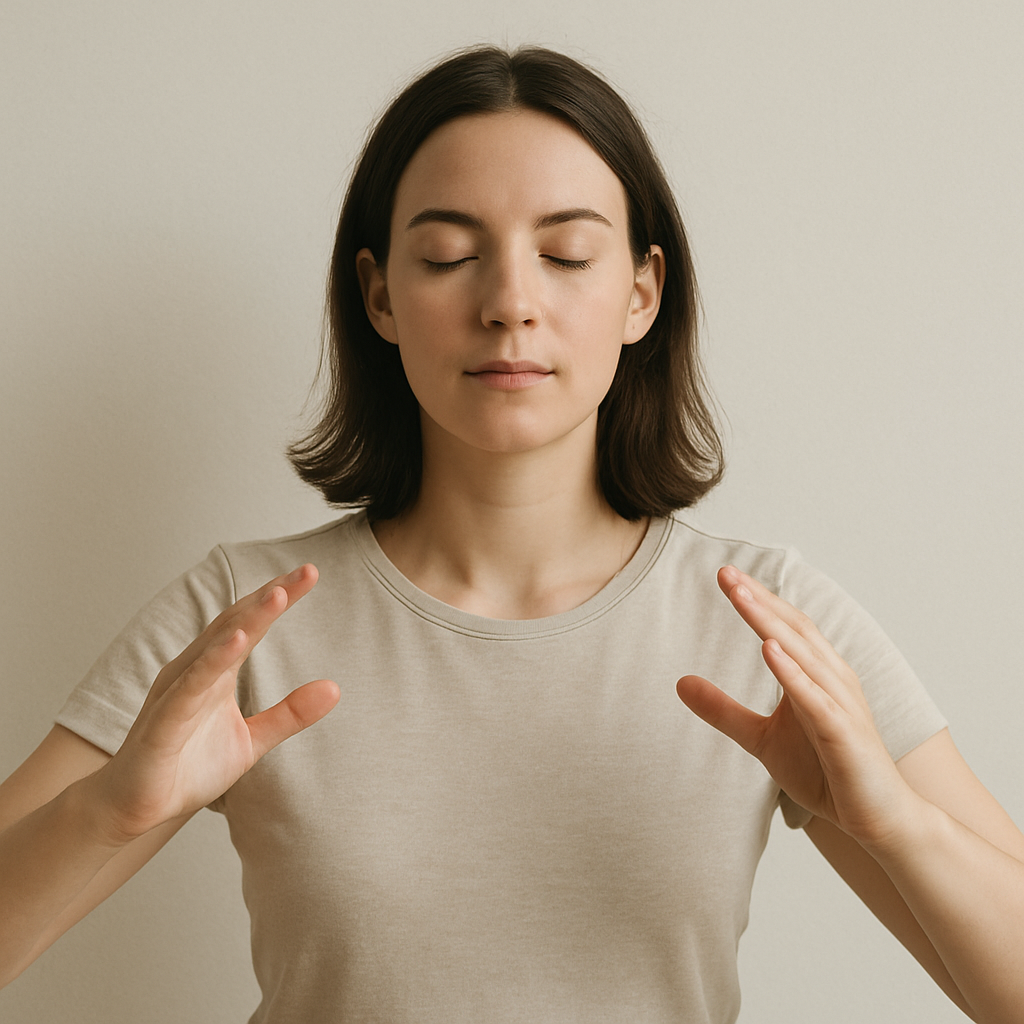
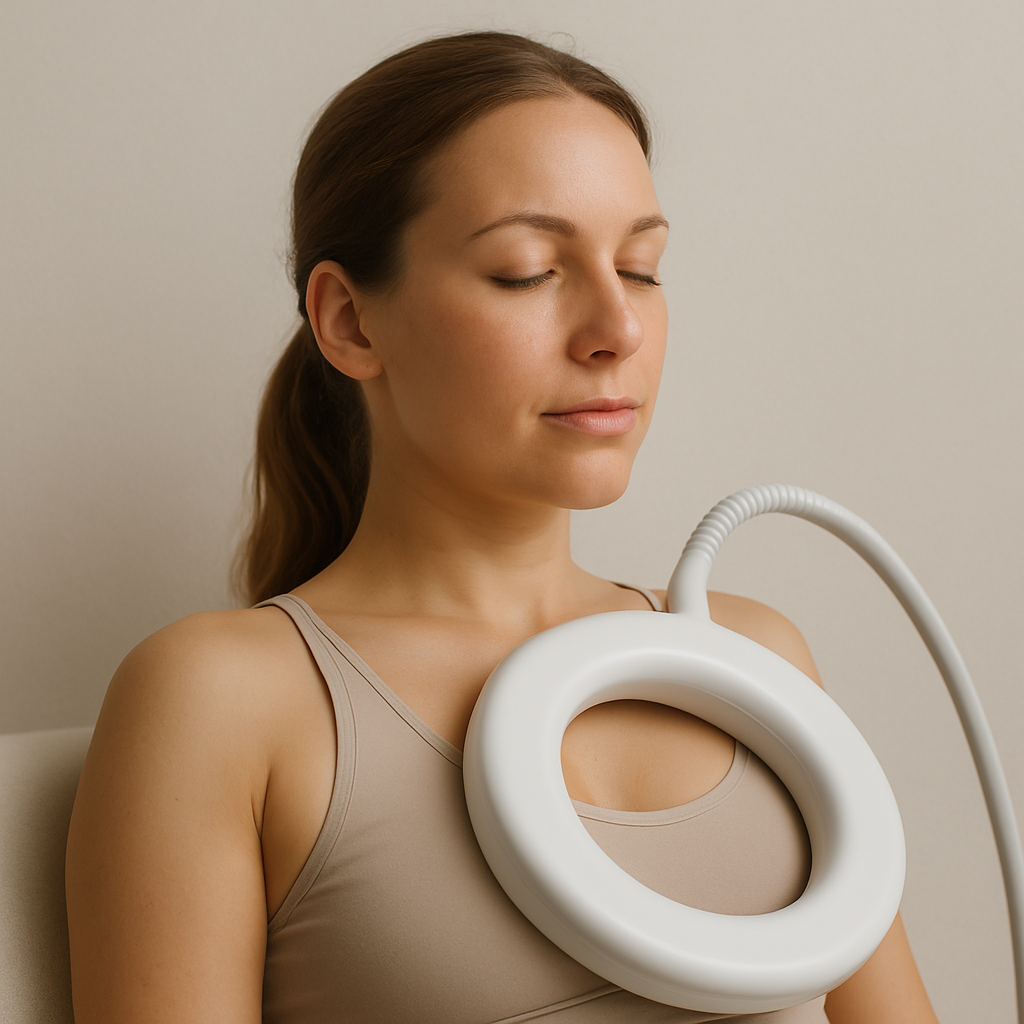
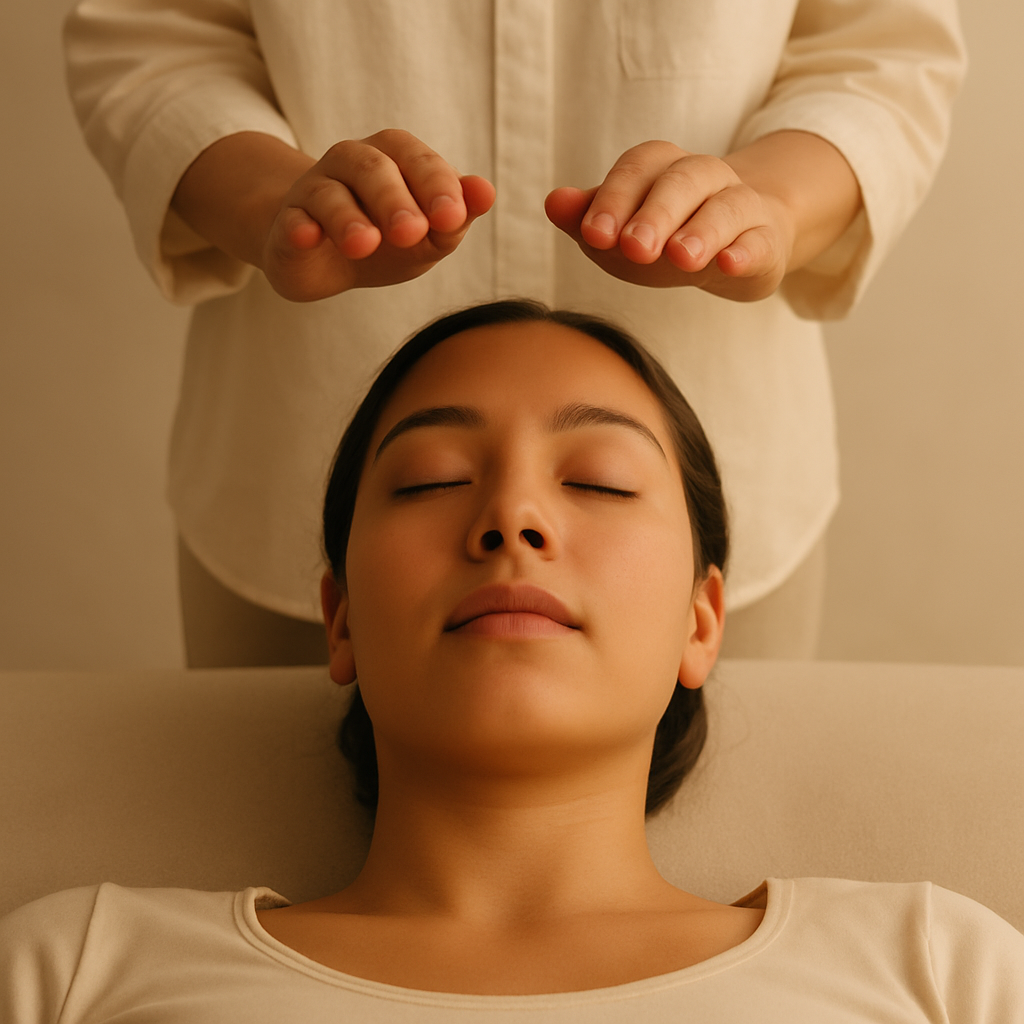
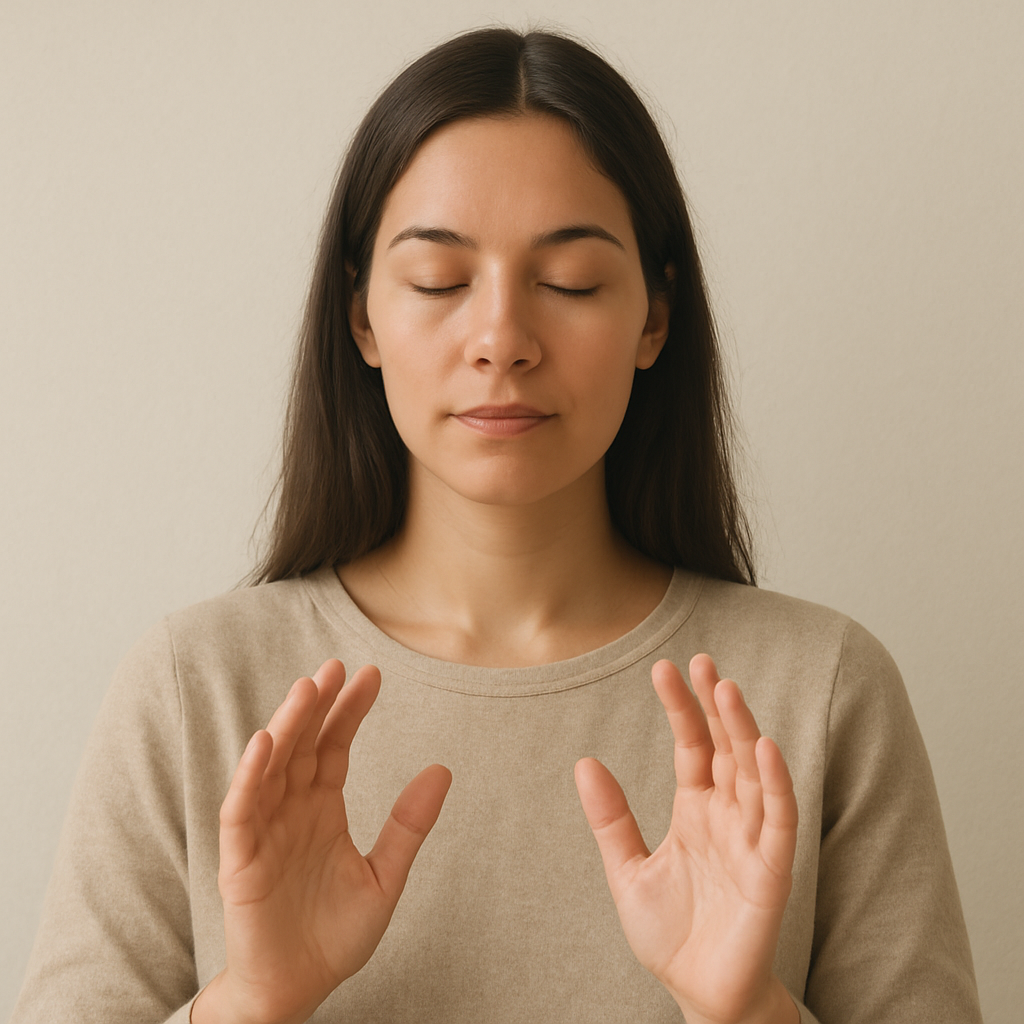
Meditation frequencies refer to specific sound frequencies that are believed to promote relaxation, focus, and overall well-being during meditation practices. These frequencies are often categorized based on their vibrational properties and intended effects on the mind and body. Commonly used frequencies include 432 Hz, known for its calming effects, and 528 Hz, often associated with transformation and healing.
Key Active Compounds & Mechanisms
While meditation frequencies themselves do not contain active compounds in the traditional sense, they operate on the principles of sound and vibration. The effects of these frequencies can be attributed to the way sound interacts with the human body and mind. Mechanisms include:
- Resonance: The concept that certain frequencies can resonate with specific mental states or physical conditions.
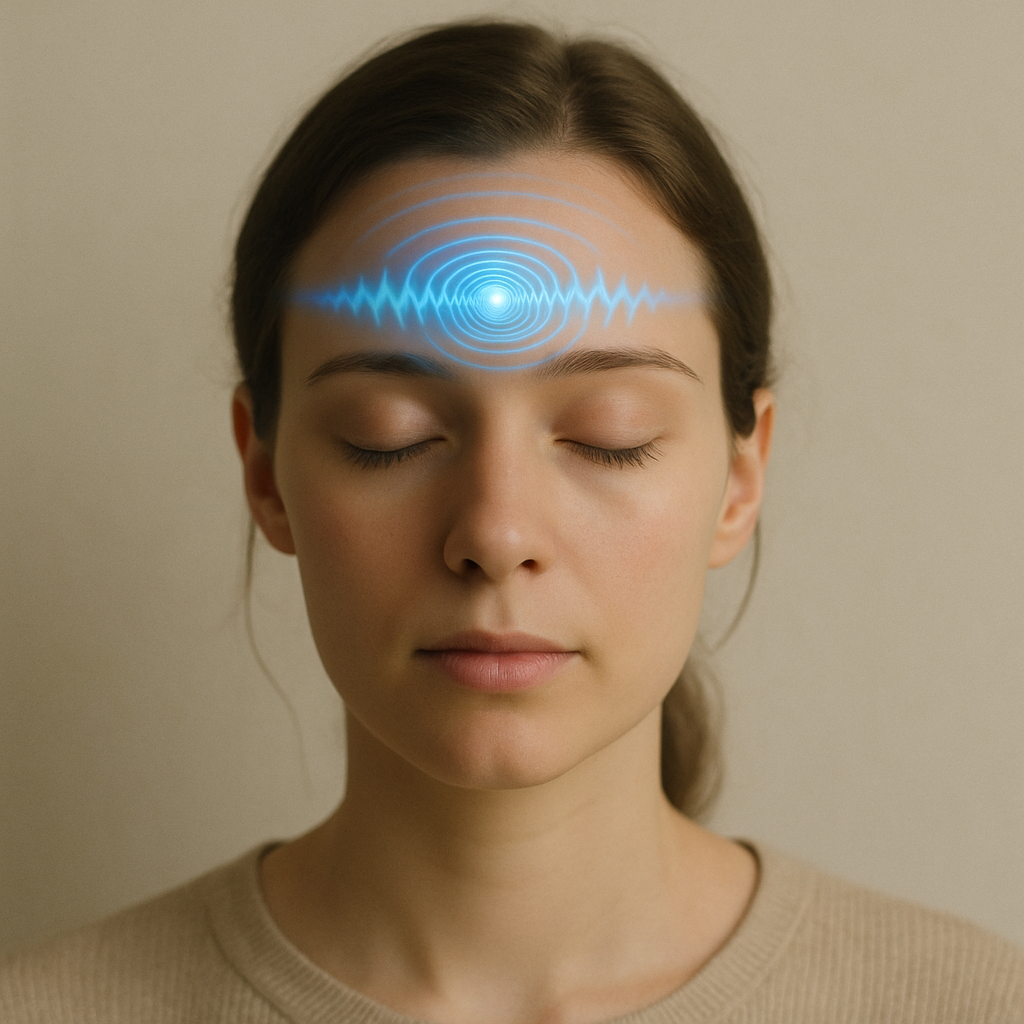
- Brainwave Entrainment: The synchronization of brainwaves to a specific frequency, potentially enhancing states of relaxation or focus.
- Emotional Response: The ability of sound frequencies to evoke emotional reactions, which can further influence meditation experiences.
Traditional Uses
Throughout history, sound has played a crucial role in various cultures' meditation practices. Ancient civilizations, such as the Egyptians and Greeks, utilized sound in spiritual rituals. For instance:
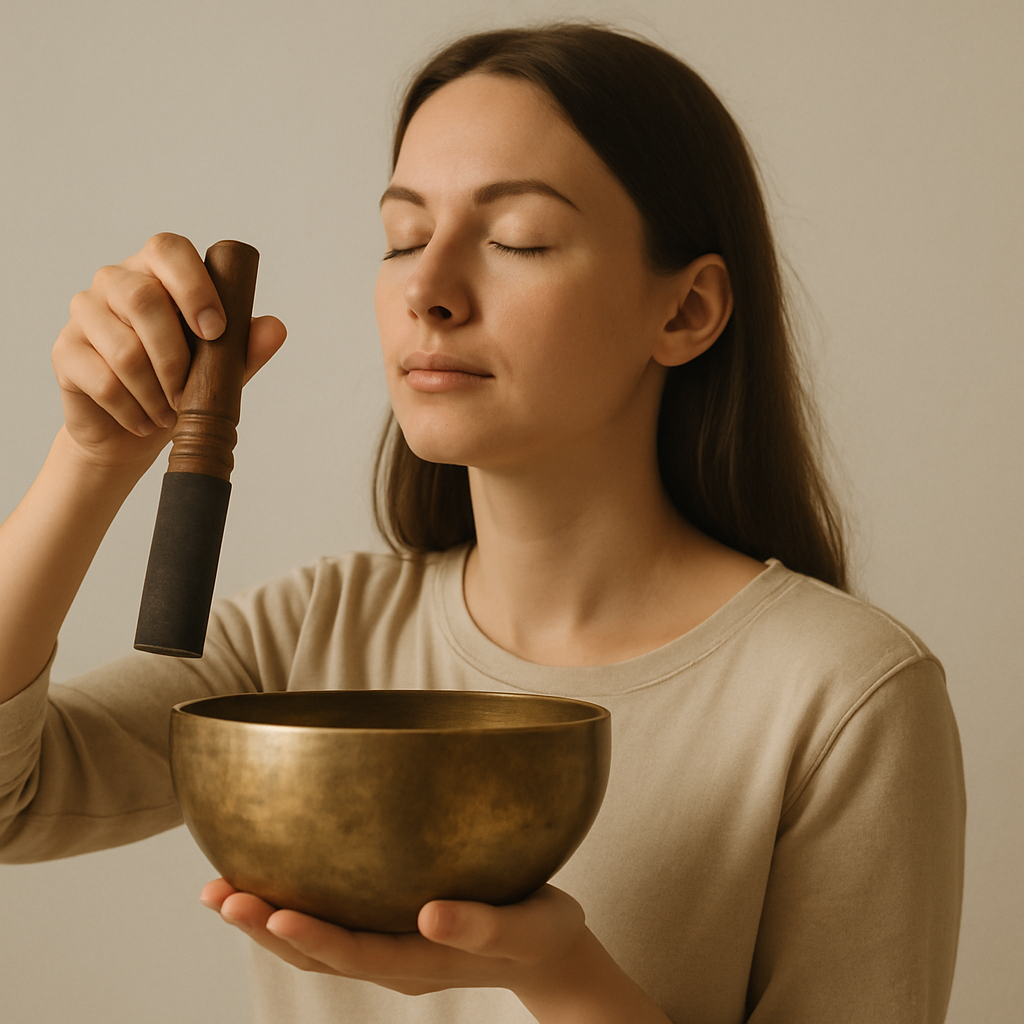
- The use of gongs and singing bowls in Tibetan Buddhism to aid meditation and mindfulness.
- Native American tribes employed drumming and chanting to enhance spiritual connection and healing.
- In Hindu traditions, specific chants (mantras) are repeated at particular frequencies to align the mind and body.
These historical practices highlight the long-standing belief in the power of sound for enhancing meditation and spiritual experiences.
What Modern Research Suggests
Modern research into meditation frequencies is still an emerging field. Preliminary studies suggest that sound frequencies can impact physiological and psychological states. Some findings include:
- Research indicating that listening to certain frequencies can reduce anxiety and improve mood.
- Studies showing that brainwave entrainment through sound can enhance concentration and relaxation.
- Evidence suggesting that specific frequencies may lead to positive changes in heart rate variability, indicating improved stress responses.
While these findings are promising, further research is needed to fully understand the mechanisms and implications of meditation frequencies.
Functional Actions
Meditation frequencies may serve several functional actions, including:
- Enhancing Relaxation: Many frequencies promote deep relaxation, aiding in stress reduction.
- Improving Focus: Certain frequencies can help individuals maintain concentration during meditation.
- Facilitating Emotional Release: Some frequencies are thought to help release pent-up emotions, fostering a sense of emotional clarity and peace.
Body Systems Supported
Meditation frequencies can support various body systems, including:
- Nervous System: Promotes relaxation and reduces stress responses.
- Cardiovascular System: May improve heart rate variability and overall heart health.
- Emotional Well-being: Aids in processing emotions and enhancing mood.
Common Forms & Educational Dosing Ranges
Meditation frequencies can be experienced in various forms, such as:
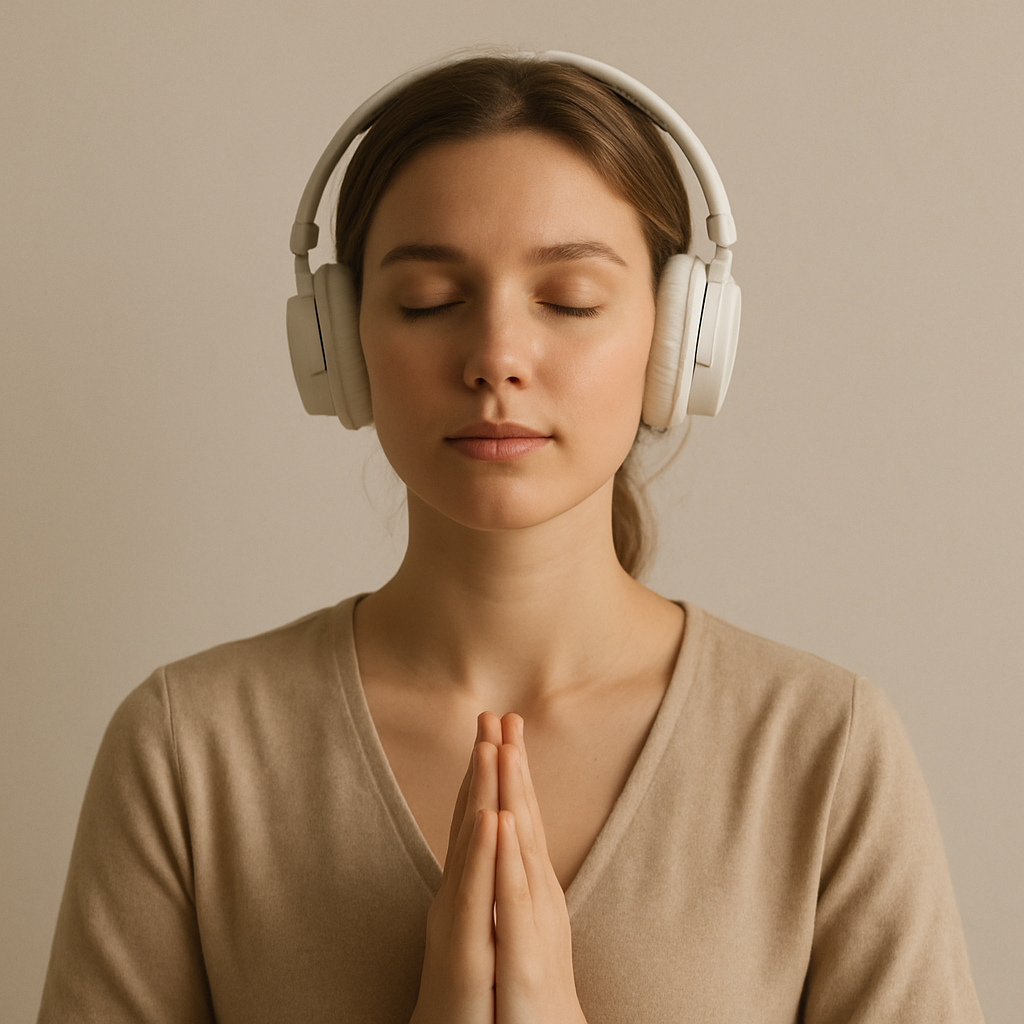
- Sound Tracks: Pre-recorded audio files featuring specific frequencies.
- Singing Bowls: Instruments tuned to specific frequencies, used in meditation sessions.
- Gongs: These instruments produce a range of frequencies that can be used in group meditation.
For educational dosing, individuals may start with sessions of 15-30 minutes, gradually increasing duration as they become more comfortable with the practice.
Safety, Contraindications & Interactions
While meditation frequencies are generally considered safe, individuals with certain conditions should exercise caution:
- Those with sound sensitivity or certain neurological disorders may find some frequencies uncomfortable.
- Individuals with a history of seizures or severe anxiety should consult with a healthcare professional before engaging in sound therapies.
There are no known interactions with medications; however, individuals should always consult with a healthcare provider if unsure.
Pairs Well With
Meditation frequencies can be effectively paired with:
- Aromatherapy: Essential oils can enhance relaxation and create a calming atmosphere.
- Mindfulness Practices: Combining sound frequencies with mindfulness techniques can deepen the meditation experience.
- Yoga: Incorporating sound during yoga sessions can enhance focus and energy flow.
FAQs (5)
- What are the most common meditation frequencies? Common frequencies include 432 Hz, 528 Hz, and 639 Hz, each associated with specific benefits.
- How do I use meditation frequencies? You can use meditation frequencies through audio tracks, singing bowls, or gongs during your meditation practice.
- Are meditation frequencies safe for everyone? Generally, yes, but individuals with sound sensitivity or certain medical conditions should consult a healthcare professional.
- How long should I listen to meditation frequencies? Start with 15-30 minutes and adjust based on comfort and preference.
- Can meditation frequencies help with anxiety? Preliminary research suggests that specific frequencies may reduce anxiety and promote relaxation.
Frequently asked
What are the most common meditation frequencies?
Common frequencies include 432 Hz, 528 Hz, and 639 Hz, each associated with specific benefits.
How do I use meditation frequencies?
You can use meditation frequencies through audio tracks, singing bowls, or gongs during your meditation practice.
Are meditation frequencies safe for everyone?
Generally, yes, but individuals with sound sensitivity or certain medical conditions should consult a healthcare professional.
How long should I listen to meditation frequencies?
Start with 15-30 minutes and adjust based on comfort and preference.
Can meditation frequencies help with anxiety?
Preliminary research suggests that specific frequencies may reduce anxiety and promote relaxation.