Emotional Frequencies
Discover the significance of Emotional Frequencies in energy therapies, their traditional uses, modern insights, and how they can support emotional well-being.

Explore the concept of Emotional Frequencies within Energy & Frequency Therapies, learning about its definitions, historical uses, modern research, and practical applications.
What It Is
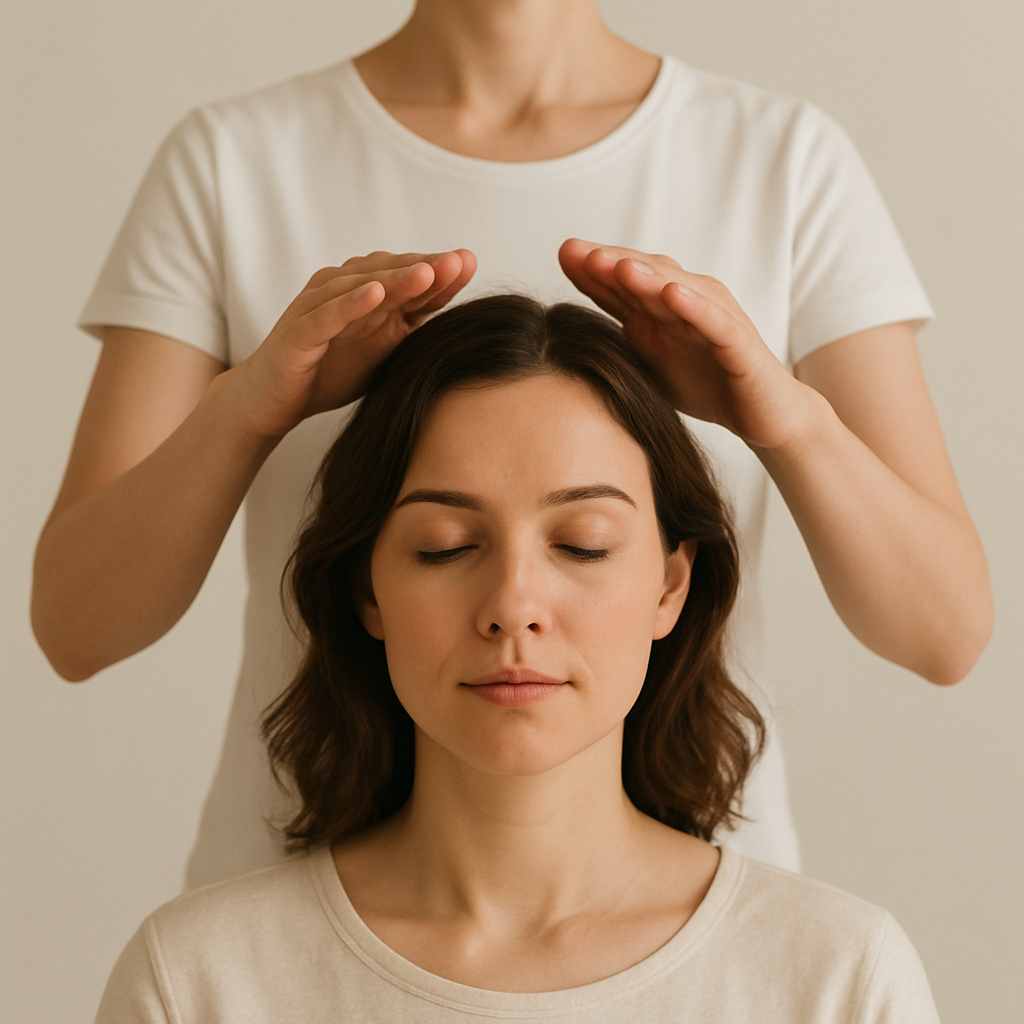
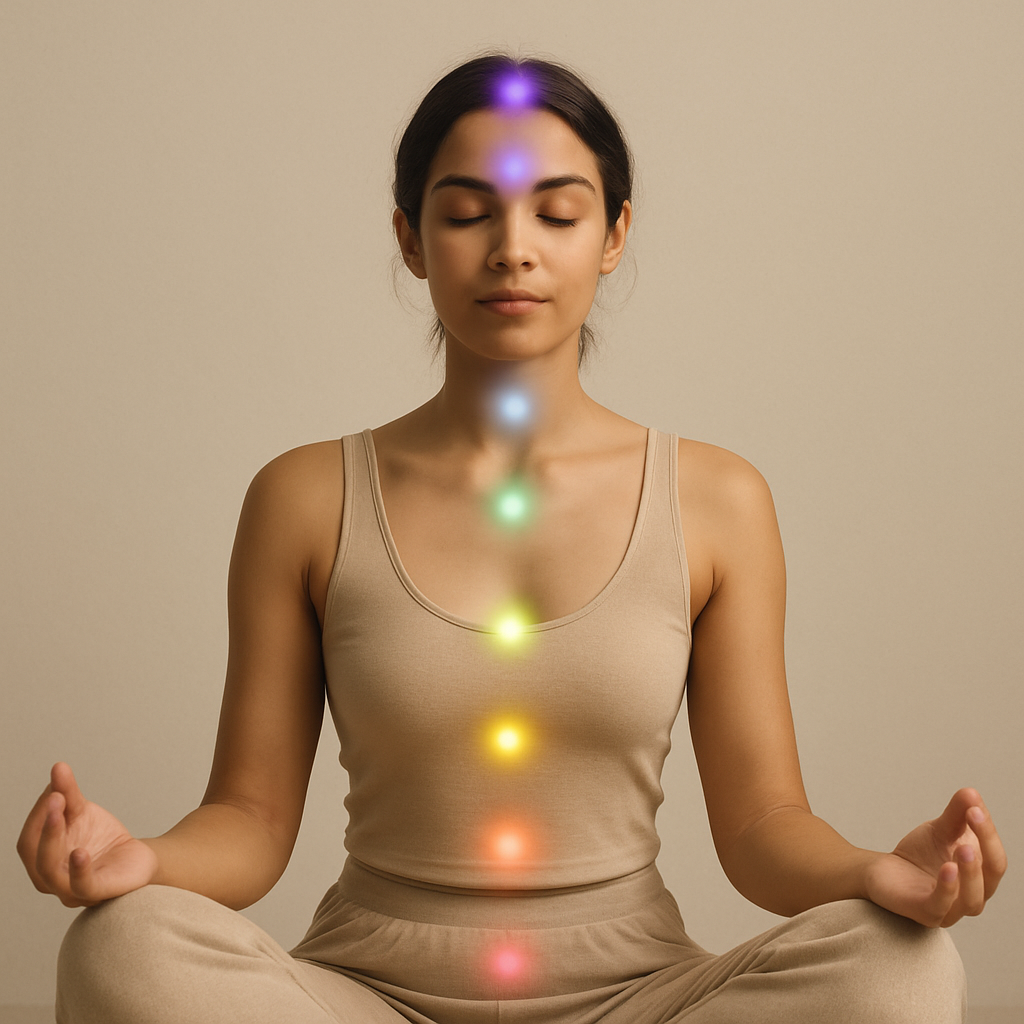
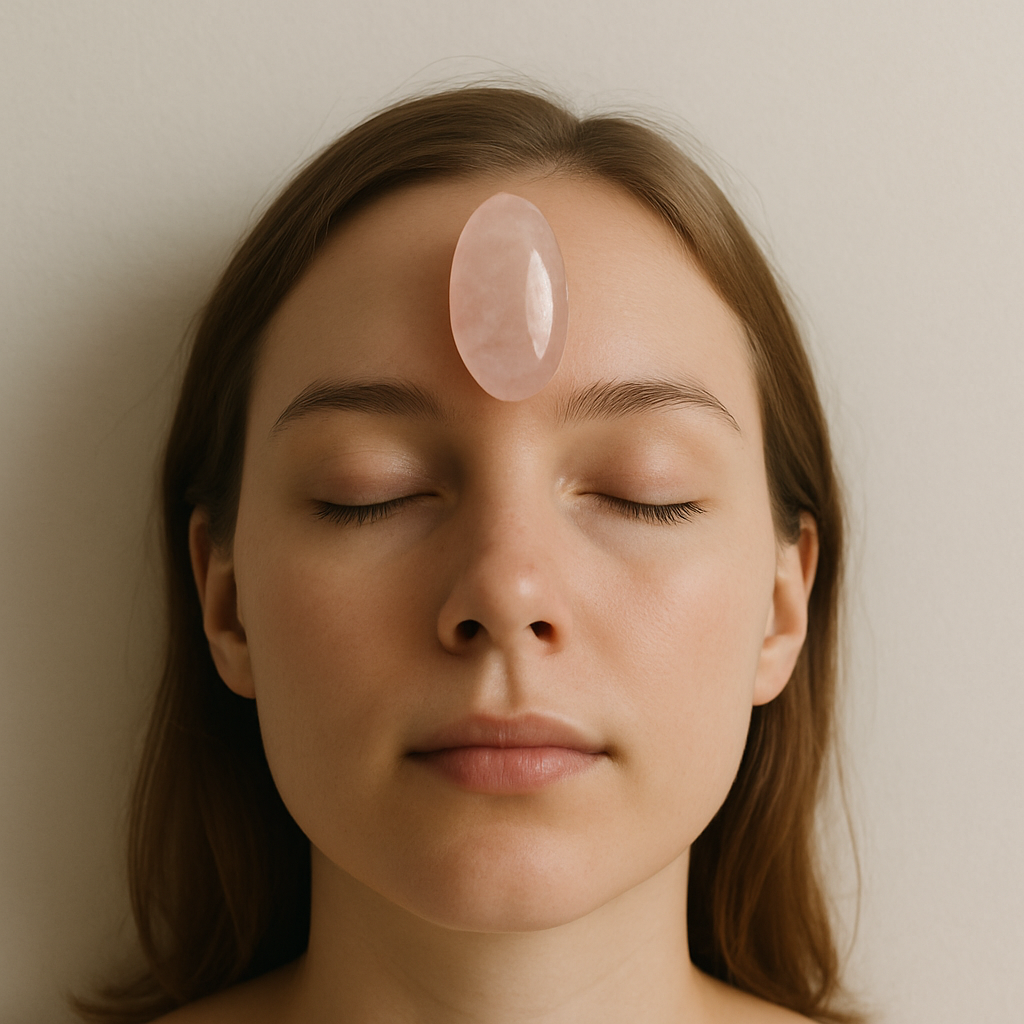
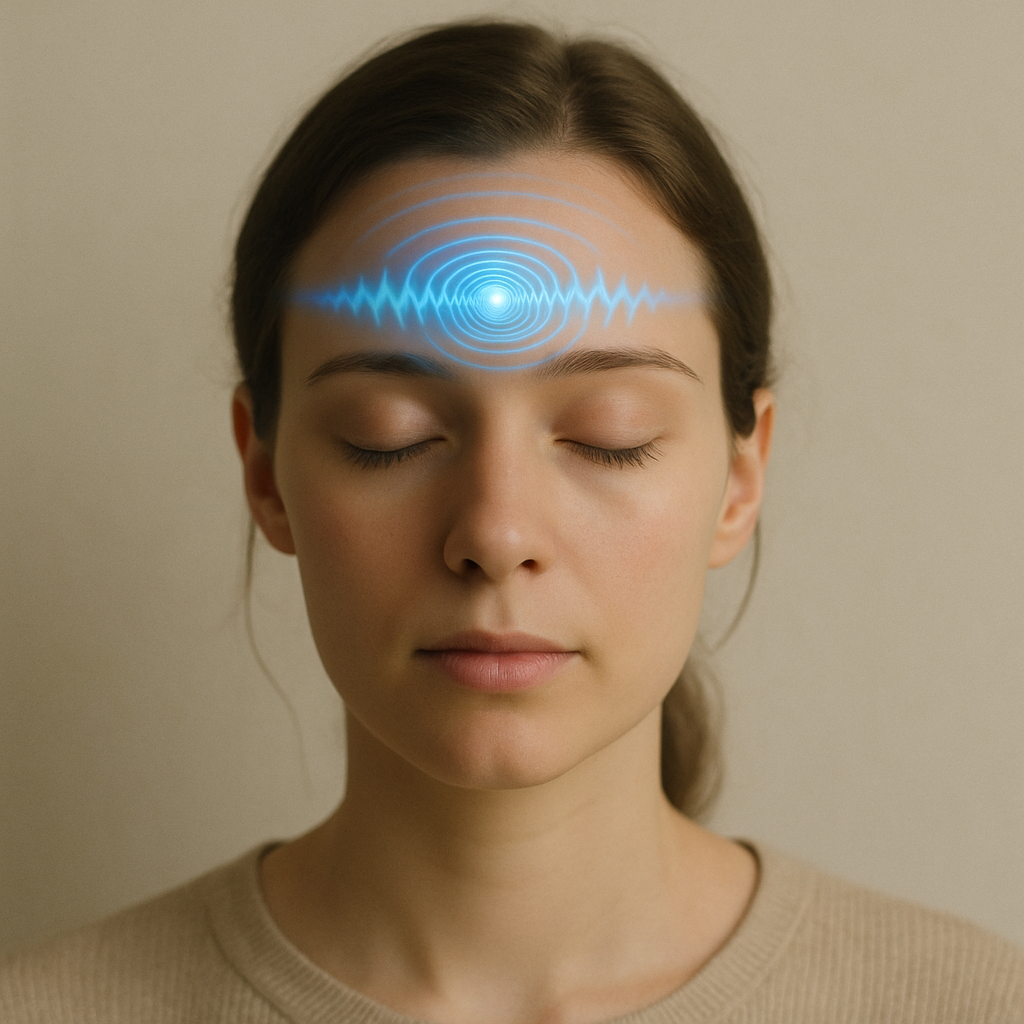
Emotional Frequencies refer to specific vibrational energies that resonate with human emotions. These frequencies are believed to influence emotional states, often used in various energy and frequency therapies to promote emotional healing and balance. The concept stems from the idea that everything in the universe, including human emotions, has a frequency or vibration. By understanding and harnessing these frequencies, individuals can potentially align themselves to achieve emotional well-being.
Key Active Compounds & Mechanisms
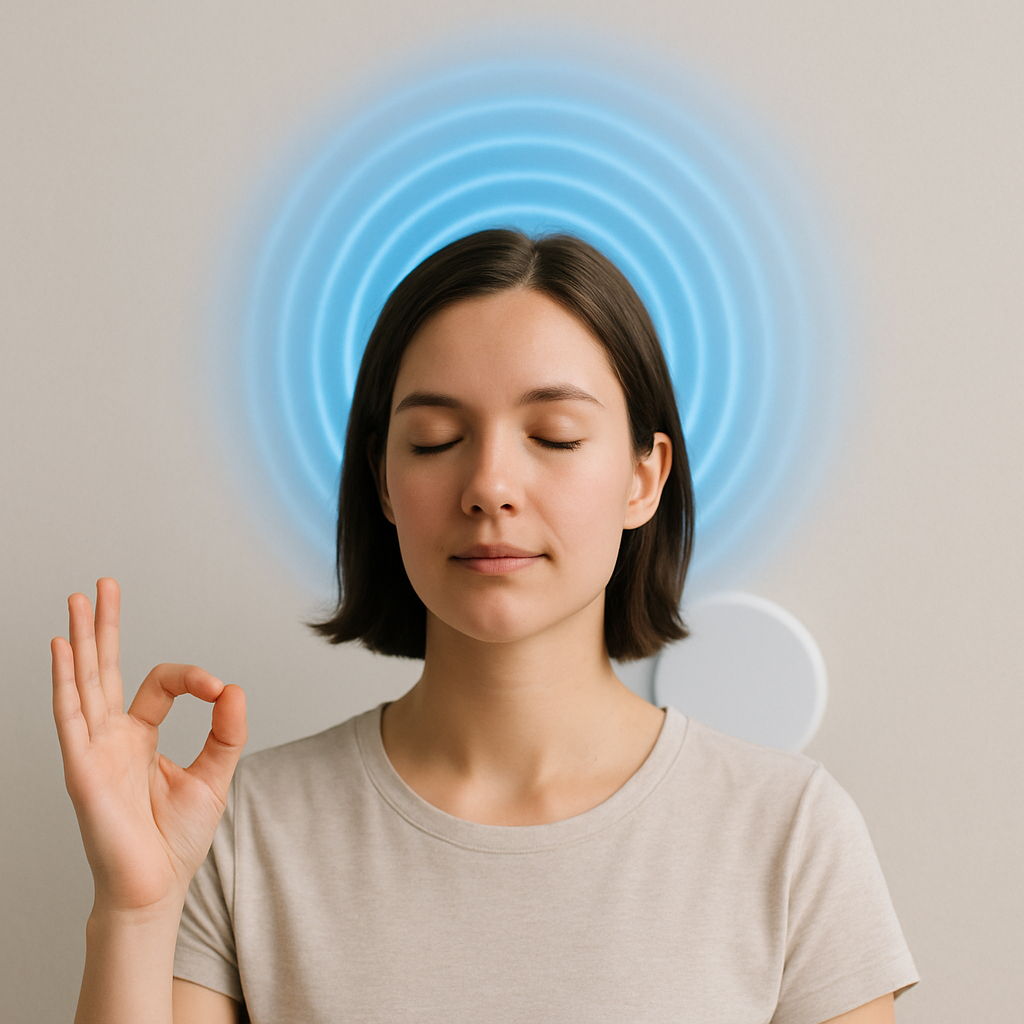
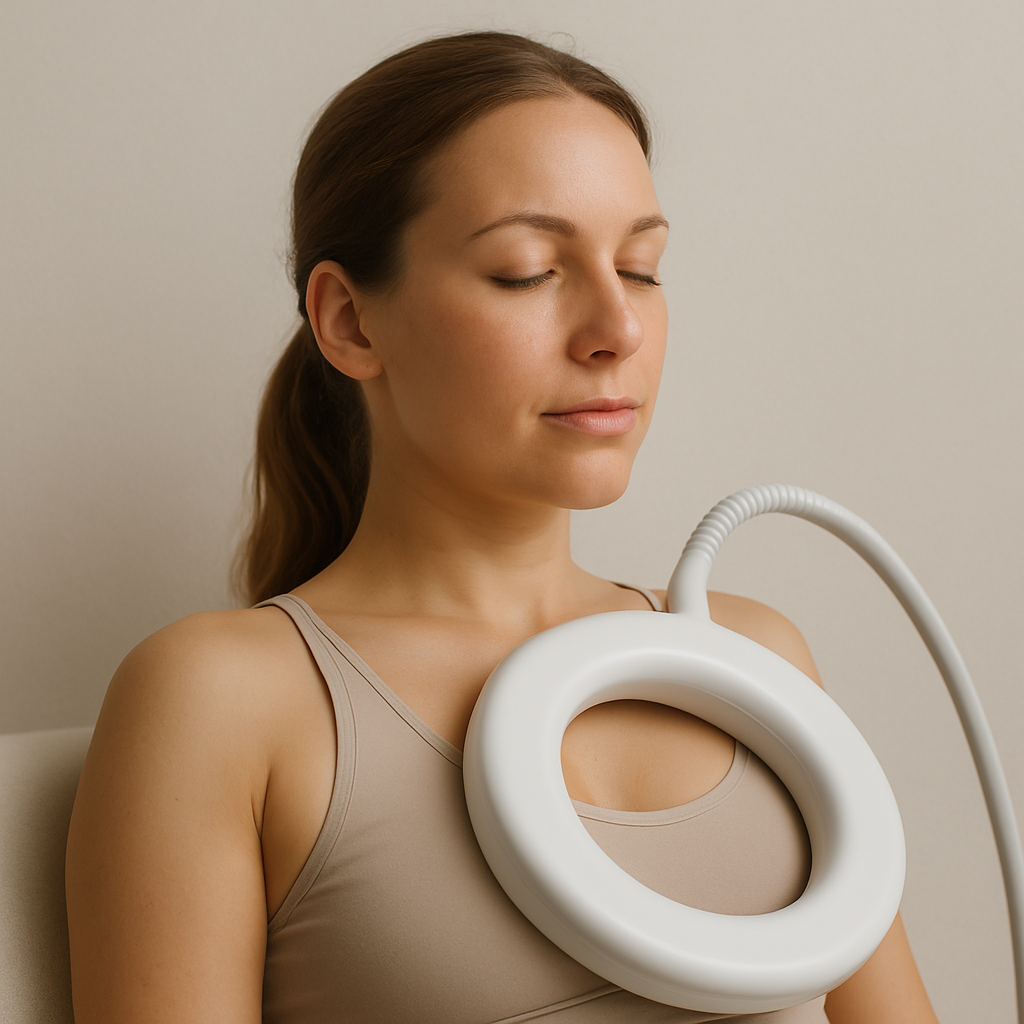
Though Emotional Frequencies are not tied to specific compounds like traditional herbal remedies, they can be associated with various modalities that utilize sound, light, and energy. For instance, sound therapy often involves the use of specific frequencies, such as 528 Hz, known as the "Love Frequency," which is thought to promote healing and emotional harmony. Mechanistically, these frequencies can stimulate the brain’s relaxation response, reduce stress hormones, and enhance feelings of joy and tranquility.
Traditional Uses
Historically, Emotional Frequencies have roots in various ancient practices. Cultures around the world have used sound and vibration as a means to may support emotional and spiritual ailments. For example:
- Ancient Indigenous Cultures: Many indigenous tribes utilized drumming and chanting to induce altered states of consciousness, believed to facilitate emotional and spiritual healing.
- Traditional Chinese Medicine: This ancient system incorporates the concept of Qi (vital energy) and recognizes that emotional disturbances can manifest as physical ailments.
- Indian Ayurveda: Ayurveda practices often include the use of specific sounds and mantras to balance emotional and spiritual health.
What Modern Research Suggests
Modern research into Emotional Frequencies is still emerging. Several studies suggest that sound therapy can have positive effects on emotional well-being, including:
- Reduction in anxiety and depression symptoms.
- Improvement in mood and emotional resilience.
- Enhanced relaxation and stress relief through sound waves.
However, more extensive clinical trials are necessary to solidify these findings and establish standardized practices in emotional frequency therapies.
Functional Actions
Emotional Frequencies are believed to provide various functional actions that contribute to emotional well-being:
- Emotional Release: Helps in processing and releasing pent-up emotions.
- Stress Reduction: Induces a state of relaxation, reducing stress levels.
- Mood Enhancement: Can elevate mood and instill feelings of joy and contentment.
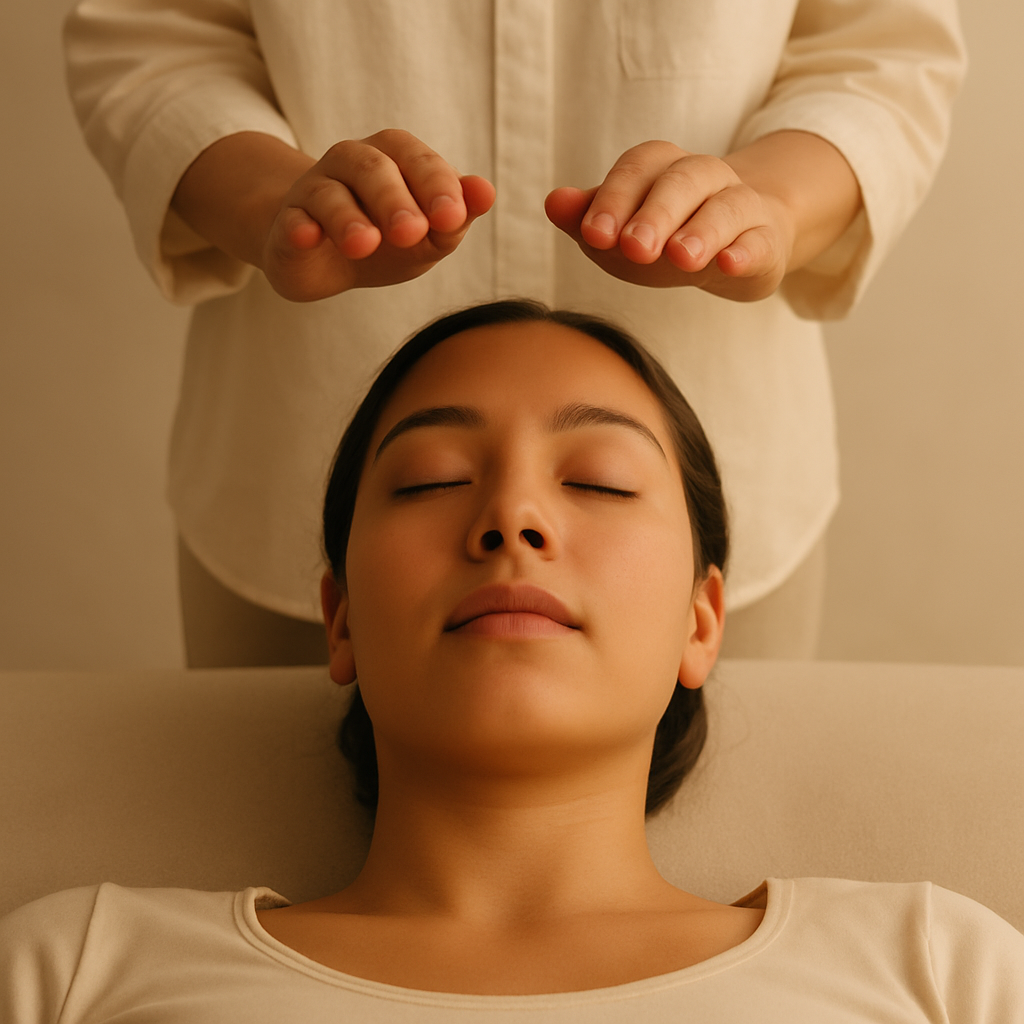
- Energetic Balance: Aims to restore balance to the body's energy systems.
Body Systems Supported
Emotional Frequencies primarily support the following body systems:
- Nervous System: Promotes relaxation and helps mitigate stress responses.
- Emotional System: Assists in processing emotions and enhancing emotional regulation.
- Endocrine System: May influence hormone levels associated with stress and mood.
Common Forms & Educational Dosing Ranges
Emotional Frequencies can be experienced through various forms:
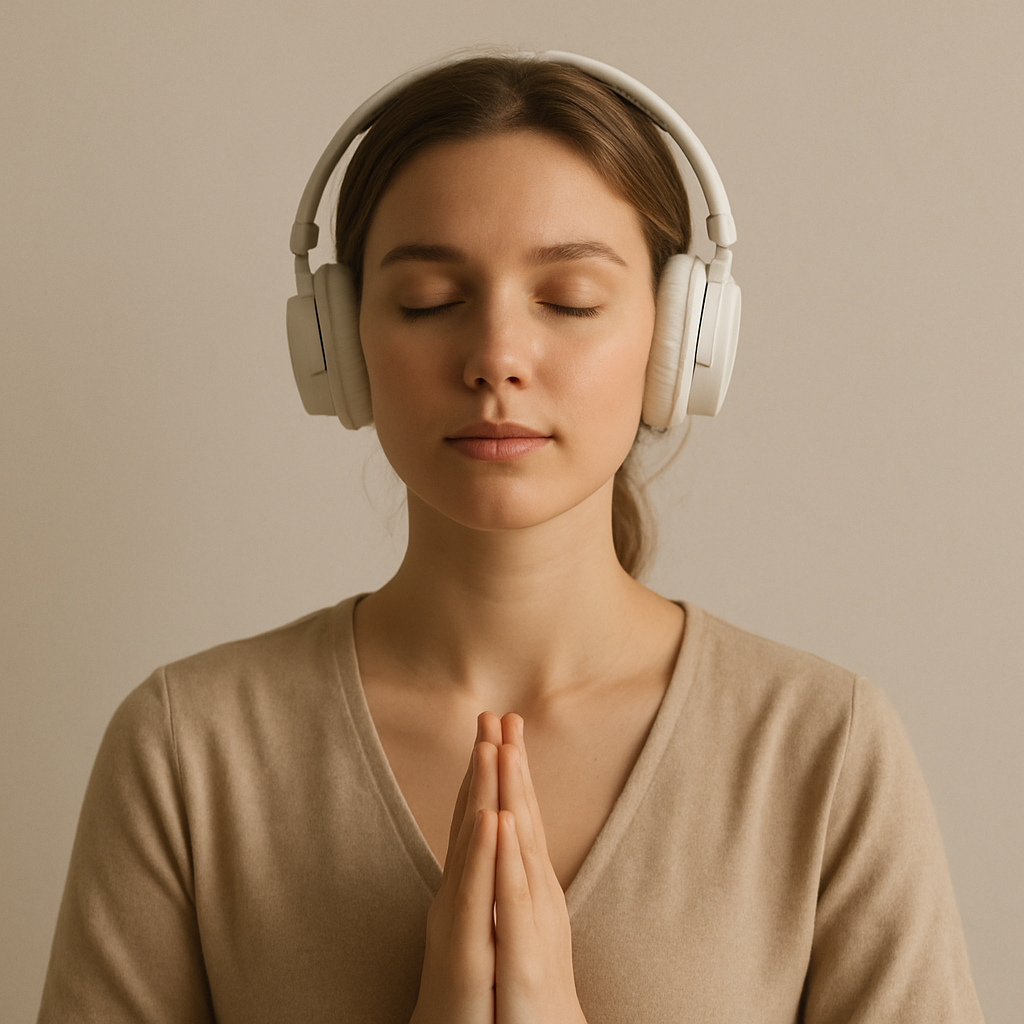
- Sound Therapy: Listening to specific frequencies through music or soundscapes.
- Meditation: Guided meditations that incorporate frequency sounds.
- Tuning Forks: Utilizing tuning forks that resonate with specific frequencies on body points.
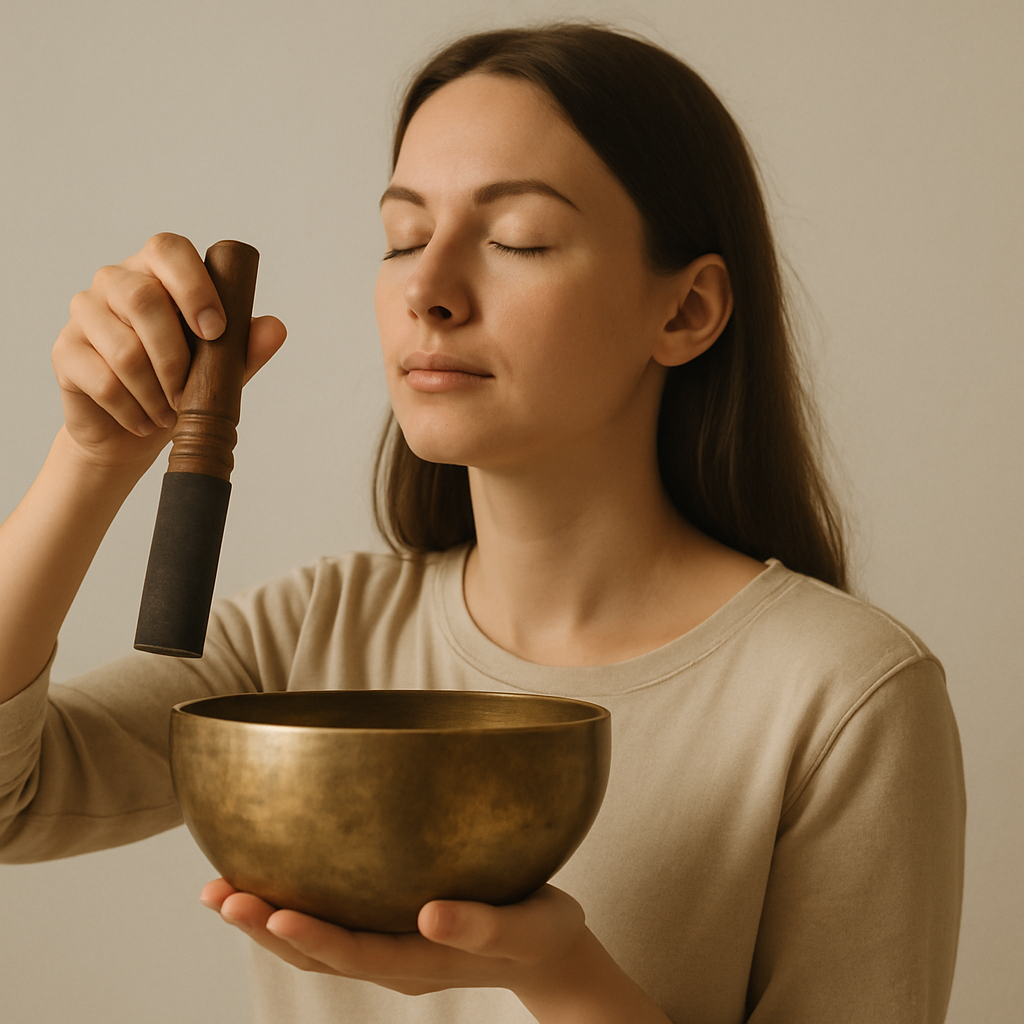
- Crystal Singing Bowls: Producing sound vibrations that resonate with emotional frequencies.
While there are no strict dosing guidelines, many practitioners recommend regular sessions of 20-30 minutes, several times a week, depending on individual needs.
Safety, Contraindications & Interactions
Emotional Frequencies are generally safe for most individuals; however, those with specific conditions or sensitivities should exercise caution:
- Epilepsy: Individuals with seizure disorders should consult a healthcare provider before engaging in sound therapies.
- Severe Anxiety or PTSD: Some may find intense sound experiences overwhelming; gradual exposure is advised.
Always consult a healthcare professional if you are on medications that affect mood or mental health, as sound therapy might interact with your treatment plan.
Pairs Well With
Emotional Frequencies can be enhanced when paired with:
- Aromatherapy: Using essential oils like lavender or chamomile to promote relaxation.
- Yoga: Combining movement with sound frequencies can deepen emotional release.
- Meditation Practices: Enhancing mindfulness and emotional processing through guided meditation.
FAQs (5)
- What are Emotional Frequencies? Emotional Frequencies refer to vibrational energies that resonate with human emotions, promoting emotional healing and balance.
- How do I experience Emotional Frequencies? You can experience them through sound therapy, meditation, or using tuning forks.
- Are there any side effects? Emotional Frequencies are generally safe, but individuals with certain conditions should consult a healthcare provider before use.
- How often should I use Emotional Frequencies? Regular sessions of 20-30 minutes several times a week are commonly recommended.
- Can Emotional Frequencies help with anxiety? Yes, sound therapy and emotional frequency practices have been shown to help reduce anxiety symptoms in many individuals.
Frequently asked
What are Emotional Frequencies?
Emotional Frequencies refer to vibrational energies that resonate with human emotions, promoting emotional healing and balance.
How do I experience Emotional Frequencies?
You can experience them through sound therapy, meditation, or using tuning forks.
Are there any side effects?
Emotional Frequencies are generally safe, but individuals with certain conditions should consult a healthcare provider before use.
How often should I use Emotional Frequencies?
Regular sessions of 20-30 minutes several times a week are commonly recommended.
Can Emotional Frequencies help with anxiety?
Yes, sound therapy and emotional frequency practices have been shown to help reduce anxiety symptoms in many individuals.