Healing Music
Explore the healing power of music in Energy & Frequency Therapies, including its historical significance, modern research, and practical applications.
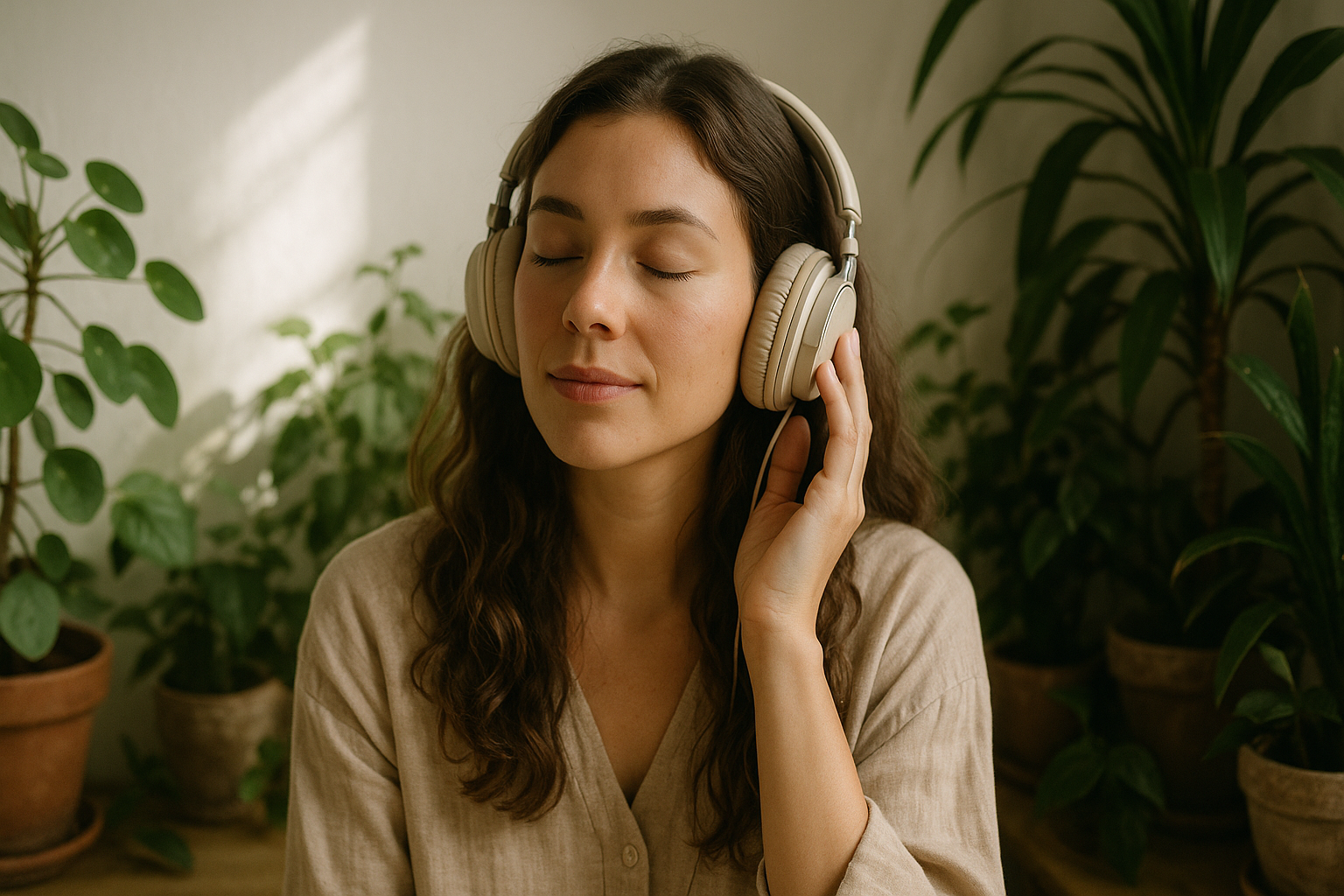
Healing Music is an integral part of Energy & Frequency Therapies, utilizing sound frequencies to promote well-being and healing. This subcategory delves into its definition, mechanisms, historical uses, modern research, and practical applications.
What It Is
Healing Music refers to the therapeutic use of sound frequencies and melodies to promote emotional and physical well-being. It is an aspect of Energy & Frequency Therapies and encompasses a variety of musical styles and techniques aimed at enhancing health and healing. The concept is rooted in the idea that sound can influence our energy fields and, consequently, our overall health.
Key Active Compounds & Mechanisms
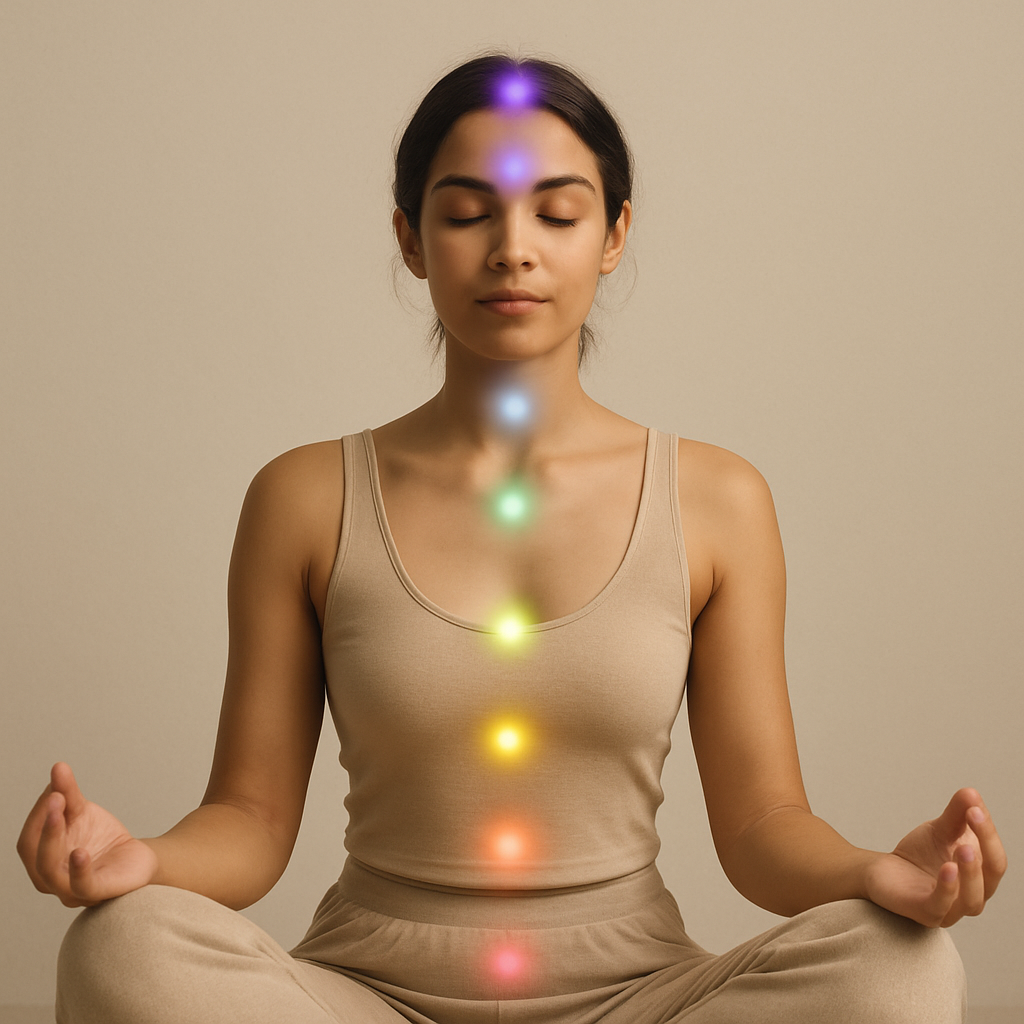
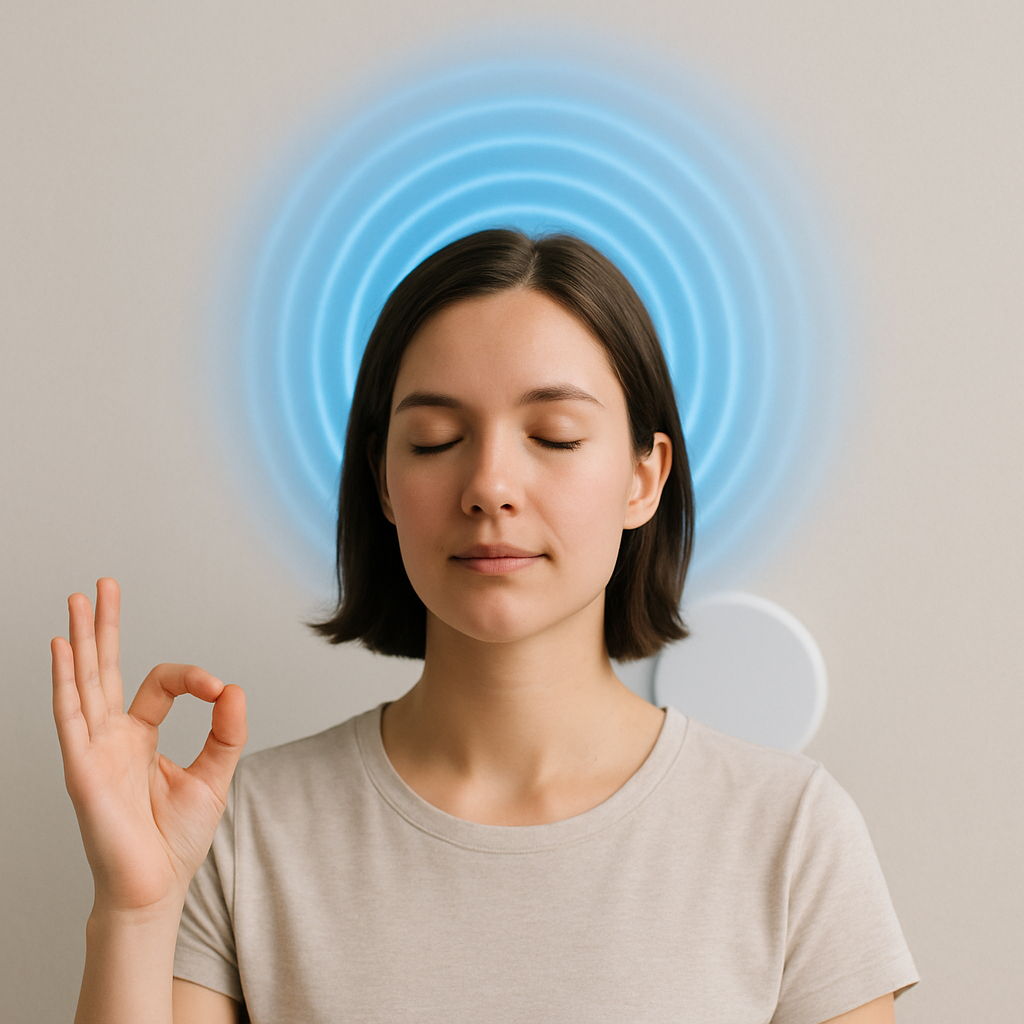
While Healing Music does not contain active compounds in the traditional sense, its mechanisms are based on the vibrational properties of sound. Sound waves can create specific frequencies that resonate with the body's energy centers, often referred to as chakras. Key mechanisms include:
- Resonance: The phenomenon where sound waves resonate with the body's natural frequencies, creating a harmonious effect.
- Vibration: The physical vibrations produced by sound can stimulate cellular activity and promote relaxation.
- Emotional Release: Music can evoke emotions, leading to catharsis and mental clarity.
Traditional Uses
Historically, music has been used across cultures as a form of healing. Ancient civilizations utilized sound in various ways:
- Shamanic Practices: Indigenous cultures often used drum beats and chants in spiritual rituals to promote healing and connect with the spirit world.
- Ancient Greece: Philosophers like Pythagoras believed in the healing power of music, employing specific scales to restore harmony in both body and mind.
- Ayurvedic Medicine: In India, sound therapy is incorporated into healing practices, using ragas (melodic frameworks) to balance energies.
What Modern Research Suggests
Contemporary research has begun to explore the benefits of Healing Music, although findings are still preliminary:
- Stress Reduction: Studies suggest that listening to calming music can lower cortisol levels, reducing stress and anxiety.
- Pain Management: Research indicates that patients in pain may experience relief with music therapy, enhancing their overall sense of well-being.
- Improved Sleep: Music has been shown to aid in sleep quality, helping individuals fall asleep faster and achieve deeper rest.
Functional Actions
The functional actions of Healing Music include:
- Relaxation: Promotes a calm state, reducing stress and anxiety.
- Emotional Healing: Encourages emotional expression and processing, which can lead to improved mental health.
- Enhanced Focus: Certain types of music can improve concentration and cognitive function.
Body Systems Supported
Healing Music can support various body systems, including:
- Nervous System: Aids in relaxation and stress reduction.
- Cardiovascular System: Can positively influence heart rate and blood pressure.
- Immune System: Reduces stress, which may enhance immune function.
Common Forms & Educational Dosing Ranges
Healing Music can be experienced in several forms, including:
- Live Music: Attending concerts or sound healing sessions.
- Recorded Music: Listening to curated playlists designed for relaxation or meditation.
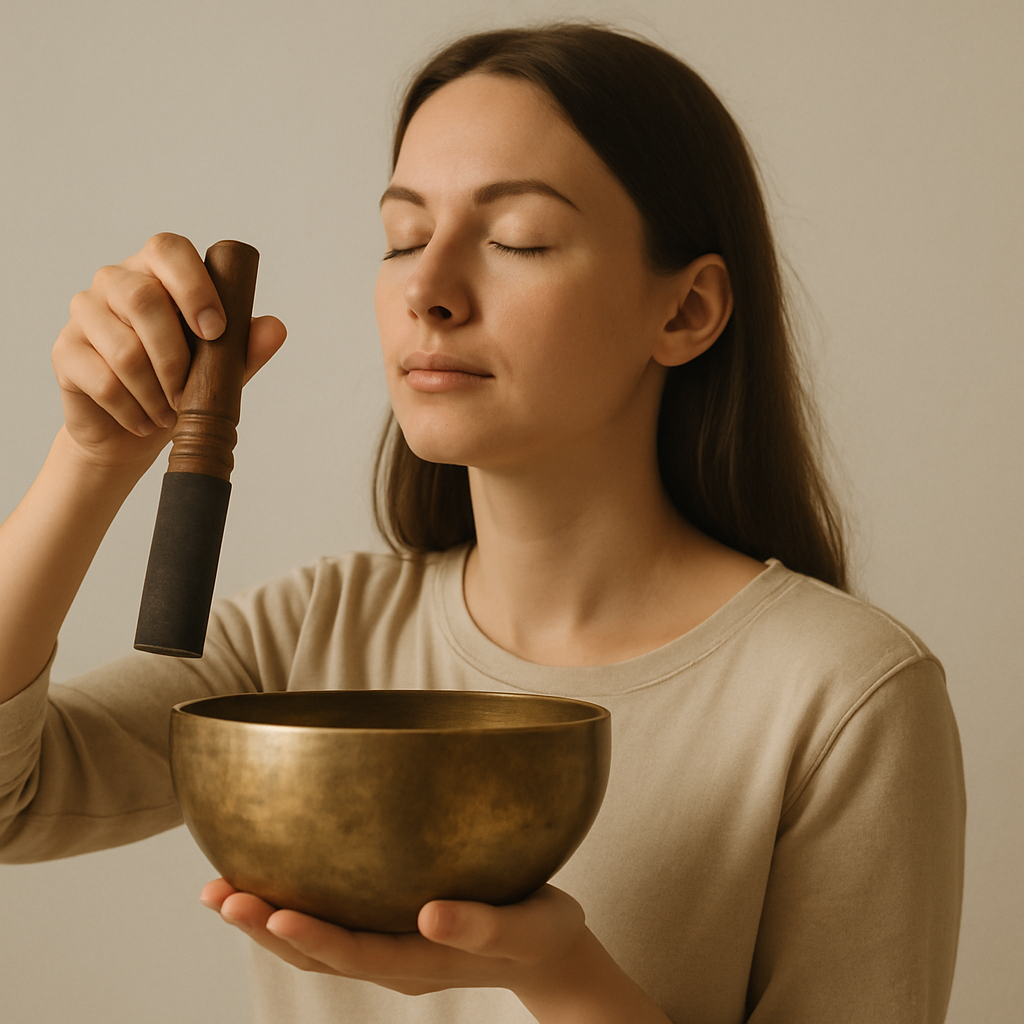
- Sound Baths: Participating in sessions where instruments like singing bowls and gongs are played to create immersive sound experiences.
There are no strict dosing ranges, but it is generally recommended to listen to healing music for at least 30 minutes a day for optimal benefits.
Safety, Contraindications & Interactions
Healing Music is generally safe for most individuals. However, those with specific conditions should exercise caution:
- Epilepsy: Loud or sudden sounds may trigger seizures in some individuals.
- Hearing Impairments: Those with hearing loss should choose volumes that are comfortable and safe.
Pairs Well With
Healing Music can be effectively combined with other natural remedies and therapies, such as:
- Meditation: Enhances the meditative experience and deepens relaxation.
- Aromatherapy: The use of essential oils can complement the effects of music.
- Yoga: Incorporating music into yoga practices can enhance emotional release and physical movement.
FAQs (5)
- Q: Can Healing Music help with anxiety?
A: Yes, many individuals find that listening to calming music helps reduce anxiety and promotes relaxation. - Q: What types of music are best for healing?
A: Genres like classical, ambient, and nature sounds are often recommended for their soothing qualities. - Q: How often should I listen to Healing Music?
A: For optimal benefits, aim to listen for at least 30 minutes daily. - Q: Can I create my own Healing Music?
A: Absolutely! Many people find that playing an instrument or singing can be a powerful form of self-healing. - Q: Is there scientific evidence supporting Healing Music?
A: While research is still emerging, studies have shown promising results regarding music's effects on stress, pain, and sleep quality.
Frequently asked
Can Healing Music help with anxiety?
Yes, many individuals find that listening to calming music helps reduce anxiety and promotes relaxation.
What types of music are best for healing?
Genres like classical, ambient, and nature sounds are often recommended for their soothing qualities.
How often should I listen to Healing Music?
For optimal benefits, aim to listen for at least 30 minutes daily.
Can I create my own Healing Music?
Absolutely! Many people find that playing an instrument or singing can be a powerful form of self-healing.
Is there scientific evidence supporting Healing Music?
While research is still emerging, studies have shown promising results regarding music's effects on stress, pain, and sleep quality.